Divide and Conquer: Audi Takes Its Most Audacious Step Yet!
 05/20 2026
 448
448
Recently, the automotive industry has been rocked by a major announcement. Multiple media sources, drawing on insider information, have reported that Audi is on the verge of revealing its latest restructuring plan for its 'Northern and Southern Audi' operations. The core of this plan is the complete separation of the business operations of the two joint ventures.
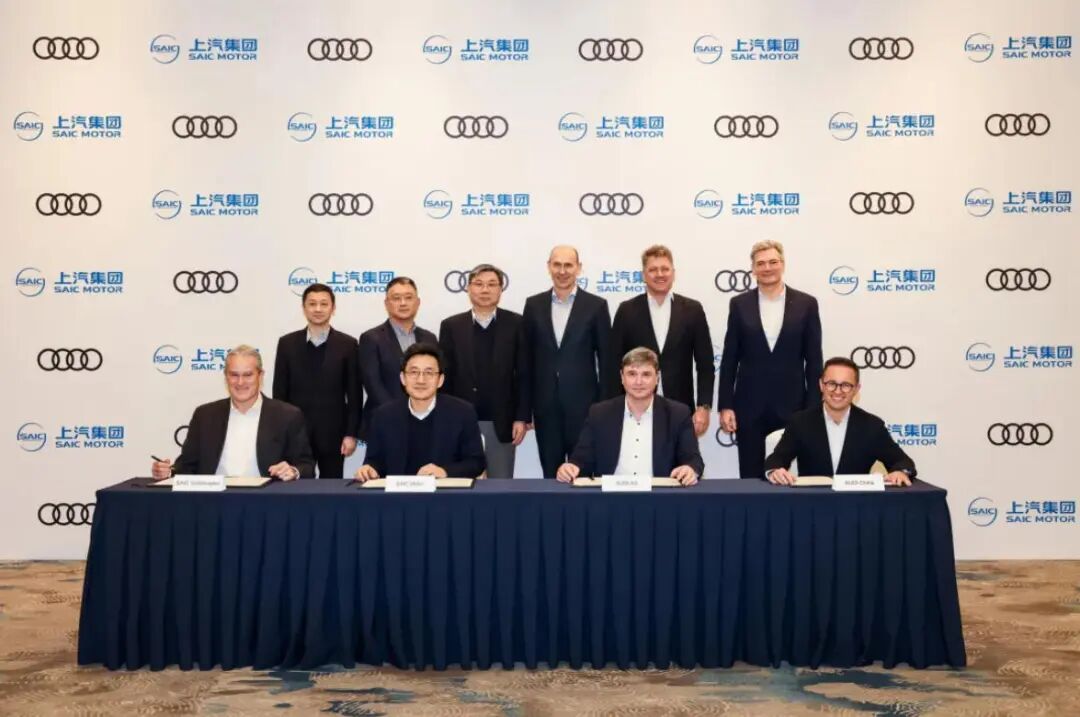
Although Audi China, FAW-Audi, and SAIC-Audi have maintained a united front, stating 'no information to disclose at this time,' the deepened strategic cooperation agreement signed between Audi and SAIC Motor on April 17, coupled with Audi Global CEO Gernot Döllner's repeated emphasis over the past year on 'clearly defined roles for our two partners,' hints that this long-drawn-out dual-joint-venture standoff may finally be nearing a pivotal turning point. However, insiders emphasize that negotiations are still in full swing, with no final resolution yet in sight.
According to the most widely discussed proposal, FAW-Audi will have exclusive control over the production and sales of both combustion-engine and new energy vehicles bearing the iconic four-ring logo. Meanwhile, SAIC-Audi will lose its rights to sell four-ring combustion models and will focus solely on operating the pure electric 'AUDI' brand, sans the four-ring emblem. Once current stocks of four-ring combustion models are depleted, no new additions will be made to the inventory. While not flawless, this plan at least tackles the core issue of internal competition that has hampered Northern and Southern Audi for the past nine years.
Nine Years of Rivalry Have Slowed Audi's Momentum
When the SAIC-Audi project was officially launched in 2017, the industry anticipated it would propel Audi's growth in China. Instead, it marked the beginning of nine years of internal strife. By 2021, when SAIC-Audi officially entered the market, the industry had already voiced concerns about the 'twin-child' model designed to balance profits. Indeed, this simplistic duplication strategy sowed the seeds of discord from the outset.
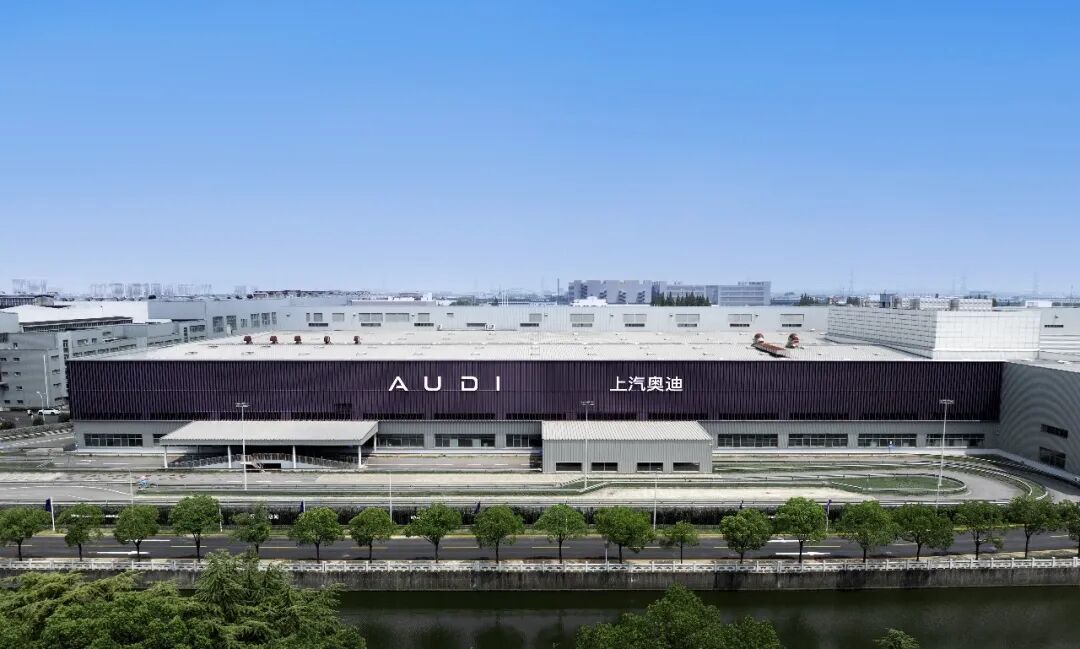
From initial dealer resistance to subsequent product pricing disputes, culminating in last year's high-profile debate over the 'four rings define Audi' branding, conflicts between Northern and Southern Audi have permeated every aspect of the partnership. The most striking example is the all-new Audi A5 family—essentially the same vehicle marketed in two separate versions by FAW-Audi and SAIC-Audi, resulting in poor sales for both and consumer confusion. Recent sales data confirms that SAIC-Audi's exclusive combustion models have failed to significantly disrupt FAW-Audi's established dealership network.
The toll of this internal conflict is tangible. In 2025, Audi's China sales reached approximately 618,000 units, the smallest decline among BBA brands, but its combustion-engine base continues to shrink annually. FAW-Audi fell below the 600,000-unit mark for the first time since 2020, with its PPE platform-based Q6L e-tron pure electric model averaging just 527 units per month after launch. SAIC-Audi sold approximately 47,000 units in 2025, a 23% YoY increase but still a modest volume.
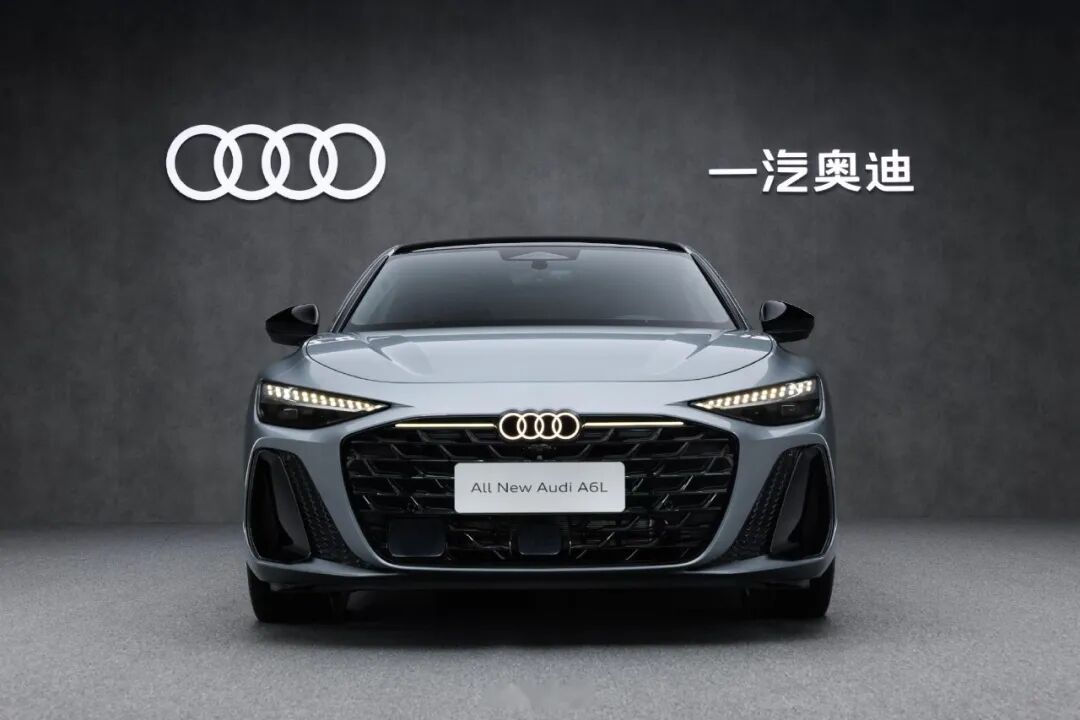
The issue isn't a lack of technology or products at Audi, but rather the excessive energy expended on internal coordination and profit distribution. The situation only began to change after Gernot Döllner took over as Audi Global CEO in 2023. Rather than trying to balance the two partners, he directly proposed a 'differentiated roles' strategy.
At the 2024 Beijing Auto Show, Döllner described Audi's relationship with FAW and SAIC as 'a family with two children,' hinting at distinct developmental paths for each partner. In March of this year, he explicitly stated at a global media briefing that SAIC-Audi's core mission is to advance the letter-logo 'AUDI' brand, while FAW-Audi focuses on products bearing the classic four-ring emblem.
Rumored Roles: Each Stays in Its Lane
The core logic behind this rumored restructuring is straightforward: assign two distinct businesses to the teams best suited to handle them. FAW-Audi, with 38 years of experience in the Chinese market, boasts the most comprehensive dealership network, a mature supply chain, and a broad user base. Continuing its responsibility for four-ring combustion and PPE platform-based pure electric models aims to safeguard Audi's foundational market. After all, combustion vehicles remain Audi's primary profit source, and FAW-Audi's capabilities in this area are unparalleled.
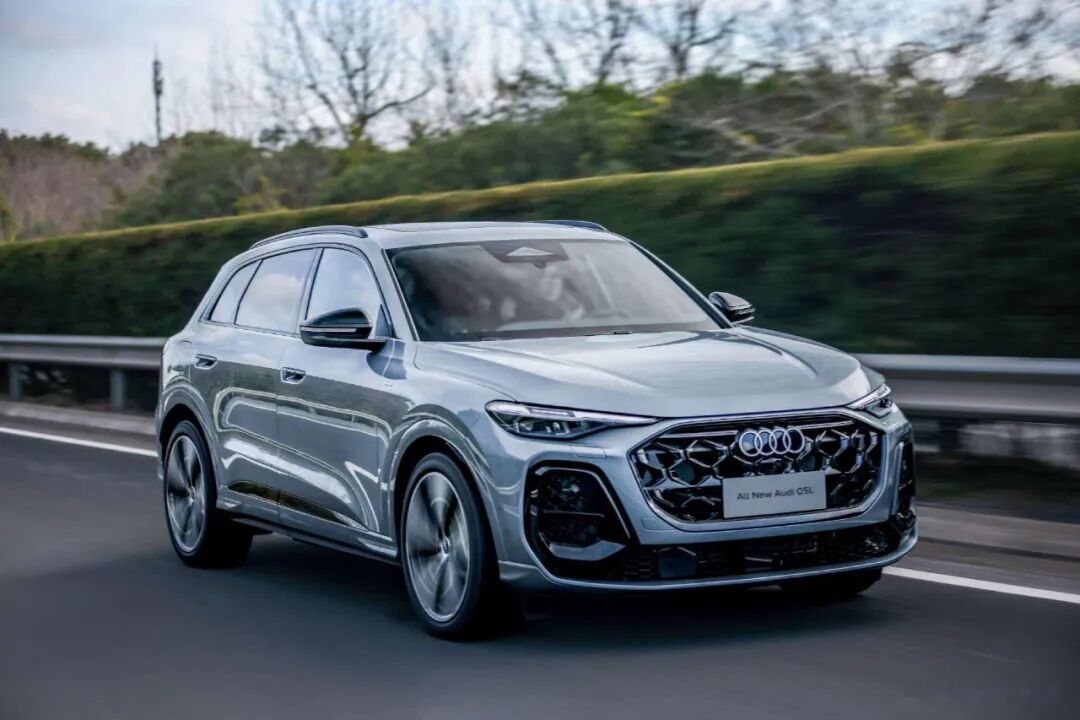
Audi FAW New Energy Vehicle Co., Ltd. in Changchun officially commenced production in late 2024, launching the PPE platform-based Q6L e-tron series, followed by the China-exclusive A6L e-tron. These models will retain the classic four-ring logo and be sold through FAW-Audi's channels. From its inception, SAIC-Audi was tasked with exploring new avenues. The rumored full transition to operating AUDI-branded pure electric models frees it from being 'the second FAW-Audi.'
Following this logic, Munich headquarters clearly aims to simplify matters—returning the combustion foundation to FAW, the most adept at preservation, while compelling SAIC-Audi to abandon combustion-vehicle dependencies and transform into a new force competing in the intelligent driving arena. The deepened strategic cooperation agreement signed on April 17 has laid the groundwork for this direction. Both sides will establish an Audi-led innovation and technology center in Shanghai, Audi's first overseas smart electric technology center.
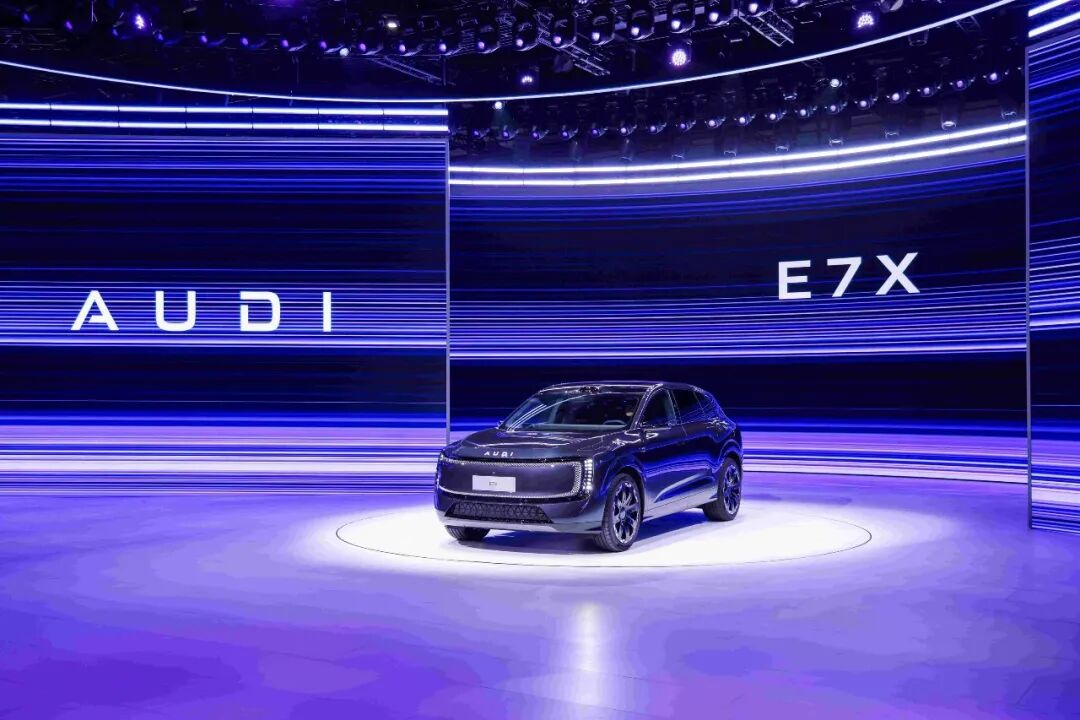
Additionally, they will jointly develop four new AUDI-branded models based on a next-generation intelligent digital platform. The brand's first model, the E5 Sportback, launched in 2025, with its first SUV, the E7X, set for a global debut at the 2026 Beijing Auto Show and a third model planned for 2027.
Deep-Water Negotiations: Risks and Opportunities Abound
Even if finalized, this restructuring won't be a cure-all. Northern and Southern Audi will still face significant hurdles. More critically, all current proposals remain speculative, with stakeholders still engaged in intense negotiations.
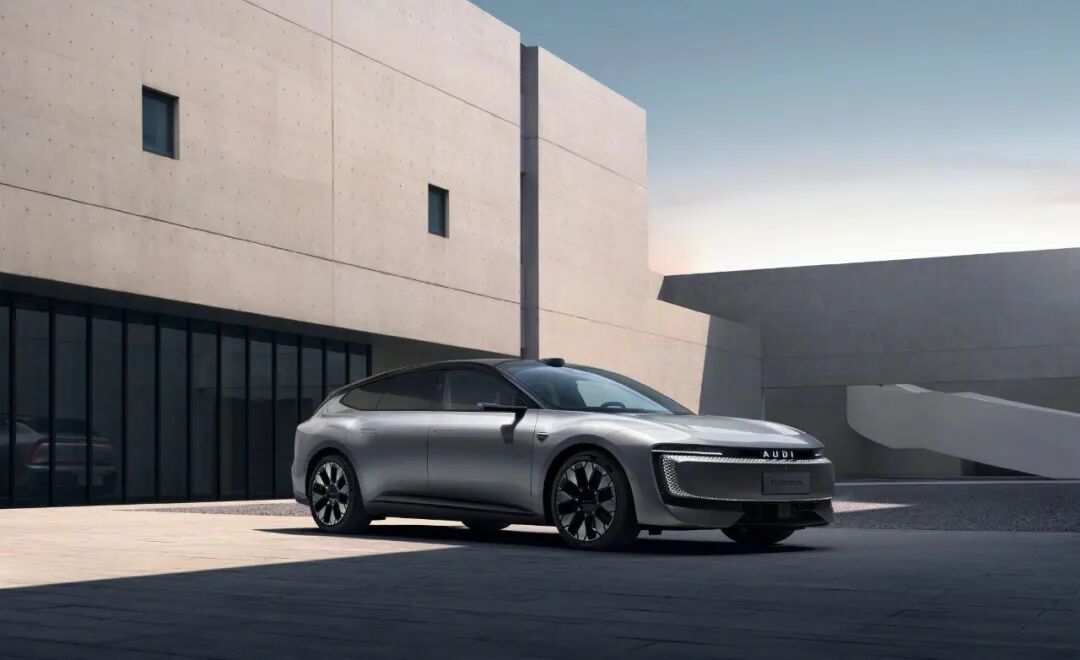
FAW-Audi's primary challenge is accelerating the four-ring brand's electric transformation while preserving its combustion-vehicle foundation. China's NEV market is evolving faster than anticipated, leaving little time for traditional luxury brands. The PPE platform's performance will directly determine the four-ring brand's fate in the new energy era.
SAIC-Audi faces even steeper challenges. It must establish the AUDI brand without the four-ring halo. While Audi's technological support and SAIC's local resources provide a foundation, launching a new brand in the fiercely competitive luxury EV market is no small feat.
A more pressing issue involves dealerships. For SAIC-Audi's existing network, four-ring combustion vehicles currently provide essential cash flow. Abruptly cutting this revenue stream and relying solely on a nascent, low-awareness pure electric brand to sustain a vast offline network carries significant commercial risk. SAIC is unlikely to relinquish its profitable combustion-vehicle operations without a fight.
At least now, Audi is finally addressing its internal conflict. The past nine years have proven that having two joint ventures compete in the same space wastes resources and creates market confusion. Differentiated roles represent the true path forward for a dual-joint-venture strategy. Whether this rumor materializes into official policy or remains industry chatter, it has exposed the sensitive nerves of traditional joint ventures during the electric transformation. Whether Audi's business restructuring is genuine or merely exploratory depends on how stakeholders compromise at the negotiating table.
-
![]()
Apple Slashes Prices, Xiaomi Holds Clearance Sale, Huawei Surprises: Smartphone Titans Clash in 'Three Kingdoms Showdown' at 618 Shopping Festival
-
![]()
Li Jian's Vision, Honor's Reality
-
![]()
OpenAI and Anthropic Clash on Wall Street as Financial Giants Take Sides
-
![]()
AMD's AI Developer Day: Computing Power Competition Enters the Era of Local Agents
-
Masayoshi Son Bets $60 Billion on OpenAI, SoftBank Panics Inside
-
![]()
Insta360's Profit Puzzle: Liu Jingkang Unveils the Strategy
-
Baseus Caught in the 'Middle Zone': Struggles Against OEM and Unbranded Competitors
-
![]()
Global Top 100, China Top 66: The 'Power Ranking' of Humanoid Robots