OpenAI and Anthropic Clash on Wall Street as Financial Giants Take Sides
 05/20 2026
 626
626
Some time ago, OpenAI and Anthropic announced their official entry into the financial sector almost simultaneously.
Today, I'll use a cinematic narrative style to take you through the strategies and clashes of these two AI giants in the financial sector. Because it truly resembles a blockbuster business war film.
"Act One: Two Gunshots in the Same Week"
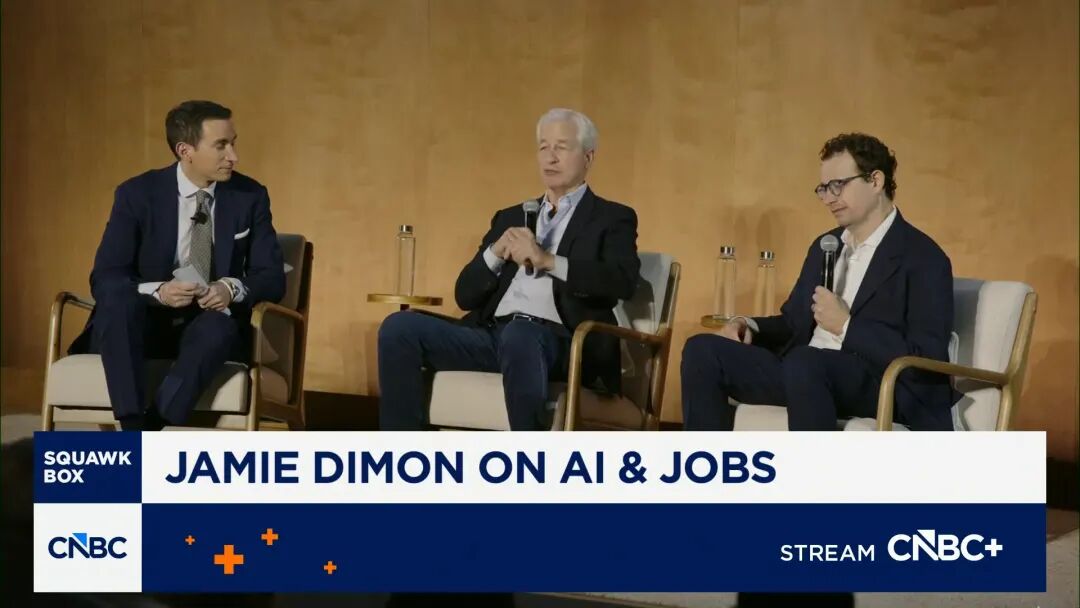
On May 4, 2026, in New York. At Anthropic's press conference, JPMorgan Chase CEO Jamie Dimon took the stage and announced the full adoption of Claude. Seated in the audience were representatives from Blackstone, Goldman Sachs, and Apollo.
On May 11, 2026, in San Francisco. OpenAI released a press statement announcing the establishment of a new company valued at $10 billion. Backing it were TPG, Bain Capital, SoftBank, and Goldman Sachs.
That's right—Goldman Sachs appeared on both sides.
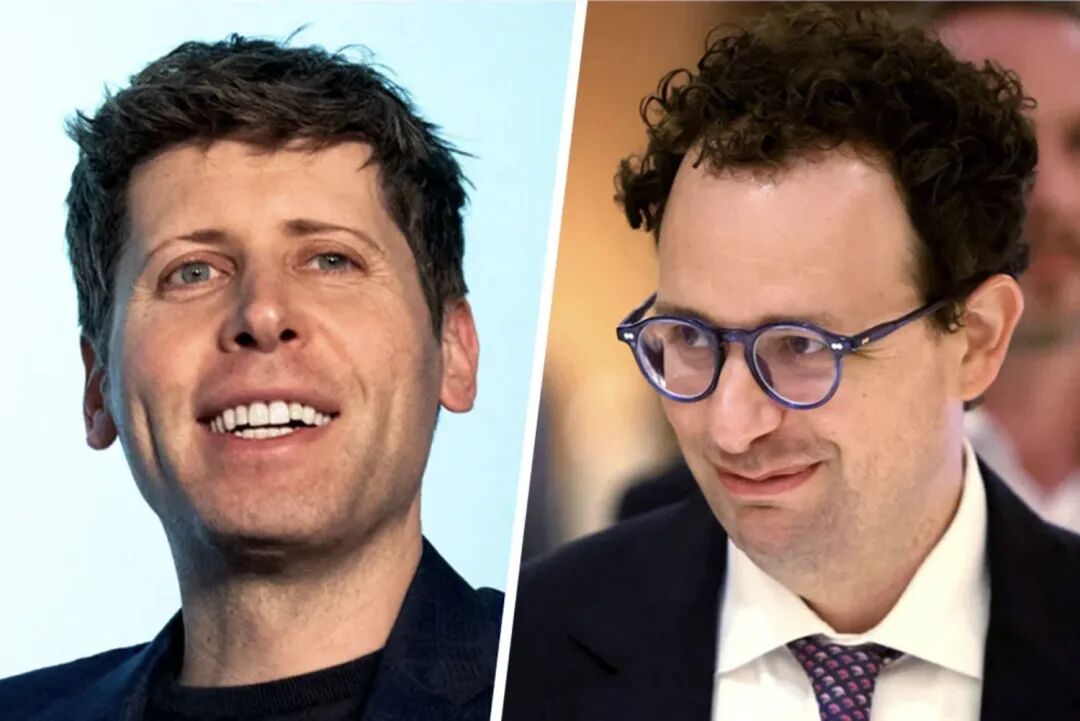
Within seven days, the two biggest rivals in the AI industry announced their official entry into the financial sector almost simultaneously. One came with $1.5 billion, the other with $4 billion. One brought in the CEO of the world's largest bank to endorse it, while the other directly acquired an entire 150-person deployment team.
This was a long-planned direct confrontation. Wall Street became their battleground.
"Act Two: The Covert War"
The foreshadowing of this story dates back a year.
In July 2025, Anthropic made the first move.
It released Claude for Financial Services, a comprehensive financial analysis solution. Integrated with data sources from S&P Global, PitchBook, and Snowflake, its client list included Visa, PwC, Bridgewater Associates, and the Norwegian Sovereign Wealth Fund.
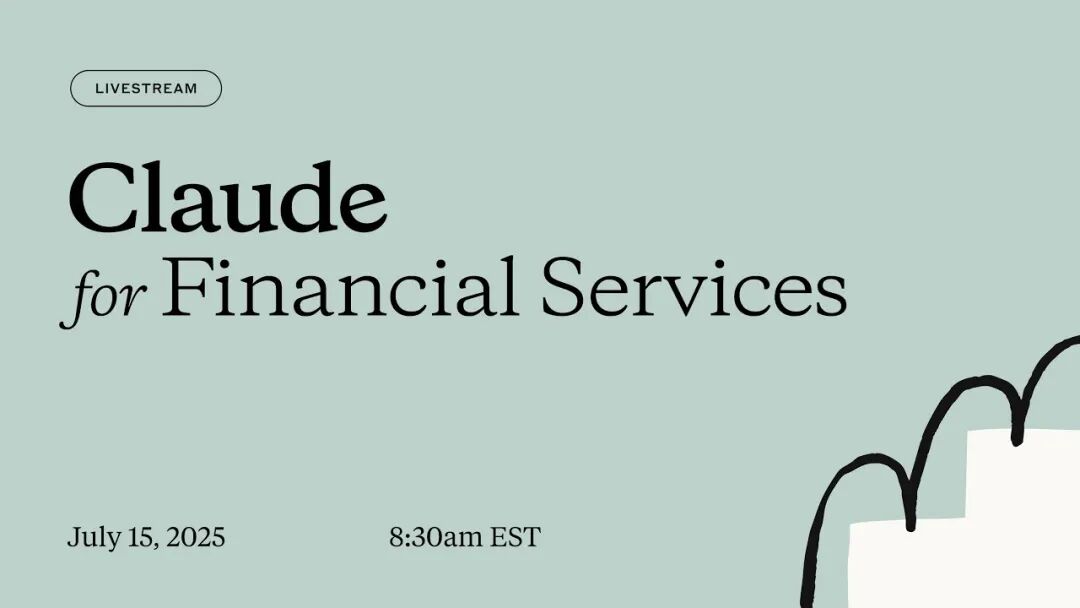
This was a clever move. Instead of selling models, it sold "something financial professionals could use directly." Claude's 200k+ token long-context capability meant it could devour an entire prospectus in one go. Its low hallucination rate meant financial professionals dared to present reports generated by it to clients.
Wall Street analysts began secretly using Claude for earnings analysis, due diligence, and risk control.
What about OpenAI? On the surface, it was quiet, but behind the scenes, it was doing something even more ruthless—buying companies.
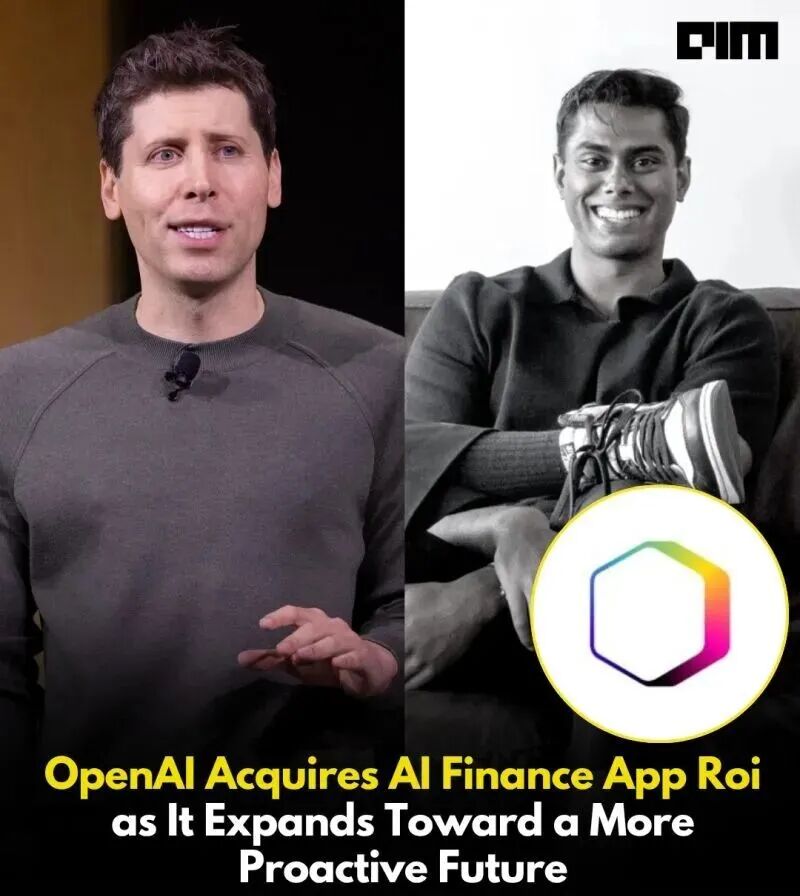
In October 2025, OpenAI quietly acquired Roi, an AI personal finance app. No press conference, no press release—the team was merged, and the original product was taken offline.
In December, BBVA, Spain's largest bank, announced the rollout of ChatGPT Enterprise to all 120,000 employees across 25 countries. This was one of the largest-scale generative AI deployments in the financial industry.
Anthropic was preaching loudly on the front lines, while OpenAI was quietly building its position in the background.
The first round ended in a draw. But both sides knew the real showdown hadn't begun yet.
"Act Three: April 2026, Hand-to-Hand Combat Begins"
On April 7 this year, Anthropic suddenly revealed a trump card.
Claude Mythos. A new model with strong coding and agency capabilities. But it wasn't publicly released—it was only available to 12 top-tier enterprises on a restricted basis, including JPMorgan Chase, Apple, and Amazon.
Why the secrecy? Anthropic claimed: This model is too powerful. Its financial security capabilities and vulnerability detection abilities are top-tier. If it falls into the wrong hands, it could be more dangerous than hackers.
The subtext was clear: I have a nuclear weapon, but I'm only giving it to my own people.
OpenAI couldn't sit still.
Six days later, on April 13, OpenAI acquired financial startup Hiro Finance. This company had managed over $1 billion in assets, and its core product was an AI personal CFO capable of cash flow simulation, debt management, and investment scenario planning.
Combined with its previous acquisition of Roi, OpenAI had now assembled a complete technical team for personal finance.
You release models; I buy companies. You lock in major clients; I acquire tech teams.
The two companies were like boxers in the ring, probing each other, waiting for the referee to shout "fight!"
"Act Four: May 4, Anthropic's First Heavy Punch"
Anthropic chose New York.
The location itself was a declaration. Not Silicon Valley, not an online press conference (press conference), but Wall Street's home turf.
It brought three things.
First, a brand-new joint venture. Partners included Blackstone (the world's largest alternative asset manager), Goldman Sachs (Wall Street's shrewdest investment bank), and Hellman & Friedman (a PE giant focused on large-scale acquisitions). Backing them were General Atlantic, Apollo, GIC, and Sequoia Capital, with a commitment of $1.5 billion.
Second, a full arsenal. Claude Opus 4.7 (the strongest financial-specific version) + 10 financial-specific AI agents. Pitch Builder automatically generates investment banking roadshow materials, Earnings Reviewer automatically analyzes earnings reports, Model Builder automatically constructs financial models, plus AML investigations, risk monitoring, insurance underwriting, reconciliations, closings...
Investment banking, asset management, risk control, compliance—fully covered across the entire chain.
Third, and most importantly, Jamie Dimon.
The CEO of JPMorgan Chase, Wall Street's most powerful banker, took the stage and declared in front of everyone: We are fully adopting Claude.
What does this mean? The leader of the world's largest bank was endorsing an AI company. On Wall Street, this isn't just collaboration—it's a "royal endorsement."
Anthropic's CFO, Krishna Rao, said corporate demand for Claude far exceeded what any single delivery model could handle.
So Anthropic's strategy was clear: I'm not just selling you a model—I'm sending people into your company to help embed AI into every process, starting with understanding your business.
The target clients were primarily mid-sized financial institutions. Community banks, mid-sized asset managers, regional healthcare systems—companies with AI needs but who couldn't afford McKinsey or hire AI engineers.
This punch was both precise and powerful.
"Act Five: May 11, OpenAI's Counterattack"
A week later, OpenAI struck back.
If Anthropic's approach was "precision strikes," OpenAI's move was "carpet bombing."
It announced the establishment of DeployCo (OpenAI Deployment Company). PE firms contributed $4 billion, OpenAI invested $50 million, and the new company was valued at $10 billion.
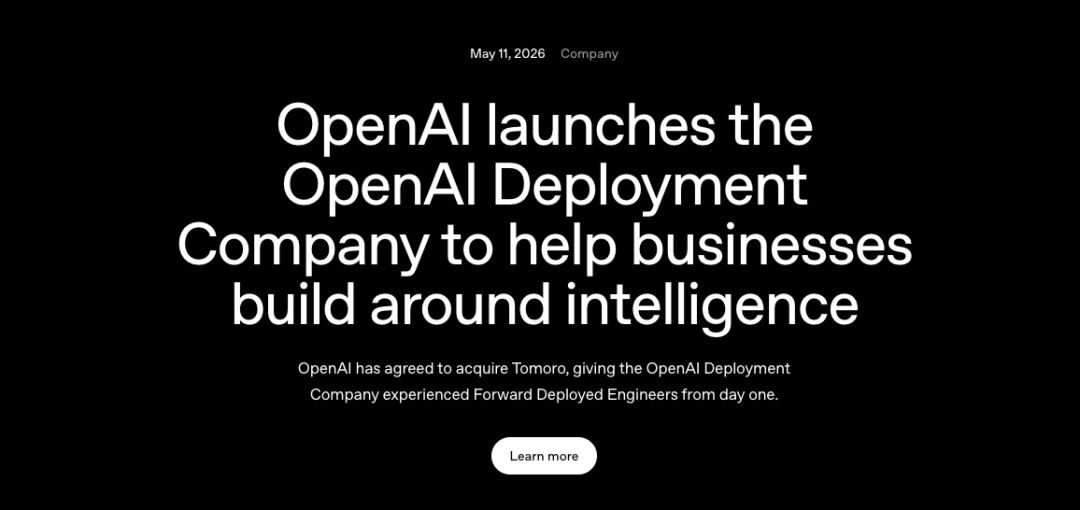
$4 billion vs. $1.5 billion. OpenAI created a 2.7x gap with money alone.
The partner list was even more impressive—led by TPG, with Bain Capital, Brookfield, and Advent as co-leads, and Goldman Sachs, SoftBank, and Warburg Pincus as followers. Bain & Company, Capgemini, and McKinsey provided consulting support. Nineteen partners in total, covering over 2,000 portfolio companies globally.
But OpenAI's most ruthless move wasn't the money—it was the people.
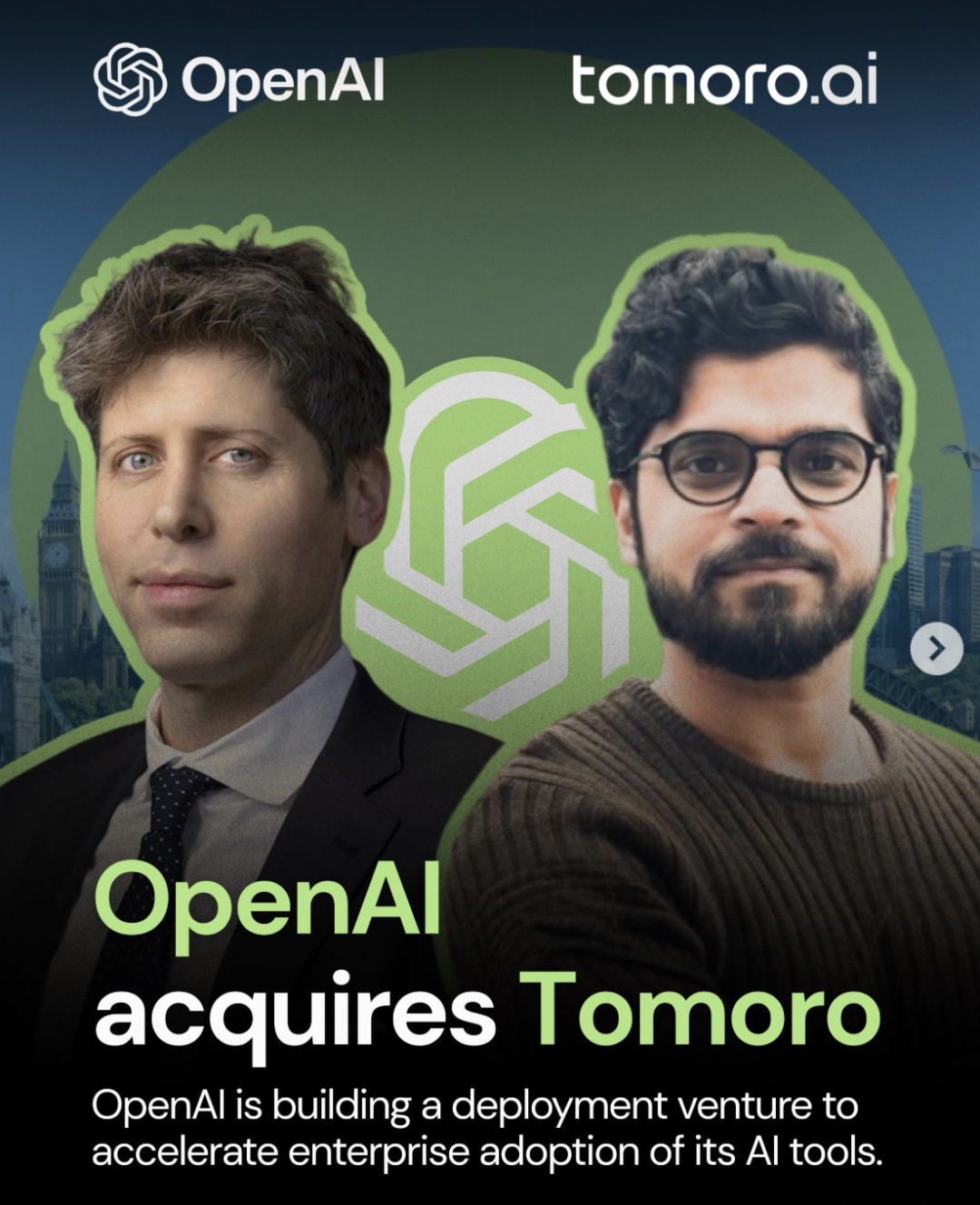
It directly acquired AI consulting engineering firm Tomoro, instantly gaining about 150 experienced frontier deployment engineers. These individuals had previously served Tesco, Virgin Atlantic, and Supercell—veterans who had cut their teeth in real-world business environments.
DeployCo's core model was called FDE (Forward Deployed Engineers)—frontier deployment engineers. These engineers were stationed directly at client sites, immersed in the business to solve specific problems with AI.
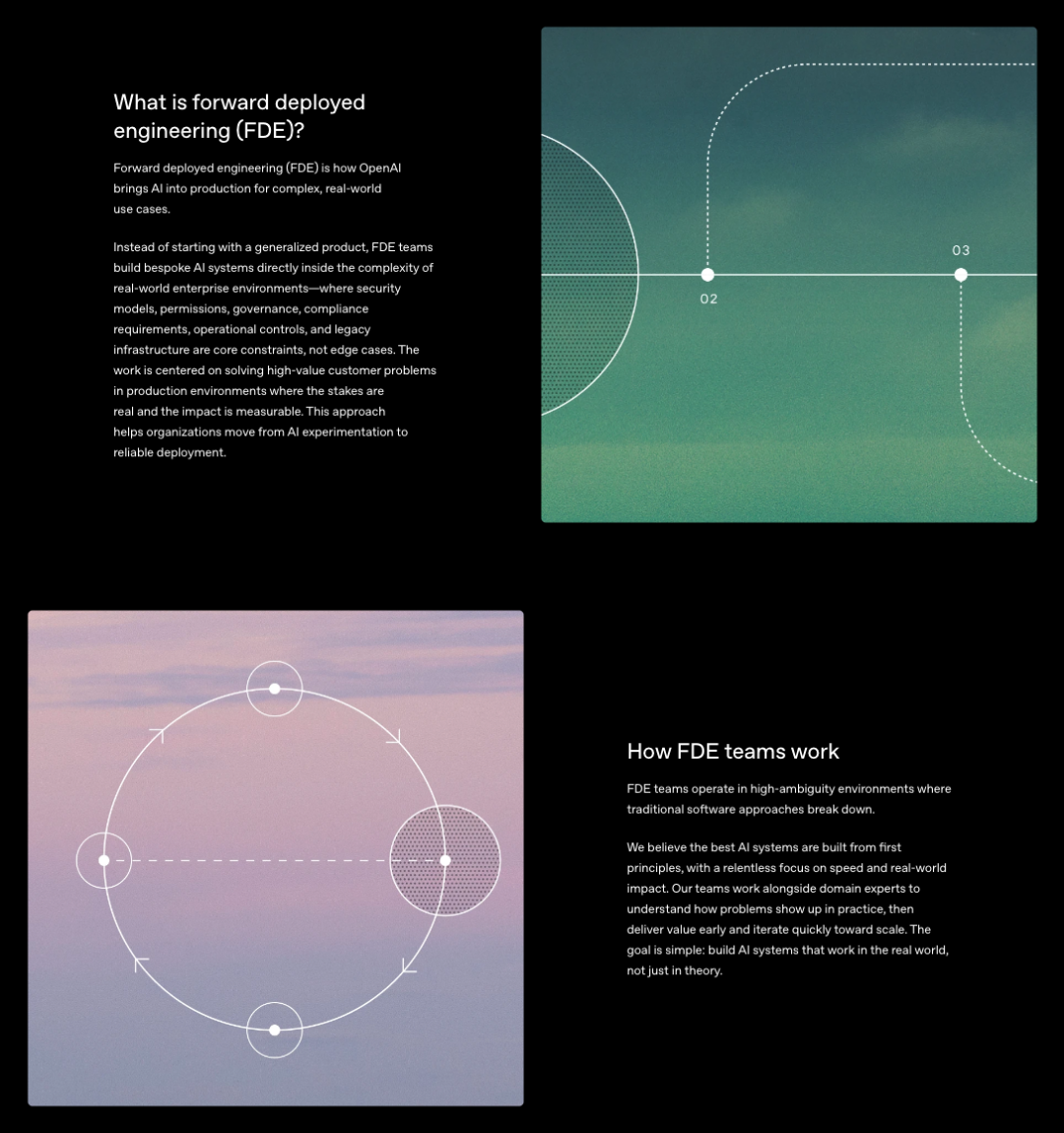
This playbook was something Palantir had used over a decade ago. Now OpenAI was bringing it into the AI era—and from day one, it had assembled a 150-person combat unit.
Anthropic said: I'm sending people to help you. OpenAI said: I'm buying an entire army.
OpenAI's arsenal included: GPT-5.5 enterprise-grade financial agents + private deployments + custom modeling. Targeting large banks, PE firms, and hedge funds.
You target the mid-market; I go after the large market. You use $1.5 billion; I use $4 billion. You have Jamie Dimon endorsing you; I have 19 PE firms backing me.
The arms race between these two AI giants in the financial sector was intensifying.
Let's pause here to mention Goldman Sachs.
On May 4, it was a founding partner of Anthropic's financial joint venture. On May 11, it was a founding partner of OpenAI's DeployCo.
In one week, it stood with both sides.
If this were a palace drama, Goldman Sachs would be the eunuch supervisor handing knives to two princes.
But on Wall Street, this is called "hedging." Large investment banks placing bets on competing firms simultaneously is instinctive—their primary goal is to ensure they win no matter who comes out on top.
This also revealed a deeper message: In the eyes of Wall Street's smartest players, the AI financial market is big enough for two giants to coexist.
Goldman Sachs wasn't betting on who would win—it was betting on the track (sector) itself.
"Act Six: The War Spreads, from Wall Street to Your Wallet"
If you thought this war was only happening in skyscrapers, you're wrong.
On May 14, PwC announced the deployment of Claude Code and Cowork to hundreds of thousands of employees, expanding globally from the U.S.
Insurance underwriting, which traditionally took 10 weeks, now took 10 days with Claude. Cybersecurity incident response time shrank from hours to minutes. Client report delivery efficiency improved by up to 70%. PwC even established a dedicated Claude-centric finance department called the Office of the CFO.
PwC's CEO, Paul Griggs, said: The conversation about AI has shifted from "possibility" to "execution."
Anthropic was pushing aggressively on the enterprise front.
Two days later, on May 16, OpenAI brought the war directly to the individual market.
ChatGPT Pro opened a preview of personal finance features. By connecting your bank accounts via Plaid and Intuit, it offered real-time spending analysis, portfolio tracking, and cash flow forecasting. Based on GPT-5.5, it focused on complex financial reasoning + data security isolation.
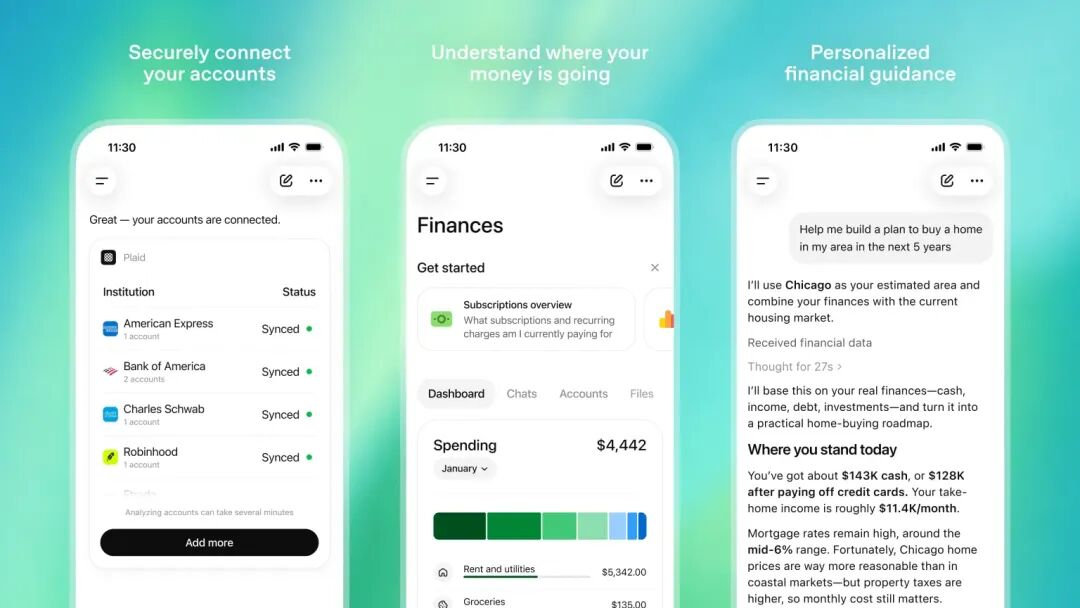
From Roi to Hiro Finance to this feature, OpenAI's intention was clear: It wanted an AI financial advisor in everyone's phone.
Anthropic was attacking from the top down, securing JPMorgan Chase first, then penetrating mid-sized institutions. OpenAI was squeezing in from both ends—targeting large enterprises at the top and individual users at the bottom.
The two battle lines would eventually meet in the middle. That's when the real showdown would begin.
"Final Act: The Nature of This War"
Stepping back, what is the essence of this confrontation?
It's the race to cover the last mile as AI moves from labs into real-world scenarios.
Over the past three years, model capabilities have grown exponentially. But most companies' daily operations haven't changed because of it. PwC provided a figure: Most companies still run on pre-AI systems and processes, resulting in over $2 trillion in inefficiency drag.
$2 trillion. This isn't a market opportunity—it's a gold mine waiting to be dug.
OpenAI's B2B Signals report states that cutting-edge companies use 3.5 times the amount of AI intelligence per employee compared to average companies. A year ago, it was only twice as much, and this gap is widening at an accelerating pace.
The question has never been whether 'the model is powerful enough,' but rather 'who will help companies actually implement AI.'
Now, two companies have provided the same answer: We'll do it ourselves. Bringing money, talent, and the world's top private equity and consulting firms, they're stepping in directly.
Getting back to more practical matters, what does this mean for all of us?
If you're in the financial industry, your next colleague might be AI. Not necessarily to replace you, but more likely to take over the tasks you least want to do.
If you're in a mid-sized company and previously thought AI was a game for big corporations? Anthropic's $1.5 billion is aimed right at you.
If you're an investor, the valuation logic for AI companies is shifting from 'model capability' to 'deployment capability.' DeployCo's $10 billion valuation on day one says it all.
If you're an AI entrepreneur, the window of opportunity may be shorter than you think. When OpenAI and Anthropic step in to handle deployment themselves, the survival space for independent AI consulting firms will quickly shrink.
If you just want to manage your own money, ChatGPT Pro's financial management features are on the way. $200 a month for a 24/7 AI financial advisor.
May 4, Anthropic. May 11, OpenAI.
Seven days, $5.5 billion. The rules of the game established by Wall Street over centuries are being rewritten by two young companies.
Where will the next battlefield in finance be?
If you have any thoughts, feel free to join the discussion in the comments section.
If you've gained something, please like, share, recommend the article, and follow 'AI Robot Teahouse.'
-
Insta360 Faces Domestic NPE Lawsuit: Hunted Abroad, Ambushed at Home?
-
Ofilm Teams Up with ADSensE to Propel Large-Scale Deployment of All-Solid-State LiDAR Powered by ADS6311 Chip!
-
![]()
Loss of 2.5 Billion Yet Facing Strong Demand for Shares? Another Battle for Control of Lianchuang Electronics
-
![]()
Huawei’s Enjoy Series Flies Off the Shelves, Prompting Xiaomi to Double Down on Budget Smartphones
-
![]()
Beijing Hyundai's Top Executive Criticizes Industry Disorder: Certain Brands Treat Customers as Beta Testers
-
![]()
The domestic mobile phone market has declined for five consecutive quarters! Huawei defies the trend with significant growth: maintains its top market share
-
Annual Revenue Surpasses 3 Billion: An Automotive Trim 'Little Giant' Makes Its Debut on the Beijing Stock Exchange
-
![]()
The Space Force Wants to Spend $30 Billion on Rocket Launches: Is Trump Doubling Down, and Is SpaceX the Big Winner?