SAIC Motor Makes a Comeback: Net Profit Jumps 72% to 7.87 Billion in H1, Gross Margin Reaches Seven-Year Peak
 08/31 2026
 358
358
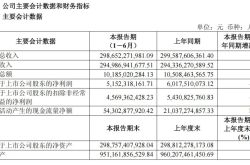
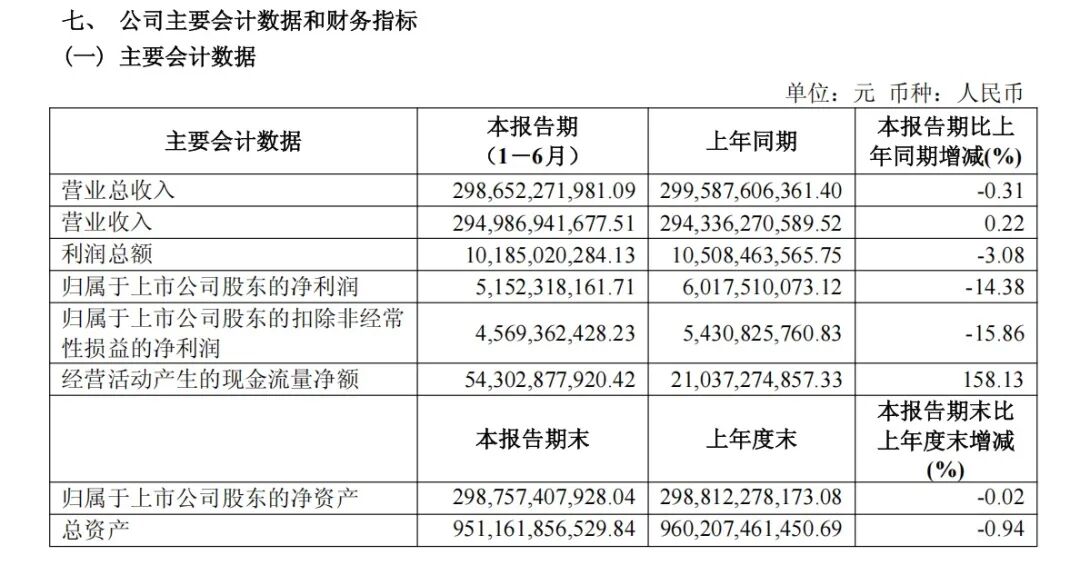
A stable recovery is the defining feature of SAIC Motor's financial report for the first half of 2026. Released on August 28, the report revealed that SAIC Motor generated revenue of RMB 298.65 billion in the first half, representing a slight 0.31% decrease year-on-year. Net profit attributable to the parent company stood at RMB 5.15 billion, a 14.42% decline from the previous year.
After excluding the impact of exchange rate fluctuations and impairments, SAIC Motor's core net profit attributable to the parent company soared to RMB 7.87 billion in the first half, marking a remarkable 72% increase year-on-year. Net cash flow from operating activities reached RMB 54.3 billion, up 158% year-on-year, significantly outpacing profit growth. This underscores the rapid recovery of SAIC Motor's profitability.
The consistent recovery of the gross margin is another indicator of SAIC Motor's profitability rebound. In the first half, SAIC Motor's gross margin stood at 12.6%. Comparatively, BYD's gross margin was 18.85%, Great Wall's was 18.37%, and Geely's was 17.90% during the same period, suggesting that SAIC Motor's absolute gross margin level is not the highest in the industry.
However, when viewed longitudinally, from 2020 to 2025, SAIC Motor's gross margins were 10.76%, 9.63%, 9.61%, 10.19%, 9.38%, and 10.09%, respectively, hovering around the 10% mark for an extended period. This year's first half witnessed a direct 3 percentage point increase year-on-year, reaching a seven-year high. Amidst rising raw material costs and widespread industry gross margin pressures, SAIC Motor's gross margin experienced a significant rebound in the first half. This can be attributed to the effectiveness of systemic reforms, such as product mix optimization and cost control, that SAIC Motor has been continuously implementing in recent years.
The recovery of profitability is underpinned by a solid sales volume foundation. Amidst intensifying industry competition and pressure on domestic demand, SAIC Motor sold 2.045 million vehicles in the first half, not only surpassing BYD in sales volume and achieving the sole domestic sales volume exceeding 2 million units in the first half but also outpacing industry growth by nearly 4 percentage points, showcasing SAIC Motor's sales resilience. In May this year, SAIC Motor also became the first Chinese automotive group to surpass 100 million cumulative production and sales, with scale signifying not only a higher market share but also bargaining power in the supply chain and the ability to amortize R&D investment.
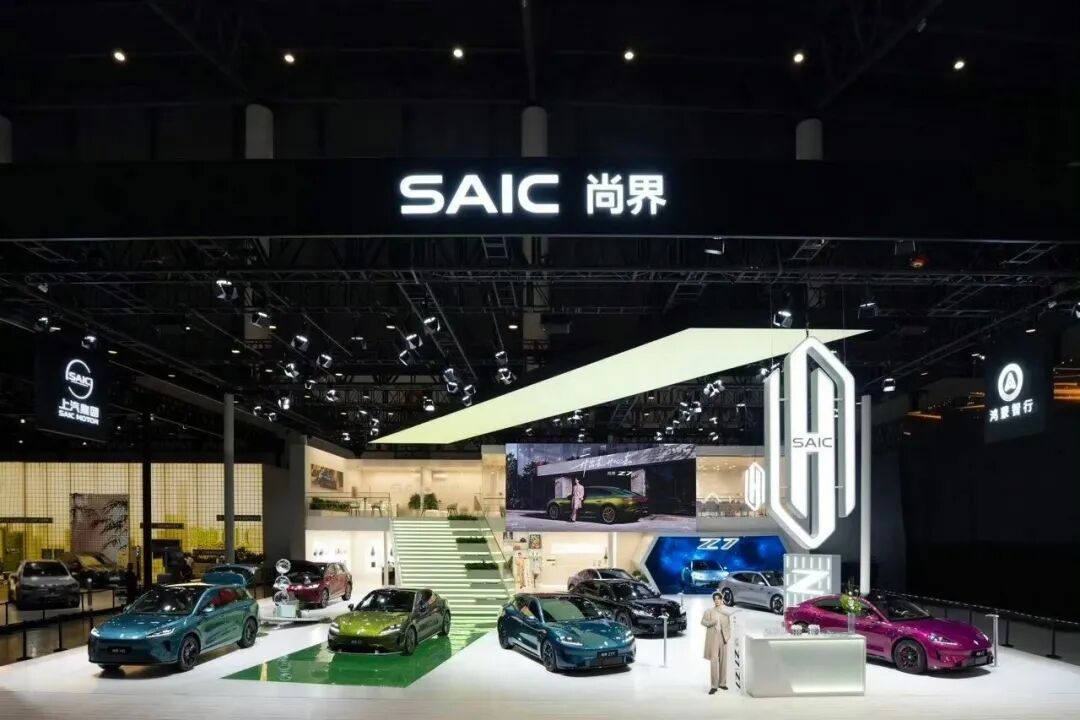
This achievement was primarily driven by the combined efforts of three key factors: independent brands, new energy, and exports. Firstly, independent brands have emerged as the absolute sales pillar for SAIC Motor in the first half. Through intensive product launches, such as the MG4 family, Shangjie Z7/Z7T, Zhiji LS8, and Huajing S, independent brands sold a cumulative 1.469 million units, up 12.6% year-on-year, accounting for over 70% of total vehicle sales for the first time. Among them, the MG4 family's monthly sales consistently exceeded 10,000 units; the new Shangjie models Z7/Z7T received positive market feedback after launch, with single-month deliveries rapidly surpassing 10,000 units; the Zhiji brand's sales doubled in the first half; and the Huajing S under SAIC-GM-Wuling topped the sales chart for plug-in hybrid large SUVs.
New energy is the second driving force. SAIC Motor's new energy sales volume reached 796,000 units in the first half, up 23.1% year-on-year, with a new energy penetration rate of 38.9%. SAIC Motor's new energy sales volume ranked third among domestic automakers in the first half, with BYD and Geely in first and second place, selling 1.8085 million and 799,500 units, respectively.
Overseas markets constitute the 'third engine,' having evolved into a crucial incremental market and profit source for SAIC Motor. Although SAIC Motor has not publicly disclosed profit figures for its overseas business, sales volume indicates that it sold 735,000 units overseas in the first half, up 48.7% year-on-year, accounting for over 35% of total sales. This accomplishment was not solely reliant on export volume but was the result of systemic capability output. While deepening its presence in traditional strong European markets, SAIC Motor continued to expand into emerging markets such as Central Asia and Africa and advanced localized production layouts; overseas localized parts bases effectively reduced production costs and improved delivery efficiency; and regional service centers enhanced the full-process after-sales support system.
In addition to independent brands, new energy, and exports, SAIC Motor's joint venture segment also exhibited clear signs of recovery. SAIC Volkswagen launched new energy models such as the ID.ERA 9X and AUDI E7X, fully covering extended-range, hybrid, and pure electric markets, with positive market feedback; the Buick Zhijing E7 won the sales championship among joint venture brand new energy models in its first month of launch, and SAIC-GM's new energy vehicle sales grew by over 90% in the first half.
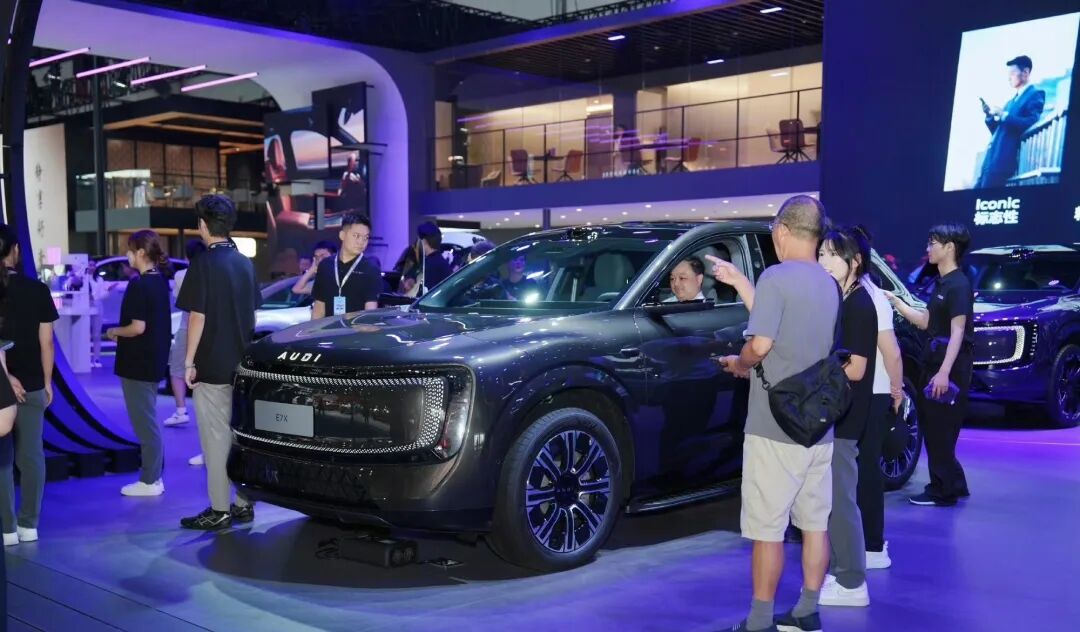
Furthermore, SAIC Motor signed a strategic cooperation agreement with Audi and established the Audi Innovation Technology Center. The two sides will jointly develop multiple luxury intelligent electric products for the Chinese market, which will rapidly enhance the product competitiveness of the AUDI brand. With the AUDI brand gradually gaining momentum, SAIC Motor's operating conditions will also continue to improve.
While accelerating product launches, SAIC Motor is also promoting channel reforms. Addressing the limitations of the traditional 4S dealership heavy-asset model, SAIC Motor is penetrating lower-tier markets through multi-brand integrated stores like 'SAIC Xing,' with multiple brands sharing showroom and service resources, adopting a lightweight, low-barrier model to reduce store construction and operational costs while tapping into incremental space in these markets.
Meanwhile, SAIC Motor is at a stage where technological achievements are being realized in unison. Semi-solid-state batteries have achieved mass production in multiple models, self-developed steer-by-wire technology has been mass-produced in the Zhiji LS9 and LS8, and advanced intelligent driving solutions have been equipped in models such as the AUDI E7X, all of which have been translated into product market competitiveness.
Recently, SAIC Motor has successively launched the MG07, ID. ERA 5S, and the all-new Zhiji L6. Next, models such as the Jiayue 07, ID.ERA 8X, ID.ERA 5X, and Cadillac XT5 PHEV are queued up for launch, covering both independent and joint venture brands. With the market continuing to recover in the second half and SAIC Motor's sustained efforts in the new energy sector in both independent and joint venture segments, SAIC Motor is expected to further increase sales volume and drive overall operating performance improvement in the second half.
-
![]()
Tearing Off the Female Label and Embracing Both Electric and Hybrid: How Far Can GWM's Ora Go in Its Self-Rescue Journey?
-
![]()
SAIC Motor Makes a Comeback: Net Profit Jumps 72% to 7.87 Billion in H1, Gross Margin Reaches Seven-Year Peak
-
![]()
FAW Achieves New Milestone in Solar Charging! Why Is It So Challenging for Cars to 'Harness the Sun'?
-
AI: The Catalyst for Industrial Transformation
-
Is Lixiang Innovation the Next Luxshare Precision? Backed by the Wang Laichun Family, It Relies on One Client for 70% of Its Earnings
-
![]()
Q2 Revenue Growth and Improved Profitability: Haier Smart Home's Interim Results Demonstrate Business Resilience
-
In-depth | ByteDance Binds with Microsoft, IBM Introduces DeepSeek: A New Narrative in China-U.S. AI Relations
-
90% of Revenue Stems from Overseas Markets, Products Linked to Fuel Vehicles! How Will Huaneng Turbine Navigate the New Energy Vehicle Surge?