If ByteDance Goes Public, Could It Become China’s Largest Company by Market Capitalization?
 09/18 2026
 407
407
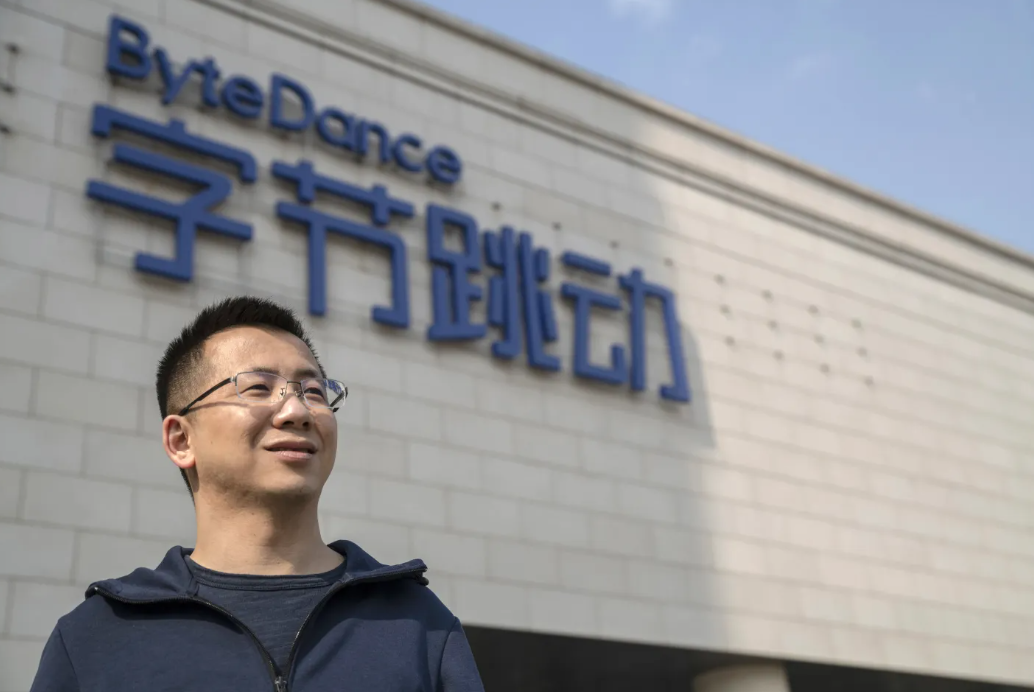
In recent days, two key sets of data about ByteDance have been circulating in the market. The first is revenue: $120 billion in the first half of 2026, slightly exceeding Meta’s $117.1 billion during the same period. The second is valuation: its secondary market trading valuation has approached $600 billion, with the mainstream reference range falling between $500 billion and $600 billion. By comparison, Meta’s market capitalization stands at $1.7 trillion.
This raises a natural question: If this tech giant, which has never gone public, enters the capital market, could it overtake Tencent as the highest-valued company in mainland China—or even across all of China?
$120 Billion in Six Months: A “Mixed” Performance Report
According to a September 15 report by The Information, ByteDance generated $120 billion in revenue in the first half of 2026, marking a roughly 30% year-on-year increase, largely driven by TikTok’s international advertising and e-commerce businesses. However, its profit picture shifted dramatically: net profit fell to $20 billion, a single-digit percentage decline year-on-year, with the net profit margin dropping from over 20% to around 16.7%.
Image Source: Internet
While ByteDance has not commented on the report, placing these figures in the context of China’s internet sector adds nuance. In terms of revenue, ByteDance’s full-year 2025 revenue reached approximately $200 billion (up 29% year-on-year), equivalent to over RMB 1.4 trillion, surpassing Alibaba and Tencent to claim the top spot among Chinese tech companies by revenue.
The profit picture, however, tells a different story. Tencent’s full-year 2025 net profit reached around RMB 240 billion, with margins continuing to rise. Meanwhile, ByteDance has adopted a “sacrifice current profits for future growth” strategy in the AI arms race—investing heavily in self-developed large models, the video generation model Seedance, Volcano Engine expansion, and Doubao user subsidies.
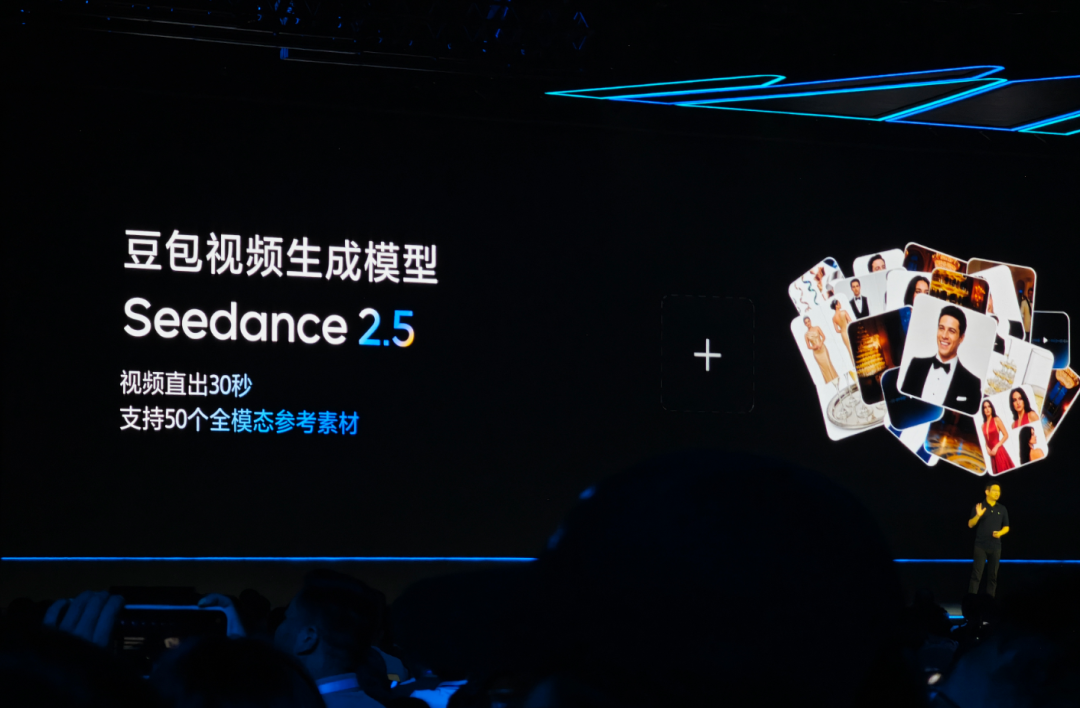
Image Source: Leikeji
Bloomberg reported in May that ByteDance planned to invest up to $70 billion in data centers and AI infrastructure in 2026, roughly double its 2025 spending.
In short: By revenue, ByteDance is already China’s leader, surpassing Meta. By profit quality, it is in a phase similar to Alibaba’s past “heavy investment for growth” stage, contrasting sharply with Tencent’s “high-margin harvest period.”
Could a $600 Billion IPO Claim the Top Spot?
I believe it could—among mainland Chinese companies—but the bar is now significantly lower.
As of September 2026, Tencent’s market capitalization stood at approximately $504 billion, ICBC at $375 billion, and Alibaba at $280 billion. If ByteDance goes public at a $600 billion valuation, it would be nearly 20% higher than Tencent’s, making it the highest-valued publicly traded company in mainland China.
Image Source: Internet
However, two caveats apply. First, Tencent’s market cap briefly exceeded HK$5 trillion in March before plunging by about 40%. ByteDance’s “ascent” partly coincides with its rival’s downturn. Second, private market valuations rarely equal public market caps—Hong Kong IPOs often see discounts, making $600 billion an “anchor” rather than a guaranteed outcome.
Across all of China, TSMC’s $2.15 trillion market capitalization remains out of reach, with ByteDance at roughly 30% of that figure.
The Foundation of High Valuation: A Root Cause and a Trump Card
The market’s willingness to price ByteDance between $500 billion and $600 billion relies not on a single business but on an interlocking portfolio.
Domestic foundation: Douyin. Its tripartite model of advertising, e-commerce, and local services drives most of the company’s revenue and cash flow. Douyin’s e-commerce GMV increasingly rivals traditional shelf-based e-commerce giants, while its local services directly challenge Meituan’s core business. This segment’s value logic most closely resembles Meta’s—a near-monopoly traffic gateway capturing user attention.
Global growth engine: TikTok. Overseas revenue’s share rose from 25% in 2024 to over 30%, with TikTok Shop’s global GMV reaching approximately $50.3 billion in the first half of 2026, up 92% year-on-year. Critically, TikTok’s U.S. business restructuring approval in January 2026 lifted its biggest regulatory cloud—the direct catalyst for this year’s valuation surge from $330 billion to $550 billion–$600 billion.

Image Source: Internet
AI optionality: Large models and cloud. Doubao has surpassed 100 million daily active users, with daily token calls exceeding 180 trillion. Volcano Engine leads China’s AI public cloud market, while Seedance ranks among the global elite in video models. The company is also developing inference chips. This segment burns cash and contributes negative profits, but the market prices it as a “ticket to the next decade”—the root cause of ByteDance’s valuation premium amid declining profits.
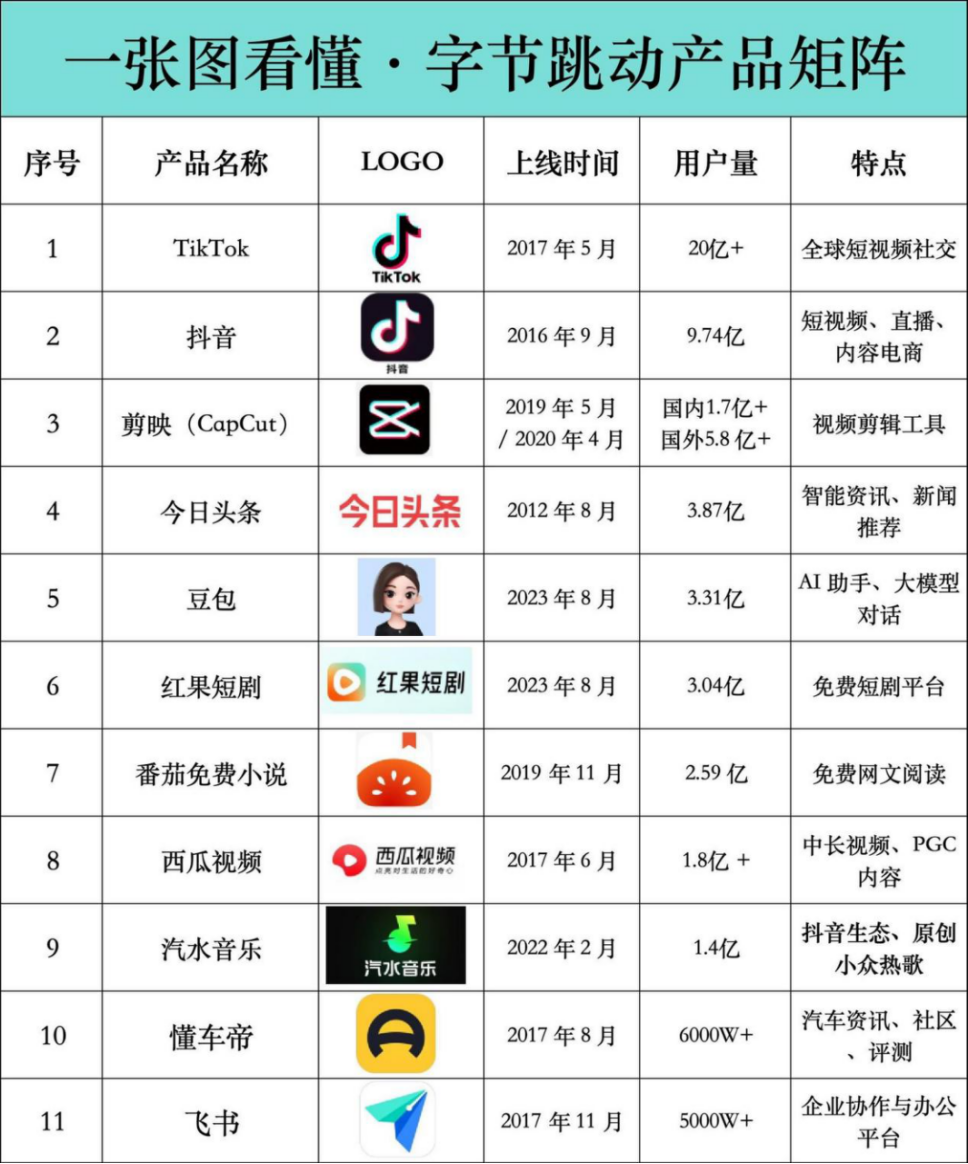
Image Source: Internet
Understanding ByteDance clarifies why Tencent and Alibaba continue investing in AI infrastructure—this is a battle none can afford to lose.
While it appears to be a three-pronged strategy, the essence is the same: ByteDance dominates user time. Whether through Douyin, TikTok, or Doubao, it builds its empire around information gateways and user engagement.
How? Through algorithms. How to sustain that edge? Through AI. The loop closes here.
It all begins with humanity’s simplest universal urge: boredom. Using technology to alleviate boredom—is that a good idea? I don’t know, but it’s clearly a good business.
Every minute spent, every click, every follow—all represent monetization opportunities for ByteDance.
The fiercest business model doesn’t take money directly from your pocket; it makes you willingly surrender your time.
Another often-overlooked trump card: ByteDance’s cash reserves exceed $200 billion, a balance sheet strength rivaling the world’s top tech firms.
Will It Go Public Soon?
Probably not.
First, financing structure matters: ByteDance recently secured a $29.6 billion syndicated loan, its largest single financing ever. Choosing debt over equity financing signals a reluctance to dilute ownership before an IPO and reflects smooth financing channels without urgent capital needs.
Second, its employee share buyback program continues, providing liquidity at valuations above $330 billion, reducing post-IPO selling pressure through this “internal market.”
Third, business timing is unfavorable: Currently at peak AI investment, profits are deliberately suppressed. Going public now would mean pricing against its weakest profit statement; the rational choice is to wait until AI investment returns stabilize before pursuing an IPO.
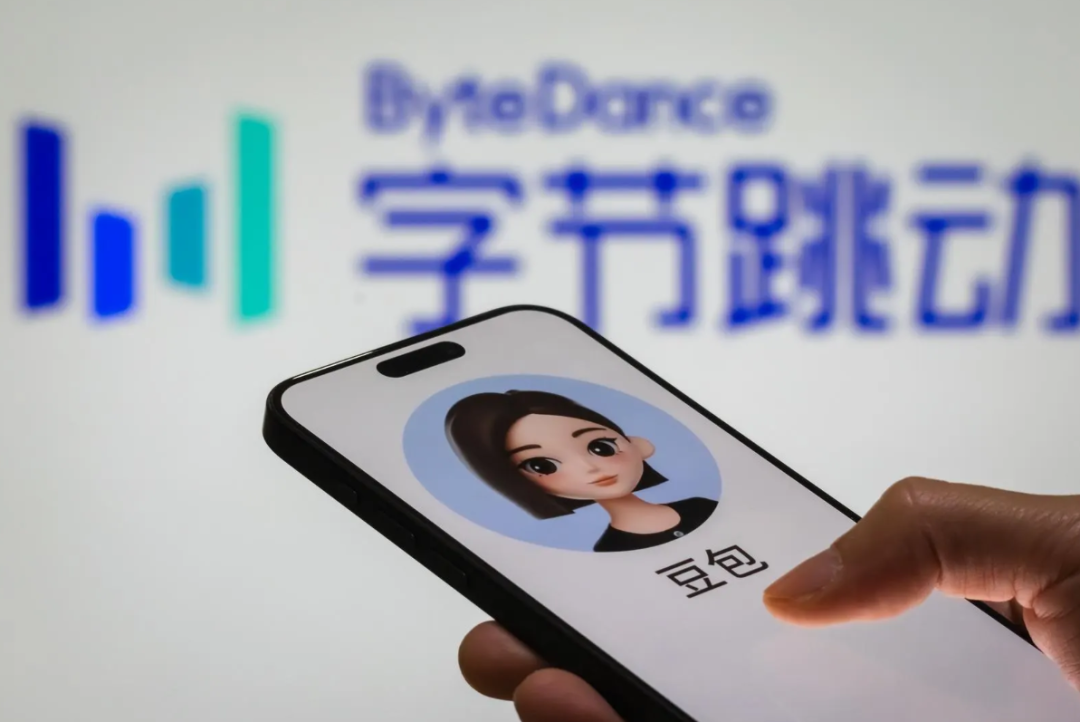
Image Source: Internet
Fourth, while regulatory and geopolitical environments have improved, U.S.-China relations remain volatile. The founding team and early investors have always preferred “controlling the pace” over “rushing for windows.”
The likely path: ByteDance will maintain the status quo through buybacks and debt financing, allowing its valuation to climb gradually in secondary markets until AI’s return on investment becomes clear—that may be when it truly knocks on the capital market’s door.
By then, the title of “mainland China’s highest-valued company” will likely be well-earned.
- END -
-
After Huawei Steps Back, Can Seres Take the Helm of AITO?
-
Computing Power Amidst Snow-Capped Peaks
-
15.3068 Million Yuan! Daoming Optics Secures Contract for Raw Material Supply in Guangdong’s New Energy Vehicle License Plate Project
-
![]()
1.1 Billion Yuan in Fundraising Reallocated! FG Optics Inc. Ramps Up Investment in Precision Optics and Aerospace Lenses
-
![]()
Domestically Overlooked, Yet Coveted Abroad: How China’s Bus Industry Rakes in $26 Billion Annually
-
Has the FCC靴子 Finally Landed? Can Domestic Optical Module Companies Breathe a Sigh of Relief?
-
![]()
From Purchasing Cells to Defining Cell Specifications: The Shifting Power Dynamics in the New Energy Industry Chain
-
![]()
If ByteDance Goes Public, Could It Become China’s Largest Company by Market Capitalization?