Surpasses Jack Ma! 41-Year-Old Liang Wenfeng, With RMB 280 Billion Net Worth, Still Resides in a Rented Apartment
 10/29 2026
 496
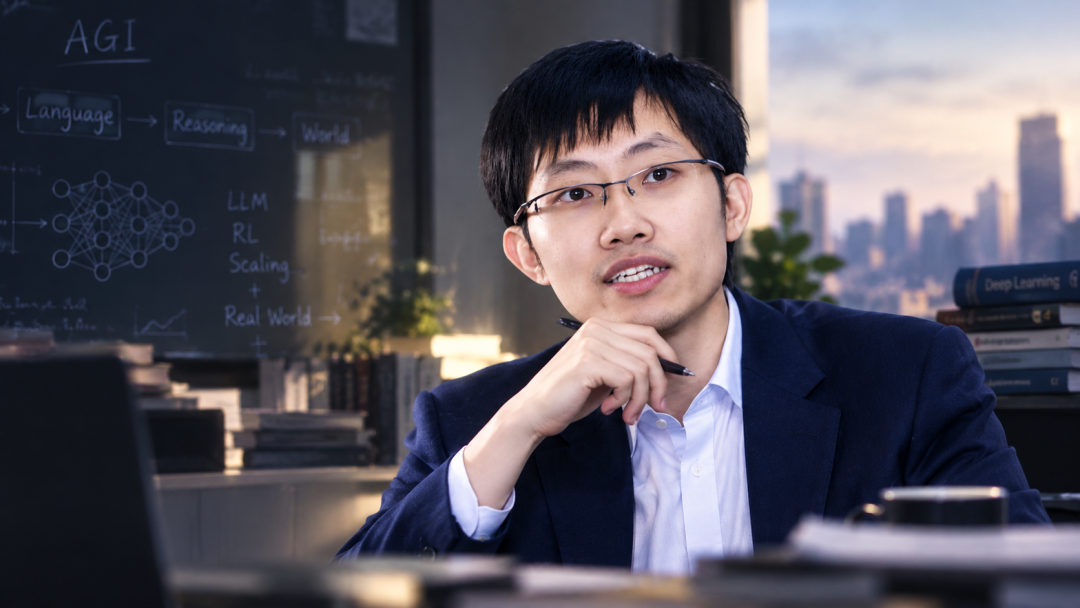
The latest update to the Hurun China Rich List has brought a major surprise: Liang Wenfeng, the founder of DeepSeek, has emerged as the biggest dark horse, sending shockwaves throughout the financial world.
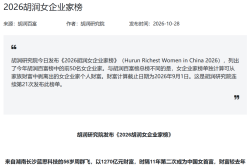
Released on October 27, the 2026 list features over 1,500 entrepreneurs, each boasting a net worth exceeding RMB 5 billion, with over 200 newcomers making their debut. However, no one anticipated that the spotlight on newcomers would shine on Liang Wenfeng, the founder of DeepSeek.
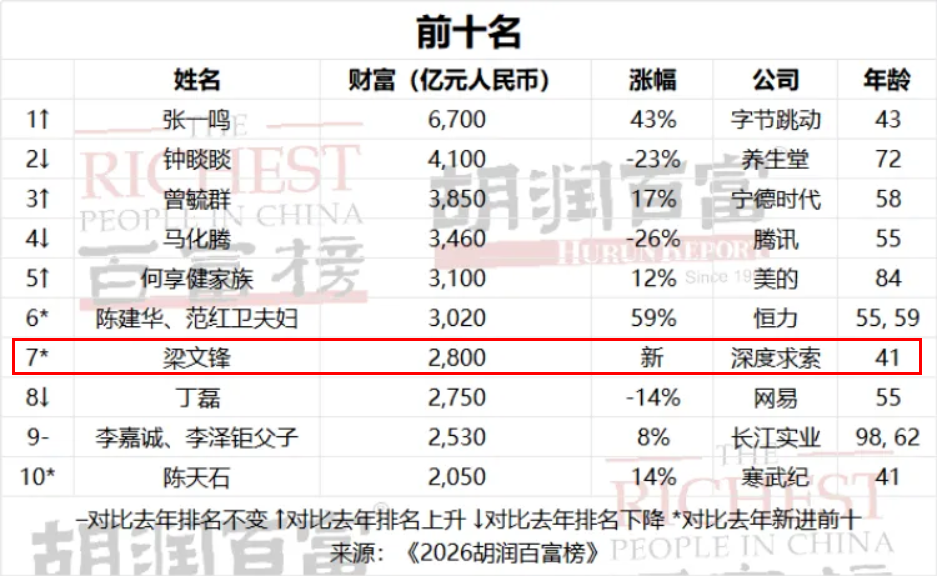
At the age of 41, making his debut on the rich list, Liang instantly accumulated a fortune of RMB 280 billion, comfortably securing the 7th position and breaking into the top 10 wealthiest individuals in China. Ahead of him are Zhang Yiming, Zhong Shanshan, Zeng Yuqun, Pony Ma, the He Xiangjian family, and Chen Jianhua and his wife. Further down the list are Ding Lei and Li Ka-shing.
Many are curious as to why Liang was absent from last year's list. The primary reason is that Liang had previously stated that DeepSeek was not pursuing short-term commercialization, leaving no suitable basis for calculating his wealth. Unexpectedly, in just one year, the domestic large language model sector experienced explosive growth, with company valuations soaring, propelling him into the top tier as a newcomer.
Here's a frequently overlooked detail regarding timing: The wealth figures on the list are calculated as of September 1. After September, a series of new funding rounds for DeepSeek emerged. On October 22, Reuters, citing sources, stated that the funding scale approached RMB 100 billion, with a pre-investment valuation reaching RMB 500 billion, involving participation from Tencent and CATL. In other words, the current figure of RMB 280 billion is already outdated. Industry insiders predict that Liang's net worth is rapidly catching up to Zhang Yiming's, and once DeepSeek goes public, Liang could become the new richest person in China.

Almost simultaneously, Phoenix Tech revealed a striking contrast: Liang regularly commutes between Beijing and Hangzhou for work but has not purchased any property in Beijing, opting instead to rent. His residence is simple, without lavish decorations, showing no trace of the extravagance expected of a billionaire boss.
With a net worth of RMB 280 billion, yet living in a rented apartment, these two contrasting labels together create one of the most intriguing scenes in this year's business circle. The information comes from insiders, and while Liang himself has not confirmed it, the stark contrast is enough to pique everyone's curiosity.
01 A Tech-Focused Recluse: Quietly Pivoting from Quantitative Funds to AI
There is actually very little public information available about Liang Wenfeng. He avoids social events, rarely grants interviews, and is virtually absent from capital gatherings and elite salons. Those familiar with him consistently describe him as a geek at heart, focused on solving problems rather than being a sociable, charismatic entrepreneur.
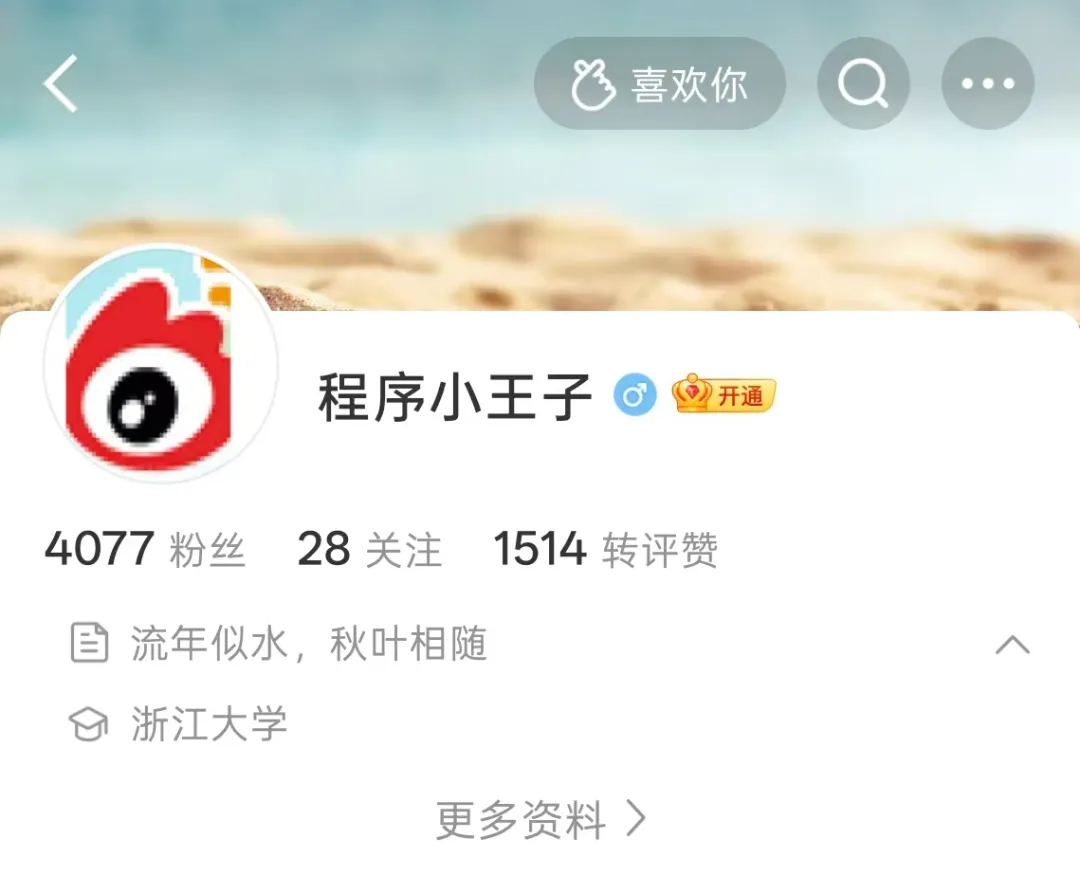 Liang Wenfeng's WeChat official account, self-proclaimed 'Prince of Programming.' Source: Weibo
This trait has been evident since he first entered the industry.
Born in 1985 in Wuchuan, Zhanjiang, Guangdong, to elementary school teachers, Liang achieved the top score in the local college entrance exam in 2002 and enrolled in Zhejiang University's Electronic and Information Engineering program, completing his master's degree there. His research during his studies focused on foundational algorithms.
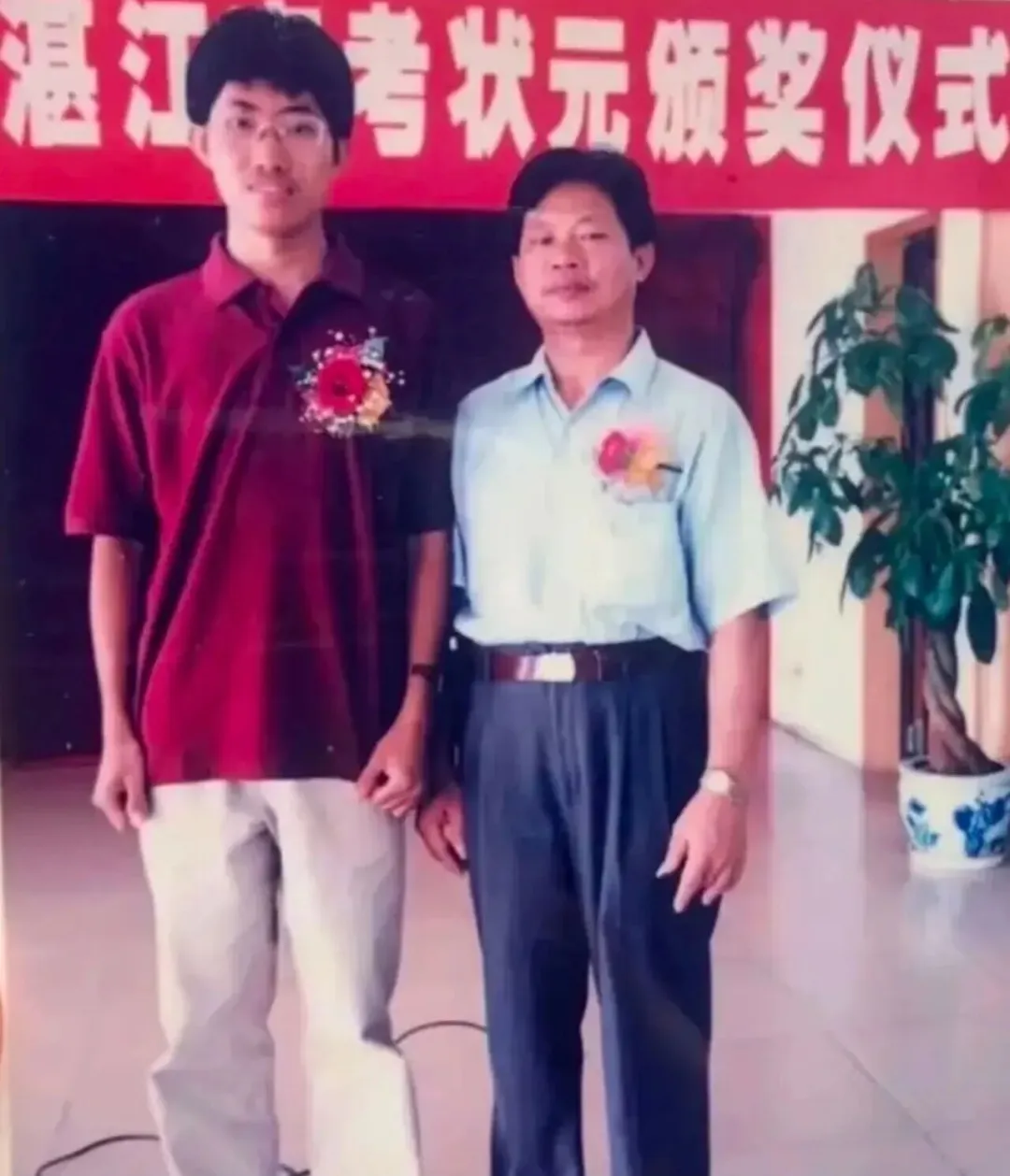 Source: Weibo
After graduation, his career choice was entirely different from that of most AI entrepreneurs today. Instead of joining a major tech company for experience or pursuing overseas studies, he dove into the highly specialized field of quantitative trading. In 2015, he founded High-Flyer Quantitative, which utilized AI algorithms for trading strategies. Four years later, High-Flyer became the first quantitative private fund in China to manage over RMB 100 billion in assets. In 2021, he invested RMB 1 billion in computing power to build Firefly II, deploying tens of thousands of A100 GPUs at once.
At the time, many in the industry failed to grasp the significance of this move. Why would a quantitative trading firm stockpile so many high-end GPUs? It wasn't until DeepSeek emerged that people realized this was not a spontaneous decision but a long-term strategy planned years in advance.
DeepSeek officially launched at the end of 2023. Leveraging the cash flow from his quantitative business, Liang assembled a research and development team composed entirely of domestic talent. He once made a straightforward assessment: Domestic AI cannot rely too heavily on overseas returnees; the potential of local talent must be cultivated and refined internally.
Later, DeepSeek R1 made waves in the overseas developer community with a training cost of just USD 5.6 million, even prompting Elon Musk to question it on social media. However, external debates seem to have little impact on Liang's pace.
DeepSeek, reference image
What truly concerns him is the dilemma of bottom-layer innovation in domestic AI. During a rare public exchange, he bluntly stated that the biggest gap between Chinese and U.S. AI lies not in hardware computing power but in innovation capabilities. If we remain stuck in a pattern of following and imitating, we will struggle to gain a say.
02 A Billion-Dollar Valuation Is Just a Number on Paper—He Refuses to Be Trapped by Materialism
The RMB 280 billion figure essentially represents the valuation assigned to DeepSeek by the capital market amid the AI boom. In June of this year, DeepSeek completed its first external funding round since its inception, raising over RMB 50 billion and reaching a post-investment valuation of RMB 338 billion. Equity records show that Liang holds over 80% of the shares directly and indirectly, with company voting rights highly concentrated in his hands.
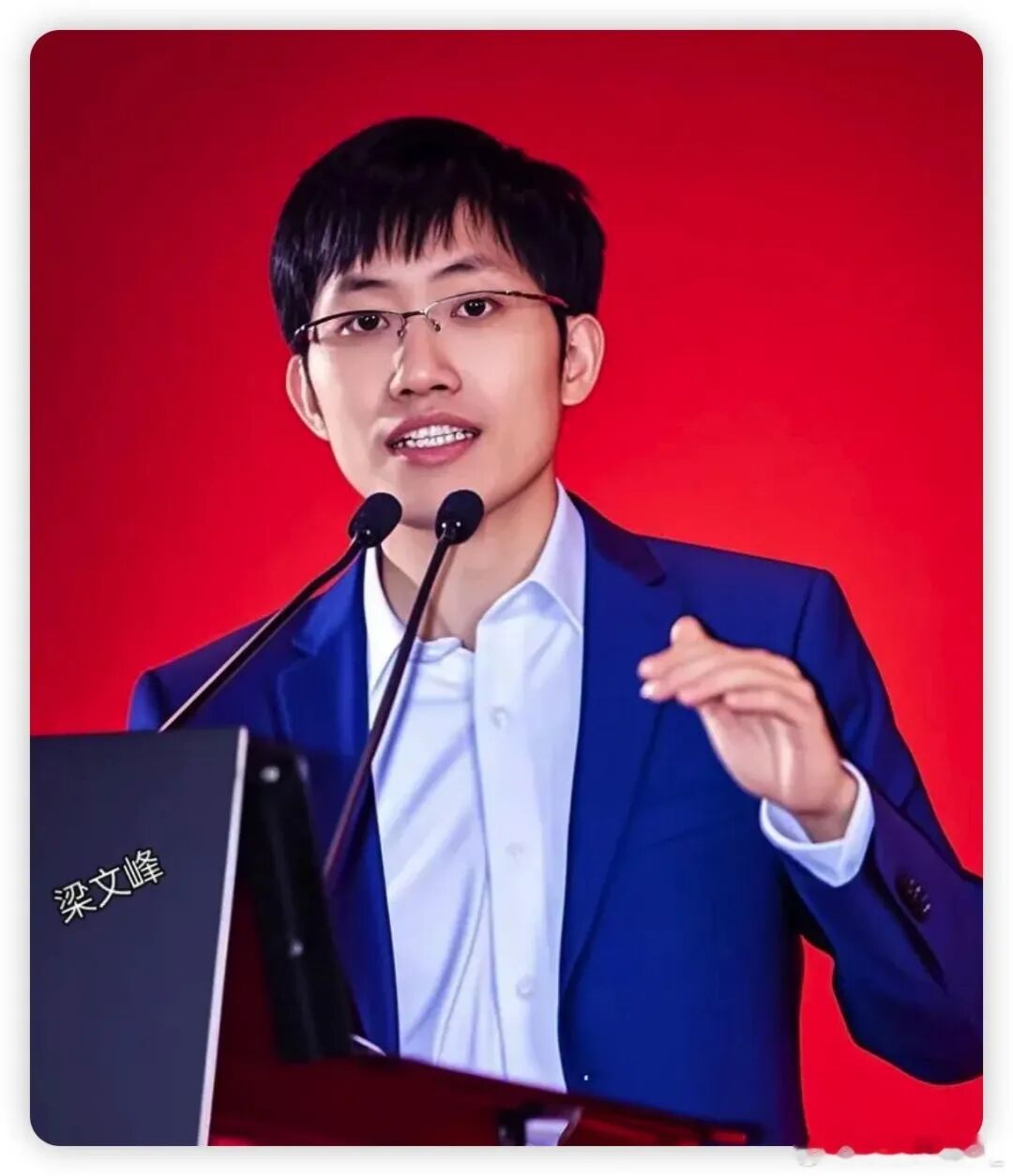
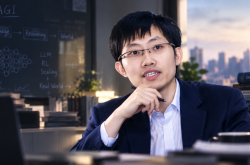
Liang Wenfeng, reference image
Following this round of billion-dollar funding, the valuation further rose to RMB 500 billion. In just twelve years, starting from quantitative trading, he preemptively invested in computing power, heavily bet on general-purpose large models, and at 41, stood at 7th on China's rich list. This is a unique success story of a tech entrepreneur in the AI era.
However, focusing solely on the net worth figure misses the core of the story.
DeepSeek's R&D is centered in Beijing and Hangzhou, requiring Liang to travel back and forth. In Beijing, he did not follow the trend of purchasing luxury properties but instead rented a simple apartment. Looking at the other billionaires on the list, penthouses, standalone villas, and private estates are the norm. Despite holding a company valued in the hundreds of billions, he still chooses to rent, making him an outlier among top-tier billionaires.
Recall last year's Spring Festival, after DeepSeek gained widespread attention, Liang returned to his hometown in Wuchuan. The villagers spontaneously hung banners and set up arches to welcome him, creating a lively scene. However, the excitement was short-lived; he soon left and immersed himself back into papers, model iterations, and team discussions.
For many, the goal of striving is to upgrade to a better home and a more respectable life. But Liang's logic is the opposite: Wealth gives him choices, allowing him to avoid expending energy on trivial matters like property and status, and instead dedicate his limited time to tackling truly challenging problems.
03 DeepSeek, a Maverick in the AI Race, Avoids the Spotlight
A simple rented apartment serves as a meaningful symbol.
Many of China's first-generation internet giants started in residential buildings or modest offices. Jack Ma launched Alibaba at Lakeside Garden, while Pony Ma refined QQ in a cramped office. That era of entrepreneurship carried a strong grassroots spirit, filled with vivid stories and a rugged vitality.
Liang and his generation of AI entrepreneurs operate under an entirely different logic. DeepSeek hardly engages in marketing hype, avoids spending on soft articles to generate buzz, and does not deliberately craft stories for attention. When the R1 model was released, there was no grand launch event or pre-event promotion; it was directly open-sourced on GitHub, igniting the global developer community through sheer technical strength.
His approach aligns closely with his lifestyle choices: Resources are prioritized for computing power, chips, R&D personnel, and model iterations, while external displays of status are not a priority.
Of course, some may argue that renting is simply a personal preference and not worth overanalyzing. That is true. However, when a founder with a billion-dollar valuation and a simplified personal life appears on a prestigious list like the Hurun China Rich List, it sends a unique signal.
It proves that there is never just one path to creating immense commercial value. Some rely on business models, scale expansion, and capital integration to reach the top; others achieve the same height through foundational code, computing power accumulation, and continuous model refinement.
RMB 280 billion is a hefty check written by the AI wave to believers in technology. And the choice to rent a simple apartment is the most distinctive note written in the corner of that check.
As of now, DeepSeek has not officially responded to rumors about renting. After the list's release, Liang remained silent and did not grant any media interviews.
Perhaps at this moment, he is in that ordinary rented apartment in Beijing, poring over research papers, joining online conferences, and refining model details with his team. Beijing's autumn is fleeting, and no matter how beautiful the view outside, he likely has no time to appreciate it.
He is keenly aware that despite DeepSeek's sustained popularity, it still lags behind GPT-6 in several core capabilities. He continues to evaluate whether simply expanding model parameters can win the long-term battle for AGI.
Recently, he has shifted his focus to the field of embodied intelligence, frequently engaging in in-depth discussions with entrepreneurs in the robotics sector, exploring how large models can connect with the real physical world. He is assessing both in-house team building and industrial investment as potential paths. Even as he enters an unfamiliar field, he maintains an intense learning pace.
Housing is merely a temporary resting place. AGI, machine thinking, and the boundaries of intelligence—these grand challenges are the main arenas he intends to cultivate deeply for the long term.
Disclaimer: This article is solely a commentary on major tech and finance trends and does not constitute any investment advice. All corporate data and regulatory events mentioned are sourced from publicly available information and are for reference only; the official versions shall prevail. Images are sourced from the internet; if there are any copyright issues, please contact us for removal.
-
A RMB 375 Million Share Repurchase Fails to Halt Ultrapower's Stock Price Slide Amid Dual Performance and Valuation Pressures
-
![]()
From a Migrant Worker Earning 7 Yuan a Day to China's Richest Woman Worth 127 Billion at 56: The Market's Skepticism
-
![]()
Surpasses Jack Ma! 41-Year-Old Liang Wenfeng, With RMB 280 Billion Net Worth, Still Resides in a Rented Apartment
-
Relying on Liquid Cooling Component Sales to Propel IPO, Xinfu Technology Faces Registration Challenges: What Caused Its 2026 Performance Slump?
-
![]()
Who will be Volkswagen's intelligent driving supplier in Europe?
-
![]()
Google Unveils World Model Genie 4: Has the 'Data Thirst' of Humanoid Robots Been Quenched?
-
Chinese Brands Capture Only 5% Market Share: Will Vietnam Prove a More Challenging Market for Tesla Compared to Thailand?
-
Xpeng L05 Set for Launch Tonight: Will the Official Price Undercut the 169,800 Yuan Pre-sale Starting Point?