OpenAI Enters the Oilfield, Stepping into Palantir's Territory | iAnalysys Insights
 11/12 2026
 465
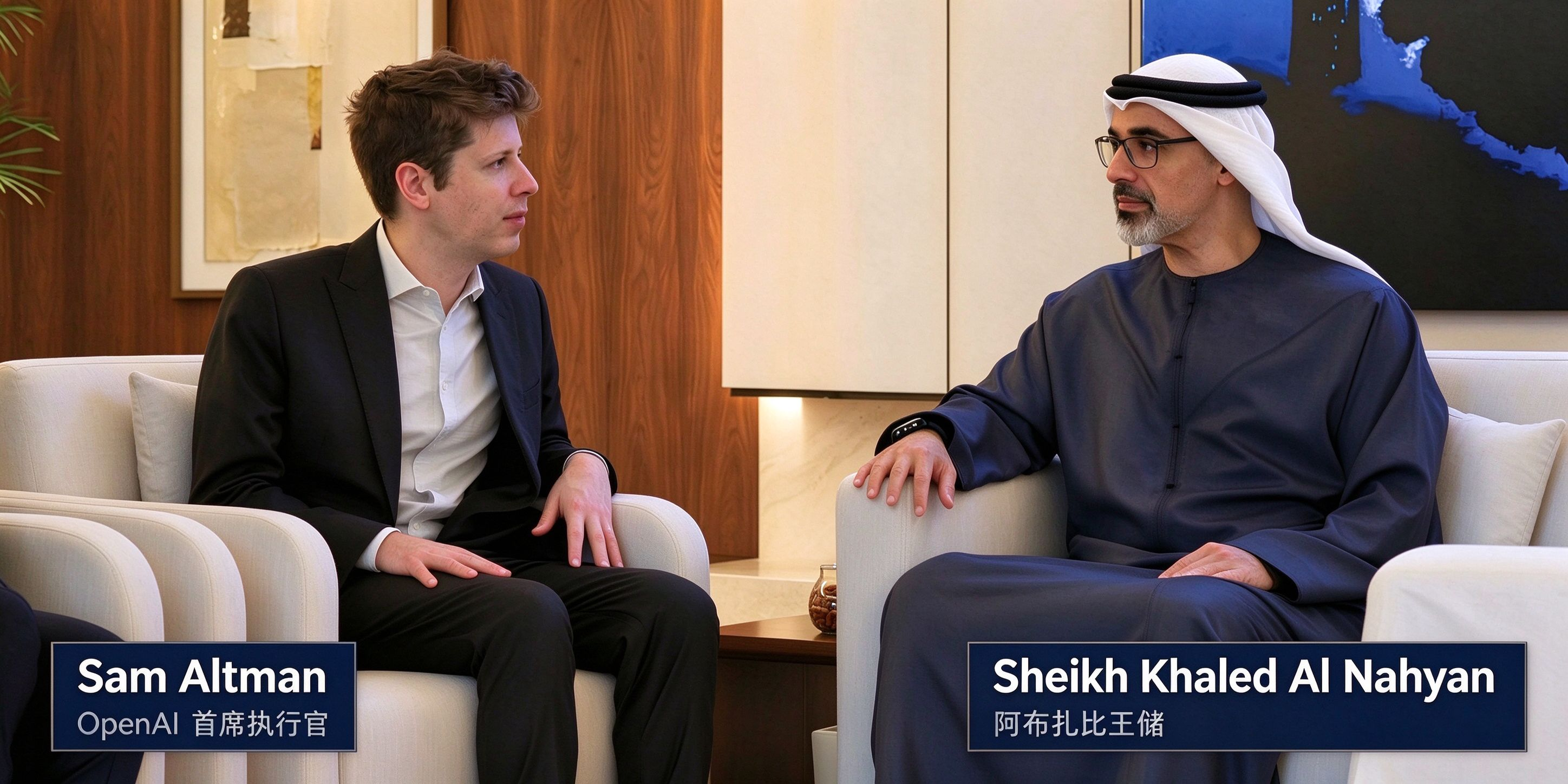
OpenAI's partnership with Abu Dhabi National Oil Company (ADNOC) is moving from the desktop to the oilfield.
ADNOC had previously rolled out ChatGPT Enterprise to more than 40,000 employees to support their daily work. Now the oil company has brought OpenAI back, this time planning to apply AI to oilfield development and operational decision-making.
The new engagement also brings OpenAI into territory long occupied by enterprise software vendors such as Palantir.
01 Moving Toward the Oilfield
This time, OpenAI is being asked to help with oilfield development planning.
To develop an oilfield, a company must first determine how much oil lies underground and where to drill, then decide what surface facilities to build, how much to invest, and what price it can sell at in the future. Subsurface resources, surface facilities, and economic returns typically need to be studied separately by different departments or teams before being assembled into a single plan.
What ADNOC wants AI to participate in is precisely this process of assembling the plan. The collaboration plans to combine data from thousands of wells, multiple reservoirs, and hundreds of surface facilities while simultaneously weighing investment, cost, and commercial factors, so teams can compare development plans across the entire oilfield.

In this project, OpenAI supplies the models and the agent platform Frontier, UAE AI company G42 provides local computing infrastructure, and ADNOC contributes industrial data and expert experience. Under the collaboration plan, major decisions will still be reviewed by human experts.
In the view of OpenAI CEO Sam Altman, AI can do even more in the energy industry; the next step could even help companies think about how to produce energy more efficiently by improving materials, equipment, and operational methods.
ADNOC is not the only customer moving from office tools to business scenarios. Spanish bank BBVA initially provided ChatGPT Enterprise to employees and later applied AI to credit analysis, helping analysts extract information from corporate annual reports, ESG disclosures, and media coverage to assist in assessing credit risk.
For OpenAI, these projects mean a business different from office tools—and they bring different competitors. It is beginning to compete for projects with software vendors that help companies connect data and build systems.
02 Entering Customer Sites
To this end, OpenAI is also building up its delivery capabilities. This year, OpenAI launched the Frontier platform, established DeployCo, and sent engineers into customer companies to plan scenarios, connect data, and build systems together with business personnel. Engineers need to figure out where a company's data is stored, which systems can be connected, what agents can do, and when human approval is needed.
Arnaud Fournier, CTO of DeployCo, said that engineers going deep into customer sites is not just about connecting models into enterprise systems; they also bring problems encountered in actual use back to OpenAI to help product and research teams improve the technology.
In this way, delivery is more than just a service for OpenAI. Every time it enters a customer's business, it has an opportunity to discover earlier what the product lacks; if these experiences feed into subsequent products, they may also help it serve more customers.
This is exactly the kind of work Palantir is familiar with.
Palantir has collaborated with British energy company bp for many years, helping bp integrate real-time data from production facilities and apply AI capabilities to oil and gas production, assisting employees in analysis and decision-making. What it does is also organize enterprise data, business knowledge, and software systems so that AI can enter actual work.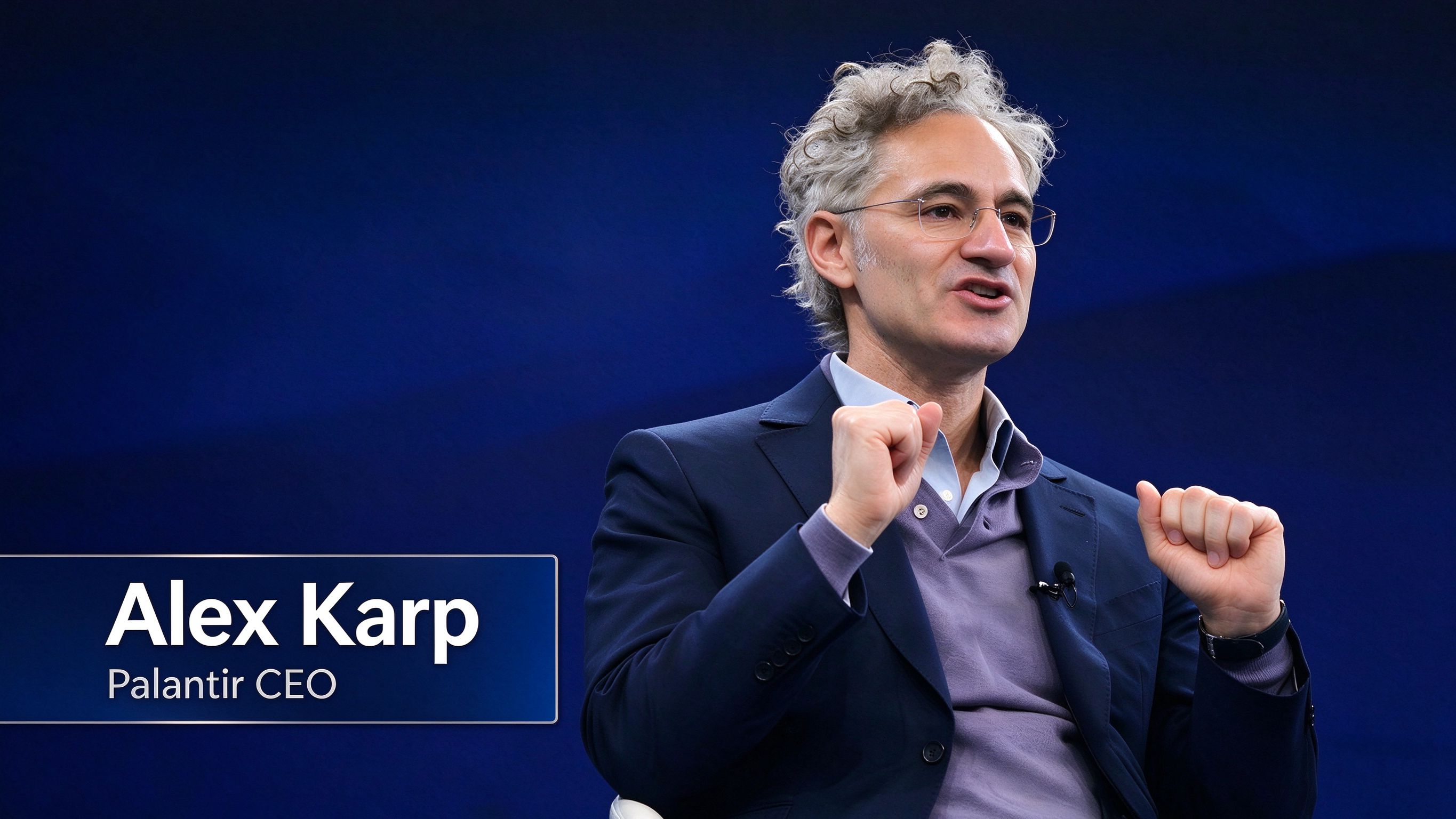
Regarding model vendors forming deployment teams, Palantir CEO Alex Karp has not been polite. In June this year, he said in an interview that model vendors trying to replicate Palantir with deployment teams is "a farce." In his view, model vendors have excellent models and engineers, but their understanding of enterprise business, complex systems, and actual delivery is far from sufficient.
However, by the Q3 earnings call in November, Karp's tone softened when talking about relationships with model vendors, especially Anthropic. He said that model vendors have helped expand the enterprise AI market, while Palantir serves customers who need actual delivery, and the two sides have a symbiotic commercial relationship. As for when they will compete directly, he said he doesn't know either. At present, Palantir's demand already exceeds what it can handle, and it rarely proactively poaches model vendors' customers.
Palantir's business is indeed doing well now. In Q3 this year, its U.S. commercial revenue grew 148% year over year. But another number is also worth noting: the quarter-over-quarter growth rate of its U.S. commercial customer count has slowed from 8% in Q1 this year to 5% in Q3. The customer count is still growing, but the growth rate is clearly slowing down. Next, what Palantir may face is more competitors vying for enterprise projects.
03 Partners Becoming Competitors
However, what Anthropic is doing makes this "symbiotic relationship" more complicated.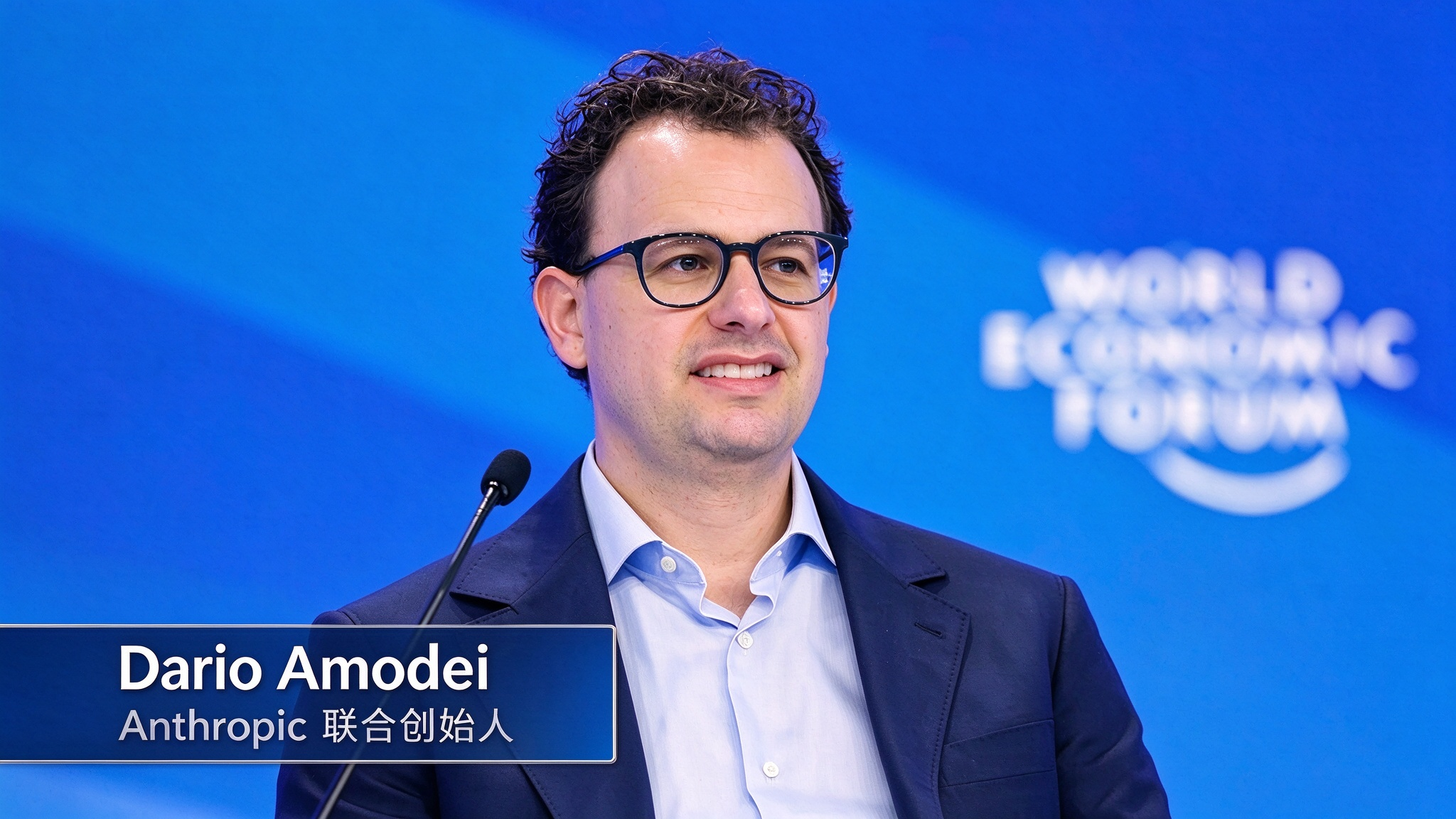
This year, Anthropic partnered with financial software vendor FIS to develop an anti-money laundering investigation agent. When banks investigate suspicious transactions, they need to retrieve transaction records and customer information from different systems, then analyze risks and compile reports. FIS provides banking systems, data, and compliance experience, while Anthropic provides the Claude model and assigns engineers to participate in development. In October, this product began selling to U.S. banks and is being deployed at one bank.
Ode, an AI delivery company co-founded by Anthropic, has also recently had new projects. At the end of October, market data company Circana announced a partnership with Ode, with the latter helping build an agent platform to apply AI to data processing, trend forecasting, and product classification. Ode will also train Circana's own engineers so they can develop and deploy agents.
Palantir has always emphasized that doing enterprise AI well requires understanding customer business and going deep into sites. Garvan Doyle, head of frontline deployment for the Americas at Anthropic, also offered a similar judgment: for enterprises to truly apply AI to operations, they need partners who understand both implementation and how the enterprise operates.
What model vendors are building is exactly the capability Palantir has long emphasized. They can organize their own delivery teams, and they can also partner with software vendors that possess industry knowledge, business systems, and customer relationships. In the future, the competitors Palantir faces may be the model vendors themselves, or teams formed by model vendors and industry software vendors.
The ADNOC-OpenAI project has just been signed, and how deep it can ultimately go will depend on subsequent delivery, but the direction is already clear: model vendors are entering important enterprise businesses and participating in work that was previously mainly undertaken by software vendors.
Palantir can still use these companies' models, and the two sides will continue to cooperate. But when enterprises want to apply AI to core business, who will design the solution and organize delivery? Model vendors are beginning to join this contest, and Palantir is no longer the only partner customers might think of.
-
![]()
Fines Incoming: Universities Can't Curb AI Cheating, So Regulators Step In
-
![]()
RayNeo Slims Down, Huawei Builds Ecosystem, XREAL Launches in Quick Succession: Chinese AI Glasses Makers Gain Momentum
-
![]()
OpenAI Enters the Oilfield, Stepping into Palantir's Territory | iAnalysys Insights
-
Toyota's Counterattack
-
![]()
Jiuzhang Cloud's IPO: Can Computing Power Metrics Determine Pricing Power?
-
Cerebras' Stock Plunged 77% Within Six Months of Going Public—What Happened to Nvidia's "Challenger"?
-
![]()
01.AI Sets Up Headquarters in Hangzhou
-
![]()
The Three German Auto Giants Have All Stalled—What Exactly Happened to Them?