AI Company's Bankruptcy Auction of 21 Million Users' Private Chats: 42 States Move to Block the Sale
 11/27 2026
 410
TechCrunch reports: After chatbot company Character.AI filed for bankruptcy, it plans to auction users' private chat data, involving 21 million U.S. accounts, of which 2.1 million belong to minors. Attorneys general from 42 states have intervened to oppose the sale. Whether bankruptcy proceedings can override privacy commitments has become the central question.
When an AI company goes bankrupt, to whom do the private conversations users left on the platform belong? Under Character.AI's current plan, the answer is: to the highest bidder. TechCrunch reported on November 25 that attorneys general from 42 states have intervened in the company's bankruptcy proceedings, seeking to stop it from selling sensitive data belonging to millions of users, including a large volume of private chat records. The case has thrust a question that the AI era has rarely addressed seriously into the spotlight: can data assets be transferred during bankruptcy liquidation without being constrained by user authorization?
To view this solely as a corporate scandal would be too narrow. What it touches is the very foundation of the business model for AI products. When users talk with chatbots about work, health, and emotions, that content is both part of the product experience and an asset on the balance sheet that may be monetized. Once this path is recognized by the court, the entire industry's commitments to user data will have to be repriced.
21 Million Accounts, 2.1 Million Belong to Minors
Statements separately issued by the state attorneys general disclosed the specific scale. Character.AI's dataset contains chat records from more than 21 million U.S. accounts, of which more than 2.1 million belong to minors. The sale scope also includes personal information such as IP addresses. The company filed for bankruptcy protection in October. It had previously told users that personal information would not be sold and promised in a blog post that the data would remain protected by its privacy policy.
Only one buyer has been disclosed so far, and it is anonymous. California Attorney General Rob Bonta noted that a company named Smirks and Pangs Acquisition LLC was incorporated in Delaware on November 13, 2026, and the following day was selected by Character.AI as the stalking horse bidder for the auction, which is scheduled for December 1. It remains unclear what the buyer intends to do with these chat records. The attorneys general oppose the sale for a straightforward reason: the existing arrangement offers no protection for users. Once the buyer obtains the data, it can do whatever it wants—including reselling it again without disclosure—and it is not bound by Character.AI's privacy policy.
Whether Bankruptcy Can Override Commitments Is the Core of This Dispute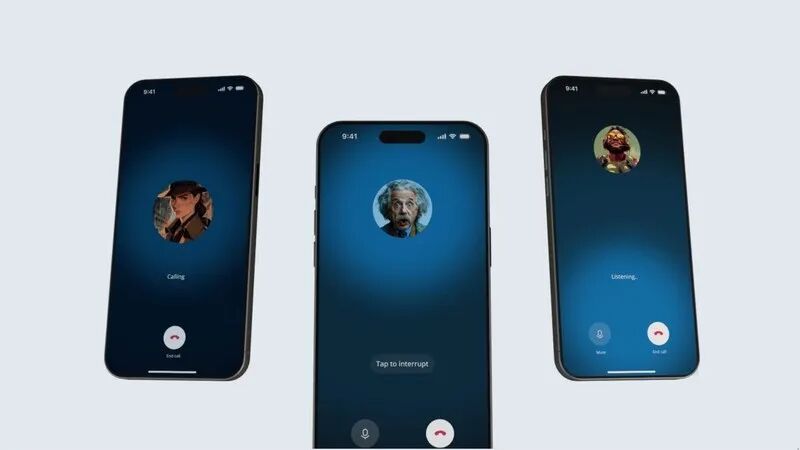
Image source: TechCrunch
States including California, Colorado, New York, and Connecticut have already enacted chatbot safety obligations, which will take effect on January 1, 2027. The attorneys general believe that if the sale is completed after that date, it may trigger further violations. Bonta's statement is clear: the company had promised consumers that the data would not be sold, which is illegal under both federal and California law, and bankruptcy proceedings should not be used to evade these consumer protections.
Connecticut Attorney General William Tong directed his criticism at the business model itself. He said these chatbots lead vulnerable young people into emotionally intense and sexually suggestive conversations. The company's reckless behavior and broken business model dragged it down, and now it wants to use bankruptcy proceedings to do what it said it would not do: sell private chat records and personal details to a buyer of unknown origin. He also mentioned that they had previously opposed a licensing deal between Character.AI and Disney, and this time they likewise asked the bankruptcy court to reject it. That $20 million deal involved only intellectual property and did not include user chats, and it has not yet received final court approval.
From Co-Founder Departures to Child Safety Lawsuits: The Company Was Already Under Pressure
The report outlines the company's downward trajectory. After co-founders Noam Shazeer and Daniel De Freitas returned to Google, Google signed a non-exclusive license to use the startup's technology, and the company suffered as a result. It also faces lawsuits related to child safety, one of which involves the suicide of a 14-year-old boy in Florida. The boy's mother said he had previously been addicted to a chatbot on the platform. These circumstances show that the data auction is not an isolated incident but the culmination of mounting user trust and legal risks.
The wording needs to be distinguished clearly. The attorneys general's statements are claims and allegations and have not yet been determined by a court; the buyer's intended use is undisclosed, and the worst-case scenario cannot be presumed; whether the bankruptcy transaction can be rejected depends on the court's ruling. The facts that can be confirmed are: attorneys general from 42 states have intervened, 21 million U.S. accounts and 2.1 million minor accounts are involved, the auction is scheduled for December 1, and the company promised before bankruptcy not to sell personal information. Only by separating these facts from the claims of all parties can one avoid being led by emotion.
China's Comparison: Data Assetization Must Have a Bankruptcy Boundary
My judgment is that the lesson this case holds for China's domestic AI industry lies in whether, under the framework of the Data Security Law and the Personal Information Protection Law, users' rights over data can extend to the moment an enterprise terminates services. Chinese law already has principled requirements for the merger, division, dissolution, and bankruptcy of personal information processors, but when it comes to highly private and commercially valuable data such as chat records, whether it can be transferred as a whole asset package and whether separate consent must be obtained again is still not clear enough in practice. This report does not provide any verifiable Chinese cases or figures, so none are listed here.
Three verifiable milestones can be used for tracking: whether the December 1 auction proceeds as scheduled, whether the bankruptcy court supports the attorneys general's opposition, and whether new legal proceedings are triggered after the states' chatbot safety laws take effect in January 2027. Until these three matters become clear, reading this case as a judicial test of the boundaries of data assets is closer to the facts presented in the report than reading it as the failure of a particular product.
Today's Quote
"Users thought they were chatting with a bot, but the company recorded the chats as assets. On the day of bankruptcy, these two understandings finally met in court."
Follow [Degao Xing Zhiqinglang] for three hardcore tech interpretations every day, to understand the industry and the national destiny behind technology.
-
Large-Model Pricing Won't Always Be Calculated by Tokens
-
![]()
AI Company's Bankruptcy Auction of 21 Million Users' Private Chats: 42 States Move to Block the Sale
-
Can China's Auto Market Rebound in 2027? XPeng, Leapmotor, and Li Auto Offer Divergent Outlooks
-
![]()
50,000 GPUs Face Lease Non-Renewal, $7.5 Billion for a Software Stack: The AI Computing Market Is Being Repriced
-
![]()
Changan Qiyuan Sells 43,882 Vehicles Domestically in October, with Q-Series Models Accounting for 69%
-
![]()
JIYU Reports 24,741 Domestic Sales in October, With Two Beta Models and Alpha T7 Accounting for 95%
-
![]()
Geely and Zeekr Patented a Fishing System for Cars—Using Air Suspension to Control Casting, and Five Automakers Are Exploring It
-
![]()
Titan Hu Robot Launches Lite-1 Series Lightweight Joint Module, Opening Up New Design Space for Mass Production of Humanoid Robots