Starting from 15,999 yuan! Apple's First Foldable iPhone Duo Released: First Under-Display Front Camera on Inner Screen, eSIM Only
 09/10 2026
 398
398
Kuaikeji, September 10th news: Apple officially launched its first foldable smartphone, the iPhone Duo, at its autumn new product launch event. This marks the most significant form factor change since the iPhone's inception, with years of supply chain rumors finally coming to fruition.
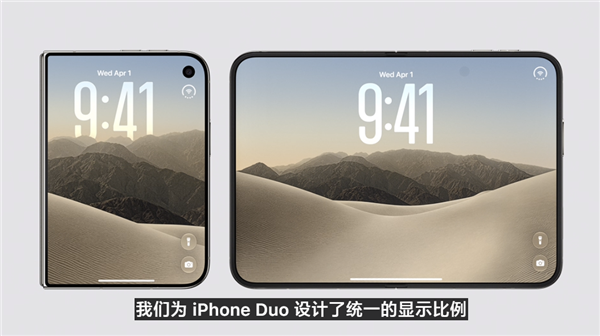
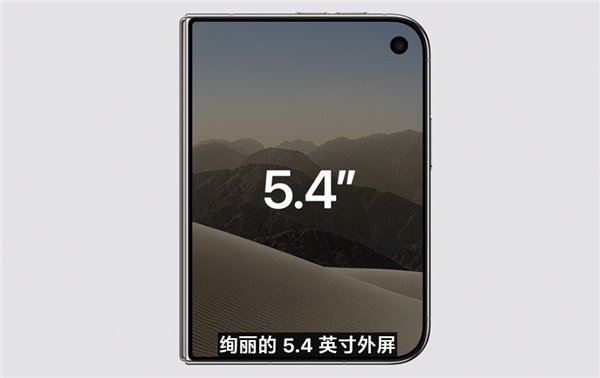
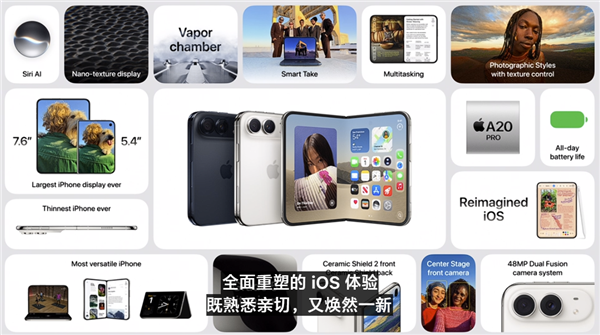
The new device adopts a book-style horizontal inward folding design, with a 5.4-inch outer screen that allows for basic operations like message viewing and phone calls without unfolding.
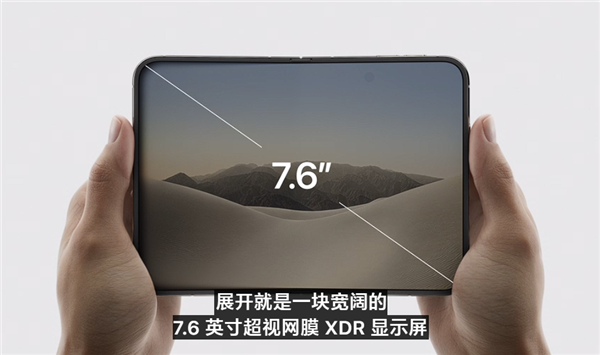
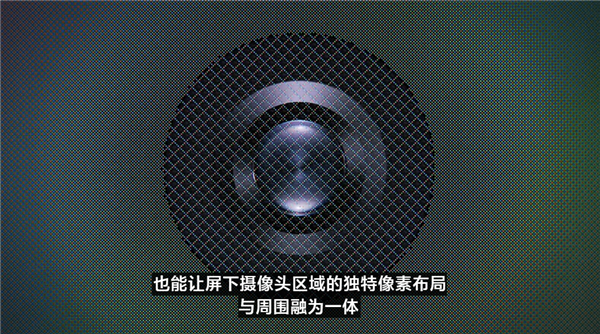
When unfolded, the inner screen reaches 7.6 inches, featuring Apple's first under-display front camera in a mass-produced model. The screen has no cutouts, achieving a complete full-screen display effect. Both the inner and outer screens are custom 120Hz adaptive refresh rate OLED panels, paired with next-generation ultra-thin UTG glass, with bend and scratch resistance verified through hundreds of thousands of bending durability tests.
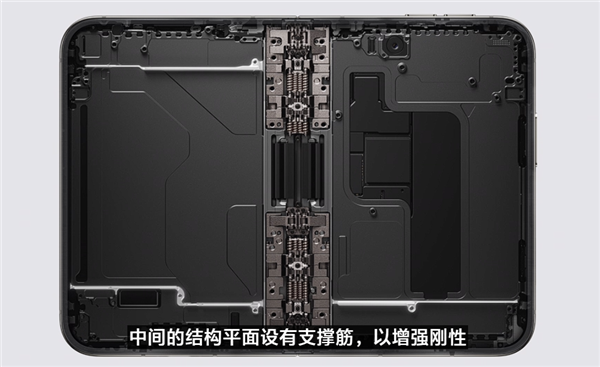
Equipped with Apple's self-developed variable torque hinge and assisted by magnets for closure, it effectively reduces screen creases, with screen rigidity 40% higher than 'other displays in the industry.'
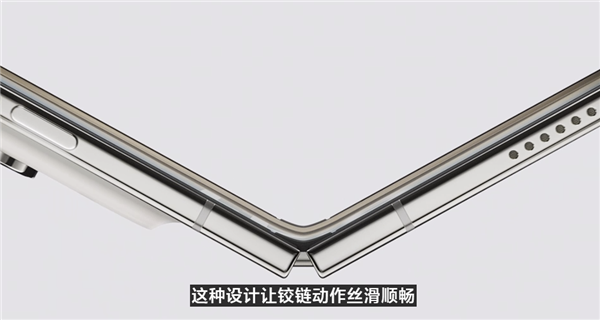
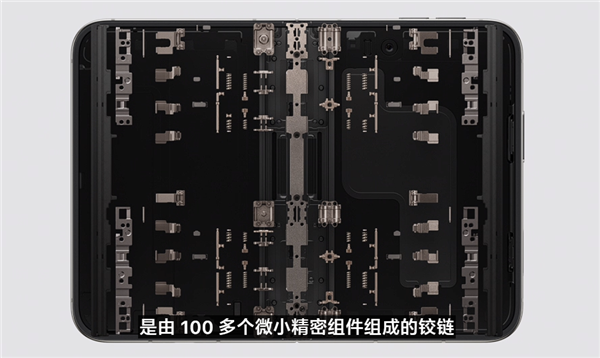
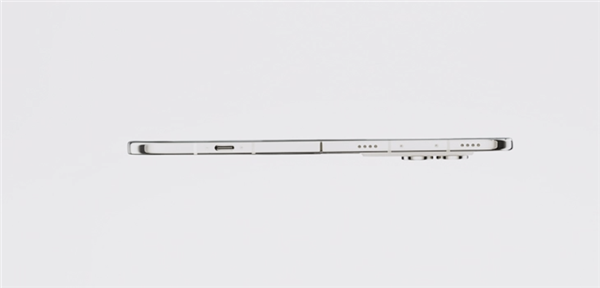
In its folded state, the device is approximately 11.3mm thick, thinning to just 5.2mm when fully unfolded, with a total weight controlled at 254g. It is available in two colors: Starlight White and Night Sky.
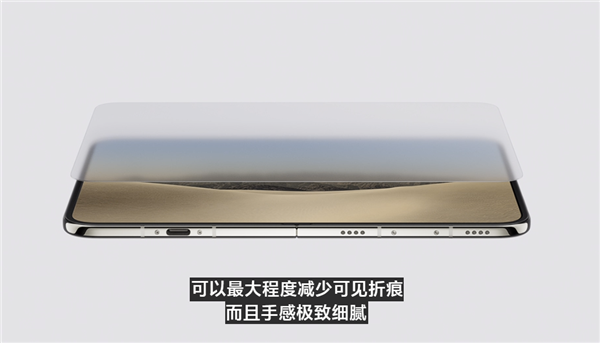
Apple's Chief Hardware Officer, Johny Srouji, stated that they did not want wrinkles or a plastic feel on the display, so they created a custom nano-texture display that 'appears visually flat.'
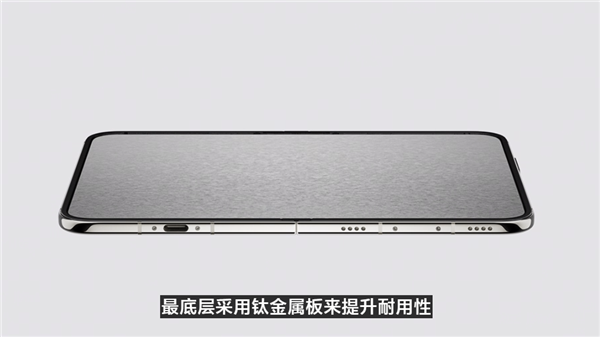
Apple claims that the iPhone Duo aims to reduce the visibility and tactile sensation of the central crease on the foldable screen through a custom nano-texture display, a multi-layer laminated structure, and a hinge with over 100 components.
The multi-layer display structure slides relative to each other during opening and closing to reduce screen deformation.
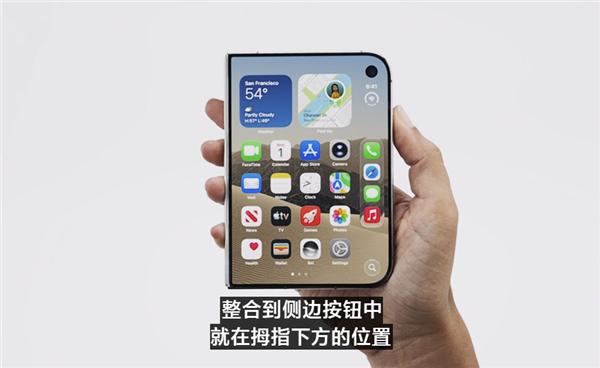
The unlocking solution abandons Face ID in favor of a side-mounted Touch ID integrated into the power button.
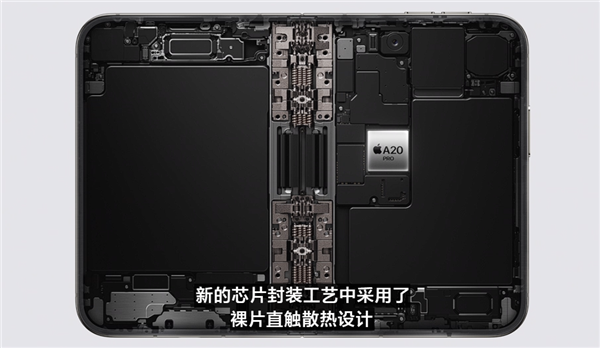
In terms of performance, the iPhone Duo is powered by TSMC's 2nm process A20 Pro chip, equipped with 12GB of memory, and features an internal VC vapor chamber to handle the heat dissipation challenges posed by the foldable's compact body. The chip can stably support Apple Intelligence on-device AI computing, allowing AI functions such as multitasking and intelligent text processing to run smoothly.
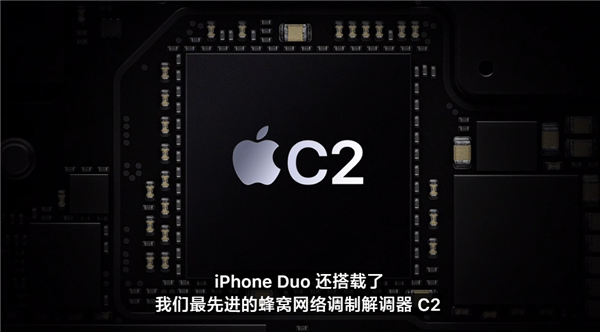
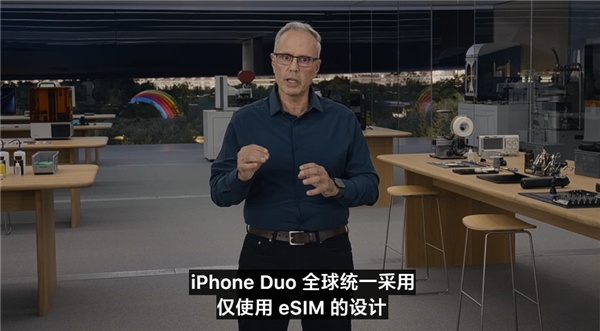
It includes a new generation of self-developed C2 cellular modem, supporting WiFi 7, Bluetooth 6, and millimeter-wave 5G. The device eliminates the physical SIM card slot, with global versions supporting eSIM only, saving internal space for larger batteries and screen components.
The imaging system features a horizontally arranged dual-camera module on the rear, with a 48-megapixel main camera and a 48-megapixel ultra-wide-angle lens, without a telephoto lens, relying on Apple's computational photography for zoom shooting.
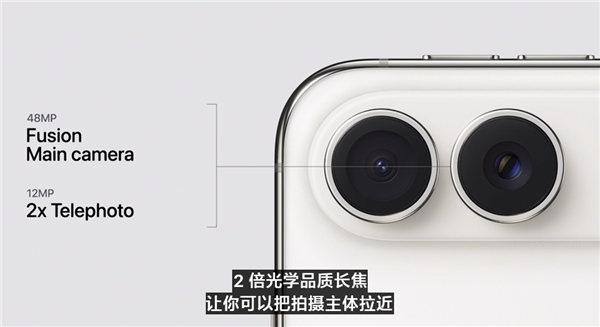
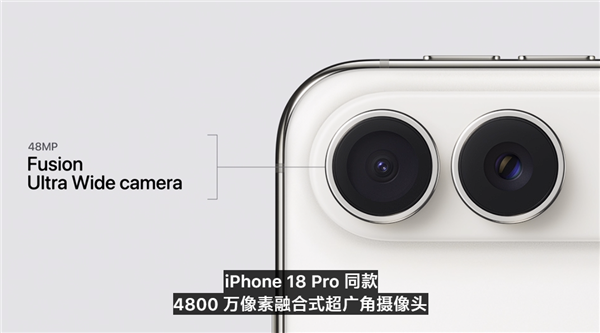
The outer screen retains a punch-hole front camera, while the inner screen features an under-display front camera. Both screens can independently handle selfies and video calls, with video recording supporting up to 4K 60fps Dolby Vision.


In terms of battery life, the iPhone Duo is equipped with a dual-cell battery, capable of continuously playing videos for 31 hours on the inner screen, and can charge to 50% in 20 minutes.
The system comes pre-installed with iOS 27, deeply optimized for the foldable form factor, supporting hinge angle sensing for seamless content transition between the inner and outer screens. It natively supports split-screen multitasking, an app sidebar, and Apple Pencil handwriting input, further expanding the experience for reading, note-taking, and light office tasks.
Storage options include 256GB, 512GB, 1TB, and 2TB. The Chinese version starts at 15,999 yuan, with pre-sales beginning on October 16th and official sales starting on October 23rd.
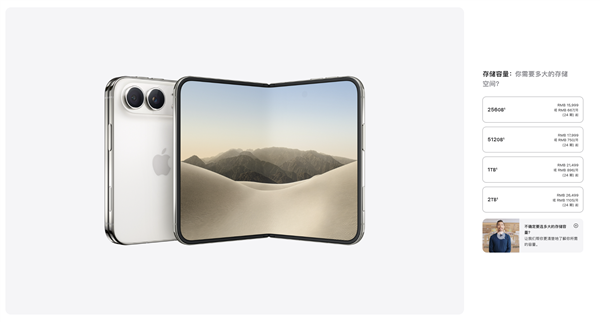
The specific prices are as follows:
256GB: 15,999 yuan
512GB: 17,999 yuan
1TB: 21,499 yuan
2TB: 26,499 yuan
-
![]()
Insta360 Revenue Surges, Yet Profits Dive: Stock Price Slashed by Half This Year, Earnings Projections Revised Downward
-
In-depth | OpenAI's First-Generation In-House Chip Shines, Unveiling a New Approach to Computing Power Beyond Expectations
-
![]()
The Imaging Industry is Being Revolutionized! DJI/Insta360/Hohem Steal the Spotlight at IFA, Pushing Canon and Sony to the Periphery?
-
![]()
Starting from 15,999 yuan! Apple's First Foldable iPhone Duo Released: First Under-Display Front Camera on Inner Screen, eSIM Only
-
![]()
Starting from 259,900 yuan, 5,500 orders in one day! Will the XT5 PHEV become Cadillac's Normandy in the new energy sector?
-
Mistral Raises €3 Billion in Series D Funding: European AI Powerhouse Ignites Global Computing Arms Race
-
Li Xiang Bets 2.65 Billion on Sunwoda, Li Auto Fights Back from the Brink
-
250,000 Yuan a Year vs. $1,500 a Month! The AI Budgets of Big Firms Are at Polar Opposites