Priced Starting at 999 Yuan! AirPods 5 Delivers More Value at the Same Price Point—Are the Two New Watch Models More Genuine Than the Duo?
 09/10 2026
 464
464
Apple leans on pricing strategies to uphold its brand 'prestige' and 'authenticity'.
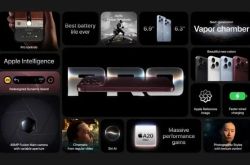
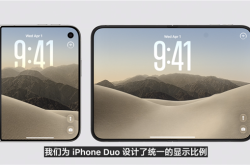
At 1:00 AM Beijing time on September 10, 2026, Apple's autumn product launch event unfolded as promised. The new CEO, the iPhone 18 Pro series, and the much-anticipated foldable iPhone—dubbed the iPhone Duo—all made their grand entrance. Leitech has covered the details in a separate article (search Leitech online for more). One can't help but wonder: is the 15,999 yuan price tag of the iPhone Duo satisfactory to everyone?
However, beyond the iPhone, Apple also unveiled the new AirPods 5, Apple Watch Series 12, and Apple Watch Ultra 4. In my view, amidst the rising prices, many of these products exude a sense of 'genuine诚意 (chéngyì, which means sincerity in Chinese)'.
AirPods 5: Active Noise Cancellation (ANC) Now Standard, Offering 'More for the Same Price'
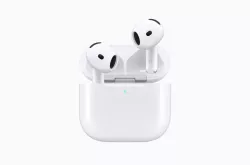
Let's first delve into the new product that has left me most satisfied from this launch event—the AirPods 5. In the previous generation, thanks to a more powerful chip, Apple introduced the active noise cancellation (ANC) feature from the AirPods Pro to the semi-in-ear AirPods 4 for the first time, offering a pricier ANC version alongside the standard AirPods 4.
This year, Apple has directly phased out the non-ANC version of the AirPods and integrated ANC capabilities into the standard AirPods 5, truly delivering 'more for the same price'.
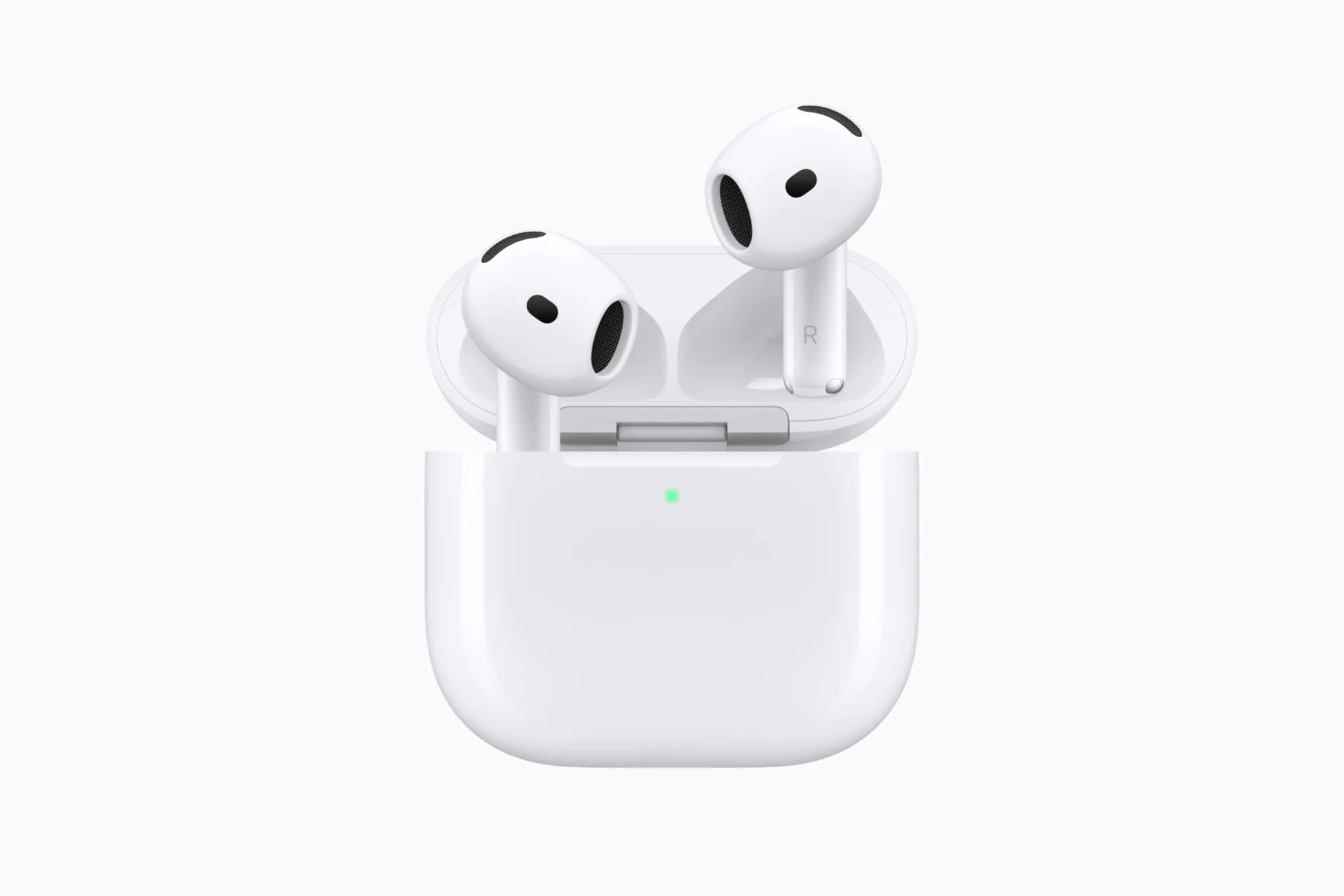
Image source: Apple
In terms of noise cancellation, Apple asserts that the AirPods 5 enhances the AirPods 4 ANC version by up to 50%, boasting a more natural Transparency mode. While these 'up to XX%' claims during launch events serve as references only and actual performance must be evaluated firsthand, considering the solid performance of the AirPods 4 ANC version, Leitech believes the new AirPods 5 is worth the anticipation.
Regarding audio quality, Apple has equipped the AirPods 5 with a multi-port acoustic architecture. The new-generation Adaptive EQ, inspired by the AirPods Pro 3, is officially stated to adapt to a wider range of ear shapes and deliver richer sound. Older features like Adaptive Audio and Conversation Awareness remain intact, while a new feature allows users to respond to Siri with head gestures.
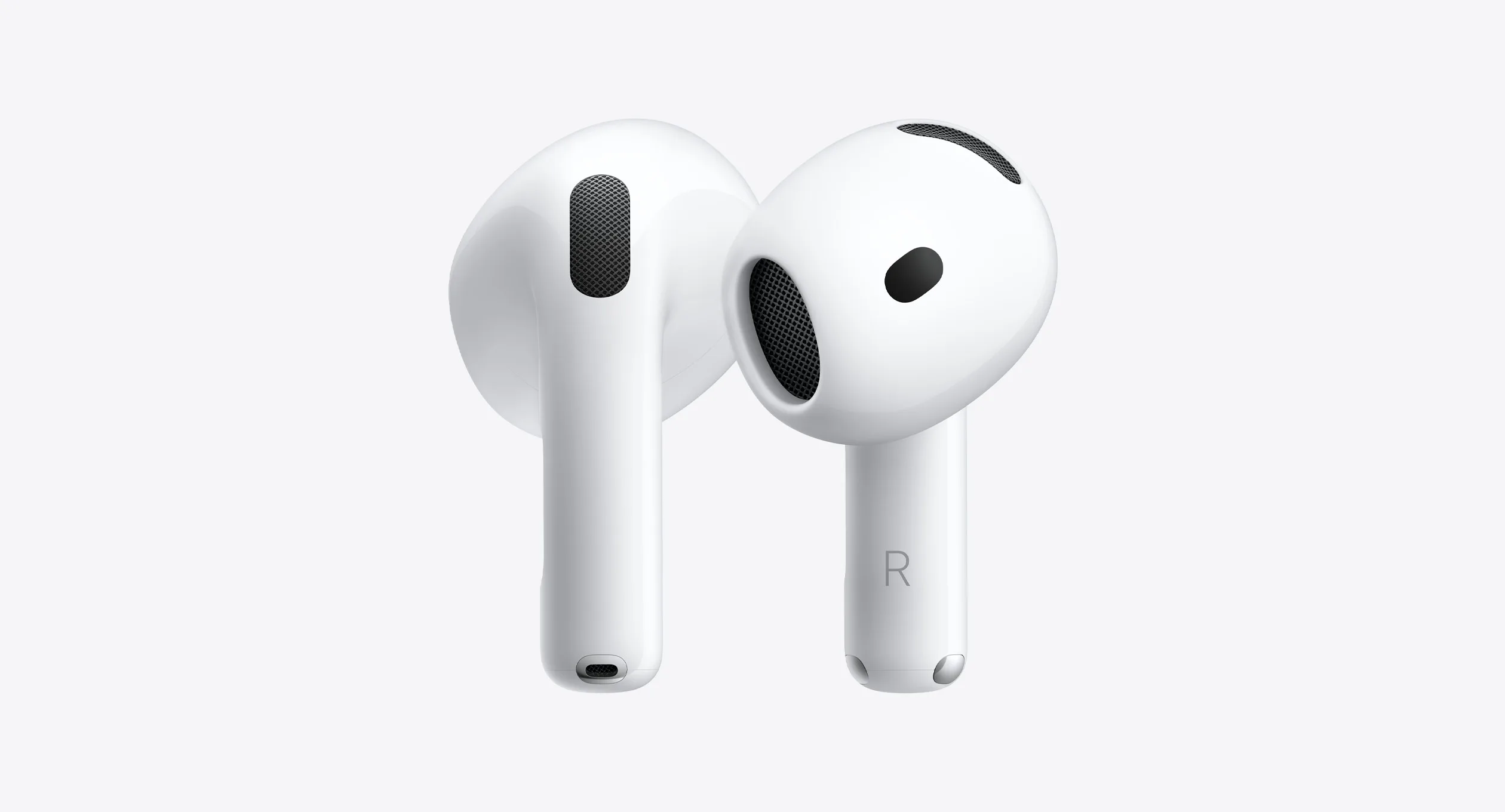
Image source: Apple
The new earbuds also boast improved battery life: up to 5 hours of playback with ANC enabled, 1 hour more than the previous generation, and a total of 22 hours with the charging case. For iPhone users, the 999 yuan AirPods 5 remain the most hassle-free choice.
However, Leitech believes Apple's 'generosity' and 'more for the same price' approach this time are also influenced by market trends. In the sub-1,000 yuan TWS segment, ANC has long become a standard feature for Chinese brands. Xiaomi and OPPO have been vying for market share in this price range for years, offering not only excellent sound quality but also superior noise cancellation thanks to full in-ear designs.
In comparison, the AirPods' competitiveness now hinges solely on the 'Apple ecosystem.' Had the AirPods 5 remained priced at 1,399 yuan, their competitiveness would likely have further declined amidst Chinese earbuds that are 'compatible with iPhones'.
Apple Watch Series 12: Comprehensive Health Management Evolution, Charging Remains the Biggest Disappointment
Compared to the surprisingly priced AirPods 5, the Apple Watch Series 12 offers a more conventional upgrade: pricing remains consistent with last year. The aluminum GPS versions cost 2,999 yuan (42mm) and 3,399 yuan (46mm), cellular versions 3,799 yuan and 4,199 yuan, titanium cellular versions 5,799 yuan and 6,199 yuan, and the Hermès edition starts at 11,899 yuan. The only surprise might be the return of the ceramic casing Apple Watch after years of absence, priced starting at 7,499 yuan.
While prices remain unchanged, hardware upgrades are evident: the Apple Watch S12 series adopts the S11 chip, paired with the latest health sensor system—heart rate sampling frequency increases to once every 5 seconds, and HRV (heart rate variability) measurement frequency rises up to 24 times higher than before. The latter is now split into recovery and overall dimensions, allowing assessment of both daily and long-term conditions.
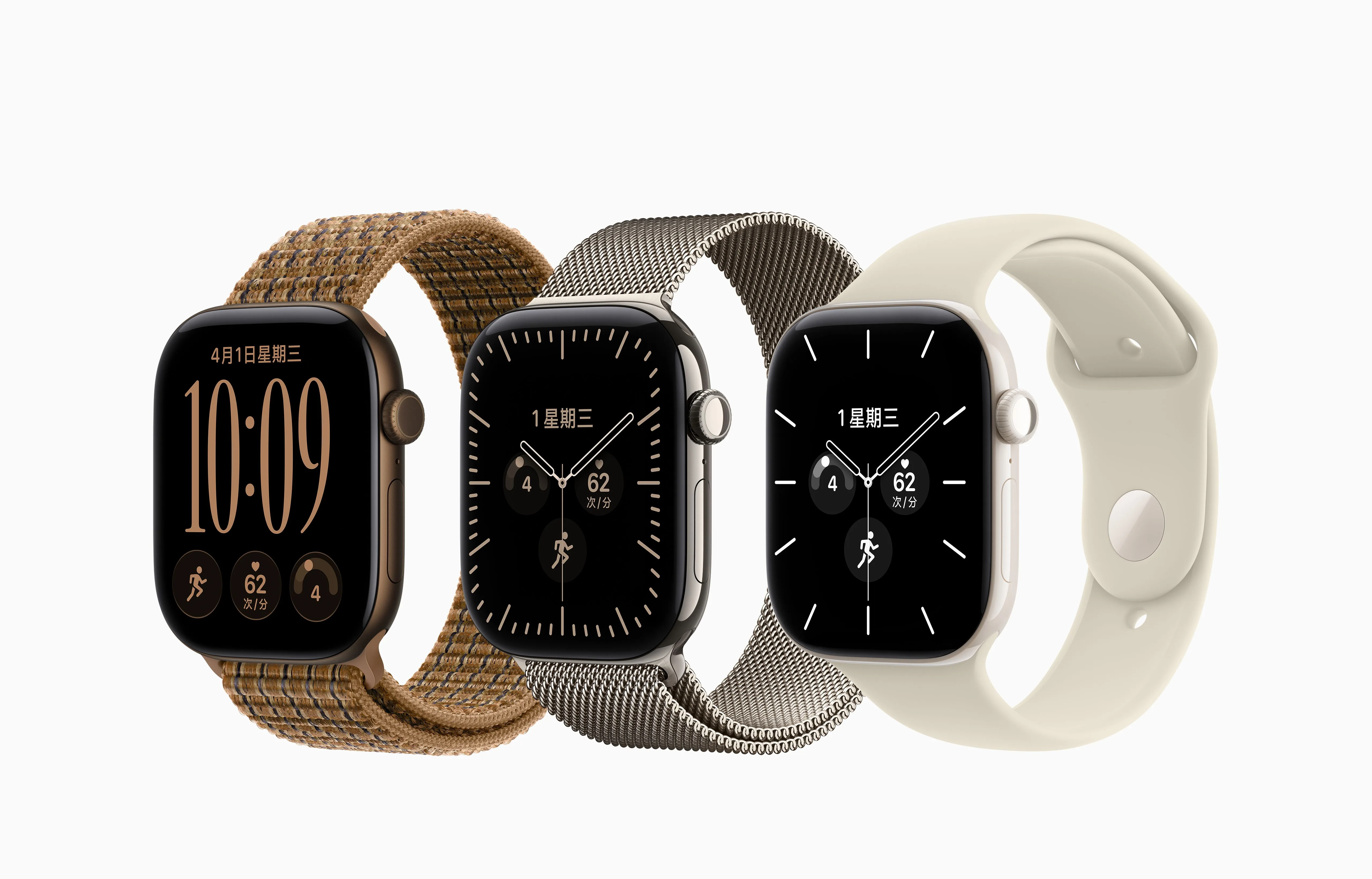
Image source: Apple
Although health data collection frequency has significantly increased, the Apple Watch S12's battery life remains largely unchanged, still offering 24 hours of regular use and 38 hours in low-power mode. Based on my experience, the 24-hour usage cycle includes sleep tracking time. In other words, even with the Apple Watch S12, daily charging remains unavoidable.
Incidentally, although not detailed during the launch event, due to radio frequency regulations, the Chinese version of the Apple Watch S12 (including the Ultra 4 mentioned later) still does not support fast charging. For this reason, I recommend considering international versions of the Apple Watch if you don't need cellular connectivity.
Apple Watch Ultra 4: Extended Battery Life Remains Ultra's Biggest Competitive Edge
The Apple Watch Ultra also receives multiple upgrades, but Leitech believes the most noteworthy is 'battery life':
Thanks to the new S11 chip, the Apple Watch Ultra 4's regular battery life increases from 42 hours to 50 hours, with up to 84 hours in low-power mode and 25 hours in outdoor workout mode, a 25% improvement over the previous generation.
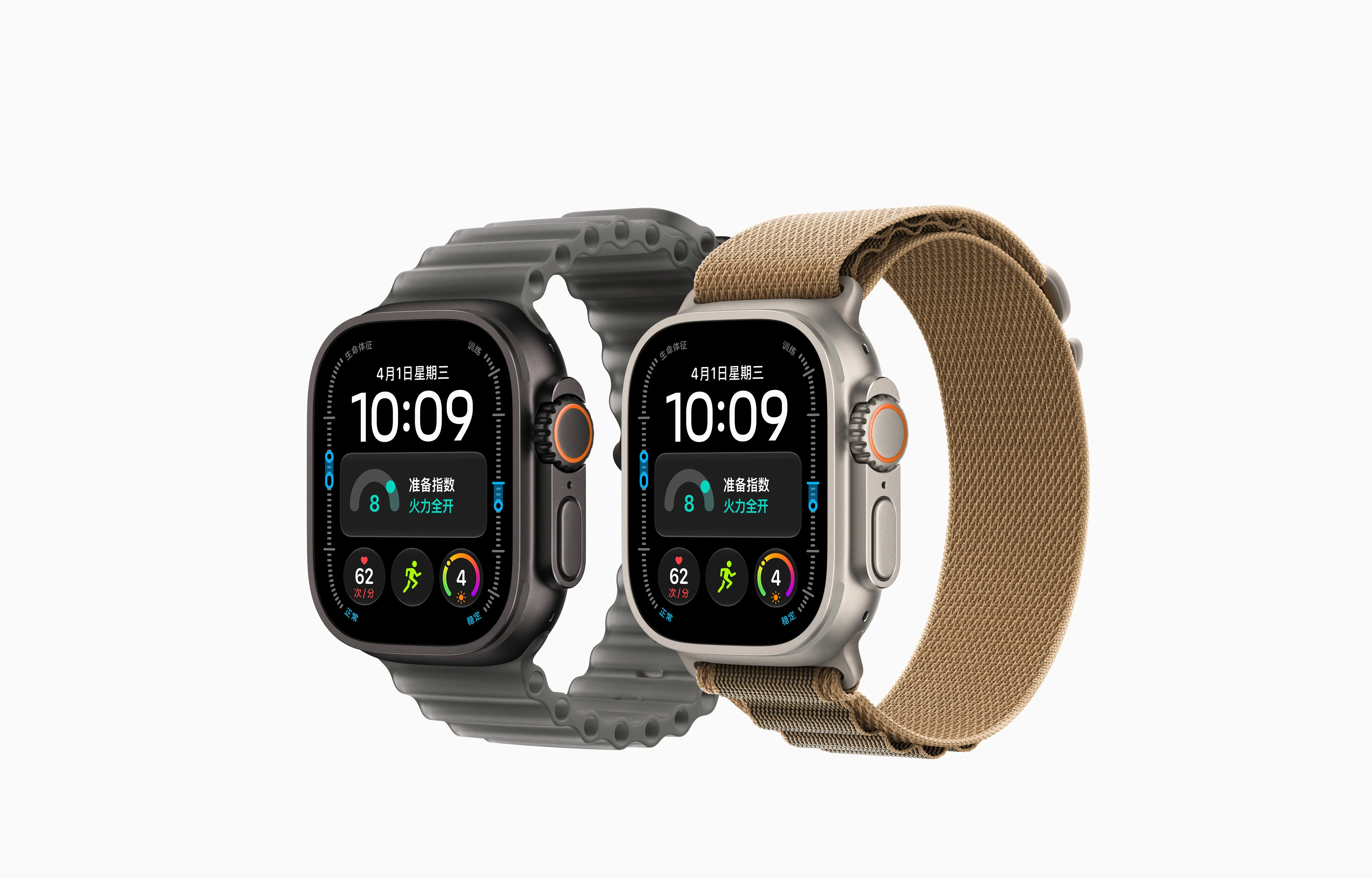
Image source: Apple
Additionally, the Apple Watch Ultra 4 introduces an ultra-long battery life mode, offering 45 hours of battery life while maintaining GPS positioning once per second. For average users like myself, 50 hours means no need for a charger during a two-day, one-night weekend hike—the bare minimum for an outdoor watch. However, for Garmin users, this performance may still fall short.
Unfortunately, the Apple Watch Ultra 4 still does not support fast charging. Considering its extended battery life, Leitech believes charging times for the Ultra 4 will also be a concern. If you don't require extreme battery life, older Apple Watch Ultra models with fast charging may be a better choice.
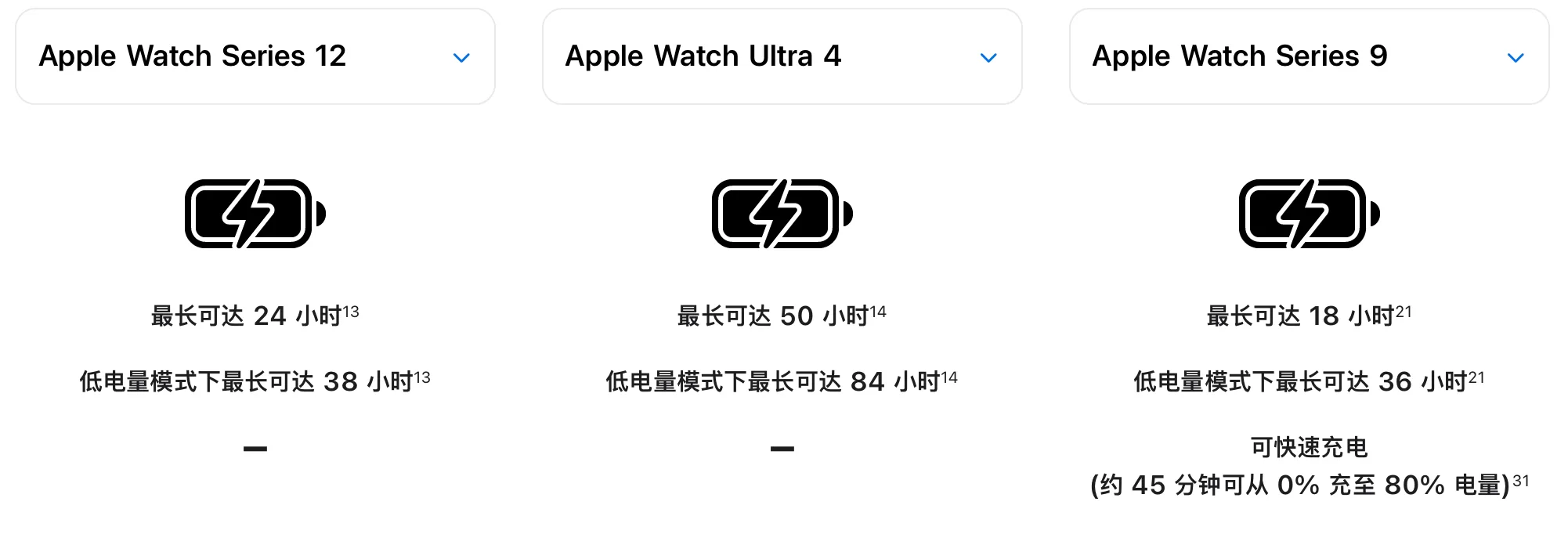
Image source: Apple
From another perspective, since core health management features are available on both the Apple Watch S12 and Ultra 4, Leitech believes that following this trend, the Ultra may eventually transition from a standalone product line to an option for 'paying more for extended battery life.'
Hardware Price Hikes Struggle to Innovate, Software Updates Come to the Rescue
To complement the Apple Watch Series 12 and Ultra 4, iPhone's Health app also receives a redesign, adding Insights and Longevity tabs, along with a 'Health Age' feature.
Audio Intelligence is also one of the core features of the new Apple Watch: AI-based sound recognition allows the watch to identify surrounding environments and alarm sounds without an iPhone, offering some assistance to hearing-impaired users. Double-tapping the Digital Crown can also replay conversations from the past 15 seconds; Siri Recap automatically generates summaries after conversations end.
Unfortunately, these features remain out of reach for Chinese users: Audio Intelligence and Siri Recap heavily rely on Apple Intelligence, which isn't even available in the EU initially, let alone in China.
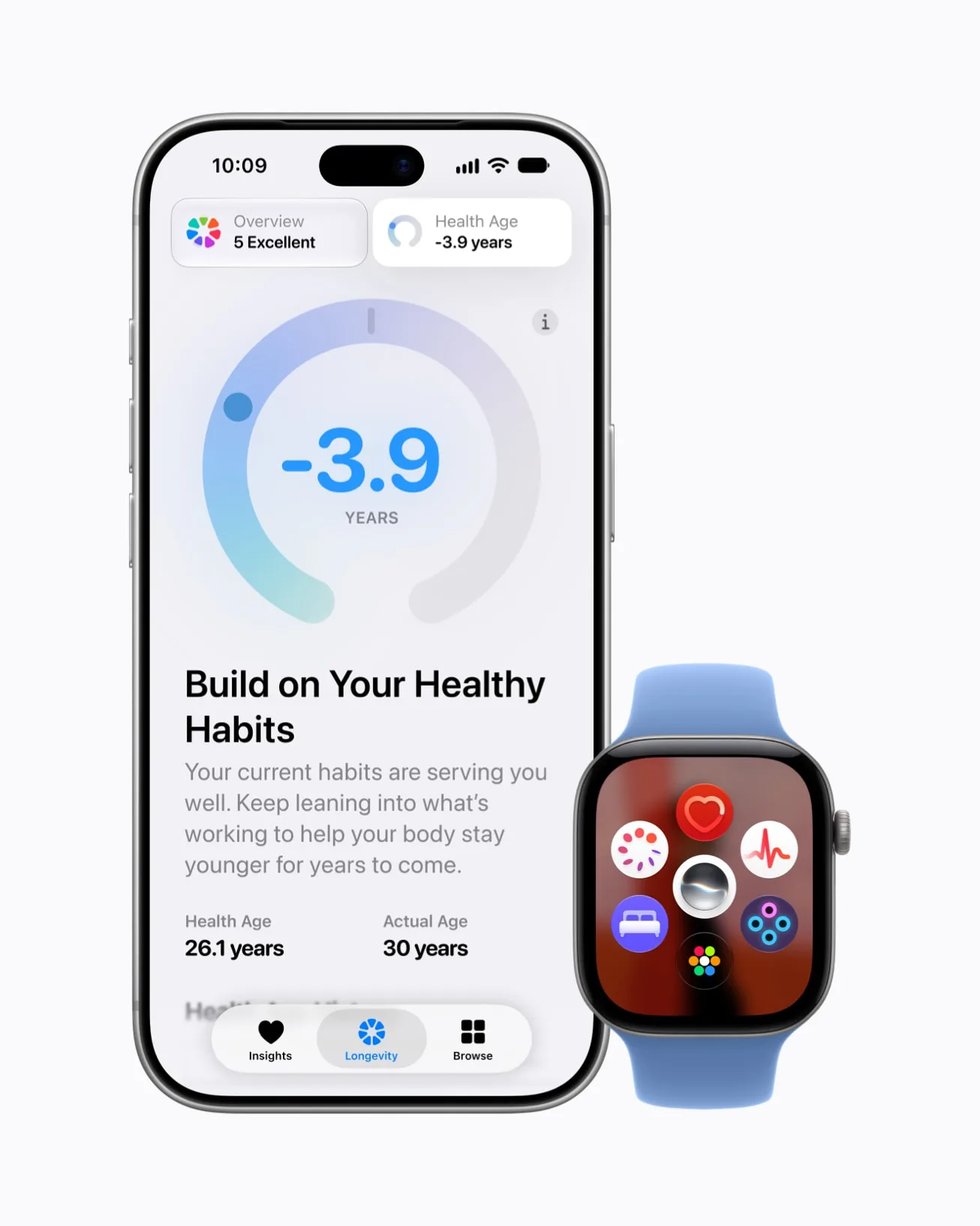
Image source: Apple
After watching the entire launch event, Leitech believes Apple's pricing strategy is quite clear: amidst unavoidable overall price hikes, let ultra-high-end products like the iPhone Duo and Apple Watch ceramic edition 'absorb the heat,' while using 'high-volume' products like the Apple Watch and AirPods to maintain the last vestiges of 'prestige' and 'authenticity'.
The iPhone Duo sells for 15,999 yuan, while the AirPods 5 drop to 999 yuan—you could buy about 16 pairs of AirPods 5 for the price of one Duo. When compared horizontally, the 999 yuan AirPods 5 have become the entry ticket to the entire Apple ecosystem. Therefore, Leitech believes the 'yet-to-be-announced' new iPhone will likely maintain its current price of 6,799 yuan. For users planning to upgrade next year, this is good news amidst the price hikes.
However, as we mentioned during last year's new iPhone launch, it's clear that Apple is actively using software updates to replace conventional hardware innovations in recent years. With the 'uncertain future' of Apple Intelligence's Chinese version, Apple devices' competitiveness in China is 'only declining.'
Success or Failure Hinges on AI: It's certain that pushing Apple Intelligence's launch in China will be Apple's top priority for the second half of the year. However, based on current leaks, the approved Chinese version of Apple's AI doesn't seem to be the latest iteration available overseas, potentially limiting features on the Apple Watch S12 and AirPods.
It can only be said that to prove its influence in the high-end market during an era where hardware development is constrained by costs, Apple now needs time more than anything—but time is also what it lacks the most.
Source: Leitech
Images in this article come from: 123RF Royalty-Free Image Library Source: Leitech
-
Starting at 9999 yuan! Hu Yifei, the iPhone 18 you've been waiting for is here
-
![]()
After 7 Years of Anticipation, Apple's Foldable Phone is Finally Here! Starting at $15,999, Samsung Quickly Responds with a "Copycat" Launch...
-
![]()
AI Investment: It’s Time to Change Tracks! When AI Resources Are Widespread, Profits No Longer Flow Only to AI Creators
-
![]()
Priced Starting at 999 Yuan! AirPods 5 Delivers More Value at the Same Price Point—Are the Two New Watch Models More Genuine Than the Duo?
-
![]()
Insta360 Revenue Surges, Yet Profits Dive: Stock Price Slashed by Half This Year, Earnings Projections Revised Downward
-
In-depth | OpenAI's First-Generation In-House Chip Shines, Unveiling a New Approach to Computing Power Beyond Expectations
-
![]()
The Imaging Industry is Being Revolutionized! DJI/Insta360/Hohem Steal the Spotlight at IFA, Pushing Canon and Sony to the Periphery?
-
![]()
Starting from 15,999 yuan! Apple's First Foldable iPhone Duo Released: First Under-Display Front Camera on Inner Screen, eSIM Only