Mobile Phones Seek Growth from Screen Innovations
 09/17 2026
 463
463
Editor's Note:
The fierce competition in the existing smartphone market has entered a critical phase, with traditional candy-bar flagship models hitting growth ceilings. The industry now pins its hopes for growth on screen innovation. In September 2026, Huawei, Xiaomi, and Apple unveiled new foldable models within 72 hours, with Apple entering the fray after seven years with its premium-priced iPhone Duo. Amid a market stalemate of 2% penetration and a 21.6% year-on-year shipment decline in the first half of the year, major players are collectively betting on a turning point. Is foldable technology a screen revolution or merely a high-end pricing game? 36Kr

Screen Expansion Fails to Break Niche Constraints
The mobile phone industry no longer enjoys broad-based growth. IDC data shows a sustained global smartphone market contraction, forcing manufacturers to compete for high-end users in the existing market. Foldable screens represent the last remaining breakthrough in the premium segment. Industry consensus holds that traditional candy-bar hardware has reached its limits, with screen sizes constrained by portability. To create new experiences, screens must be "unfolded."
Since the first commercial foldable phone debuted in 2019, Android manufacturers have iterated through over a dozen hinge, flexible glass, and crease-control upgrades, evolving from compact vertical folds to large book-style folds and Huawei's expansive wide-fold design. Yet, hard data dampens enthusiasm: Omdia reports global foldable shipments of just 5.1 million units in H1 2026, down 21.6% year-on-year. Compact female-targeted models plummeted 47%, with only large folds maintaining stability.
Penetration rates are even more concerning. After seven years, foldables still account for barely 2% of the global market—just two out of every 100 new devices. The segment remains trapped as a "geek toy." Android vendors have initiated price wars, with Xiaomi and OPPO reducing large folds to sub-$1,400 pricing and compact models to $1,100-$1,400 ranges. However, price cuts have failed to stimulate volume growth, as consumers remain hesitant.
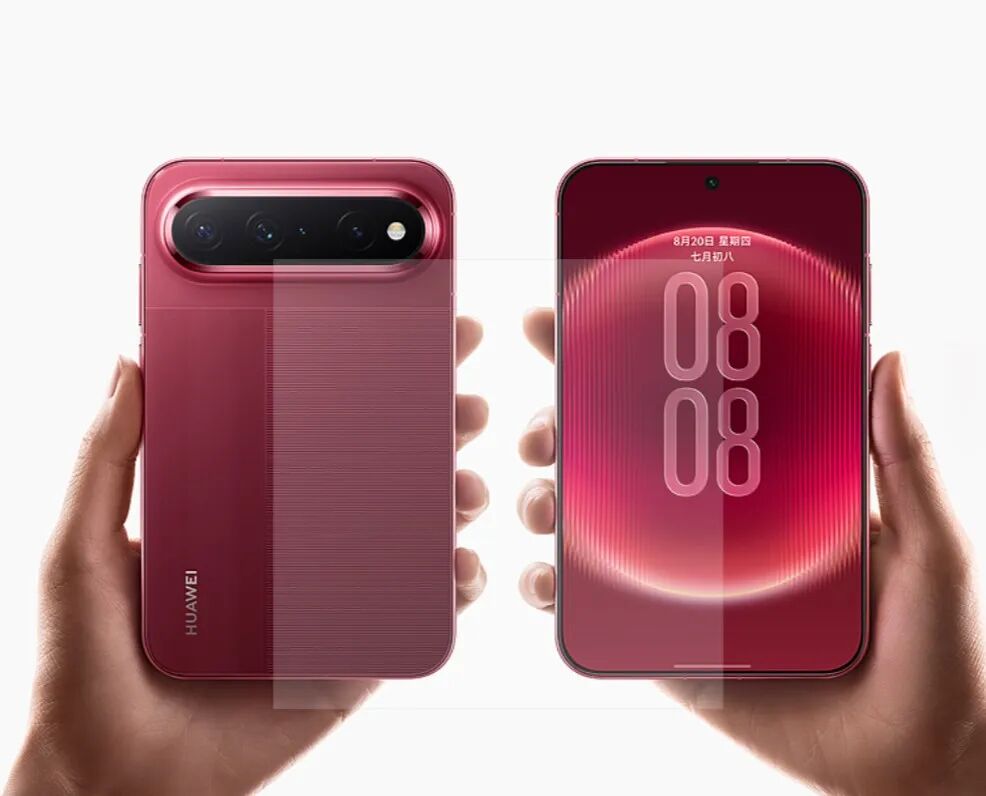
The core contradiction is clear: Manufacturers focus on enlarging screens but fail to address pain points for actual big-screen adoption. High device pricing, costly screen repairs, long-term crease degradation, and half-baked app optimizations for split-screen use keep foldables in the novelty phase. While screens fold easily, consumer confidence does not.
Apple's delayed entry stems from recognizing these industry challenges. Its engineering team set stringent requirements: inner screen crease depth under 0.15mm and liquid metal hinge production yields above 85%. With suppliers stuck at 60-70% yields, Apple shelved the project for seven years rather than release a flawed product. 36Kr

Apple Defines Premium, Android Pursues Mass-Market Screen Growth
The 72-hour launch spree divided the foldable market into two distinct strategies: Apple's premium pricing and Android's mass-market penetration.
Apple's iPhone Duo, priced at $2,249, features a U-shaped dual-fold design with a 7.6-inch unfolded screen and consistent aspect ratios for seamless transition. Netizens quip: Apple remains the industry standard-setter, unchanging in its premium market approach. While competitors cut prices, Apple maintains its $1,400+ threshold, rejecting short-term volume gains to position foldables as top-tier flagships.

Counterpoint predicts Apple's entry will boost 2026 foldable panel shipments by 23% year-on-year, with the iPhone Duo alone contributing 27% of annual panel output. H2 shipments will surge 53% sequentially, propelling foldables from niche to mainstream. Apple avoids price wars, aiming to solidify foldables' premium value rather than reduce costs.
Meanwhile, Huawei and Xiaomi pursue differentiated form factors. Huawei promotes a √2:1 wide-fold ratio for enhanced office multitasking and document viewing, while Xiaomi prioritizes lightweight, slim designs balancing portability and screen size. Android's strategy is clear: diversify form factors to cover user segments, then leverage price cuts to expand from premium to mainstream markets.
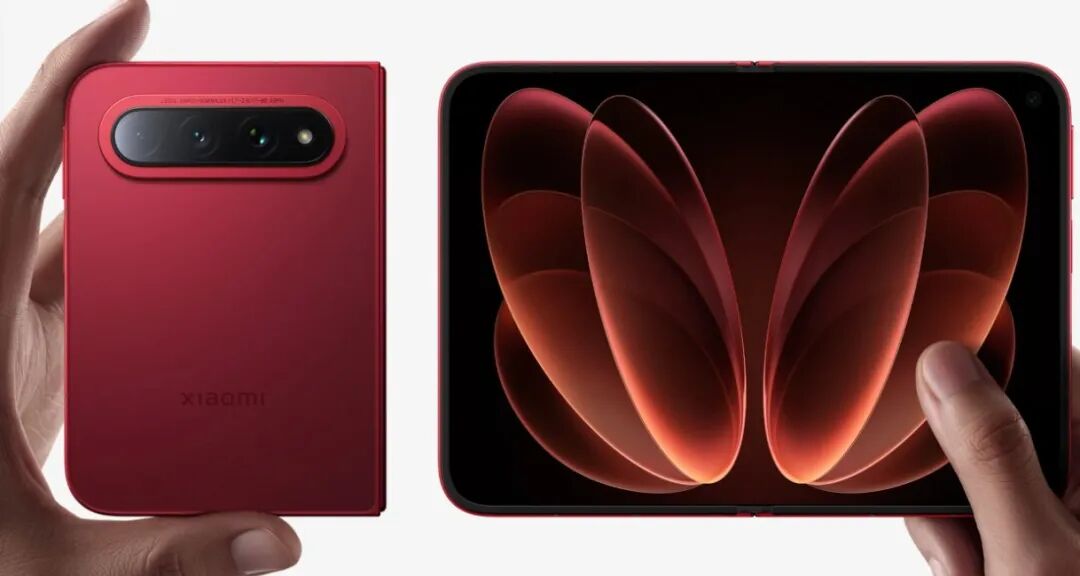
These approaches reflect two growth logics: Apple profits from screen premiumization through craftsmanship, positioning foldables as high-margin flagships; Android drives adoption via form innovation and cost reductions, making foldables accessible to average users.
However, industry concerns linger. If Apple maintains $2,249 pricing and high repair costs, foldables may remain niche. If Android engages in price wars at the expense of supplier margins, R&D investment in hinges and flexible screens will decline, stifling breakthroughs. While screens can expand indefinitely, industry growth cannot rely solely on size increases.
The ultimate challenge for foldables is not folding mechanics but making large-screen multitasking, mobile productivity, and immersive media consumption indispensable. Only when software ecosystems match hardware innovation can foldables transcend being "enlarged candy-bar phones" and become mainstream devices.

Conclusion
The foldable market faces its most significant transformation since inception, with Apple's entry reshaping industry dynamics. Smartphone growth through screen innovation has evolved from pure hardware competition to a long-term value stratification battle. Both premium and mass markets are essential; focusing solely on screen size or hinge technology will confine foldables to niche status. Only through synchronized hardware and software advancements can foldable screens drive the next phase of smartphone industry growth.
-
![]()
Total Investment of 2.05 Billion Yuan! Shihua Technology's Optical Film Material Project Aims for Production Commencement
-
![]()
Sunny Optical Invests in Zeno and Partners with Unitree: Strategic Positioning in Embodied Intelligence
-
FAW Acquires Equity in GAC: A Signal of Strategic Alliances in the Era of Major Consolidations?
-
![]()
From Creation to Sale: No-Code App Development Platforms Enter Monetization Phase
-
![]()
The 'Intense Competition' of East Asian Education is Being Re-exported Through AI
-
![]()
Mobile Phones Seek Growth from Screen Innovations
-
![]()
Size is Limited, Price Even More So. Does the Li Auto i9 Deliver Yet Again?
-
![]()
The Edge AI Battle Has Officially Kicked Off | Business Wave