Is the Second-Generation Doubao Smartphone a Worthy Purchase?
 09/23 2026
 347
347
By Dou Wenxue
Edited by Ziye
After days of eager anticipation, the market finally caught a glimpse of the true form of the second-generation Doubao smartphone.
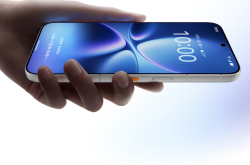
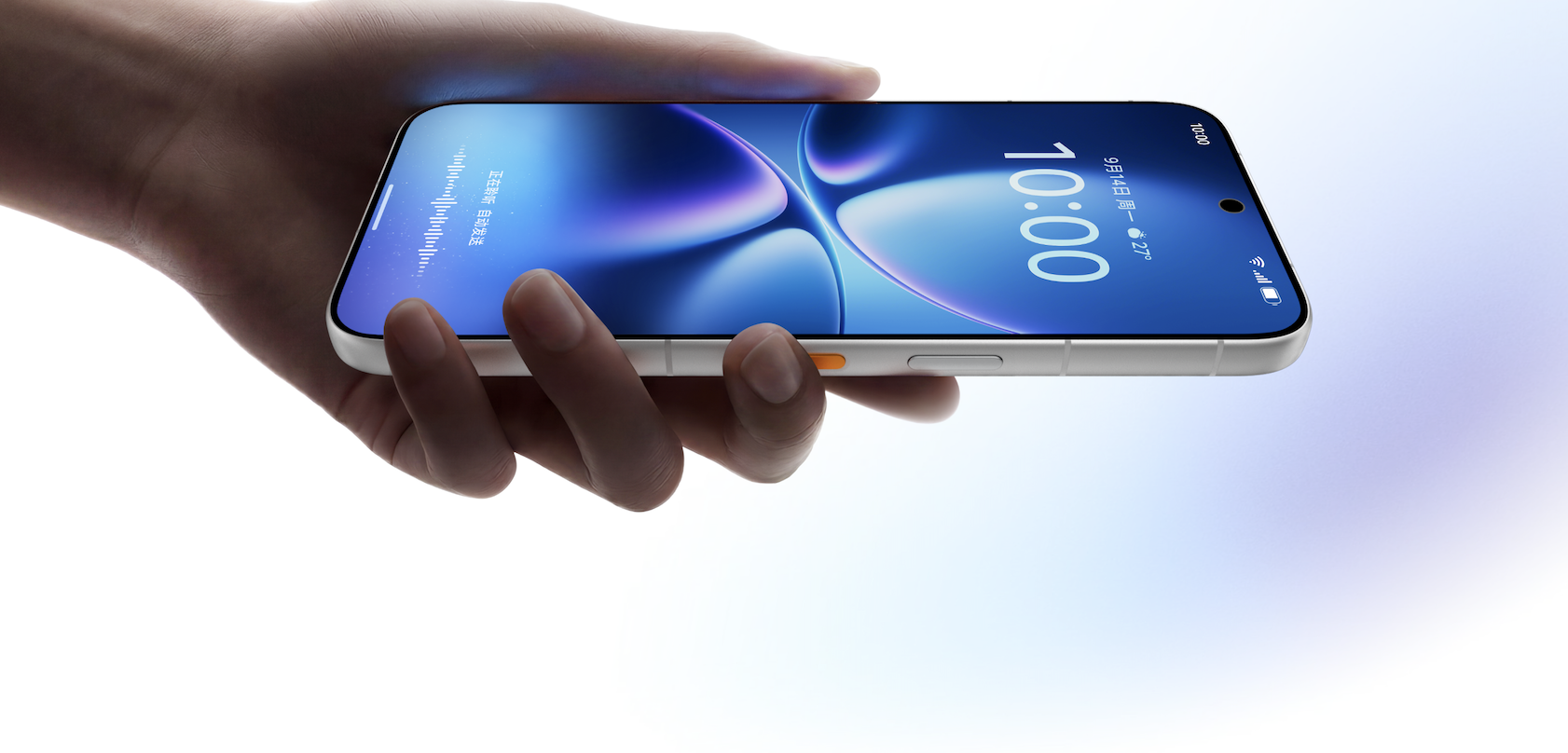
On the afternoon of September 16, the Nubia NaviX Ultra (the second-generation Doubao smartphone) was officially launched, positioned as an AI-driven consumer smartphone. It comes in four color variants and three storage options, with prices starting at 5,999 yuan.
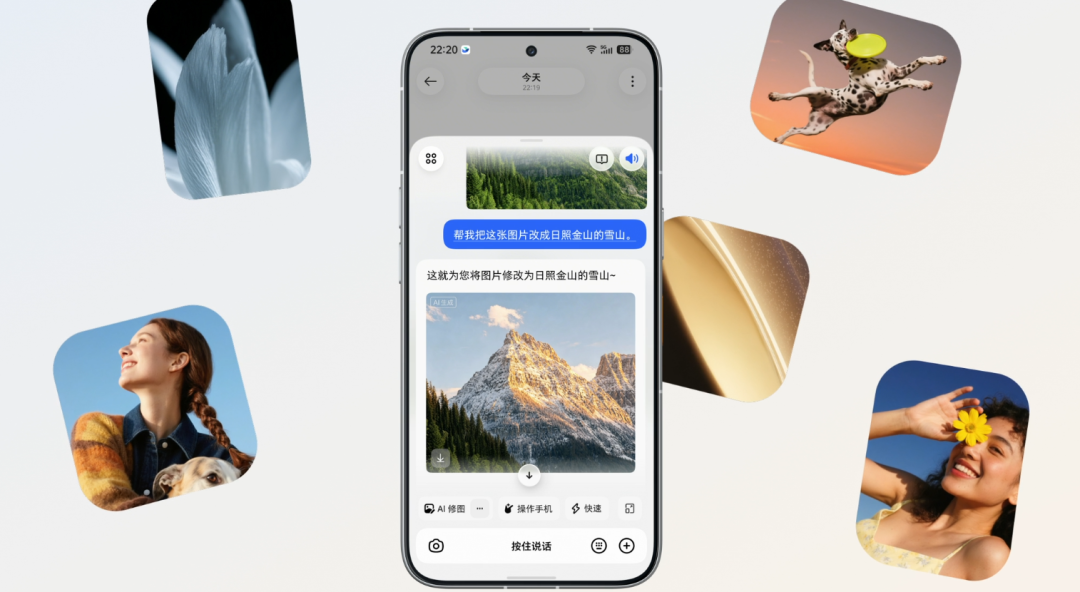
Image source: Doubao Smartphone Assistant official website
Recalling nine months ago, the first-generation Doubao smartphone, a collaborative release by Doubao and ZTE, was a limited technical preview engineering model priced at 3,499 yuan. It garnered significant attention for its innovative technical approach, utilizing GUI simulated clicks and cross-application automated task execution. All 30,000 units sold out immediately upon release, with some even fetching over 4,000 yuan in the second-hand market.
However, the honeymoon period was short-lived. Although the cross-platform automated task execution feature set the Doubao smartphone apart from ordinary smartphones, it also raised concerns among industry peers. The Doubao smartphone quickly encountered restrictions from mainstream apps, limiting its core automation capabilities.
Coupled with issues such as subpar hardware performance, heavy reliance on cloud computing, and frequent lagging and overheating, the first-generation Doubao smartphone remained at the engineering model stage, lacking the scalability for mass production and market release.
The latest iteration of the Doubao smartphone has made significant strides to address these challenges.
Some basic hardware configurations now align with mainstream mid-range flagship standards. The phone's AI operational capabilities support ByteDance-owned products, certain authorized or less stringently controlled third-party apps, and built-in system applications. It can assist users in browsing Douyin, using Feishu, and completing some cross-app operations, still offering notable advantages over ordinary smartphones.
Nevertheless, with application authorization still constrained, the disruptive potential of the second-generation Doubao smartphone is clearly diminished compared to its predecessor. It can be argued that the issues exposed in the first generation continue to limit the Doubao smartphone's potential.
While the new generation of the Doubao smartphone has made progress and breakthroughs, convincing users to adopt it as their primary device remains a challenge.

What Sets This Doubao Smartphone Apart?
From the first to the second generation, the underlying philosophy of the Doubao smartphone remains unchanged. Both adhere to an AI-native architecture, where Doubao is not a third-party app but an integral system-level capability of the phone.
Under this core philosophy, the second-generation product has addressed several shortcomings.
As the Doubao smartphone transitions from an engineering model to a consumer-grade smartphone, numerous optimizations have been made at the basic hardware level to meet daily usage demands.
In particular, the chip and battery of the NaviX Ultra deliver high performance.
The NaviX Ultra is powered by the fifth-generation Snapdragon 8 Elite + LPDDR5X 10667Mbps performance combination, recognized as the top chip platform in the current Android ecosystem. Products like the OPPO Find X9 Ultra and vivo X300 Ultra also utilize this chip.
The first-generation Doubao smartphone featured a 6000mAh battery, but due to early hardware power consumption and heat control limitations, its actual battery life was subpar. The second-generation Doubao smartphone boasts a 7100mAh battery, surpassing that of some flagship smartphones.
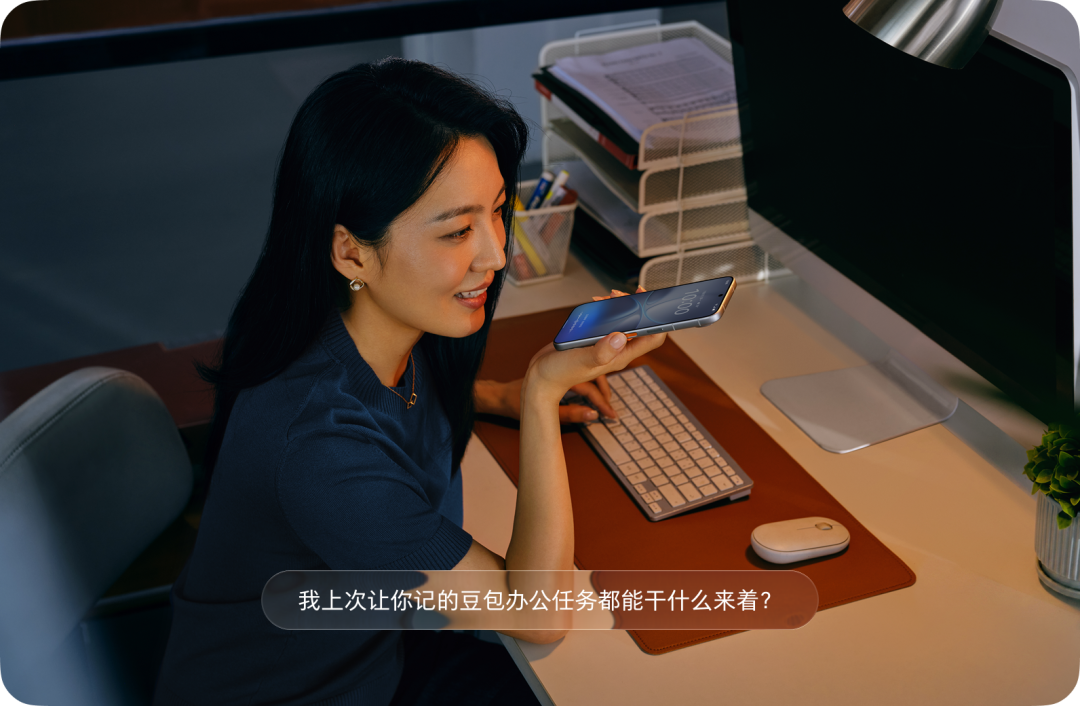
Image source: Doubao Smartphone Assistant official website
Compared to the first generation, which compromised on camera parameters, the second-generation Doubao smartphone offers more comprehensive camera functionality.
Both models feature a triple-camera setup, but the first generation utilized 50-megapixel lenses for the main, telephoto, and ultra-wide cameras. The second generation boasts a 200-megapixel main camera and a 64-megapixel telephoto lens, while the ultra-wide camera retains the same pixel count but adds features like autofocus support.
The second-generation Doubao smartphone also maintains a slim and lightweight design, measuring just 7.62 millimeters in thickness and weighing 208 grams. This not only makes it slimmer and lighter than the first-generation Doubao smartphone but also than the iPhone 18 Pro, which measures 8.75 millimeters in thickness and weighs 211 grams.
In addition to improved hardware performance, the most significant iteration of the second-generation Doubao smartphone is the fundamental adjustment of the controversial AI execution scheme from the first generation.
The first-generation Doubao smartphone adopted a GUI screen visual simulated click scheme, which essentially captured screen content, identified elements on the phone interface, and simulated human finger clicks and swipes to achieve cross-application automated operations.
However, this mechanism quickly faced resistance from major apps. WeChat was the first to detect abnormal device environments, frequently displaying risk warnings and forcing users offline. Platforms like Taobao, Pinduoduo, and Alipay followed suit, strengthening permission verification mechanisms. Banking apps also blocked login and payment processes.
After learning from the first generation's restrictions and ecosystem collapse, the second-generation Doubao smartphone abandoned the original technical path. It transformed the controversial "operating the phone" feature into a Beta version and introduced the Screen Automation Operation Statement Protocol (SAEP), returning the choice of AI operation boundaries to third-party developers.
For instance, if a user wants to hail a ride, the Doubao smartphone will communicate this request to Didi, allowing Didi to decide which functions Doubao can invoke.
This approach resolves the compliance issues of the first-generation Doubao smartphone, ensuring that popular apps like WeChat and Taobao can be used normally on the Doubao smartphone.
Furthermore, the AI agent of the second-generation Doubao smartphone is more mature than its predecessor.
The first generation relied heavily on cloud computing power, leading to significant issues with task lagging, delays, and overheating. The second generation strengthens on-device AI capabilities, enabling basic tasks like summarization, image recognition, and memory organization to be completed locally. The fluency of multi-round continuous dialogues and complex task processing has also significantly improved.
Both generations support a clean system with zero pre-installed apps and no ads, but the second generation has further optimized system-level features. For example, it adds an independent AI button with integrated fingerprint recognition on the side. Users can press the AI button to complete identity verification and invoke the assistant to execute tasks without secondary unlocking. Gesture operations, small windows, and multitasking interactions have also been refined.
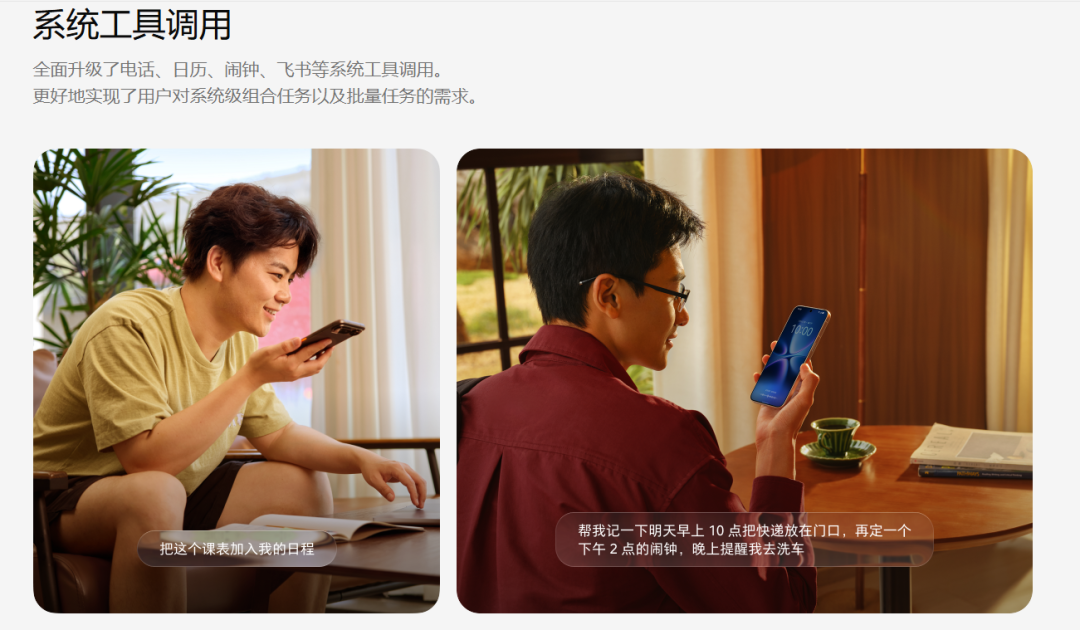
Image source: Doubao Smartphone Assistant official website
The Doubao smartphone is increasingly resembling a reliable daily driver for users.

Is the Second-Generation Doubao Smartphone User-Friendly?
Under the new operational framework, the automation capabilities of the second-generation Doubao smartphone are still somewhat restricted. It operates smoothly within the ByteDance ecosystem and a few third-party apps, but most popular, high-frequency apps like WeChat, Taobao, and Meituan have not yet opened their in-app automation interfaces.
Fortunately, there are numerous ByteDance-owned apps, and in some scenarios, the second-generation Doubao smartphone proves to be quite useful.
There are several ways to invoke the Doubao assistant. The core method is to long-press the independent AI button on the side of the phone. After fingerprint verification confirms the user's identity, the Doubao assistant with full operational permissions is activated, even from the lock screen.
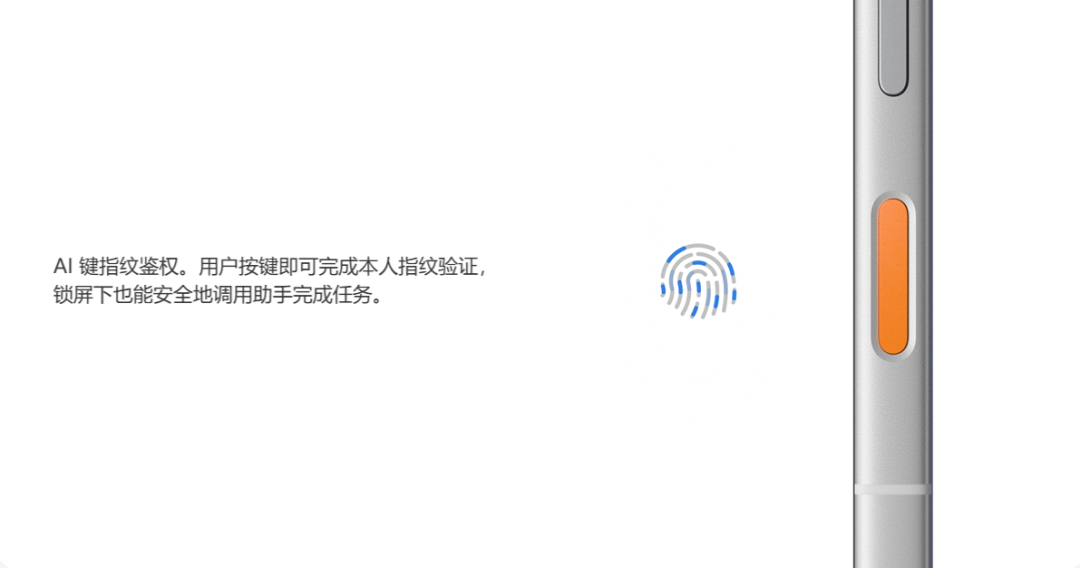
Image source: Doubao Smartphone Assistant official website
Non-owners can also summon the assistant, but only for basic Q&A functions like weather and encyclopedia queries. They cannot access local data or perform device operation tasks, thereby avoiding privacy risks.
A short press of the AI button brings up the Doubao assistant dialog box, suitable for scenarios where voice communication is inconvenient and text input is preferred.
In addition to pressing buttons, users can complete voiceprint enrollment and say the wake word "Doubao, Doubao" to activate the assistant.
Once summoned, the Doubao assistant operates most smoothly within the ByteDance ecosystem apps.
For example, in Douyin, the Doubao assistant can help users like, comment on, and automatically browse videos according to their preferences. It can also batch-save selected content.
The Doubao smartphone also integrates tightly with Feishu.
After logging into a Feishu account, Doubao can access Feishu's messages, cloud documents, and schedules. Users can complete tasks like summarizing group messages, checking to-dos, and forwarding documents with a single sentence.
In meeting scenarios, users can instruct Doubao to parse recorded content, generate meeting minutes, distinguish conclusions and to-dos, and save the minutes to a Feishu document, which can then be shared in the project group, as demonstrated by the official Doubao smartphone.
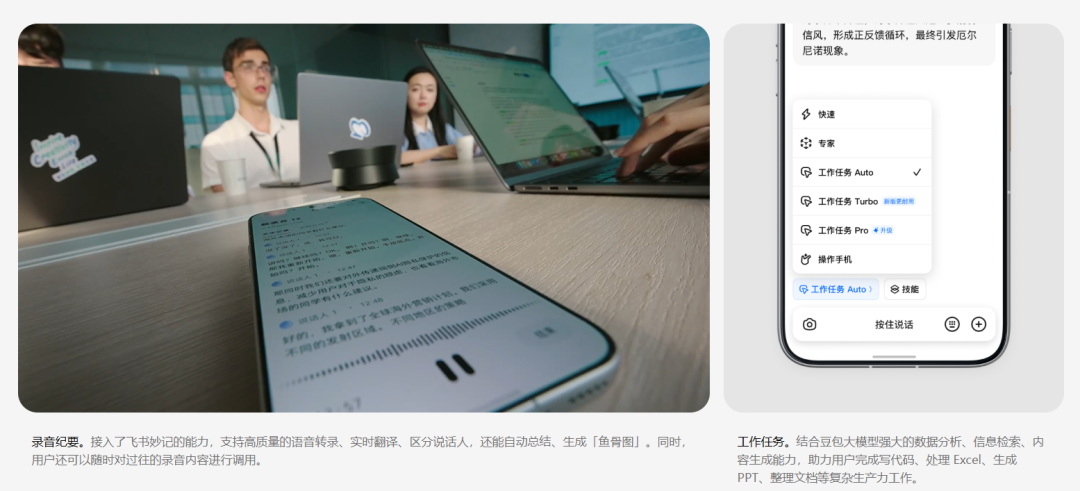
Image source: Doubao Smartphone Assistant official website
In terms of agent task execution, the Doubao smartphone supports simultaneous submission of multiple tasks.
For example, users can ask Doubao to open Douyin to find videos while also requesting it to search for flights on Qunar and order an iced Americano on the Luckin Coffee app. Tasks that cannot be processed immediately are automatically queued.
The price comparison feature from the first-generation Doubao smartphone is also retained in the second generation. Media reviews have shown that the Doubao assistant can automatically complete product price comparisons and add items to shopping carts in Douyin and JD.com malls.
The Doubao assistant also excels in cross-app tasks.
For instance, if a user wants to plan a business trip, they would typically confirm the itinerary in Feishu, book flights and hotels on Ctrip, and check transportation options and durations between the airport, hotel, and conference venue on Baidu Maps. With the Doubao smartphone, users only need to write a planning document in Feishu, recording the trip dates, destination city, and several key locations, and then instruct the Doubao assistant to plan the trip based on the Feishu document's schedule and chat records with colleagues. The Doubao assistant completes the tasks step by step, sometimes pausing to seek user input before continuing.
Notably, these tasks can be executed in the background without disrupting normal phone usage.
The memory function of the Doubao assistant is also a core highlight of the product.
As users operate the phone, Doubao learns their preferences. Users can also proactively let Doubao remember key information, such as coffee preferences or pre-meeting preparation habits, by swiping up with three fingers.
In the phone's built-in local apps, the Doubao assistant helps reduce operational steps and frees users' hands in many scenarios.
For example, if a user wants to find a long-ago photo of identification information among numerous pictures, they can simply ask the phone, "What is the validity period of my Hong Kong and Macau Travel Pass that I took earlier?" If they want to find key information in a recording, they can summon Doubao and ask, "Help me find the phone number mentioned in this recording."
Some scattered system settings can also be completed via voice commands, such as automatically switching the screen to dark mode and enabling silent mode at 10:00 PM.
Overall, the second-generation Doubao smartphone still offers notable features, but whether it is worth buying remains a question.

Is the Doubao Smartphone, Priced at 5,999 Yuan, Worth Buying?
From a hardware and AI functionality perspective, the second-generation Doubao smartphone is already a competent device.
However, its starting price of 5,999 yuan is higher than conventional Android models with similar hardware configurations. The logic behind this premium is essentially the innovative value of its system-level AI-native capabilities.
These capabilities are indeed groundbreaking and justify a premium, but they cannot conceal the Doubao smartphone's shortcomings.
To create a consumer-grade AI agent smartphone, it is essential to consider users' core needs when using their phones daily.
However, most popular apps like WeChat, Xiaohongshu, Meituan, and Taobao tend to block the Doubao smartphone's assistant.
Under such circumstances, the Doubao smartphone's functionality becomes somewhat marginalized, reducing the necessity for users to employ its AI features.
Image source: Doubao Smartphone Assistant official website
Some users tried to get Doubao to post an update on WeChat Moments, only to discover that although the assistant could automatically launch WeChat, it responded by saying it was unable to automatically carry out the in-app action of posting a Moments update. When requested to reply to a WeChat message, the assistant clearly stated, "WeChat is an application restricted by wind control policies and cannot send messages automatically."
Even when it comes to authorized apps, the functionality of the Doubao phone still leaves room for enhancement.
Numerous users who have given it a try shared their experiences on social media, noting that when they instructed the Doubao assistant to edit videos in Jianying, the results were subpar. "It simply ran through the first few images without actually curating the photos or paying attention to the quality of the final output."
There were also tests that highlighted this problem: when Doubao attempted to import multiple video clips into CapCut for splicing, it selected incorrect materials for several clips, ultimately resulting in a failed export. In scenarios that required recognizing multiple materials and performing complex timeline operations, the performance of Doubao's mobile phone was also somewhat erratic.
Many users have also reported that this phone has a rapid battery drain and a slow charging speed.
Several detailed limitations also indicate that Doubao's mobile phone is still a long way from truly liberating users from manual operations.
For instance, when handling tasks such as payments and real-name authentication, Doubao's mobile phone assistant still needs to guide users through manual steps. It cannot genuinely accomplish tasks with just a single command. Additionally, some users have pointed out that tasks like organizing desktop icons, which can be easily handled by ordinary Android phone assistants, are not executed effectively by Doubao's mobile phone.
These AI operation features, which are not yet user-friendly, hardly justify a starting price of 5999 yuan.
From an industry standpoint, the introduction of Doubao's mobile phone opens up a new realm of possibilities for the development trajectory of AI terminals.
However, it is evident that current AI agent terminals generally encounter the challenge of lacking a unified and mature mechanism for cross-platform collaboration, making it difficult to fully leverage Doubao's mobile phone's greatest strengths.
If Doubao's mobile phone aims to achieve significant sales as a consumer-grade mobile phone product, there is still a considerable journey ahead.
(The header image featured in this article is of the Nubia NaviX Ultra, sourced from the official website of Doubao's mobile phone assistant.)
-
![]()
Chinese Brands Ascend to Dominance in Global Handheld Smart Camera Rankings: DJI and Insta360 Command 93% Market Share
-
![]()
Meta’s Market Value Rockets by Nearly $200 Billion Overnight, Cloud Town Conference Takes the Lead: AI Applications Begin to Boom, Six Key Beneficiaries Unveiled
-
![]()
World Model: The First Year of AGI for Robots
-
![]()
Is the Second-Generation Doubao Smartphone a Wise Purchase?
-
![]()
Is the Second-Generation Doubao Smartphone a Worthy Purchase?
-
Zhou Jingren Steps Down from Center Stage
-
![]()
In Suzhou, Intel Unveils Advanced Process Roadmap, with 14A on the Horizon
-
Qunhe Technology: The AI Enterprise with the Most Compelling Narrative in the 2026 Hong Kong Stock Market