Price Soars 30-Fold: Are Internet Cafes Making a Comeback?
 09/30 2026
 525
525
Author | Xiaoman
Disclaimer | The featured image is sourced from the internet. This original article by Jingzhe Research Institute may not be reproduced without prior application and approval.
There was a time when internet cafes were a hallmark of youth for many young Chinese. After school, we’d sneak into dimly lit, smoke-filled internet cafes, paying just 1.5 yuan per hour to play a few rounds of Warcraft III or CS. On holidays, we’d gather friends for LAN parties, spending less than 10 yuan for an all-night gaming session.
But today’s internet cafes have undergone a dramatic transformation. They are now brightly lit, with increasingly personalized decor, professional esports equipment, and hourly rates starting at 10 yuan. In first-tier cities, rates of 30 or even 50 yuan per hour are common—a 30-fold increase compared to a decade ago.
Jingzhe Research Institute reviewed statistics from the Ministry of Culture and Tourism and found that by the end of 2024, there were only 83,000 internet service venues nationwide, a more than 40% decline from the peak of 146,000 in 2011. However, by the end of 2025, this number had rebounded to 97,000.
Why have internet cafes, once labeled a ‘sunset industry,’ made a comeback and become seemingly ‘unaffordable’? Could this transformed industry represent a new growth opportunity?
The Rebirth of Internet Cafes
Looking back 30 years, internet cafes emerged primarily due to limited home computer access. Today, computers are nearly ubiquitous, and many young netizens born after 2000 have skipped the PC era entirely, moving straight into the mobile internet age. As a result, traditional internet cafes lost their appeal when users no longer needed them just to ‘go online.’
However, new business models have emerged. For example, esports venues in first- and second-tier cities bear little resemblance to traditional internet cafes. They feature high-end equipment like esports PCs worth over 10,000 yuan, RTX 4080 or even 5090 graphics cards, 240Hz+ monitors, ergonomic gaming chairs, private booths, and immersive lighting. These investments, from hardware to experience, have become industry standards.
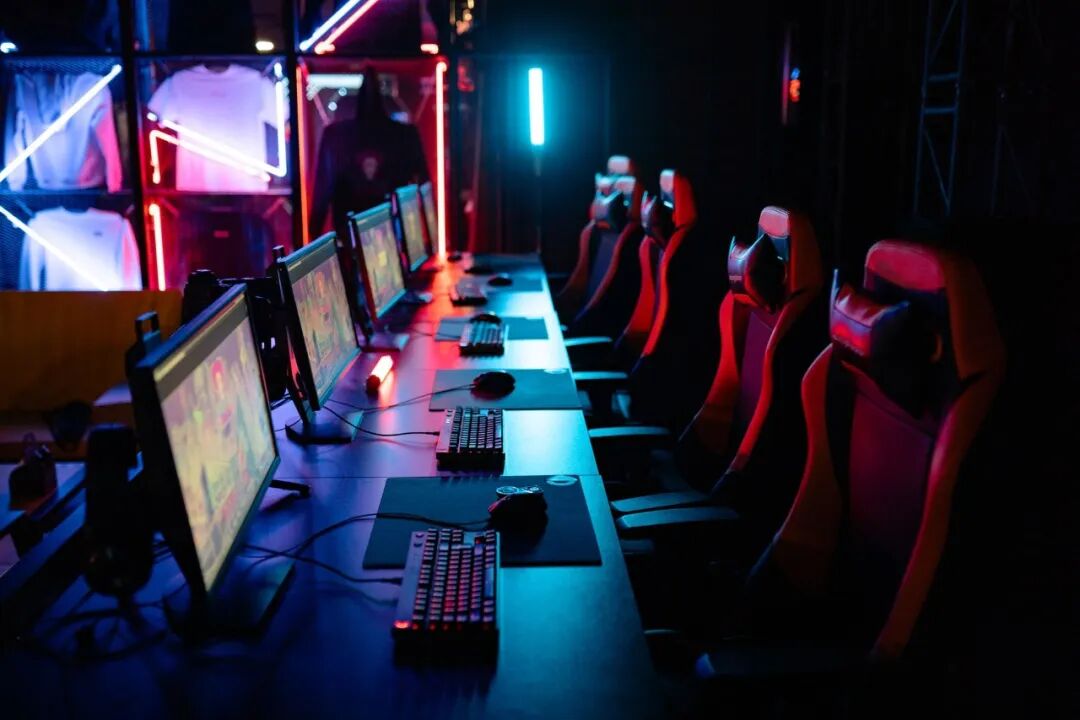
Some premium esports venues offer specialized zones for different functions, such as couples’ booths, five-player LAN party rooms, and 5v5 competitive arenas. Some chain brands even host livestreaming studios to attract users. More surprisingly, some venues now include showers and laundry facilities. In terms of decor, esports venues resemble gaming clubs or trendy spaces rather than the traditional ‘dirty and chaotic’ internet cafes.
The innovation in esports venues did not emerge out of nowhere. Take Wangyu Esports, for example—it evolved from Wangyu Internet Cafe, a veteran establishment founded in Shanghai’s Songjiang District in 1998. In 2021, it rebranded as ‘Wangyu Esports,’ shifting from a traditional internet cafe to an esports community, eventually developing into two business models: internet cafes and esports hotels. Public data shows that by the end of 2024, Wangyu had over 40 million global members and outlets in more than 80 cities.
Besides Wangyu Esports, domestic chains like Lvshu Esports, Jiela Esports, Shudaixiong, and Dianjing Feng have emerged, with most showing strong regional focus. For example, Lvshu Esports is rooted in western China, Shudaixiong operates mainly in Anhui Province, and Dianjing Feng radiates across southern China from its Fuzhou hub.
The regional layout of these chains reflects the industry’s fragmentation, with leading brands setting an example for independent operators to follow.
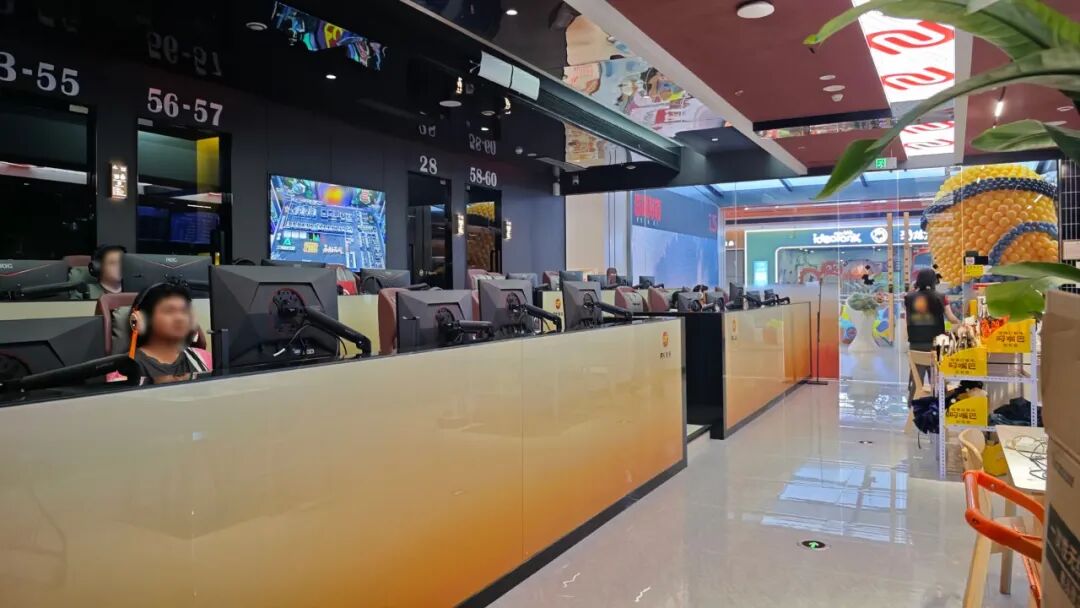
*Image source: Jingzhe Research Institute
At a non-chain internet cafe in Shanghai’s Songjiang District observed by Jingzhe Research Institute, the venue featured extensive use of transparent acrylic and glass, blending an esports aesthetic with a business-like feel. With around 80 machines, the space was divided into a main hall and private booths based on hardware configuration and seating capacity. The main hall featured a double-decker, tiered competitive setup, along with a 12-person booth for large-scale esports matches.
In a way, ‘esportification’ has become the core theme of this wave of internet cafe upgrades.
Are Upgraded Internet Cafes More Profitable?
From a business perspective, the revival of internet cafes hinges not on superficial upgrades like decor but on fundamental changes to their operating model.
Veteran netizens from the PC era will recall that traditional internet cafes relied on low hourly rates and prepaid membership promotions to boost revenue. However, this led to fierce price competition due to low average spending.
Today’s esports venues, however, operate as hybrid ‘experiential consumption’ spaces.
For players seeking high frame rates and low latency, the equipment at esports venues often outperforms standard home computers. Jingzhe Research Institute found during field visits that many venues offer free rentals of professional peripherals, requiring only a small deposit or ID. This near-competitive gaming experience is highly attractive to players.
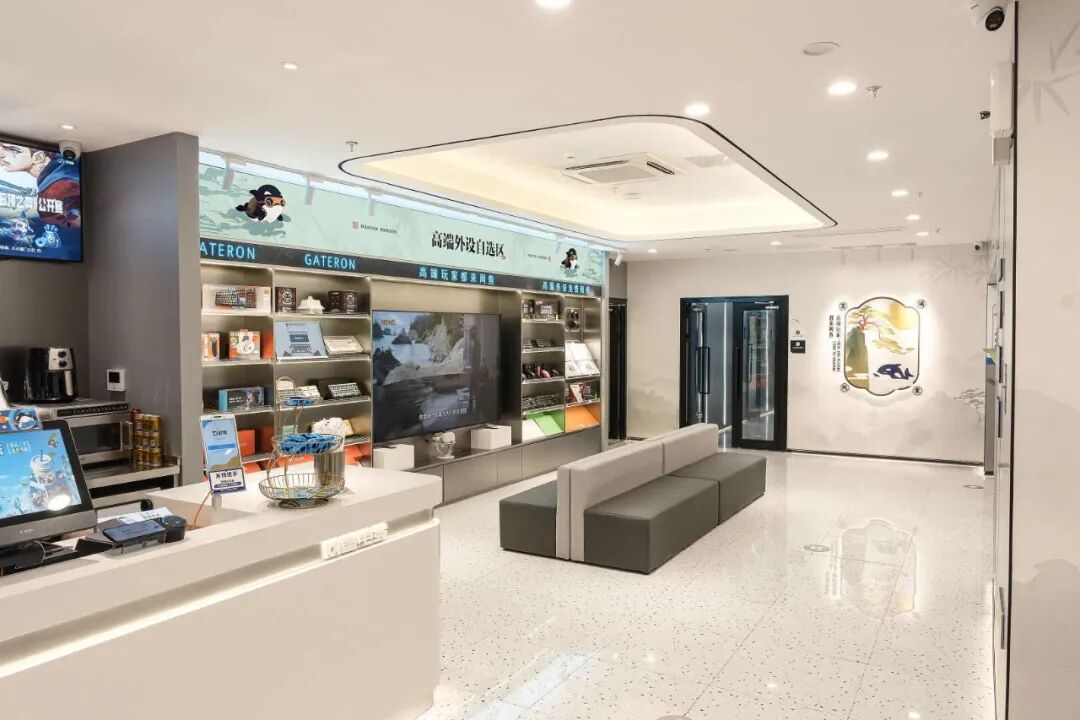
*Image source: Wangyu Esports official website
In terms of services, immersive booth environments, ergonomic gaming chairs, and food and beverage delivery ensure a worry-free experience for extended sessions. At an esports venue in Shanghai’s Songjiang District, players could order snacks, drinks, and even freshly made milk tea or coffee directly from their seats. Multiplayer booths also cater to social gatherings and LAN parties, boosting occupancy and repeat visits.
For operators, upgrades in hardware and software are not just costs but new revenue streams. The most visible change is the surge in hourly rates.
Traditional internet cafes typically charged 2–5 yuan per hour. Jingzhe Research Institute, referencing Dianping listings, found that esports venues now charge 5–20 yuan per hour, with premium zones reaching 20–50 yuan. Rates in first-tier cities are generally 2–3 times higher than in second- and third-tier cities.
While these rates seem steep, most chain venues offer generous promotions like ‘top-up 100, get 50 free’ or ‘top-up 1,000, get 1,000 free,’ with bonus ratios rising from 40% to 100% based on spending.
Additionally, profits from snacks and drinks are substantial.
Compared to regular retail prices, items like instant noodles and grilled sausages are often marked up by 100%. For example, a 12-pack of Kangshifu braised beef noodles costs 48.18 yuan on Tmall Supermarket (4 yuan per bowl), but the same product is priced at 8 yuan in an esports venue. Similarly, a 2-yuan sausage sold at street stalls costs 4 yuan inside the venue.
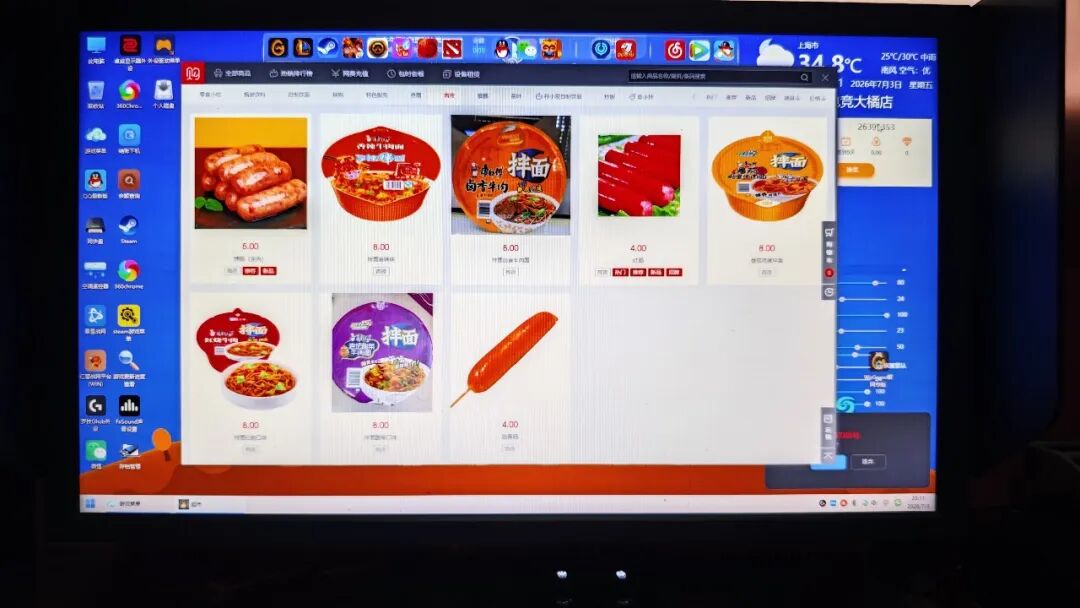
*Image source: Jingzhe Research Institute
Notably, some esports venues collaborate with platforms or agencies to offer online gaming companionship services, while a few chain brands provide in-person companionship for 20–100+ yuan per hour.
On social media, Jingzhe Research Institute found screenshots of internet cafe desktop ordering systems where players could request services from staff or purchase virtual gifts (50–200 yuan) to tip them. In return, staff would offer a free drink, a back massage, or even exchange WeChat contacts.
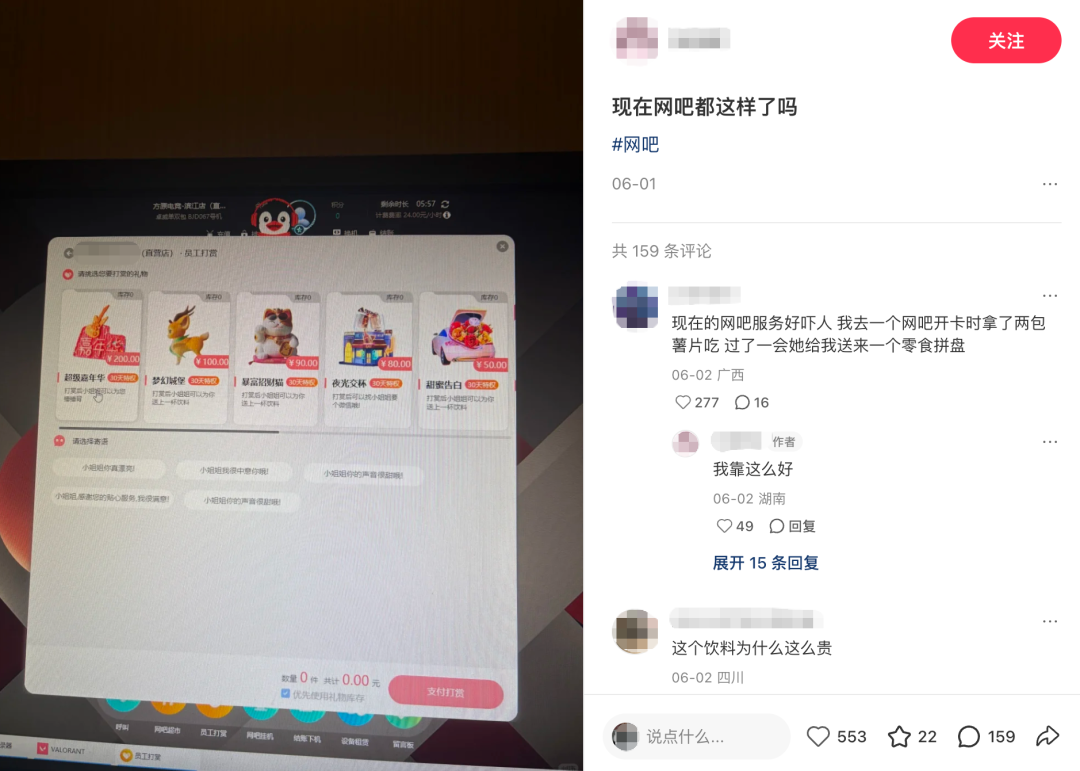
*Image source: Xiaohongshu screenshot
Overall, the shift from traditional internet cafes to esports venues represents a transition from ‘selling time’ to ‘selling experiences.’ More bluntly, consumers are paying not just for computer access but for a high-performance, socially immersive entertainment space.
Competing for the ‘Third Space’ of Esports Consumption
The resurgence of internet cafes, despite widespread home computer access, raises a question: Why do people still visit them? The answer lies in their unique value proposition.
For avid online gamers, especially those into competitive titles, environments like dormitories, shared apartments, or family homes are ill-suited for extended gaming sessions due to noise or interruptions. Younger players may face criticism from elders, while middle-aged gamers struggle to find time amid family responsibilities.
Thus, while internet cafes were once seen as a dying industry, demand never truly disappeared. In fact, viewing the market through an industry lens reveals a close tie to gaming’s evolution.
As part of the gaming ecosystem, internet cafes once fueled esports growth. For example, Chengdu’s CityHunter internet cafe sponsored and discovered the CH team, one of China’s ‘Big Four’ DOTA teams alongside EHOME, FTD, and CD. Wangyu Internet Cafe, since 2014, has been an official LPL sponsor, partnering deeply with IG Club and later teams like 4AM and LGE in PUBG, providing training bases and event support.

*Image source: Wangyu Esports service account
The maturation of large-scale esports events has directly driven demand for offline venues. For players, esports venues are not just gaming spots but also places to watch matches, socialize, and attend club events.
Another key factor is the rise of blockbuster games demanding high-end hardware. For instance, 2024’s Black Myth: Wukong attracted legions of gamers with its stunning visuals. Many players flocked to esports venues with top-tier PCs to enjoy optimal performance. Similarly, recent hits like Delta Force and Valorant continue to draw crowds.
In a way, esports venues now function as ‘third spaces’—neither home nor office but public areas for entertainment, socializing, and shared interests. This shift in perception has fueled the current ‘revival wave’ of internet cafes, attracting entrepreneurs.
Wanwan, who opened an internet cafe in Tianchang, Anhui, in May 2025, told Jingzhe Research Institute that gaming at internet cafes remains a cost-effective entertainment option for male consumers compared to dining, massages, or KTV. Even in a county-level city like Tianchang, demand is stable. ‘Customers often book booths to play old games like QQ Speed or Street Basketball, then browse their phones. They just want to unwind after work without going home or hanging out elsewhere,’ she said.
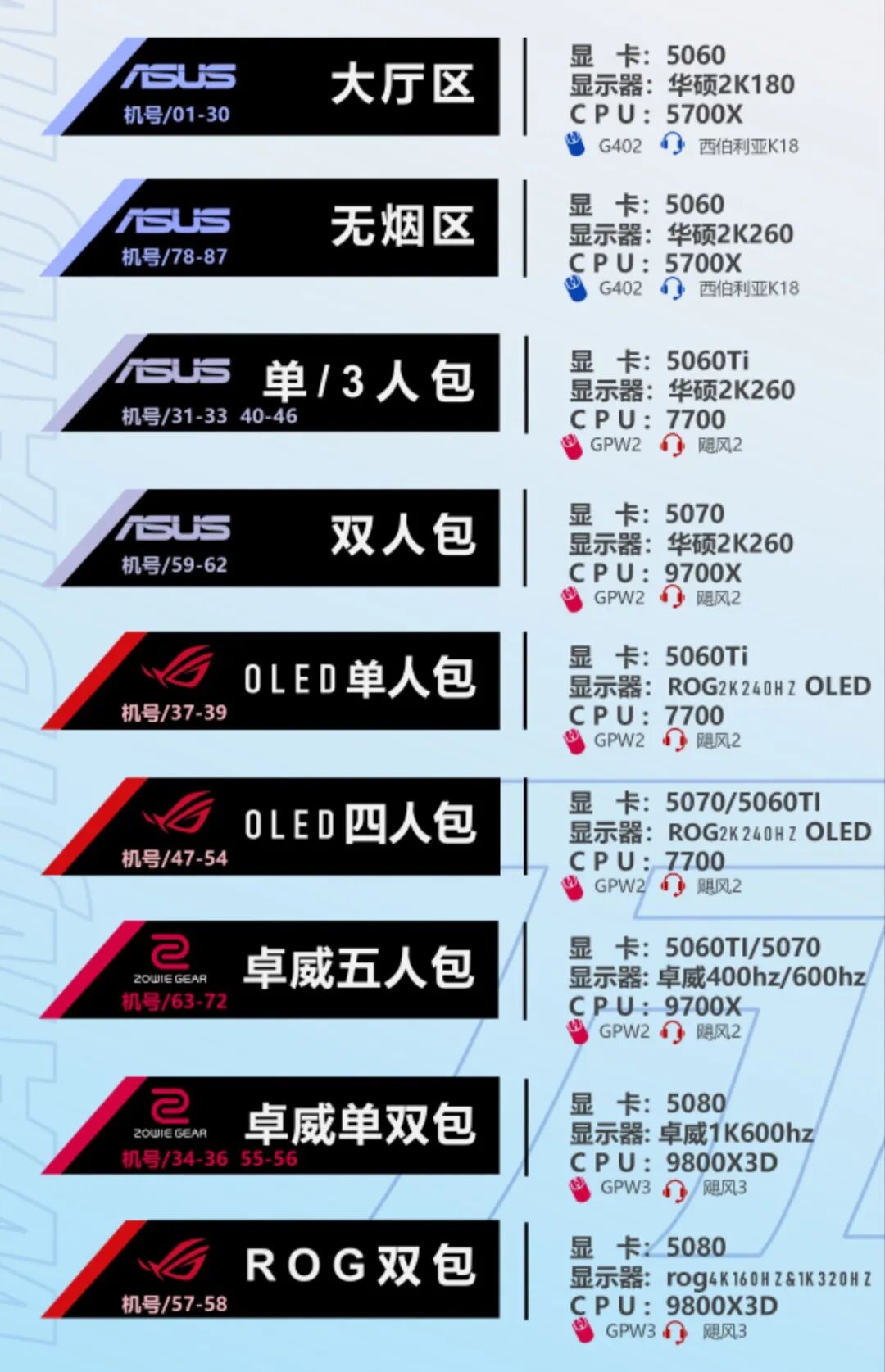
*Equipment configuration table (provided by Wanwan)
Wanwan invested 2.2 million yuan in a 600-square-meter venue with 87 devices. ‘During peak seasons, daily occupancy averages 60–70%. In off-peak seasons, 40% is good. Monthly revenue from internet fees is about 90,000–130,000 yuan, with another 50,000–70,000 yuan from snacks and drinks. At this rate, we could recoup the initial investment in under three years,’ she explained.
However, Wanwan cautioned that while the market shows clear signs of recovery, competition is intensifying, and risks are rising. ‘Five years ago, when many cafes closed, hardware prices were low, so payback periods were just 1.5–2 years. Now, GPU and storage costs have nearly doubled, and many older venues are renovating. With new entrants too, payback periods for new cafes could stretch to 3–4 years,’ she said.
Since her cafe opened, two new venues launched within 300 meters in two months, and two existing ones renovated. Across the street, a 1,000-square-meter cafe is set to open. ‘Now, our street—less than a kilometer long—has seven internet cafes. Competition is fierce,’ Wanwan added.
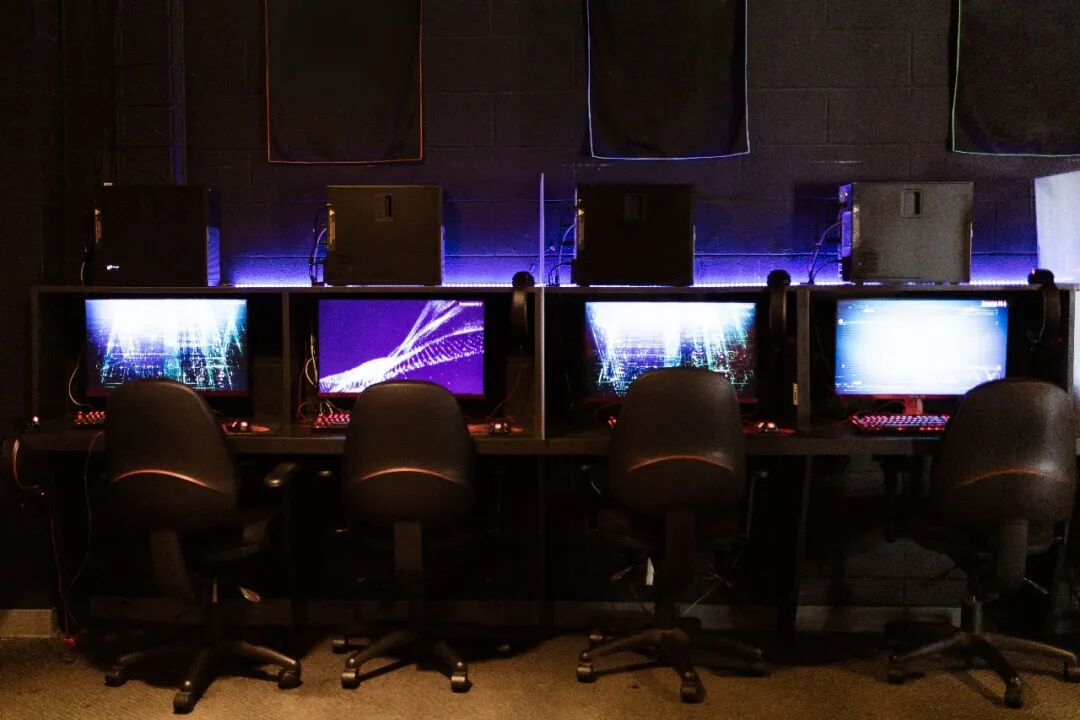
In retrospect, the revival of internet cafes stems from the fusion of social consumption and the experiential economy.
In the mobile internet era, online entertainment is abundant, but spaces that blend online gaming, offline socializing, and immersive experiences are rare. Esports venues and hotels meet the need for ‘internet access’ while also satisfying demands for ‘socializing, experiences, interests, and entertainment,’ giving consumers more reasons to visit.
Thus, the revival of internet cafes is not a return to the past but a reinvention. They have transformed from dingy, low-cost internet access spots into new hubs where esports consumption, social entertainment, and the experiential economy converge. As gaming, socializing, and experiences realign, internet cafes are reclaiming their place in urban life—under a new identity.
*Wanwan is a pseudonym
-
![]()
New-Type Battery '15th Five-Year Plan' Launched! All-Solid-State Batteries on Track for Vehicle Integration by 2027, with Lithium Sulfide Pricing as the Last Barrier
-
![]()
China Launches the Narrative of Space-Based Computing Power: Over 1,000 Satellites to Form a ‘Data Center’ in the Sky
-
Meta Launches Enterprise Version of Muse, Prompting CEO of $10 Billion Listed Company to Make the Switch
-
【Insight】Black-light Optoelectronic Tweezers Can Be Used in the Development of Antibody Drugs, with Xinguang Biotechnology as a Representative Enterprise in China
-
![]()
AMD Bets $8.2 Billion on Fei-Fei Li, ByteDance is Also 'Creating Worlds,' Is XR About to Change?
-
![]()
Huawei Qiankun ADS 5 Integrated: The 2027 Zongheng G700 Makes a Bold Statement
-
It’s Quite Surprising: Just Three Days Post-Launch, iPhone 18 Pro Catapults Apple to the Top, Outpacing Huawei and Xiaomi
-
![]()
Price Soars 30-Fold: Are Internet Cafes Making a Comeback?