Starting from 3149 Yuan! iQOO Neo12 Review: Is Active Cooling a Game-Changer for Gamers?
 10/29 2026
 458
A Fresh Option for Gaming Enthusiasts
You might remember the iQOO 15 Ultra, which made its debut in February this year.
At that time, iQOO broke new ground by incorporating active cooling fans and pressure-sensitive shoulder buttons into its flagship model for the first time. Paired with the formidable Snapdragon 8 Elite Gen 5 processor, it redefined what an ultra-premium flagship could be by positioning it as a professional gaming phone. This move set it apart from competitors and left a lasting impression on Xiaolei.
Now, less than a year later, iQOO is set to introduce this innovative setup to the Neo series.
Yes, the device under review today is the iQOO Neo12.
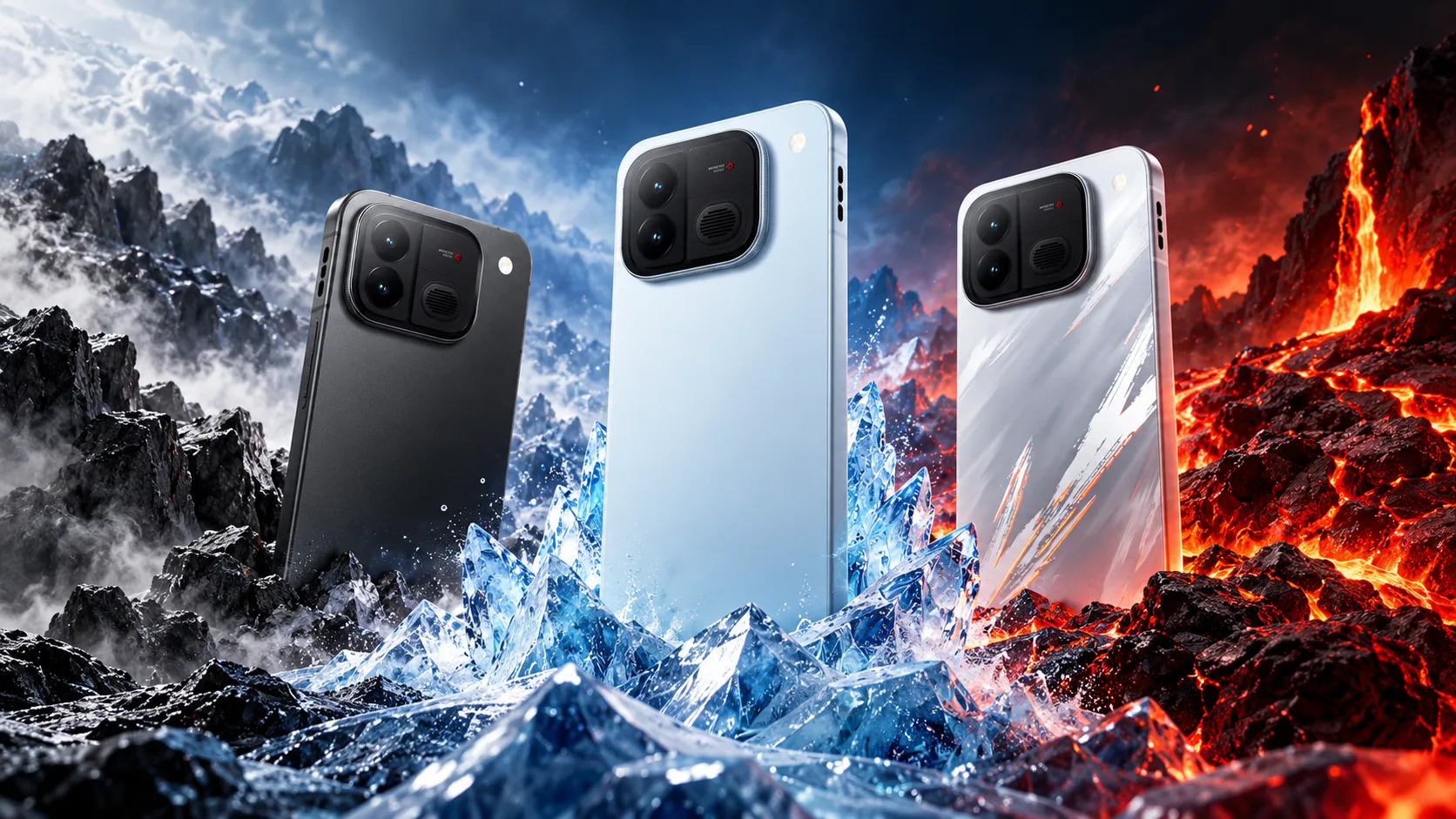
(Image Source: Leitech)
Judging by its market positioning, this new phone is essentially an iQOO 15 Ultra minus the telephoto lens, with some compromises made in terms of screen quality and imaging capabilities. However, the processor and active cooling system remain largely unchanged. This time around, iQOO has also focused on enhancing the software experience related to the fan, aiming to address some of the previous inconveniences.
So, how much of the Ultra's gaming prowess does the Neo12 retain? Will the omitted features impact daily usability? And who is this phone best suited for?
Impressive Display, Average Imaging
To be honest, my initial impression upon unboxing the iQOO Neo12 was mixed.
After all, to accommodate the active cooling fan and a sizable battery, the iQOO Neo12 is quite hefty, weighing in at 228.5g with a screen protector. It certainly feels substantial in hand.
The version I have is a light blue hue, featuring a glass fiber back cover with a refreshing color scheme and no overly flashy design elements.
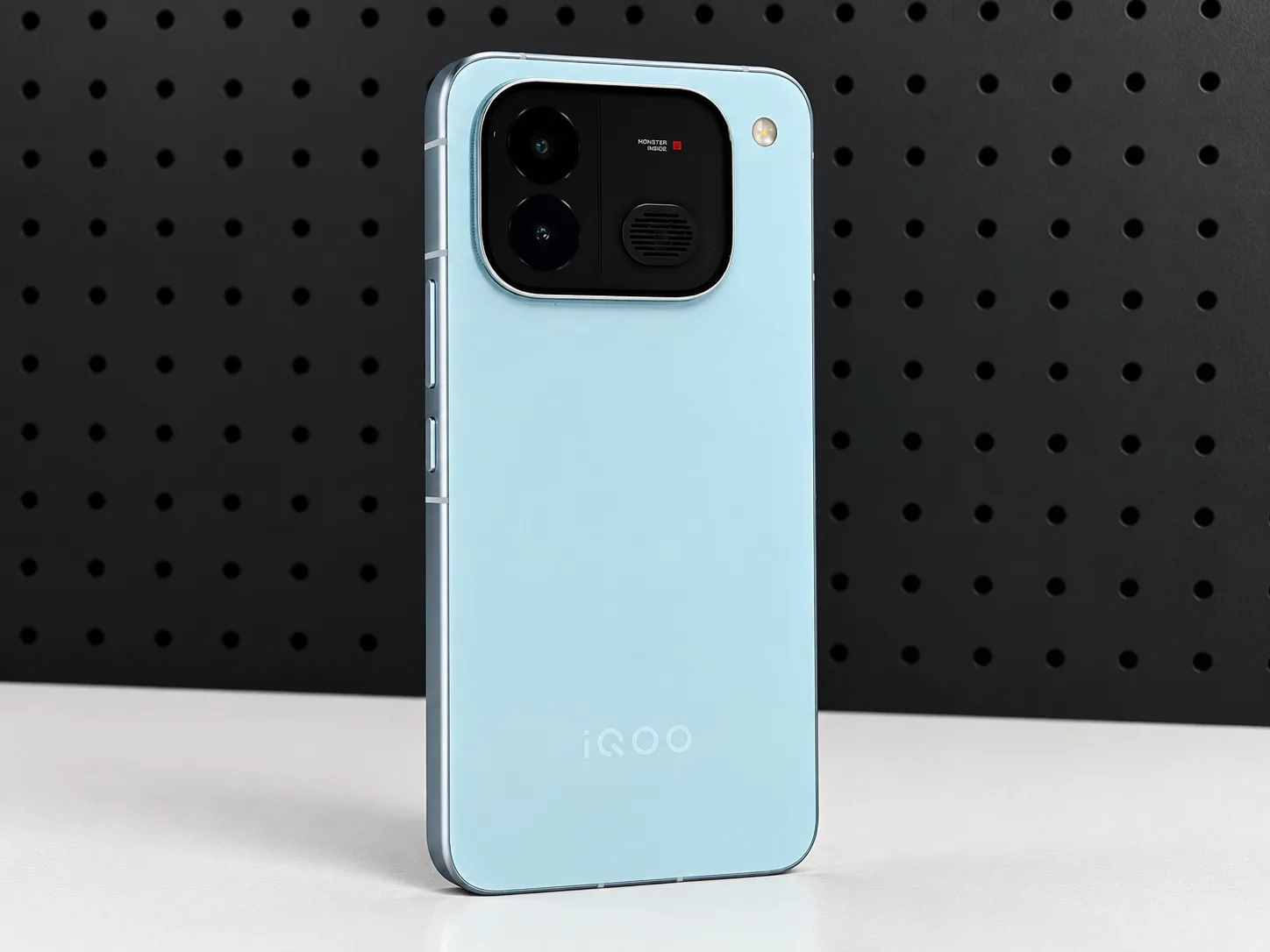
(Image Source: Leitech)
However, I'm not particularly fond of the camera module design.
The rear camera setup on the Neo12 takes up a significant portion of the top section of the phone, and its aesthetics are not particularly appealing. More troublingly, when holding the phone horizontally for gaming, your fingers can easily come into contact with the edges of the module, which can be uncomfortable.
Of course, this design choice is not without reason.
The air intake for the active cooling system is visible on the body, and to make room for the fan and air ducts, iQOO had to make some structural adjustments to the phone.
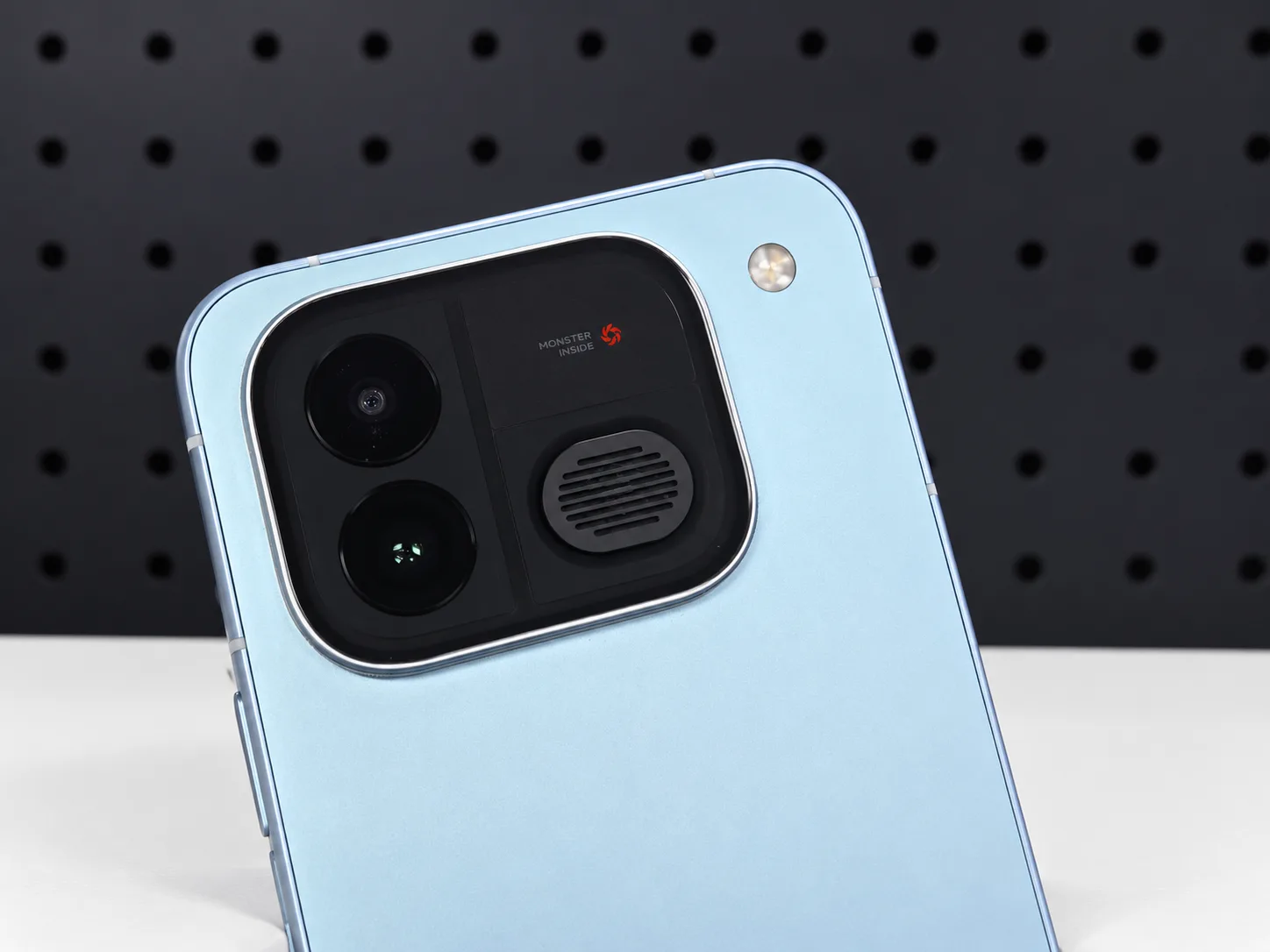
(Image Source: Leitech)
Turning it over, the iQOO Neo12 boasts a Visionox 2K flat screen with a refresh rate of up to 185Hz.
You should be aware that there's a noticeable trend in the industry right now: most performance-oriented phones in the two to three thousand yuan price range are reverting to 1.5K resolution screens.
Manufacturers argue that 1.5K screens offer power savings and that most users can't discern a difference in daily use.
However, for users who frequently game, watch videos, or, like Xiaolei, enjoy reading web novels with small fonts, the superior clarity of a 2K screen has its advantages, especially in terms of text edges and distant details in games—the finer, the better.
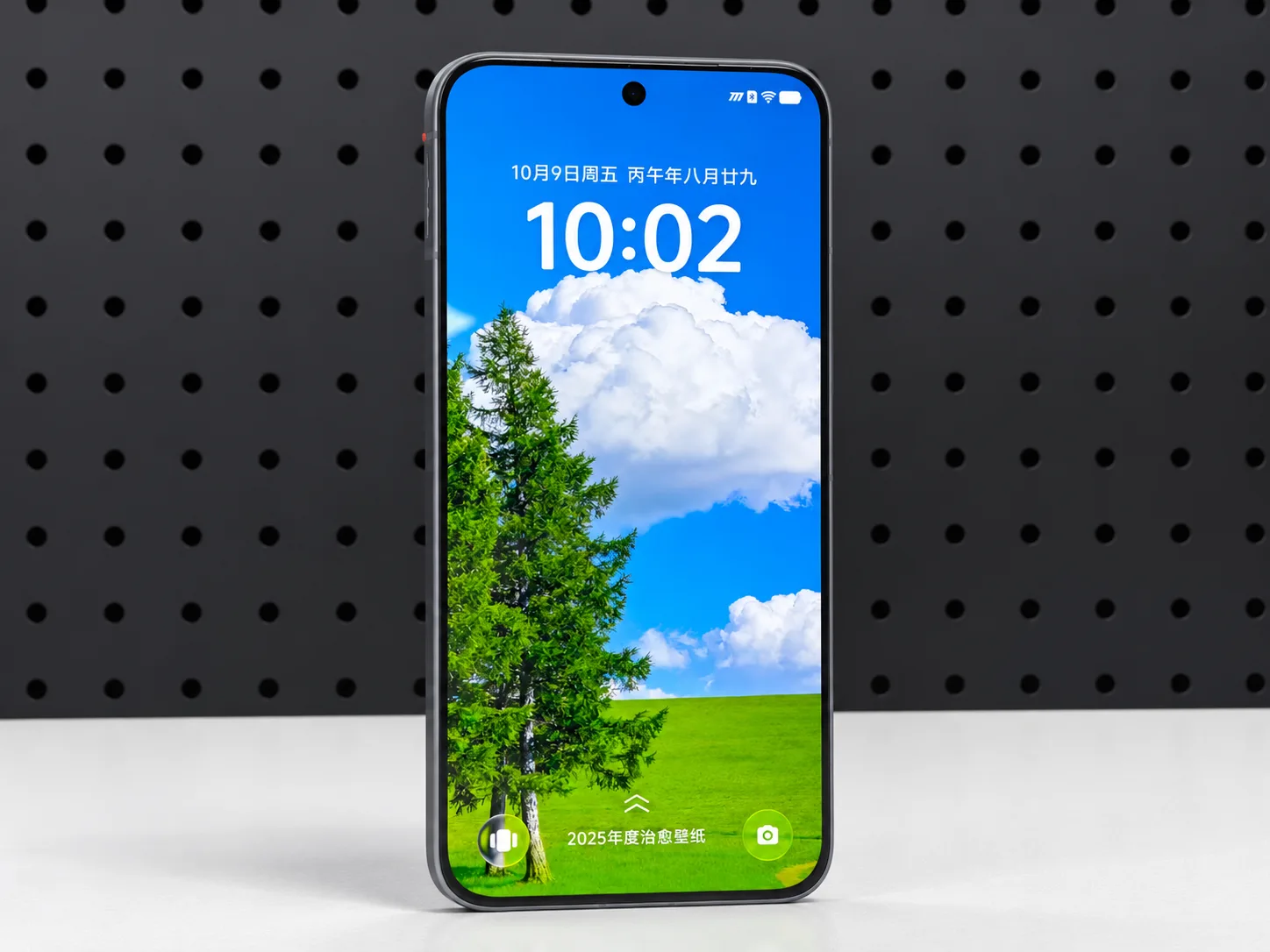
(Image Source: Leitech)
As for the 185Hz refresh rate, you might not notice it much in everyday use, but when combined with iQOO's game interpolation feature, it allows for a more immersive high-frame-rate gaming experience.
For a long time, the iQOO Neo series has prioritized performance and battery life, often cutting corners on imaging and materials.
This time is no exception, with an LYT-700V main camera and an 8MP ultra-wide lens constituting its imaging setup.
Of course, considering that Neo series users primarily use their phones to capture street scenes, group photos with friends, and daily records—scenes that rely heavily on the main camera—the lack of a telephoto lens might be acceptable.
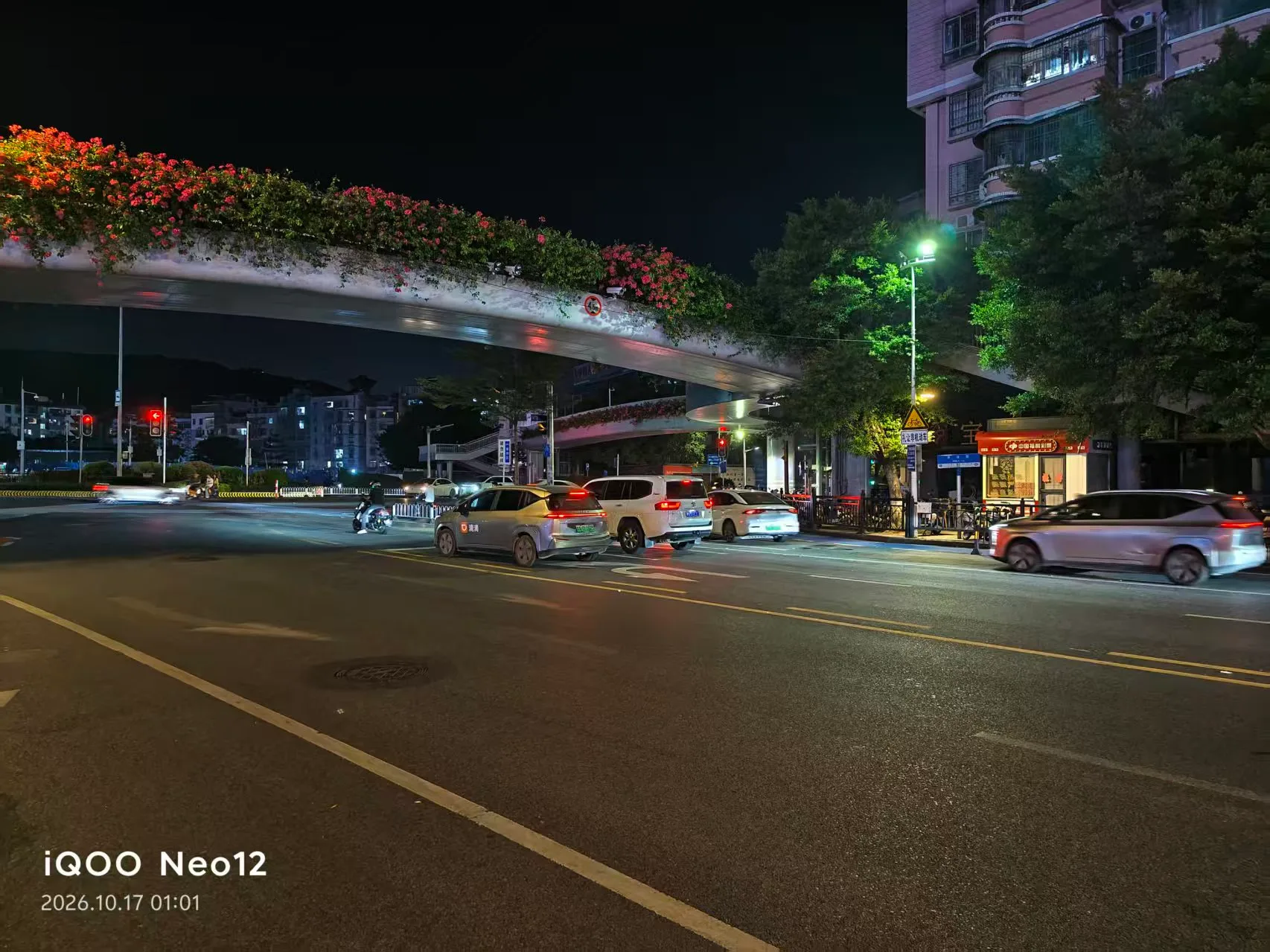
In any case, at 1X zoom, whether during the day or night, the 1/1.56-inch main camera often captures some decent shots:
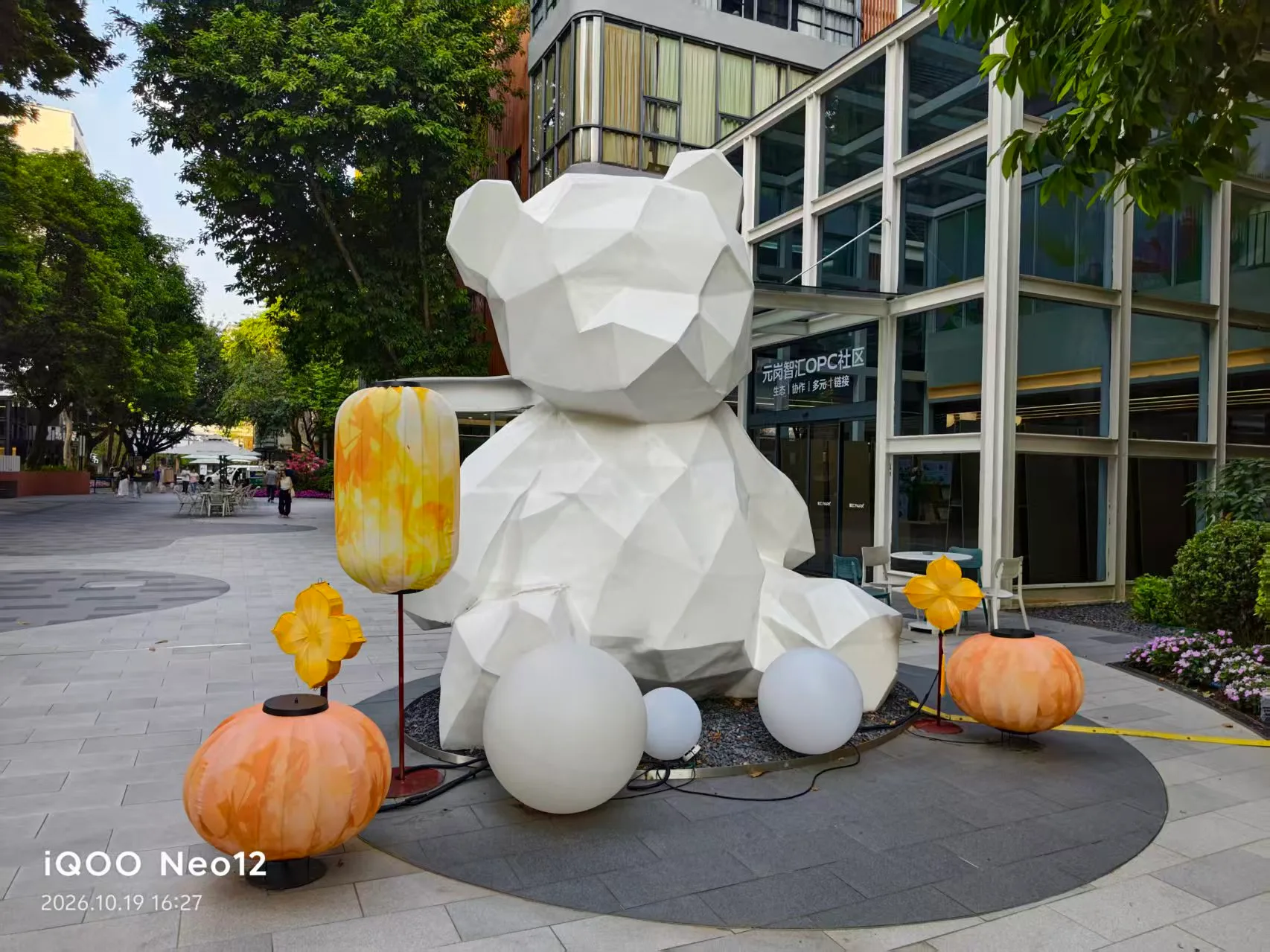

(Image Source: Leitech)
At 2X zoom, it offers some basic close-up capabilities:
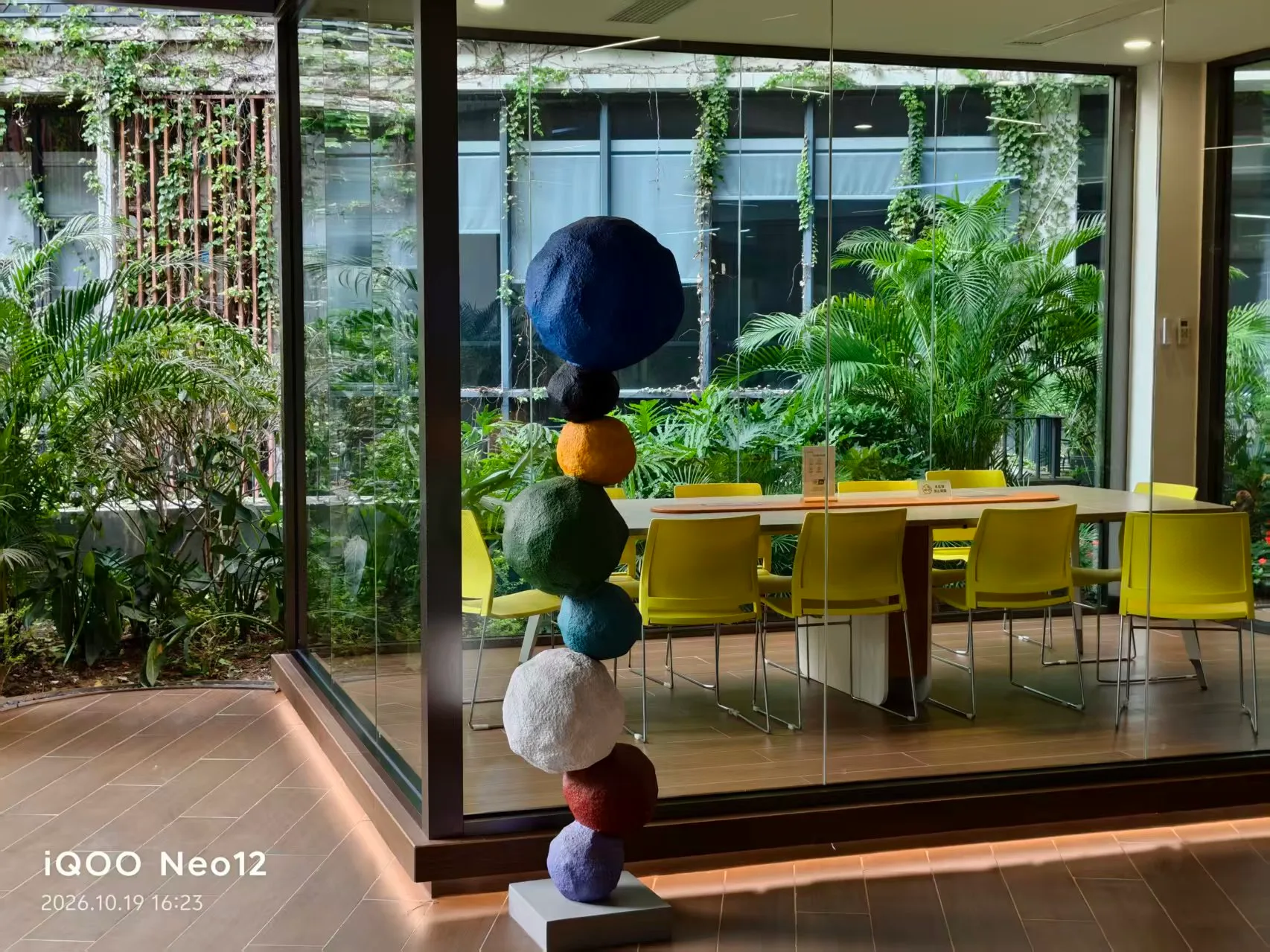
(Image Source: Leitech)
However, beyond that, the 4X zoom is practically unusable, and the edge sharpness of the ultra-wide lens is questionable. Suffice it to say, its imaging capabilities end here.
Active Cooling: Does It Make a Difference in the Long Run?
As a performance-focused sub-flagship, the iQOO Neo12 naturally utilizes the Snapdragon 8 Elite Gen 5 processor.
This processor should be familiar—most high-end Android phones released in the first half of this year featured this setup, which includes TSMC's 3nm process, a custom Oryon CPU, Adreno GPU, and a custom Q3 chip. Despite the availability of newer Snapdragon flagship chips, its performance remains highly competitive.
At the same time, to ensure sustained performance, the iQOO Neo12 incorporates a micro centrifugal fan and the same active cooling system as its ultra-premium predecessor.
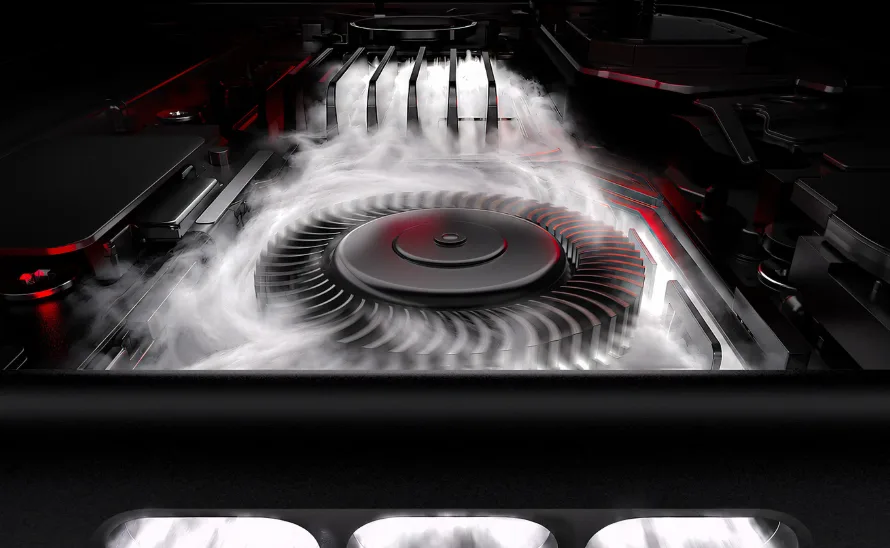
(Image Source: iQOO)
Some might question whether the Snapdragon 8 Elite Gen 5's energy efficiency is already sufficient, as many AAA mobile games don't cause significant heating or throttling. Is adding a fan just a gimmick?
I'd argue that if you only play games like Honor of Kings or League of Legends: Wild Rift, or even occasionally dabble in Genshin Impact, the fan isn't particularly meaningful.
For example, with smart cooling enabled and playing League of Legends: Wild Rift for half an hour, the phone's temperature performance is as shown.
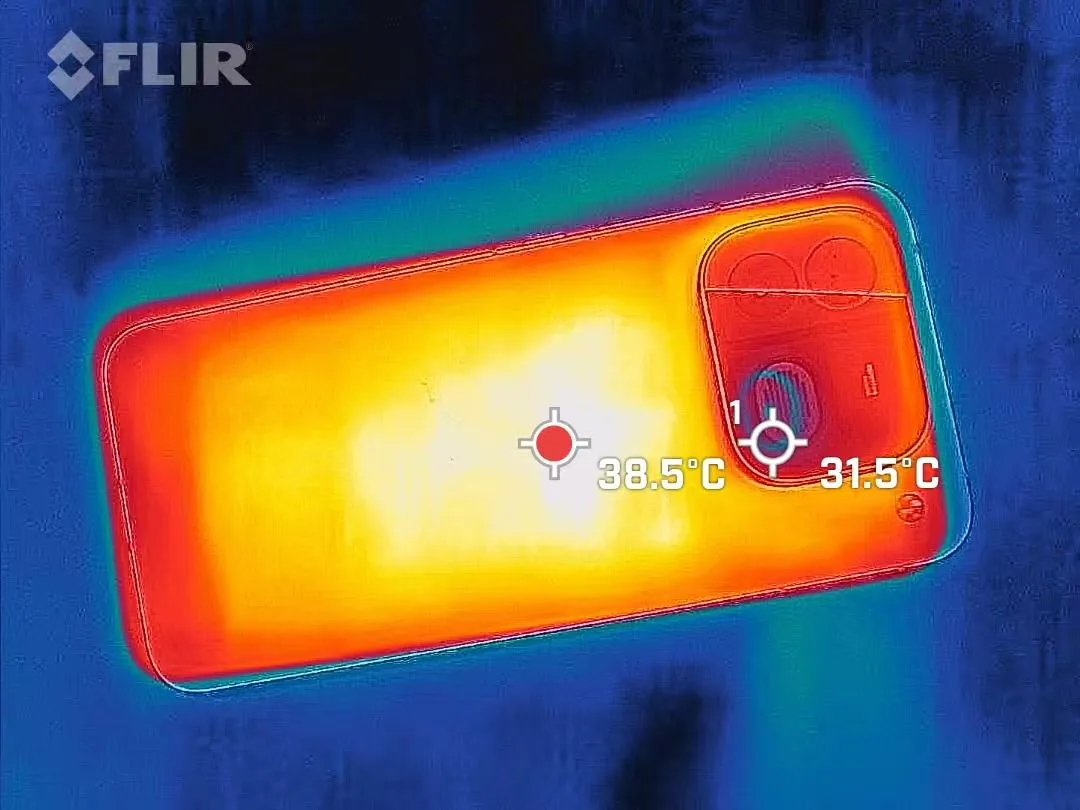
(Image Source: Leitech)
In these scenarios, ordinary flagship phones with passive cooling can generally handle the heat, and even without the fan, the gaming experience isn't significantly affected. After all, few people play mobile games continuously for an hour in real life.
However, the Neo12 is also designed for more extreme scenarios.
The first scenario involves PC emulators.
There are now many Android emulators (such as Gaishi Games, Droiddeck) that allow phones to run AAA PC games like GTA 5 or Shadow of the Tomb Raider.
On ordinary phones, running these emulators pushes the CPU and GPU to full load, often causing the phone to overheat within 15 minutes, with temperatures exceeding 48°C, leading to forced throttling and choppy performance.
However, on the iQOO Neo12, with the fan running at full speed (albeit producing a slight whirring sound), it can keep the phone's temperature within safe limits. When playing moderately demanding AAA games, power consumption fluctuates between 8W-12W, allowing for stable performance for about half an hour.
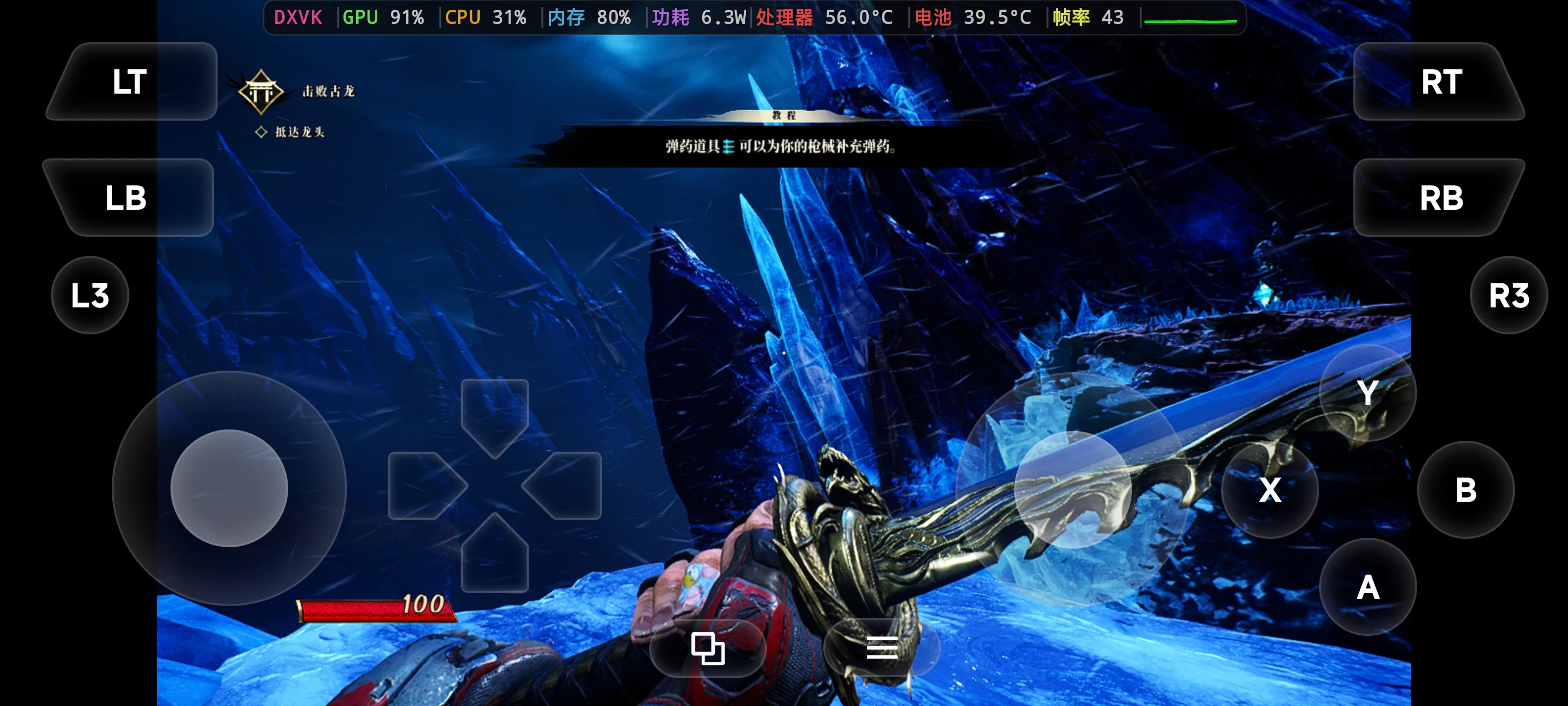
(Image Source: Leitech)
This kind of experience is physically impossible for phones with passive cooling.
However, compatibility with mobile PC emulators is still somewhat problematic, as many games can't run at 60fps, and interpolation introduces noticeable input lag, making it more suitable for enthusiasts.
The second scenario involves outdoor high-load gaming.
Imagine playing games on a bus without air conditioning in summer or sitting outside in the sun. The high ambient temperature causes ordinary phones to gradually reduce performance and screen brightness to protect the motherboard, significantly impacting the gaming experience.
With active air intake and exhaust, the fan helps dissipate heat, reducing the impact of high temperatures on gaming, even allowing for prolonged outdoor play of games like Wuthering Waves without a significant drop in experience.
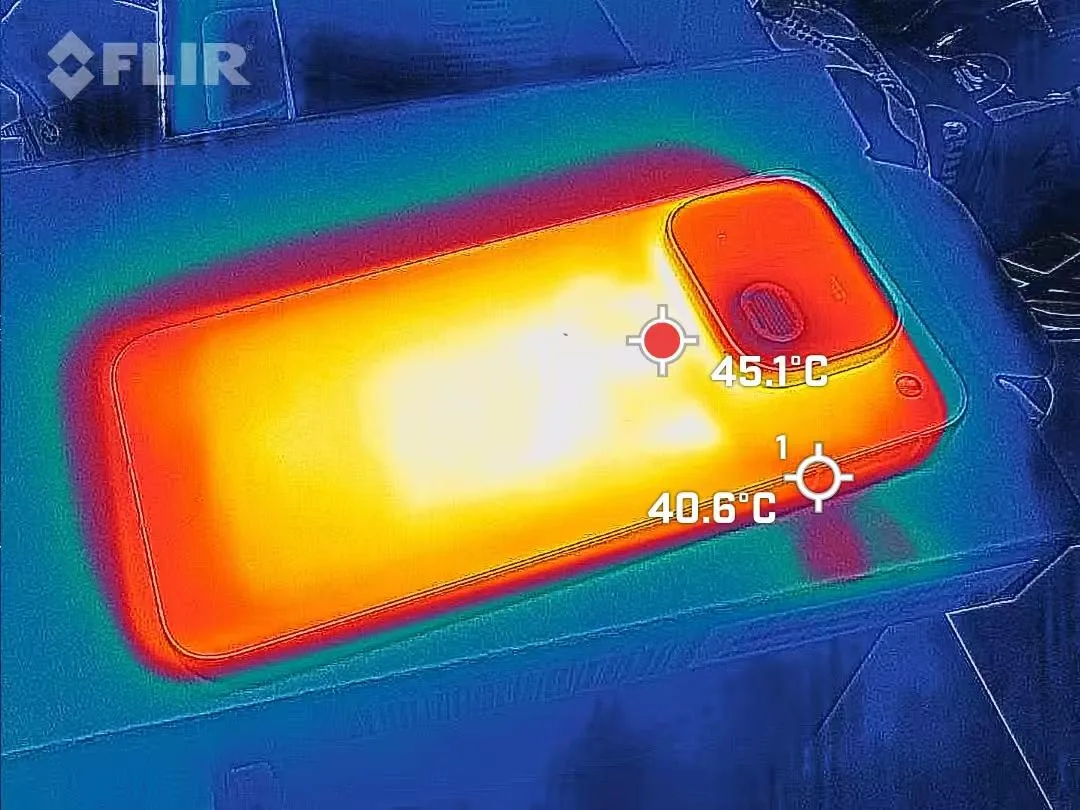
(Image Source: Leitech)
Of course, it's not a panacea.
The fan needs to draw in air from the environment, so extremely high ambient temperatures can still affect cooling performance. Nevertheless, compared to phones relying solely on passive cooling, an additional active cooling system can indeed provide more performance headroom in some high-load scenarios.
Besides hardware, another noteworthy aspect of the Neo12 is its fan's software adaptation.
When I reviewed the iQOO 15 Ultra, I specifically criticized this issue—iQOO had set the fan to only activate for certified games, rendering it useless in many non-game scenarios. Even PC emulators required workarounds to force the fan on.
Now, on the iQOO Neo12, users can more conveniently adjust cooling settings, selecting appropriate fan modes for different scenarios. For those who don't game much, the fan can even quickly cool down the phone after high-load tasks.
Whether for fast charging, browsing news feeds outdoors, watching short videos, or recording videos, this fan enhances the overall experience.
Conclusion: A More Pure Gaming Phone
Following Leitech's tradition, let's summarize the pros and cons of the iQOO Neo12.
Pros:
1. Active cooling makes it ideal for emulators and outdoor gaming.
2. High-quality 2K flat screen, currently the most comfortable form factor for gaming phones.
Cons:
1. Imaging capabilities remain largely unchanged.
2. Weight may be an issue for some users.
Finally, let's look at the pricing.
The iQOO Neo12 is available in five versions: the 12+256GB model starts at 4199 yuan, with a minimum price of 3149 yuan after various subsidies; the 16+256GB model costs 3549 yuan; the 12+512GB model costs 3849 yuan; the 16+512GB model costs 4249 yuan; and the 16+1TB model costs 5149 yuan.
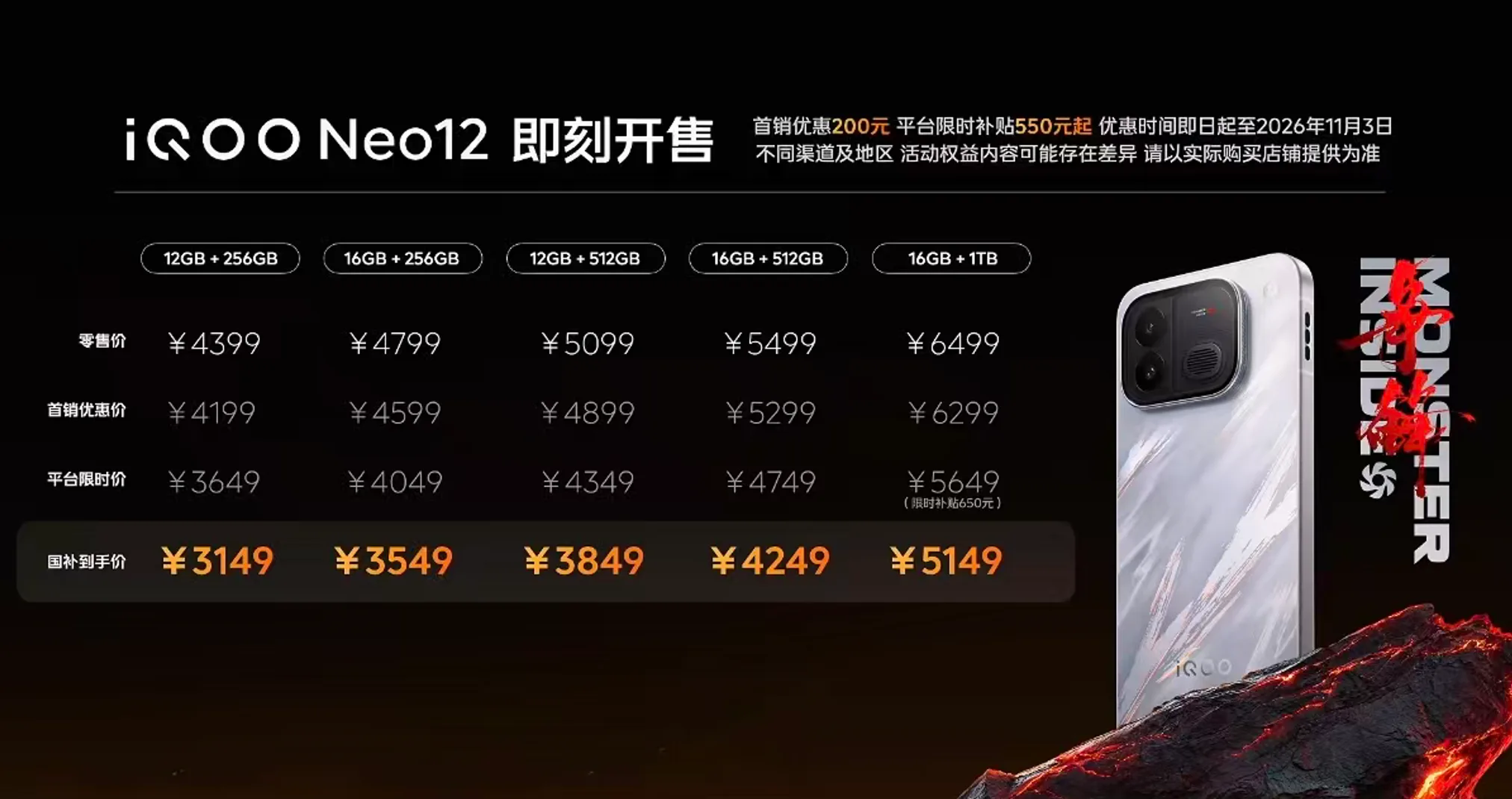
(Image Source: iQOO)
For reference, the iQOO 15 Ultra started at 5499 yuan, while the Neo11 started at 2599 yuan.
In conclusion, if your primary reason for buying a phone is gaming, if you enjoy experimenting with PC emulators, if you want a large battery, active cooling, and a decent flat screen, and if you don't have particularly high demands for photography, the iQOO Neo12 is worth considering.
After all, not everyone needs a periscope telephoto lens, and not everyone is willing to spend five or six thousand yuan on a gaming phone.
By bringing the iQOO 15 Ultra's gaming configuration to the more affordable Neo series and improving the software experience, iQOO's product strategy this time seems quite clever.
Source: Leitech
Images in this article are from 123RF Royalty-Free Image Library. Source: Leitech
-
MG: Divergent Fates in Domestic and Overseas Markets—MG4 Fuels 70% of China Sales, While Leading European Market as China’s Top Exporter
-
![]()
Over 400 Jobs Slashed! Apple Trims Down Traditional Operations as New CEO Sets Sights on AI
-
![]()
Starting from 3149 Yuan! iQOO Neo12 Review: Is Active Cooling a Game-Changer for Gamers?
-
![]()
Is There a New Breakthrough in Robot Training? Google’s Genie 4 Unveiled, Ushering in Real-Time Interaction for World Models
-
![]()
Lei Jun, Despite Wealth Halving, Provides Houses for Xiaomi Staff
-
![]()
This AI Is Learning to Emulate Human Work Patterns: A Real-World Test of Doubao’s Enhanced Work Capabilities
-
Technology-Centric Kimi Encounters Hurdles in Global Expansion
-
Could the Three-Row, All-Electric Flagship SUV BMW iX7, Equipped with an 8K Giant Screen and Produced in North America, Become a Bestseller?