Why Did LG Sell 2 Million Clothes Care Machines in 15 Years? Where Do Chinese Brands Fall Short?
 11/19 2026
 412
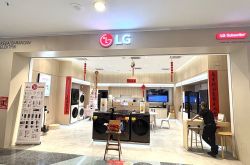
For a home appliance that isn't used daily and doesn't come cheap, LG managed to sell 2 million units globally in 15 years.
In April 2026, LG announced that global cumulative sales of its Styler clothes care machine had surpassed 2 million units. Launched in 2011, the product took until 2021 to reach 1 million units; the second million took only five years. The same million units, but the sales pace clearly accelerated in the latter phase.
In 2025, annual sales of the product reached about 250,000 units, up from roughly 30,000 in 2015—more than a sevenfold increase over the decade. That year, sales revenue in China, China Taiwan, and the United States all grew by more than 30% year on year. Today, the product is available in 27 countries and regions and has begun expanding into commercial markets such as hotels, resorts, and apartments.
For a category consumers were initially unfamiliar with, how has LG managed to keep selling it for 15 years?
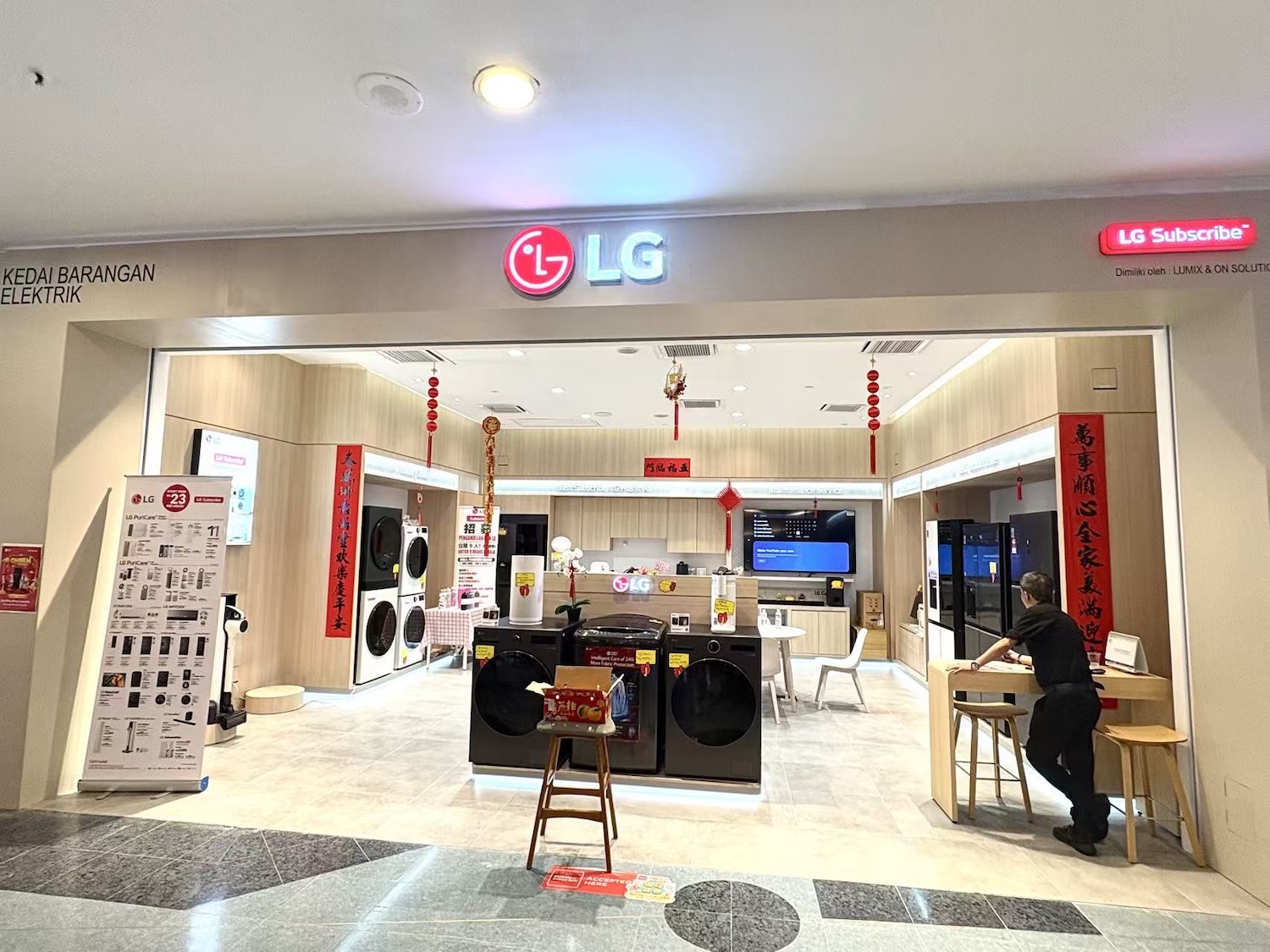
LG first settled the question: "Is it useful?"
A clothes care machine is not the same thing as a washing machine. It primarily addresses odor removal, wrinkle removal, dust removal, and daily care—targeting garments such as suits and coats that aren't suited to frequent washing.
The real challenge for this type of product isn't technical specifications; it's the calculation in consumers' minds: the home already has a washing machine and a dryer—so why buy another one? If that question isn't answered well, no matter how impressive the specs, they're useless.
LG entered this field early and has kept investing for 15 years. Consumers need time to move from "what is this?" to "my home could probably use one too." From its initial foothold in the South Korean market to expansion into the United States, China, and China Taiwan starting in 2016, and now to 27 countries and regions, LG has brought this product to more and more consumers.
That a non-essential category can sustain such growth shows it has moved past the early-adopter stage and now has relatively stable purchase demand.
The Chinese market is growing too. Data from AVC show that in 2024, domestic online and offline retail sales of clothes care machines rose 31.7% and 33.1% year on year respectively, with more and more brands entering the fray.
But domestic growth doesn't tell the global story.
LG has announced global cumulative sales, while Chinese brands have yet to release comparable global cumulative sales figures. Without that data, one cannot claim that Chinese-brand clothes care machines are already on par with LG globally. "Challenging LG" remains an expectation, not a fact.
The gap isn't in manufacturing—it's on the consumer side
Chinese home appliance companies don't lack R&D or manufacturing capabilities, but a clothes care machine is not an accessory to a washing machine, and brands can't expect consumers to pick one up while buying a washer.
Some consumers in European and American markets still habitually use irons and garment steamers, or send clothes to the dry cleaner. Simply shipping the domestic version there won't answer the question of why local people need it. How much space it takes up, how long one care cycle takes, whether the results are visible, and whether operation is a hassle—these are all purchase barriers.
Mature home appliance channels don't necessarily drive this new category. Dealers can put the goods in stores, but they can't put them into consumers' reasons to buy. Clothes care machines require hands-on experience, and someone needs to explain the usage scenarios clearly.
LG's expansion into commercial settings such as hotels, resorts, and apartments is a smart move. If consumers stay at a hotel once and use one once, they understand what this thing can do better than after reading ten pages of advertising.
This category cannot rely on low prices to drive volume. Consumers don't buy it because their home lacks a machine—they buy it because they hope to improve the way they already care for their clothes.
LG has proved over 15 years that this market can be cultivated. Chinese brands have the products and the production capacity; what they lack is the patience and the approach to make overseas consumers recognize this category.
For home appliances going global, being able to manufacture is only the first step. Only when consumers are willing to buy again and again can a brand truly get its foot in the door.
-
![]()
Why Did LG Sell 2 Million Clothes Care Machines in 15 Years? Where Do Chinese Brands Fall Short?
-
![]()
Lenovo Outpaces Apple in Both Shipments and Revenue: Lenovo's PCs and Tablets Gain Ground Through AI—What Lies Ahead?
-
![]()
At the APEC Meeting in Shenzhen, Wang Chuanfu, Lei Jun, Zeng Yuqun, and Li Yanhong Discuss the Future of Automotive Mobility
-
![]()
Tencent Sues PowerChina Huadong: 73 Court Hearings in a Single Year—Why Is the 45.4 Billion Yuan General Contracting Champion Sitting in the Defendant's Seat?
-
Gathering in Shenzhen: What Chinese Solutions Do Entrepreneurs Bring to the APEC Business Summit?
-
![]()
Chicago School District Takes on Google: Bundled AI Is Worse Than No AI at All
-
The Data Annotation Business Behind AI Music
-
![]()
Qwen, Tencent Hunyuan, and Kimi Tie for First Place in the Latest Chinese Large Model Rankings