Honor 700 Pro Review: A Light Flagship with Over-Tier Specs and an Unmistakable Rear Screen Advantage
 11/24 2026
 456
It's priced as a "light flagship," yet it delivers a true flagship experience.
There was a time when China's mid-range phone market—especially the "sub-flagship" segment—was a scene of blooming diversity. Each brand approached product form, hardware strategy, and focus differently, and consumers enjoyed a wide range of choices.
In recent years, however, the hardware "price hike wave" has pushed once-diverse mid-range phones toward "youth edition" flagships, with hardware configurations showing an increasingly stronger "sense of purpose": take this year's flagship design, pair it with last-generation flagship or sub-flagship chips, and a "mid-range phone" is thus born.
Fortunately, some brands are still willing to apply "different" thinking to creating "light flagship" phones—and the Honor 700 series, officially released on November 23, 2026, is exactly such a lineup. As the "strongest digital series in Honor history," the Honor 700 series not only matches flagship phones in hardware configuration but, like the Magic series, demonstrates its own thinking in design, imaging, and other aspects.
So how does the Honor 700 Pro—which Leikeji (ID: Leikeji) sees as Honor's new starting point and which costs 4,099 yuan (12GB+256GB)—actually perform in everyday use?
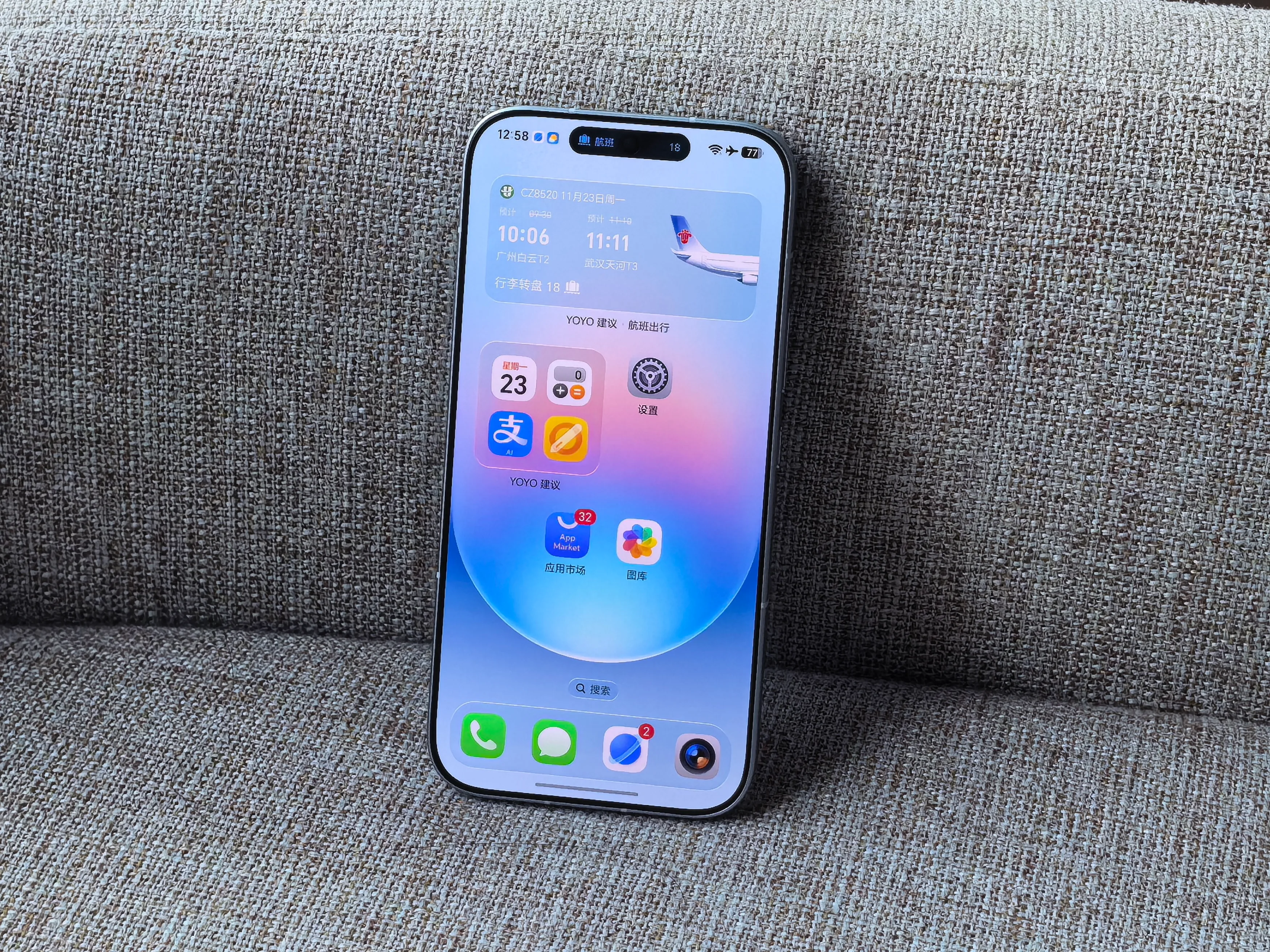
Image source: Leikeji
Carrying the "rear screen" advantage through to the end
Let's first briefly introduce the product. The Honor 700 series released this time includes three phones: the Honor 700S, Honor 700, and Honor 700 Pro. Leikeji received the Honor 700 Pro model. Although it is only a digital series model, the Honor 700 Pro still retains Honor's fine tradition of "over-tier configuration" in terms of hardware:
The Honor 700 Pro uses the fifth-generation Snapdragon 8 mobile platform, paired with a 16GB+512GB combination, and also features Honor's Ice Seal cooling system, which can easily handle long-term high-load scenarios such as gaming. For the screen, the Honor 700 Pro uses a 6.57-inch 2.7K (2728×1264) 120Hz adaptive refresh rate display.
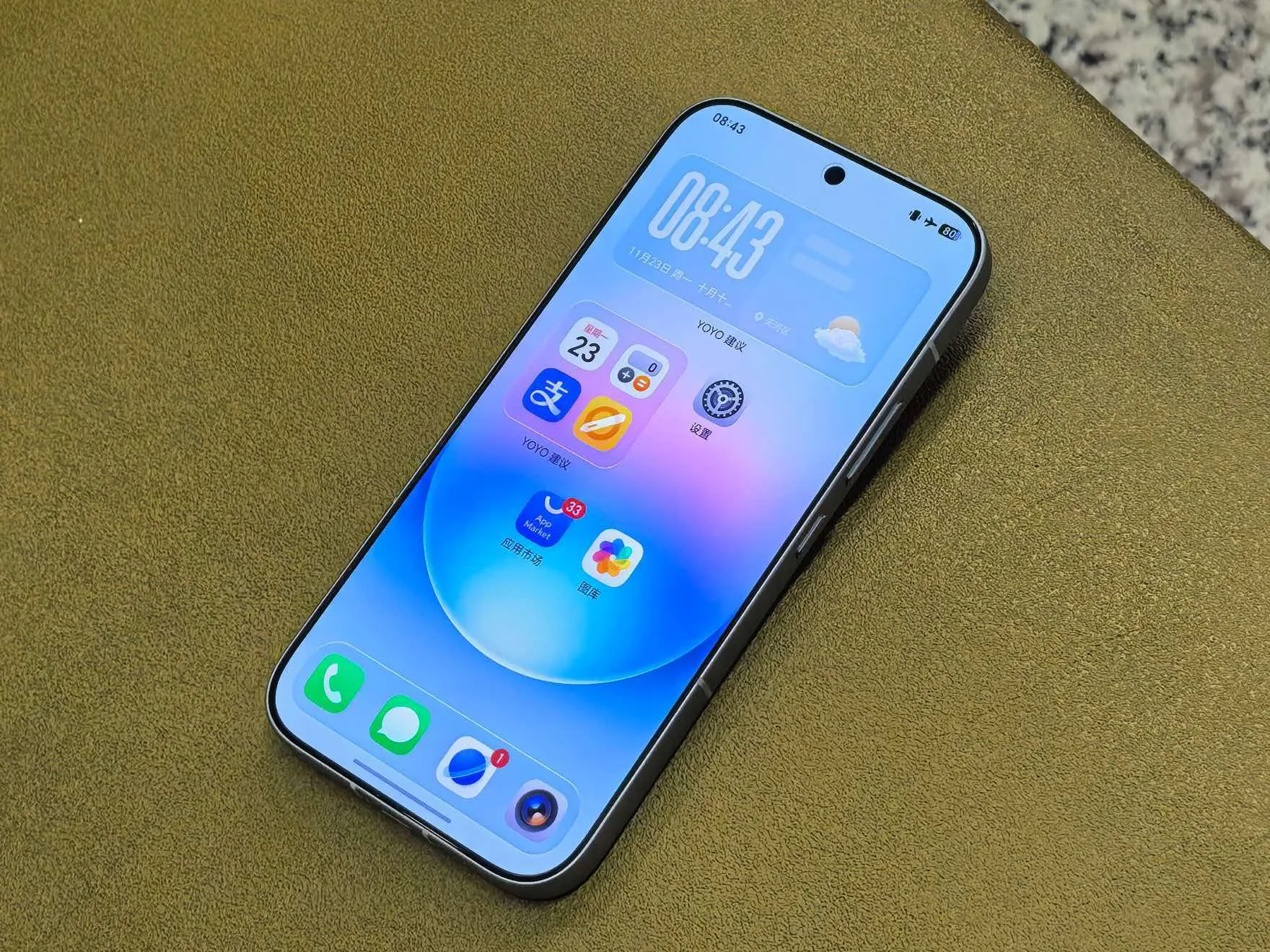
Image source: Leikeji
It is worth mentioning that the peak brightness of the Honor 700 Pro's main screen is as high as 8,000 nits. The bright, transparent screen maintains excellent visibility even under direct outdoor sunlight. On the weekend, Leikeji took the Honor 700 Pro to watch the 73rd Macau Grand Prix on site. Looking back at photos under the Sunday noon sun, the Honor 700 Pro's screen still managed to be "unafraid of the sunlight test."
Having discussed the main screen, let's now look at the focus of the Honor 700 series—the 1.59-inch Dynamic Rear Screen. As mentioned in previous teasers, the entire Honor 700 series comes standard with the "Dynamic Rear Screen." In terms of overall experience, this Dynamic Rear Screen indeed performs quite well: its 4,000-nit peak brightness means it will not "die in the light" like some "filler rear screens," and it can ensure clear display of screen content at normal "wrist-turn angles."
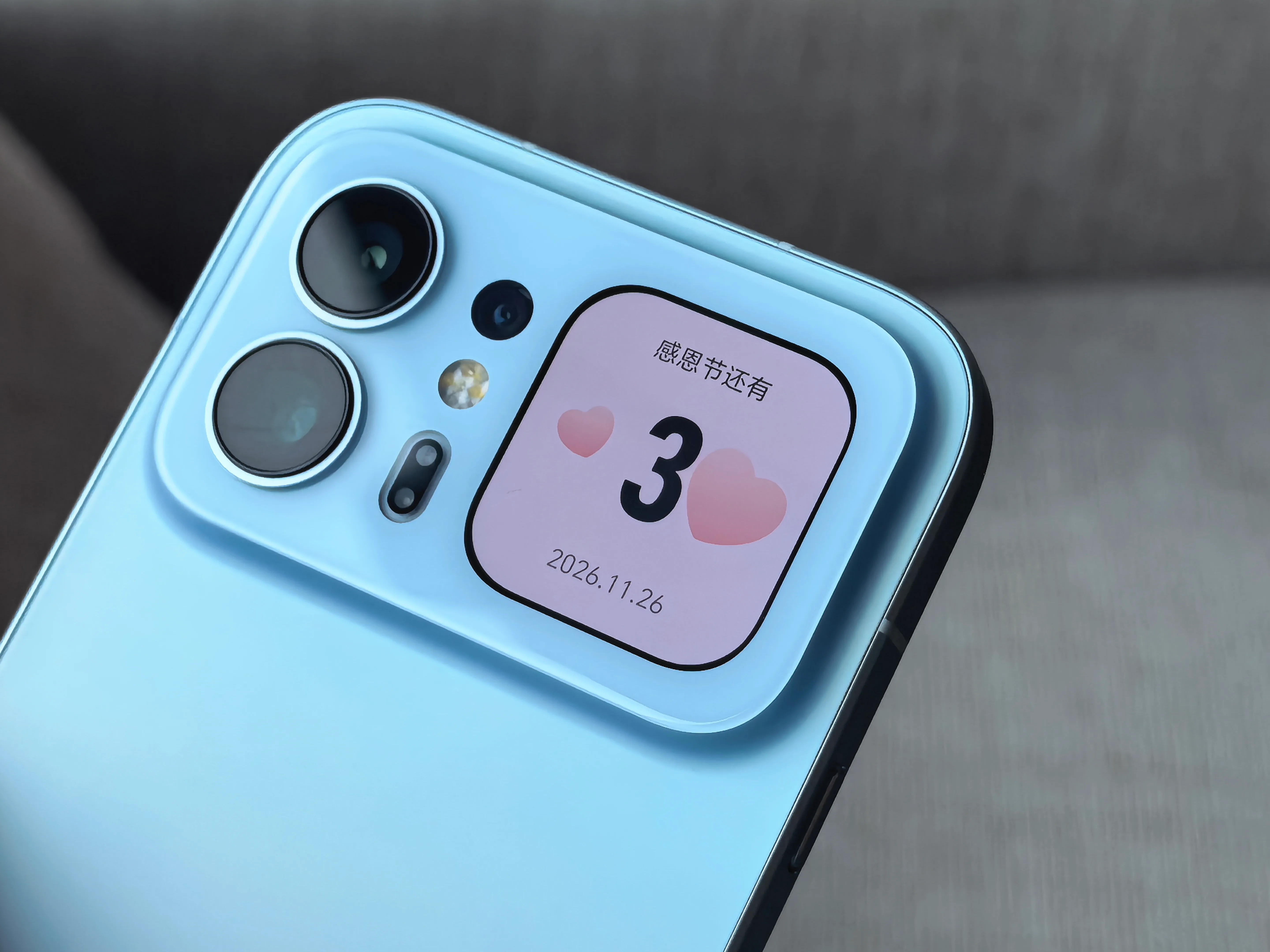
Image source: Leikeji
After using it for a period of time, Leikeji also discovered the "regret" left by the Honor 700 Pro in the rear screen design: the Honor 700 Pro's rear screen and the rear camera bump are both located under the same glass cover. Although this glass back panel has undergone certain anti-reflection and 2.5D treatment, the thickness of the glass back panel still gives the Honor 700 Pro's rear screen a sense of gap that feels "buried under the panel"; the "sunken" structure of the rear screen opening area also brings relatively obvious black borders to the Honor 700 Pro's back panel.
Although this subtle image sinking and black border will not affect the viewing angle of the Honor 700 Pro's rear screen, if you really care about this detail, Leikeji recommends directly choosing a dark-colored Honor 700 Pro.
But then again, in Leikeji's view, these design details can only be regarded as "minor regrets," and they will not change Leikeji's affirmation of the practicality of the Honor 700 Pro's rear screen.
We know that as a new form, the "long-term development" of the rear screen cannot be separated from the cooperation of third-party software services. However, based on Leikeji's communication with some brands in recent years, third-party platforms still mostly take a "wait-and-see" attitude toward rear screens. To solve the problem of rear screen "content," the Honor 700 Pro chooses to start from the "content source" and directly brings Honor's YOYO Intelligent Agent and YOYO Suggestions to the phone's rear screen.
Take the flight and travel information and ride-hailing information that Leikeji considers the most practical as an example. Since YOYO Suggestions has already connected information channels such as Umetrip, Honor only needs to redraw the relevant information into cards and can directly deliver the relevant information to the phone's rear screen. As a display channel that is "always present" and "does not occupy the main screen," the rear screen is actually naturally suitable for displaying such "memo information."
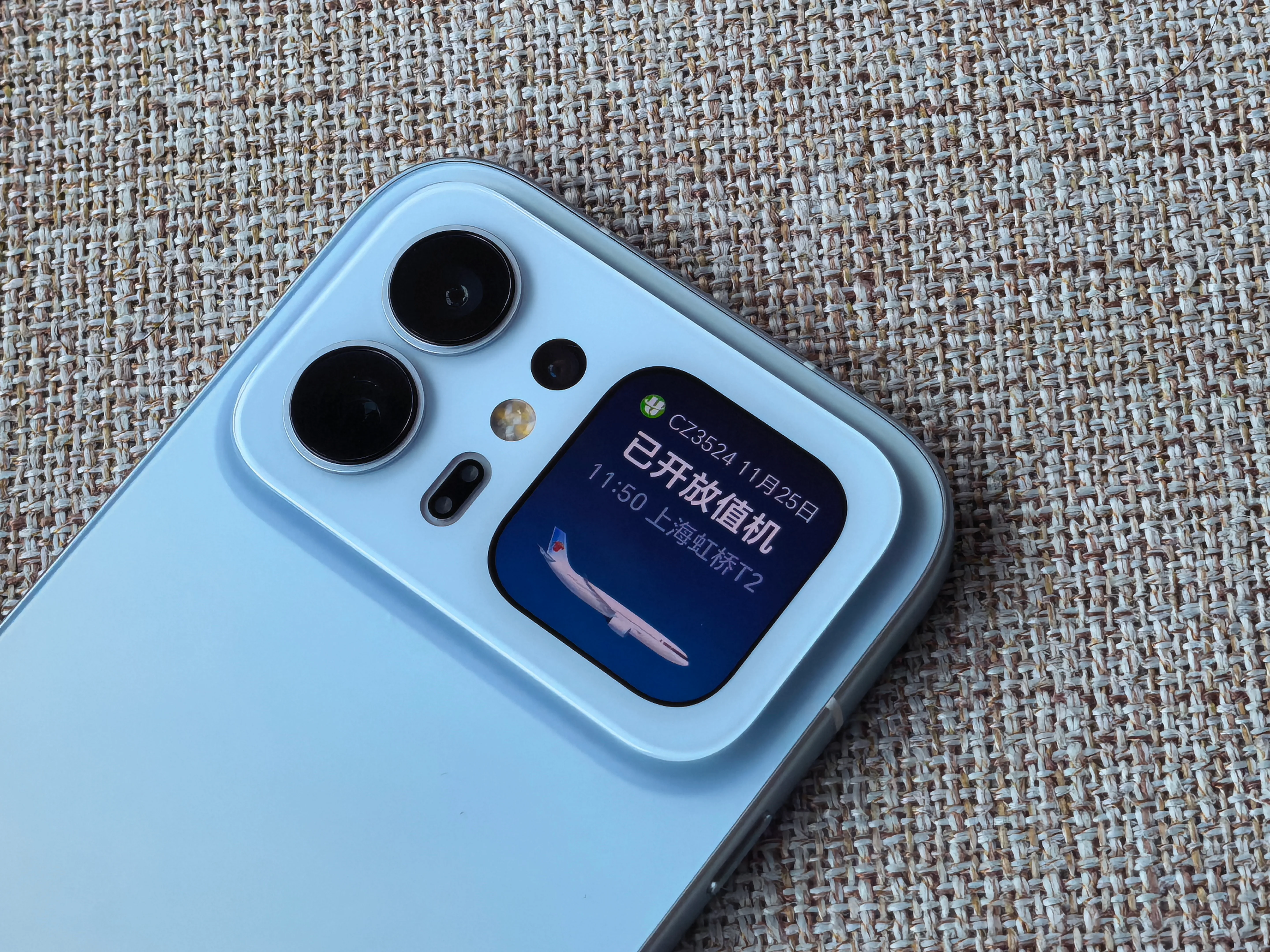
Image source: Leikeji
But that is not all. Beyond "practicality," the Honor 700 Pro also adds many features that provide "emotional value" based on the rear screen form. For example, the "Rear Screen Any Sticker" feature can extract image content and "stick" it onto the phone's rear screen, which is very suitable for displaying pet photos.
More "over-tier" imaging performance
If the significance of adding a rear screen to the Honor 700 Pro lies in enriching the user experience and accelerating the popularization of rear screens, then in Leikeji's view, the Honor 700 Pro's imaging upgrades are completely aimed at "breaking through its own limits." In terms of hardware, the Honor 700 Pro adopts a triple-camera combination of a 200MP OIS wide-angle camera + 50MP OIS periscope telephoto + 12MP ultra-wide-angle camera, and is also equipped with a 50MP front camera.
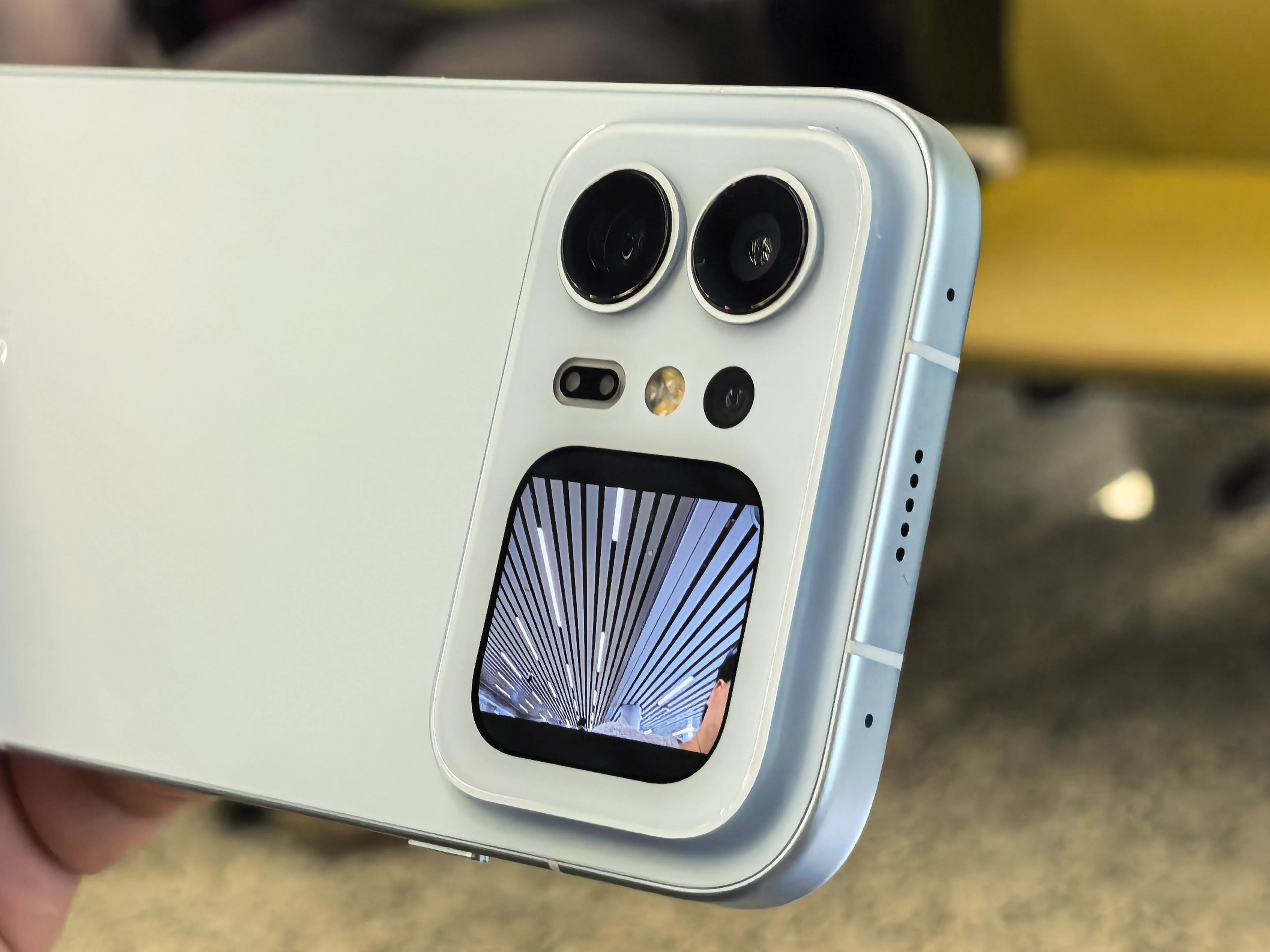
Image source: Leikeji
From a hardware perspective, the Honor 700 Pro's imaging configuration is already on par with many flagship phones. In terms of imaging style, after years of development, Honor has also formed its own system in mobile imaging, especially in color style. With the joint progress of hardware and software, the Honor 700 Pro has also delivered a quite good answer in imaging:
From the main camera samples, it is not difficult to find that Honor maintains strong restraint toward racing red, a color that is extremely prone to oversaturation: whether on the bright surfaces illuminated by spotlights or on the shadowed surfaces, the color transitions of the red paint are quite natural, without the fake vividness of the past that sought attention for the sake of attention.

Image source: Leikeji
The close-up shot of the car light taken with the telephoto camera is likewise transparent, and the lens group of the lamp bowl does not show fake details caused by over-sharpening. Even in slightly backlit conditions, we can still see the edge details of the black tape on the lamp cover.
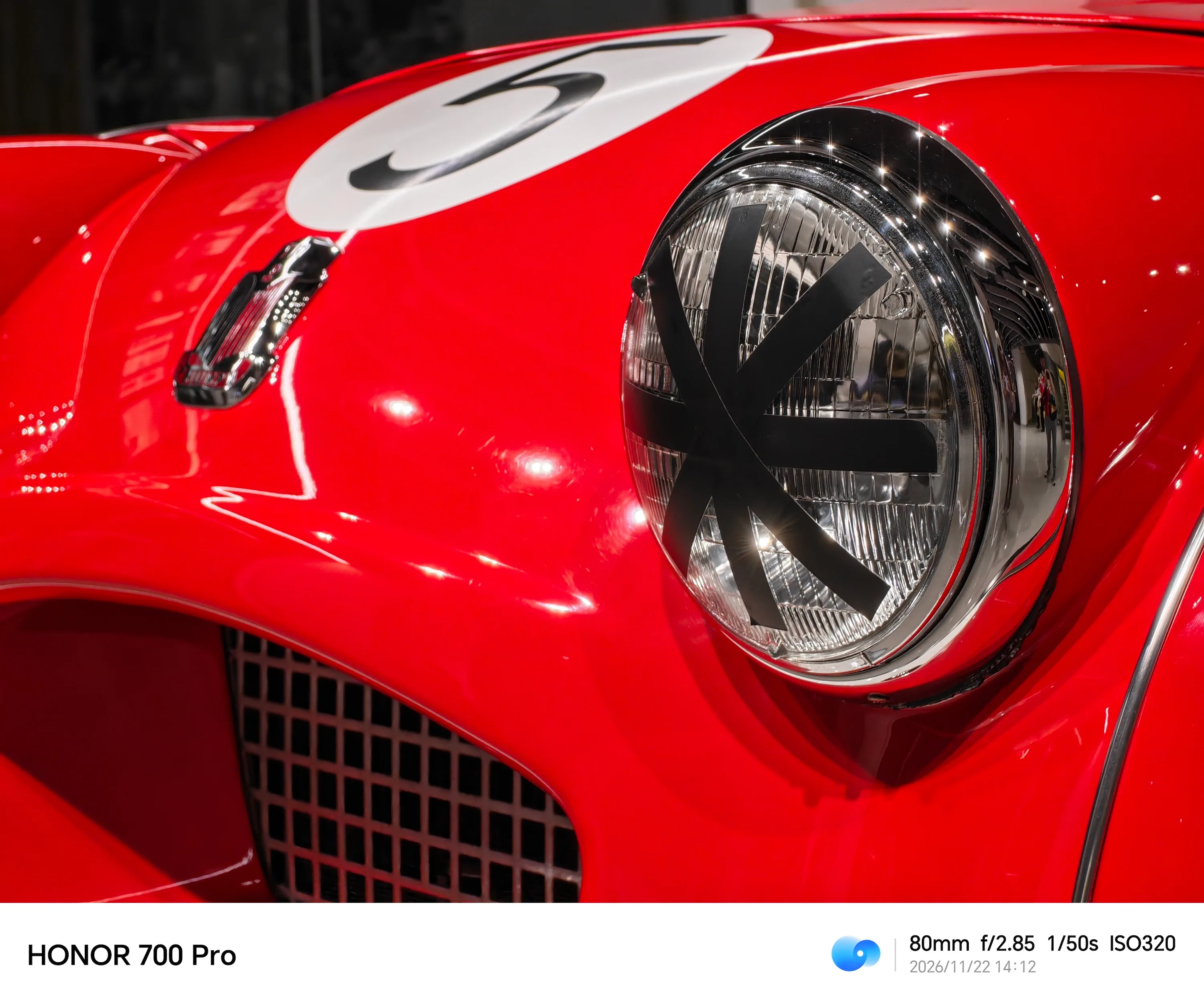
Image source: Leikeji
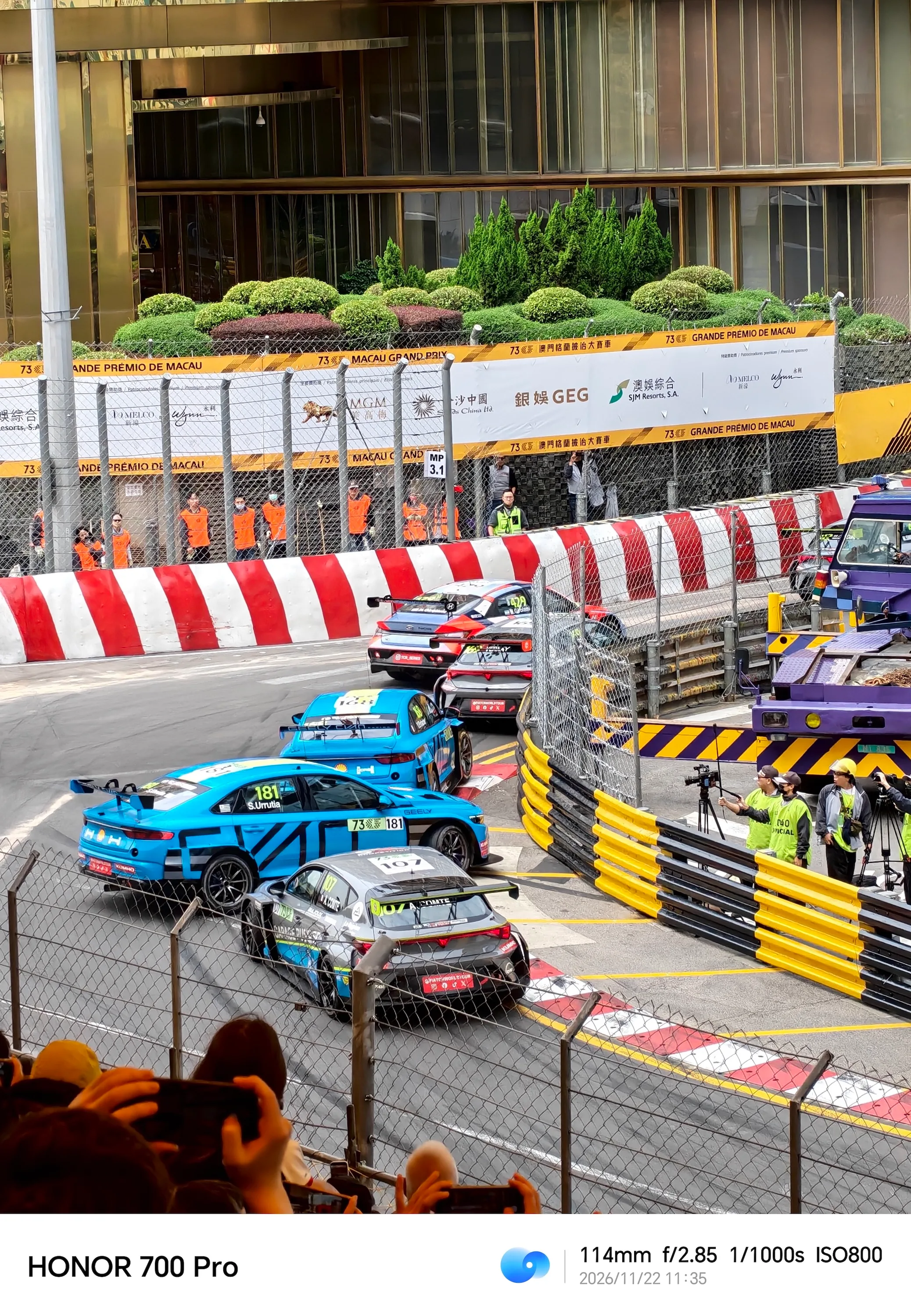
November 22, 2026 was the final race day of the 73rd Macau Grand Prix. Leikeji took the Honor 700 Pro to the famous "Lisboa Bend" to test the Honor 700 Pro's telephoto capture capability with racing cars.
From the samples, even when facing high-speed dynamic scenes such as racing cars, the Honor 700 Pro's telephoto camera still has quite excellent detail retention. Details such as the body livery of the Xingrui TCR race car in the image, the tire marks on the curb at the bend, and the impact marks on the distant guardrail are all clearly visible.
If the "Falcon Highlight Capture" mode is used, the Honor 700 Pro can also achieve faster shutter response.
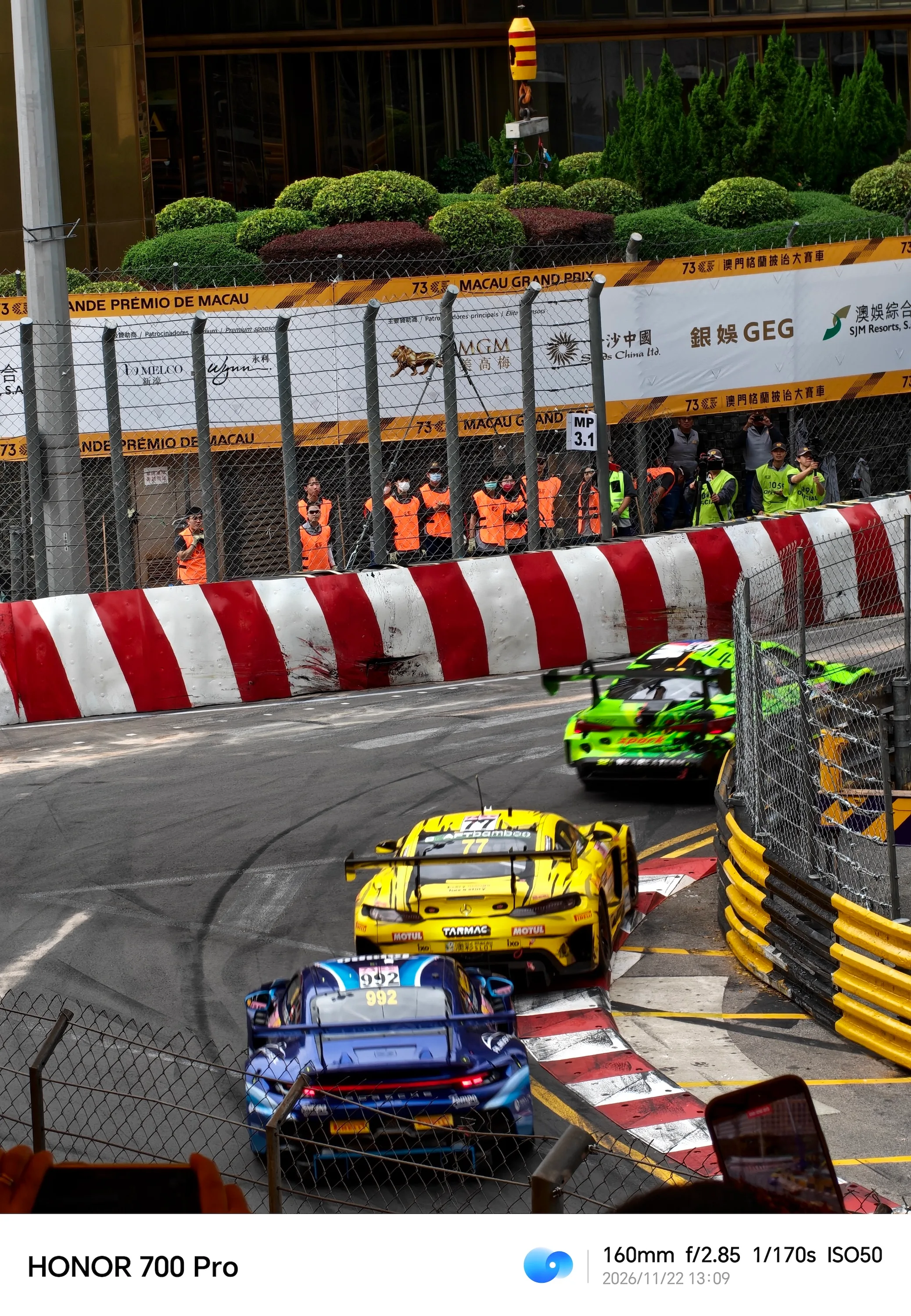
Image source: Leikeji
But the Honor 700 Pro's camera system is actually not "perfect." For unknown reasons, in very rare cases the Honor 700 Pro's dynamic photos show "frame dropping," causing what should be smooth footage to be "split into two segments." It is hoped that Honor can fix this issue in a subsequent update and bring a better experience.
Beyond hardware configuration, Honor has found a brand-new competitiveness
Although there are still a few minor regrets in the experience, judging by the phone's overall performance, Leikeji still believes that the Honor 700 Pro is indeed a qualified "light flagship" phone:
In terms of hardware, Honor uses its familiar "one level higher" strategy to bring flagship configurations that are almost "invincible" in the same price segment; and in terms of software, Honor, as the first explorer of AI phones, is also "a league ahead" in experience.
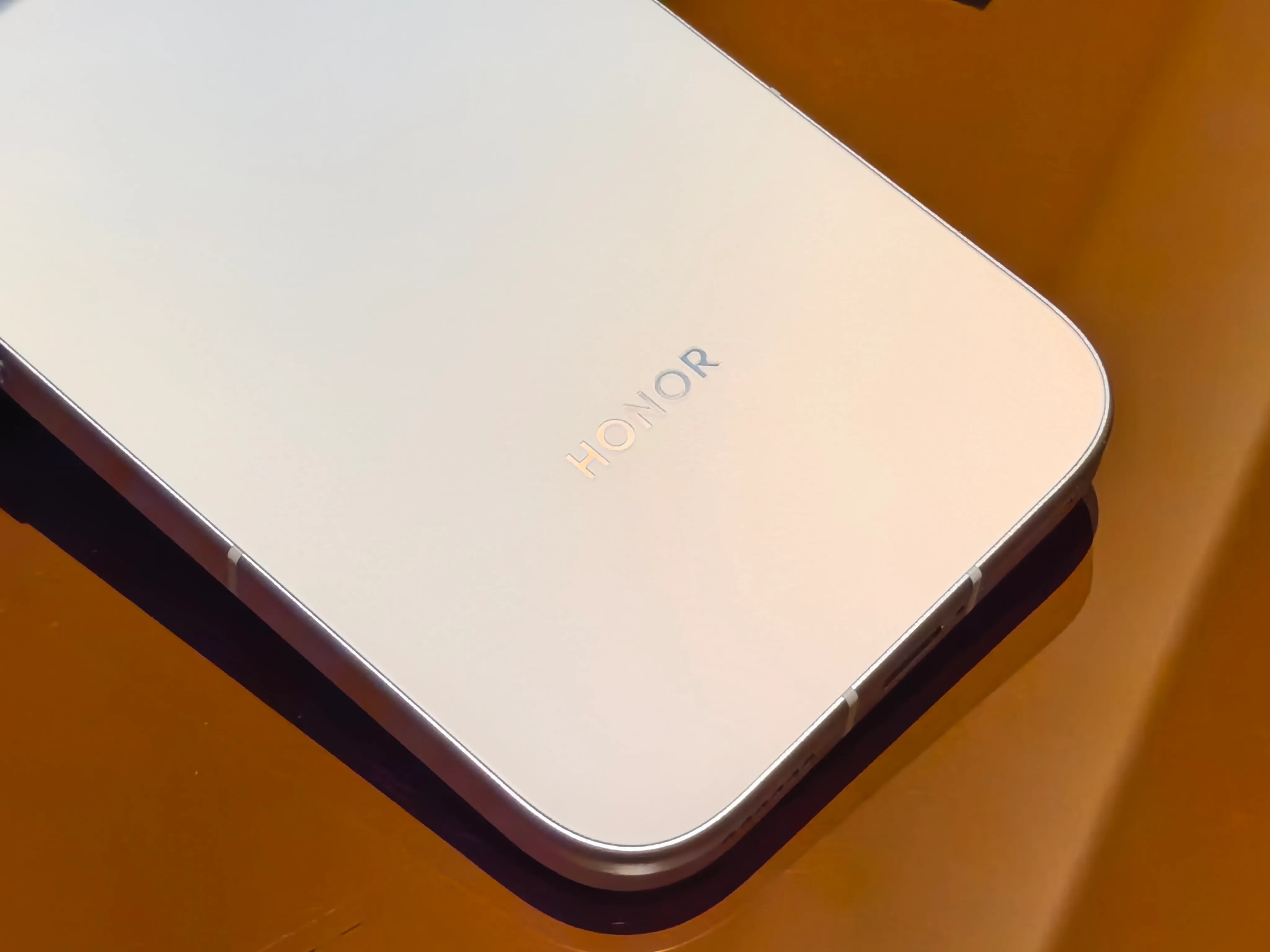
Image source: Leikeji
However, Leikeji believes that compared with the progress in product experience, the significance of the Honor 700 Pro in driving the popularization of technology across the industry is actually more worthy of our attention. According to the ideal model of industry development, product technologies verified by brands in flagship phones will gradually be passed down to non-flagship models that contribute the bulk of shipments.
In 2026, the Honor 700 Pro brings this technology popularization route back to the mainstream stage: a 9,000mAh Qinghai Lake battery, Dynamic Rear Screen, Oasis Eye Protection screen, 200MP OIS main camera, 16GB ultra-large memory... These technologies originating from flagship phones have truly been popularized on the Honor 700 Pro.
It can be said that in 2026, the Honor 700 Pro truly makes the name "light flagship" live up to its name.
As usual, before giving purchasing advice, let's first use Leikeji's review template to summarize the Honor 700 Pro's overall performance:
Pros:
1. Truly flagship-grade hardware configuration;
2. Outstanding telephoto shooting capability, with excellent color and detail performance;
3. Rear screen standard across the entire series, with rich usage methods.
Cons:
1. The teleconverter still loosens after being installed in place;
2. The telephoto dynamic photo performance is unstable.
So which users is the Honor 700 Pro suitable for? In Leikeji's view, it provides a more affordable choice for "ordinary users" who want a flagship experience, and also brings a very positive driving force for the entire phone market to "get back on track."
If you need flagship-level imaging or performance but do not want to endure the weight, feel, or price of a flagship phone, then the Honor 700 Pro is indeed worth considering for you.
Source: Leikeji
Images in this article are from: 123RF licensed image library Source: Leikeji
-
![]()
When the Law Advances One Step, the Devil Advances Ten? EU Moves to Cap Hybrid Imports, Chinese Automakers Pivot to Extended-Range Vehicles
-
Lingguang Wants to Keep Users Coming Back After the Job Is Done
-
Single-Day Subsidies Exceed Ten Million Yuan: Pinduoduo's "Appeal Compensation" Offers Merchants a Safety Net
-
Jietu Traveler EV Set to Launch on November 24; Official Pricing Predicted to Undercut Presale Figures
-
![]()
Honor 700 Pro Review: A Light Flagship with Over-Tier Specs and an Unmistakable Rear Screen Advantage
-
![]()
Second-Hand Domestic Phones: African Buyers' Alternative to Transsion
-
![]()
Why Are Smart Glasses Bucking the Trend and Growing Exponentially in a Cold Winter?
-
Used Chinese Phones: Africa's Enthusiasts Embrace a Transsion Alternative