Why Does Apple’s Foldable Screen Feel So Uninspired, Even as a Late Entrant?
 10/08 2026
 479
479
On the morning of September 10, 2026, Apple finally launched its first foldable smartphone, the iPhone Duo. The Chinese version starts at 15,999 yuan, with the premium model reaching 26,499 yuan.
Less than half a day after the event, Luo Yonghao took to social media with a scathing essay, repeatedly using the word "copy" seven times to critique the iPhone Duo’s foldable design, under-display camera, short-and-wide screen ratio, side Dock bar, seamless inner-outer screen transition, multi-angle suspension, and titanium 3D-printed hinge cover.
However, he did acknowledge that the iPhone Duo’s folding animation is genuinely innovative—and visually striking.
His final verdict? "100% polishing crap on crap."
This sparked intense debate over Apple’s ability to innovate.
01 Seven Years Behind Android: What Has Apple Actually Delivered?
The heart of this controversy isn’t about design ownership but timing.
Android foldables have evolved from concept to maturity over years. When Samsung debuted its first foldable phone in 2019, Apple’s project was still on the drawing board.
In the years that followed, Huawei, OPPO, Honor, and Xiaomi entered the fray, refining hinges to be slimmer, minimizing crease visibility, and optimizing screen ratios.
By the time Apple introduced the iPhone Duo, Android foldables had already undergone four to five generations of technical iteration.
So, what does the iPhone Duo bring to the table?
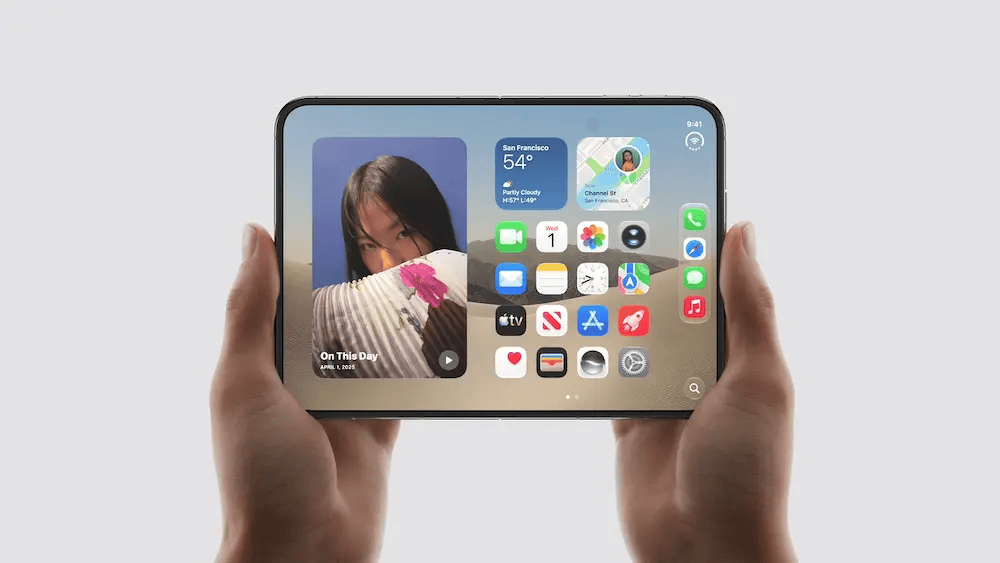
Image source: Internet
It features a horizontal clamshell inward-folding design, with a 5.4-inch outer screen and a 7.6-inch inner screen. To maintain slimness, Apple ditched Face ID for side fingerprint recognition and removed the telephoto lens, leaving the rear camera without true optical zoom.
Some reviewers bluntly state that the inner screen’s under-display camera produces merely passable image quality.
Apple opted for a nano-texture matte screen to visually soften the crease rather than eliminate it physically.
Users report that while the crease remains, it’s less noticeable at certain angles.
However, the matte finish also reduces screen clarity, with some joking that they can’t see the crease—or the screen itself.
When asked why Apple entered the foldable market now, new CEO John Ternus replied: "We wanted to get it right."
But "getting it right" meant this device couldn’t claim a single top-tier spec in this year’s foldable lineup.
02 Borrowing or Copying: Where Do You Draw the Line?
Strictly speaking, calling Apple’s approach a direct copy of Android isn’t entirely fair.
Cross-licensing patents is standard industry practice, and later entrants adopting proven solutions is hardly unusual.
Some analysts argue that given Apple’s late entry, the iPhone Duo’s design borrowing from Android isn’t excessive.
But Apple’s unique challenge lies in its brand identity.
From the original iPhone to Touch ID to Face ID, the company’s defining label has been "innovator." "Reinventing the phone" has been its mantra for over a decade.
When a market leader arrives seven years late in a new category, and its first-gen product closely resembles Android predecessors, the disconnect between expectation and reality becomes the story. Luo Yonghao’s seven "copies" critique targeted precisely this persona.
He dismissed Apple’s crease-mitigation strategy—using nano-texture matte screens while treating the front camera area separately—as "polishing crap on crap."
03 Has Apple Lost Its Cost-Effectiveness Edge Too?
Alongside the iPhone Duo, Apple raised prices for the iPhone 18 Pro series.
Surprisingly, this made Apple seem relatively better value, as Android flagships collectively increased prices since September 2026.
The vivo X500 series rose by 1,100–2,800 yuan, with starting prices exceeding 5,499 yuan; the Xiaomi 18 Pro series increased by 1,000–3,000 yuan; and the OPPO Find X10 series went up by 1,100–2,300 yuan.
Honor showed the most restraint, limiting increases to 500–800 yuan.
The result? First-sale data from tech blogger @RD Observation revealed that a leading domestic flagship sold only about 30% of its predecessor’s first-day volume; the OPPO Find X10 series reached about 40% of the Find X9’s performance.
Meanwhile, the iPhone 18 Pro series sold approximately 322,800 units on its first day, 130% of the previous generation’s performance.
A vivo salesperson noted customer hesitation upon hearing prices. Many dealers reported that budget-conscious buyers now wonder if purchasing an iPhone 17 series would offer better value and longevity. 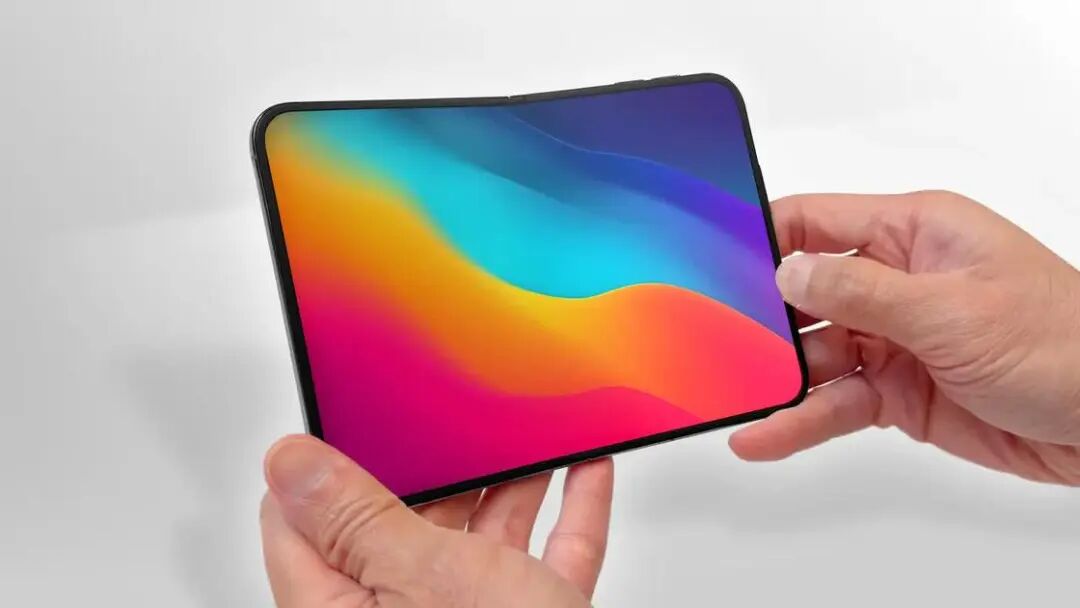
Image source: Internet
Android’s price hikes inadvertently pushed users toward Apple.
The increases stemmed from sustained demand for high-performance storage in AI servers, which squeezed supply for consumer products.
In Q2 2026, contract prices for general-purpose memory rose over 58% quarter-on-quarter, while SSD prices surged past 70%—a 15-year single-quarter record.
Apple, with locked-in supply chain agreements and higher profit margins, could absorb some cost pressures, while Android manufacturers had far less flexibility.
04 The Foldable Innovation Bottleneck Matters More Than Apple’s Copying Claims
The iPhone Duo’s copying accusations seem to target Apple alone.
Yet a closer look reveals that the foldable category itself may have hit an innovation plateau.
Foldable forms, hinge structures, screen ratios, and multi-angle suspension have iterated in the Android camp for four to five years, with most avenues explored.
As a latecomer, Apple’s borrowing space was indeed limited, but this also suggests that physical form innovation in foldables nears its ceiling.
Future competition may shift from "how to fold" to "what to do after unfolding." 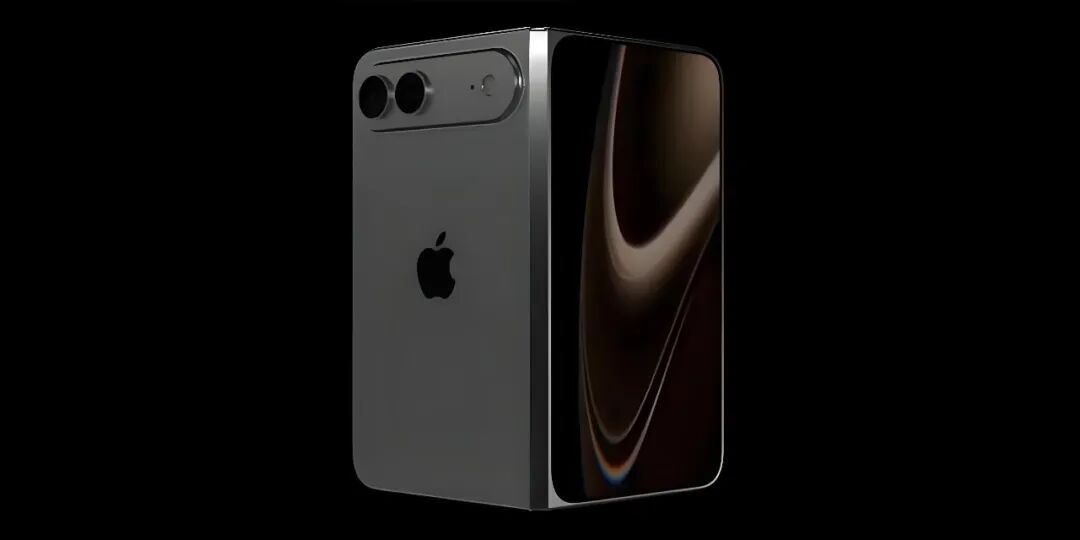
Image source: Internet
Can AI assistants truly leverage large-screen advantages?
Can multitasking achieve seamless switching between phone and tablet modes?
These software-level experiences matter more than shaving fractions of a millimeter off hinge thickness.
Luo Yonghao’s seven "copies" rant was cathartic, but it criticizes a company’s declining innovation trajectory rather than a single device’s merits.
For average consumers, spending 15,999 yuan on a foldable iPhone buys the iOS ecosystem and large-screen experience—not the prestige of being first or original.
Apple arrived seven years late, but its foldable offering at least gives consumers another choice. #FoldablePhone #AppleFoldable
-
![]()
UK Mulls Imposing EU-Style Tariffs on Chinese Electric Vehicles
-
AI Embarks on a New Phase Amidst Unabated Capital Fervor
-
![]()
Is Fan the Only Option for Laptop Cooling Systems?
-
![]()
What is the role of language in autonomous driving VLA?
-
![]()
Why Does Apple’s Foldable Screen Feel So Uninspired, Even as a Late Entrant?
-
![]()
How Did the iPhone 18 Pro Conceal Face ID Beneath the Screen?
-
![]()
Qualcomm and Huawei Are Becoming Inseparable Partners
-
![]()
Why Are Automakers Embarking on Realignment: Insights from Geely-NIO to FAW-GAC Collaborations?