Embracing the 'Lanshan' Legacy: WEY's New Boxy SUV Teases Its 'Entry-Level Pricing'?
 09/10 2026
 561
561
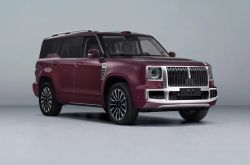
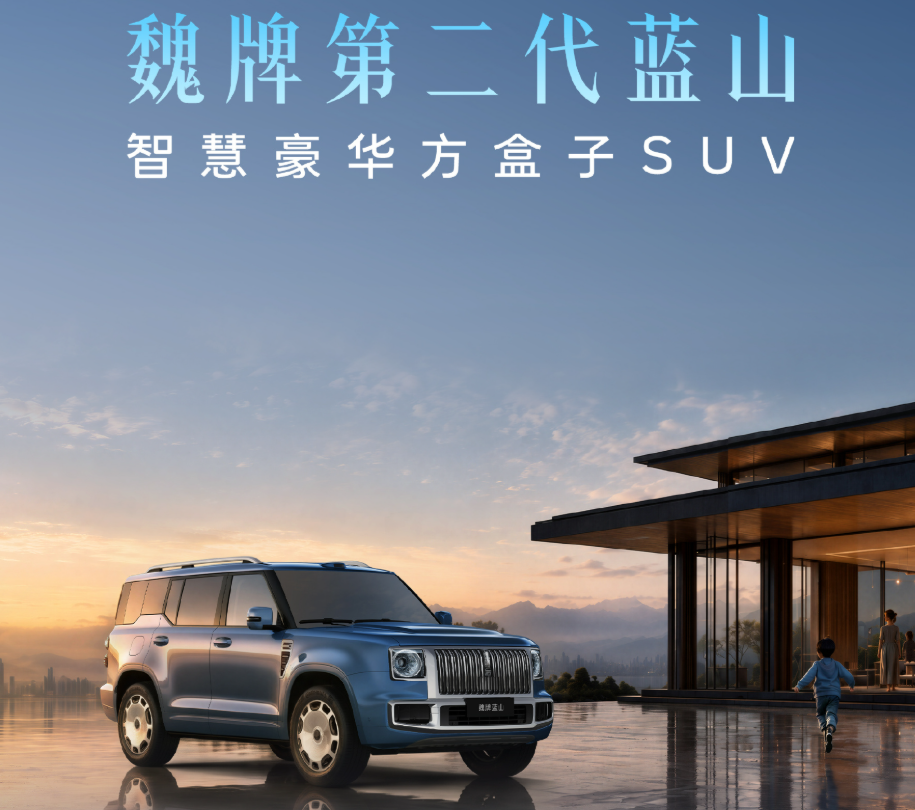
The 'Next-Gen Lanshan,' a boxy SUV from WEY, recently surfaced in the latest batch of new vehicle declarations by the Ministry of Industry and Information Technology (MIIT). Boasting a waterfall-style grille, retro round headlights, a side-opening tailgate with an external spare tire, and a sharp, angular rugged design, it bears little resemblance to the previous Lanshan—a six-seat urban SUV tailored for family travel—except for sharing the same name.
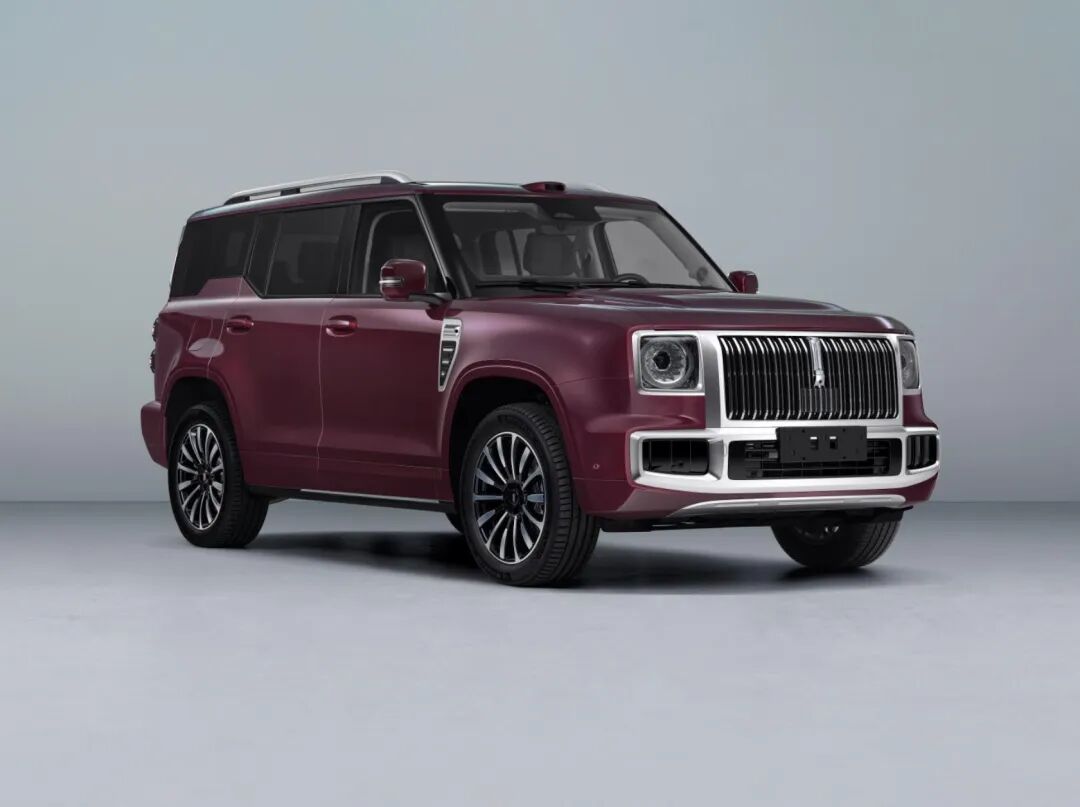
This naming choice has stirred up considerable debate, but another question looms larger: Given that Great Wall Motors already has the Tank brand dedicated to rugged off-road vehicles, and the Haval H10 has just surpassed 10,000 deliveries in its debut month in the boxy SUV market, why is WEY so intent on launching a boxy SUV model?

A Gap in Great Wall's Boxy SUV Lineup
Let's delve into the data. In the first half of 2026, the boxy SUV market witnessed explosive growth, with cumulative sales of 447,600 units across 42 models. The Haval H10 garnered over 31,826 orders within 24 hours of its launch and delivered 10,178 units in August. The popularity of the boxy SUV segment is undeniable.
However, beneath this popularity lies a structural issue: a severely uneven price distribution. The 100,000-300,000 yuan range is crowded with products, while the high-end boxy SUV market above 300,000 yuan offers extremely limited choices, and the luxury boxy SUV segment at the 400,000 yuan level is virtually nonexistent.

So, what is Great Wall's current layout in the boxy SUV segment?
The Haval Big Dog and Menglong cover the 100,000-200,000 yuan range; the Haval H10 targets the 200,000-230,000 yuan market; and the Tank series occupies the 200,000-500,000 yuan non-unitized (body-on-frame) rugged off-road segment. On the surface, Great Wall appears to cover the entire boxy SUV price range from 100,000 to 500,000 yuan. But a closer inspection reveals a gap: above the 200,000-230,000 yuan H10, it jumps directly to the Tank's 300,000 yuan-plus rugged off-roaders, leaving a void for a luxury boxy SUV that can cater to H10 users seeking an upgrade.
Targeting H10's 'Upgrading Users' Is the Real Goal
Some may wonder: Isn't the Tank a boxy SUV? Why is WEY launching another boxy SUV—isn't it competing with itself?
The answer lies in the body style.
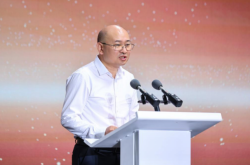
The Tank series employs a body-on-frame construction, specializing in hardcore off-roading. In contrast, the second-generation Lanshan adopts a unibody design. WEY CEO Zhao Yongpo explicitly stated on social media that it aims to create a new brand of luxury boxy SUVs.
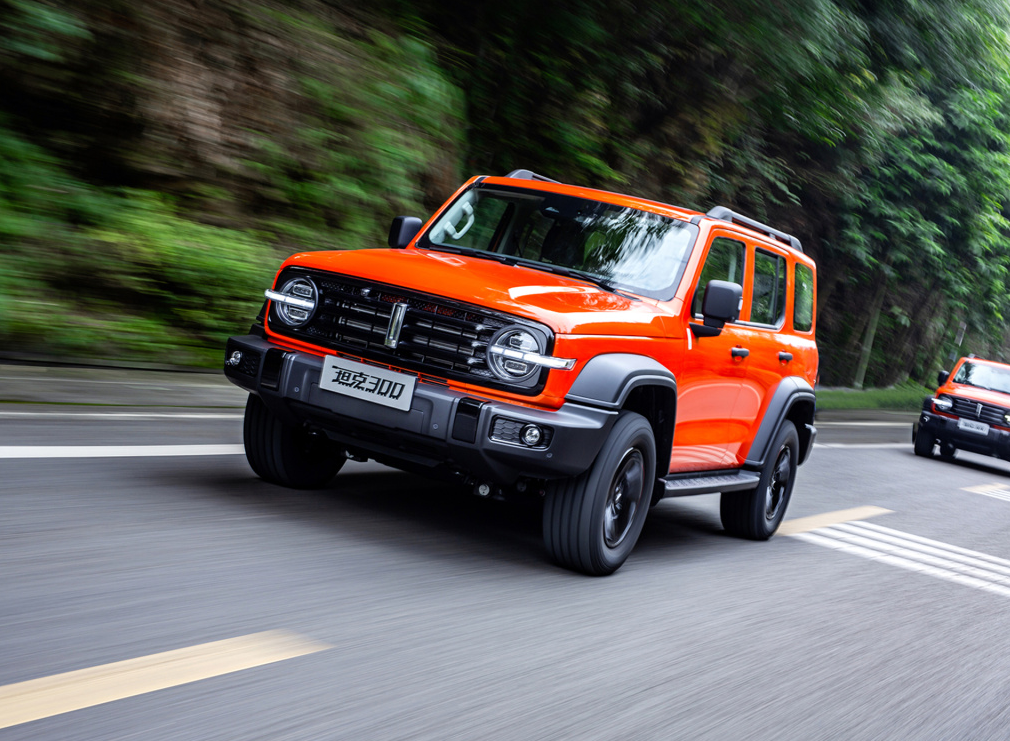
In fact, the initial Tank 300 was launched under the WEY brand, positioned as a luxury off-roader at the time. However, by today's standards, luxury encompasses not just interior materials and high-end features but also power, computing capability, and driving assistance systems. Thus, WEY's launch of a true luxury boxy SUV aligns better with both brand positioning and market demand.
From Great Wall's internal division of labor, Haval focuses on the 100,000-200,000 yuan range, WEY targets 200,000-400,000 yuan, and Tank specializes in rugged off-roading. WEY's boxy SUV isn't encroaching on Tank's territory but rather tapping into an urban luxury light-off-road market that Tank cannot cover.
If Tank represents a different segment, what about the Haval H10? They share the same platform and styling, so what's the difference? This is where WEY's boxy SUV finds its core mission. Analysts point out that WEY's primary task is to cater to users who find the H10 'not premium enough.'
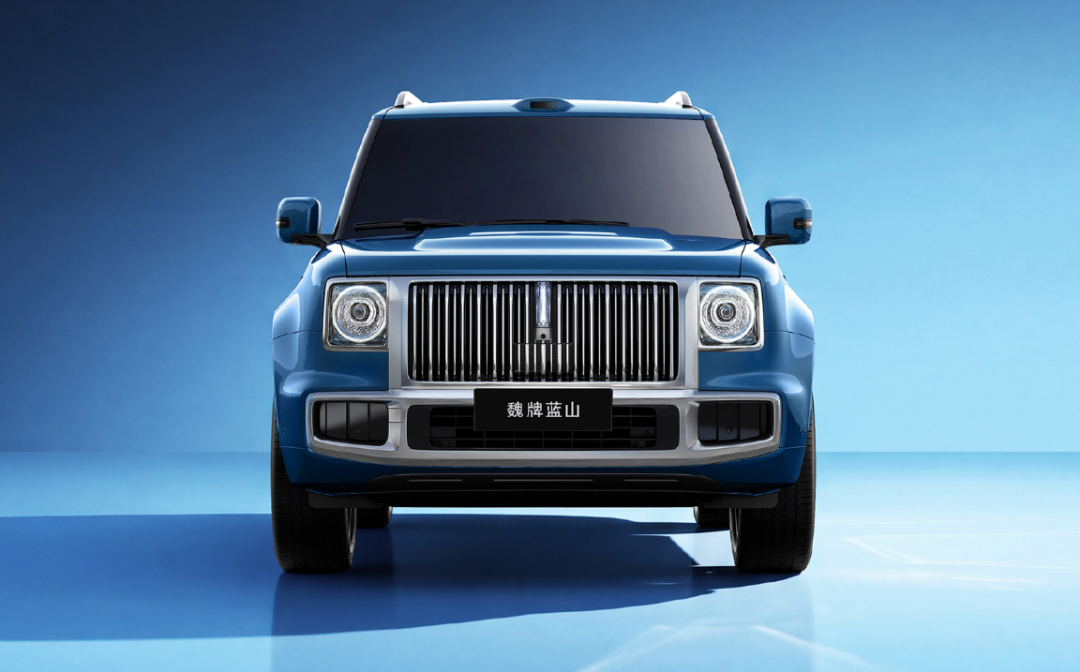
The Haval H10's rapid sales after launch prove the real demand for boxy SUVs. However, priced between 200,000-230,000 yuan and equipped with a standard 1.5T plug-in hybrid four-wheel drive but no air suspension, it leans more toward practicality and cost-effectiveness.
There is a segment of consumers who like the boxy SUV styling but desire greater power, more luxurious features, and a higher brand prestige. This group is precisely the target audience for WEY's boxy SUV.
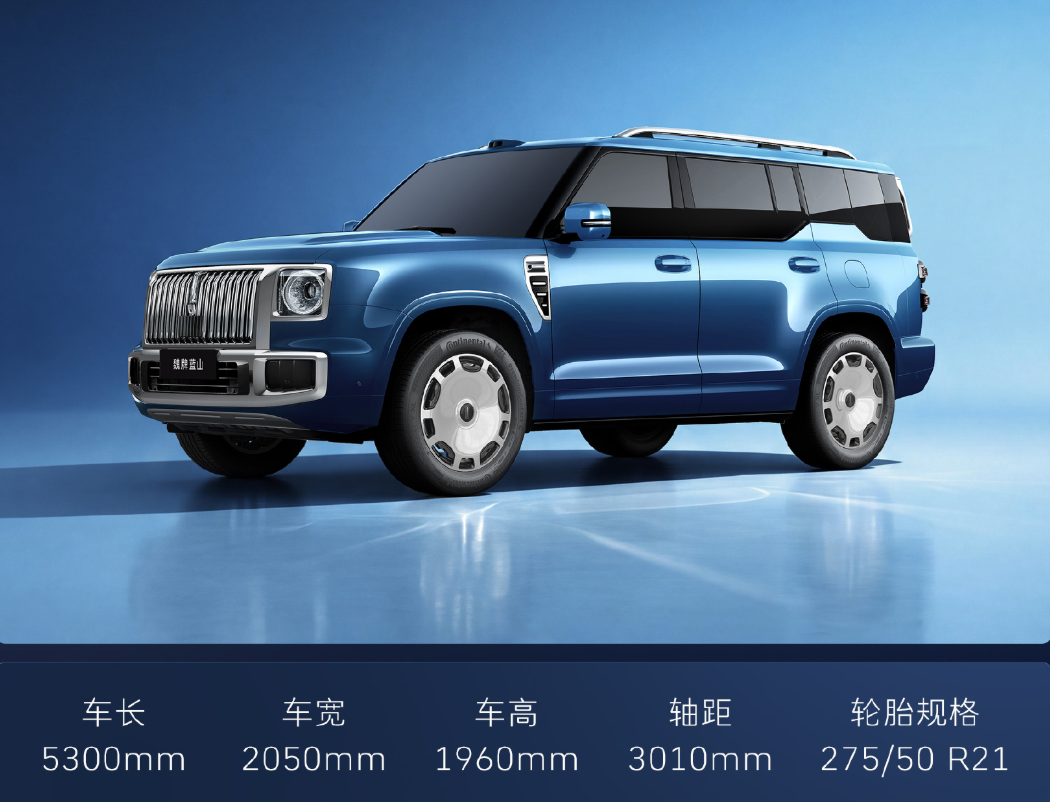
From a product perspective, the second-generation Lanshan indeed aligns with this direction: featuring a 2.0T plug-in hybrid, dual-chamber air suspension, rear-axle mechanical differential lock, and 275/50 R21 tires—none of which are offered on the H10—creating a clear upgrade path.
Naming It 'Lanshan': Preserving Brand Equity, Not Abandoning It
So, why use the name 'Lanshan' instead of starting fresh?
WEY's product history provides insight. From the VV series to Latte and Mocha, WEY has already discontinued several models. Among consumers, the perception that 'WEY's models lack continuity' has taken hold. If a new model line were introduced while letting the 'Lanshan' name fade away, WEY would once again find itself trapped in a cycle of 'products without continuity.'
In contrast, 'Lanshan' is one of the few WEY model lines with significant market recognition, having achieved monthly sales exceeding 5,000 units in 2025. Continuing with the 'Lanshan' name for a new product signals that 'this model line is still evolving.' Valuing brand equity can sometimes be more pragmatic than introducing a completely new name.
Moreover, the naming of the 'Next-Gen Lanshan' also reflects continuity in other aspects. Zhao Yongpo stated, 'Lanshan owners reside in bustling cities but yearn for the mountains and seas. They traverse deserts, venture into wilderness, and have left Lanshan's tracks in many places domestically and internationally. Users have genuine travel needs and have consistently suggested we create a more suitable vehicle, one that pushes boundaries further. The second-generation Lanshan was born out of this necessity.'

According to reports, the new vehicle is equipped with industry-leading computing power and advanced driver-assistance systems, offering a luxurious powertrain combination for multiple scenarios while providing both five-seat and six-seat versions.
The Next-Gen Lanshan's boxy design opens up a new market segment (niche market) for WEY, clearly distinguishing it from the V8X in the same price range. This also addresses previous questions about whether the Lanshan would still be necessary after the V8X's launch. Current Lanshan models have recorded zero domestic sales for three consecutive months, paving the way for a complete refresh.
At the same time, analysts suggest that since the new model is named Lanshan, its pricing is likely to fall within the same range, a subtle hint hidden in the naming. According to reports, the Next-Gen Lanshan is set to launch in Q4, and while the official pricing is still under discussion, sources close to WEY indicate an internal price expectation in the 300,000 yuan range.

The current Lanshan has an official suggested price (MSRP) of 299,800-326,800 yuan. The second-generation Lanshan, equipped with upgrades like a 2.0T plug-in hybrid, dual-chamber air suspension, and rear-axle differential lock, could logically fall within the 280,000-330,000 yuan range. This would not only create a 70,000-100,000 yuan price gap with the Haval H10, forming an echelon (tiered strategy) of 'H10 for volume, Lanshan for premium positioning,' but also avoid surpassing the price ceiling of WEY's flagship V9X.
Whether the Next-Gen Lanshan can replicate the initial success of the Tank 300 remains to be seen and warrants continued attention!
-
Why Are Mobile Phone Prices Rising En Masse? Is AI the Primary Driver?
-
Celebrating Android Manufacturers for Sparking Innovation in Foldable Display Technology
-
![]()
Embracing the 'Lanshan' Legacy: WEY's New Boxy SUV Teases Its 'Entry-Level Pricing'?
-
Xingyu Shares: Governance Weaknesses Come to the Forefront
-
Is Qualcomm in a State of Panic? Apple Adopts Its Self-Developed C2 Modem, Fully Parting Ways with Qualcomm's 5G Chips?
-
![]()
Zotye Automobile Restarts Production
-
![]()
A New Landmark: China’s Pure Electric Vehicle Penetration to Eclipse 50%!
-
![]()
The Loss Conundrum and the High-End Wager: Xiang Xingchu Declares, 'JAC Embarks on Its Third Trailblazing Journey'