Volkswagen's Strategic Shift: 'Outward' Focus in China, 'Upward' Ambitions in the US
 09/10 2026
 450
450
Lead | Introduction
The global automotive industry is experiencing a significant reshuffle. The rise of new energy vehicles, intelligent technologies, and the rapid growth of the Chinese automotive sector are compelling multinational automakers to rethink their global R&D, production, and market strategies. Volkswagen's unveiling of the 'Future Plan 2030' exemplifies this transformative trend, particularly with its notable strategic repositioning in the Chinese and US markets.
This article is produced by Heyan Yueche Studio
Written by Zhang Chi
Edited by He Zi
Full text: 3,050 characters | Reading time: 5 minutes
On September 3 (local time), Volkswagen Group's Supervisory Board greenlit a comprehensive reform initiative dubbed the 'Future Plan 2030.' This plan entails a significant workforce reduction, with potential layoffs ranging from 50,000 to 100,000 employees. It also includes a streamlining of the model lineup by approximately 50%, a reduction in product complexity by about 75%, and a further consolidation of the global industrial production capacity.
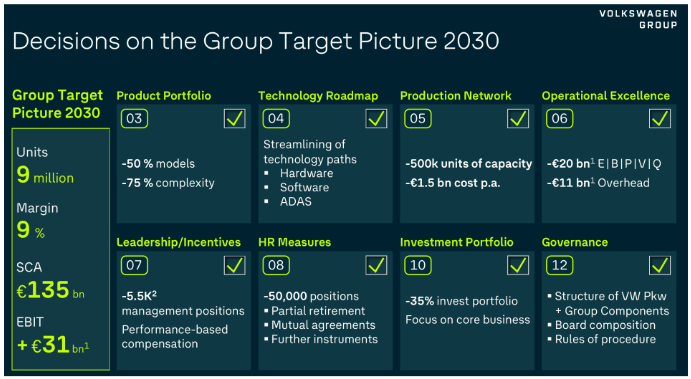
△ Volkswagen Group's Supervisory Board Approves the 'Future Plan 2030'
This signifies that Volkswagen Group CEO Oliver Blume has been granted the clearest mandate for reform to date, embarking on a sweeping overhaul of the global automotive conglomerate, which boasts a portfolio of renowned brands including Audi, Bentley, Porsche, and Skoda. The comprehensive reform, encompassing organizational structure, product systems, and production capacity layout, has inevitably thrust the adjustment of Volkswagen's strategic positioning in China and the US—its two pivotal markets—into the spotlight.
Essential Changes in China's Market Role
According to Volkswagen's latest blueprint, in the Chinese market, the company will recalibrate its business strategy based on revised growth expectations and plans to leverage China as an export hub to 'Global Southern' markets.
In the first half of this year, Volkswagen's three vehicle ventures in China, like other foreign-invested joint ventures, encountered substantial pressure. FAW-Volkswagen sold 515,200 units, marking a year-on-year decline of roughly 25%. SAIC Volkswagen sold 338,600 units, a drop exceeding 30%. Volkswagen Anhui's terminal sales were merely around 6,700 units, remaining modest in scale. Amid growth pressures and declining capacity utilization in the Chinese market, further establishing China as a global production and export base will aid Volkswagen in optimizing its existing capacity utilization and mitigating cost pressures stemming from idle capacity.
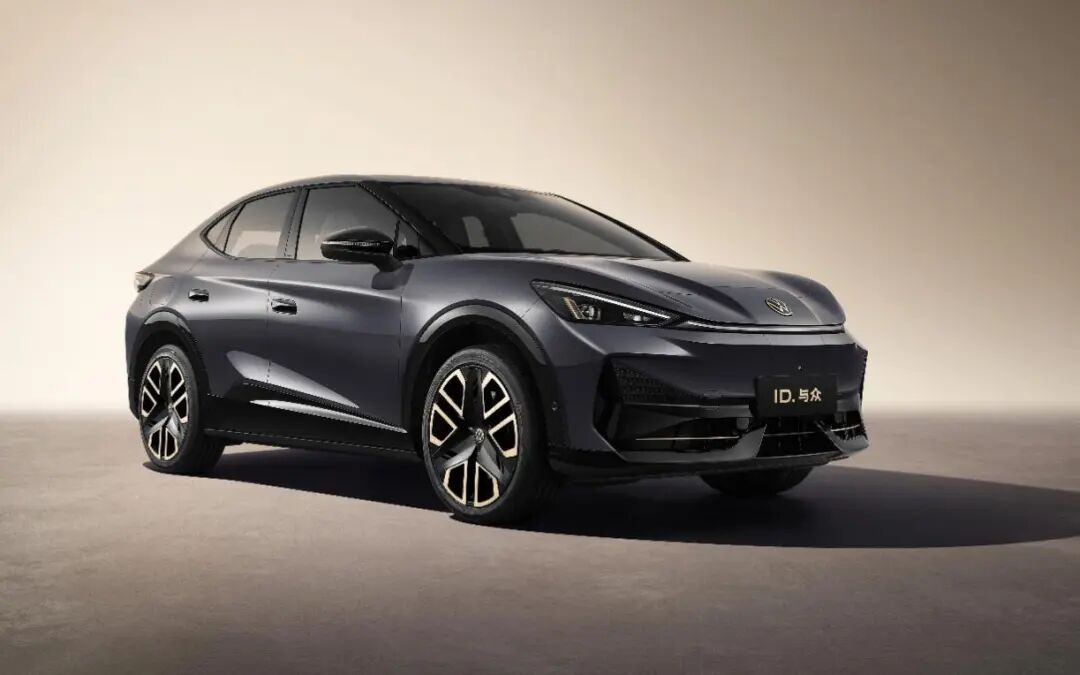
△ Poor Sales Performance of Volkswagen in the Chinese Market
However, expanding China's role from a 'local sales market' to a 'global vehicle production base' also implies that Volkswagen's European factories will confront heightened capacity and cost pressures. Volkswagen stated that it cannot currently ensure production arrangements for its factories in Emden, Zwickau, Hanover, and Neckarsulm, Germany, from 2031 to 2034 and is exploring alternative uses for these sites. The company also highlighted that its European factories currently have over 500,000 units of excess capacity.
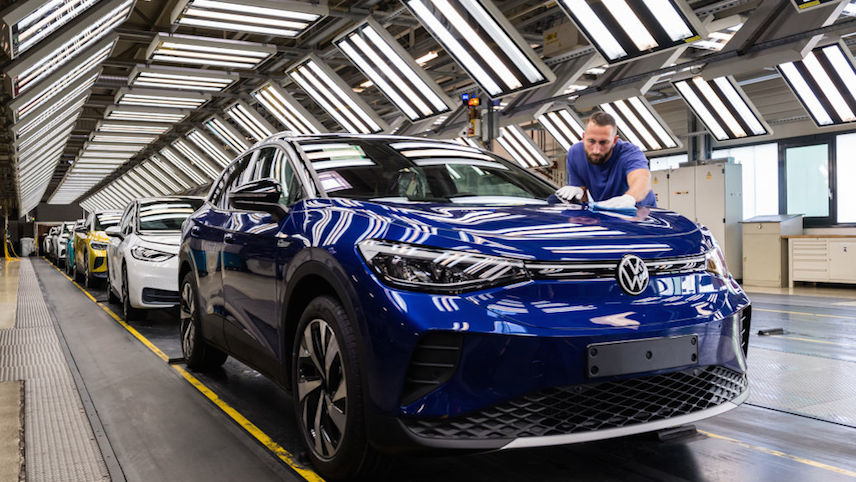
△ Uncertain Future for Several Volkswagen Factories in Europe
The primary impetus behind Volkswagen's adjustment remains the significant cost differential between manufacturing in China and Germany, particularly in terms of labor costs. Internal Volkswagen data reveals that labor costs at the Emden factory in Germany are approximately €74 per hour, compared to just around €12 per hour at the Tianjin factory in China—about six times higher. Data from the Harbour Report also indicates that the average labor cost for automobile manufacturing in Germany is approximately $3,307 per vehicle, compared to just $597 in China—about 5.5 times higher. Considering factors such as working hours, energy, and fixed costs, Germany's overall manufacturing cost competitiveness is markedly weaker than China's.
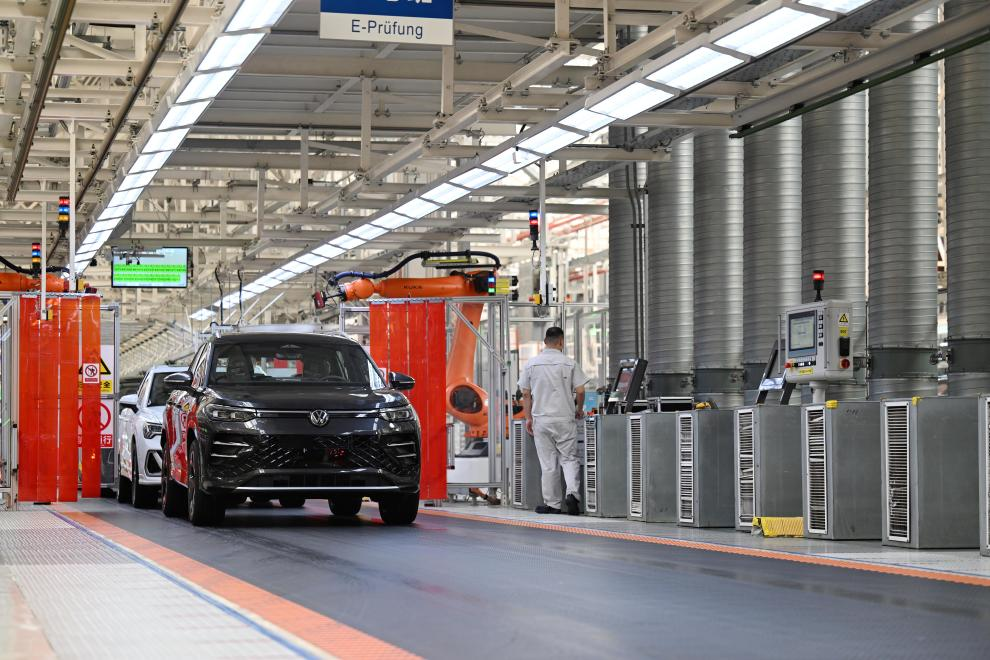
△ From a production cost perspective, Volkswagen's Chinese factories significantly outperform their European counterparts
As Chinese new energy vehicle companies accelerate their globalization, Volkswagen will not only need to contend with local brands in the Chinese market but also face them on the global stage. In this context, leveraging China's mature new energy vehicle industrial chain and supply chain system to produce global models at lower costs and then export them to overseas markets with relatively low tariffs is undoubtedly a shortcut for Volkswagen to enhance its global cost competitiveness and profit margins. In fact, Volkswagen already sources a significant amount of components from China. For Volkswagen, if it can further integrate China's mature component supply chain, manufacturing capabilities, and vehicle production capacity to export completed vehicles to markets that do not impose high tariffs on Chinese-made cars, it can further unlock the cost advantages of China's supply chain and improve the group's overall profitability.
Urgent Need for a Turnaround in the US Market
As the world's second-largest automotive market, Volkswagen's performance in the US has also been lackluster. In the first half of 2026, Volkswagen Group sold approximately 550,000 units in the US, a year-on-year decline of about 7.4%. In contrast, Toyota, one of Volkswagen's main global competitors, sold 1.243 million units in the US during the same period, a year-on-year increase of 0.5%. With a mature hybrid product lineup and a relatively complete SUV product portfolio, Toyota maintains robust market competitiveness. Given the difficulty of achieving rapid growth in the Chinese automotive market in the short term, the US market undoubtedly becomes a crucial avenue for Volkswagen to enhance its global sales and profitability.
The US market's allure to Volkswagen lies not only in its vast sales potential but also in its high profit margins. In the first half of 2026, GM's adjusted EBIT margin for its North American business reached 9.3%, while Ford Group's was approximately 6.6%—both significantly higher than Volkswagen Group's operating profit margin of 3.8% during the same period. Although there are some differences in statistical methods among companies, this comparison still underscores that the automotive business centered on the US market generally enjoys stronger profitability. This is primarily due to the higher proportion of high-value models such as pickups and large SUVs, as well as automakers' strong product pricing power. Therefore, for Volkswagen, the strategic value of the US market is not just about 'selling more cars' but also about improving per-unit revenue and profit levels by deploying high-value models, thereby enhancing the group's overall profitability.
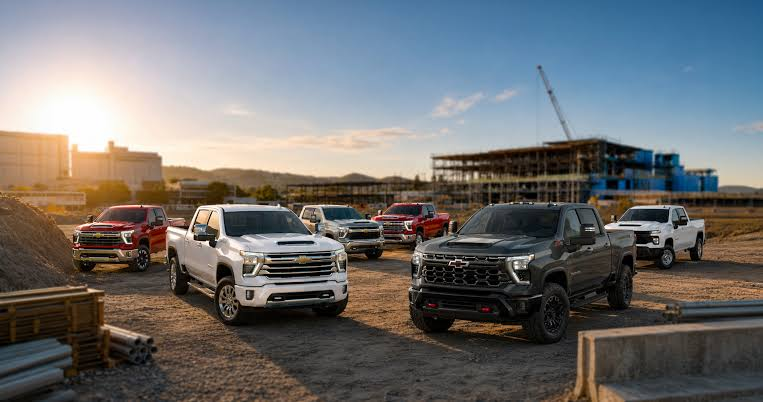
△ The US market will play a significant role in boosting Volkswagen's profit margins
Based on this assessment, Volkswagen is redefining the role of the US market: from a traditional sales market to a localized production and growth market. By developing products such as pickups and large SUVs tailored to US consumer demand and producing them locally in the US, Volkswagen can not only enhance product fit with local market needs but also mitigate risks associated with tariffs, logistics, and global supply chain fluctuations to a certain extent.
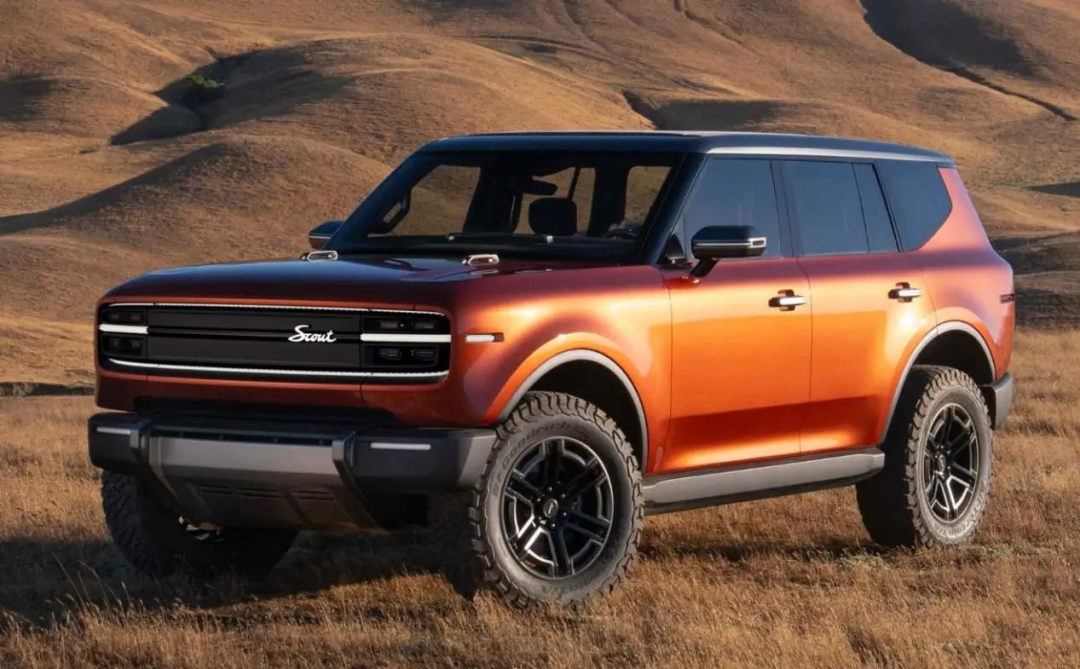
△ The Scout brand will be Volkswagen's biggest lever for achieving a business turnaround in the US
Under this strategy, the Scout brand, specifically designed for the US market, and Volkswagen's localized production layout in the US will be key levers for reversing its performance in the North American market. In particular, if Scout can achieve breakthroughs in US-advantaged segments such as pickups and large SUVs, it will help Volkswagen address its shortcomings in high-value models in the US. Additionally, Volkswagen's investment in Rivian holds significant strategic importance. By forging deeper cooperation with Rivian, Volkswagen can not only share in the potential benefits of Rivian's future business growth but also leverage Rivian's localized R&D capabilities and technological accumulations in the US market to accelerate the localized development of software-defined vehicles and electronic/electrical architectures.
Multinational Automakers Adjust Global Positioning
China remains the world's largest automotive market and is expected to maintain this position for the foreseeable future. However, at the same time, due to overcapacity, the price war is unlikely to abate in the short term. Not only do Chinese domestic automakers need to accelerate their 'going global' efforts, but multinational automakers also need to rethink the positioning of their Chinese operations within the global framework.
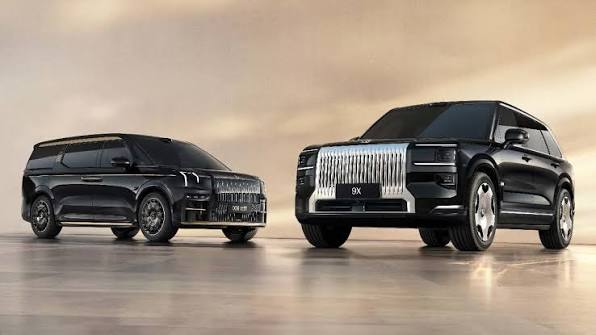
△ China has significant advantages in new energy and intelligent connected vehicle sectors
In the areas of new energy, intelligent connectivity, and supply chains, China's automotive industry has developed formidable global competitive advantages. Leveraging China's technological, R&D efficiency, and manufacturing cost advantages to support the global market is becoming an important direction for multinational automakers to adjust their China strategies.
Among them, Renault, Ford, Volkswagen, and Tesla have already begun experimenting with this model to varying degrees. Renault has significantly scaled back its traditional vehicle business in China but retains a Shanghai R&D center with about 150 employees to develop low-cost electric vehicles for Europe, including the Twingo E-Tech with a target price below €20,000. Ford is gradually establishing China as an export base, achieving approximately $900 million in EBIT from its Chinese operations (including exports) in 2024. Volkswagen is also exploring exporting models developed and produced in China to markets such as the Middle East, Uzbekistan, ASEAN, and South Korea, with its China-developed models now contributing about 75% of customer deliveries to its joint ventures. Tesla has already established its Shanghai Gigafactory as a global supply base, with exports exceeding half of the factory's production volume for the first time in the second quarter of 2026, covering markets such as Europe, Asia-Pacific, and Canada.
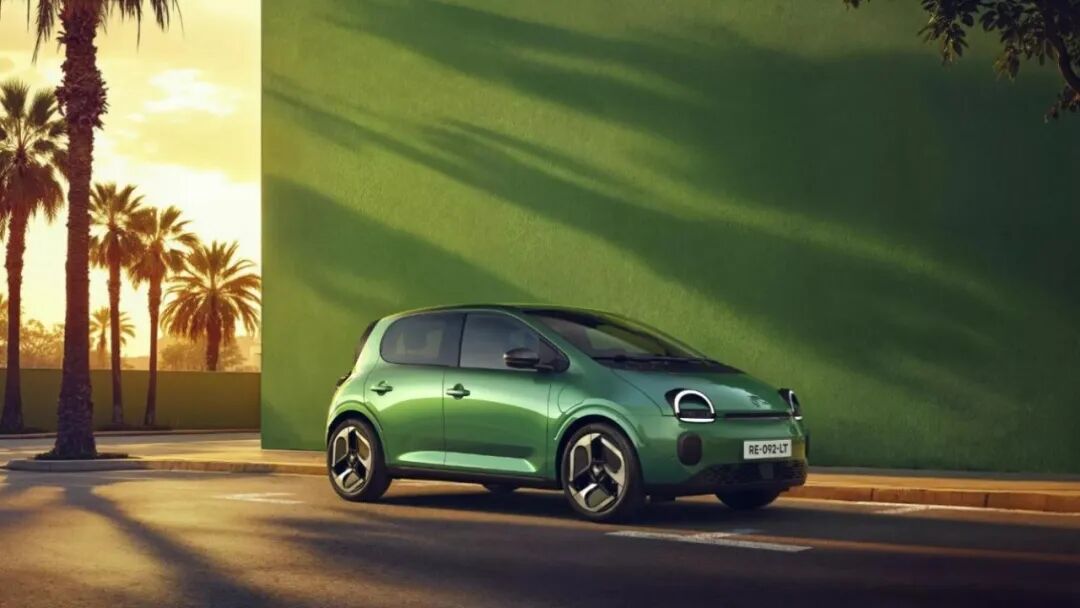
△ The success of Renault's Twingo E-Tech in Europe is supported by China's new energy vehicle supply chain
Therefore, the competitive logic for multinational automakers in China is evolving. China's value is no longer just about 'how big the market is' but rather 'what China can provide for global operations.' From the current trend, the answers mainly include R&D efficiency, supply chain costs, and manufacturing capabilities. This means that even if the Chinese automotive market enters a low-growth phase, China's operations will still hold significant strategic value for multinational automakers. In the future, 'China R&D, China manufacturing, global sales' may become an important model for more multinational automakers to redefine their China operations. In other words, China is gradually transforming from the world's largest automotive consumer market into an important R&D center, manufacturing hub, and global export base.
Commentary
From an industry perspective, future competition among multinational automakers will no longer be solely about capturing market share but about recombining the advantages of different global regions. China's new energy supply chain and manufacturing cost advantages, the US's high-value market and profitability, and Europe's brand and technological strengths will all be integrated into the new global industrial layout. Therefore, Volkswagen's adjustments are not an isolated case but may foreshadow that the global automotive supply chain and profit centers are undergoing a reshuffle.
(This article is original to 'Heyan Yueche' and may not be reproduced without authorization.)
-
![]()
Volkswagen's Strategic Shift: 'Outward' Focus in China, 'Upward' Ambitions in the US
-
Power Supply IC WT5127: Converting 220V to 15V at 500mA
-
Why Are Mobile Phone Prices Rising En Masse? Is AI the Primary Driver?
-
Celebrating Android Manufacturers for Sparking Innovation in Foldable Display Technology
-
![]()
Embracing the 'Lanshan' Legacy: WEY's New Boxy SUV Teases Its 'Entry-Level Pricing'?
-
Xingyu Shares: Governance Weaknesses Come to the Forefront
-
Is Qualcomm in a State of Panic? Apple Adopts Its Self-Developed C2 Modem, Fully Parting Ways with Qualcomm's 5G Chips?
-
![]()
Zotye Automobile Restarts Production