BYD Executive’s Clear Stance: The Era of Fuel Vehicles Is Over
 09/16 2026
 331
331
Automotive market trends are never shaped by mere marketing slogans from automakers; they are driven by concrete data and technological breakthroughs.
In September of this year, Li Ke, BYD’s Executive Vice President and President of the Americas, made a remarkably candid statement during an overseas interview. Free from industry jargon or vague compromises, she declared: In the Chinese market, with the widespread adoption of rapid-charging technology, fuel vehicles have no future.
Li also acknowledged that while the pace of electrification in other countries and regions may lag behind by a few years, this delay is only temporary, and the ultimate outcome will remain unchanged. More notably, in this interview, BYD publicly revealed, for the first time, a clear timeline for the rollout of solid-state batteries: formal installation and market launch are set for 2027.
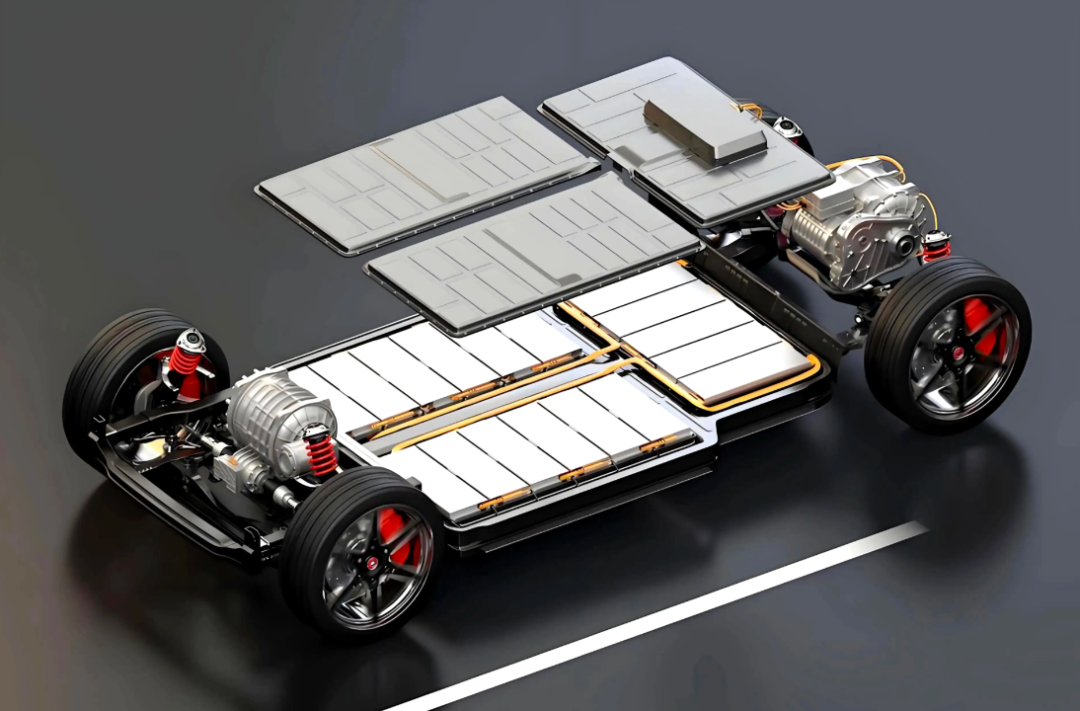
Image Source: Weibo
With a definitive stance and a solid technological roadmap, combined with the nearly 50% drop in fuel vehicle sales in August, the decade-long debate between fuel and electric vehicles has reached a clear conclusion in the autumn of 2026.
The long-standing advantages of fuel vehicles are being dismantled by technology.
The century-long dominance of fuel vehicles in the automotive market was not unfounded. Fast refueling, stable driving range, and universal usability—these three pillars firmly supported the industry’s foundation for over a century.
In the past, hesitation to embrace electric vehicles stemmed from concerns about charging inconvenience, reduced range, and uncertainty for long-distance travel. Ultimately, the fear was not about electric vehicles themselves but about the lack of flexibility in usage scenarios.
However, the market has undergone a quiet transformation in recent years.
Now, with the widespread adoption of BYD’s high-voltage rapid-charging technology, hundreds of kilometers of range can be restored in just over ten minutes. For the daily driving needs of most people—commuting, running errands, or short trips—the charging speed is now fully adequate, effectively closing the experience gap with refueling.
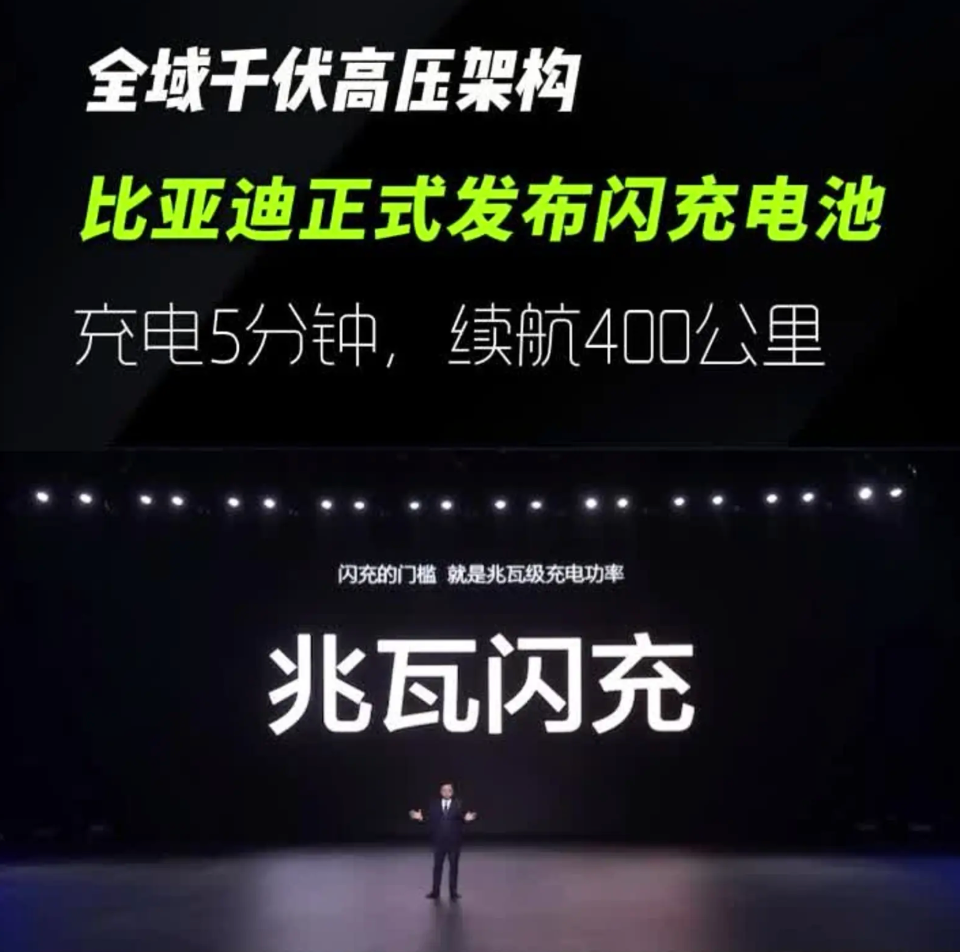
Image Source: Weibo
Once the charging drawback is resolved, the only remaining competitive edge for fuel vehicles lies in operating costs—an area where electric vehicles hold a clear advantage.
The shift in overseas markets is particularly evident. In Brazil, the BYD Dolphin Surf has become the mainstream choice for ride-hailing and taxi services. Cost-conscious operational drivers recognize that electric vehicles cost just 20% of fuel vehicles per kilometer, leading to significant long-term savings. The market does not follow public opinion; it follows user choices.
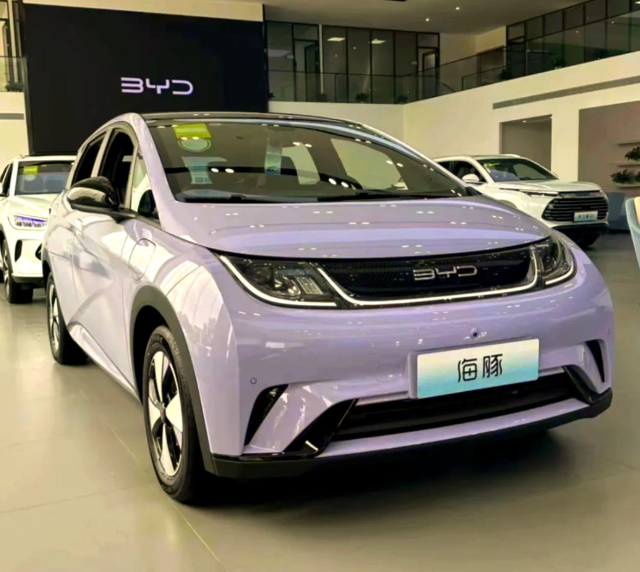
Image Source: Weibo
If rapid-charging technology is the current game-changer, then the solid-state batteries set to launch in 2027 represent BYD’s ultimate ace for the industry.
Compared to current liquid batteries, solid-state batteries offer longer range, higher safety, no performance degradation in winter, and greater longevity. Essentially, they address all the pain points that currently trouble electric vehicle users.
The industry is well aware that 2027 will likely see small-scale installation and trial deployment of solid-state batteries, with large-scale adoption requiring more time. However, the disclosure of this timeline carries significant weight: the upper limits of electrification continue to rise, while fuel vehicle technology has long since exhausted its room for innovation.
Data doesn’t lie: Fuel vehicle sales have collapsed, and electric vehicles dominate.
Corporate executives’ judgments are never baseless speculation. The latest data from the China Association of Automobile Manufacturers (CAAM) provides the most authentic snapshot of the industry.
In August 2026, only 584,000 traditional fuel vehicles were sold domestically, marking a staggering 45.7% year-on-year decline, with sales nearly halved.
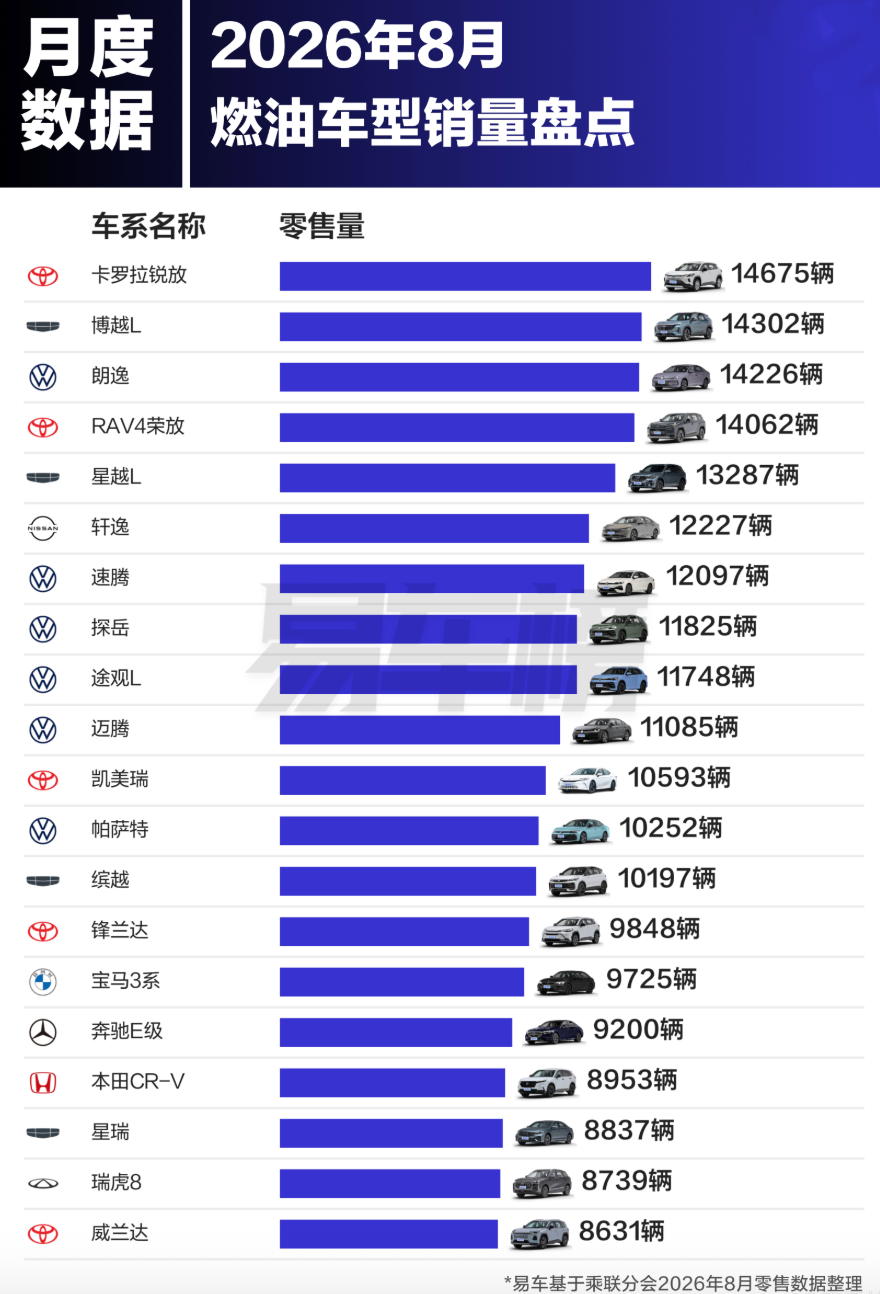
Image Source: Yiche Rankings
Meanwhile, the new energy vehicle market tells a starkly different story. Monthly sales surged to 1.643 million units, up 17.8% year-on-year, with penetration reaching 60.6%.
In simpler terms, more than six out of every ten new vehicles sold domestically are now new energy vehicles. The voice in the new car market no longer belongs to fuel vehicles.
Extending the timeline to January–August, the trend becomes even more pronounced. Fuel vehicle sales cumulatively reached 5.948 million units, down 32% year-on-year, while new energy vehicle sales surpassed 10 million units, with overall penetration exceeding 50%, firmly securing half of the automotive market.
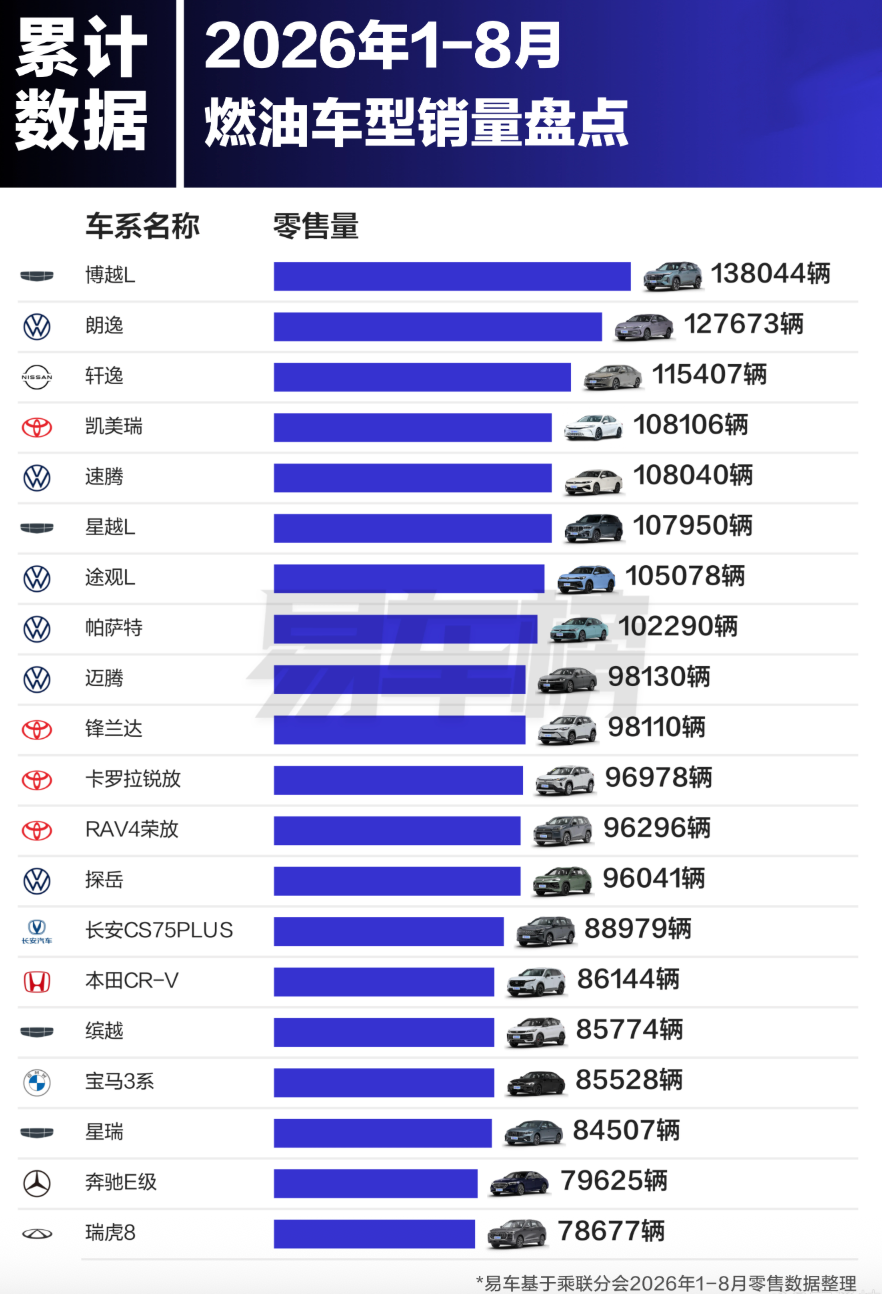
Image Source: Yiche Rankings
The industry’s reshuffling is already complete.
Joint-venture fuel vehicles now rely solely on price cuts to clear inventory, with new model updates slowing to a crawl. Domestic fuel vehicle brands are scaling back R&D and halting new model launches. Across the automotive industry, capital, talent, and technological resources are flocking to electrification and intelligence.
Consumer sentiment has also fundamentally shifted. A few years ago, car buyers prioritized fuel vehicles, comparing resale value and maintenance convenience. Today, many walk into 4S dealerships and skip the fuel vehicle section entirely, focusing solely on new energy options.
Those still opting for fuel vehicles are mostly long-distance drivers, individuals from areas with scarce charging infrastructure, or enthusiasts who simply prefer the feel of internal combustion engines. However, in the mass-market family car segment, fuel vehicles have already fallen out of contention.
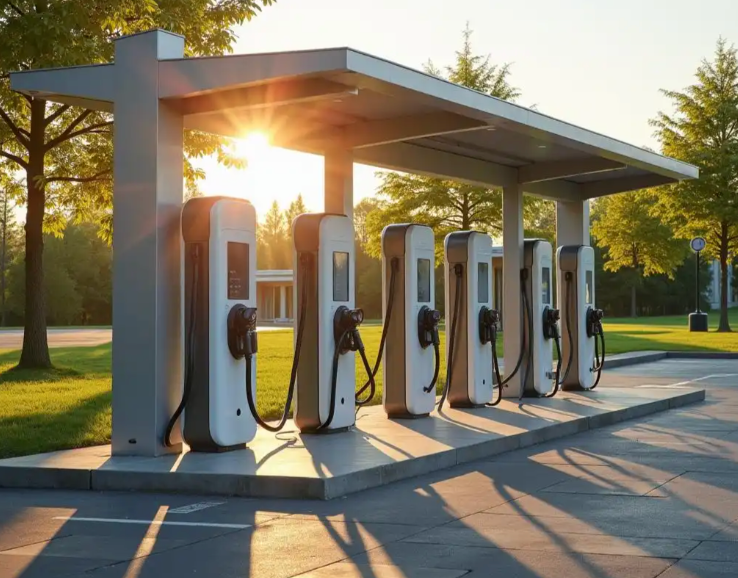
Image Source: Weibo
No need to argue: Fuel vehicles won’t vanish overnight, but their mainstream status is gone.
Li Ke’s remarks sparked immediate online debate.
Some declared the dominance of electrification as inevitable, writing off fuel vehicles entirely. Others countered that charging difficulties in remote areas and highway queueing during holidays make fuel vehicles irreplaceable.
In reality, neither side grasps the core issue.
No one claims fuel vehicles will disappear overnight. For years to come, they will remain on the roads, and used car dealerships, repair shops, and gas stations will stay in business. The survival of the existing market is inevitable.
The true endgame is that fuel vehicles will completely exit the mainstream new car consumer market.
Much like film cameras and feature phones, they won’t vanish entirely but will transition from mass-market essentials to niche collectibles or high-end toys. For ordinary consumers, fuel vehicles will no longer be the default choice.
The replacement of old technology by new technology never happens instantaneously; it gradually takes over all mainstream scenarios.
The century-long transformation of the automotive industry has always been quiet. Rapid-charging technology has alleviated range anxiety, while future solid-state batteries will address the final gaps in range and safety. Combined with lower operating costs and superior smart experiences, the replacement of fuel vehicles by electrification is no longer a trend but a present reality.
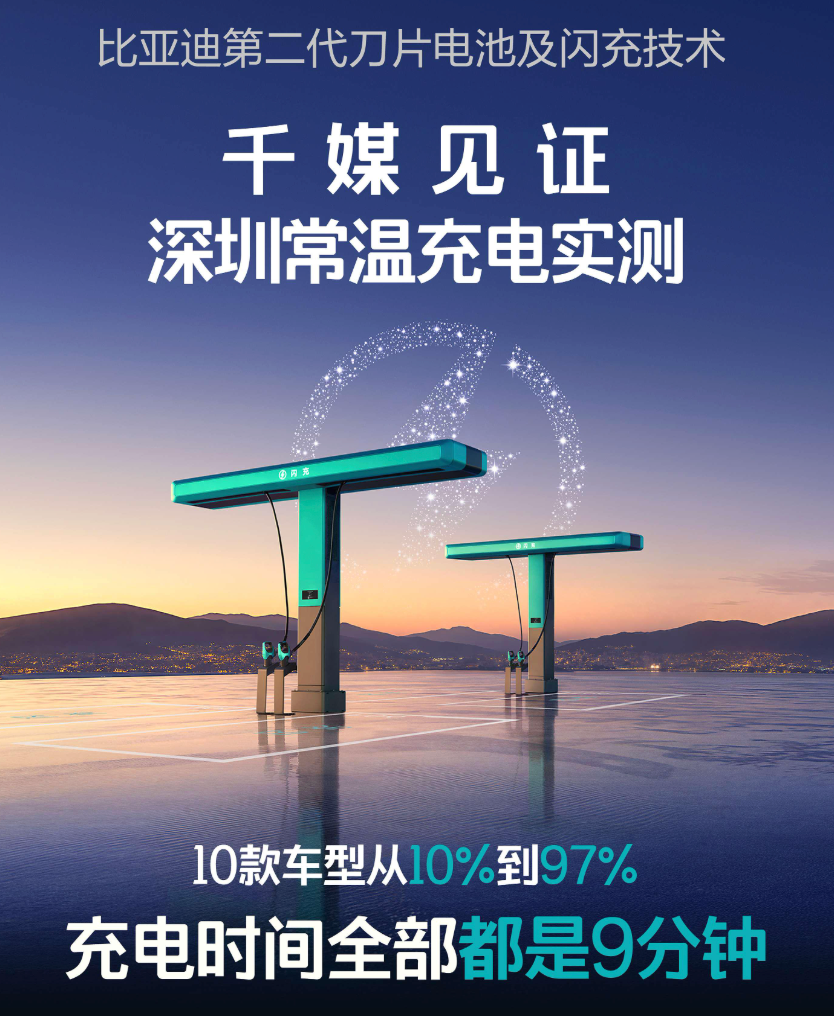
Image Source: Weibo
2027 will mark a new turning point for the industry. When electric vehicles no longer have significant weaknesses, the remaining scenario-based advantages of fuel vehicles will gradually erode.
The claim that ‘fuel vehicles have no future’ is not a bold prediction but a factual reflection of the industry’s inflection point.
The golden age of internal combustion engines has truly ended.
Disclaimer: This article is solely a commentary by Zhicaijing and does not constitute investment advice. All corporate data and regulatory events mentioned are derived from publicly available information and are for reference only, with official announcements prevailing. Images are sourced from the internet; if copyright issues arise, please contact us for removal.
-
![]()
Doubao Mobile Phone Officially Launches: GUI as a Fallback, AI Office as a Support
-
![]()
iFLYTEK Launches AStudio in a 'Desktop Gateway' War It Cannot Afford to Lose
-
![]()
BYD Executive’s Clear Stance: The Era of Fuel Vehicles Is Over
-
![]()
Final Ruling: Double-Digit Decline in Auto Production and Sales Over First Eight Months
-
Mega-Funding of 33 Billion RMB! Zhipu AI's Monumental Financing Round: Zhang Peng Ascends as the Unrivaled AI Titan!
-
WorkBuddy, Qianwen Office, TRAE Work, Baidu Dazi: A Head-to-Head Comparison of Four Major AI Office Platforms
-
![]()
The AI Industry is Experiencing a Complete Overhaul! Leading Figures Issue Joint Warnings – What’s Amiss with AI?
-
![]()
One Rocket Launches 10 Satellites! Private Rocket Makes Its Grand Entrance into the Satellite Internet "Delivery Fleet"