37.1% of Buyers Ditch Purchases Over Lack of CATL Batteries: Who Really Holds the Power Over My Battery?
 09/21 2026
 360
360

In the world of new energy vehicle (NEV) enthusiasts, there's long been a cryptic 'code': if the first three digits of the vehicle identification number (VIN) are 001, the battery is from CATL; if it's 0d5, it's from CALB; and if it's 09u, it's SVOLT... Many NEV owners, upon taking delivery of their new cars, don't rush to show off the exterior or interior. Instead, they crouch at the front of the car to jot down the VIN and join groups to verify the code. When buying a car worth over 200,000 yuan, the most nerve-wracking question for users isn't the final price, but rather, 'Which company's battery is installed in this car?'
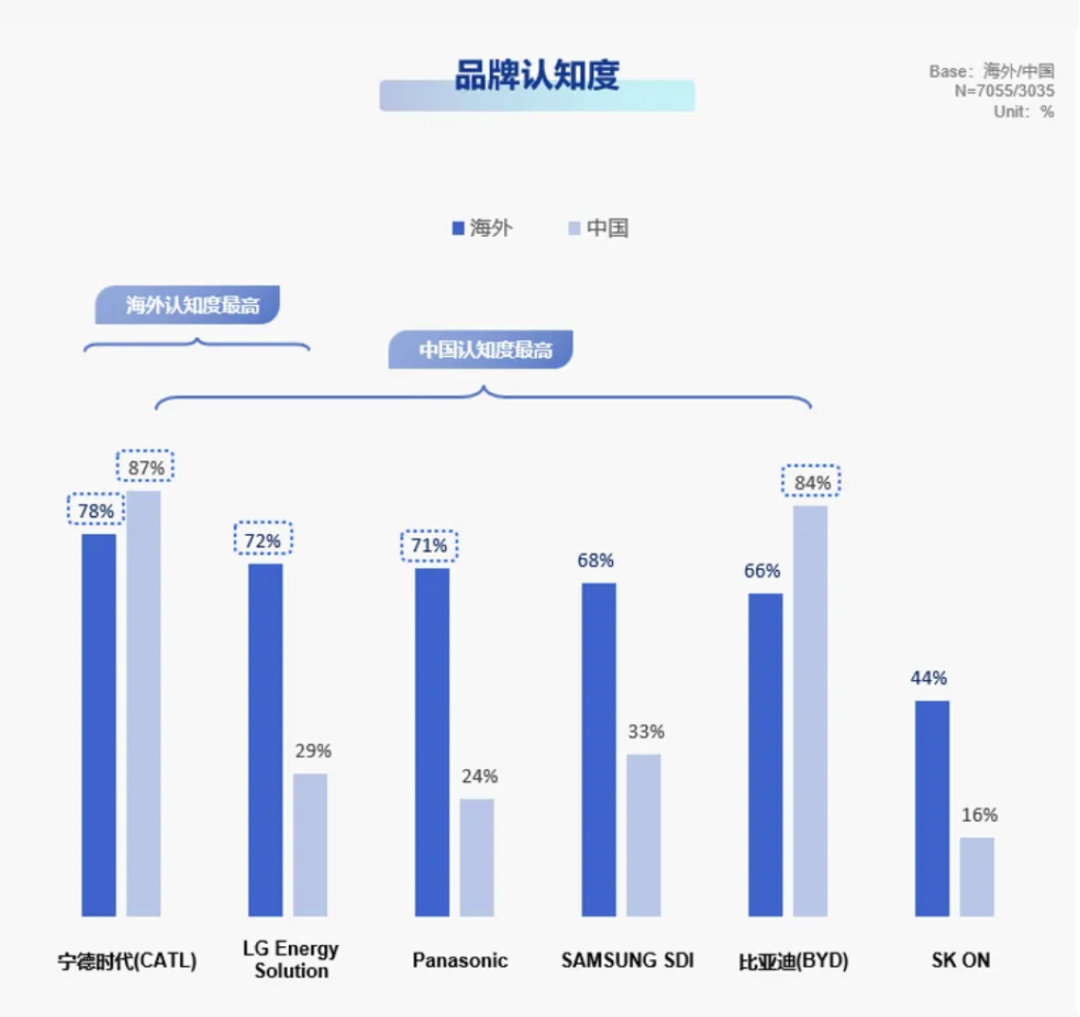
On September 17, authoritative agency NielsenIQ released the '2026 Global New Energy Vehicle Consumer Research Report,' which thoroughly exposed the anxiety Chinese consumers have faced in recent years due to the 'battery blind box' phenomenon in NEVs. The report reveals that batteries account for 13.8% of the weight in car purchasing decisions, surpassing intelligence (8.7%) and driving performance (8.6%), and ranking second only to overall vehicle safety. Among them, 37.1% of Chinese consumers stated that if their preferred model does not come with a CATL battery, they would abandon the purchase outright.
A vehicle comprises over 30,000 components, and never before has a component brand led consumers to reject a car—until now, with batteries being the exception. Many people's initial reaction to these figures might be that CATL has become the golden ticket influencing NEV consumption. However, another fact is that in recent years, the chaos of 'battery blind boxes' has been rampant. When consumers seek a battery that avoids pitfalls, CATL seems to be the only option.
Even now, when some automakers still try to placate consumers with slogans like 'mixed batteries do not affect safety,' Nielsen's report undoubtedly poses a soul-searching question: If mixed batteries are no problem, why are users afraid to take the gamble?
Editor | Li Jiaqi
Image Source | Internet
1. Why Has CATL Become the Golden Ticket in NEV Consumption?
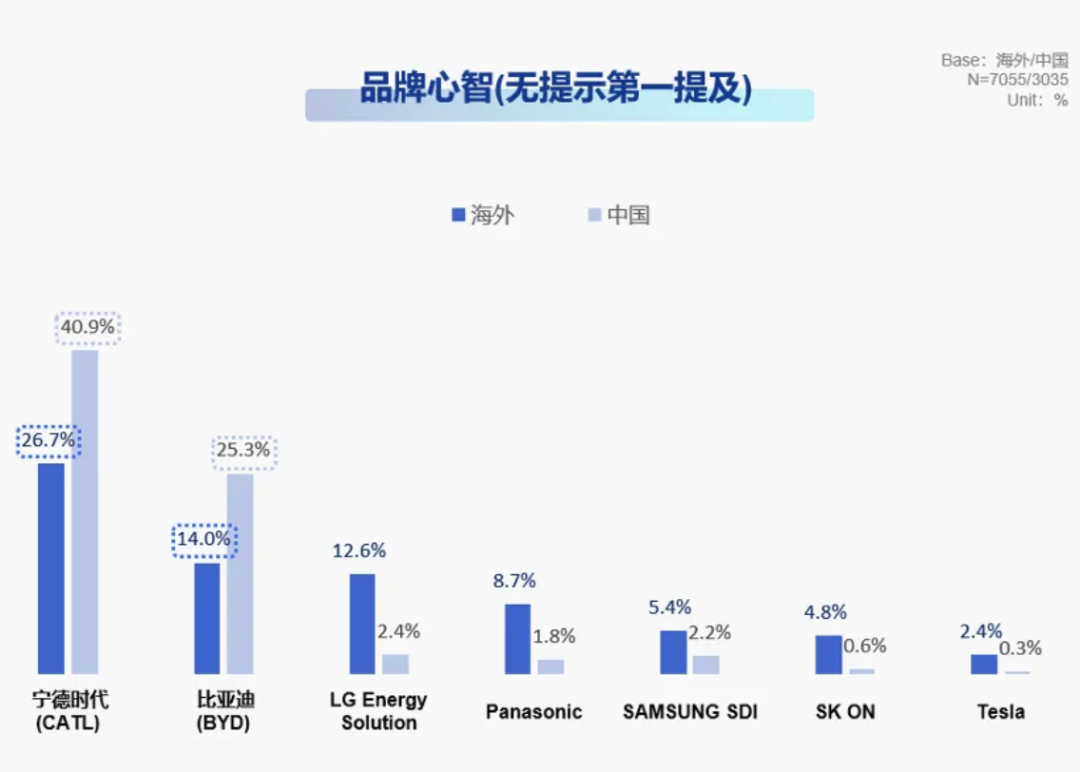
According to NielsenIQ's '2026 Global New Energy Vehicle Consumer Research Report,' CATL achieved a 40.9% unaided first mention rate domestically! This means that out of every 10 consumers, 4 think of CATL as their first battery brand choice without any prompting. Moreover, Chinese users' trust in CATL batteries exceeds 81%, ranking first in the industry.
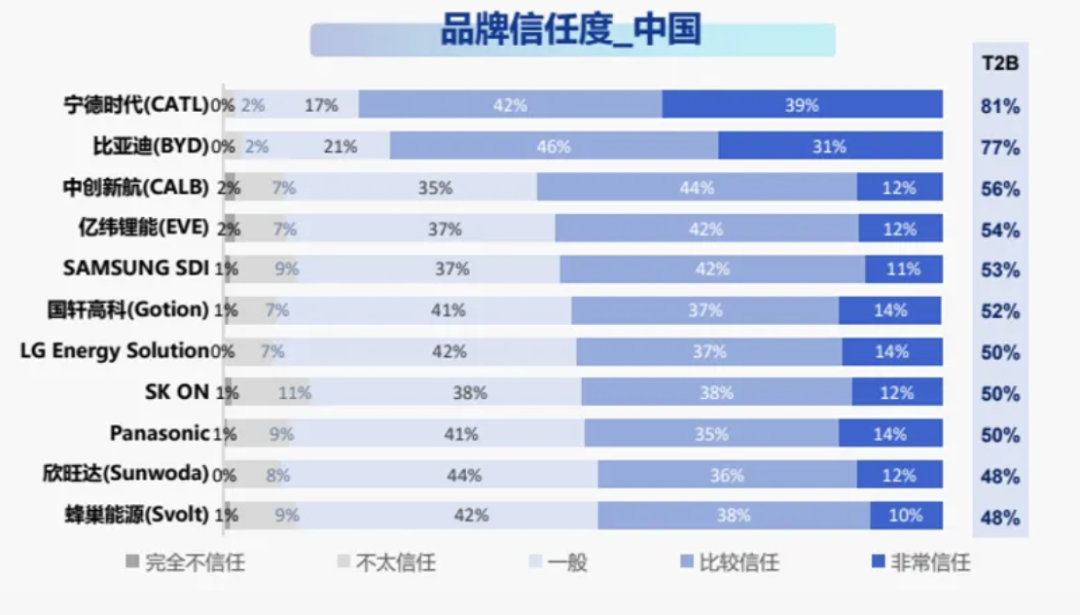
Seeing these numbers, many people's first reaction is: Why do consumers think of CATL first, rather than other brands?
If we estimate based on NielsenIQ's common practice of using a rolling 12-month sampling method for automotive research, the sample for this report was likely taken from 2024 to 2025. We found that during this period, CATL's global power battery installation volume reached 339.3 GWh, with a market share of 37.9%, ranking first globally for the eighth consecutive year, with an installation volume of approximately 246 GWh and a market share exceeding 45%. This massive scale brings not just simple 'volume' but also certainty on the supply side, a well-established after-sales network, widespread recognition in used car residual value, and insurance.
Therefore, these numbers do not just describe CATL's popularity in a relatively singular market context but directly reflect that CATL, as a battery company, has evolved from a 'behind-the-scenes component supplier' to a 'front-stage decision-maker' dominating NEV consumption! One reason for this phenomenon is that mainstream brands like Tesla, BMW, Mercedes-Benz, Li Auto, NIO, AITO, and Xiaomi have successively adopted CATL batteries.
This has made 'CATL batteries' almost a default product consensus among end-users.
Over the past 10 years, when launching numerous high-end models, including BMW, Mercedes-Benz, Porsche, Li Auto MEGA, and Xiaomi SU7 Max, CATL has been positioned as a core selling point for their respective products. This phenomenal endorsement by B-end brands has accelerated CATL's positive momentum, quickly transitioning from B-end automaker procurement to C-end consumer mindshare. Not every user understands batteries, but everyone knows 'who is using them.' Thus, a cognitive shortcut has formed through the flywheel effect of high-end branding: a good battery equals CATL.
Previously, according to Forbes China's New Luxury List, in the TOP 5 categories for pure electric MPVs and SUVs, CATL's matching rate (adoption rate) reached 80%. Similarly, this flywheel effect is also reflected in the circulation of used NEVs.
It is understood that over the past three years, used cars equipped with CATL batteries generally command a premium of 3,000 to 5,000 yuan, with differences for family cars even reaching 5,000 to 10,000 yuan. When scale, high-end positioning, and reputation align within the same time window, the entire market forms a positive cycle, making CATL naturally the first choice for consumers as the 'only credible label.' Therefore, the conclusion of NielsenIQ's research report, to some extent, carries a strong sense of inevitability and rationality.
2. CATL's Rise to the Top, 'Forced' by Battery Blind Boxes
Product capabilities certainly determine reputation, but gaps often create choices. In the era of traditional automobiles, whether it was ZF, Bosch, Michelin, or Aisin, there has never been a case in automotive consumption history where a brand was abandoned at scale due to a single component.
Many people don't understand why CATL, as a supplier brand, can cause over one-third of consumers to abandon a car simply because it doesn't use CATL batteries.
To understand why CATL receives such treatment, we must look at the market. In 2025, CheZhi.com received 102,003 complaints about NEVs, a 72.4% increase, involving 112 brands and 320 models. Over half of the complaints occurred within six months of purchase, with most related to battery issues.
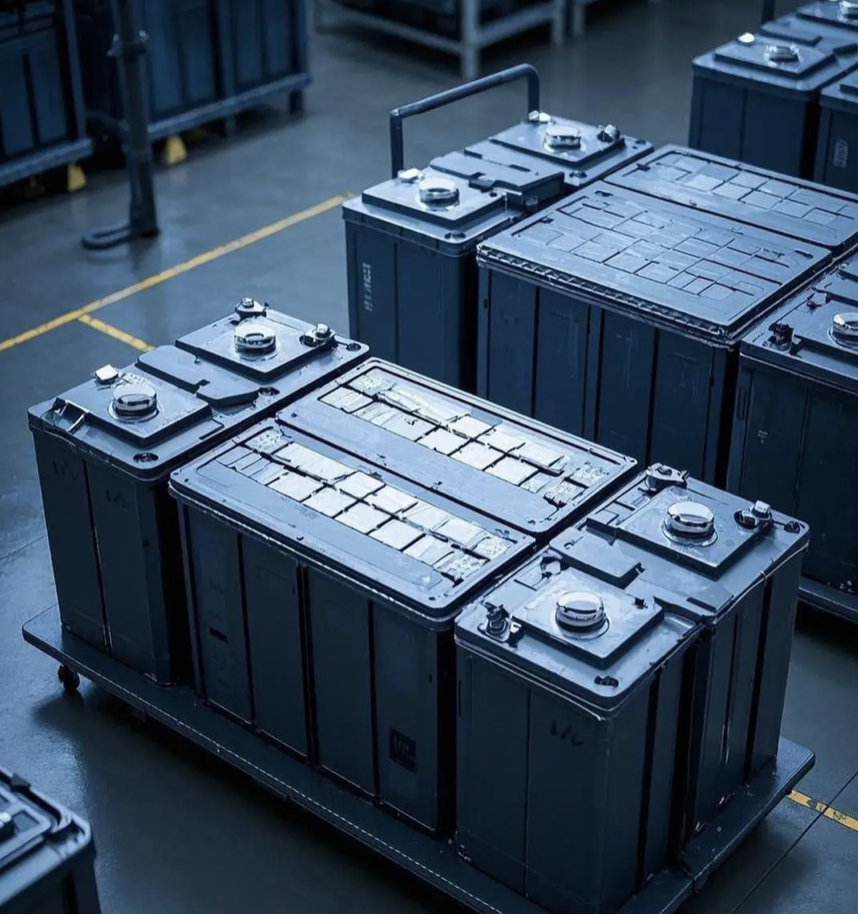
During this period, four landmark events erupted in the power battery sector: 1. Li Auto silently replaced the batteries in its L7 and L8 models with a random mix of CATL and Sunwoda batteries; 2. Widespread battery capacity locking issues in the Zeekr 001; 3. Xiaomi Motors officially acknowledged the existence of different batteries at the same price point in the SU7; 4. Great Wall Motors' WEY brand silently switched to mixed battery deliveries for the Blue Mountain model without consumer knowledge. It is reported that among the top 20 best-selling models in 2025, 80% employed dual or triple battery sourcing strategies.
In fact, the root cause of the conflict between battery blind boxes and consumer trust lies in extreme information asymmetry. Most automakers promote 'equipped with CATL batteries' as a selling point but mix in second-tier brands during actual delivery without actively informing owners. Relevant surveys show that over 70% of car owners were not explicitly informed of the battery brand at the time of purchase, with some only discovering the truth from maintenance invoices during their first service.
Most consumers are well aware of the practical differences in battery cells after use. Products equipped with different cells in the same model show significant differences in low-temperature range, fast-charging performance, and discharge feel. The reason is that different brands' cells have varying decay rates after hundreds of charge-discharge cycles—some decay slowly initially but accelerate after 1,500 cycles; others decay quickly at first but stabilize later. However, it is undeniable that during the same period, AITO models equipped with CATL batteries maintained a safety record with no accidents caused by battery quality issues, despite cumulative deliveries exceeding 1 million units, according to official statements.
For ordinary consumers, batteries are not as visible or tangible as smart features, nor do their performance differences become immediately apparent like driving dynamics. As a result, when consumers overlook battery parameters, cannot detect range differences during test drives, and face difficulties in rights protection after issues arise, brand loyalty becomes the only certainty they can grasp. In contrast, since securing automotive-grade certification through BMW's order in 2012, CATL has maintained a global market share leadership for nine consecutive years. At a time when no other company globally has directly built trust with hundreds of millions of consumers like CATL, CATL itself has become the only credible label.
3. Price Tiering: The Right to Choose Batteries Should Belong to Consumers
The tiered battery supply model is understandable in essence, as automakers aim to flexibly match different grades and costs of battery cells based on product positioning. The problem lies in the industry's current widespread practice: the same model, same configuration, same price, but with A batches using CATL, B batches using Sunwoda, and C batches using CALB... This tiering is not consumer tiering but directly shifting the lottery cost to users, to car buyers.
Some say: Can't automakers simply tell consumers which battery is used? The answer is no. If automakers only inform consumers, 'You got Sunwoda,' but keep the price the same as the CATL version, it merely replaces the black box with a transparent box—the lottery remains. Others ask: Why not procure all batteries from CATL?
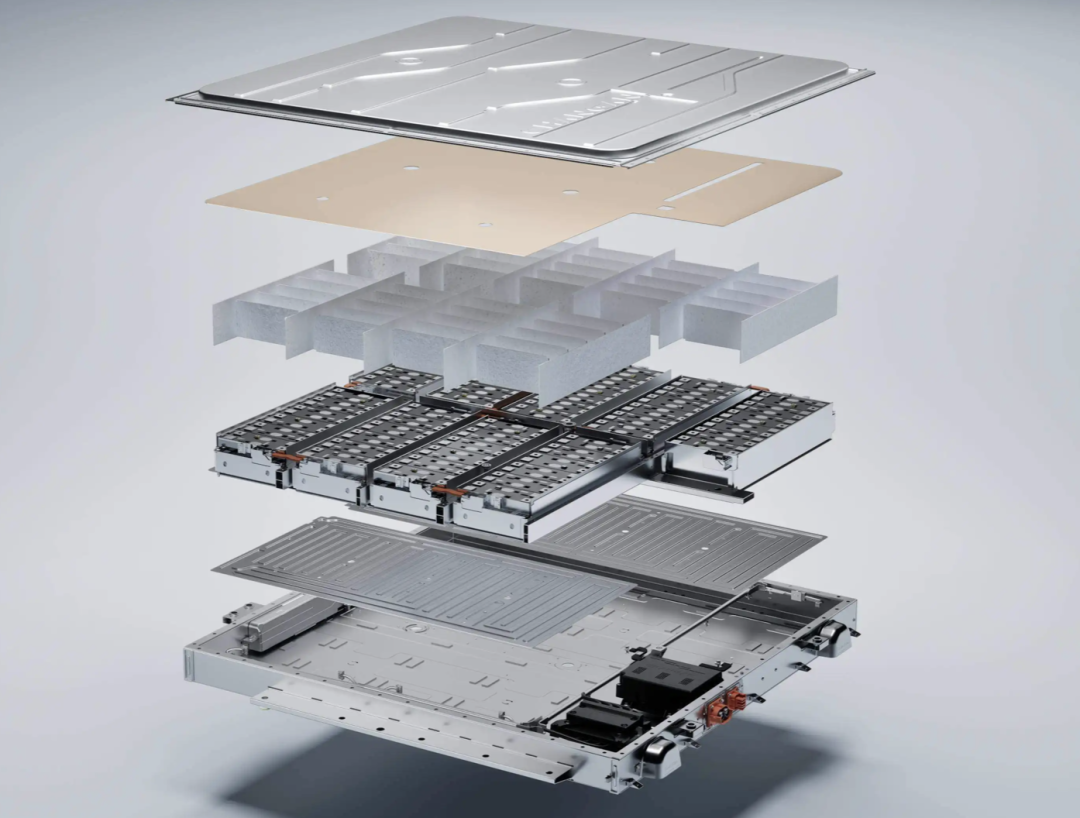
In reality, for battery packs of the same specification, the procurement price difference between top-tier and second/third-tier suppliers can reach up to 10,000 yuan. For a 200,000-yuan car, 10,000 yuan represents a 5-point gross margin, which is already a matter of survival for some automakers. Even disregarding profit margins, CATL's production capacity alone cannot support the entire automotive industry's demand. Therefore, tiered battery supply by automakers is almost inevitable. However, the problem is that simple supply tiering without product price adjustments ultimately leaves consumers footing the bill. The only real solution is: tiering without ambiguity, letting car prices follow the battery brand, and implementing clear procurement and supply tiering to return the right to choose to consumers.
Simply put, bundle battery performance into products at different price points and let users choose freely. Want a better battery? Budget for a higher trim. Limited budget? Opt for the base specification. Users willing to pay more for certainty can choose the CATL version at a premium; budget-sensitive users accepting some uncertainty can opt for the second-tier version.
With the implementation of the 'Safety Requirements for Power Batteries for Electric Vehicles' in 2026, policy-driven battery information transparency is imminent. When all automakers must clearly label suppliers and parameter performance, opening the 'battery blind box' lid is only a matter of time. Only by letting everyone see what they are buying and understand how much they are paying for this certainty can the battery anxiety among NEV users during the consumption process be truly resolved. Only by returning the right to choose to consumers and letting prices follow the battery brand can the hidden battery pain point behind the 37.1% of consumers be genuinely addressed.
End
With Knowledge and Style, 'Whoosh'~ Let's Go...
-
![]()
Stellantis CEO: Global Auto Market Splits into U.S. and the Rest
-
![]()
37.1% of Buyers Ditch Purchases Over Lack of CATL Batteries: Who Really Holds the Power Over My Battery?
-
![]()
Volvo S90 Price Plummets from 400,000 Yuan to 220,000 Yuan! Traditional Luxury Cars Face More Than Just a Price War
-
![]()
Starting from 135,900 yuan! Official Announcement of Volkswagen's New All-Electric Vehicle: Official Launch on September 20
-
![]()
281,000! Toyota's New Car Announcement: Official Launch on September 21
-
![]()
Landun Optoelectronics Faces Persistent H1 Losses as Environmental Monitoring Revenue Dwindles, Eyes Cross-Border ‘Light Chase’ for Turnaround
-
![]()
Dongfeng Unveils Its New Vehicle: Available for Purchase Starting September 28!
-
![]()
Official Launch of Audi’s New Model: Debuting September 20, Merging Style and Emotion, First Road Test by Han Han!