Huawei and Seres: Transforming Partnerships, Redefining Roles
 09/21 2026
 527
527
Introduction | Lead
The evolution of the partnership between Huawei and Seres represents more than a mere strategic shift; it marks a pivotal phase in the 'tech company + automaker' collaboration model within China's automotive sector. As Huawei's technological influence expands, the dynamics of product development, brand management, distribution, and profit-sharing between the two entities are undergoing a significant realignment.
This article is produced by Heyan Yueche Studio
Authored by Zhang Chi
Edited by Hezi
Full text: 3,210 characters
Reading time: 4 minutes
The smart vehicle collaboration framework between Huawei and Seres is poised for transformation.
In the future, Huawei will adopt a more streamlined, asset-light approach in its partnership with Seres. Business segments such as product development, marketing, sales, and after-sales services, currently spearheaded by Huawei, will transition to Seres' leadership, with Huawei providing strategic support. Following this restructuring, the Harmony Intelligent Mobility Alliance (HIMA) will intensify its focus on core resources to propel the growth and success of brands like Luxeed, Enjoy Auto, Exceed Auto, and Shang Auto, thereby solidifying HIMA's foothold in the industry and market.
'This represents an enhancement in the cooperation model between Seres and Huawei. AITO remains a cornerstone of the HIMA family, and Huawei's consumer business group will continue to offer robust support. Contrary to some interpretations, this is not a split or withdrawal,' stated Kang Bo, Director and Vice President of Seres, recently. He underscored that the model adjustment does not signify a 'separation,' and AITO's synergy with Huawei will remain strong. Future product plans encompass expansion into the sedan and MPV segments, as well as penetration into high-end overseas markets.
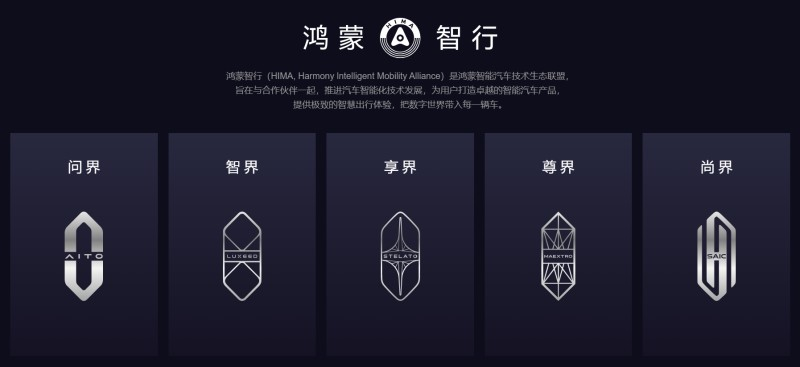
△ AITO's Evolving Role Within Harmony Intelligent Mobility Alliance
Huawei and Seres: A Tale of Mutual Prosperity
Without Huawei's involvement, AITO and Seres Automobile would not have achieved their current prominence. Conversely, Huawei and Seres have also mutually propelled each other's success.
In April 2021, the two companies launched the Seres Huawei Smart Selection SF5 and integrated the complete vehicle into Huawei's sales channels, marking the inception of Seres Automobile's rapid ascent in the Chinese automotive market. Subsequently, Seres introduced the AITO brand, which swiftly emerged as a significant contender in China's high-end new energy vehicle market.
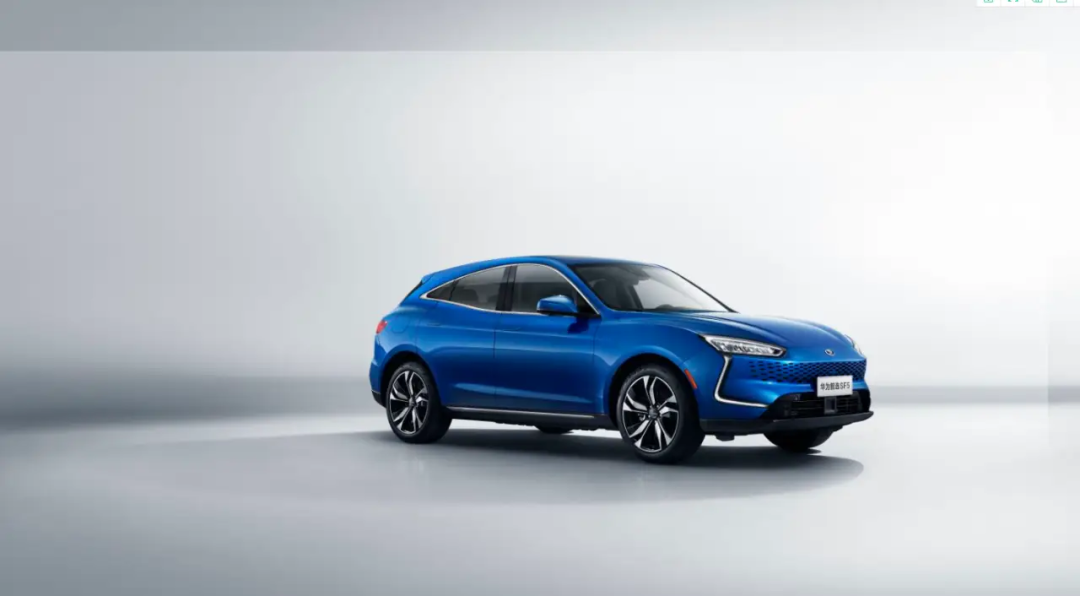
△ The Launch of the Seres Huawei Smart Selection SF5 Initiated the Collaboration Between Huawei and Seres Automobile
In the first half of 2026, the AITO M9 secured the top position in sales for passenger vehicles priced above RMB 500,000 for two consecutive months, with cumulative deliveries across all models surpassing 300,000 units. More notably, in July 2026, the AITO brand achieved an average transaction price of approximately RMB 415,000, becoming the sole mainstream automotive brand with an average transaction price exceeding RMB 400,000. Meanwhile, the M9 maintained a monthly sales volume of nearly 10,000 units in the market segment above RMB 500,000.
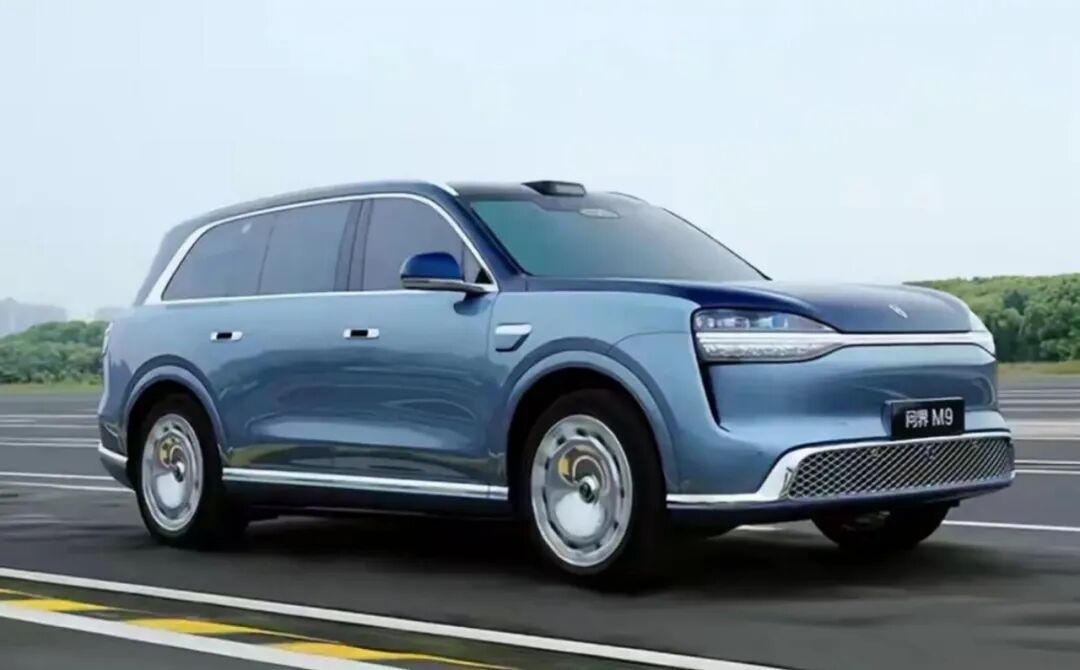
△ AITO M9's Ascendancy in China's Market for Vehicles Priced Above RMB 500,000
This signifies that AITO's breakthrough transcends merely offering new energy models as 'price alternatives' to traditional luxury brands. Instead, it has begun to directly compete in terms of brand and product value within the core price range of RMB 400,000–600,000, traditionally dominated by luxury brands, leveraging its intelligent driving, intelligent cockpit, electrification technologies, and overall user experience.
However, it is equally crucial not to overlook Seres' indispensable role in facilitating Huawei's entry into China's automotive market and the establishment of the HIMA ecosystem.
In 2021, Chen Hong, Chairman of SAIC Motor, introduced the 'Soul Theory' during a shareholders' meeting when discussing cooperation with Huawei. In 2023, GAC Group announced its withdrawal from the HI (Huawei Inside) mode, shifting the AH8 project to independent development and redefining Huawei's role from a deep partner to a key supplier. Few anticipated then that both SAIC and GAC would later deepen their automotive business collaborations with Huawei and become significant participants in Huawei's 'Five Brands, Three Realms' ecosystem. This outcome is closely linked to Seres' early and resolute decision to partner with Huawei.
In this context, Huawei has enabled the success of today's AITO and Seres, while Seres has assisted Huawei in penetrating the automotive industry, establishing the smart selection vehicle model, and expanding the 'Harmony Intelligent Mobility Alliance' ecosystem.
This encapsulates the true essence of 'mutual prosperity' between Huawei and Seres: Seres leveraged Huawei to transition from a traditional automaker into a high-end new energy brand, while Huawei utilized Seres to evolve from an automotive supplier and technology enabler into an organizer of an intelligent automotive ecosystem.
Huawei's Support Comes at a Cost
While Huawei has played a pivotal role in revitalizing Seres' fortunes, Seres has also provided Huawei with substantial returns.
Based on public financial reports and media disclosures, Seres procured approximately RMB 22.3 billion worth of intelligent and electric drive-related products from Huawei in 2025. With around 426,000 AITO vehicles sold annually, this equates to roughly RMB 52,000 per vehicle. Considering the reported approximately 10% technology licensing and channel service fees, and assuming an average transaction price of around RMB 390,000, Huawei's revenue per AITO vehicle amounts to approximately RMB 90,000.
However, Seres is confronting escalating operational pressures. In the first half of 2026, the company's revenue was RMB 57.493 billion, down 7.87% year-on-year. Net profit attributable to shareholders was a loss of RMB 1.717 billion, compared to a profit of RMB 2.941 billion in the same period last year. Non-recurring profit and loss net profit was a loss of RMB 2.379 billion, compared to a profit of RMB 2.474 billion last year.
The cost of cooperation between Seres and Huawei is substantial. In July 2024, Seres announced its intention to acquire 919 text and graphic trademarks, including the AITO brand series, and 44 related automotive exterior design patents held by Huawei and its affiliates for RMB 2.5 billion. In August 2024, Huawei and Seres signed an investment agreement with Shenzhen Yinwang Intelligent Technology Co., Ltd., with Seres acquiring a 10% stake. By September 2025, Seres had announced the full payment of RMB 11.5 billion for this equity transaction.
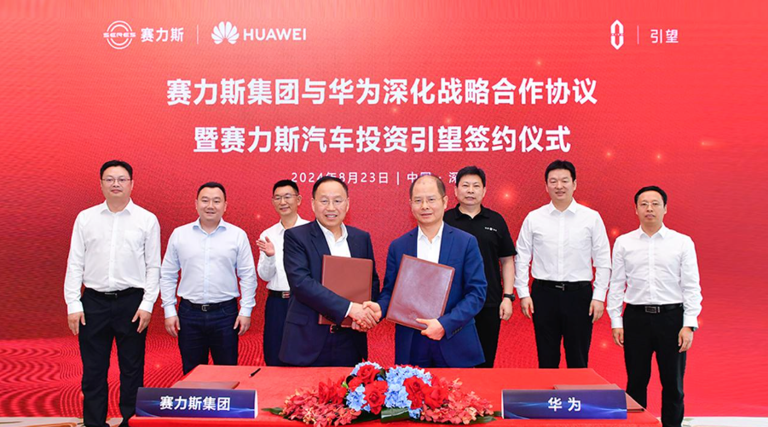
△ The Fees Paid by Seres to Huawei Are Substantial
An even greater challenge for Seres is that Huawei's support, once a unique advantage for AITO, is gradually becoming a common choice among more automakers. Besides the 'Five Brands, Three Realms,' numerous traditional automakers have also started adopting Huawei's intelligent cockpit and intelligent driving technologies. As Huawei's technologies permeate more brands, the differentiated advantage that AITO previously relied on is being eroded, making it more arduous to sustain high brand premiums.
Meanwhile, within HIMA's current brand portfolio, AITO primarily focuses on the SUV market, which to some extent limits its ability to further refine its product lineup in response to market demand.
The confluence of operational pressures, high cooperation costs, diminished brand differentiation, and a constrained product lineup may be key reasons why Seres seeks to reinforce its project leadership. Moving forward, Seres needs to address not only how to continue leveraging Huawei's technological and ecological advantages but also how to gradually establish its own capabilities in product definition, brand operation, and market dominance.
Both Sides Seek Transformation
For Seres, reducing reliance on Huawei is clearly not a decision made lightly but one arrived at after careful deliberation. It must be acknowledged that AITO's current achievements owe much to Huawei's technological, brand, and channel capabilities. Consumers choose AITO largely because of Huawei's technology and brand influence, not just AITO or Seres themselves. Without Huawei's comprehensive support, it is doubtful that Seres' predecessor, Dongfeng Xiaokang, would have attained its current stature.
Therefore, what Seres truly needs to address next is how to gradually build its own product, brand, and channel capabilities while continuing to leverage Huawei's strengths. It is worth noting that while several models in the domestic market are equipped with Huawei's intelligent driving technologies, their sales performance is not outstanding. This indicates that while Huawei's technology is a crucial component of product competitiveness, it does not guarantee sales success.
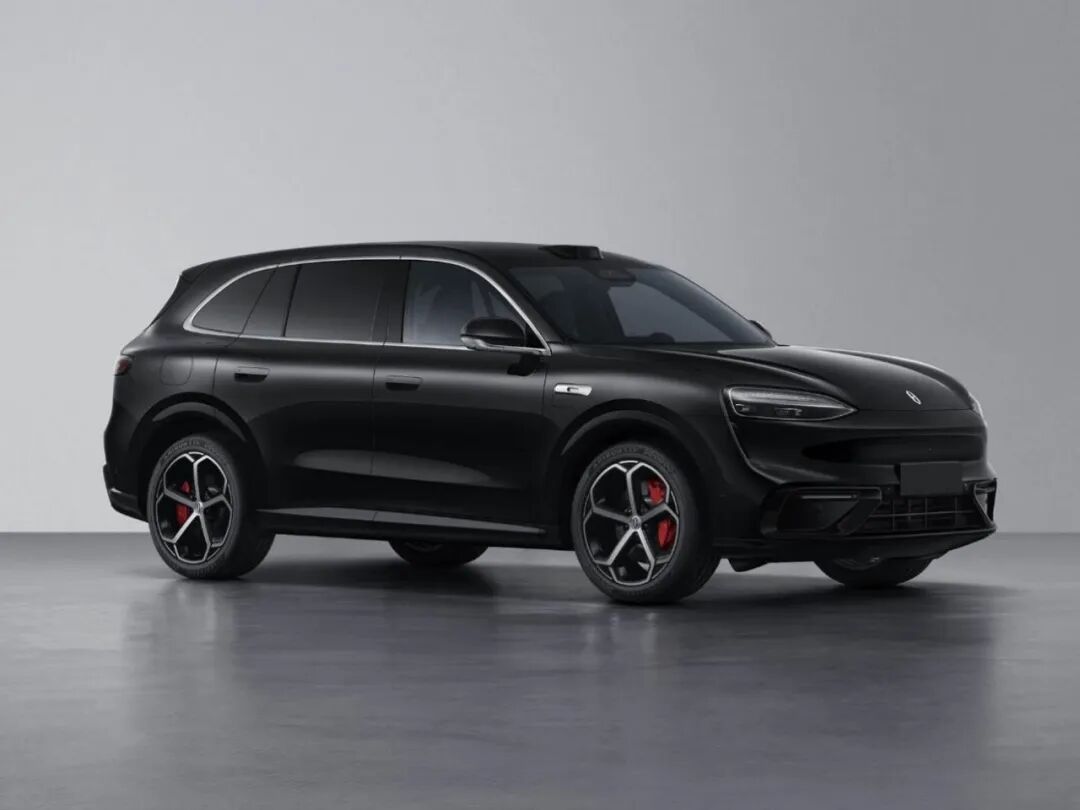
△ Seres Now Needs to Rely on Its Own Strengths to Plan and Launch Competitive Models
Compared to Seres, Huawei faces an even more critical question regarding its future trajectory in China's automotive market.
Huawei's management has consistently emphasized its stance of 'not building cars.' Given this, maintaining long-term, stable cooperative relationships with automakers becomes paramount. Taking the current top performers in the domestic market—BYD, Geely, and Leapmotor—as examples, Huawei's support is clearly not the sole reason for their success. In the high-end new energy vehicle market, brands like NIO, Li Auto, XPENG, and Zeekr remain significant competitors to AITO and HIMA.
Within HIMA's 'Five Brands, Three Realms' ecosystem, AITO has a relatively high degree of dependence on Huawei. In contrast, SAIC and Chery view their cooperation with Huawei as just one facet of their overall product strategies, with Shang Auto and Luxeed not being their sole growth pillars. BAIC BluePark is seeking further collaboration with companies like Li Auto, while JAC has long had the support of businesses like JAC-Volkswagen.
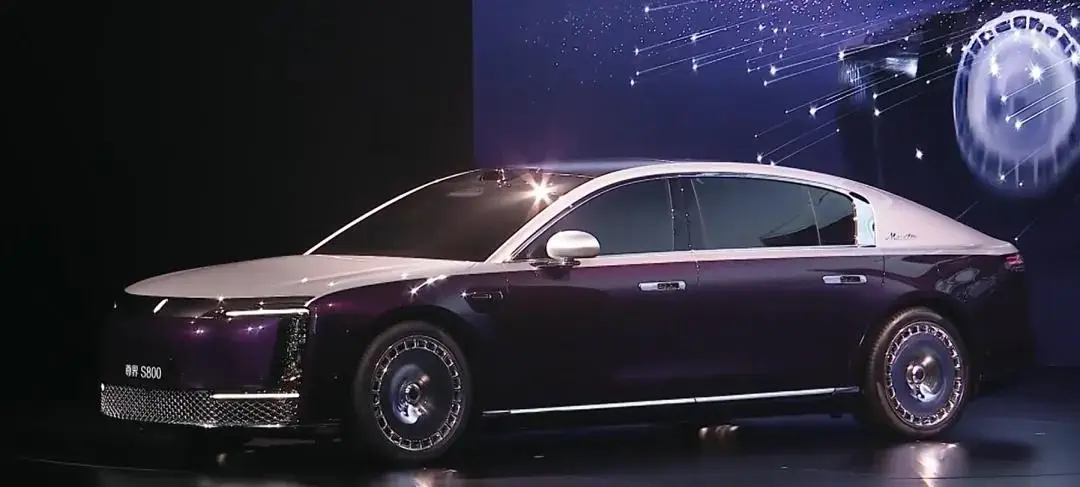
△ How Huawei Can Foster Stronger Business Relationships with Automakers
In other words, if these automakers gradually enhance their own product and brand capabilities in the future, their reliance on Huawei will naturally diminish, and they will have more options in their cooperative relationships.
Of course, Huawei bears significant R&D investment and technological failure risks, and there is nothing amiss with seeking reasonable returns through its technologies, products, and services. However, with the automotive industry's overall gross profit margins under continuous pressure, whether automakers can sustain high technology and service costs in the long run will be a crucial factor determining the viability of the cooperation model.
A similar scenario has already unfolded in the power battery sector. In recent years, domestic automakers have been seeking to reduce their reliance on CATL and find second-tier suppliers. This essentially represents a rebalancing of costs, supply chains, and bargaining power. On April 16, 2026, CATL's A-share price once reached approximately RMB 460, corresponding to an A-share market capitalization of around RMB 2.1 trillion; recently, its combined A+H market capitalization has fallen to RMB 1.4 trillion.
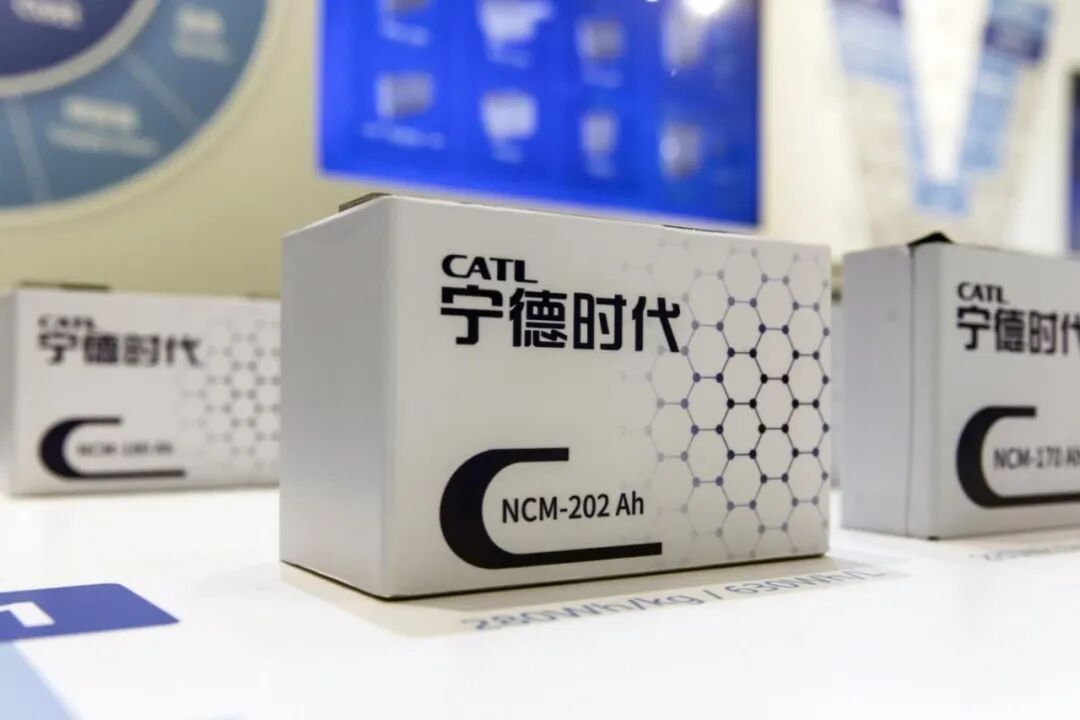
△ CATL's Recent Stock Price Decline Reflects Investor Concerns About Its Future Earnings Growth
From this vantage point, the adjustment in the cooperation model between Huawei and Seres may not only be about Seres reducing its reliance on Huawei but could also be a microcosm of the entire automotive supply chain seeking a new equilibrium between 'technological value, brand value, and costs.' For Huawei, the real question it needs to answer in the future is: while adhering to its 'no car-building' stance, how can it ensure that automakers are both willing to continue using Huawei's technologies and ecosystem and able to retain sufficient brand and operational autonomy? Achieving this balance will directly impact the long-term vitality of Huawei's automotive business model.
Commentary
Huawei has enabled AITO's success, and Seres has helped Huawei validate the feasibility of its smart selection vehicle model. However, as intelligent technologies become more widely adopted, automakers' demands for profitability and control over products and brands will inevitably intensify. The significance of this adjustment extends beyond Seres reducing its reliance on Huawei; it prompts the industry to reconsider how tech companies and automakers should collaborate and achieve long-term mutual benefit.
(This article is original to Heyan Yueche and cannot be reproduced without authorization.)
-
![]()
How Much Capital Do Large AI Models Consume? Zhipu Raises 75.6 Billion Yuan in Funding This Year, Faces Valuation Reassessment Amid Market Cap Decline
-
![]()
German Chassis Meets Chinese Smart Driving: ID.AURA T6 Is More Than Just a Pretty Face
-
![]()
OPPO at 31: The Time for 'Integrity' to Deliver is Here
-
![]()
Huawei and Seres: Transforming Partnerships, Redefining Roles
-
![]()
Re-examining the AI Slowdown Debate: Why It’s Easier to Advocate for a Pause Than to Actually Implement One
-
![]()
GAC Secures a 'Powerful Partner' | Auto Circle
-
Apple Finds Itself in a Tight Spot: iPhone18 Pro's Camera Trails Behind Huawei's Year-Old Model
-
![]()
Li Xiang's Investment Ambitions: Becoming Second Largest Shareholder of Sunwoda and 'Sweeping Up' Robot Companies