Has Geely Made a Strategic Shift: From Brand-Specific to Group-Wide Charging Networks?
 09/21 2026
 446
446
By 2026, competition in the new energy vehicle (NEV) market has evolved beyond merely 'selling more cars' to 'constructing superior energy replenishment networks.' After several years of explosive growth, the focus on competing solely based on range and price is fading. What truly matters to vehicle owners now is the ability to quickly charge during long-distance travel and the availability of reliable ultra-fast charging stations near their residences. In a fiercely competitive market, the ability to offer a seamless energy replenishment experience is key to retaining users.
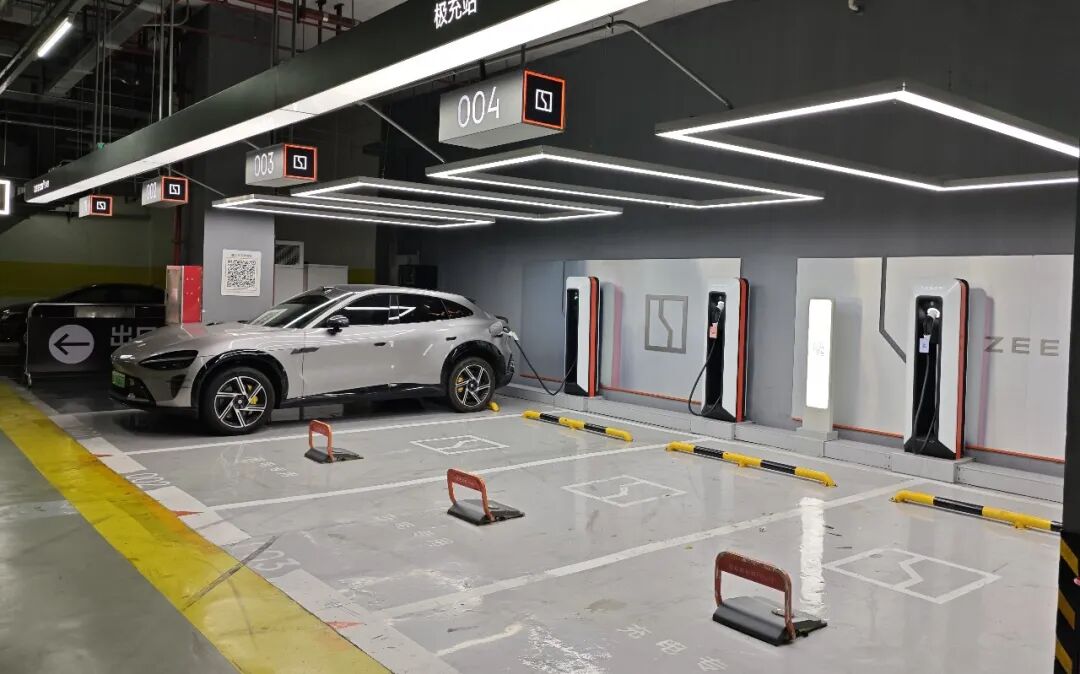
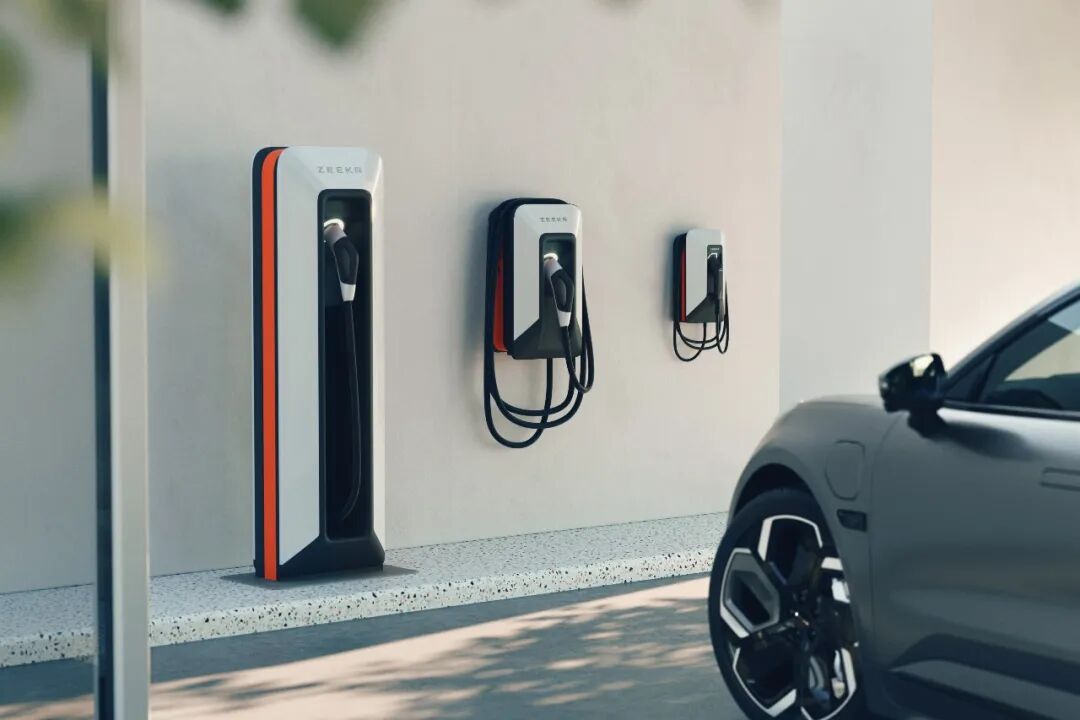
Against this backdrop, Geely's recent series of adjustments to its charging network have drawn significant attention. Currently, brands such as Galaxy, Lynk & Co, smart, and Lotus are progressively integrating with Haohan Energy. This self-built ultra-fast charging network, initially designed exclusively for Zeekr, is now becoming a shared resource for the entire Geely group.
From Zeekr-Exclusive to Group-Wide Sharing
Let's trace the origins. Although Haohan Energy only gained widespread recognition in 2025, its predecessor, Zeekr Energy, was established in 2021 with a singular focus: to build charging stations for the Zeekr brand.
At that time, Zeekr had just become an independent entity and required an energy replenishment system distinct from traditional Geely channels to support its positioning as a 'luxury pure electric' brand. Building self-owned ultra-fast charging stations was thus the logical choice. By the end of 2023, Zeekr had constructed 882 self-owned charging stations covering 137 cities, including 436 800V ultra-fast charging stations—a figure that ranked highly among NEV startups at the time, but which exclusively served Zeekr vehicle owners.
The turning point came in the second half of 2025. In early November, Geely Galaxy announced its full integration with Haohan Energy, instantly granting Galaxy vehicle owners access to nearly 2,000 self-built charging stations and a replenishment network spanning over 210 cities. Shortly after, in early December, Lynk & Co's charging map was also integrated, marking full access for Geely Galaxy, Zeekr, and Lynk & Co—the group's three major brands.
Entering January 2026, smart, due to the expiration of partnerships with some third-party operators, seamlessly integrated with Haohan Energy's charging resources. That same month, Lotus Cars also officially announced its integration, initially covering over 600 stations. What was once a privilege exclusively enjoyed by Zeekr is now shared among five brands, all within just over two months.
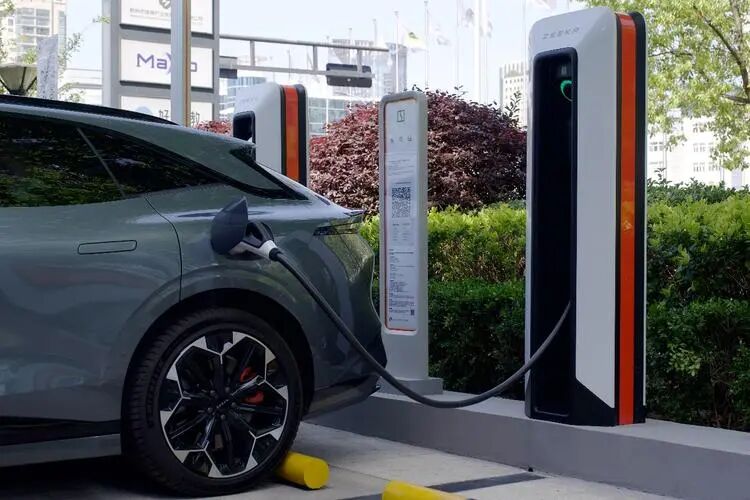
This strategic shift was not abrupt. As Geely's portfolio of NEV brands continues to expand, having each brand build its own charging stations is neither practical nor cost-effective. The 800V ultra-fast charging network built by Zeekr with substantial investment would see low utilization if it only served a few hundred thousand Zeekr vehicle owners, leading to a prolonged return on investment period. Conversely, transforming it into a group-level energy replenishment foundation, shared by all NEV models, spreads costs and boosts utilization—a far more efficient approach.
How Has the Energy Replenishment Experience Changed for Vehicle Owners?
For ordinary vehicle owners, the most noticeable change is the increased availability of charging stations. Previously, Galaxy models relied mainly on third-party operators for charging, with stations scattered across various apps, making the process of finding stations, comparing prices, and switching apps for payment relatively cumbersome. Now, with the Galaxy app, the status of Haohan Energy's self-built stations is clearly visible.
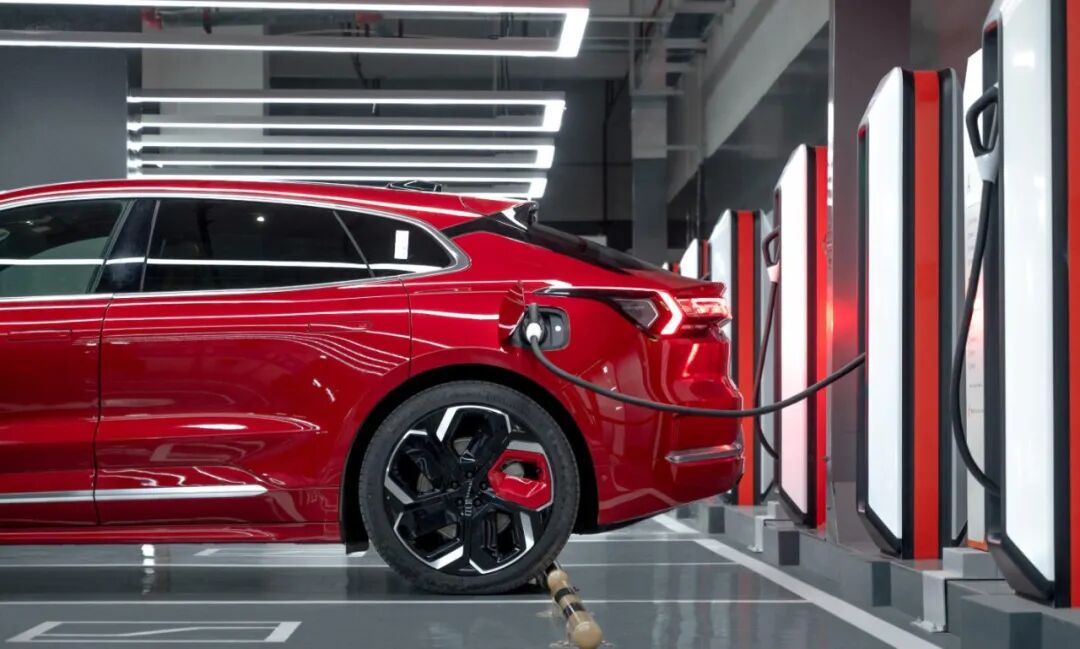
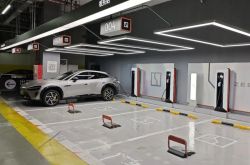
As of early 2026, Haohan Energy boasts over 2,000 self-built charging stations covering 216 cities, including 1,200 ultra-fast charging stations and 5,400 ultra-fast charging piles. These stations adhere to Zeekr's stringent equipment standards and operational maintenance levels, ensuring a consistent charging experience. Coupled with access to over 1.3 million charging guns from third-party operators, achieving 100% coverage of prefecture-level administrative units, vehicle owners now have significantly more options when they venture out.
Especially for models equipped with 800V high-voltage platforms, the ultra-fast charging piles at self-built stations offer more precise power matching with the vehicles, unlike some third-party piles that claim high power but fail to deliver. Models like the Galaxy E8 and Zeekr 001 can more stably output charging power close to their rated values at Haohan Energy's ultra-fast charging stations, reducing the time to charge from 30% to 80% to under twenty minutes. This bidirectional compatibility between vehicle models and the network is something that simply relying on third-party piles cannot achieve.
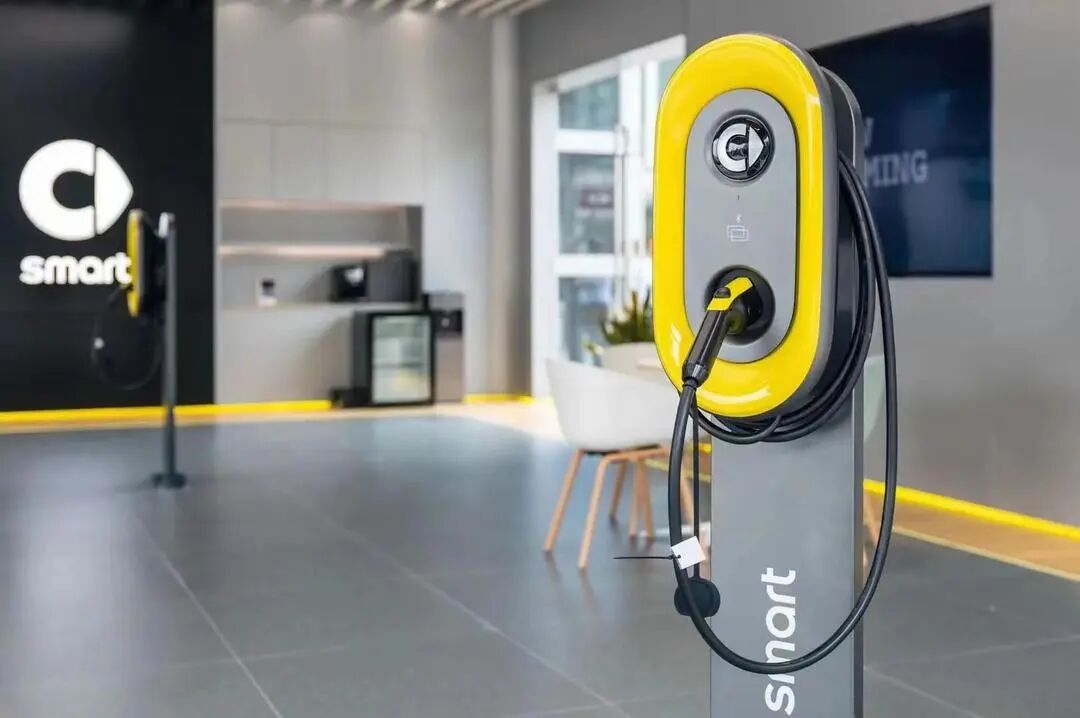
Of course, with multiple brands sharing a single network, usage scenarios have become more complex. For example, some brand vehicle owners may need time to familiarize themselves with the new station distribution when they first switch to Haohan Energy. Additionally, Zeekr's long-time vehicle owners, accustomed to 'charging immediately upon arrival,' may now face queues during peak hours. These are details that require continuous optimization as the network expands.
Self-Built vs. Collaborative Approaches: How to Choose?
From an industry perspective, Geely's adjustment essentially addresses a fundamental question: Should automakers build their own energy replenishment networks or collaborate with others? BYD's approach leans towards collaboration.
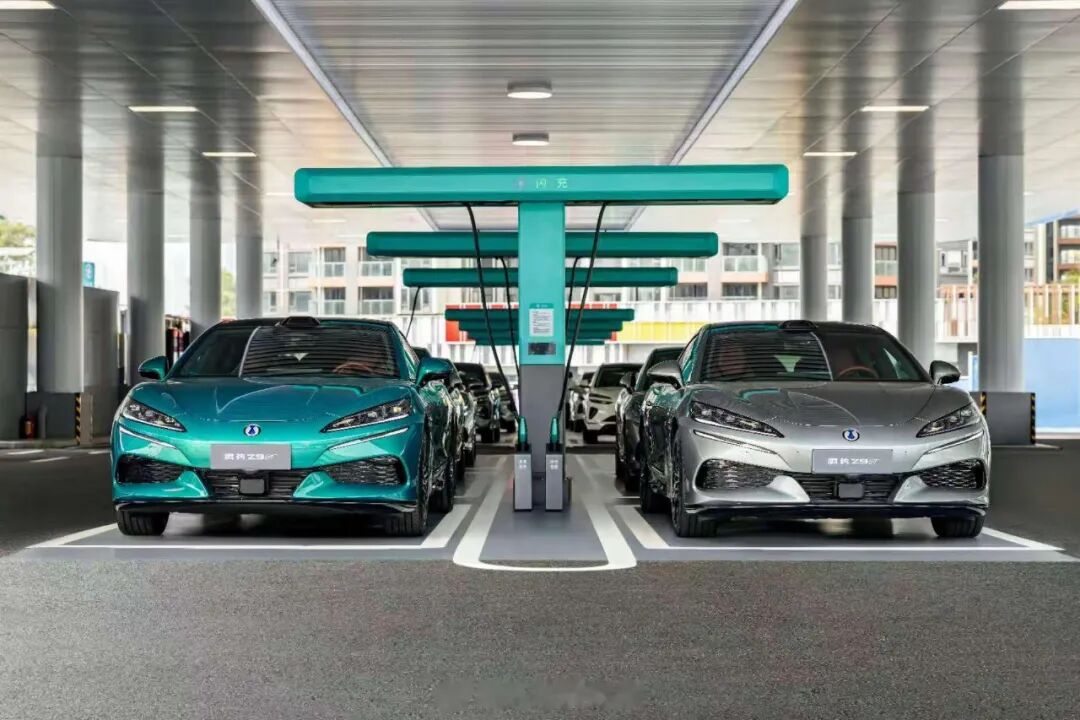
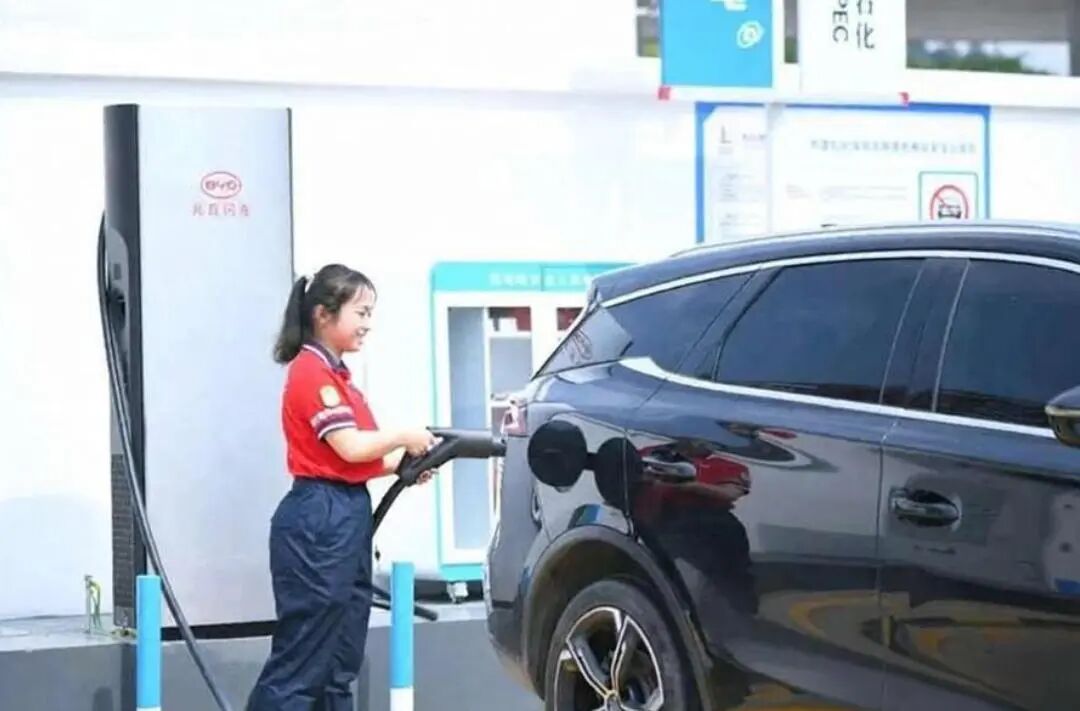
In March 2026, BYD launched its 'Flash Charge China' strategy, planning to build 20,000 flash charging stations by the end of the year, including 18,000 'flash charging stations within stations,' leveraging existing networks from partners like Sinopec, Didi Charging, and Xindiantu. In June 2026, BYD signed a deep strategic cooperation agreement with Sinopec to directly transform gas stations into flash charging stations. This asset-light, rapid-expansion model leverages partners' sites and traffic to quickly roll out, but the equipment standards, operational maintenance quality, and user experience at these stations largely depend on the partners' execution.
Geely, on the other hand, has taken a different path. Haohan Energy is built on Zeekr's self-built 800V ultra-fast charging network over the years, with stations, equipment, operational maintenance processes, and user interfaces all under its own system, making it easier to ensure consistent quality. However, the cost of self-building is evident—it's capital-intensive and slow to expand. The over 2,000 stations pale in comparison to BYD's planned 20,000.
When it comes to capital-intensive self-building, NIO is an unavoidable reference. Each NIO battery swap station costs over a million yuan and only serves its own brand's vehicle owners, requiring substantial upfront investment. By opening up Zeekr's ultra-fast charging network to all brands within the group, Geely is, in a way, answering the same question: How can a capital-intensive energy replenishment network avoid being tied to a single brand's sales volume? The answer lies in multi-brand sharing, expanding the user base, and enabling a single asset to serve more people.
Neither approach is inherently superior. The collaborative model excels in speed and coverage, while the self-built model shines in experience and standards. BYD can quickly roll out megawatt flash charging across the country by leveraging gas station networks, while Geely can enhance the utilization of its self-built network through multi-brand sharing within the group. For vehicle owners, what ultimately matters is not which strategy sounds better, but which ultra-fast charging pile within three kilometers of their home is easier to find, use, and more reasonably priced.
Ultimately, charging networks are not just about infrastructure. They represent an automaker's commitment to service and a testing ground for group integration. Geely's transformation of Zeekr's exclusive network into a group-wide public resource, and BYD's collaboration with Sinopec to transform gas stations, are both seeking a balance between 'heavy investment' and 'rapid expansion.' As for which model will succeed, it may take another year or two, after these vehicle owners have truly put them to the test, to find out.
-
![]()
Lei Jun’s 200 Billion: Why Does He Always Make Bold Moves After Trends Emerge, Rather Than Before?
-
![]()
Has Geely Made a Strategic Shift: From Brand-Specific to Group-Wide Charging Networks?
-
![]()
Guangxi Automobile Group Unveils 'Capacity Matrix' at CAEXPO: Autonomous Vehicles with Volumes from 0.1m³ to 20m³ Initiate 'Tiered Deployment'
-
Insta360's Year: From 'Category Creation' to 'Giant Battle', Seeking the Next Growth Cure
-
![]()
How Much Capital Do Large AI Models Consume? Zhipu Raises 75.6 Billion Yuan in Funding This Year, Faces Valuation Reassessment Amid Market Cap Decline
-
![]()
German Chassis Meets Chinese Smart Driving: ID.AURA T6 Is More Than Just a Pretty Face
-
![]()
OPPO at 31: The Time for 'Integrity' to Deliver is Here
-
![]()
Huawei and Seres: Transforming Partnerships, Redefining Roles