Luxury Car Market Sees Sharp Decline: Porsche Prices Plummet by 300,000 Yuan?
 09/24 2026
 395
395
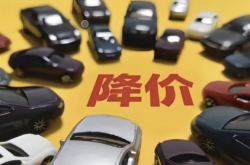
Recently, the domestic auto market has witnessed a wave of terminal price reductions sweeping across first-tier, second-tier, and even ultra-luxury brand vehicles. From entry-level models to flagship offerings, and from traditional fuel-powered vehicles to select hybrid models, luxury brands across various price segments are offering substantial terminal discounts. Popular models that once maintained firm prices, even requiring surcharges for delivery, are now experiencing significant price cuts.
Next, Qichemen.com will examine which luxury cars have recently seen price reductions.
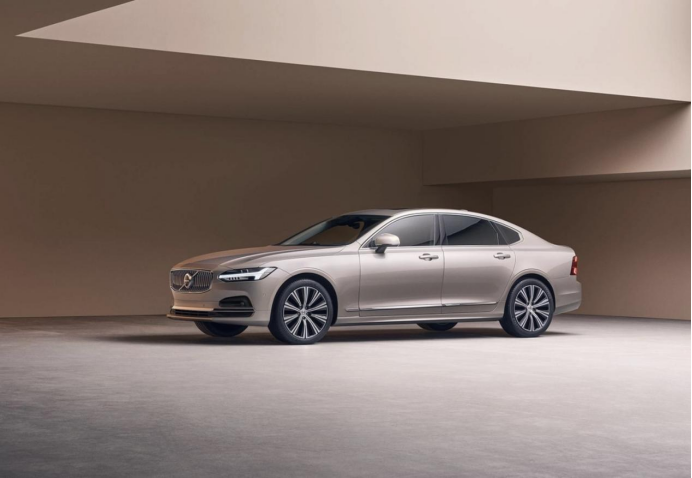
Volvo S90 Priced at 229,900 Yuan
Let's first examine Volvo, which has experienced a notable price reduction. The official starting price of the Volvo S90 is 406,900 Yuan. After applying manufacturer subsidies, trade-in allowances, and dealership discounts, the lowest quoted price has plummeted to as low as 229,900 Yuan. At some dealerships, the full payment landing price can even be controlled within 220,000 Yuan, representing a reduction of nearly 50%. The terminal selling price of this mid-to-large luxury sedan has now dipped into the price range typically occupied by joint venture B-class sedans.
Reviewing the sales trend of the Volvo S90 this year, it has been volatile. In January, the car sold 2,157 units, but sales quickly halved to 504 units in February. Sales briefly rebounded to 1,775 units in March, then plummeted to the 400-500 unit range from April to June, with only 428 units sold in April and 510 units in June. In July, sales fell further to 388 units.
However, the sales rebound triggered by the price drop was immediate. Data from the China Passenger Car Association (CPCA) indicates that Volvo S90 sales rose from 388 units in July to 1,554 units in August, a roughly threefold increase month-on-month. It's undeniable that the sales rebound resulting from the price drop was swift. Nevertheless, while price cuts can provide temporary relief, they are not a sustainable long-term solution.
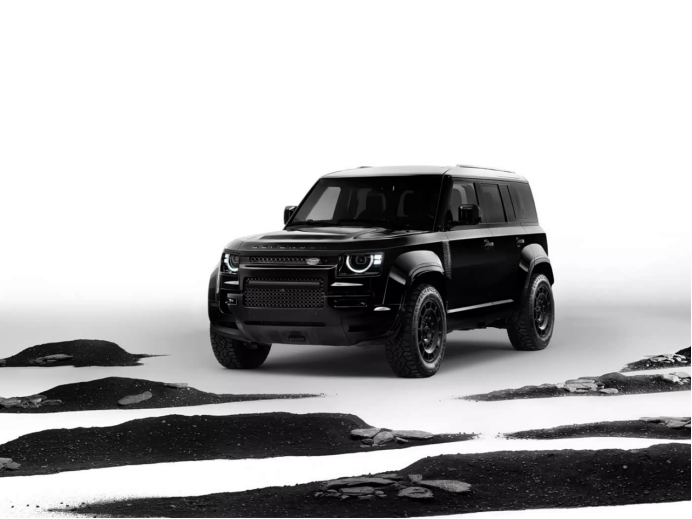
Land Rover Defender 110 HSE Priced at 728,000 Yuan
Now, let's turn our attention to Land Rover, which has also seen significant price reductions. The official guide price of the Land Rover Defender 110 HSE model was once as high as 899,000 Yuan, but after a limited-time direct reduction of 171,900 Yuan in August, the price dropped to 728,000 Yuan. It's worth noting that during its initial market launch, due to high demand and limited supply, the price of this model once surged by over 100,000 Yuan for delivery. Now, it has seen a significant decline. Additionally, models like the Range Rover Evoque L are also experiencing terminal discounts exceeding 100,000 Yuan.
It's evident that luxury cars, which were once scarce and commanded a premium, now have to lower their brand stature and rely on substantial discounts to secure some market presence.
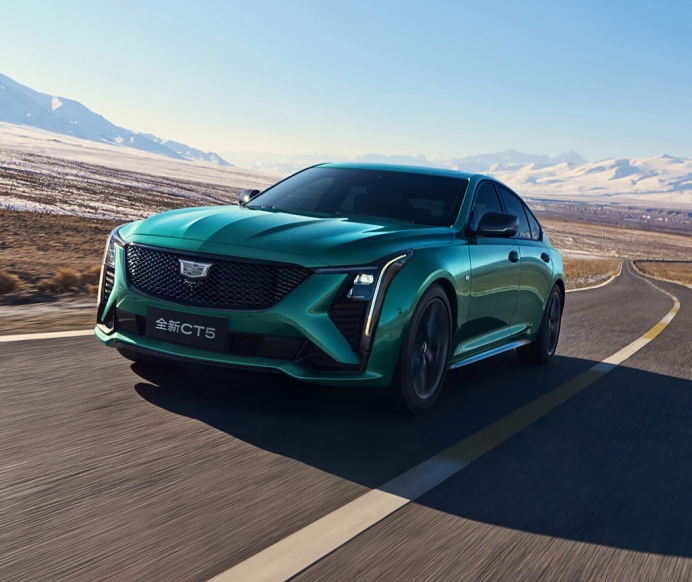
Cadillac CT5 Priced at 179,900 Yuan
Cadillac is also among the luxury brands experiencing the largest price reductions in this current wave. Among them, the bare car transaction price of the Cadillac CT5 is as low as 179,900 Yuan, essentially overlapping with mainstream joint venture B-class cars like the Accord and Passat. However, the CT5 features a longitudinal rear-wheel-drive layout, presenting a significant gap in hardware specifications compared to ordinary front-wheel-drive joint venture cars. Being able to purchase a longitudinal rear-wheel-drive luxury sedan with the budget for a joint venture B-class car was hard to imagine a few years ago.
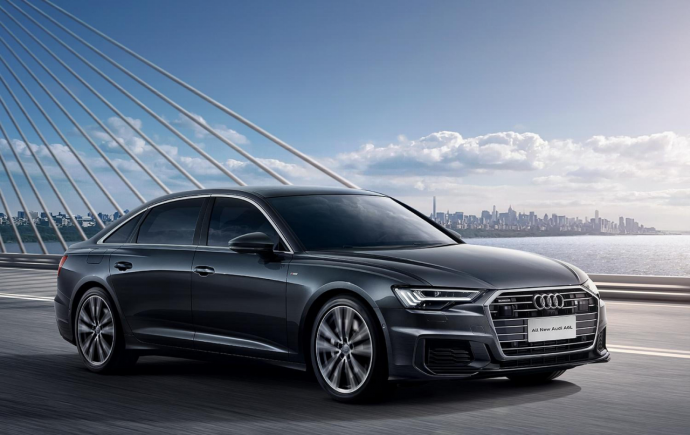
Audi A6L Priced at 266,000 Yuan
In addition, traditional luxury brands like BBA have not escaped the trend of price reductions. Among them, the bare car price of the Audi A6L in some regions has dropped to as low as nearly 266,000 Yuan, with discounts exceeding 150,000 Yuan. As a model that has long dominated the top ranks in mid-to-large luxury sedan sales, the Audi A6L has traditionally maintained relatively firm pricing. Now, with such significant terminal discounts, this level of price reduction was not easily seen in past years. Furthermore, the Audi A3 is now cheaper than the Golf.
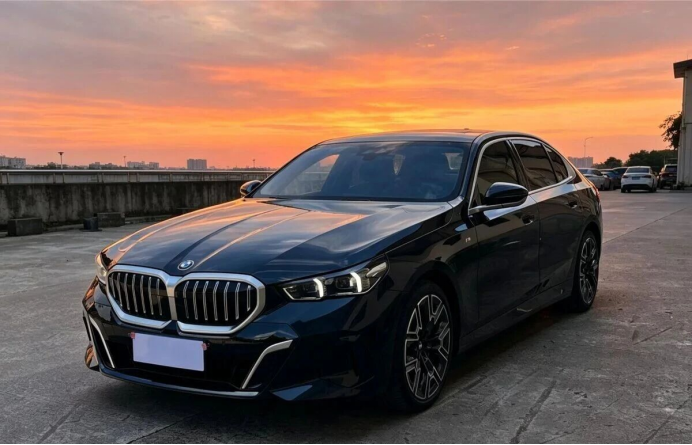
BMW 5 Series Priced at 295,000 Yuan
Now, let's examine BMW. The lowest starting price of the BMW 5 Series has dropped from the official guide price of 368,000 Yuan to 295,000 Yuan, a reduction of 73,000 Yuan, representing a price drop of about 19.84%. Three years ago, this price wouldn't have even secured a BMW 3 Series.
Moreover, the dealer's starting price for the BMW 3 Series is now only 208,000 Yuan, cheaper than domestic new energy SUVs like the Li Auto L7 and NIO ES6. At the same time, the maximum discount for the BMW 7 Series has also reached 270,000 Yuan.
In fact, BMW attracted attention for price reductions earlier this year. Since the beginning of 2026, BMW China has announced a reduction in the suggested retail prices of 31 models under its brand, with 24 models seeing reductions exceeding 10% and 5 models seeing reductions exceeding 20%. From the official price adjustment at the beginning of the year to the continued terminal price reductions now, BMW's price adjustment pace is relatively ahead within the BBA brands.
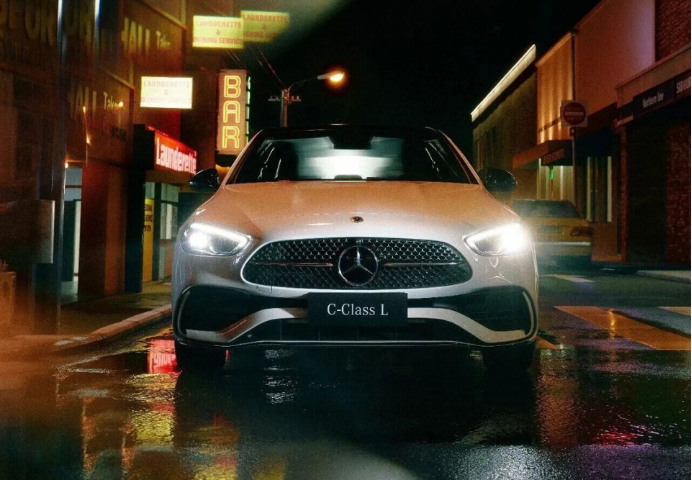
Mercedes-Benz C-Class Priced at 192,800 Yuan
Mercedes-Benz has also had to join this round of price reductions. The entry price of the Mercedes-Benz C-Class has dropped to 192,800 Yuan, with the entry version of the Mercedes-Benz GLB in some regions falling to as low as 144,900 Yuan. Terminal discounts for the Mercedes-Benz E-Class are also continuing to increase. From sedans to SUVs, and from entry-level to mid-to-large models, multiple mainstay Mercedes-Benz model lines are seeing significant price reductions.
The iconic three-pointed star emblem, which once required waiting in line for delivery and had firm pricing, now has to use discounts to retain customers entering the showroom.
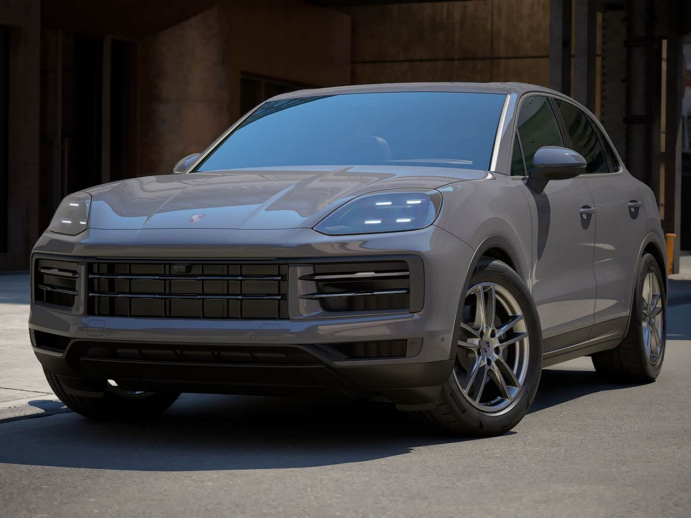
Porsche Cayenne Priced at 618,000 Yuan
Even Porsche, an ultra-luxury brand, has not been spared from price adjustments. It is understood that the 2026 Cayenne 3.0T Dream Chase Edition has been reported to have a bare car price as low as 618,000 Yuan, a direct reduction of 300,000 Yuan from the official guide price of 918,000 Yuan. After adding options to the vehicle, the full payment landing price for a standard configuration version is around 700,000 Yuan, while a higher configuration version on the road costs around 800,000 Yuan. Compared to the previous purchase cost of over 1 million Yuan, the discount is quite substantial.
For those who value the brand, the barrier to entry has been lowered, but Porsche's consistent style is somewhat being re-evaluated in this round of discounts.
The trend of collective price reductions among luxury brands reveals the current real-world pressures faced by the entire vehicle market.
Data from the CPCA shows that in August this year, domestic narrowly defined passenger car retail sales were 1.541 million units, a year-on-year decrease of 23.6%; in September, retail sales are estimated to be around 1.69 million units, with the year-on-year decline possibly further expanding to 24.6%. The cumulative retail sales for the first eight months of this year were 11.716 million units, a year-on-year decrease of 20.8%.
At the same time, new energy brands are continuously launching new models and expanding production. The price war has been raging from the beginning of the year to now, with fuel-powered and new energy vehicles competing for market share in the same pool. Traditional luxury brands, which could previously rely on brand premium to stabilize sales, now have to join the discount trend. After all, the number of vehicle models available to consumers in the current market far exceeds the levels of past years.
In Conclusion:
Ultimately, this round of collective price reductions among luxury cars is inseparable from the energy transformation in the automotive industry. The replacement of fuel-powered vehicles with new energy vehicles is only a matter of time. Although traditional luxury brands are also accelerating their electrification transformation, new vehicle development, platform construction, and the refinement of intelligent systems all take time. Before new electric products can shoulder the sales burden, fuel-powered models can only rely on price reductions to stabilize their market position, using short-term price cuts to exchange for sales, while long-term success will depend on the results of electrification transformation.
And this price war among luxury fuel-powered vehicles is unlikely to end in the short term. New energy models are continuously iterating, with their product strength continuously improving, which will continue to squeeze the space for traditional fuel-powered luxury cars. There may be more models offering even greater discounts in the future. For consumers, there's no need to blindly follow the trend to snatch up deals; the key to buying a car is still whether it matches your usage scenario. For traditional luxury brands, price reductions may provide temporary sales relief, but to regain competitiveness, they ultimately need to rely on competitive products to break through.
(Image source: Internet, removed if infringing)
-
![]()
【Electric Equipment】Weichai Foton Signs Agreement Again
-
![]()
Wan Gang and Zhu Huarong: How to Transform, Upgrade, and Achieve Resilient Growth Amid Declining Sales
-
![]()
New Technologies Are Swiftly Integrated into Vehicles, Spawning a Cluster of Electrical Issues in Car Bodies
-
![]()
Luxury Car Market Sees Sharp Decline: Porsche Prices Plummet by 300,000 Yuan?
-
Yaopi Glass's Revenue Stagnates in the First Half of the Year, Net Profit After Non-Recurring Gains and Losses Drops More Than 70%: Effectiveness of Technological Transformation Remains to Be Verified
-
![]()
Why Does Hungary's New Energy Industry Policy 'Waver Between Two Paths?'
-
![]()
Why Is Chery Reshuffling Its Executives Now—For Globalization or Luxury Ambitions?
-
Retail Industry Evolution: From Instant to AI-Driven Retail