Why Does Hungary's New Energy Industry Policy 'Waver Between Two Paths?'
 09/24 2026
 422
422
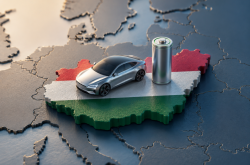
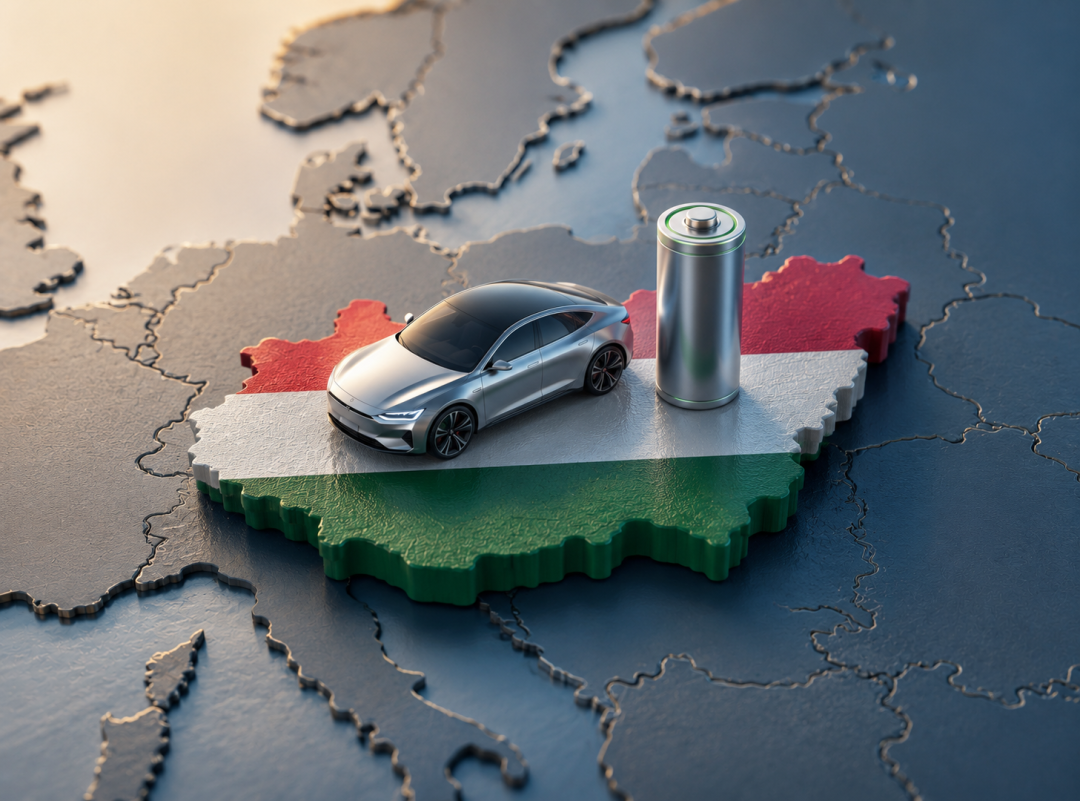
Over recent years, Hungary has capitalized on its relatively low land and labor costs, coupled with tariff advantages and market access as an EU member state, to emerge as a pivotal hub for China's power battery and new energy vehicle (NEV) supply chain expansion in Europe. Companies like CATL, BYD, EVE Energy, and SEMCORP have established operations there, drawing approximately €26 billion in Sino-Korean battery industry investments (Hungarian government data, 2021-present). This positioned the Central European nation as the most 'East-oriented' bridgehead in Europe's new energy landscape.
However, as 2026 approaches, this 'open for business' approach faces new uncertainties. On one hand, following a government change, Hungary's new cabinet has significantly tightened regulatory requirements for foreign investment access and environmental compliance. On the other hand, European automakers, grappling with battery production gaps in their electrification transitions, have become even more reliant on Hungary's existing supply chain. These opposing pressures are shaping policy: one leans toward tightening controls and screening, while the other favors maintaining or even expanding access to Eastern supply chains.
Against this backdrop, Hungary's new energy industry policy has adopted a nuanced stance of 'wavering between two paths,' neither fully reverting to European protectionism nor entirely continuing its previous 'East-oriented investment attraction' rhythm. Whether its policy inertia will be broken and which areas will see adjustments first concerns not only Hungary's own industrial competitiveness but also serves as a critical reference for observing whether China's new energy supply chain can maintain its foothold in Europe.
The Strategic Basis of 'Looking East'
To assess whether 'looking east' will shift, we must first understand the foundation of this strategy.
Hungary's 'Eastern Opening' strategy, initiated in 2010, aimed to strengthen economic ties with Asian countries. After China proposed the Belt and Road Initiative (BRI) in 2013, the two sides aligned strategically, making Hungary the first European nation to sign a BRI cooperation document and establish a Renminbi clearing system with China.
These two 'firsts' signify that Hungary's economic ties with China extend beyond mere investment attraction to include currency clearing, logistics corridors, and other foundational institutional infrastructure. With the formal opening of the Hungary-Serbia railway's freight section, transport time between Belgrade and Budapest has been significantly reduced, further solidifying Hungary's role as a north-south logistics hub in Central and Eastern Europe. Such long-established infrastructure and institutional connections cannot be easily altered by a single government's policy adjustments.
At the industrial level, Hungary's advantages in attracting new energy supply chains are equally evident: a relatively stable energy system, substantial investment subsidies, and one of the EU's lowest corporate tax rates at 9%. More importantly, as the EU's 2035 ban on internal combustion engine vehicles approaches and European automakers accelerate electrification, the region faces a persistent shortage of reliable battery production capacity, creating opportunities for Chinese battery firms to enter Europe.
Take CATL's Debrecen plant as an example: with a planned capacity of 100 GWh, it is one of Hungary's largest EV battery projects to date. Meanwhile, midstream material and cell producers like EVE Energy, SEMCORP, and KEDALI, along with complete vehicle brands such as NIO, BYD, and SAIC's MG, form the basic framework of Hungary's new energy industrial cluster. Dirk Woelfer, a representative of the German-Hungarian Chamber of Commerce and Industry in Budapest, previously described the supply chain's completeness: 'Cathodes, anodes, separators, assembly lines—the entire battery supply chain is here.'
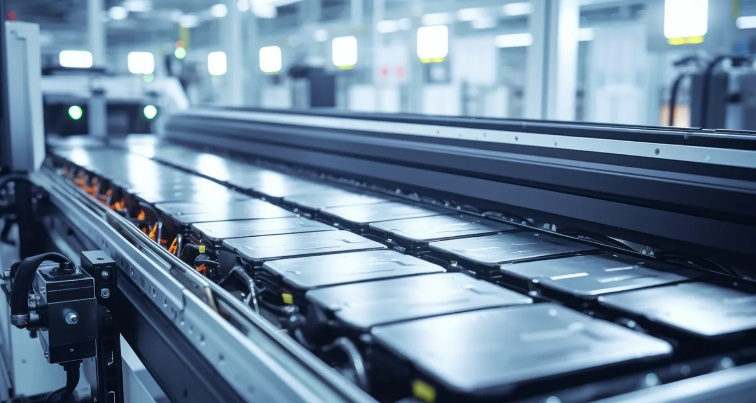
Investment data shows this trend continued before the political transition. Publicly available statistics on announced investment amounts indicate that Chinese investment in Hungary reached approximately €3.1 billion in 2024, up 73% year-on-year and accounting for nearly one-third of China's total investment in Europe. In 2025, this figure further rose to about €3.97 billion, making China Hungary's largest foreign investor for three consecutive years.
Given the scale and breadth of this industrial foundation, even with strengthened regulations, the new government is unlikely to alter Hungary's positioning as a European battery industry node in the short term. More probable changes involve adjustments to governance approaches and access standards rather than a rapid reversal of industrial layout.
From 'Bypassing the EU' to 'Reintegrating with the EU'
On April 12, 2026, Hungary held parliamentary elections, where the TISZA Party, led by Péter Magyar, secured over two-thirds of the seats, ending Viktor Orbán's 16-year rule. This political shift provided the direct context for Hungary's industrial policy adjustments.
Orbán's 'look east' strategy, while driven by industrial complementarity, also aimed to reduce Hungary's dependence on EU funding systems and diversify capital and trade options within the EU framework.
Previously, EU institutions had pressured Hungary over high public deficits and inflation, even considering restricting financial support. During earlier EU budget cycles, EU funds accounted for a significant portion of Hungary's infrastructure spending. Facing risks of constrained funding from EU systems, seeking large-scale non-EU investments and expanding trade and financing channels became key motivations for Hungary's 'Eastern Opening.'
The Magyar government's priority, however, is to repair relations with the European Commission and unfreeze EU funds. This requires enhancing regulatory oversight in environmental, labor, and other EU priority areas to bolster EU recognition of Hungary's governance capabilities.

From this perspective, the two administrations differ significantly in their strategies for handling EU relations: the former leveraged Eastern capital to reduce external dependence, while the latter seeks to improve relations with Western institutions by strengthening rule-based systems. This is a crucial clue for understanding the 'look east' policy adjustment.
However, this resembles more of an interest-driven 'policy correction.' Public reports indicate that after his victory, Magyar emphasized maintaining openness to Chinese investment while stressing that foreign firms must comply with Hungarian and EU regulations on environment, health, and occupational safety and create tangible value for the local economy. In short, the policy shift focuses more on 'raising standards and strengthening oversight' than on 'weakening cooperation or exiting Chinese investments.'
Environmental Compliance as a Hard Constraint
For the local new energy industry, the most visible sign of policy tightening comes from a comprehensive upgrade in environmental regulations.
In February, a suspected chemical leak occurred near a battery material plant operated by SEMCORP in Debrecen. Subsequent monitoring revealed groundwater pollutant levels significantly exceeding national limits, exposing inadequate local regulatory capacity during earlier investment attraction. On June 24, the regional government office suspended the plant's operations for violating integrated environmental permit requirements until pollution remediation and re-inspection are completed.
Against this backdrop, the new government signaled strengthened oversight in early July: Environment Minister László Gajdos stated plans to increase pollution penalties and explore fines calculated as a percentage of corporate revenue to enhance regulatory deterrence. Lawmakers from the ruling coalition also revealed that a new high-level independent environmental regulatory body might be established in September to strengthen environmental reviews of new energy and power battery supply chains.
Meanwhile, according to the Budapest Business Journal, citing Zsolt Tárkányi, a TISZA Party lawmaker from Debrecen and State Secretary for Transport and Investment, the new government will not support further expansion of CATL's Debrecen plant beyond its current plans. This indicates that policy tightening may affect not only post-incident penalties but also new project approvals.
Future competitive advantages built on lower factor costs, lax approval environments, and substantial non-EU labor may face more constraints. Firms must prioritize European labor protections, environmental standards, and long-term compliance investments, likely raising overall operating costs.
However, from an industrial logic standpoint, 'strict enforcement' and 'industry clearance' are distinct. Actual impacts vary across projects. For example, CATL's Debrecen plant and BYD's Szeged plant each involve multi-billion-euro investments. CATL's project totals €7.34 billion with a planned capacity of 100 GWh; BYD's Szeged plant spans 300 hectares with an annual capacity of 200,000–300,000 vehicles. The Hungarian government has also invested in related industrial park infrastructure.
For such large-scale projects, their importance to local employment, supply chains, and economic growth makes policy adjustments more likely to focus on operational norms and new expansions rather than altering existing investment layouts. In contrast, the plant facing suspended operations has relatively limited investment scale and workforce, with minor impacts on the overall industrial system, making it an easier target for regulatory tightening.
Overall, a 'penalty-driven reform and differentiated regulation' model is more likely: firms that complete environmental remediation, enhance safety standards, and increase localization investments may retain core industrial projects. This aligns with Hungary's need to maintain new energy competitiveness and Chinese firms' long-term goals of competing through European localization.
The Other Logic of 'Looking West'
While stricter environmental enforcement signals 'look east' policy adjustments, European automakers' electrification capacity constraints reinforce Hungary's reliance on China's battery supply chain, imposing deeper constraints on policy changes.
Hungary has long-standing ties with Germany's automotive industry. Since the 1960s–70s, it has been a key supplier of commercial vehicles and components; post-EU accession, its export-oriented economy strengthened further. Today, Germany is Hungary's largest trading partner, with nearly 90% of its automotive industry output exported, much of it to Germany. The German-Hungarian Chamber of Commerce and Industry in Budapest connects hundreds of firms from both nations.
German automakers have deeply embedded their industrial footprint in Hungary. Audi has operated a production base in Győr since 1993, evolving into a critical engine and electric drivetrain manufacturing center for the Volkswagen Group. Mercedes-Benz's Kecskemét plant and BMW's new Debrecen factory also support EV-related capacity. This high integration with Europe's automotive system tightly links Hungary's industrial path to German automakers' transition rhythms.
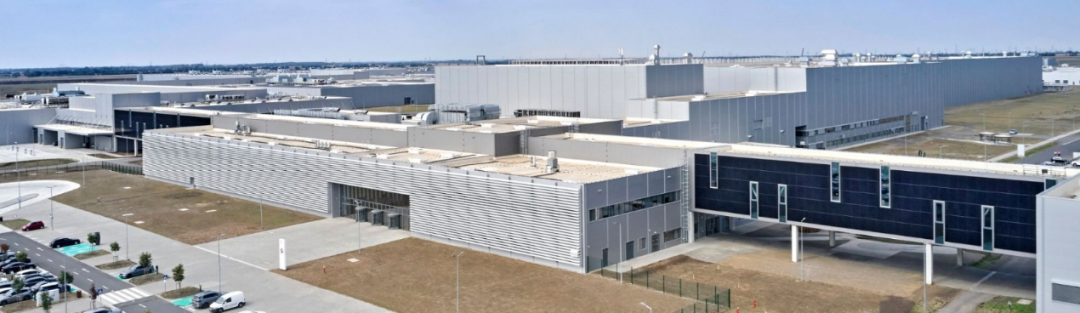
In recent years, BMW, Mercedes-Benz, and Audi have advanced electrification investments in Hungary. BMW's next-generation Debrecen plant, launching in late 2025, will produce EVs based on a new platform. Meanwhile, Volkswagen is undergoing profound restructuring amid weaker-than-expected European NEV demand and intensifying Chinese competition, proposing massive cost cuts and reassessing European factory capacities. Though resisted by unions and local governments, these adjustments reflect transition pressures facing Europe's traditional automotive system.
Against this backdrop, Debrecen has emerged as a representative industrial cluster: Western automakers handle vehicle platforms, brands, and manufacturing systems, while Chinese firms supply core new energy components like cells and materials. For instance, EVE Energy operates a production base adjacent to BMW, providing customized battery products; CATL and SEMCORP form key parts of the regional power battery supply system.
For European automakers, producing EVs in Hungary leverages relatively low manufacturing costs while accessing competitive Chinese new energy supply chains. This industrial complementarity remains highly stable in the short term.
Thus, Hungary must balance industrial attractiveness and regulatory requirements when adjusting foreign investment oversight. China's new energy supply chain in Hungary represents not just Eastern capital but also a critical link in European automakers' electrification transitions.
Toward 'Dual Rebalancing' in Local Policies
Considering the strategic foundations of 'Eastern Opening,' stricter environmental regulations, and European automakers' electrification pressures, Hungary's new energy policy is likely to pursue a rebalancing trend: moving beyond low-barrier investment attraction from the East, it will strengthen environmental, labor, and localization requirements while leveraging China's cost and technological advantages to maintain its competitive position in Europe's EV industry system.
For the West, Hungary must demonstrate governance capabilities aligned with EU rules to improve EU relations and unfreeze funds. For the East, it still needs Chinese firms' battery capacity, supply chain capabilities, and investment scale to support its NEV industry layout. These dual objectives are not contradictory but converge on a shared goal: positioning Hungary as an indispensable regional hub for both Eastern and Western new energy industries, rather than choosing sides.
For Chinese firms within the new energy supply chain that are either currently operating in Central and Eastern Europe or are contemplating entry into this market, Hungary's policy evolution serves as a clear indicator: the cost advantages previously derived from land, labor, and policy incentives are now gradually ceding ground to a more holistic form of competitiveness. Achieving future success in Europe will increasingly hinge on adherence to environmental standards, effective labor management, localization efforts, and seamless integration into local industrial ecosystems.
Specifically, the following aspects of change warrant particular attention:
Firstly, it is imperative to make compliance investments at the outset. During the project planning phase, companies must conduct a comprehensive assessment of environmental, safety, and labor requirements at both the local and EU levels. These compliance investments should be factored into their investment models to proactively mitigate operational risks associated with subsequent rectifications.
Secondly, the degree of localization will have a direct impact on policy relationships. By increasing the proportion of local employment, fostering territorial supply chain cooperation, and enhancing contributions to the local economy, companies can forge more stable industrial relationships and bolster their resilience to policy fluctuations.
Thirdly, forging deep ties with the European industrial chain will augment companies' risk resistance. The developmental trajectory of Debrecen exemplifies this point: when Chinese suppliers establish robust industrial synergies with European automakers, their value transcends mere supply chain efficiency. Such collaborations may also provide crucial support for companies to navigate policy adjustments effectively.
In essence, the changes in Hungary's new energy industrial policy represent a governance shift from 'investment attraction priority' to 'standardized development,' rather than a mere strategic reorientation. For Chinese new energy companies, the European market is transitioning from a bygone 'investment window period' to a 'phase of deep localized operations.' Grasping the local policy rationale and seeking industrial synergies within a compliant framework will emerge as pivotal factors in determining the sustainability of future business layouts in Central and Eastern Europe.

Image: Sourced from the Internet
Article: Auto Review
Layout: Auto Review
-
![]()
Wan Gang and Zhu Huarong: How to Transform, Upgrade, and Achieve Resilient Growth Amid Declining Sales
-
![]()
New Technologies Are Swiftly Integrated into Vehicles, Spawning a Cluster of Electrical Issues in Car Bodies
-
![]()
Luxury Car Market Sees Sharp Decline: Porsche Prices Plummet by 300,000 Yuan?
-
Yaopi Glass's Revenue Stagnates in the First Half of the Year, Net Profit After Non-Recurring Gains and Losses Drops More Than 70%: Effectiveness of Technological Transformation Remains to Be Verified
-
![]()
Why Does Hungary's New Energy Industry Policy 'Waver Between Two Paths?'
-
![]()
Why Is Chery Reshuffling Its Executives Now—For Globalization or Luxury Ambitions?
-
Retail Industry Evolution: From Instant to AI-Driven Retail
-
![]()
Leapmotor's Dual 'Time Advantages': Technological Leadership, Capital Support