Priced from 1.988 Million Yuan! Bentley, the Century-Old Ultra-Luxury Brand, Places Its Bets on 'Price Reductions' to Secure a Spot in the Electric Vehicle Era
 09/28 2026
 436
436
Written by | Guanchejun
Bentley's 'most affordable' model has arrived!
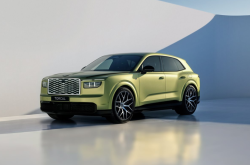
On September 23, Bentley unveiled its first-ever all-electric model, the Torcal, at a global premiere event in London. This new vehicle officially becomes Bentley's fourth independent model series, joining the ranks of the Continental GT, Flying Spur, and Bentayga.
On September 24, Bentley confirmed to Shanghai Securities News that the Manufacturer's Suggested Retail Price (MSRP) for the Chinese market starts at 1.988 million yuan (excluding retail taxes and optional paid features). To the best of Guanchejun's knowledge, this represents the lowest price point in Bentley's history for models currently available for purchase.
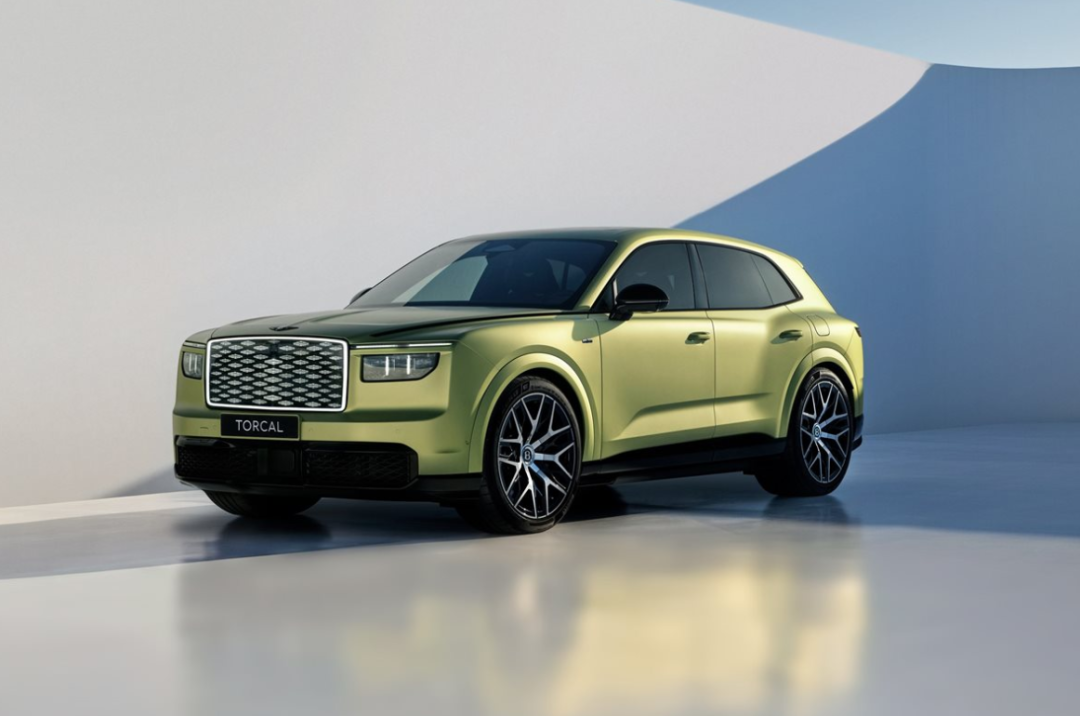
During the era of internal combustion engines, Bentley's flagship model, the Bentayga, had a starting price consistently above 2.7 million yuan, while the Continental GT and Flying Spur boasted even higher price tags. In this context, the Torcal's starting price of 1.988 million yuan significantly lowers Bentley's entry barrier by nearly 700,000 yuan—a move of considerable magnitude.
From a market segmentation standpoint, this price range occupies a unique and previously unoccupied niche. At the higher end, the Rolls-Royce Spectre is positioned as a top-tier luxury model with a substantially higher starting price. At the lower end, the all-electric Porsche Cayenne and Range Rover models represent premium luxury but have not yet attained the brand prestige of ultra-luxury marques.
Clearly, the Torcal aims to capture the lead in the ultra-luxury all-electric SUV segment priced around 2 million yuan, a market segment that was previously nearly devoid of competition.
In Guanchejun's opinion, to fully grasp the Torcal's pricing and positioning, one must consider Bentley's current circumstances.
The financial results for the previous fiscal year 2025 revealed that Bentley remained profitable for the seventh consecutive year. However, its operating profit plummeted by over 42% to 216 million euros, while revenue dipped slightly by 1% to 2.6 billion euros.
The sharp decline in profit can be attributed to two primary factors: U.S. tariffs resulted in approximately 42 million euros in losses in 2025, and the Chinese luxury car consumption market experienced a cooling-off period.
During the same period, Bentley announced layoffs of 275 positions, accounting for roughly 6% of its workforce.
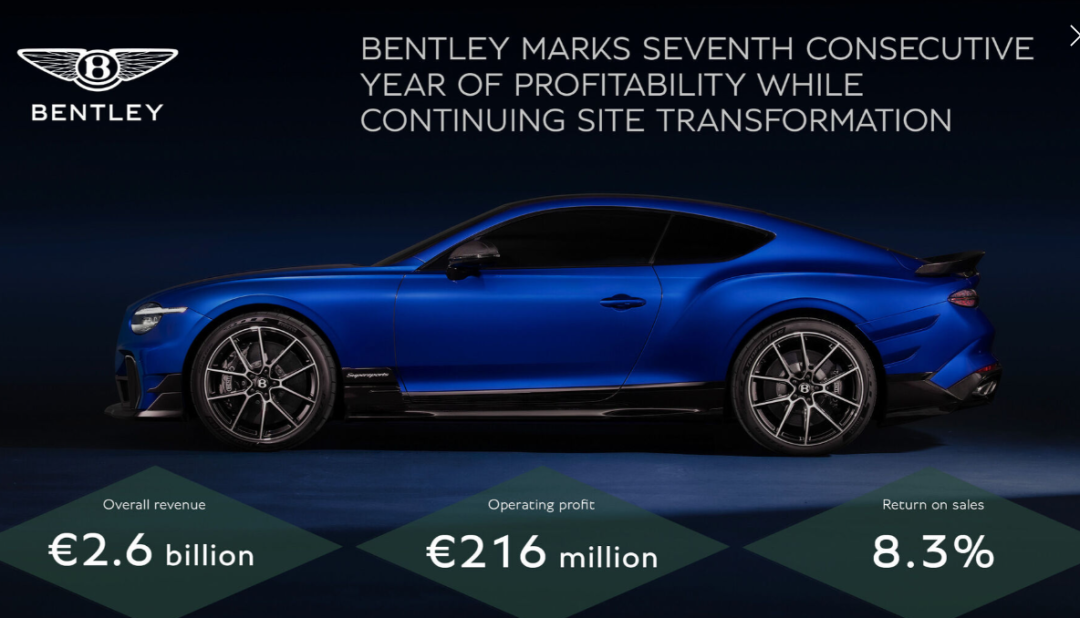
Rewinding to 2021, Bentley's sales in China reached a historic peak of over 4,000 units. However, by 2025, Guanchejun observed that annual sales had plummeted to just over 2,000 units, roughly halving from their peak.
In the first half of 2026, Bentley delivered 4,211 units globally, marking a 13.6% year-on-year decline. Industry statistics indicate that its imported retail sales in the Chinese market slid by approximately 34% year-on-year.
Against the backdrop of overall pressure in the ultra-luxury car market, Bentley's original goal of achieving a 'fully electric lineup by 2030' has been put on hold. The CEO previously stated that the launch of the next all-electric model would be postponed until after 2030.
This means that the Torcal will single-handedly shoulder Bentley's pioneering role in its electrification transformation. Its market performance will directly influence Bentley's assessment of the pace at which to introduce subsequent all-electric products.
A few years ago, global automakers embarked on an aggressive wave of electrification, with many brands setting 2030 as the target year for full electrification. However, in the past two years, ultra-luxury brands have collectively revised their strategies. Rolls-Royce, Ferrari, Lamborghini, and Bentley no longer insist on phasing out internal combustion engines but instead adopt a long-term coexistence strategy that includes fuel, plug-in hybrid, and all-electric powertrains.
With the launch of the Torcal, Bentley has not abandoned its fuel and plug-in hybrid product lines. The Torcal represents an additional fourth product line, rather than a replacement for existing models.
The reasoning behind this approach is not difficult to grasp. The traditional elite demographic remains deeply attached to the roar of large-displacement engines, mechanical textures, and artisanal craftsmanship. Their purchasing decisions for ultra-luxury cars are not primarily based on factors such as range or charging speed.
In Guanchejun's view, Bentley's product strength is undeniable; its greatest challenge lies in the uncertainty surrounding its customer base.
According to Bentley, the average age of Bentley owners in China is now under 40, making them the youngest Bentley customer group globally. Historically, Bentley's main buyers were successful entrepreneurs aged 45 and above, who valued the V12 engine's distinctive thunderous roar and commanding presence.
Today, a significant rise in buyers born in the 1990s is evident among those placing orders, with a stronger focus on exclusive detail expressions. They inquire whether wooden panels can be engraved with family crests or if interior colors are truly unique.
On one hand, this trend presents an opportunity for the Torcal. Its starting price of 1.988 million yuan, combined with the tech-savvy image brought by all-electric power, precisely aligns with the consumption preferences of young high-net-worth individuals.
On the other hand, in the Chinese market, domestic high-end new energy models such as the NIO ET9, Xiangjie S800, and Yangwang U8 have already escalated competition to the million-yuan level. While these brands still lag behind Bentley in terms of brand prestige, their penetration among high-net-worth individuals is rapidly increasing.
Ultimately, Bentley is betting that the 'Bentley' name can still command a brand premium in the electric era. The outcome of this wager will become clear by the summer of 2027. One thing is certain, however: no one dares to say that the electrification of ultra-luxury brands is a sure bet.
All charts in this article without credited sources are derived from publicly disclosed information across various channels. This is hereby stated and acknowledged with gratitude! The views expressed herein are for reference only and do not constitute investment advice.
This article is original content from Leverage Auto Insights and is prohibited from reproduction without authorization. For reproduction, please obtain authorization. Additionally, when authorized for reproduction, please indicate the source and author at the beginning of the article. Thank you!
-
![]()
Priced from 1.988 Million Yuan! Bentley, the Century-Old Ultra-Luxury Brand, Places Its Bets on 'Price Reductions' to Secure a Spot in the Electric Vehicle Era
-
![]()
August’s Luxury Car Sales Report: Porsche and Land Rover Battle It Out, BYD Breaks into the Top 20!
-
![]()
How Much Hardware Business Can Be Fueled by the Explosive Popularity of AI Applications?
-
DeepSeek, QianWen, Company A, and OpenAI Will Not Reignite a Price War
-
![]()
"After Bidding Farewell to Yu Chengdong," the All-New AITO M8 Makes Its Debut with Significant Changes, Pre-Sale Starts on September 29!
-
![]()
Yu Chengdong’s First Public Address: Focusing on Four Brands, All Four Brands Share Announcement, AITO Noticeably Absent!
-
![]()
Contrast! Xiaomi Pengcheng SUV's Order Volume Drops in Second Week: Are Netizens Right to Say It's Below Expectations?
-
![]()
0 yuan phone purchase, ends in 2026