Intelligent 'Made in China' Propels Joint Venture New Energy Vehicles Forward
 09/28 2026
 422
422
At present, the overall market performance of joint venture automakers may not be particularly remarkable. However, their strides in the new energy transformation have been unwavering, with substantial growth achieved. Data from a specialized platform reveals that from January to July 2026, the internal new energy penetration rate of joint venture brands rose from 16.5% to 25.1%. Meanwhile, data from the China Passenger Car Association indicates that in August of this year, retail sales of new energy vehicles from joint ventures surged by 35% year-on-year. This growth rate is indeed noteworthy amidst the current market landscape.
This transformation becomes more tangible when considering the density and pace of product launches.
Volkswagen Group, as the most proactive player in the joint venture arena, plans to introduce over 20 new energy models in China this year—a pace unprecedented for Volkswagen in the past. To date, Volkswagen Group has successively rolled out new energy models such as the ID.ERA 9X, Shine 07, Shine 08, Audi E7X, Magotan PHEV, Tayron L PHEV, and ID. AURA T6.
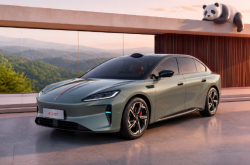
Notably, the ID. AURA T6, recently launched by FAW-Volkswagen, has demonstrated exceptional market performance. It represents not only the first model in the ID.AURA new energy series but also Volkswagen's inaugural global pure electric model equipped with LiDAR, and the first Volkswagen model to adopt the CEA electronic and electrical architecture. These three "firsts" underscore Volkswagen's comprehensive innovation in intelligent architecture, perception technology, and product systems.
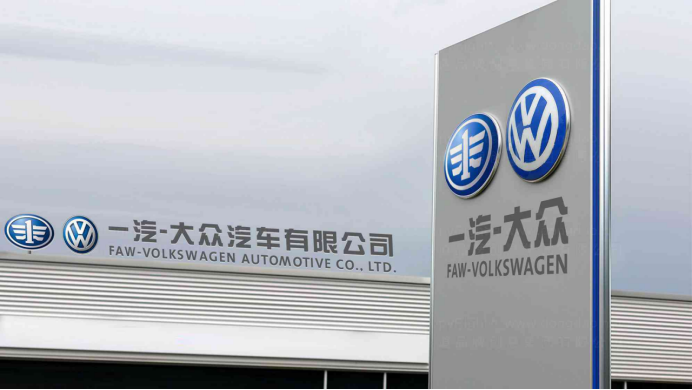
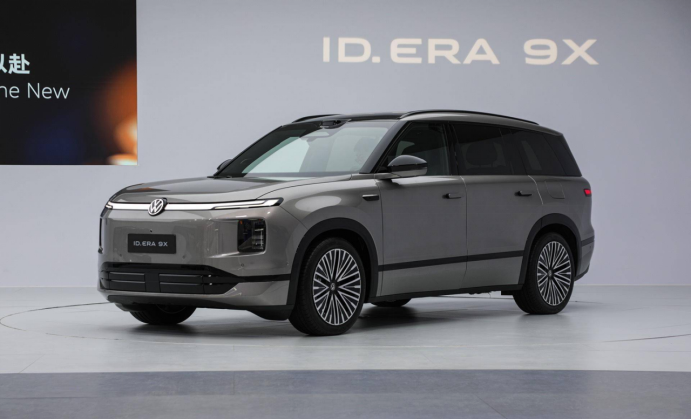
SAIC Volkswagen's new energy transformation is also progressing steadily. Data shows that from January to August this year, SAIC Volkswagen sold approximately 43,000 new energy vehicles, marking an 8% year-on-year increase. In the first half of this year, SAIC Volkswagen solidified its position in the segmented market with two high-end new energy models: the ID. ERA 9X and Audi E7X. The ID. ERA 9X achieved over 10,000 deliveries in less than two months post-launch, while the Audi E7X also made rapid strides, with over 4,000 deliveries in its inaugural month.
Following the ID. ERA 9X and Audi E7X, the Tiguan L ePro and Passat ePro have also been officially launched. Currently, six out of the seven new energy products planned by SAIC Volkswagen for the year have been unveiled, fully covering the three major technology routes of pure electric, plug-in hybrid, and extended-range electric vehicles, with an increasingly comprehensive product layout.
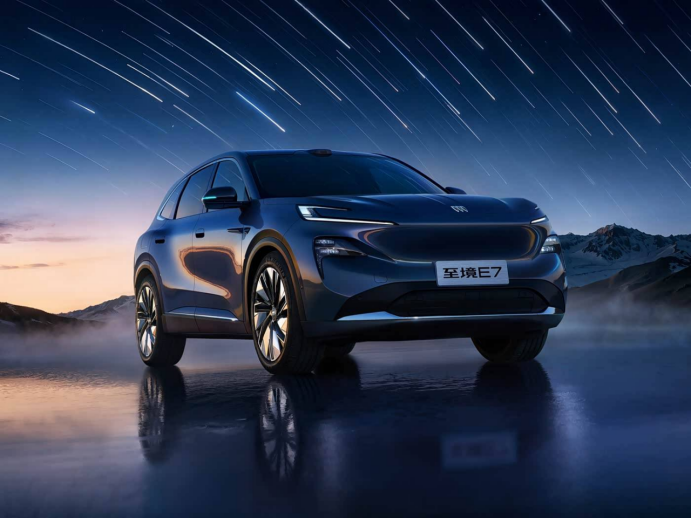
While Volkswagen accelerates its iterations, SAIC-General Motors has also finalized a long-term electrification development blueprint. In August this year, SAIC Motor and General Motors renewed their cooperation agreement, extending the partnership to 2047. They also plan to launch at least 30 new energy models by 2030, spanning pure electric, plug-in hybrid, and extended-range electric vehicle routes.
Although the Buick E5 under its umbrella has exhibited mediocre sales performance this year, with monthly sales not exceeding 1,000 units, Buick's high-end new energy brand, Buick Ultimate, has swiftly established a full range of product lineups covering sedans, SUVs, and MPVs within just one year. It is reported that the Buick Ultimate E7 set a record for the fastest delivery of over 10,000 units among joint venture new energy products. The Buick Ultimate Elite emerged as the best-selling luxury new energy MPV in China priced over 400,000 yuan in the first half of 2026, while the Ultimate L7 ranked among the top in the extended-range sedan segment. Combined with the stable output of the Buick GL8 new energy model, the overall new energy sales of the brand continue to ascend.
Japanese joint venture brands are also finding their own rhythm in electrification. Dongfeng Nissan is focusing on the N series to expedite electrification, with the series achieving a cumulative production of 100,000 units in 14 months since its launch, setting a record for the fastest achievement among joint venture brands of central enterprises. Its N7 model garnered over 20,000 orders in just 50 days. In terms of localization adaptation, Dongfeng Nissan's transformation efforts are particularly noteworthy. The three-electric system, intelligent driving, and intelligent cockpit of the new NX8 model all adopt domestic supplier solutions, deeply aligning with the driving scenarios of Chinese users.
Toyota is accelerating its electrification process through localized team reforms, adapting to the rapidly evolving needs of the Chinese market by adjusting its R&D and decision-making systems. Data shows that in August this year, the overall sales of Toyota's electrified models, including hybrid, plug-in hybrid, and pure electric vehicles, accounted for 71.7% of its total sales, an 18.7 percentage point increase year-on-year, indicating significant progress in its product structure transformation.
In terms of segmentation, GAC Toyota relies on mature hybrid models to stabilize its basic market position, while the new BZ Smart series is tailored to meet the needs of Chinese families, undergoing meticulous fine-tuning and optimization. Currently, the BZ Smart 3X and BZ Smart 7 models have been officially launched, with plans to expand the SUV product matrix and introduce extended-range models to address gaps in the segmented market.
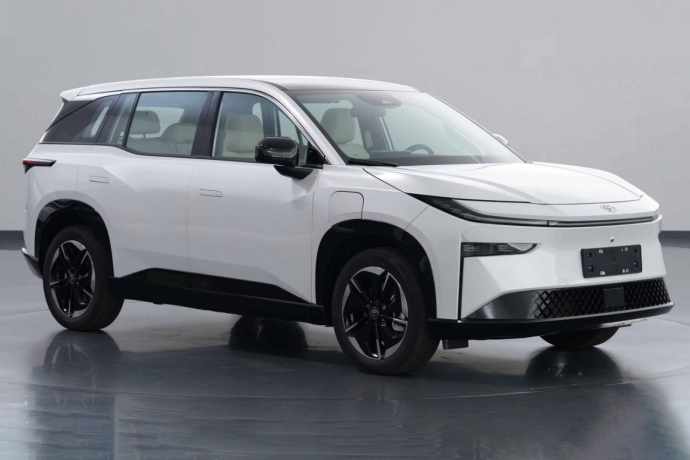
Among them, the BZ Smart 3X continues to gain market traction. Since its launch in March 2025, its monthly sales have steadily increased from 4,344 units in May to over 10,000 units in October. After the launch of the 2026 model, sales continued to rise, achieving three consecutive months of growth from May to August, with monthly sales increasing from 6,731 units to 9,216 units, demonstrating stable growth momentum.
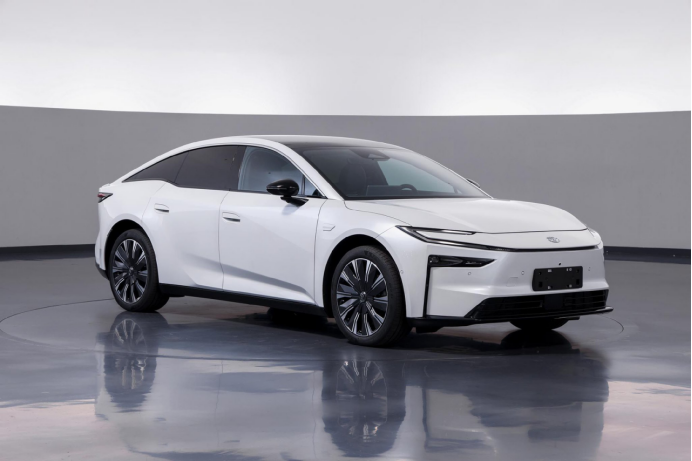
FAW Toyota bases its sales on intelligent hybrid dual-engine models, while delving deeper into the domestic pure electric home market with the bZ3 and bZ5 pure electric models.
It is worth noting that the transformation achievements of various joint venture brands are inseparable from their deep integration and comprehensive collaboration with China's domestic supply chain. Nowadays, joint venture automakers no longer adhere to overseas technical standards but fully integrate into the domestic mature supply chain system. Nearly 90% of the domestic parts for Toyota's bZ series models are sourced locally, while the BZ Smart 7 adopts a fully localized solution featuring Huawei's electric drive, HarmonyOS cockpit, and Momenta's intelligent driving system, addressing past shortcomings in intelligence.
Volkswagen has secured a stable battery supply by acquiring a stake in Guoxuan High-Tech, jointly developed the CEA electronic and electrical architecture with XPENG, and collaborated with Horizon Robotics to implement intelligent driving technology, establishing a localized development system with capital ties and technological synergy.
This profound localization transformation has enabled joint venture automakers to continuously narrow the gap with local brands in terms of cost control, functional adaptation, and delivery efficiency. Joint venture automakers have shifted away from the passive adaptation model of "modifying global fuel vehicles into electric ones" and transitioned to a customized development model led by Chinese teams, fully supported by the Chinese supply chain, and aligned with Chinese market pricing.
A series of strategic布局 (layout), such as Toyota's RCE system, Audi's Shanghai Technical Center, and Volkswagen's localized technology cooperation, all reflect the core trend of joint venture automakers shifting their R&D and decision-making centers to the Chinese market.
From this perspective, the new energy transformation of joint venture automakers is precisely a process of deep integration with the Chinese market. They are no longer merely adapting overseas models but incorporating Chinese teams, the Chinese supply chain, and Chinese market pricing logic into the core links from the product definition stage. This integration is not a one-sided technology procurement but a synchronous adjustment of the R&D system, decision-making mechanism, and supply network.
Overall, the new energy transformation of joint venture automakers is entering a new phase of tangible results. With the continuous enhancement of the product matrix and the deepening of local technological collaboration, joint venture automakers will continue to unleash new competitiveness in China's diversified new energy market.
(Images sourced from the internet, removed if infringing)
-
Global Luxury Market Cools Down: What’s Next for Ultra-Luxury Cars?
-
![]()
Automakers Spare No Effort to Drive Up Sales
-
![]()
Can the Hongqi Tiangong 07 Compensate for the Flaws of the Hongqi EH7?
-
![]()
Intelligent 'Made in China' Propels Joint Venture New Energy Vehicles Forward
-
![]()
How to Deploy Enterprise-Grade AI Agents? Shenzhen Unveils Solutions This Golden October!
-
![]()
OpenAI Starts to Feel Fear Too
-
![]()
Why Does Bill Gates Call for Legislative Regulation of AI Tools?
-
![]()
The Crayfish Craze Fades Away