Huawei and Seres Forge Alliance: A Strategic 'Remarriage'!
 10/08 2026
 457
457
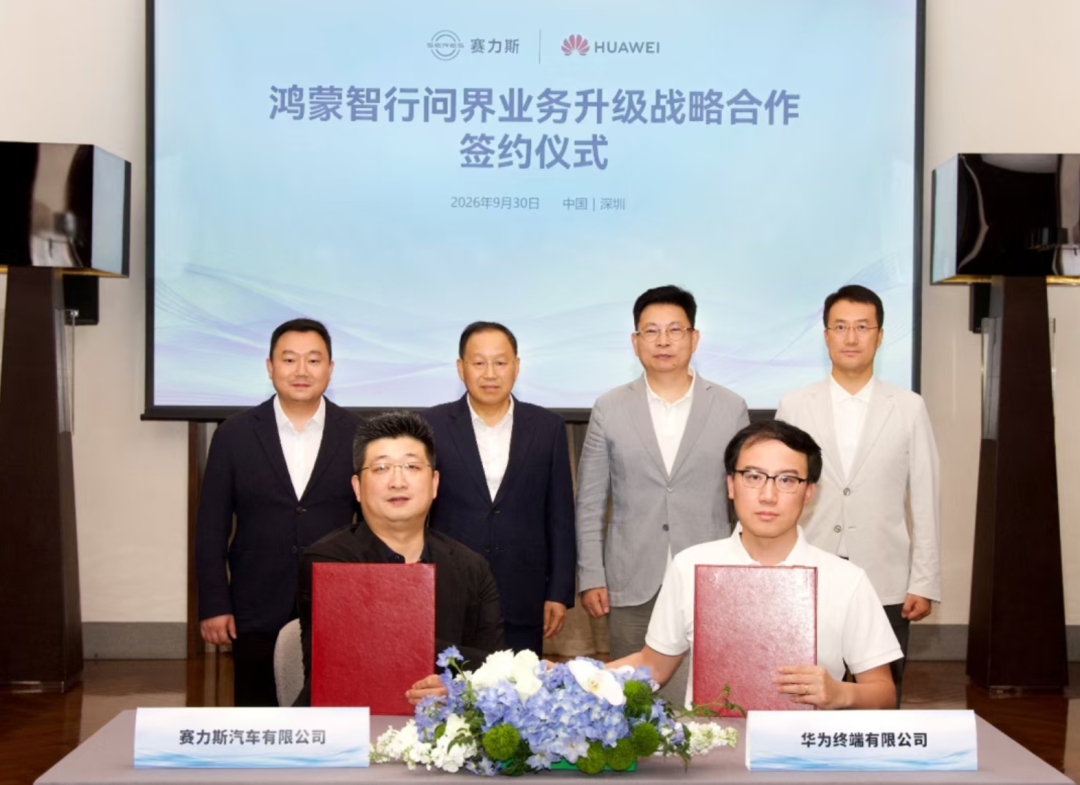
On the inaugural day of the National Day celebrations, Huawei and Seres joined forces, sparking a viral sensation across the internet!
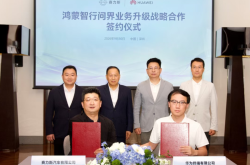
On September 30, the signing ceremony for the strategic cooperation upgrade of the AITO business under Harmony Intelligent Mobility Alliance took place in Shenzhen.
Yu Chengdong, Executive Director and CEO of Huawei's Consumer Business Group, Director of the Product Investment Review Committee, and Chairman of the Terminal BG, alongside Zhang Xinghai, Chairman (Founder) of Seres Group, graced the signing ceremony.
With seamless coordination, Yu Chengdong and Zhang Xinghai took their seats at the signing table, affixed their signatures to the documents, shook hands in agreement, and posed for a commemorative group photo.
Public reports indicate that the AITO user base has surpassed 1.2 million, heralding a new era of brand expansion.
Huawei and Seres have announced that, as they embark on a new five-year journey, both parties will remain steadfast in their core positioning of the AITO high-end smart car brand. They will jointly establish a dedicated team for the AITO business, further elevate its operations, enhance services for AITO users through exclusive operations, and consistently propel the AITO new luxury brand to greater heights.
Both entities are dedicated to delivering cutting-edge high-end smart electric vehicle products and an unparalleled travel experience to users, thereby driving the high-quality development of China's automotive industry and establishing a benchmark for China's new luxury smart cars.
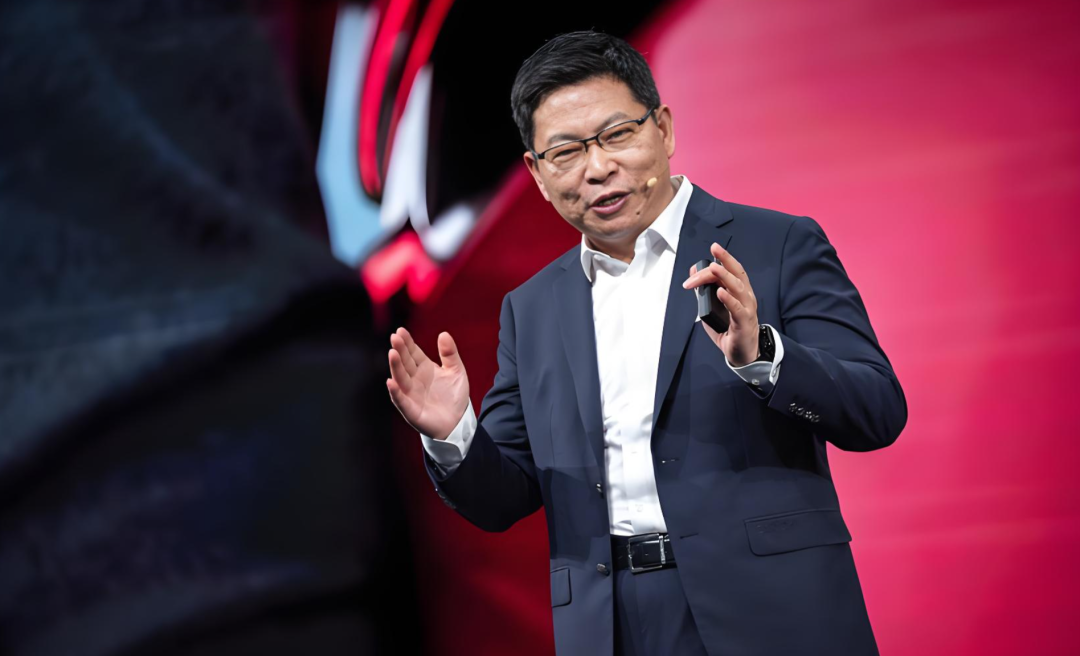
This marks the commencement of the second 'five-year plan' collaboration between Huawei and Seres.
Upon the announcement, public opinion swiftly polarized into two factions. One faction asserted, 'Huawei cannot thrive without Seres,' while the other countered, 'Seres cannot prosper without Huawei.' A heated debate ensued, with neither side yielding.
Speculation had already been rife in the market prior to this.
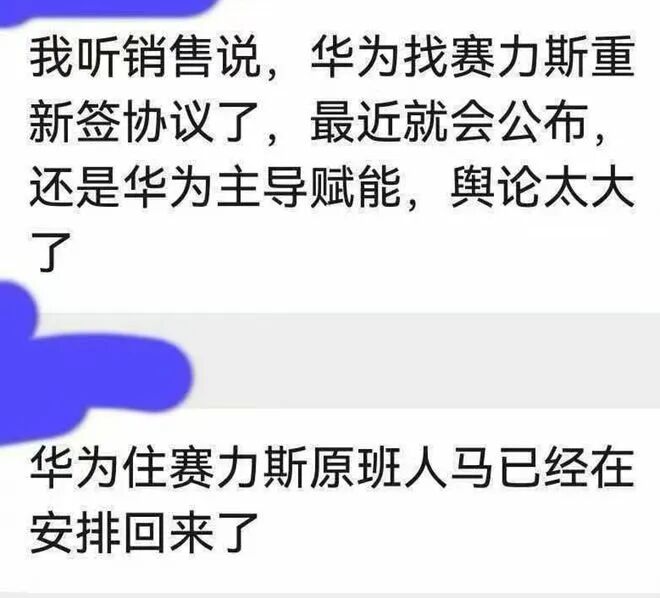
Leaked chat records revealed: 'Sales sources indicate that Huawei is renegotiating an agreement with Seres and will announce it shortly. Huawei will continue to lead the empowerment efforts. The buzz is intense, and Huawei's original team at Seres is already being recalled.'
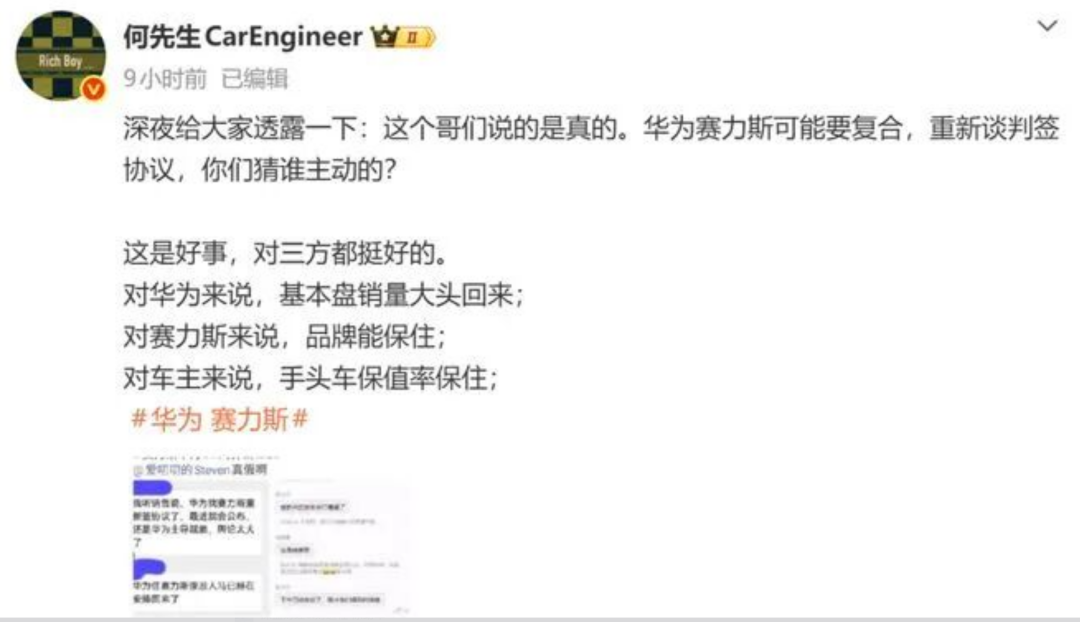
Some bloggers also confirmed the reunion of Huawei and Seres, stating that renegotiating and signing the agreement would be mutually beneficial for Huawei, Seres, and car owners.
This announcement signifies that after years of collaboration, AITO has evolved from a new energy vehicle project into a significant brand asset jointly nurtured by both parties.
However, the most notable aspect of this cooperation is not the 'five-year' timeframe.
What truly warrants attention is the recent adjustment in their cooperation model.
In September, AITO announced the exploration of a new cooperation model, wherein Seres would spearhead product definition, design, brand marketing, channel retail, and service systems, while Huawei Terminal would continue to provide technological empowerment.
In essence: Seres is assuming greater operational responsibilities, while Huawei continues to offer technological and ecological support.
This does not signify the end of cooperation but rather a redefinition of roles for both parties.

What has been the journey of Huawei and Seres over their five-year cooperation?
Many first learned of Seres through AITO. However, their cooperation did not materialize overnight.
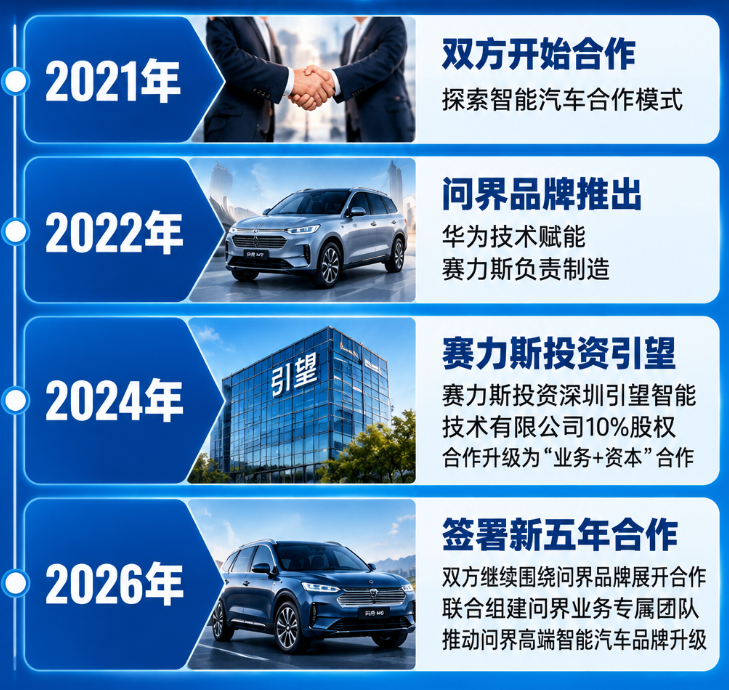
From initially co-creating AITO to later investing in Yinwang, their partnership has continuously deepened. In 2024, Seres invested in Shenzhen Yinwang Intelligent Technology Co., Ltd., acquiring a 10% stake.
This signifies that their cooperation has transitioned from a pure business collaboration to a profound 'business + capital' alliance.
The evolution of cooperation between Huawei and Seres:
Why do both parties opt to continue cooperating after adjusting the model?
A pertinent question arose: Would the change in the cooperation model alter the relationship between the two parties?
The answer, based on outcomes, is no. The reason is straightforward: both parties have forged a complementary relationship.
Huawei's greatest asset: technological and brand prowess.
Huawei's foray into the automotive industry is not primarily aimed at becoming a traditional automaker. Instead, it aspires to be a technological platform in the era of smart cars.
Huawei boasts: HarmonyOS smart cockpit, intelligent driving technology, Internet of Vehicles ecosystem, and brand influence. These capabilities are challenging for traditional automakers to replicate swiftly.
Over the past few years, the competitive landscape in China's new energy vehicle market has transformed.
Previously, the focus was on engines, transmissions, and supply chains. Now, it revolves around chips, software, intelligent driving, and human-machine interaction.
Cars are transitioning from 'mechanical products' to 'smart terminals.' This is where Huawei's value lies.
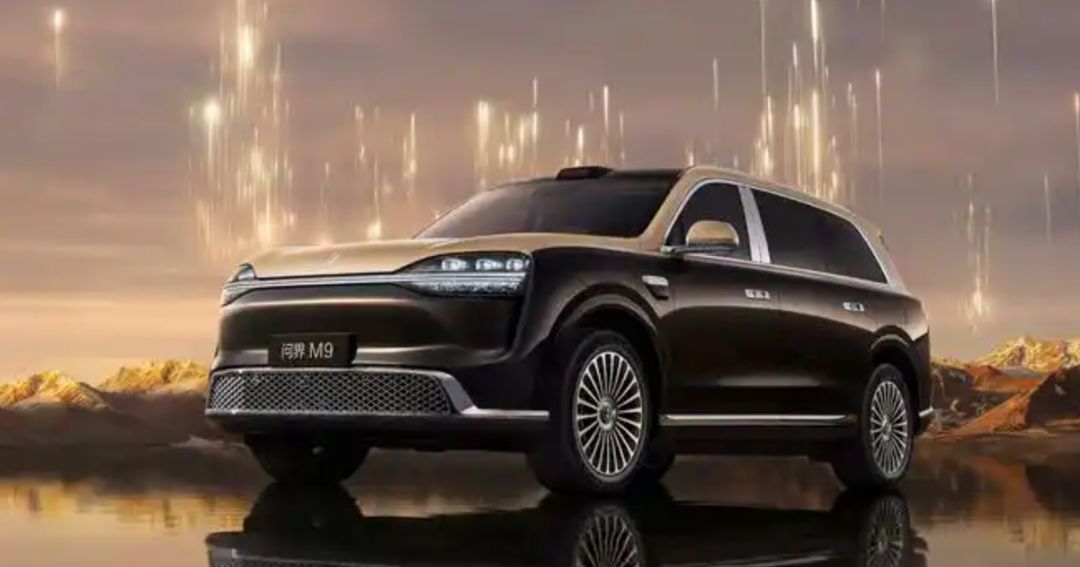
Seres's greatest strength: manufacturing and vehicle integration capabilities.
However, smart cars must ultimately reach consumers. While software can be upgraded, cars must be manufactured.
Seres's advantages are primarily reflected in: vehicle manufacturing capabilities, supply chain management, production systems, and delivery capabilities.
AITO's rapid growth is not solely attributable to a single technological label.
Behind it lies Huawei's responsibility for intelligent capabilities and Seres's role in transforming products into marketable cars. This is a synergy between a technology company and a manufacturing enterprise.
How is Seres faring currently?
The market is concerned not only about the cooperation but also about the company's fundamentals. From the semi-annual report, Seres is undergoing a phase of transformation and adjustment.
Seres's operational performance in the first half of 2026.
On the surface, profits are under pressure.
However, on the flip side, the company continues to ramp up investments, instilling greater expectations in the capital market.
Seres's semi-annual report indicates that the decline in performance was primarily influenced by factors such as the product iteration transition period, rising prices of core components, and asset impairments. These are pain points that enterprises must confront during transformation.
The automotive industry is characterized by the fact that the period of new car model transitions often entails the highest investments.
Increased R&D investments do not necessarily translate into immediate short-term profit boosts. The crux lies in whether future products can initiate a new sales cycle. This cooperation has once again bolstered Seres's standing in the capital market.
What does this cooperation signify for the automotive industry?
In the future, automotive competition may witness three trends.
Firstly, automakers and technology companies will forge long-term alliances. Traditionally, the automotive industry emphasized 'comprehensiveness,' where a single company undertook all processes. However, in the era of smart cars, this approach is becoming increasingly arduous.
Because cars necessitate: hardware manufacturing capabilities; software R&D capabilities; and ecological operation capabilities. It is formidable for a single company to excel in all domains.
In the future, it is more plausible that automakers will handle manufacturing and user operations, while technology companies will concentrate on intelligent capabilities.
Both sides will form enduring alliances.
Secondly, automotive competition is entering a 'systemic competition' phase. Previously, selling cars focused on specifications. Now, it centers on experience.
Consumers are concerned about: whether intelligent driving is user-friendly; whether the infotainment system operates smoothly; whether after-sales service is convenient; and whether software updates are continuous. This implies that competition is no longer confined to individual car models.
It is competition between entire systems.
Thirdly, Chinese automotive brands are making inroads into the high-end market. Traditionally, the luxury car market was dominated by overseas brands. However, in the era of new energy vehicles, Chinese companies have newfound opportunities.
Brands like AITO, Li Auto, XPENG, and NIO are all endeavoring to penetrate the market above 200,000 yuan.
The companies that truly endure in the future may not be those with the highest sales but those that can establish enduring brand value.
In Conclusion
The significance of Huawei and Seres signing another five-year agreement lies not in proving who is stronger but in demonstrating that both parties have entered a new phase of cooperation.
Over the past few years, Huawei has aided AITO in achieving brand breakthroughs, while Seres has facilitated AITO's manufacturing and delivery.
Now, both parties must address how to transition from 'rapid growth' to 'long-term operations.'
The automotive industry is undergoing a reshuffle. Previously, it revolved around factories; later, it focused on batteries. Now, it centers on smart ecosystems.
Competition in the automotive industry is shifting from a 'scale race' to a 'systemic race.'
Whoever can balance technological capabilities, brand value, and operational efficiency will stand firm in the next five years. Huawei and Seres's adjustment is, at least, heading in the right direction.
As for the outcomes, the market will provide the verdict.
What are your thoughts on the renewed cooperation between the two parties? We look forward to your civil and rational insights in the comments section.
Disclaimer: This article is solely intended for financial hotspot analysis. Data and information are sourced from public queries, company announcements, and Huasheng Securities' IFinD. Some materials are from Shenlan Finance. The views expressed are for reference only and do not constitute any investment or consumption advice. #FinancialHotspots #In-DepthAnalysis #BusinessFinance
-
![]()
Polarization of Light: The ‘Sense of Direction’ in the Realm of Transverse Waves
-
![]()
Polarizer, Wave Plate, and Polarized Light Path Design: The Essential Framework of Polarization Optical Systems
-
![]()
JAC Motors’ Stock Price Rockets for Three Days Straight: Is the ‘Huawei Partnership’ Being Treated as a Cash Cow?
-
![]()
What Does China's Motorcycle Industry Still Lack After 7 Billion Views?
-
![]()
Yijing’s First Car Hits the Market: Timing, Location, and Target Audience—How to Get Them Right?
-
![]()
Volkswagen Lays Off 100,000 Employees but Builds Three Battery Factories in Europe with Gotion High-Tech
-
![]()
GAC Group: Pioneering Integration Among Domestic Automakers
-
![]()
Huawei and Seres Forge Alliance: A Strategic 'Remarriage'!