Can Jetta M6’s Affordable Pricing Pave the Way to Success?
 10/08 2026
 537
537
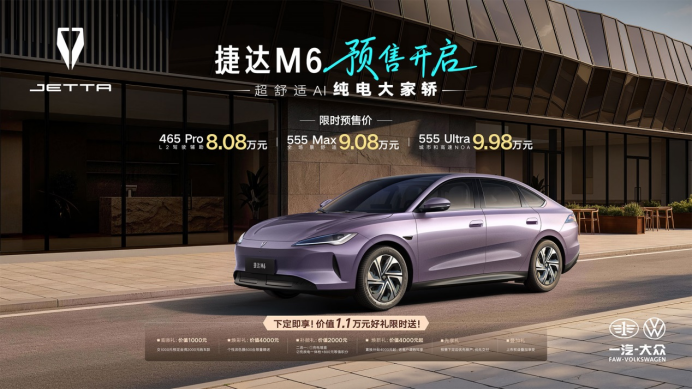
Recently, Jetta unveiled its first all-electric sedan, the M6, initiating pre-sales with three variants at a limited-time pre-sale price ranging from RMB 80,800 to RMB 99,800.
The announcement of the price was met with a surge of positive feedback. The rationale is straightforward: Jetta M6’s pricing strategy aligns with Jetta's tradition of offering affordable yet high-value vehicles, bringing the entry-level price for a mid-size electric sedan to just over RMB 80,000 and reshaping the value proposition in the mid-size electric vehicle (EV) segment.
A scan of the mid-size EV market within the RMB 80,000 to RMB 100,000 price bracket reveals a notable absence of direct competitors in the strictest sense.
In terms of product offerings, the Jetta M6 matches or even surpasses its rivals in terms of power, features, and intelligence. Competitors such as the BYD Qin L, Seal 06, MG 07, Fengyun A9, ARCFOX Alpha S3, and ARCFOX Alpha S5 either start at higher prices or position their main selling versions above RMB 100,000. Jetta M6’s pricing strategy employs a “dislocation competition” tactic, identifying and exploiting a market segment where competitors have yet to establish a strong presence.
However, whether Jetta M6 can capitalize on this market gap remains to be seen.
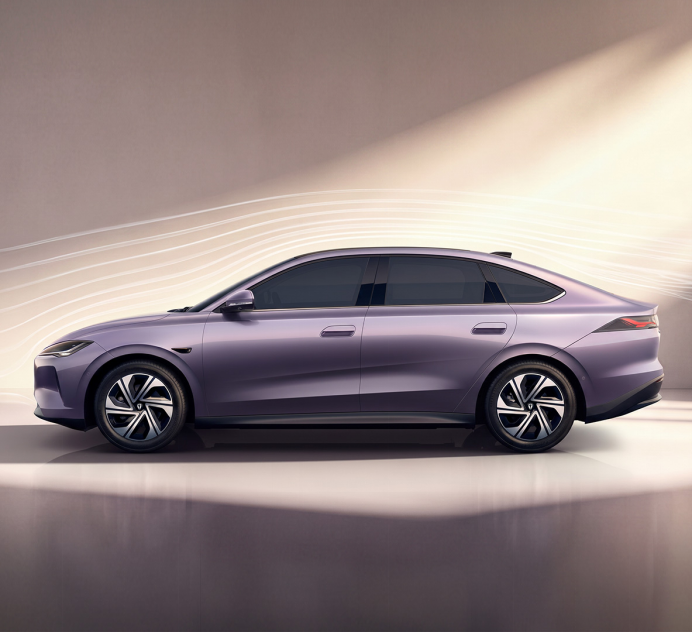
Admittedly, the Jetta M6 is well-appointed, but it also faces certain drawbacks, the most apparent being its size. As a mid-size electric sedan, its body dimensions and wheelbase are average and do not particularly stand out compared to its peers. Models such as the ARCFOX Beta S3, Geely Galaxy A7, and Chery Fengyun A9 outsize the Jetta M6 in both dimensions and wheelbase. Some analysts note that Chinese consumers often associate a “mid-size car” with prestige, space, and a commanding presence, posing a natural disadvantage for the Jetta M6.
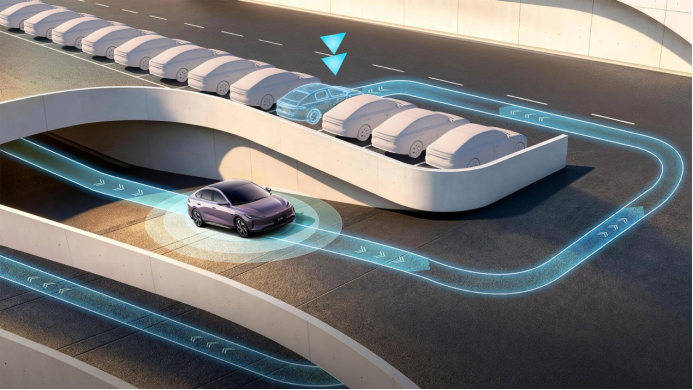
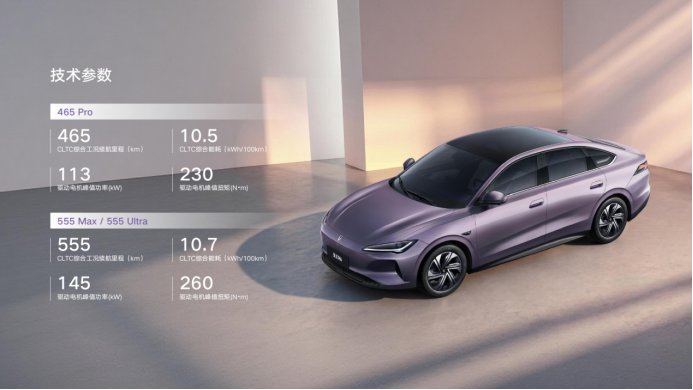
More notably, there’s the battery issue. The top-spec Jetta M6, boasting a 555 km range, is equipped with only a 51 kWh battery pack—a figure that has raised eyebrows among industry experts who suspect it may be "overstated." Achieving a 555 km range on a 51 kWh battery implies an energy consumption of just over 9 kWh per 100 km, a feat that might be勉强可行 (barely feasible) under normal temperatures but would likely see a significant reduction in range during winter or on highways. While consumers may not grasp the technical intricacies of battery systems, they are highly attuned to whether the advertised range is “realistic.” In recent years, joint venture brands have been more conservative with their range estimates compared to the more aggressive claims made by local brands. Jetta M6’s decision to opt for an aggressive range rating is not inherently flawed, but if the actual performance falls significantly short of the advertised figure, consumer backlash could ensue swiftly.
From an external viewpoint, these are not even the core challenges confronting the Jetta M6. The real issue lies with the brand itself.
The current electric vehicle market is already dominated by local brands. In the sales rankings of mid-size electric vehicles priced between RMB 100,000 and RMB 150,000, the top six positions are firmly occupied by local models. Mid-size electric vehicles from joint venture brands generally underperform. This is not an isolated issue but reflects a broader, systemic lag within the entire joint venture sector in the electric vehicle race. As an independent brand under FAW-Volkswagen, Jetta’s brand appeal and market recognition still trail behind the Volkswagen brand itself, let alone when pitted against local brands like BYD, Leapmotor, and Geely Galaxy, which have already secured a strong foothold in the new energy vehicle sector.
In recent years, Jetta’s market presence has dwindled, an undeniable fact. From being a “national favorite” during the fuel-powered vehicle era to its current marginalized state, Jetta’s predicament did not materialize overnight. While the Jetta M6’s product may be valued at RMB 80,000, whether Jetta’s brand equity can compete with its popular rivals remains uncertain.
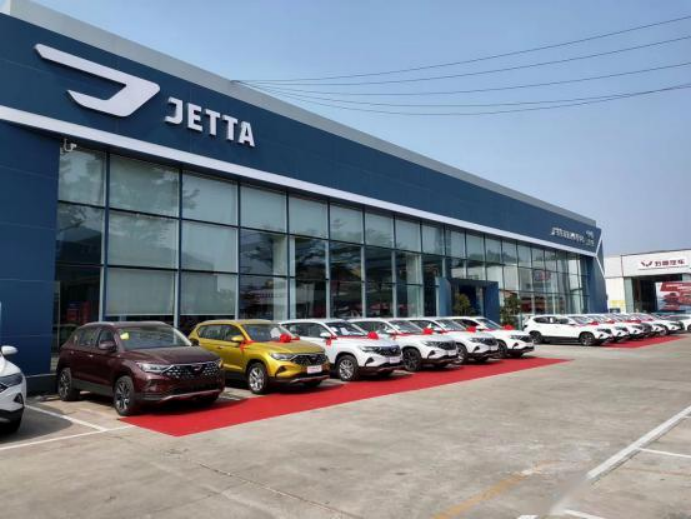
Of course, some might cite the example of the ID.ERA 5S. The ID.ERA 5S demonstrated that a low-price strategy could still carve out a market niche for Volkswagen-system new energy vehicles. However, Jetta is not Volkswagen; it is an independent brand under FAW-Volkswagen with a significant gap in brand appeal and market recognition compared to the Volkswagen brand. The success of the ID.ERA 5S was largely built on the massive customer base and channel trust accumulated by the Volkswagen brand during the fuel-powered vehicle era, whereas Jetta’s recent market performance has precisely highlighted the erosion of that trust.
From a broader perspective, the Jetta M6’s situation mirrors the electric transformation challenges faced by joint venture brands. In today’s automotive market, the advantages traditionally held by joint venture automakers are being gradually eroded by the rapid iteration and cost-control capabilities of local brands. The Jetta M6 offers a pre-sale price that exudes sincerity, but sincerity alone is merely an entry ticket, not a guarantee of success. It must contend with BYD’s economies of scale, Leapmotor’s full-stack self-research capabilities, Geely Galaxy’s extensive channel reach, and consumer trust in joint venture electric sedans.
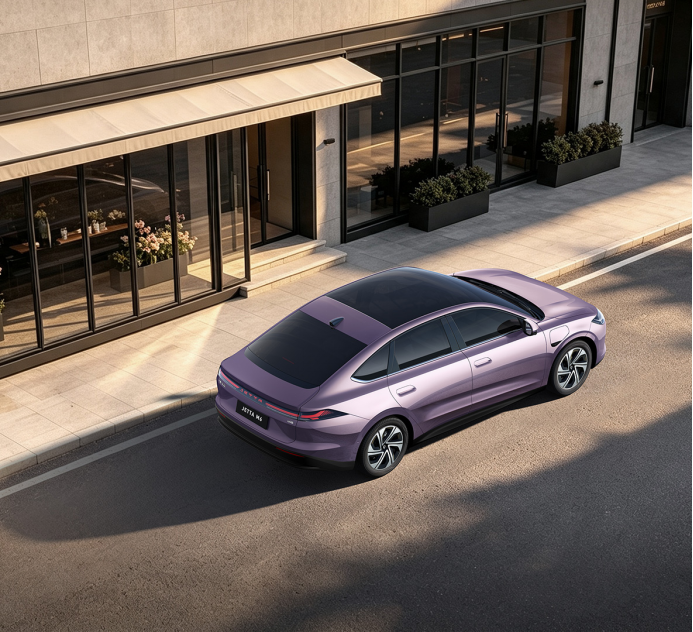
Over the past few years, the Chinese automotive market has become fiercely competitive, with vehicle configurations continually rising while prices keep falling. Yet, while sincerity is commendable, the market operates on its own set of rules. It must be acknowledged that a vehicle’s success today is no longer solely determined by its price.
(Image sourced from the internet; removal upon infringement claim)
-
![]()
[Electric Equipment] BRETON Eyes African Mining Sectors: Venturing into Electric Mining Truck Sales
-
Anthropic is Going Public: Valued at 2 Trillion in 5 Years, Who’s Paying for the AI Bubble?
-
![]()
Going to work! Let's meet the new colleague: available 24/7, works hard for little pay, and has a great attitude.
-
![]()
Why Has NVIDIA Become the Biggest Winner in the AI Computing Power Race?
-
![]()
Day 4 of National Day: How are new energy vehicles performing for travel?
-
![]()
O-film Tech Becomes the Exclusive Supplier of Main Camera and 200MP Periscope Telephoto Lenses for Huawei Pura 90 Pro Series
-
![]()
Why is Baidu's AI large model rarely mentioned anymore?
-
![]()
In-Depth Guide to Car Purchase Incentives: Can You Really Save Nearly 10,000 Yuan on the Spot?