In His Inaugural Year, Porsche CEO Implements Three Daring Strategies: 9,000 Job Cuts, 20% Price Increase, and Reintroduction of Gasoline Cars
 10/09 2026
 371
371
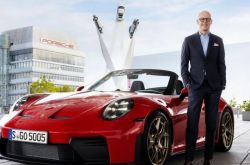
Since assuming the helm on October 17 of the previous year and marking his first anniversary this October, Porsche's newly appointed CEO, Dr. Michael Leiters, has embarked on three audacious initiatives.
At the Capital Markets Day held on October 7, Porsche unveiled its new 'Sportwagenschmiede ’35' strategy for 2035. This strategy embodies Dr. Leiters' vision to 'restore Porsche's former glory,' meticulously crafted over the past year. Having previously served as the CEO of Ferrari, Dr. Leiters succeeded Oliver Blume, who had steered Porsche AG for a decade until 2025. Blume stepped down due to the energy-draining dual responsibilities of leading both Volkswagen and Porsche, subsequently focusing solely on his role as CEO of the Volkswagen Group. As Blume's successor, Dr. Leiters undoubtedly faces immense pressure.
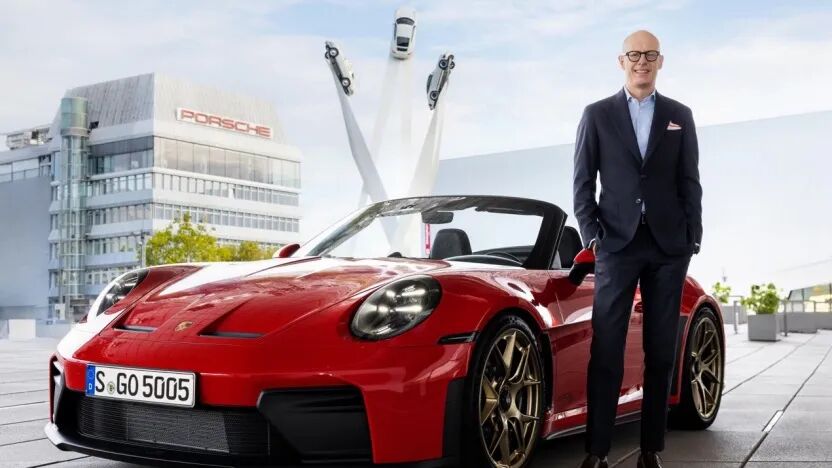
The former CEO delivered Porsche's best-ever performance. Nevertheless, Porsche also confronts substantial developmental challenges. The transition towards electrification and intelligent technologies presents evident hurdles. For Dr. Leiters, the task at hand is to guide Porsche in rediscovering the optimal development trajectory and re-attaining rapid growth. This is precisely what Porsche's 2035 strategy aims to address for investors and the consumer market.
Overall, the 2035 strategy eschews aggressive sales expansion targets, instead prioritizing risk resilience, cost control, and enhancing product value (per-unit value). The entire plan, encompassing product selection, organizational reform, and financial objectives, is grounded in achievable real-world goals, underscoring the pragmatism of the new management team. Furthermore, slight modifications have been made to the previously announced 2030 strategy, although this does not signify a reversal of the former CEO's direction—in fact, Blume had already commenced revising the 2030 strategy in his final year.
According to the 2030 strategy announced in 2021, Porsche aimed to steer its business activities and future direction through six interconnected strategies: customers, products, sustainability, digitization, organization, and transformation. A key objective was to eliminate carbon footprints across all stages of the value chain by 2030, from development, procurement, and production to vehicle recycling. This implied a swift transition towards electrification. The newly formulated 2035 strategy revises the latter half of the 2030 strategy.
Firstly, Porsche reaffirms its positioning as a high-end sports car brand, with products primarily focused on the sports luxury and sports premium segments, without seeking compensation in other markets due to operational challenges. Additionally, Porsche adheres to the principle of 'quality over quantity,' a practice inherited from Blume's tenure of not pursuing volume and upholding brand stature. Furthermore, Porsche will substantially lower its breakeven point, achieving profitability at new car sales volumes below 200,000 units.
Notably, Porsche's previous plan was to maintain profitability at 250,000 units. Evidently, Porsche's outlook on the subsequent market has become more conservative and cautious. Correspondingly, in product planning, Porsche will reduce model derivatives to achieve higher production concentration, thereby lowering costs and boosting profits.
Firstly, Porsche intends to slash approximately 20% of model derivatives, simplifying the product system complexity, with an anticipated average sales increase of about 30% per derivative in the medium term. Simultaneously, resources will be further allocated towards the high-profit-margin D and E segments, with a medium-term goal of increasing the proportion of D/E models in the product mix by about 45%.
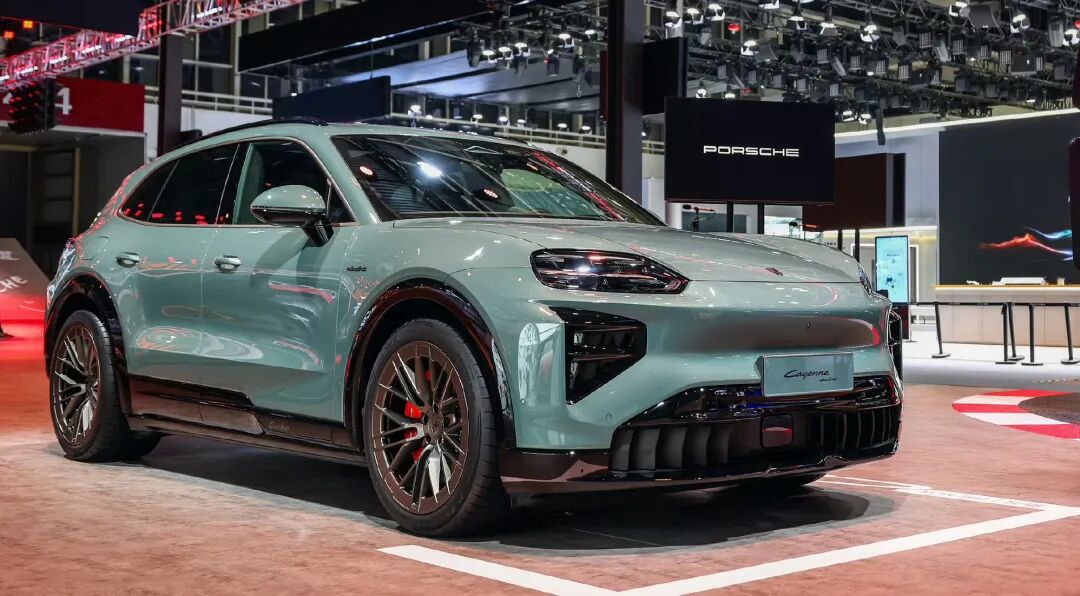
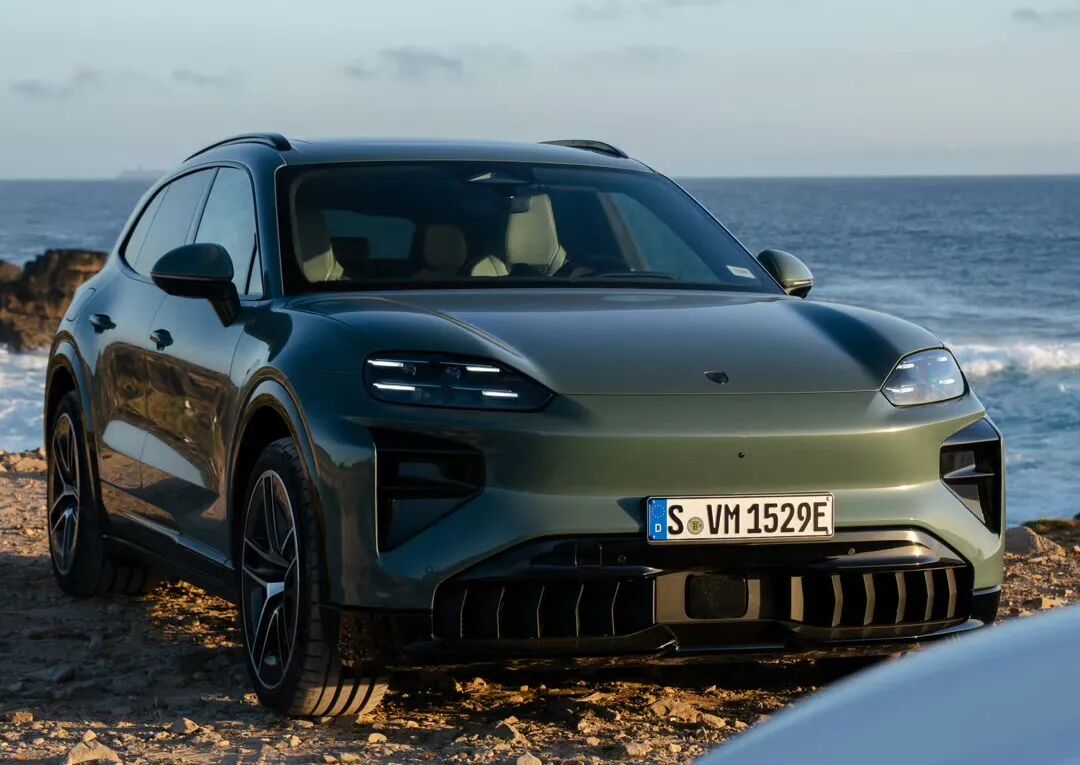
Regarding new vehicle planning, clear timelines have been established: the fully electric 718 Boxster and Cayman are expected to commence full production in 2028; a new B-segment SUV offering both gasoline and plug-in hybrid powertrains will be launched the same year, anticipated to be sold alongside the electric Macan, with sales and profit contributions expected to materialize in 2029. Additionally, Porsche disclosed plans to develop a mid-engine supercar platform, creating a new model line positioned above the 911, while contemplating a D-segment SUV positioned above the Cayenne.
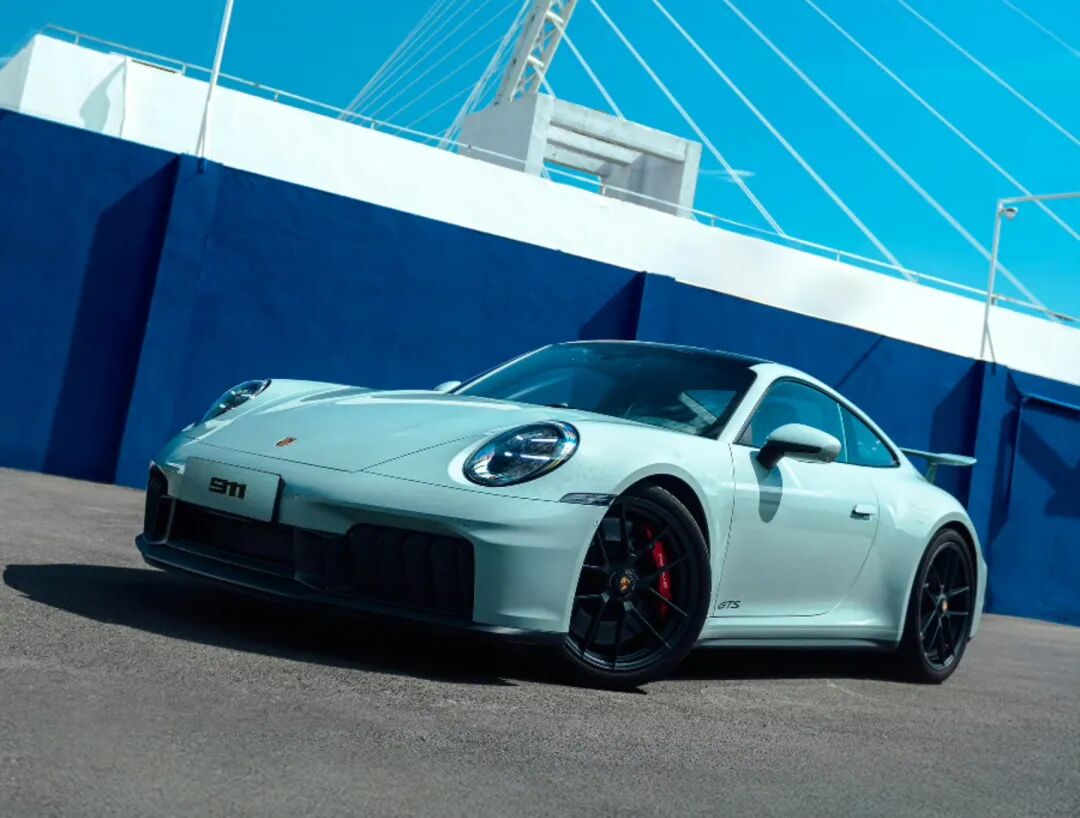
Among existing models, the 911 remains pivotal. Porsche will subsequently introduce 911 derivatives to bolster the 911's product presence in the D-segment market. Personalized customization for high-end models is a key direction for future development, with Porsche planning to expand highly personalized vehicle offerings and aiming to increase sales revenue from customization services to six times current levels by the medium term.
Following the expansion of revenue sources, cost-cutting measures ensue. Porsche aims to create a leaner, faster, and more adaptable organizational structure with more streamlined processes. Porsche has reached an agreement with employee representatives on a 'future package.' In addition to responsibly cutting 9,000 positions, it has pledged to safeguard core employee positions until 2035. Simultaneously, Porsche announced plans to reduce mid-term management positions by 40%, directly and indirectly cutting functional department staff by 25% in the medium term and up to 30% in the long term, thereby reducing overall labor costs by about 10%; employee bonuses will be intricately linked to corporate financial performance, with an employee stock ownership plan planned for 2028.
In terms of organizational structure, Porsche Engineering and Porsche Digital will merge into Porsche Technologies; sales regions will be streamlined from five to four. All cost-cutting targets are clearly delineated: mid-term new model development costs reduced by up to 20%, production labor costs by up to 30%, sales and distribution costs by 20%, and per-unit material costs for new models reduced by about 10% compared to original plans.
Additionally, Porsche has concentrated its current business endeavors to focus on core development. It has divested stakes in Rimac and Bugatti Rimac, signed an agreement to sell its MHP consulting subsidiary, and plans to shut down Cellforce Group, electric bicycle, and Cetitec R&D and production operations, divesting non-core sectors to concentrate on its main sports car business.
Porsche also plans to enhance R&D and procurement efficiency. In R&D, Porsche aims to reduce development costs for future model lines by up to 20% in the medium term. This will be accomplished by significantly shortening development cycles, expanding internal capacity, advancing modular development processes, and reducing model line complexity.
As a pivotal aspect of improving R&D efficiency, Porsche Engineering and Porsche Digital will merge into Porsche Technologies. This merger aims to bolster Porsche's global R&D capabilities and more fully leverage global expertise at reduced costs. Additionally, Porsche plans to reduce labor costs in production by up to 30% in the medium term. Subsequent process and product design optimizations will facilitate flexible co-production of different models on the same production line.
In sales, Porsche will consolidate its current five global sales regions into four, aiming to reduce sales and distribution costs by 20% in the medium term. Additionally, per-unit material costs for new model projects will be reduced by about 10% compared to previous plans. Porsche explained that material cost reductions will be achieved by increasing the proportion of common parts, focusing on brand-differentiated configurations, and enhancing synergies with partners and within the group network.
Cost reductions do not imply a decline in quality; on the contrary, Porsche explicitly aims to further elevate the perceived quality of products and services, striving to reduce warranty costs by 45% in the medium term.
Furthermore, Porsche has revised its profit targets. The newly set medium-term group return on sales target is 10% to 15%, with an automotive net cash flow margin of 9% to 12%, and a medium-term revenue target of €41 billion to €45 billion. The long-term target is a group return on sales of 15% and an automotive net cash flow margin of 12%.
Porsche also cautions that achieving the upper limits of these target ranges necessitates improvements in macroeconomic, geopolitical, and regulatory environments, as well as successful implementation of value creation initiatives. Notably, Porsche's previous medium- and long-term profit targets were slightly higher: a medium-term return on sales target of 15%-17% and a long-term target of 'over 20%'.
Porsche has long been an industry benchmark in branding, technology, and operations. However, in recent years, it has grappled with the impact of electrification and intelligent technologies, particularly unprecedented challenges in the Chinese market. After adjusting its strategy, can Porsche cement its position at the pinnacle of the market in this new arena through these series of adjustments?
-
![]()
What is the boundary of collaboration between FAW Toyota and GAC Toyota behind FAW Toyota's 'independent survival'?
-
![]()
Optical Waveguide Route Selection and Performance Optimization: Four Questions Integrators Must Answer Correctly
-
![]()
The Collective Surge of Major AI Models Toward Public Listing: The High-Stakes Race Behind the Buzz
-
![]()
A Staggering $50 Billion Valuation! The Resurgence of a Tsinghua-Educated Engineer’s Venture
-
![]()
In His Inaugural Year, Porsche CEO Implements Three Daring Strategies: 9,000 Job Cuts, 20% Price Increase, and Reintroduction of Gasoline Cars
-
![]()
JAC’s Stock Plummets to Limit Down! Dcd Auto Tests Zunjie V800, Three Consecutive Cars Experience Brake Failures: Extreme Testing or Defective Product? | Mingjingpro
-
![]()
【Electric Equipment】Fengcheng Zhuoxin Logistics Signs Contract for 150 SANY Electric Heavy Trucks
-
![]()
[Intelligentization] Huawei and Seres Sign New Five-Year Cooperation