September Problem Summary: Tesla's Price Cuts Ignite Owner Dissatisfaction
 10/10 2026
 525
525
In September of this year, the overall reputation index of Qichemeng witnessed a significant rebound. The reputation indices of several automobile manufacturers surged notably, with Tesla experiencing the most substantial increase among the top 10. This surge was catalyzed by a sudden spike in concentrated problem feedback. Data indicates that Tesla's reputation index soared to 517.2, marking an approximate 346% month-on-month increase. Specifically, feedback concerning short-term price reductions for the Model Y and Model 3 reached 183.3, accounting for over one-third of the total and becoming the primary focus of owner complaints. The issue traces back to September 7, when Tesla China introduced a limited-time purchase policy: for existing vehicle orders placed and delivered by September 30, a 5,000 yuan deduction was applied to the final payment for all Model 3 variants, while all Model Y variants saw a direct 10,000 yuan reduction, along with perks such as 5-year zero-interest financing and 8,000 yuan for paint options. After combining the discounts, the starting price for the Model Y plummeted to a minimum of 253,500 yuan, and the Model 3 to 222,500 yuan, setting new records for the entry thresholds of both models.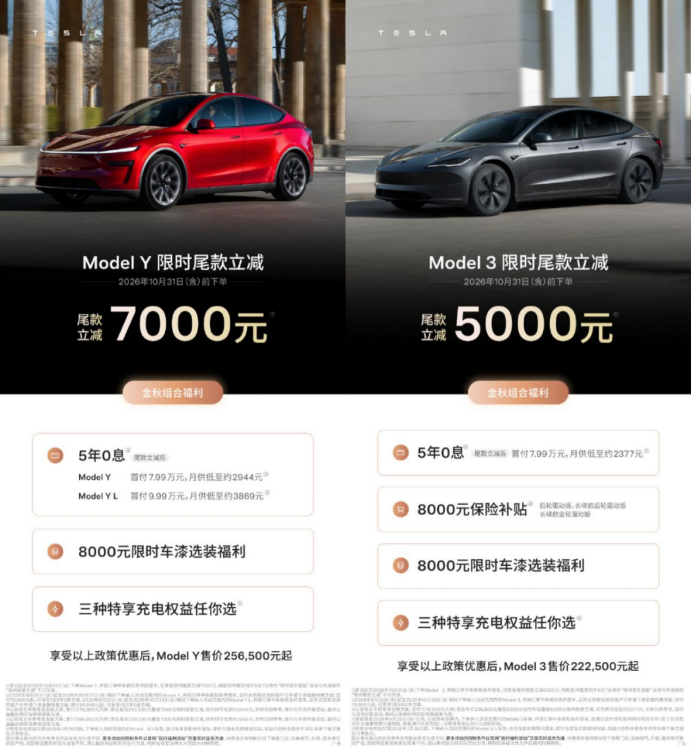
It was anticipated that the initial round of promotions would conclude, but Tesla swiftly launched a second round. On September 25, Tesla revised its purchase policy once again, extending the discount period to October 31. During this period, all Model 3 variants continued to offer a 5,000 yuan discount, while certain Model Y variants provided a 7,000 yuan discount. Two consecutive rounds of promotions within a single month left many owners who had recently experienced price reductions feeling "betrayed" once more. Ultimately, what owners may be concerned about is not merely the 10,000 yuan reduction but the fact that official discounts were implemented shortly after they took delivery of their vehicles. Particularly for some owners of newly delivered vehicles, encountering a price drop so soon after purchase naturally makes the price difference difficult to accept.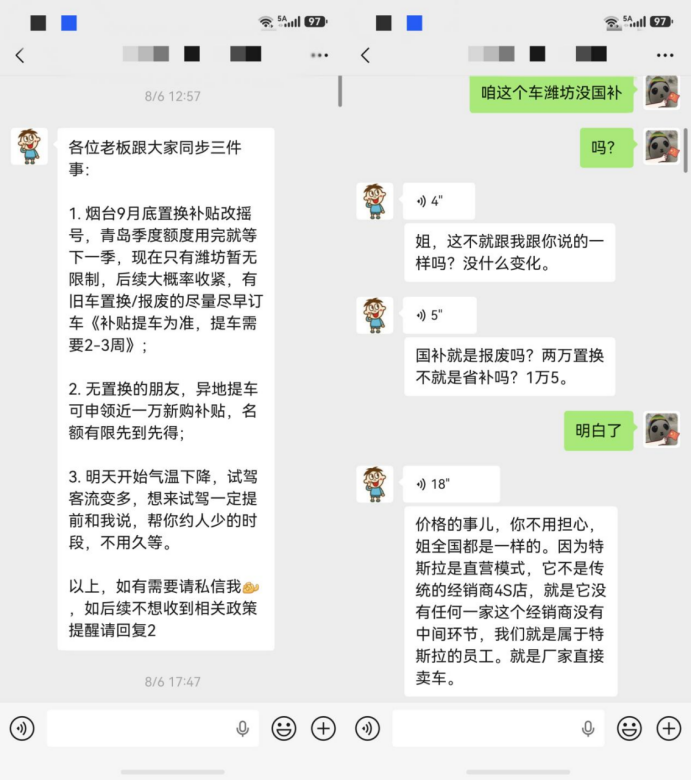
Owner demands regarding this round of price cuts were relatively focused. Owners requested that Tesla officially refund the price difference; if direct refunds were not feasible, they hoped for equivalent compensation, such as free supercharging credits, service points at the official store, extended warranties, and interior or option package benefits. In response to owner demands, Tesla customer service and dealerships stated that the promotions were temporary, limited-time incentives for existing vehicles, applicable only to orders placed and delivered during the event period, and that vehicles already delivered could not benefit from these discounts. Some dealership sales also mentioned that they only received notice of the promotions on the same day they were announced and were not informed in advance.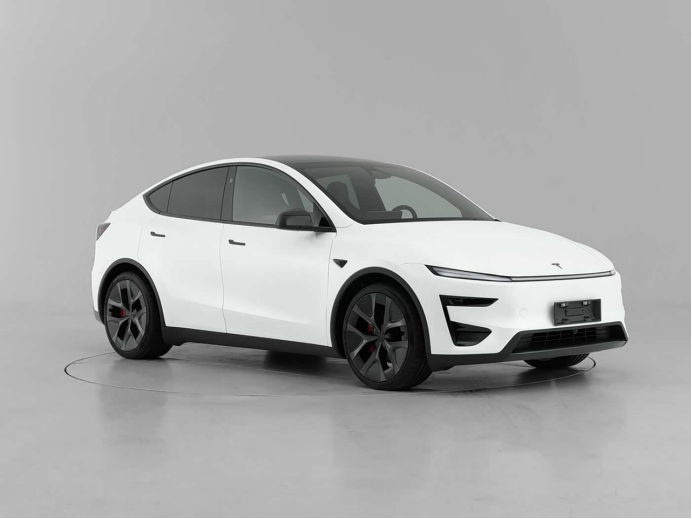
In reality, there is nothing inherently wrong with Tesla's price cuts. What truly warrants attention is that its fortunes in China are not as prosperous as before. Data reveals that in the first nine months of this year, Tesla's cumulative retail sales in China reached approximately 403,667 units, down about 12% year-on-year; among these, the Model 3 performed particularly poorly, with only 2,091 units sold in July alone. A more direct comparison is that in December 2025, Tesla's retail sales in China hit a historical peak of 93,843 units; however, in September 2026, even with the stimulus of "historically low prices," Tesla's retail sales in China only reached 71,525 units. It is evident that Tesla now struggles to replicate its previous sales success in the Chinese market. Facing sluggish growth, Tesla has had to increase discounts, stimulating sales through methods such as "limited-time final payment reductions." In fact, price wars are nothing new in today's domestic auto market. With one or two new models launching daily, automakers take turns in the spotlight, and market competition has reached a fever pitch. To secure orders and maintain market share, automakers have increased discounts one after another, and Tesla is no exception.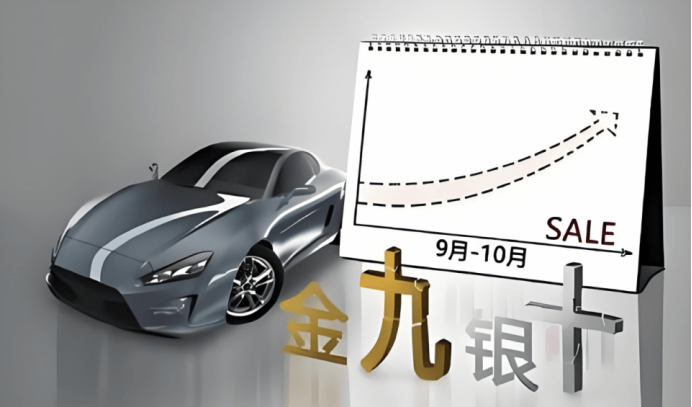
Moreover, September is traditionally the "Golden September, Silver October" sales sprint period. At this juncture, almost all mainstream brands offer some limited-time discounts: insurance, maintenance, and trade-in subsidies are rolled out one after another. Simply put, automakers aim to secure as many orders as possible during the peak sales season. Thus, price wars have become an industry-wide tacit agreement, and as a result, every few months, a new batch of owners who "just took delivery and then faced price cuts" emerge, demanding rights protection, spanning from new energy brands to traditional joint ventures. To some extent, price wars have become an unavoidable reality in today's auto market.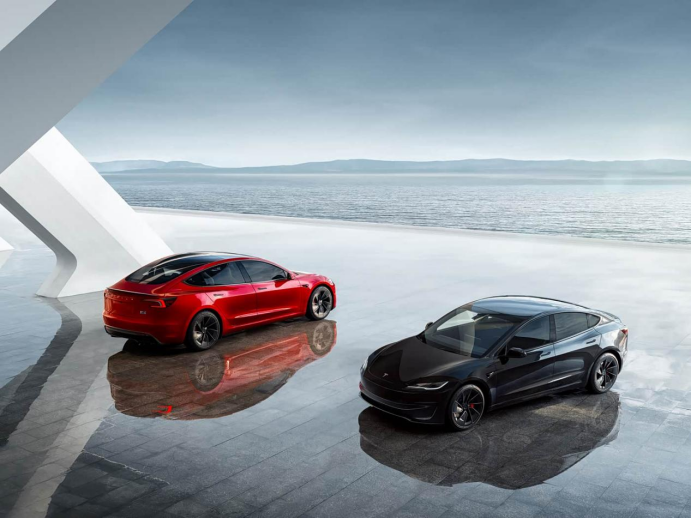
Ultimately, the concentrated complaints from Tesla owners triggered by this price cut are not solely due to the 10,000 yuan reduction but because the discounts came too swiftly, leaving many owners who had just taken delivery facing price drops shortly after, inevitably causing psychological imbalance. For Tesla, under sales pressure, using discounts to boost sales is understandable, but frequent price cuts can also make new owners feel like they "overpaid," thereby affecting brand reputation. As promotions continue, similar dissatisfaction is likely to resurface.
(Image sourced from the internet. Removal upon infringement.)
-
![]()
Keynote Speaker Announcement | Wang Peng, Alibaba's QianWen Office Business Development Expert, Confirmed for WAIE (10th) 2026 AI Industry Conference & AI Agent Industry Application Summit
-
![]()
A Chaotic Battle in the Smartphone Market: Who is Redefining the Imaging War?
-
![]()
Chaotic Competition in the Smartphone Market: Who is Redefining the Imaging War?
-
![]()
AI Is Not a Get-Out-of-Jail-Free Card: Why Only Microsoft Is Being Rewarded for Its AI Investments
-
![]()
Li Auto’s 2026 i6: The Brand’s Debut Global All-Electric Model Headed to Europe
-
![]()
Kimi K3 Goes Viral and Suspends Service in 48 Hours: Model Wins Benchmarks, Compute Falls Short Against Big Players
-
![]()
Zhixiang Future Secures 2.1 Billion Yuan in Three Months of Financing, Yet Founder Maintains: 'We Haven't Achieved World-Model Status'
-
11 Days, Five Launch Events: The Battle Behind the 2026 Domestic Flagship Smartphones