Fangchengbao Hits Monthly Sales of Over 43,000 Vehicles: Has BYD's Off-Road Vision Become Reality?
 10/10 2026
 434
434
As October unfolds, automakers worldwide are revealing their September sales data. Among these, Fangchengbao's figures shine brightly: 43,181 vehicles sold in a single month. This marks a 79% increase from September of the previous year and a 3.9% rise from August. Looking back, the brand delivered 41,213 vehicles in July, maintained momentum above 40,000 units in August, and continued its upward trajectory in September, marking three consecutive months of sales exceeding 40,000 units. As of September, cumulative brand sales have surpassed 580,000 vehicles, with the average transaction price remaining above RMB 222,000.
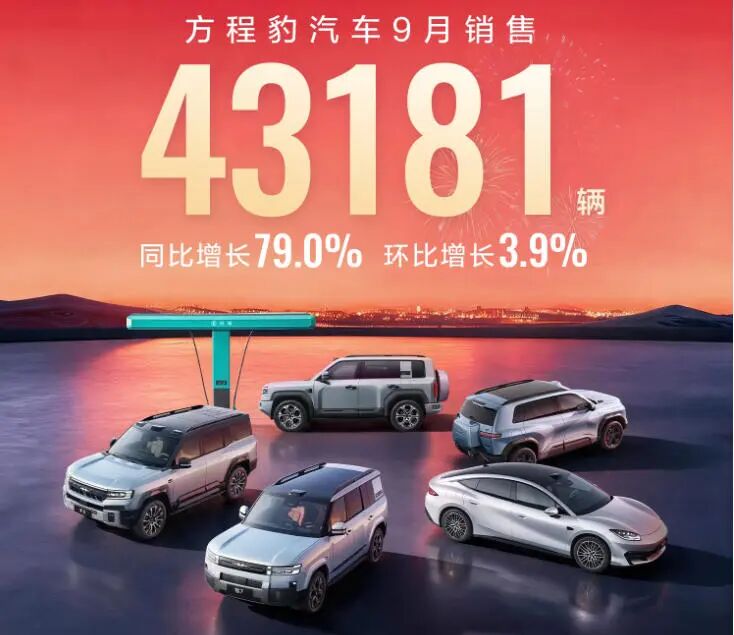
Within BYD's extensive brand portfolio, this growth holds significant symbolic weight. The Dynasty and Ocean series serve as the cornerstone, driving foundational sales volume, while Denza and Yangwang cater to the premium and luxury segments, respectively. Fangchengbao, however, has emerged as one of the fastest-growing sub-brands in recent years. Its product evolution directly shapes BYD's strategic positioning in the new energy off-road and personalized niche markets.
From Hardcore Off-Road to a Comprehensive Product Range
Let's rewind to August 16, 2023. BYD hosted a high-profile launch event for the Fangchengbao brand at its global headquarters in Shenzhen. Wang Chuanfu, the company's founder, personally attended, unveiling the DMO super hybrid off-road platform alongside the Bao 5 concept car. At that time, the brand's narrative centered on hardcore off-road capabilities and personalized attributes. On November 9 of the same year, the Bao 5 officially launched in Beijing, priced between RMB 289,800 and RMB 352,800. In November 2024, the Bao 8 followed as the flagship model, extending the brand's price range into the RMB 400,000 segment.
Despite a clear product definition and strong initial buzz, new brands require time to penetrate the market. In the first two months after the Bao 5's launch, the brand delivered a cumulative total of 5,712 units. At that time, the distribution network was not fully established, consumer acceptance of electric four-wheel-drive off-road vehicles—a new category—was still developing, and competing models like the Tank and traditional hardcore off-road vehicles occupied the same price range. The Bao 8, clearly positioned as a flagship model, maintained monthly sales around the 1,000-unit mark, primarily tasked with elevating the brand's image rather than driving volume.
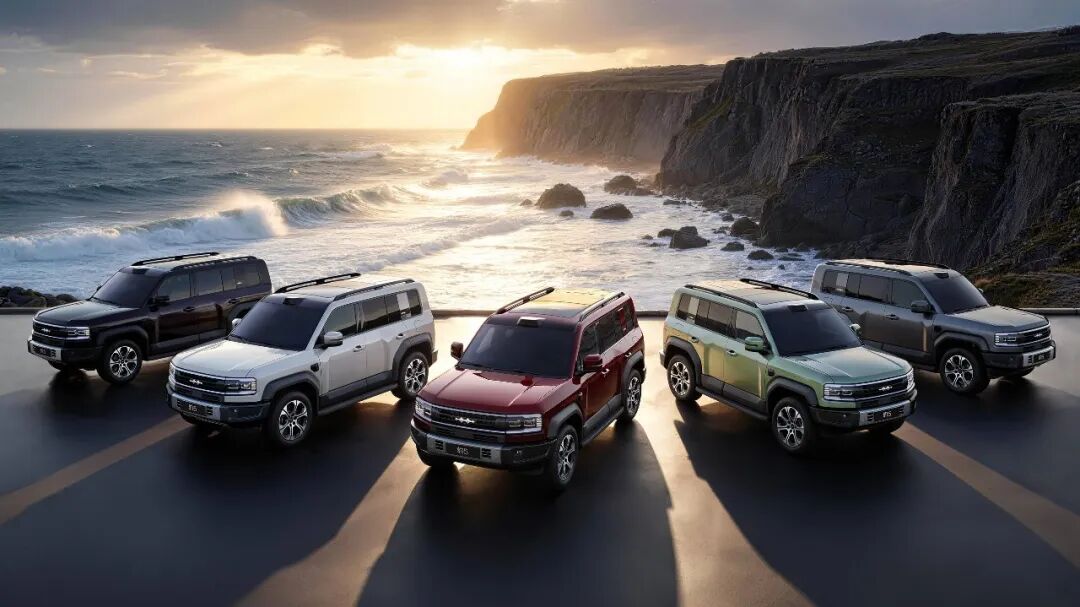
The true turning point for the brand's sales volume came after the launch of the Titanium series products. In April 2025, the Titanium 3 was introduced, followed by the Titanium 7 on September 9 of the same year, with a starting price of RMB 179,800. These two models continued the boxy design heritage but eliminated the heavy-duty frame structure, targeting urban commuters and family users. Within 80 days of the Titanium 7's launch, cumulative orders surpassed 50,000 units, and deliveries exceeded 20,000 units within ten months. Since this summer, it has ranked first in China's boxy SUV sales for ten consecutive months, with August sales reaching 23,471 units. Meanwhile, the Titanium 3 has secured its position in the RMB 140,000-grade pure electric boxy market, becoming a new source of growth for the brand.
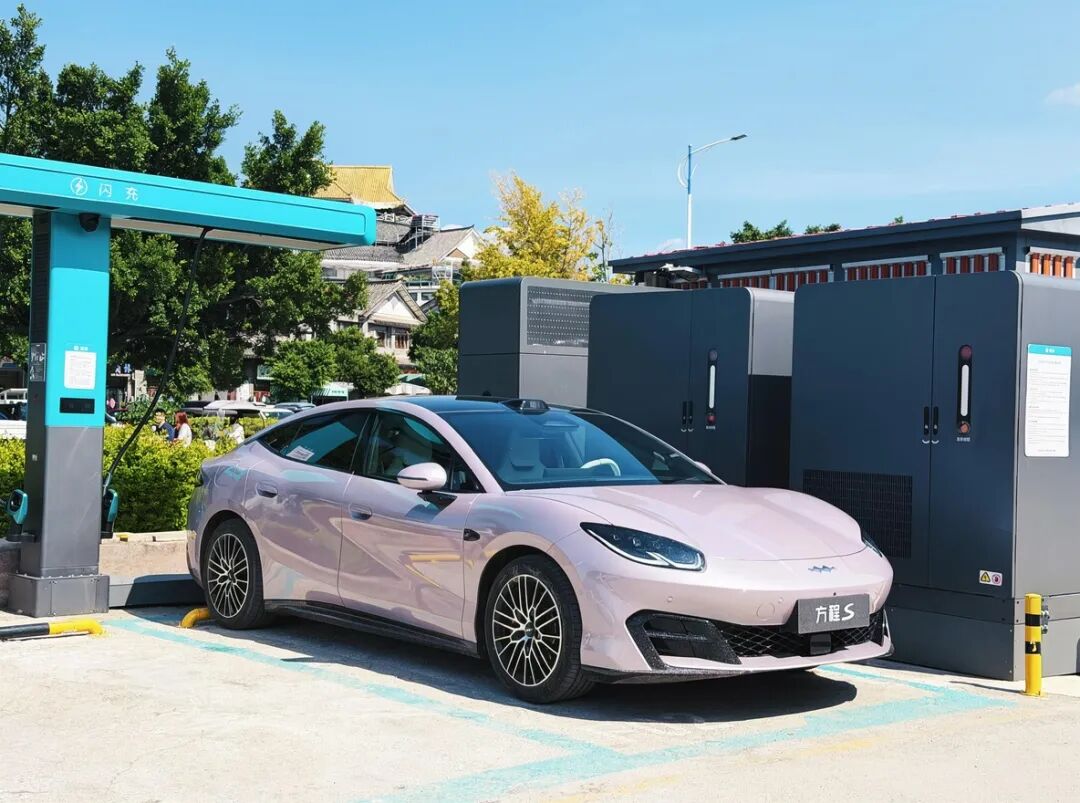
From a data perspective, the Bao 5 and Bao 8 laid the foundation for the brand's technological reputation, while the Titanium 3 and Titanium 7 took on the responsibility of driving sales volume. These two generations of products seamlessly transitioned, allowing Fangchengbao to complete a smooth product structure shift over two years. At the Beijing Auto Show in April this year, the brand extended its product line to include sedans, launching the Fangcheng S series in three body styles: sedan, shooting brake, and long-wheelbase versions. On September 16, the Fangcheng S and Fangcheng SGT officially went on sale, priced between RMB 189,900 and RMB 239,900. Thus, Fangchengbao's product matrix now covers three directions: hardcore off-road vehicles, urban lifestyle vehicles, and mid-to-large sedans, no longer confining itself to being just an "off-road brand."
Titanium Series Drives 40,000-Unit Monthly Sales
Within the monthly sales volume exceeding 40,000 units, the contribution structure of each model warrants closer examination. Fangchengbao reported an average transaction price exceeding RMB 222,000. Placing this figure within the product price framework: the Bao 5 currently starts at RMB 259,800, while the Bao 8 Flash Charge Edition is priced at RMB 419,800, with hardcore models concentrated around the RMB 300,000 price band. If the Bao 5 and Bao 8 were the primary sales drivers, the brand's average price would lean closer to RMB 300,000. The fact that the average transaction price stands at RMB 222,000 indicates that the bulk of sales comes from the Titanium 7 and Titanium 3, the two urban lifestyle models.
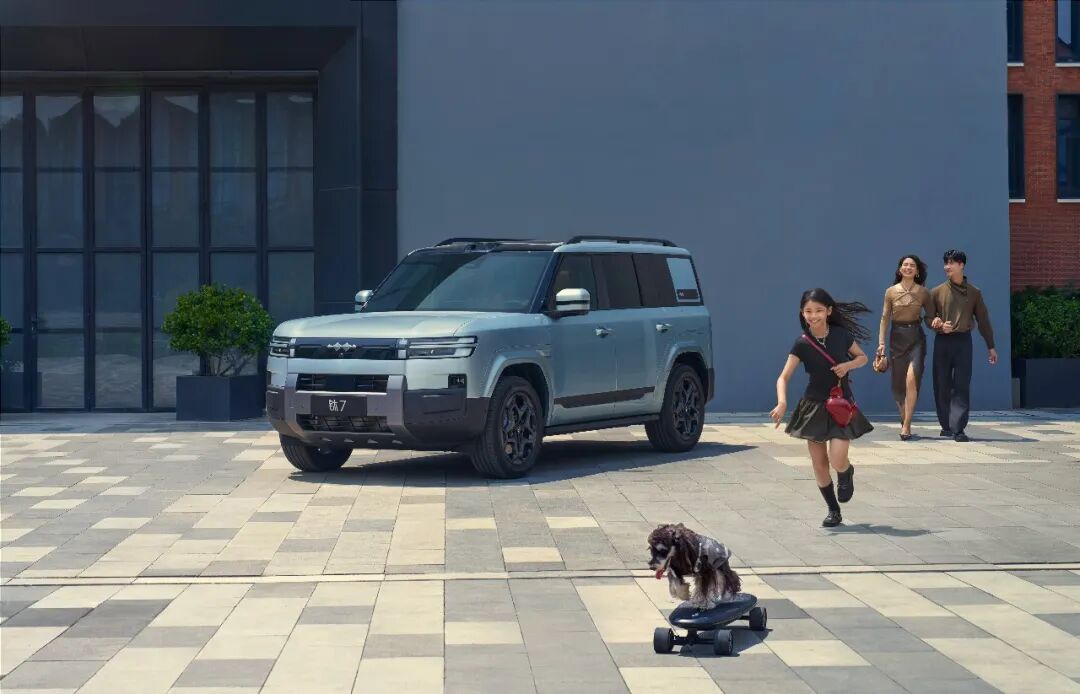
In July this year, the Titanium 7 hybrid version delivered 17,820 units in a single month, while the Titanium 3 contributed 5,945 units, together accounting for nearly 24,000 units. The Titanium 7 has maintained its position as China's top-selling boxy SUV for ten consecutive months. In August, the Titanium 7 EV Flash Charge Edition delivered 12,864 units, ranking alongside the Titanium 3 as the top two best-selling pure electric boxy models. The user profile for these models clearly leans toward urban families: they seek the outdoor aesthetic offered by the boxy design while prioritizing daily commuting efficiency and rear-seat practicality.
From a business perspective, this is precisely the key to Fangchengbao's successful strategy. BYD did not confine the technological narrative of the DMO off-road platform to a niche hardcore enthusiast circle. Instead, it packaged the boxy design language, hybrid and pure electric powertrain options, and family-oriented space combinations into a mainstream family price range of RMB 150,000 to RMB 200,000. The simultaneous occurrence of technological democratization and design popularization forms the true product logic behind the 40,000-unit monthly sales figure.
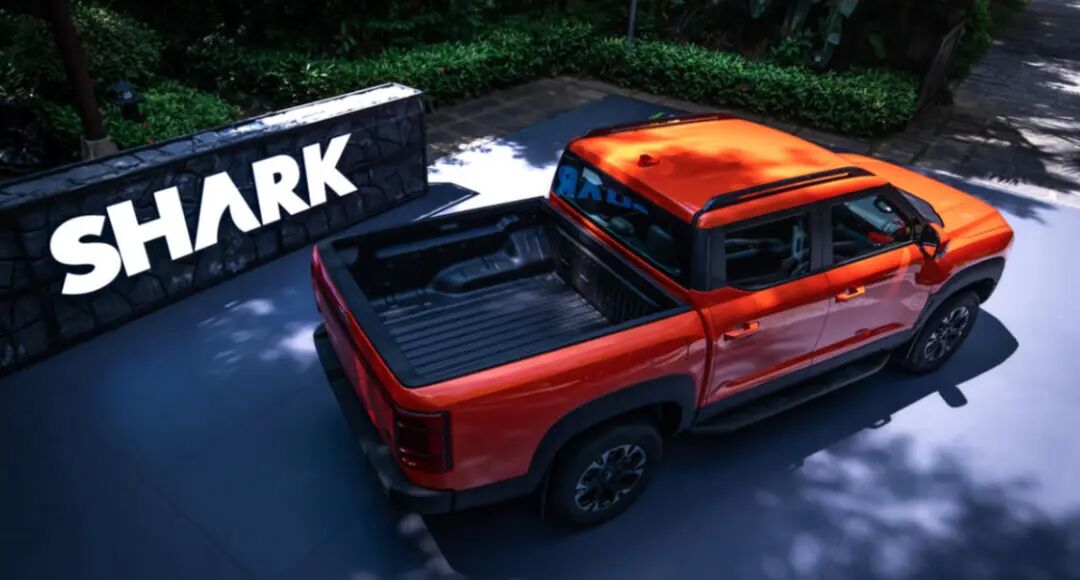
The brand's global expansion is also progressing in tandem. On September 24 this year, Xiong Tianbo, General Manager of Fangchengbao Business Unit, announced on social media that the upcoming Shark pickup would make a "triumphant return overseas." This model, sold under the BYD SHARK brand, is already available in Mexico and Australia. Later this year, the Titanium 9 will also launch, with pre-sale prices ranging from RMB 239,800 to RMB 289,800, further completing the boxy product matrix. As for the Fangcheng S series, which just launched on September 16, it only contributed half a month's sales, so its full impact remains to be seen in the fourth-quarter data. However, it signifies that Fangchengbao's volume-driving logic is expanding from the SUV segment into the sedan category.
Comparison with Tank Brand: The Real Test Begins
No discussion of Fangchengbao would be complete without mentioning the Tank brand in the same segment. In September this year, Tank delivered 15,178 units, including 10,531 new energy models, with the Tank 300 surpassing 10,000 units in monthly sales. Fangchengbao's volume of 43,181 units is approximately 2.8 times that of Tank.

The competitive paths of the two brands do not entirely overlap. The majority of Tank's 15,000-unit sales consist of models with heavy-duty frames, serving genuine off-road scenarios. In contrast, a significant portion of Fangchengbao's 43,000 users primarily drive on paved roads. Great Wall Motors' 2026 interim report revealed that Tank achieved 34,500 overseas sales in the first half of the year, up 57.64% year-on-year, with international markets serving as a crucial growth pillar. Meanwhile, Fangchengbao's sales currently derive mainly from the domestic market, with its overseas story just beginning with the Shark pickup.
From another perspective, BYD's approach in the boxy vehicle segment is not about directly competing with Great Wall on off-road performance. Instead, it extracts the boxy design element from the off-road enthusiast circle and transforms it into a design language that appeals to a broader family audience. Consumers desire a lifestyle imagination of getting close to the outdoors, and BYD aligns this sentiment with its production capabilities, naturally generating orders.

Looking ahead, accumulating variables are emerging in this segment. The boxy vehicle niche market has become noticeably crowded this year, with models like the Haval Menglong, all-new Tank 300, and Beijing BJ40 vying for the same customer base. How long Titanium 7 can maintain its current lead remains to be seen in subsequent quarters. Additionally, the brand's external perception remains tied to hardcore off-road capabilities, while the models truly driving sales are family-oriented. This disconnect between perception and product structure may serve as a differentiation strategy in the short term. However, in the long run, aligning the brand narrative with its sales structure will be an ongoing challenge for the Fangchengbao team.
Returning to the original question: Has BYD's off-road dream come to fruition?
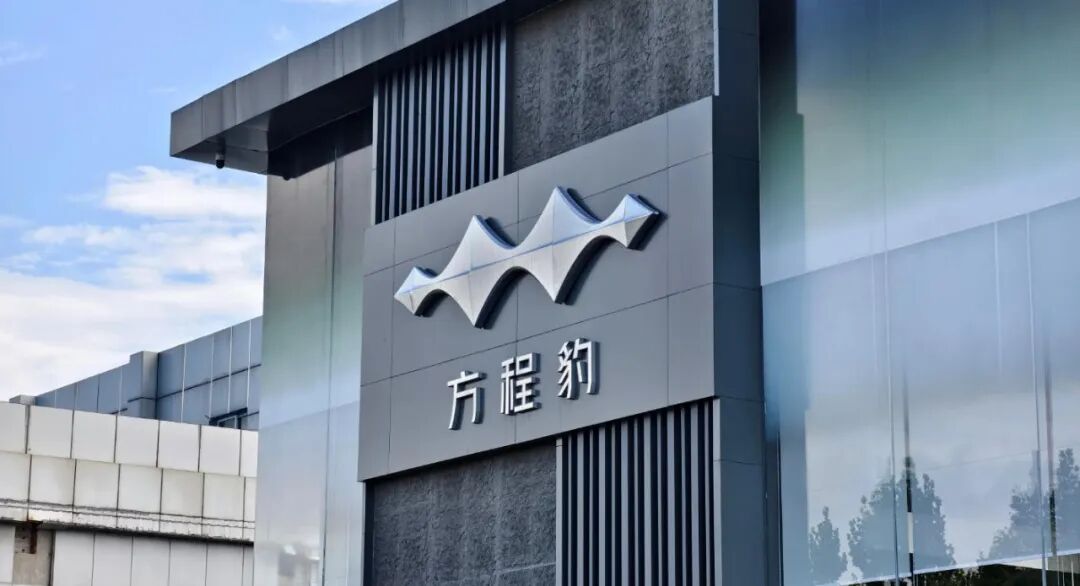
From a business results perspective, the answer is yes. Fangchengbao has transformed from a niche hardcore brand into a mainstream player with 40,000 monthly sales within three years. This volume was not achieved by conquering extreme terrains but by integrating hardcore design elements into everyday family vehicle scenarios. The Bao 5 and Bao 8 will continue to appear in professional off-road events, serving as technological benchmarks. Meanwhile, the Titanium 7 and Titanium 3 have entered thousands of households, forming the brand's sales foundation. The newly launched Fangcheng S series expands the brand's territory from SUVs into sedans.
While the specific form of the off-road dream may differ from initial conceptions, the direction remains on track. On the new track of new energy and personalization, BYD has indeed carved out its own path through Fangchengbao. How steadily it can continue depends on the ongoing interplay between product rhythm and segment competition.
-
![]()
Keynote Speaker Announcement | Wang Peng, Alibaba's QianWen Office Business Development Expert, Confirmed for WAIE (10th) 2026 AI Industry Conference & AI Agent Industry Application Summit
-
![]()
A Chaotic Battle in the Smartphone Market: Who is Redefining the Imaging War?
-
![]()
Chaotic Competition in the Smartphone Market: Who is Redefining the Imaging War?
-
![]()
AI Is Not a Get-Out-of-Jail-Free Card: Why Only Microsoft Is Being Rewarded for Its AI Investments
-
![]()
Li Auto’s 2026 i6: The Brand’s Debut Global All-Electric Model Headed to Europe
-
![]()
Kimi K3 Goes Viral and Suspends Service in 48 Hours: Model Wins Benchmarks, Compute Falls Short Against Big Players
-
![]()
Zhixiang Future Secures 2.1 Billion Yuan in Three Months of Financing, Yet Founder Maintains: 'We Haven't Achieved World-Model Status'
-
11 Days, Five Launch Events: The Battle Behind the 2026 Domestic Flagship Smartphones