Geely and NIO Deepen Alliance to Boost Battery Swap Prospects
 10/15 2026
 360
360
Lead | Introduction
From the equity cooperation between FAW and GAC to the battery swap partnership between Geely and NIO, deep collaborations among automakers are accelerating. In the past, automakers were accustomed to operating independently. However, amid intensifying industry competition and rising cost pressures, cooperation is emerging as a new competitive strategy.
This article is produced by Heyan Yueche Studio
Written by Zhang Dachuan
Edited by He Zi
Full text: 2,525 characters
Reading time: 4 minutes
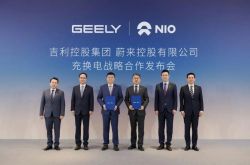
Recently, the automotive sector has seen a new wave of resource integration. On September 28, Geely Holding Group and NIO officially announced a comprehensive strategic partnership in the charging and battery swap sectors.
According to the agreement, Geely Holding will contribute 100% of its equity in YiYi Interconnection and RMB 640 million in cash to NIO Power. Upon completion of the transaction, Geely Holding will hold a 30% stake in NIO Power, becoming its second-largest shareholder. Meanwhile, the battery swap business for operational vehicles under YiYi Interconnection will be fully integrated into NIO Power. In return, NIO will acquire a 10% stake in Geely's Haohan Energy, establishing a mutually beneficial equity partnership.
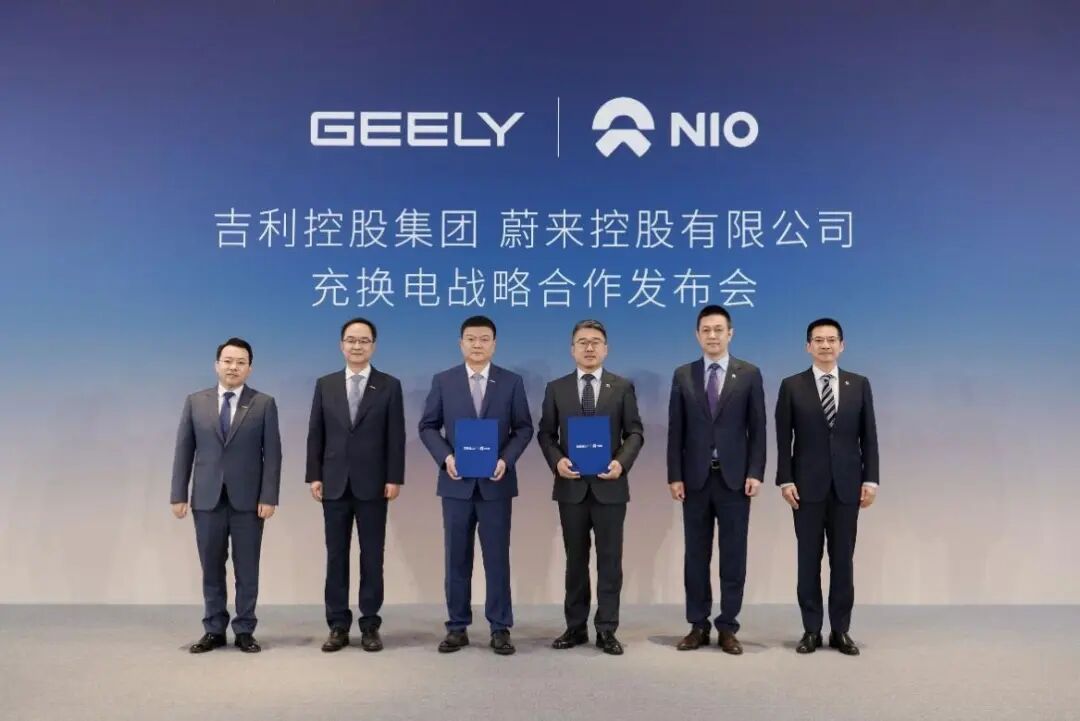
△ On September 28, Geely Holding Group and NIO officially announced a comprehensive strategic partnership in the charging and battery swap sectors.
Compared to their initial battery swap strategic cooperation agreement in 2023, this partnership has evolved from business collaboration to deep capital-level integration. It not only expands the scope of cooperation in the battery swap sector but also accelerates the substantive implementation of their previous strategic alliance.
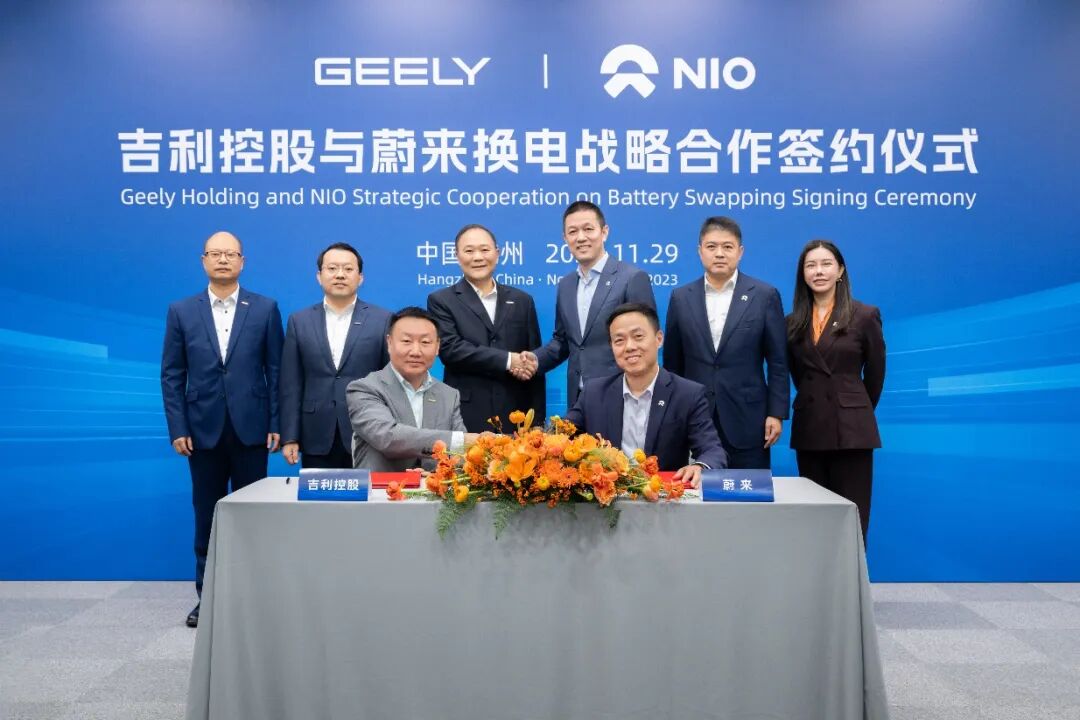
△ In 2023, Geely and NIO signed their first battery swap strategic cooperation agreement.
Mutual Benefits for Geely and NIO
Currently, Geely is gradually forming an integrated energy replenishment system combining "ultra-fast charging + battery swapping." On September 23, Geely unveiled its next-generation "Geely Smart Charging," featuring a single-gun peak charging power of 2.25 MW, enabling certain models to charge from 10% to 70% in approximately 4 minutes and 30 seconds. To date, Haohan Energy has deployed around 2,500 charging stations and 12,000 charging guns, with plans to expand to over 22,000 stations by the end of 2027.
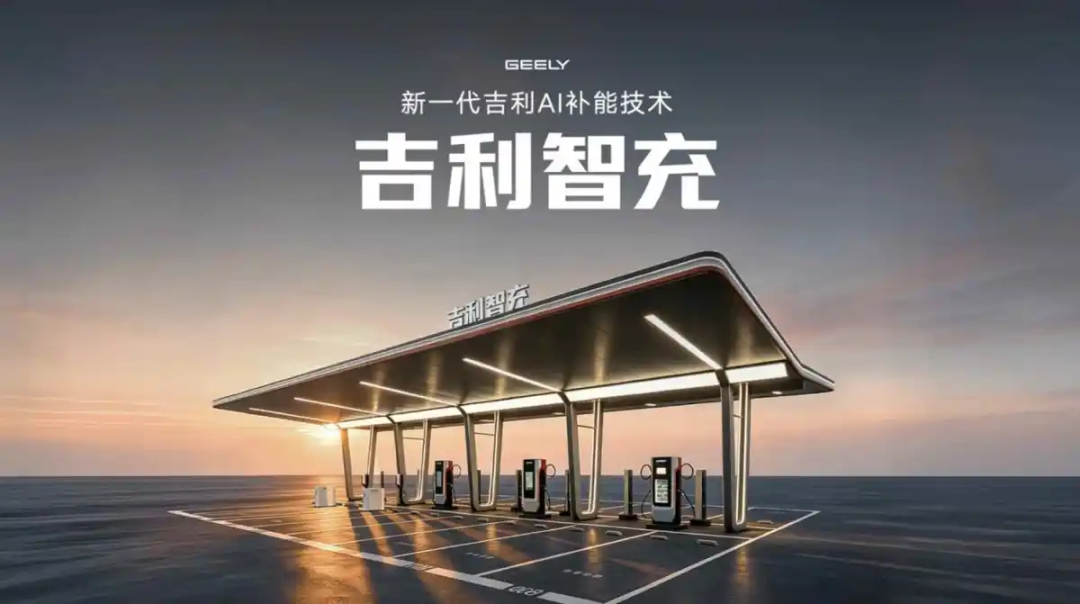
△ Geely is gradually forming an integrated energy replenishment system combining "ultra-fast charging + battery swapping."
By acquiring a stake in NIO Power, Geely can swiftly enhance its battery swap capabilities with lower time and construction costs. NIO has already established a large-scale battery swap network, comprising 4,126 swap stations and 5,307 charging stations, with plans to reach 10,000 swap stations by 2030. For Geely, this means avoiding the need to build a battery swap system from scratch. If future pure electric models from brands like Zeekr and Lynk & Co further adopt battery swap technology, Geely can leverage a larger vehicle fleet to dilute battery swap costs and enhance product competitiveness, replicating the success of NIO's new ES8 and ES9 models.

△ Zeekr models are poised to enhance competitiveness through the deployment of battery swap technology.
NIO, on the other hand, gains access to another scarce resource—vehicle scale and application scenarios. Geely not only injects RMB 640 million in cash into NIO Power but also transfers 100% of YiYi Interconnection's equity, enabling NIO's battery swap business to further cover operational vehicles. If Geely's operational fleets, such as Cao Cao Mobility, gradually adopt battery swap technology, it could rapidly increase the base of battery swap vehicles and frequency, improving station utilization and helping NIO further dilute operational costs.
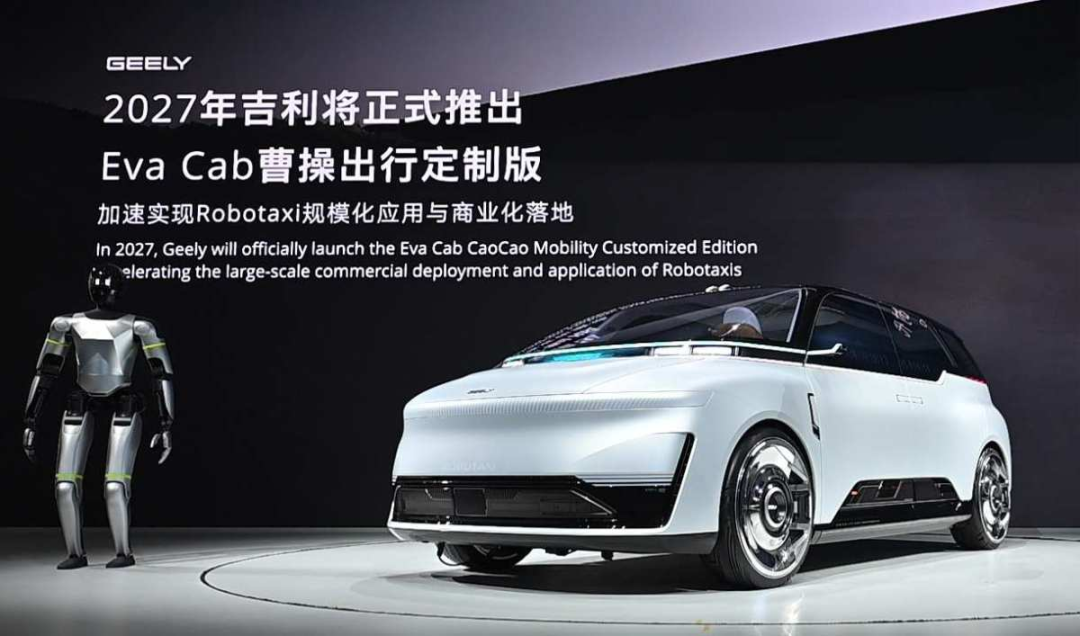
△ Through cooperation with Geely, NIO gains access to a larger vehicle fleet and more application scenarios.
Notably, this partnership goes beyond simple business collaboration, establishing deeper interest alignment through cross-shareholding. For a capital-intensive model like battery swapping, the real challenge lies not just in building swap stations but in ensuring sufficient vehicle adoption and sustained demand. Geely brings a vast automotive product portfolio and operational scenarios, while NIO offers a mature battery swap network and operational expertise, creating a perfect complement.
The CATL-NIO-Geely Triangle
Geely is not the only investor in NIO's battery swap business. Previously, CATL has also deeply participated in NIO's battery swap ecosystem from both battery and swap perspectives. In 2020, CATL co-founded Weilai Energy (Welneng) to enter NIO's battery asset management and BaaS (Battery as a Service) system. Welneng primarily handles battery asset management, while NIO Power focuses on building and operating energy replenishment infrastructure like swap and charging stations. In 2025, CATL further reached a battery swap strategic cooperation agreement with NIO, planning to invest up to RMB 2.5 billion in NIO Power. The two sides also aim to standardize battery swap formats and share networks, promoting cross-brand battery swapping.
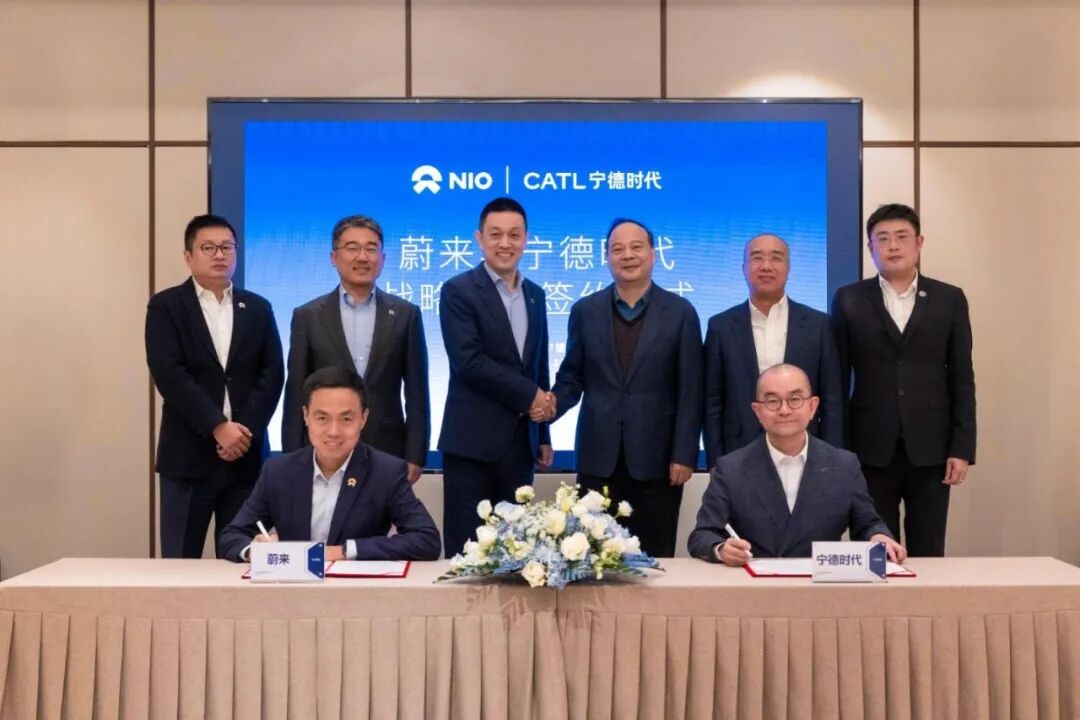
△ CATL has also deeply participated in NIO's battery swap ecosystem from both battery and swap perspectives.
Notably, CATL is also developing its own "Choco Swap" technology. According to the plans announced by both sides, CATL and NIO's battery swap networks will operate in parallel while promoting standardization and network sharing. If the two sides further expand compatibility in the future, it could enhance the utilization efficiency of the battery swap networks.
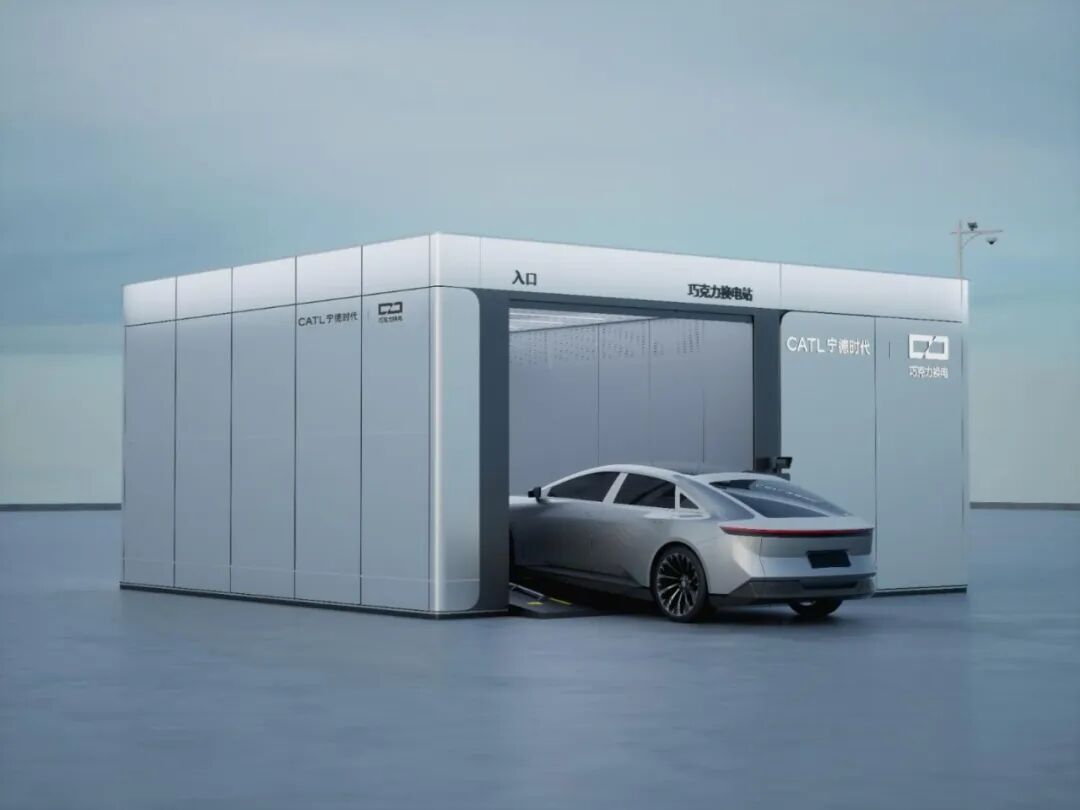
△ CATL is also developing its own "Choco Swap" technology.
In contrast, Geely's investment in NIO Power highlights the value of the "vehicle side." Geely will contribute 100% of YiYi Interconnection's equity to NIO Power, and upon completion, YiYi's battery swap business for operational vehicles will also be integrated into NIO Power. Therefore, viewing these collaborations collectively, CATL connects "batteries and technology," Geely brings "vehicles and operational scenarios," while NIO provides a scaled "battery swap network and operational capabilities." If more automakers adopt unified battery swap standards in the future, NIO's swap stations could evolve from single-brand energy replenishment facilities to multi-brand shared energy infrastructure, which may be the more noteworthy long-term significance of these strategic partnerships.
Automaker Alliances Become a Trend
Currently, strategic alliances among domestic automakers have become an unignorable trend. Not long ago, FAW and GAC announced equity cooperation, forming cross-shareholdings. Now, Geely has forged a deep partnership with NIO in the battery swap sector, further aligning their interests through equity investments and business integration. Earlier, there was also FAW's investment in Leapmotor and the cooperation between XPeng and Volkswagen. It is evident that competition in China's automotive industry is shifting from purely product-based rivalry to multiple dimensions, including capital, technology, supply chains, and infrastructure.
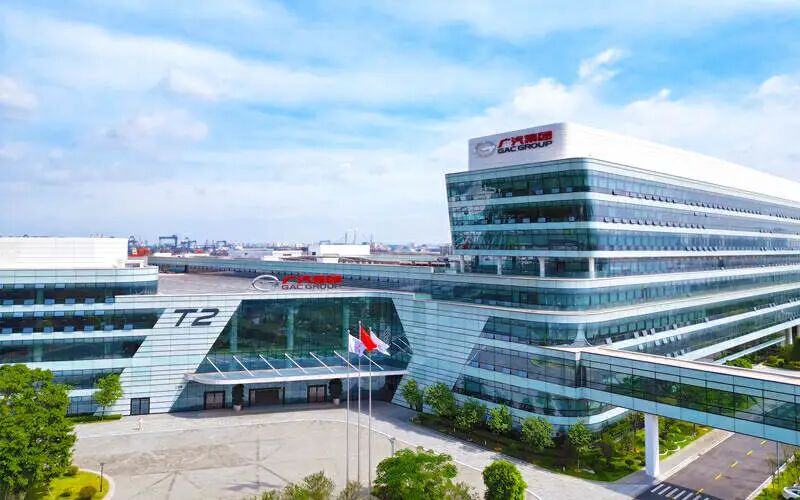
△ The cross-shareholding between GAC and FAW has propelled domestic automaker cooperation to new heights.
This trend is driven by practical business logic. China's automotive industry currently faces massive Production capacity (production capacity) scale, fierce price competition, and profitability pressures for some enterprises. If every automaker pursues a "comprehensive" approach, conducting full-stack self-research and redundant construction in areas like batteries, battery swapping, ultra-fast charging, and intelligent driving, it would not only require enormous investments but also struggle to achieve sufficient scale effects. In this context, shared resources do not need redundant construction, and collaborative areas do not require independent operations. Through capital cooperation, technology sharing, and joint infrastructure development, companies can reduce duplicate investments while concentrating limited funds and resources on areas that truly foster differentiated competitiveness.

△ Chinese automakers need to shift from "intensive competition" to "scaled collaboration."
Therefore, integrations driven by market demand and commercial interests, like the Geely-NIO partnership, may prove more sustainable than industry consolidations solely propelled by administrative forces. The former is built on mutual benefit: Geely gains a mature battery swap network and operational capabilities, while NIO secures more vehicles, funds, and application scenarios. In the future, this model of "product competition, ecological cooperation" may become increasingly prevalent—automakers will continue to compete on brands, models, and technologies but may see more cross-collaborations in supply chains, energy networks, technical standards, and even capital. For China's automotive industry, which has entered a phase of intense competition, this may represent a practical path from "intensive competition" to "scaled collaboration."
Commentary
The essence of automaker alliances lies in cost pressures amid an industry transition to Stock competition (market saturation). Faced with overcapacity, price wars, and high R&D investments, the "comprehensive" approach of redundant construction is becoming increasingly unsustainable. In contrast, cooperation in capital, technology, and infrastructure enables resource sharing, cost reduction, and scale amplification. While automakers may continue to compete fiercely, "product competition, ecological cooperation" is likely to become an increasingly prevalent industry model.
(This article is original to Heyan Yueche and may not be reproduced without authorization.)
-
![]()
Toyota's Defense and Rebirth Amidst the Rise of Local Brands | Cover Story: Japanese Automakers at a Crossroads in Transition (Part Two)
-
![]()
New Box-Shaped Champion Hits Market at 125,900 Yuan: Unveiling the Strength of the All-New Traveler 7
-
![]()
Memory Price Surge Deals Blow to Smartphone Industry! Global Smartphone Shipments Plunge by 20%, Samsung and Apple Secure a Combined 45% Market Share
-
What a Shock! Domestic Smartphone Sales Can’t Keep Up with the Apple iPhone18 Pro
-
AI Is Too 'Pricey': Even Tencent Is Raising Funds
-
![]()
How Are "Fast-Tracked Cars" Reducing Development Time from 54 Months to 18 Months?
-
![]()
Why Did SK Hynix's Stock Price Plummet Against the Trend of Collective Smartphone Price Hikes?
-
![]()
Geely and NIO Deepen Alliance to Boost Battery Swap Prospects