From Technical Chery to AI Chery, Yaoguang 2035 Provides the Answer
 10/22 2026
 403
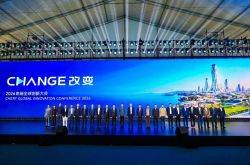
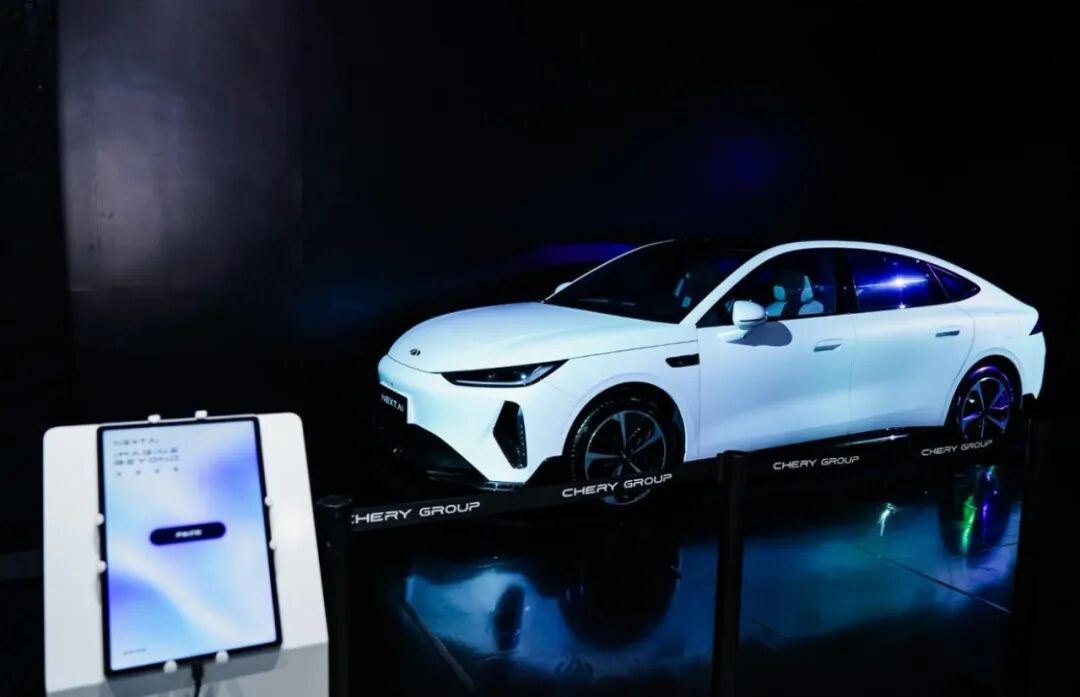
On October 20, the 2026 Chery Global Innovation Conference was held in Wuhu. Under the theme of "Change· change (Change)," the event showcased 11 core technologies, including Robotaxi, CheryMind, the Ziwei chip, and solid-state batteries. At first glance, the conference seems similar to other automakers' technology days in terms of parameters. However, when examining the rollout schedules and implementation timelines of these technologies, it becomes clear that Chery's true message is not about leading in specific parameters but about systematically planning its technological roadmap for the next decade.
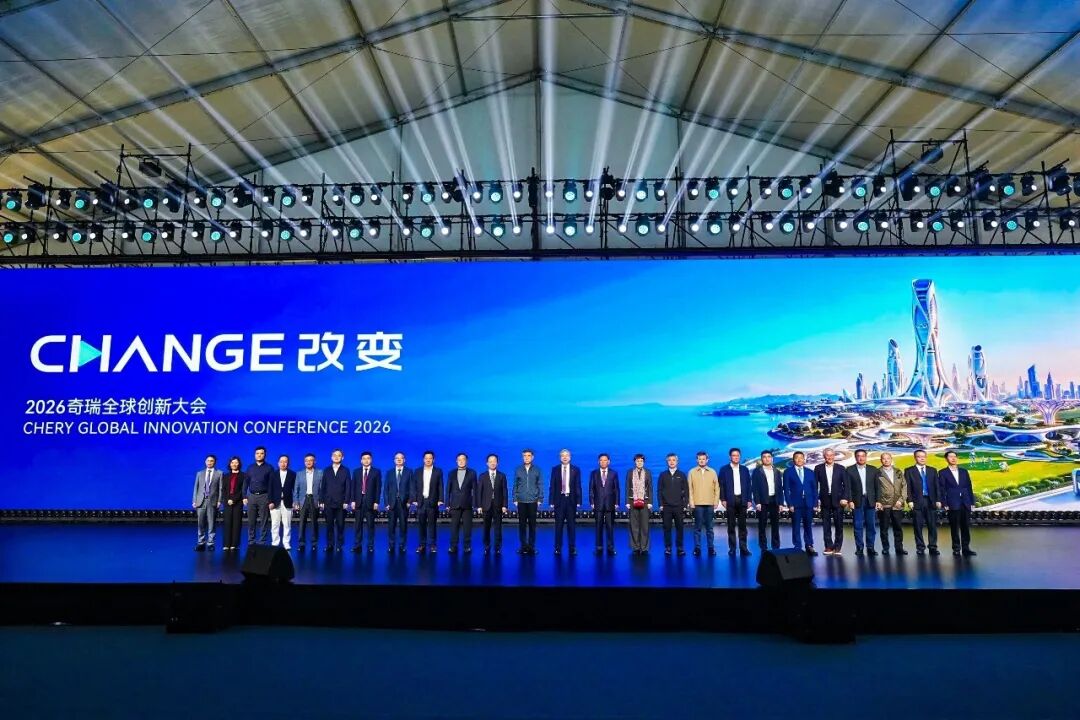
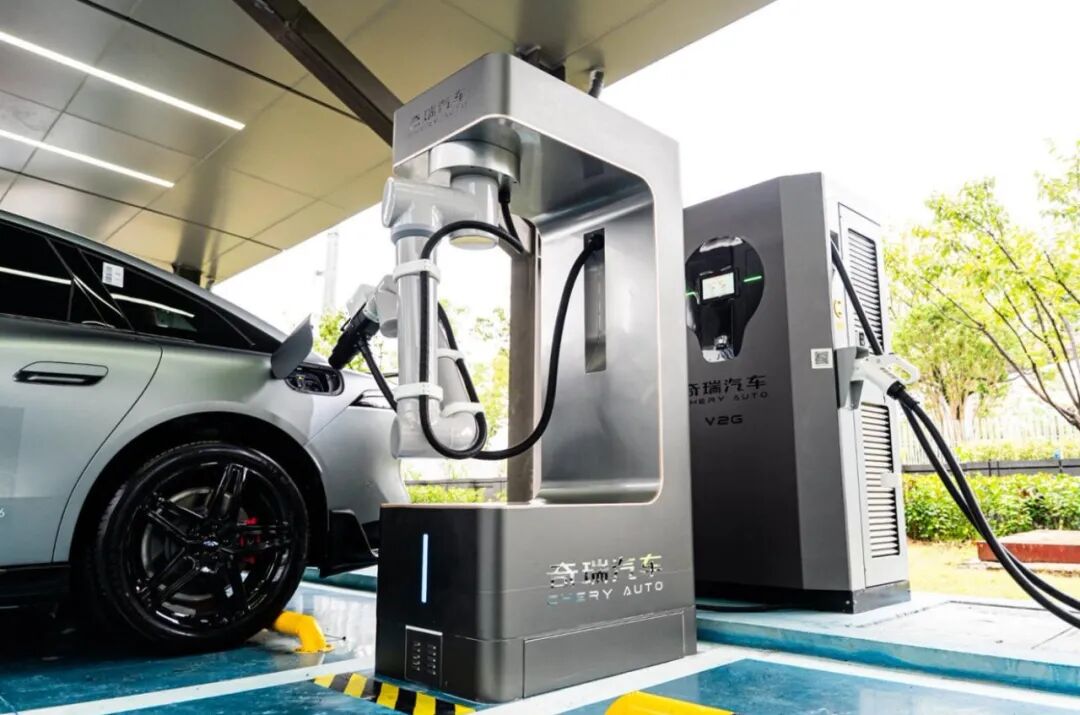
Before the official opening of the conference, two achievements had already been implemented. On October 16, Chery Green Energy signed an agreement with State Grid Anhui Electric Power's Mingsheng Group, launching the industry's first large-scale vehicle-to-grid (V2G) operation station in Wuhu. On October 21, the Mojia Robot global launch event took place, debuting the household companion humanoid robot "Mobo" and opening pre-orders simultaneously. For automakers, announcing technologies is easy; the challenge lies in delivering them as products and services on time.
11 New Technologies Being Implemented in Stages
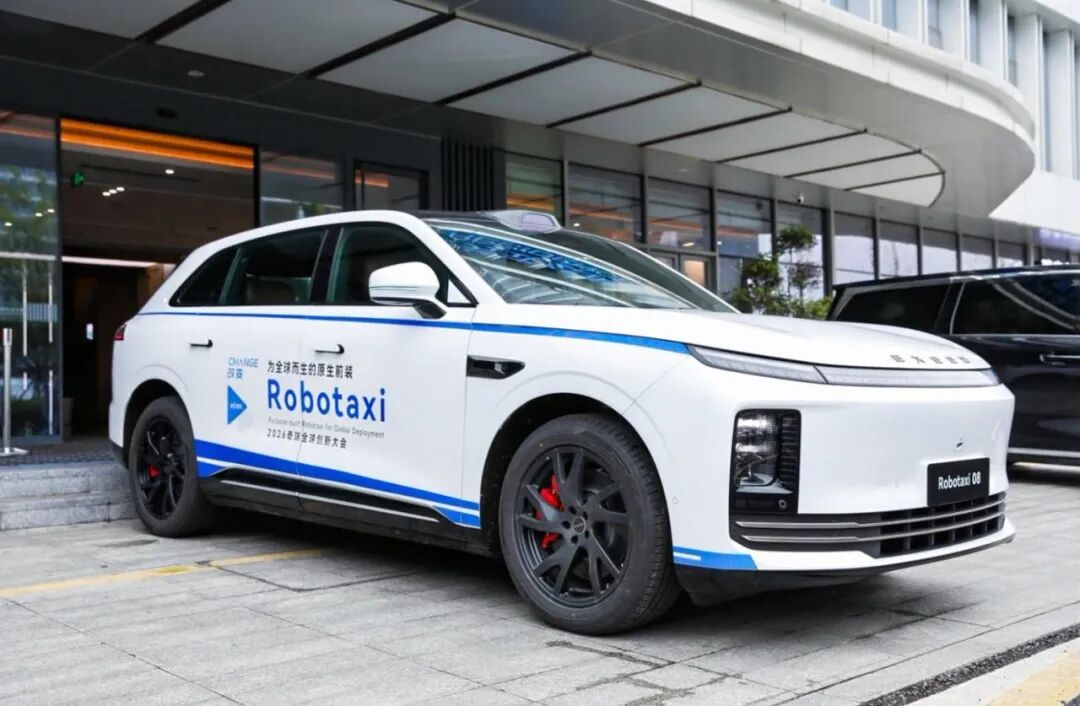
The 11 technologies announced by Chery can be divided into two categories based on their implementation progress. The first category includes technologies already in application. The large-scale V2G operation station has been officially launched; Xunlong Second Charging, jointly developed by Chery and CATL, supports 1500A ultra-fast charging, adding 500 kilometers of range in just 5 minutes of charging; the Robotaxi in the Future City exhibition area is open for public test rides.
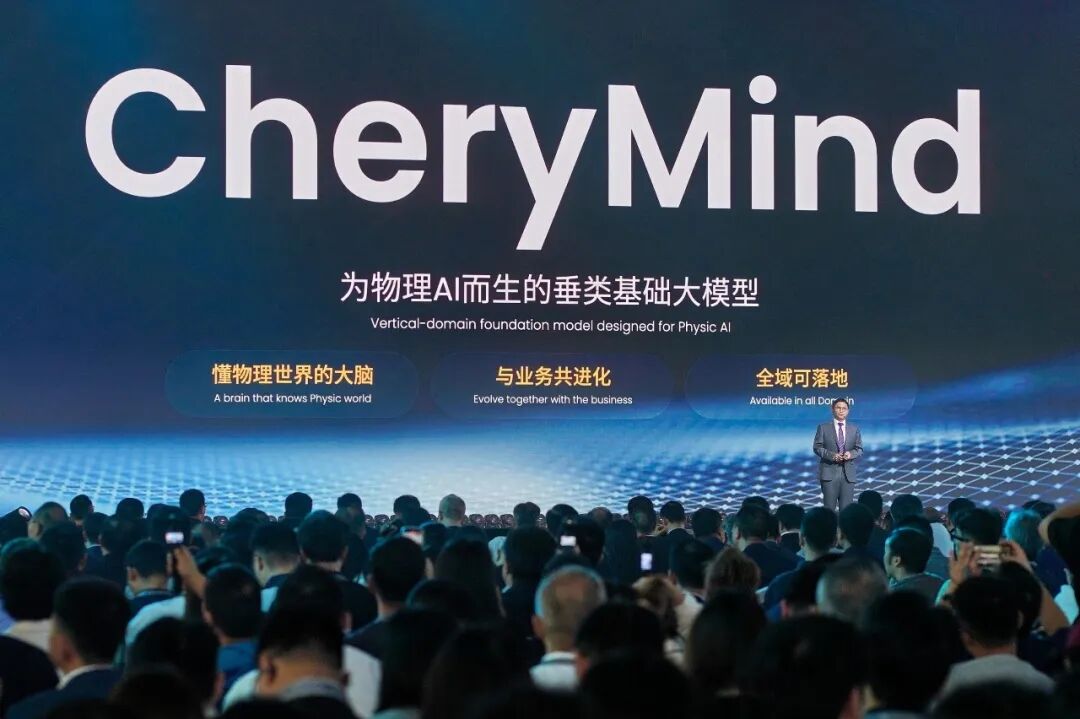
CheryMind is also more than a conceptual display. Official data shows that the model is used over 60,000 times daily by employees, has integrated more than 400 enterprise systems, covers over 1,500 end-to-end business processes, and is already in operational use within Chery.
The second category consists of medium- to long-term plans with clear timelines. The Ziwei C100 central computing chip is scheduled for release in 2027, the solid-state battery pilot line is expected to be operational in 2027, Robotaxi aims to achieve a global operational scale of 100,000 units by 2030, and V2G plans to establish 20,000 stations globally by 2029. These timelines, concentrated between 2027 and 2030, reflect Chery's proactive Layout (layout) for technological competition in the next five years.
In the chip sector, some products are ahead of schedule. The Ziwei S750 and S1200 are included in the 2026 plan, with 8-inch wafers entering mass production; the S1500 silicon carbide chip raises automotive-grade voltage to 1500V, achieving a peak efficiency of 99.6%, placing it at the industry's forefront.
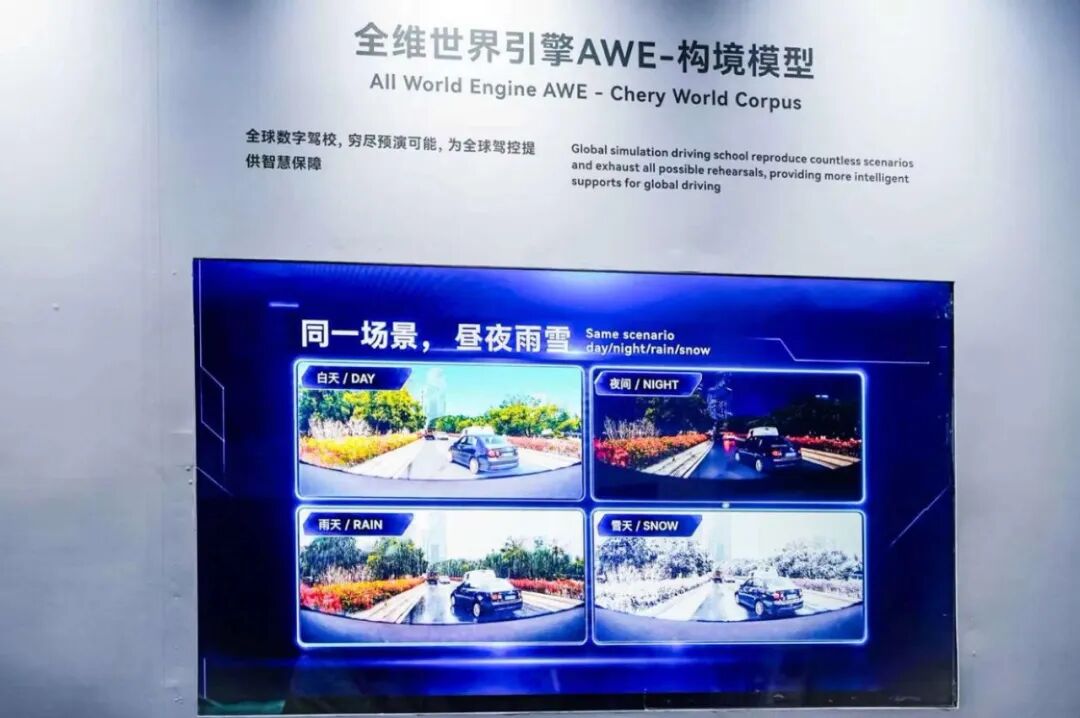
The automotive industry is inherently long-cycle, and it is common practice for leading companies to announce their technological roadmaps in advance. However, observers must distinguish between announcements and mass production: every parameter showcased on stage must undergo complete validation in engineering, supply chain, and scalability before becoming a consumer-purchasable product.
AI Large Model First to Undergo Internal "Trial Run"
At this conference, a set of internal enterprise data deserves attention. CheryMind's training foundation includes 700TB of enterprise knowledge, 200PB of engineering data, and millions of R&D documents, along with 25 million coaching-level driving data points and 5 million robot motion capture data points.
More critically, Chery has integrated this data into a unified large model and applied it in internal business operations, currently covering over 200 business scenarios, including R&D, manufacturing, quality, and supply.
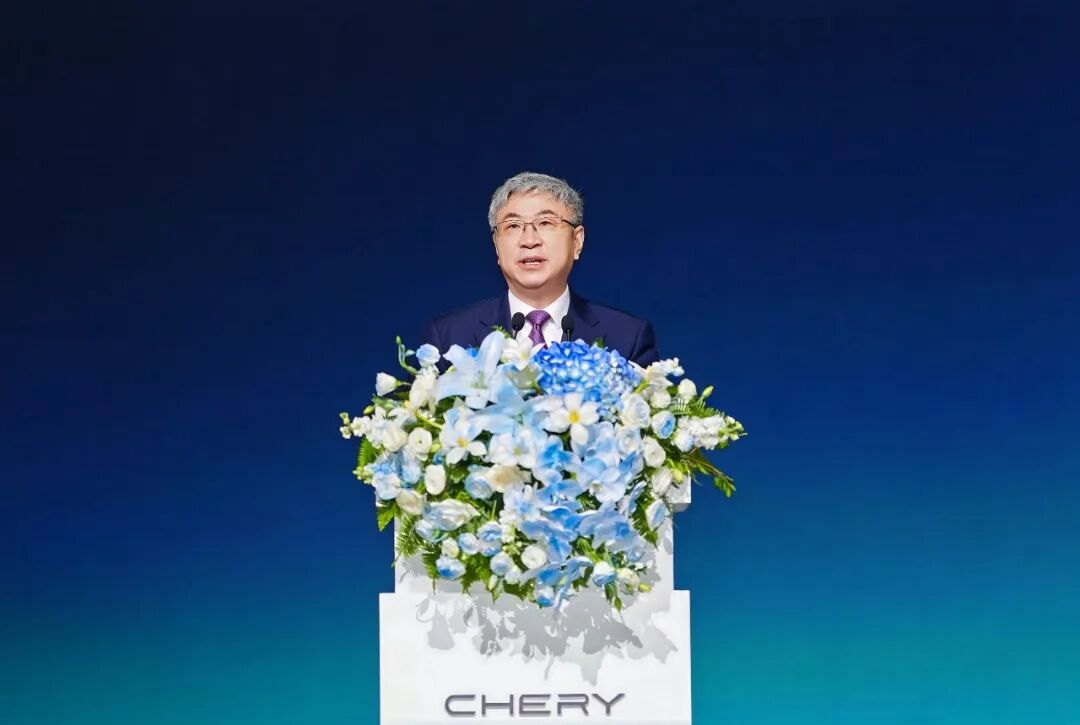
In recent years, it has become common for automakers to announce large models, but most applications focus on product-end features like in-car voice assistants. Chery's distinction lies in applying AI to internal enterprise operations as well. Yin Tongyue, Chairman of Chery Automobile, stated at the conference that Chery is a high-tech innovation company "disguised as an automaker." Combined with the software-hardware synergy of CheryMind and the Ziwei chip, Chery's technological path becomes clear: using large models as the intelligent core and self-developed chips to provide computational support.
This internal-first implementation approach reflects AI's practical role in the enterprise more accurately than mere parameter announcements. To gauge an automaker's AI capabilities, it is more insightful to observe actual internal business usage than to rely on conference statements.
It should be noted that the "over 60,000 daily uses" figure is an official release from Chery and has not yet been independently verified by a third party. However, this data can serve as an observational indicator: if CheryMind's internal usage continues to grow, it suggests real value generation; if the figures remain at the conference announcement level, the effectiveness of Chery's AI strategy will require further observation.
Global Market Foundation Supports Long-Term Vision
Medium- to long-term technological Layout (layout) requires sustained resource investment, and Chery's support comes from its global market foundation.
As of 2025, Chery has ranked first among Chinese brand passenger vehicle exports for 23 consecutive years, with 1.344 million units exported annually; its 2025 revenue exceeded 300 billion yuan for the first time, with overseas business accounting for more than half. In terms of R&D investment, expenses reached 14.715 billion yuan in 2025, a 39.6% year-on-year increase. This data indicates that Chery has the financial capacity to support long-cycle technological projects while maintaining a clear global orientation in its technological planning. For example, V2G's planned applications, such as "addressing overseas power grid outages" and "providing emergency power supply," are primarily targeted at overseas markets with underdeveloped power infrastructure.
In terms of technological reuse, Chery has achieved some practical results. Over 2,000 Mojia Robots have been exported, covering 60 countries globally; intelligent agricultural machinery reduced energy consumption by 74% in potato farm tests. The vision of "serving 1 billion mu of global farmland and increasing grain production by 60 billion jin by 2035" for intelligent agricultural machinery aligns with Robotaxi's 2030 goal and V2G's 2029 plan, reflecting Chery's holistic approach to expanding future business space through electrification and intelligence capabilities.
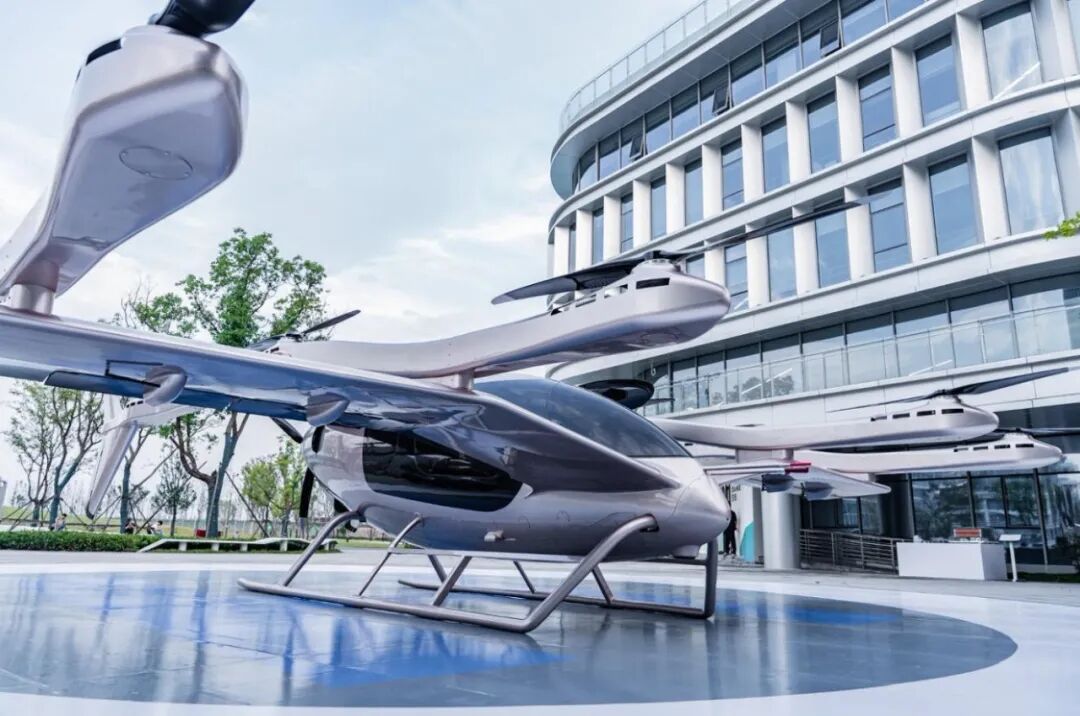
At the same time, it should be recognized that advancing 11 technologies simultaneously poses challenges in resource allocation and execution timing. Competitors are strong in sectors such as chips, batteries, aircraft, and robots, and whether Chery can deliver on its scheduled timelines remains to be seen. A more feasible way to observe progress is to focus on key milestones: whether the Ziwei C100 chip and solid-state battery pilot line can be launched as planned in 2027, and whether V2G stations can reach 20,000 units by 2029. The fulfillment of these milestones will directly impact the actual progress of the Yaoguang 2035 strategy.
An innovation conference can showcase a company's technological direction, but ultimate success requires time to validate. By extending AI from product features to internal enterprise operations and systematically announcing its technological roadmap for the next five to ten years, Chery demonstrates a clear determination to transform into an intelligent technology company. For Chery, approaching its 30th anniversary, this is not a sudden shift but a continuous evolution based on long-term technological accumulation and a global market foundation.
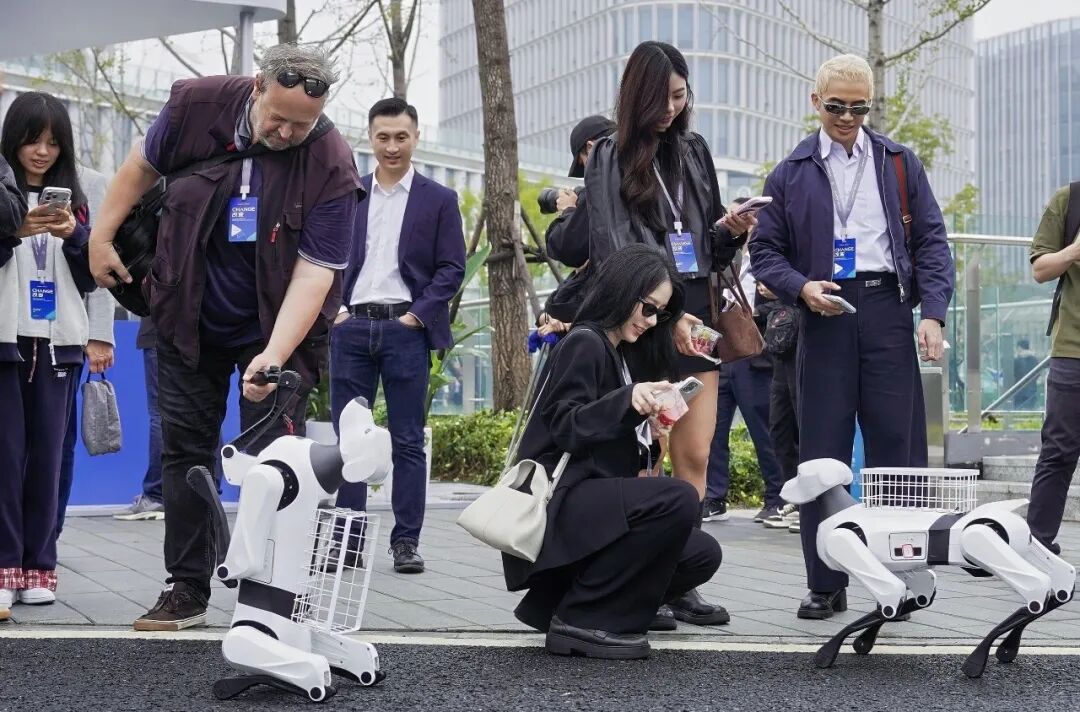
Technology announcements are just the starting point; consistent delivery is key. 2027 will be an important window to observe the implementation effectiveness of Chery's multiple core technologies.
-
Xiaomi and VIVO Witness Decline in Overseas Sales Share, OPPO Sees Notable Rise
-
![]()
The Moat of Palantir Lies in Two Decades of Architectural Evolution
-
![]()
Tesla: Over-promising on 'Futuristic' Plans, Delayed Execution - Can the Auto Business Hold the Fort?
-
![]()
From Technical Chery to AI Chery, Yaoguang 2035 Provides the Answer
-
The Year 2026 Taken Over by AI: More Tools, More Confusion
-
![]()
From 'Africa's Top Player' to Just Another Contender in Africa
-
![]()
Why do some people get higher benchmark scores than others for the same smartphone model?
-
The Era of Domestic Mobile Phones Relying on Low-Priced Models for Volume Sales: A Farewell!