Why Is It Harder for Suppliers to Stand Out in the Crowded Intelligent Driving Market?
 10/27 2026
 409
The intelligent driving market in 2026 appears to be thriving, with an ever-growing list of third-party solution providers such as Huawei ADS, Momenta, Horizon Robotics, Driveworks, and DeepRoute, along with a surge in OEM self-developed solutions.
Urban NOA is rapidly trickling down from high-end models to vehicles priced at RMB 100,000 or even lower, with penetration rates continuously rising.
However, amidst this prosperity, an increasing number of solutions are emerging, yet suppliers capable of delivering truly distinct differentiation are becoming scarcer.
Once standardized solutions level the playing field for urban NOA availability, many solutions start to resemble each other in terms of basic capabilities, narrowing the perceived differences for users. OEMs are increasingly inclined towards solutions that are sufficient, cost-effective, reliable, and easy to implement.
This is not a sign of technological stagnation but rather an inevitable phenomenon as technology advances to a certain stage.
The second half of the intelligent driving race is shifting from merely being able to do it to doing it stably, cost-effectively, compliantly, and at scale.
01 Pressure of Homogenization Beneath the Surface of Prosperity
In the past few years, intelligent driving was a stage for showing off technological prowess.
Being the first to launch in new cities, achieving longer hands-off driving distances, having larger end-to-end model parameters, or deploying more LiDAR sensors could all serve as temporary advantages.
Suppliers could differentiate themselves through distinct technological routes, sensor configurations, and algorithmic architectures.
By 2026, everything has changed.
End-to-end architectures, BEV perception, Transformer/large model approaches, and world models have transitioned from being proprietary technologies of a few to mainstream standards. The performance gap among leading solutions in handling complex urban scenarios and long-tail cases is rapidly closing.
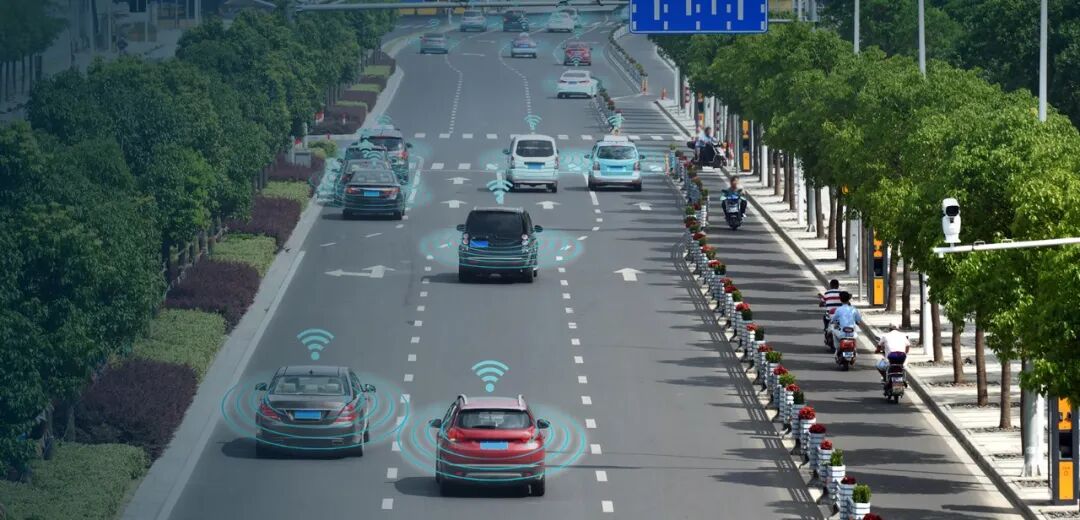
Image source: Internet
The experience difference among the top tier has shifted from usability to subtle variations in user-friendliness.
Furthermore, with the implementation of national standards such as the Safety Requirements for Intelligent Connected Vehicle Combined Driving Assistance Systems (GB 47955—2026) in 2027, which impose clear requirements on functional safety, test coverage, OTA control, and DMS monitoring, safety and compliance have become rigid constraints.
Suppliers must allocate significant resources to verifiable, certifiable, and traceable systems rather than engaging in unrestrained innovation.
With a highly unified safety baseline, the space for aggressive yet difficult-to-explain differentiation is naturally compressed.
Driven by a series of factors, many solutions are becoming increasingly similar in their core capabilities, featuring comparable sensor combinations, similar computational power ranges, and converging algorithmic frameworks.
What OEMs acquire increasingly resembles standardized intelligent driving modules rather than a unique soul.
02 From Diversity to Convergence
The evolution of intelligent driving technology exhibits distinct phased features (phased characteristics).
In the early stages, the debate centered around perception routes, primarily whether to opt for pure vision or multi-sensor fusion, and whether and how many LiDAR sensors to deploy.
In the middle stages, the focus shifted to architectural debates, with greater concern over whether to adopt a modular architecture or an end-to-end approach.
Now, the emphasis in the intelligent driving field has shifted towards more detailed aspects such as compliance and optimization.
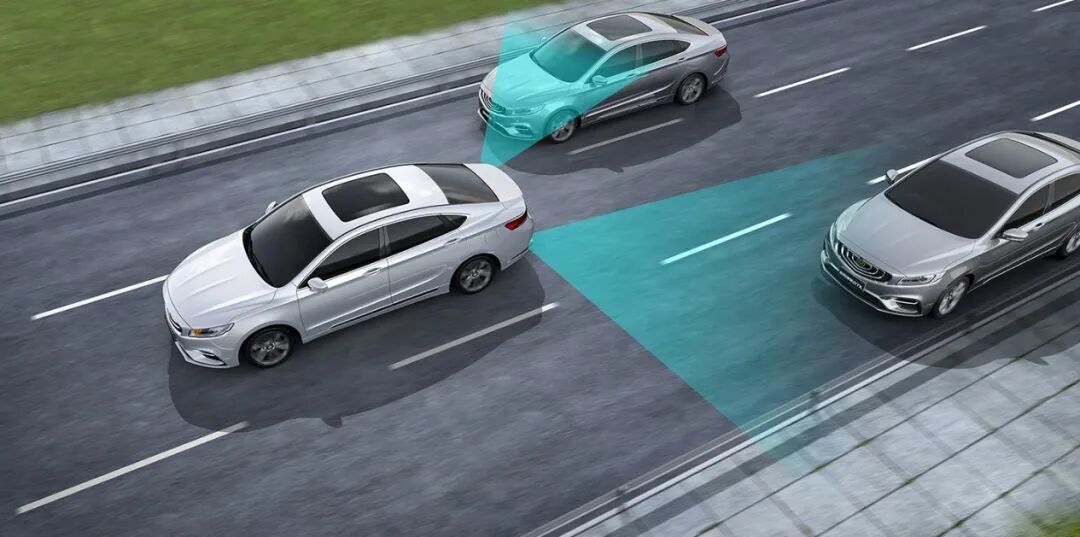
Image source: Internet
While end-to-end solutions are powerful, the pure black-box nature poses challenges in terms of safety explainability and liability determination. Thus, hybrid approaches combining end-to-end with rule-based fallbacks or large models with traditional modules have become common compromises.
On the chip front, medium to high computational power platforms (ranging from tens to hundreds of TOPS) can now cover mainstream L2+ to urban NOA demands, with cost-effectiveness becoming crucial.
LiDAR prices have plummeted, with short-range blind-spot filling and some high-volume models reaching the $200 range, and average prices for forward-facing main LiDARs also dropping to the hundreds of dollars. LiDAR is no longer a symbol of luxury but an optional configuration.
When the underlying technological toolbox converges, it becomes difficult to maintain upper-layer differentiation.
When suppliers tout their use of the latest large models or superior perception capabilities, the response from OEMs and users often becomes, "Others are similar too. What about the price? Production experience? After-sales support?"
The data closed loop (data loop) further accelerates this convergence.
Leading players accumulate real-world road data through large-scale production, enabling rapid model iteration. Smaller players, lacking sufficient data, must rely on public datasets or simulations, easily falling into the trap of appearing advanced but delivering a similar or even inferior experience post-deployment.
Once the data flywheel is set in motion, the cost for latecomers to catch up rises exponentially.
03 OEM Self-Development and Supply Chain Restructuring
Are Suppliers Caught in the Middle?
More direct pressure than technological convergence comes from the customer side.
Leading OEMs (BYD, XPENG, Li Auto, NIO, Huawei-affiliated brands, etc.) view high-end intelligent driving as a core competitive edge, investing heavily in full-stack or core self-development.
The rationale behind self-development is clear: to control data, define the user experience, create brand differentiation, and reduce long-term reliance on external suppliers.
This results in a significant portion of the truly high-value, high-margin high-end solution market being captured by OEM self-development efforts.
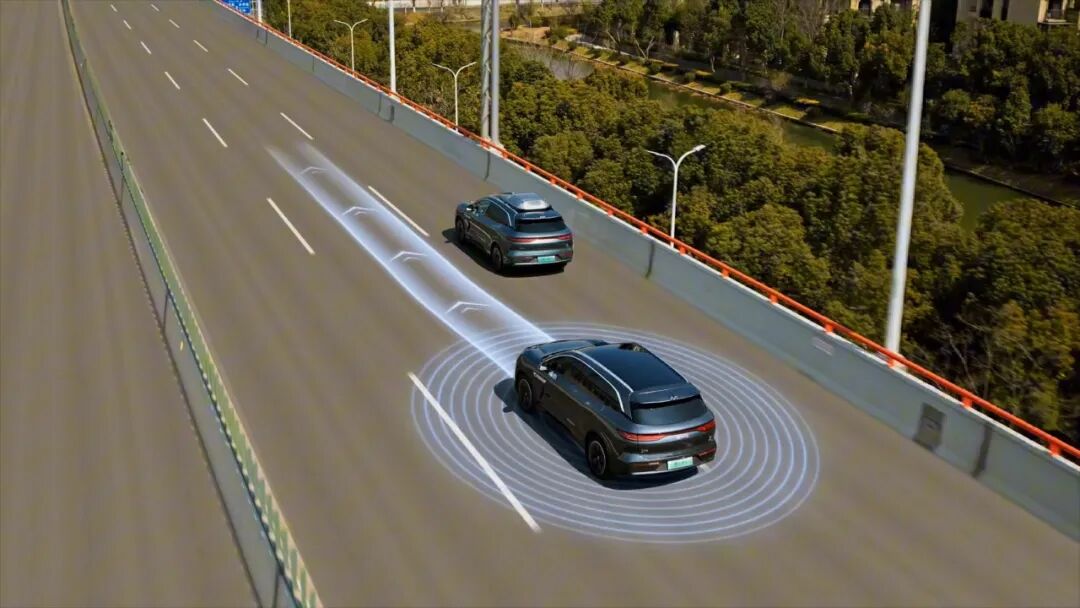
Image source: Internet
The remaining market primarily consists of mid-tier OEMs, joint ventures, and players needing to rapidly bridge the Intelligent (intelligent) gap.
These customers have very practical requirements: costs must be low enough to support intelligent driving democratization and price wars; delivery must be swift to avoid delaying vehicle launch timelines; safety and compliance must be robust to avoid becoming risk sources; and cross-platform, cross-chip adaptability is preferred to avoid vendor lock-in.
Suppliers thus find themselves in a dilemma.
To meet these requirements, solutions must become more standardized, platform-based, and easily integrable, which inherently weakens differentiation.
Attempting deep customization and unique experiences requires enormous R&D investment, with long cycles and high risks, and may not be valued by smaller clients. Market concentration is also rising.
Leading players such as Huawei, Momenta, Horizon Robotics, Qianli Technology, and Driveworks have captured the vast majority of the third-party high-end intelligent driving market, forming a pronounced Head Effect (head effect).
Small and medium-sized suppliers are either being squeezed out or struggling to survive in niche scenarios, low-end solutions, or specific regions.
As price wars ensue, profit margins are continuously compressed.
04 Triple Squeeze of Cost, Safety, and Standards
The difficulty in achieving differentiation stems from three main forces.
Cost is the most direct influence.
As intelligent driving shifts from a selling point to a standard feature, OEMs are unwilling to pay excessive premiums for common capabilities. Suppliers must relentlessly cut costs while ensuring performance, with hardware selection, algorithm optimization, and supply chain management all revolving around cost.
Under cost pressure, suppliers prioritize core capabilities that can be scaled and reused, sacrificing non-essential differentiation for platformization and integration efficiency.
When the same batch of chips, sensors, and algorithmic frameworks are repeatedly combined by multiple solution providers, solutions naturally converge.
Image source: Internet
Safety and liability tighten the screws from the other end.
When it comes to driving assistance or even higher-level functions, any aggressive strategy carries significant risks. Suppliers must opt for more conservative paths between aggressiveness and caution, leading to a more moderate experience style.
Standards and testing further compress the remaining space.
National standards, venue testing, and data compliance requirements are becoming increasingly stringent, with a complete safety closed loop (closed loop) capability becoming a prerequisite for market entry. Pure algorithm or hardware players lacking systemic capabilities are marginalized, leaving remaining players competing under the same set of rules, with fewer opportunities for unconventional differentiation.
With these three forces combined, intelligent driving has shifted from a technological race to a systemic competition.
Pure algorithmic highlights or sensor stacking can no longer form lasting barriers.
05 Data and Scale Become New Moats but Also Fuel Homogenization
What truly differentiates players now is data and scale.
Those with larger installed bases, more real-world miles, and broader scenario coverage can iterate their models faster and address long-tail issues more effectively.
Players like Momenta have accumulated vehicle data in the millions through widespread fixed point (design wins), Huawei has leveraged its ecosystem and brand to shape user perceptions, and Horizon Robotics has reduced deployment barriers through chip-algorithm integration.
These are advantages derived from scale.
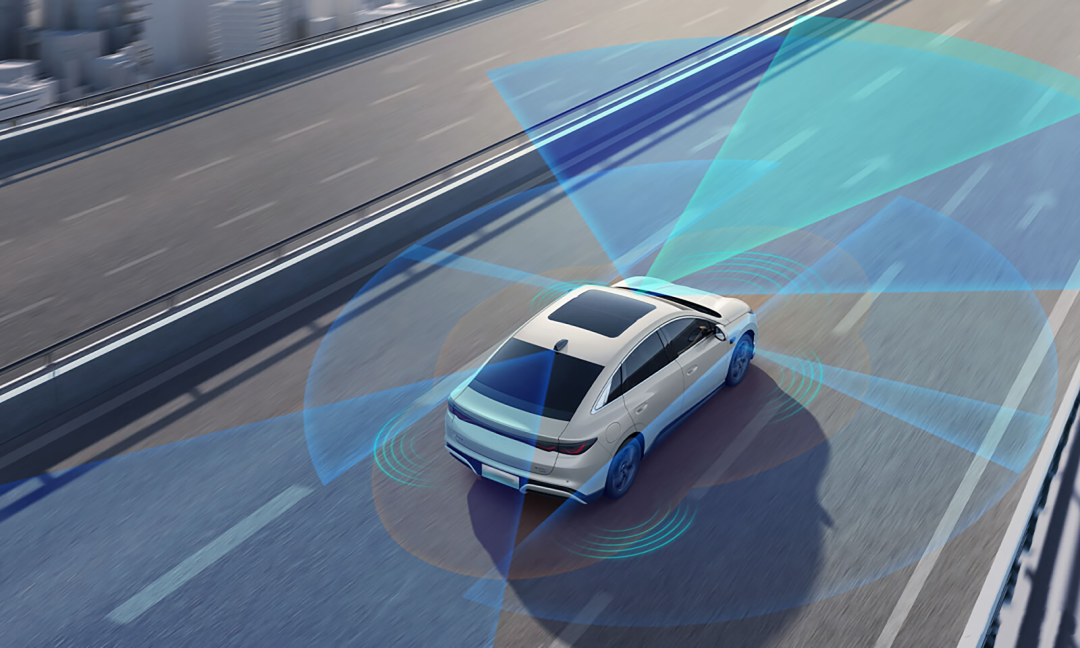
Image source: Internet
However, scale advantages also drive homogenization.
To cover more OEMs, price points, and models, leading suppliers must highly platformize and replicate their solutions.
The better the platformization, the smaller the differentiation space.
Even when adopting the same supplier, OEMs find it difficult to create fundamentally different experiences at the bottom layer (bottom layer), only able to make limited adjustments in tuning, interaction, and scenario preferences.
The data closed loop (data loop) also introduces another issue: training data is increasingly homogenized across players, sourced from public datasets, similar road conditions, and comparable annotations, leading to converging model outputs.
06 How Can Suppliers Still Differentiate?
Admittedly, the current state of technological convergence is real but not insurmountable.
Differentiation in the second half of the intelligent driving race has shifted from technical parameters to systems and ecological niches.
Some create differentiation through scenarios.
Some specialize in complex urban streets, others perfect stability for long-distance highway driving, and still others focus on specific climates, road conditions, and user habits. Niche scenario barriers are often harder to replicate than broad, all-encompassing general solutions.
Others differentiate through cost and efficiency.
Delivering high-end capabilities at lower hardware costs, reduced computational power consumption, and faster adaptation cycles is itself a competitive edge, especially in the mid-to-low price segments where cost-effectiveness is the ultimate differentiation.
Software-hardware integration and platformization offer another path.
Deep synergy between chips and algorithms, coupled with cross-chip, cross-platform adaptability, supported by a complete toolchain and development support, can significantly lower OEM deployment barriers and risks, fostering stickiness. Horizon Robotics generally follows this path.
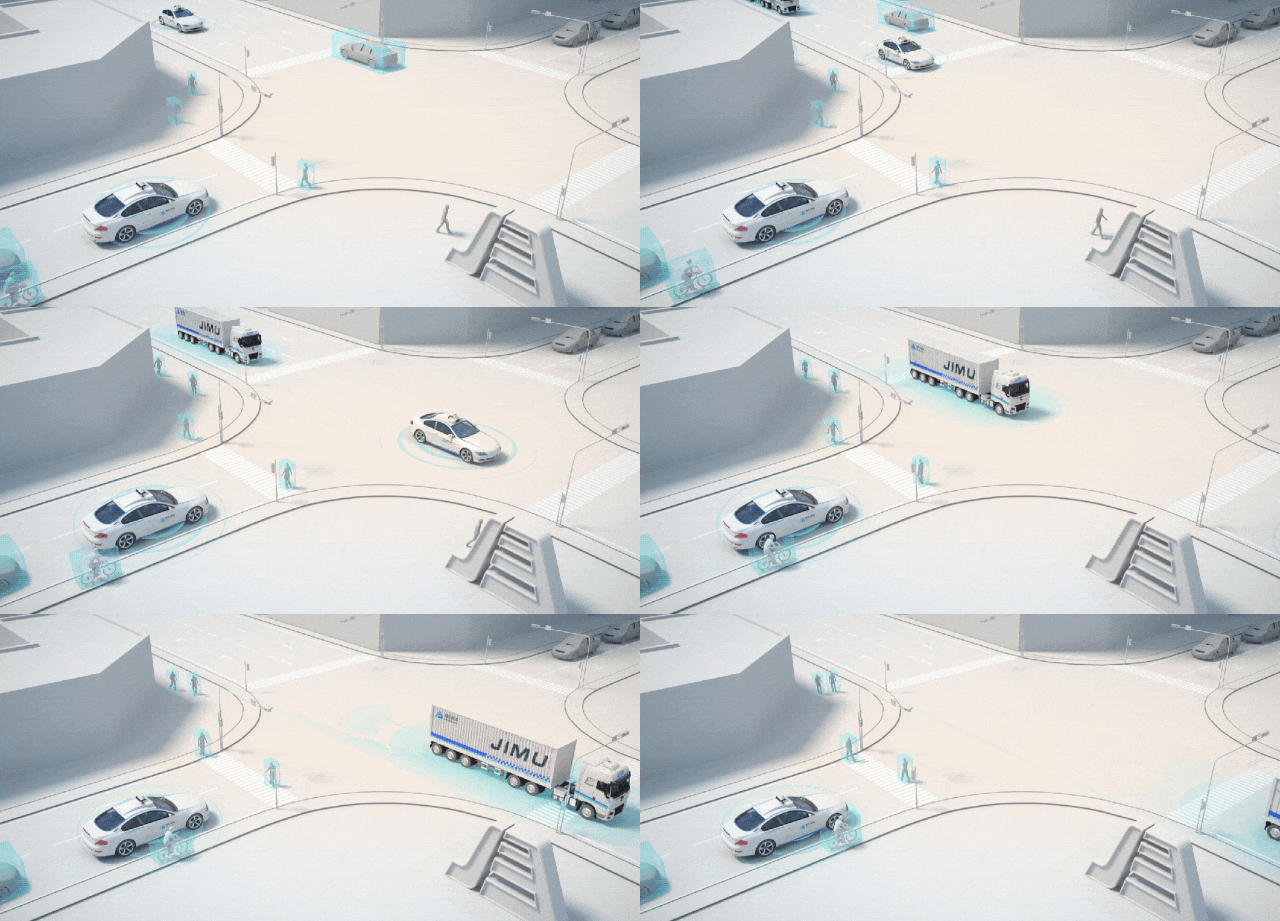
Image source: Internet
Data and iteration speed remain effective differentiators.
Truly transforming installed base scale into a data flywheel and maintaining an iteration pace ahead of competitors allows users to perceive continuous improvement, which is what sustains differentiation.
Additionally, partnerships can evolve from delivery-based to co-creation-based.
Solutions need not be closed black boxes; opening up some capabilities allows OEMs to participate in tuning and scenario definition, helping them create "my intelligent driving" rather than "the supplier's intelligent driving." Expanding into overseas markets, commercial vehicles, and Robotaxi can also broaden value spaces.
Taking it a step further, the shift can be from selling solutions to selling services.
Capabilities such as simulation, testing, data management, OTA operations, and safety certification support, if delivered alongside solutions, can transform one-time design wins into long-term partnerships.
In the intelligent driving field, the players that ultimately survive and achieve differentiation are those who understand their position and excel in it.
Some are content being electronic components, others serve as neutral platforms, some specialize in specific scenarios, and others become cost leaders.
Those attempting to dominate all markets are most susceptible to homogenization.
07 Differentiation Has Not Disappeared; It Has Just Moved to a New Battlefield
The proliferation of intelligent driving solutions and the increasing difficulty for suppliers to differentiate do not signal the industry's failure but rather its maturation.
When a technology transitions from a scarce to a foundational capability, differentiation naturally shifts from the technology itself to cost efficiency, systemic reliability, data scale, ecological collaboration, and scenario understanding.
Just as in the smartphone industry, where the Android-Qualcomm combination is highly homogenized, brands can still differentiate through imaging tuning, system interaction, and ecological services.
Automotive intelligent driving will follow a similar path.
For suppliers, the true test is not whether they can create a superficially different solution but whether they can find and defend their position amidst a comprehensive competition involving cost, safety, scale, and services.
The second half has begun. Flashy solution launches will become rarer, while solid engineering, scalability, and systemic capabilities will become increasingly valuable.
Those who survive and truly differentiate amidst the homogenization wave will be the last ones standing.
-
Capital Reevaluation of the 'Battery King'
-
![]()
Audi China Undergoes Division: Splitting the Brand, Taking a Risk on Destiny
-
![]()
SpaceX Secures $40 Billion in GPU Financing, Wagering on Market Growth Over the Next Five Years
-
![]()
Has DeepSeek Truly Topped the Global Charts? Let’s Hold the Applause for Now
-
![]()
Why Is It Harder for Suppliers to Stand Out in the Crowded Intelligent Driving Market?
-
The Golden September and Silver October Are Not Over: China's Auto Market Finds New Pathways to Growth
-
![]()
Wow! OpenAI Makes Significant Investment in Lab to Combat Emerging Viruses Using AI
-
![]()
NamiWork Steers Clear of Direct Clash with Tech Titans, Targets Challenging AI Market