Xiaomi's October Sales Surge: "One Meter Pierces Eight Realms" Meme Persists as Pengcheng Delivers
 11/03 2026
 550
On the morning of November 1, October sales reports from major automakers were released in batches, sparking immediate debate across the industry.
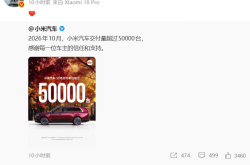
Lei Jun was in high spirits, taking to Weibo early in the morning to make an official announcement.
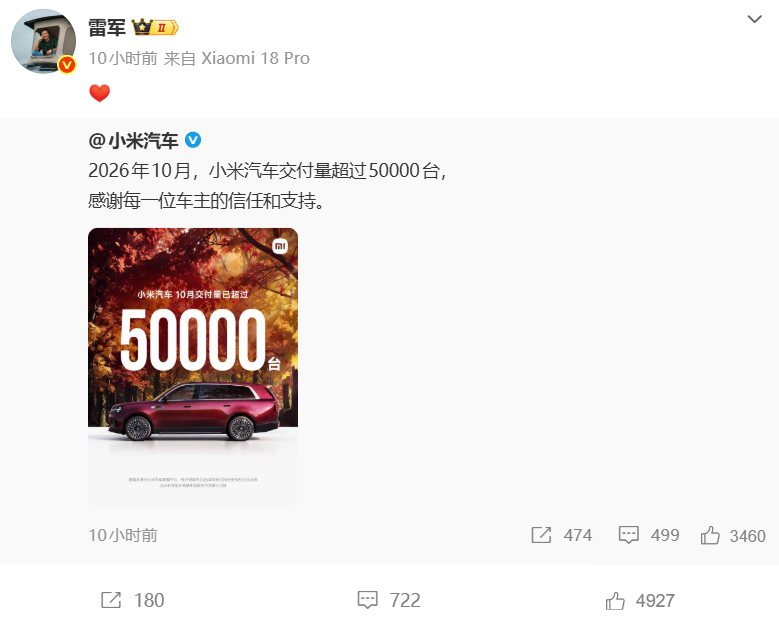 Image source: Weibo
No wonder Xiaomi's stock price has been creeping upward lately—this report card truly justifies the confidence.
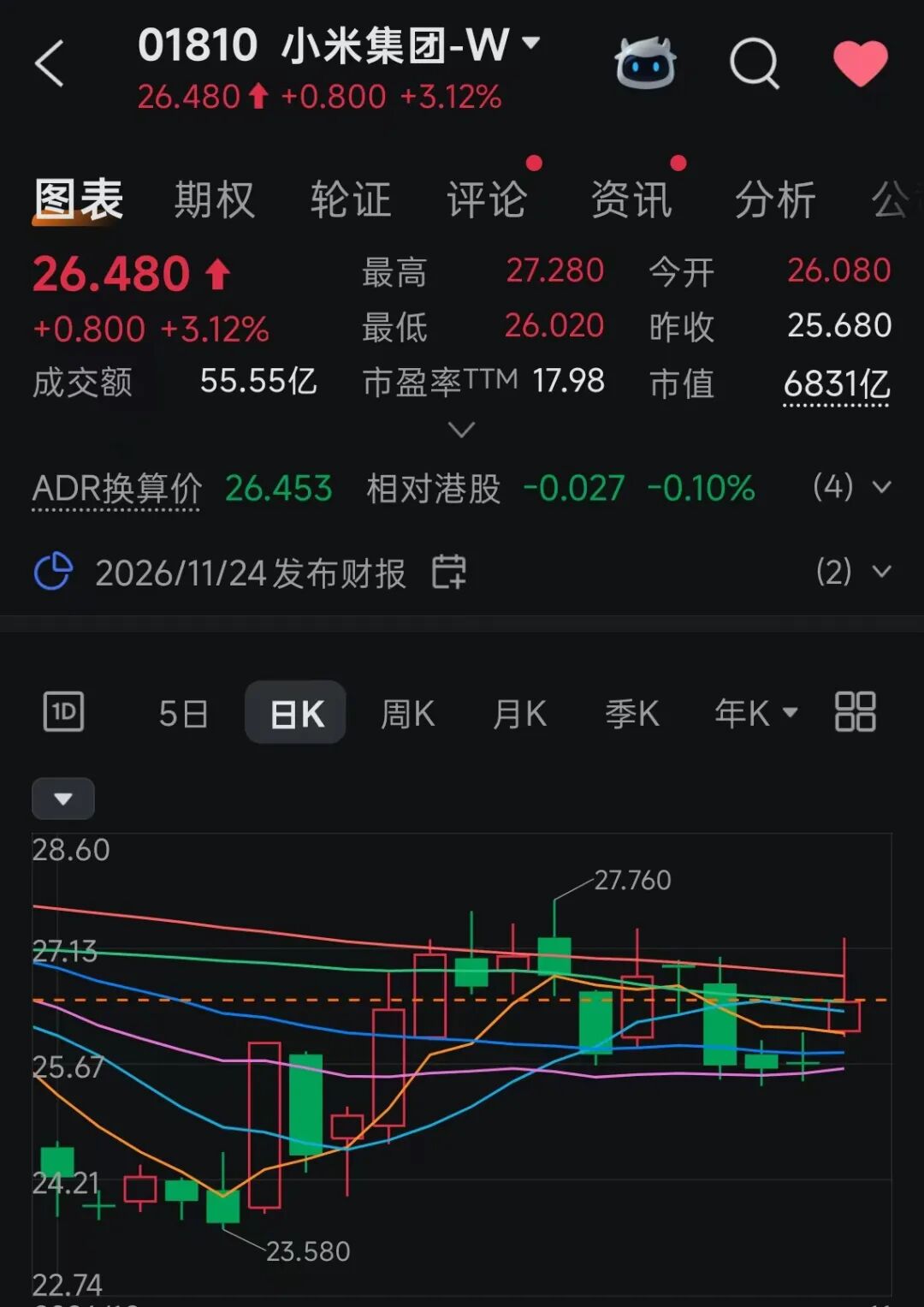 Image source: Futu APP
On the other side, Yu Chengdong is under considerable pressure, pinning his comeback hopes entirely on the just-begun November.
First, let's unpack the viral meme referenced in the title—"one meter pierces eight realms." HarmonyOS Smart Mobility encompasses five brands in total, delivering 33,537 units combined in October—averaging just over 6,000 per brand. Xiaomi alone surpassed 50,000 in a single month, roughly equivalent to the sales of eight individual "realms." Compared to the earlier "one meter pierces five realms," the teasing tone this time is even sharper.
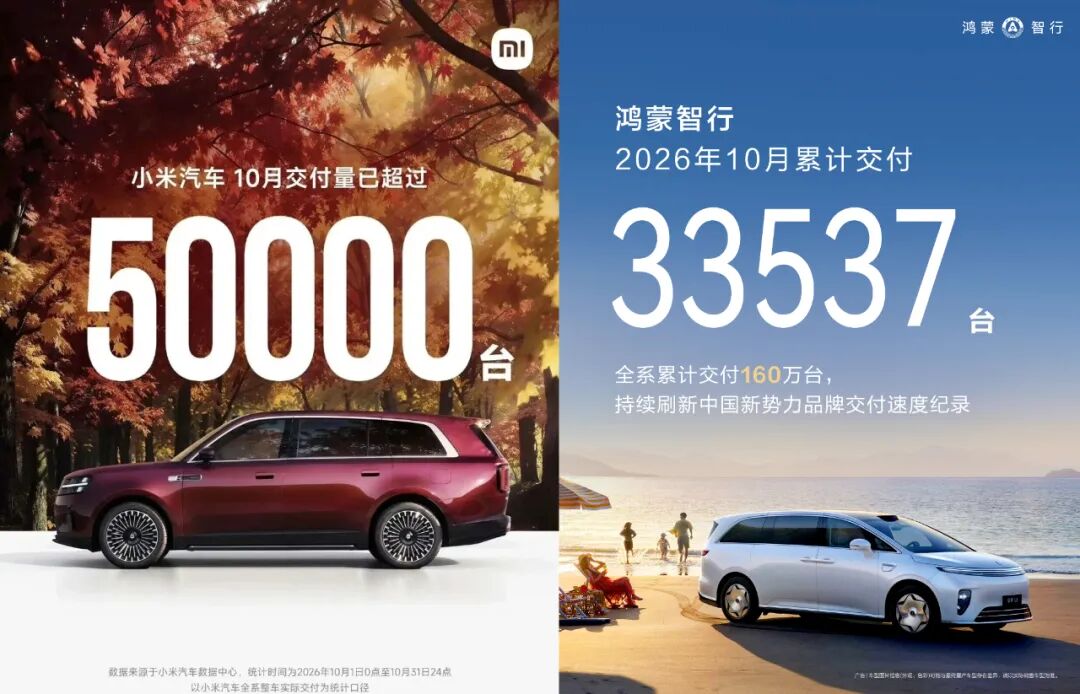 Image source: Weibo
Pengcheng Ramps Up as Xiaomi Smashes Through the 50,000 Threshold
Xiaomi Auto's October deliveries exceeded 50,000 units outright, setting a new high for 2026 and marking the first time this year it has firmly crossed the 50,000 mark. Long-time followers know the only previous time it touched the 50,000 line was a fleeting moment last December. Afterward, troubles kept coming—highway accidents, the hood door controversy, imitation allegations—and sales stalled in the 30,000 range, occasionally topping out just above 40,000. No one expected that in October, a step on the gas would break straight through the ceiling.
The biggest contributor was the newly ramped-up Pengcheng N70 and N90.
The trajectory was a genuine three-step jump: over 30,000 in August, 40,015 in September, and 50,000+ in October—a month-over-month increase of about 25%. Cumulative total for the first ten months reached 336,490 units, with monthly figures as follows: 39,000, 20,000, 21,000, 36,000, 32,000, 34,000, 31,000, 30,000, 40,000, 50,000.
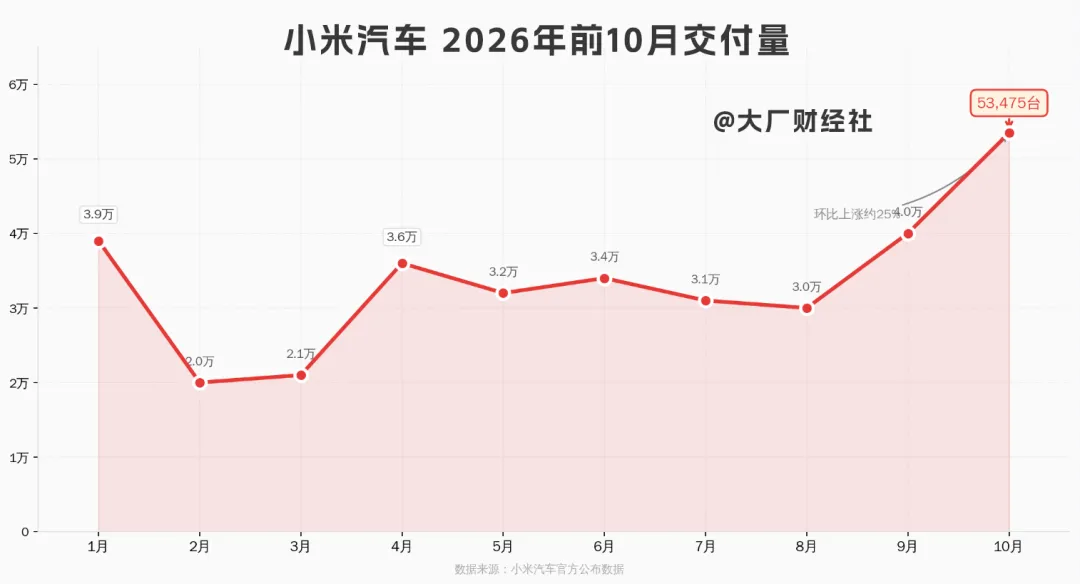 Image source: Big Factory Finance Society
How fierce is the auto market? The China Passenger Car Association predicts that domestic passenger car retail sales in October fell nearly 30% year-over-year. With the overall market sliding, many brands can only rely on price cuts to move inventory and recover cash flow—yet Xiaomi bucked the trend and surged higher. What's more remarkable is that it didn't rely on low prices to drive volume; the average transaction price is not low, and it hasn't even gone overseas yet, so the potential remains untapped. On overseas short-video platforms, the SU7 Ultra has already gone viral, with sustained high engagement on YouTube and TikTok. Xiaomi phones have been cultivated overseas for years, with channels, localization teams, and compliance processes all in place. Once the auto business goes overseas, that will unleash another major wave of incremental growth.
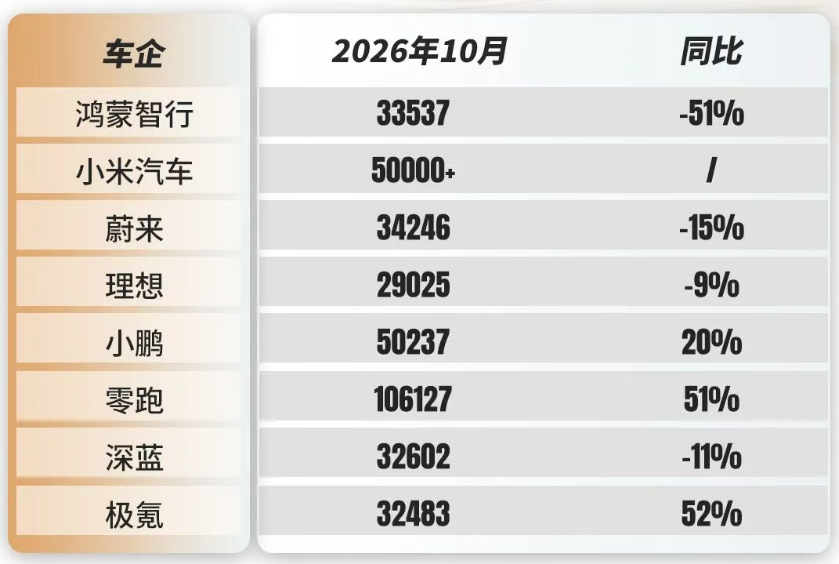 Chart: October new force data and year-over-year comparison
The core reason it could reach 50,000 this time is that Pengcheng filled Xiaomi's biggest shortcoming. Pengcheng only began deliveries on September 12, surpassing 10,000 in the first 18 days. Previously, Xiaomi only had pure electric vehicles, and many family users hesitated due to range anxiety. Pengcheng's extended-range option can run on both gas and electricity, with a large battery and flexible interior space, precisely targeting the family SUV market. Priced from 209,900 yuan, it targets ordinary families living pragmatically.
Some worry that Pengcheng selling well will cannibalize SU7 and YU7 orders. Completely unnecessary. SU7 and YU7 firmly hold a base of around 30,000 units, and Pengcheng represents genuine incremental sales, not robbing Peter to pay Paul.
Several factors converged to drive this run:
1. Product lineup completed. Pure electric sedans and SUVs as the foundation, plus new extended-range SUVs, covering both performance and family segments;
2. Production capacity constraints lifted. The nightmare of waiting over half a year for the YU7 is over. Beijing factory phases one and two are running smoothly, with 700 robots online, rolling a car off the line every 76 seconds. The Wuhan base dedicated to Pengcheng successfully reached full production in October, compressing delivery cycles from a previous ten months to two weeks—if you're lucky and a car is in stock, you can drive it away the same day;
3. The old models' foundation is solid. The SU7 holds the top spot among pure electric sedans above 200,000 yuan, and the YU7 ranks high in NPS reputation among mid-to-large SUVs;
4. Ecosystem and channels expanded. The ecosystem barrier is hard to replicate, with stores reaching 119 cities and 402 locations.
Striking while the iron is hot, Xiaomi immediately rolled out a limited-time perk for the N70: place an order between November 1 and November 30 for the N70 and enjoy up to 60,000 yuan in car purchase benefits, with a choice between 3-year zero interest on in-stock cars or a 6,000 yuan insurance subsidy, riding this wave of momentum to keep taking orders.
Xiaomi's path is becoming clearer: SU7, YU7, plus two Pengcheng extended-range SUVs, first fully capturing high-end performance and mainstream family segments. The main brand won't touch the sub-200,000 market in the short term. The next step will likely be a large sedan emphasizing rear-seat space to close the loop, and later possibly incubating a separate new brand replicating the Redmi playbook. With phone growth hitting its ceiling, cars are already Xiaomi's ultimate second growth curve.
Lei Jun's statement now sounds completely different: "This is the last major entrepreneurial project of my life. I am willing to stake all the achievements and reputation I have accumulated in my life to fight for Xiaomi Auto." Over the years of car-making, people have never stopped advising him to quit or mocking him, and this report card finally lets him stand tall.
Five Realms Under Pressure—Don't Rush to Judgment Based on a Single Month's Sales
On the other side, HarmonyOS Smart Mobility delivered 33,537 units in October, averaging just over 6,000 per brand across the five, which perfectly matches the "one meter pierces eight realms" meme.
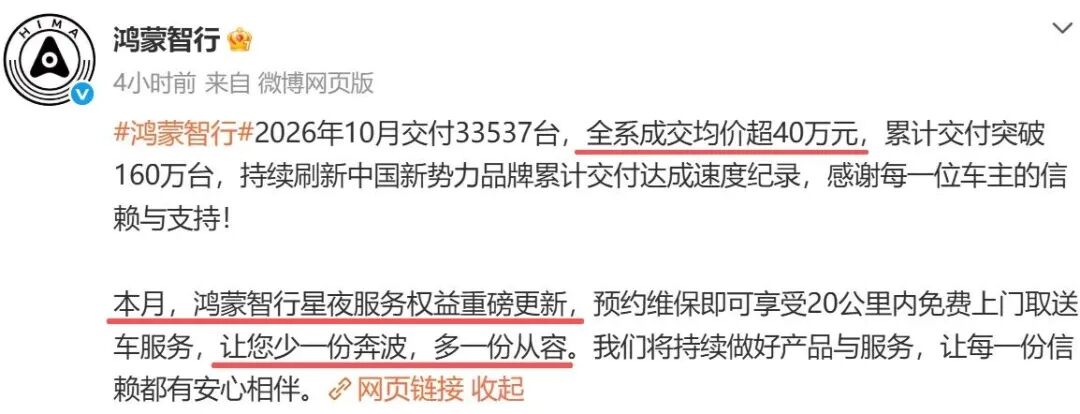 Image source: Weibo
Cumulative deliveries for the first 10 months were 400,766 units, with monthly deliveries as follows: 57,915, 28,212, 26,582, 32,759, 46,124, 50,624, 45,422, 42,101, 37,490, 33,537.
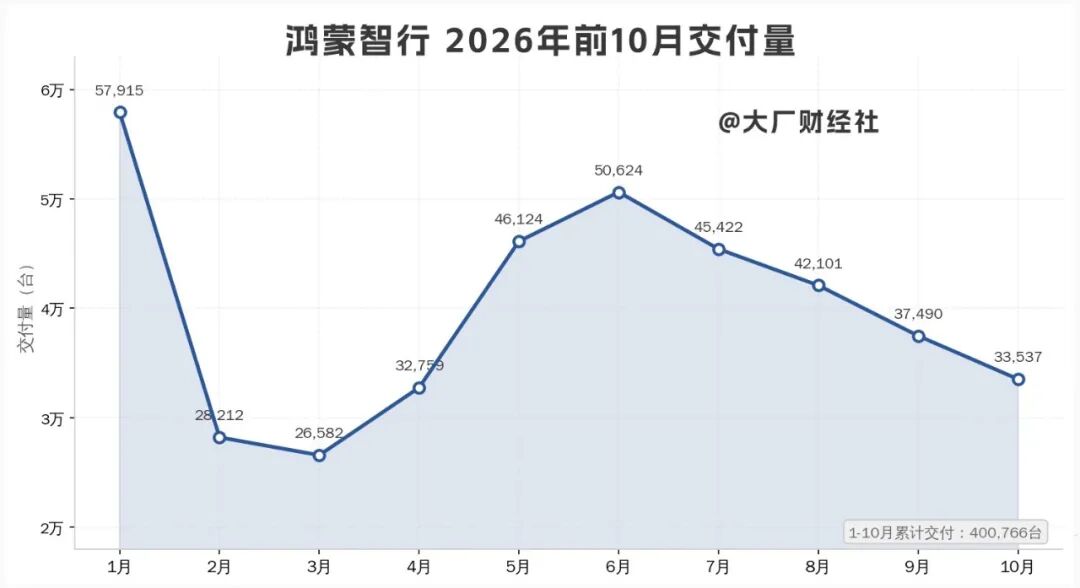
Image source: Big Factory Finance Society 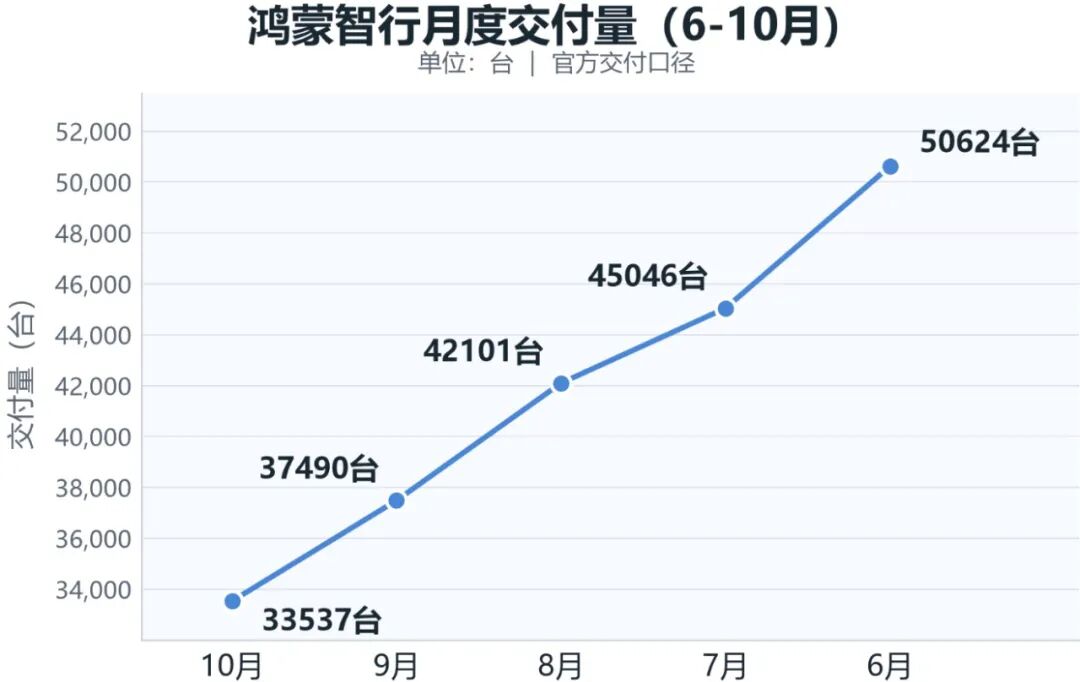 To avoid awkwardness, charts can also be drawn like this
Many people take one glance and predict doom, but I don't see it that way. HarmonyOS Smart Mobility's average transaction price across the lineup exceeds 400,000 yuan, cumulative deliveries have surpassed 1.6 million units, continuously setting new speed records for new forces, and it has also updated its Starlight Night service benefits—book maintenance and enjoy free door-to-door pickup and delivery within 20 kilometers. The goal is to save car owners one trip and give them more peace of mind, with convenience first.
Now the industry is frantically cutting prices—if you don't drop 20,000 or 30,000, you're embarrassed to hold a launch event—but HarmonyOS Smart Mobility insists on not taking that path. Its average transaction price stands firm at 400,000 yuan, even up from 390,000 in the same period last year. Relying on price cuts to drive volume is, frankly, drinking poison to quench thirst. Many competitors treat price cuts as a panacea, cutting into their own flesh for short-term data, while HarmonyOS Smart Mobility insists on letting product strength and quality speak: good things can sell at high prices, and people will still pay—that's you get what you pay for, and the product matches its price. Looking at the luxury segment, BBA used to be unable to sell without discounts; now even with discounts, they can't outsell HarmonyOS Smart Mobility.
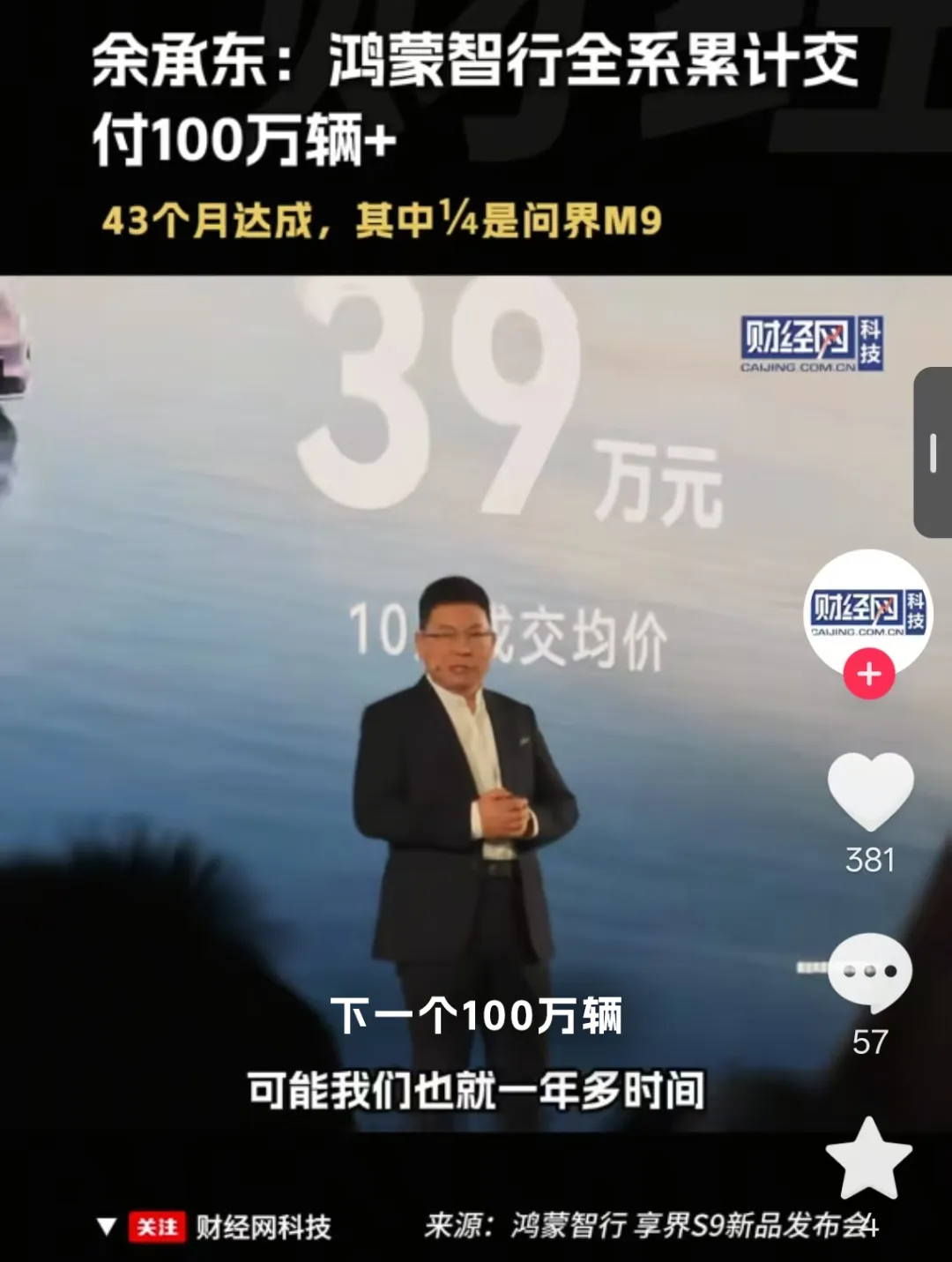 Image source: Caijing.com Douyin In February this year, Yu Chengdong and Zhang Xinghai's "next 1 million vow" Source: Xiaohongshu
Beyond firm pricing, the foundation is solid too. It took only 43 months from 0 to 1.6 million units, pushing the new force million-delivery record very high—saying no one will ever match it is a bit of a boast, but no one has done it before is a fact.
Comparing with the same period last year makes things clearer. In October 2025, monthly sales were 68,000 units at an average price of 390,000; a year later, they fell to 33,000 units, but the average price actually rose to 400,000+. Outsiders see a halving at a glance; insiders understand it as product structure adjustment. Monthly sales are like the tide—rising fast, receding fast, and coming back just as fast. Don't be rigid; selling a bit less doesn't mean you can't win—it might mean holding back a big move.
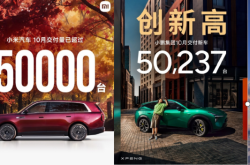
Horizontally, HarmonyOS Smart Mobility isn't intimidated either. Xiaomi exceeded 50,000 in October but didn't give an exact figure; Xpeng reported 50,237 units outright, but its average price is under 200,000. In terms of per-vehicle value, HarmonyOS Smart Mobility's gold content is entirely different—each company's accounting logic simply can't be lumped together. A complete matrix with all five brands launching simultaneously is currently unique to HarmonyOS Smart Mobility. The foundation is there, and so is the confidence. The current fluctuation is more like a turn—judging by a single month, I know you're anxious, but really don't be.
One more crucial point: November will be the most critical month for HarmonyOS Smart Mobility, with multiple new car launches concentrated in November for delivery. The subsequent trajectory depends on this wave.
Both Targets Missed—The Year-End Sprint Is a Tough Battle
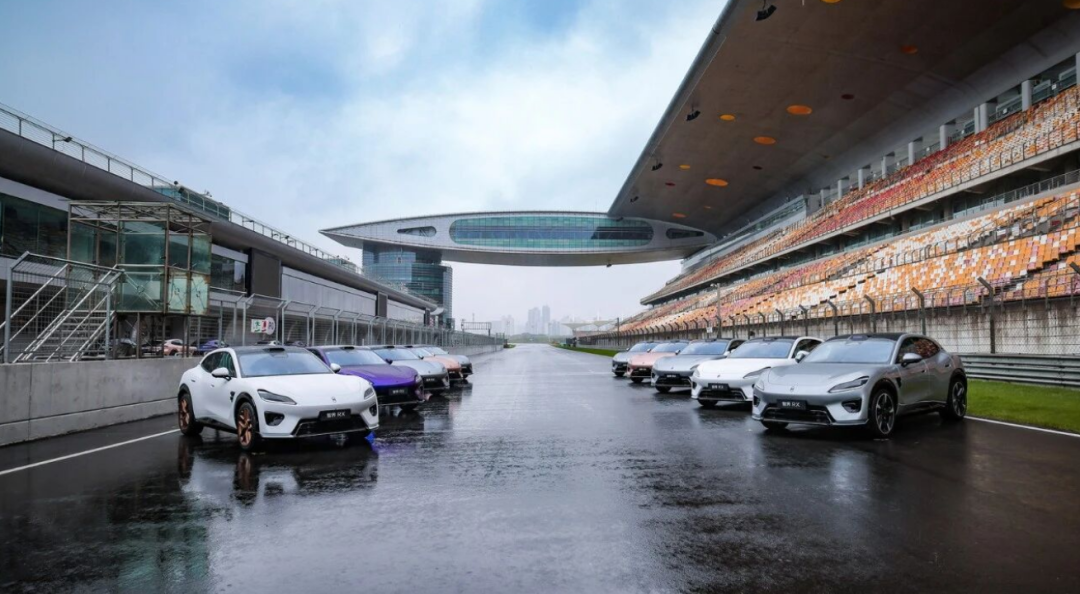
Lively as it is, both companies' big promises from the start of the year are hard to fulfill. Xiaomi's full-year target of 550,000 units is basically hopeless: cumulative sales for the first ten months were 336,490 units, and the remaining two months need 213,500 units, averaging over 100,000 per month. Even if Pengcheng continues to explode, with industry estimates of 60,000 in November and heading toward 70,000 afterward, the gap remains huge. When the 550,000 target was set, Pengcheng hadn't launched yet, and the extended-range increment wasn't factored in at all—the target itself was overly optimistic. Even so, the volume Xiaomi has achieved in two and a half years already puts it in the top tier of new forces; many automakers can't reach that in five years.
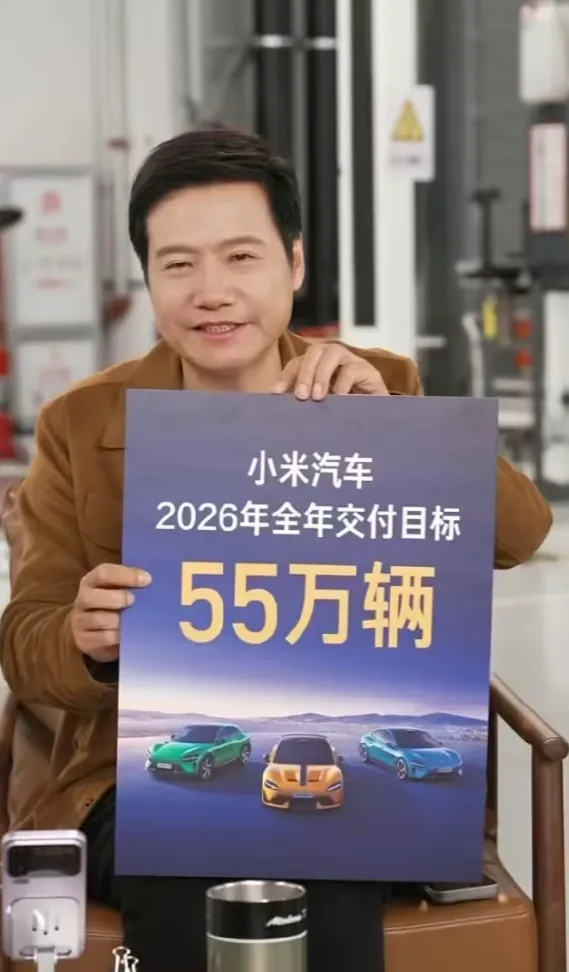 Image source: Weibo
HarmonyOS's target is even more exaggerated—1 million units for the full year, nearly double last year's. By September, cumulative sales were only 366,800 units, less than 40% completion, requiring an average of 210,000 deliveries per month, which is basically impossible. To boost sales, HarmonyOS is densely launching new products and rolling out benefits. The year-end price war across the entire new energy sector has already begun—Tesla led with price cuts, and others will only get more competitive. Friends planning to buy a car really don't need to rush; there will be plenty of bargain opportunities during the year-end sales push, so you can wait before pulling the trigger.
Lei Jun said car-making is a marathon, not a sprint. Winning one month doesn't mean winning steadily. On a longer timeline, this surge is also a microcosm of the brutal competition in the car-making industry—the market is cooling, consumers are increasingly pragmatic, and marketing gimmicks alone can hardly convert orders. Xiaomi's wave is essentially a concentrated release of real demand after products were completed and production capacity caught up. The challenges ahead for Xiaomi are very concrete: whether Pengcheng can sustain volume rather than being a short-term fad, stabilizing at the 40,000-50,000 step; whether HarmonyOS can turn things around hinges on whether AITO can stop the decline, and whether Luxeed, Stelato, Maextro, and Shangjie can run independently, no longer tied to AITO alone, smoothing out the cooperation rules with Seres, and dispelling market wait-and-see sentiment. The rankings in the top tier of new forces are far from settled.
Finally, a question: considering Pengcheng's order momentum plus year-end sales push policies, how many units do you think Xiaomi will deliver in full-year 2026?
Disclaimer: This article is solely a commentary on big factory finance and does not constitute any investment advice. Corporate data and regulatory events mentioned are from public information, for reference only, and the official releases shall prevail. Image sources are from the internet; if there is any copyright issue, please contact for removal.
-
![]()
Xiaomi's October Sales Surge: "One Meter Pierces Eight Realms" Meme Persists as Pengcheng Delivers
-
![]()
Leapmotor Tops 100k, Xiaomi and Xpeng Cross 50k, HarmonyOS Hits 30k, Li Auto… New Forces Reveal October Sales
-
![]()
Ford's New Category to Counter Chinese NEVs: The UEV Platform Fathom
-
![]()
France Proposes Internet Traffic Tax: 0.4 Yuan per GB Transmitted; Tech Giants Push Back, Bill Unlikely to Pass
-
Lexus's Imported All-Electric RZ Is a Sales Flop—Will Its Domestically Produced EVs Fare Any Better?
-
![]()
Samsung Tops Africa's Smartphone Market for the First Time in 31 Years as Q2 Shipments Surge 34.8% Year-on-Year
-
Plug-in Hybrid Exports to Europe Surge 372% in First Nine Months: Why Do European Consumers Prefer Chinese PHEVs?
-
![]()
AITO Accelerates Overseas Expansion Again! Full Entry into Europe by 2027—Is It About More Than Just Orders?