Major Shake-Up at Zunjie Auto: Has Maserati Been Reduced to a Mere Badge?
 11/11 2026
 343
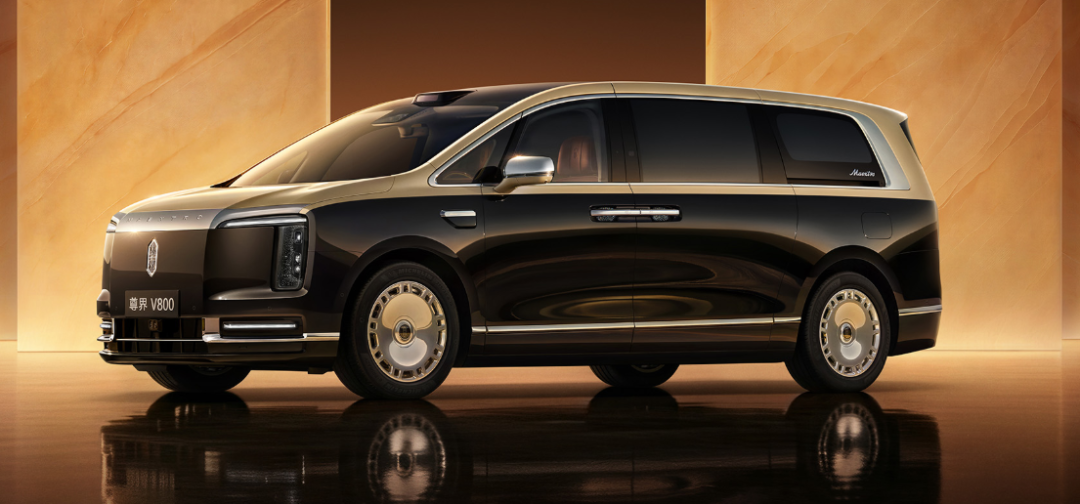
On November 9, two major pieces of news from the auto industry broke almost simultaneously, leaving many observers scratching their heads.
On one side, Cailian Press reported that Zunjie—the ultra-luxury brand jointly created by Huawei and JAC—plans to launch a brand-new sub-brand focused on SUVs, with prices positioned in the 400,000–500,000 yuan range. Bombshell! Rumored Huawei "Ma Jie" to Adopt a New Brand Model, with Yu Chengdong Personally Overseeing the Review
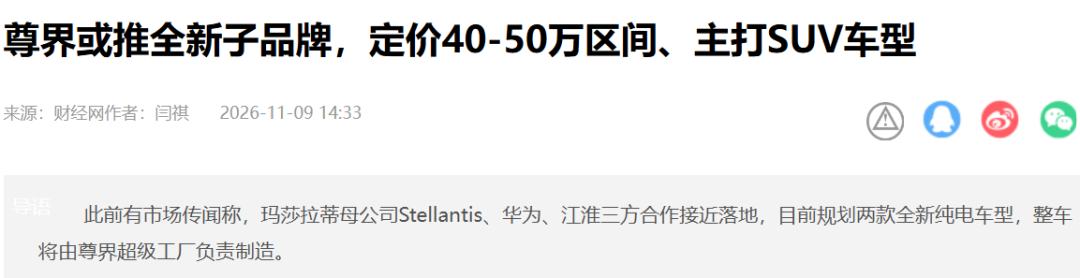
On the other side, the long-rumored tripartite collaboration project "Maserati Design" has new developments: the models have been finalized—two in total, a mid-to-large pure electric SUV and a large pure electric GT shooting brake. The exterior designs are locked in, with mass production expected in Q4 2027.
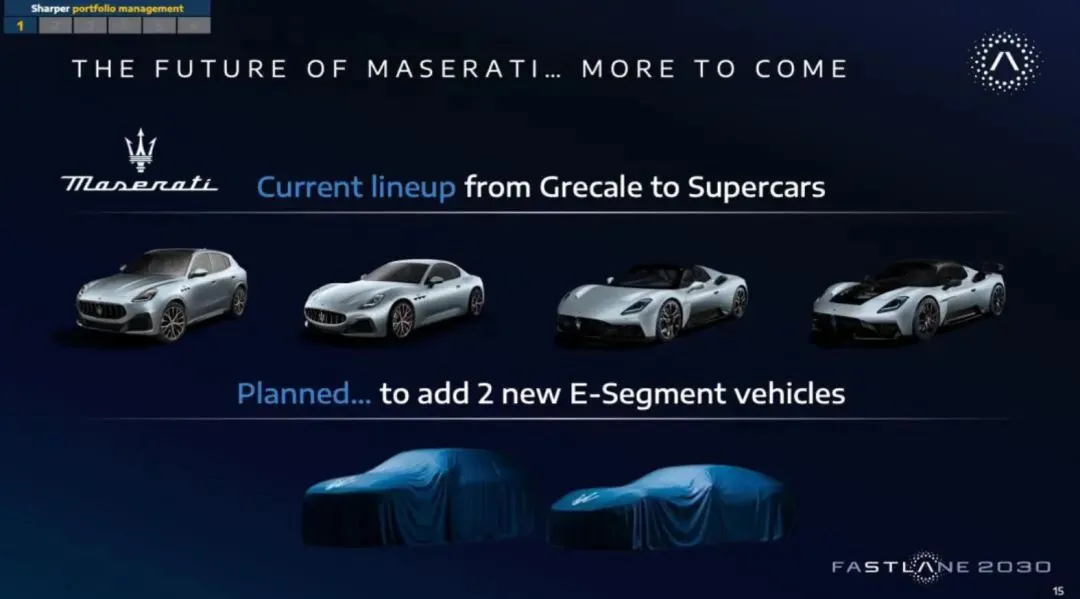 Maserati brand and product line planning. Image source: Zhichejie
Let me first draw the most critical dividing line: this 400,000–500,000 yuan new sub-brand SUV and the Maserati collaboration project may well be two separate endeavors, advanced independently, though with a certain connection.
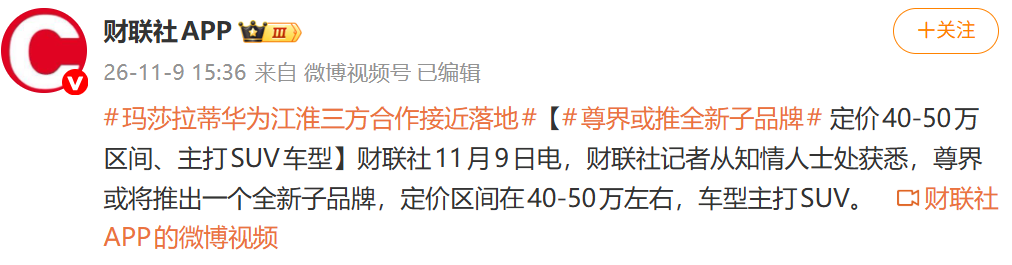
With both projects running simultaneously, Zunjie's strategy becomes immediately clear: the main brand holds the ultra-luxury position starting at 648,000 yuan and above, while the new sub-brand pushes down into the high-end SUV volume market; the Maserati collaboration model plays the "one car, two badges" game—sold domestically under the Zunjie badge, and only when exported overseas does it get the Trident.
Many netizens exclaimed after seeing this: if done this way, is Maserati ultimately left with only a car badge that's worth anything?
High-Priced Zunjie, Roasted on the Fire by Production Capacity
Zunjie is positioned as the highest-end brand within HarmonyOS Intelligent Mobility, with Huawei providing technology and JAC manufacturing the vehicles. When it first launched, everyone's eyes lit up in the domestic top-tier luxury sedan segment.
The current models on sale have a fairly high entry threshold: the Zunjie S800 large sedan ranges from 728,000 to 1,018,000 yuan, with the collector's custom edition starting directly at 1,388,000 yuan; the MPV V680 and V800 launched in August this year are priced from 648,000 yuan. In other words, to buy a genuine Zunjie, you need at least over 600,000 yuan ready.
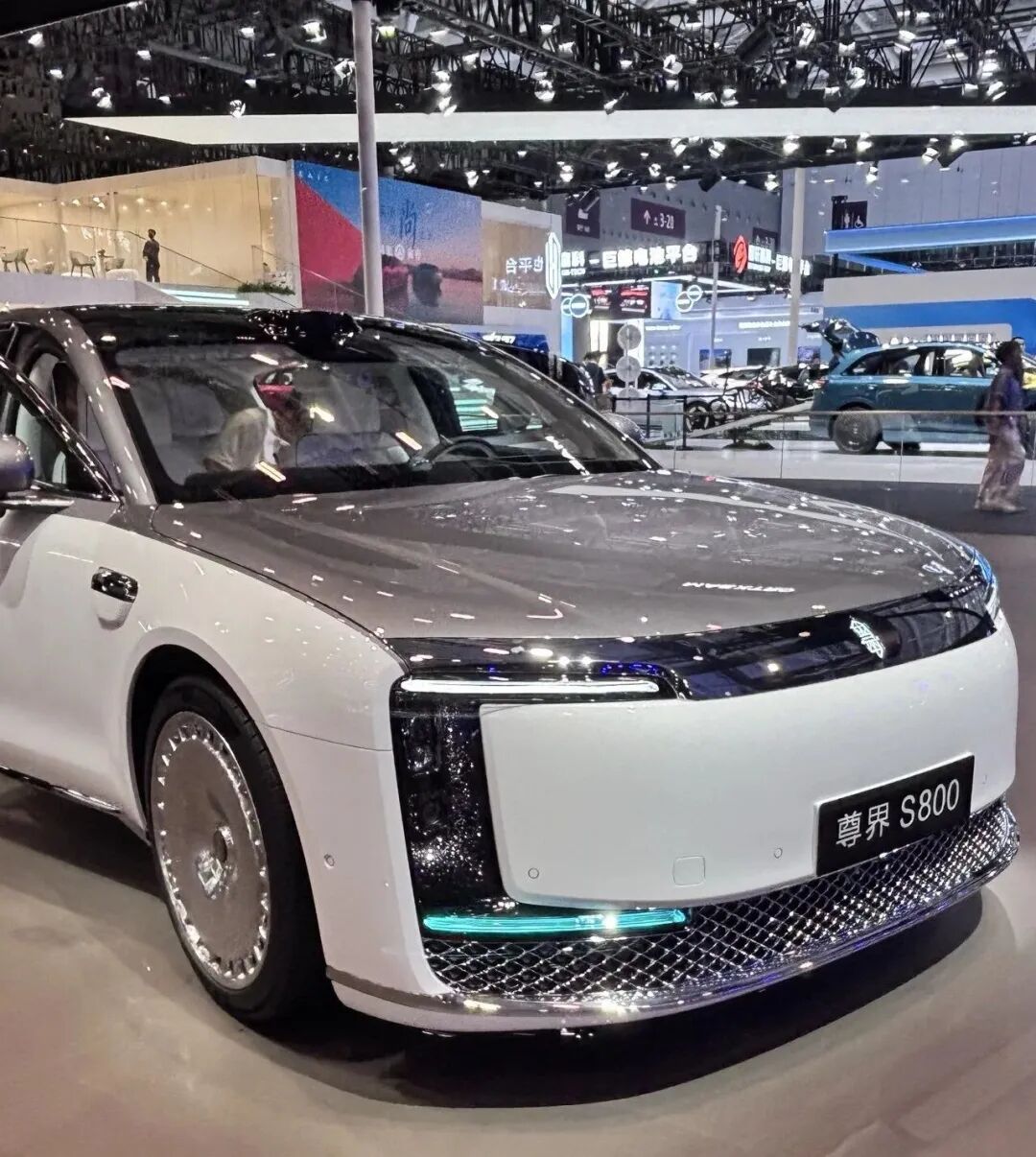 Image source: Weibo
It also had its glory days. In December 2025, the S800 sold 4,223 units in one go, directly taking the sales crown in the luxury sedan segment above 700,000 yuan, outselling even the Maybach S-Class and Porsche Panamera during the same period. Many said at the time that domestic luxury had finally risen.
Unfortunately, the highlight was short-lived, and sales cooled sharply after the hype faded. In 2026, the overall trend went downhill all the way; in July, the S800 delivered only 367 units, a miserable drop compared to its peak, and most subsequent months hovered at just a few hundred units. Later, MPVs were added, but the high-end MPV segment itself is small and cannot support large sales volumes.
What's truly weighing on JAC is the Zunjie super factory built with massive investment. Planned annual capacity is 200,000 units, and to break even, sales need to keep up. But Zunjie focuses on ultra-luxury with a naturally small audience, and the factory's capacity utilization rate is less than 10%, with large swaths of production lines sitting idle while depreciation costs burn money every day.
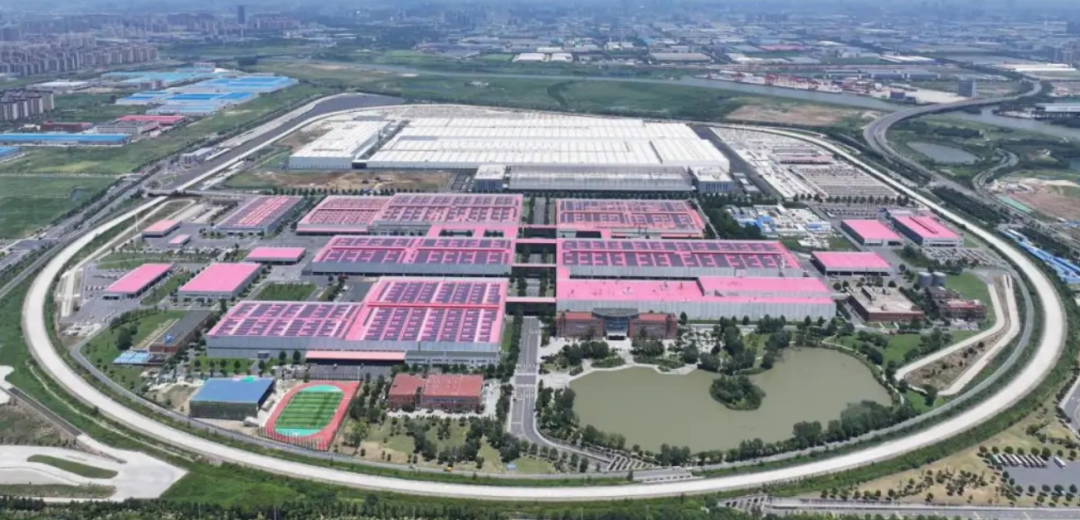 Image source: Weibo
Relying solely on the niche market above 600,000 yuan simply cannot absorb such massive capacity. Going downstream with a new brand is a step that must be taken. The 400,000–500,000 yuan price range is the most competitive and simultaneously the largest high-end new energy SUV market in China. Launching a sub-brand to do this neither drags down Zunjie's own high-end positioning nor fails to boost volume to dilute factory and R&D costs.
Maserati Design's Two Models Finalized, Tripartite Division of Labor on the Table
Compared to Zunjie launching its own new sub-brand, this collaboration among Huawei, JAC, and Stellantis is the real big news that changes the industry's game rules.
As early as September 4, the Italian newspaper Milano Finanza reported that Maserati executives had held in-depth talks with Huawei and JAC, with substantive progress in the collaboration plan. By November 9, Yicai and Cailian Press filled in the details: the project is called Maserati Design, with two models decided—a mid-to-large pure electric SUV plus a large GT shooting brake. Exterior design is finalized, and the mass production timeline is set for Q4 2027.
Stellantis responded very cautiously, deflecting with a single sentence: no comment on rumors; Maserati's complete strategy will be officially announced at the December investor day in Modena, Italy.
How the three parties divide the work is basically an open secret in the industry:
Huawei covers core capabilities: HarmonyOS cockpit, Qiankun intelligent driving, the complete electric drive and powertrain system, equipping the car with an intelligent brain;
JAC is responsible for production, building the vehicles at the Hefei Zunjie super factory, which also conveniently solves Maserati's lack of domestic manufacturing qualifications;
Maserati's side is mainly responsible for styling and tuning, preserving the brand's sporty character, and overseas channel sales.
The most controversial aspect is this one-car-two-badges approach.
Sources reveal that when the car is sold domestically, it belongs to the Zunjie sales system, bearing the Zunjie badge or a Zunjie sibling brand badge (likely the new badge: Dijing); complete vehicle parts are manufactured in Hefei, with some shipped to Italy for assembly, and only the overseas version gets the Trident, going through Maserati's original global dealer network. Simply put, buying it domestically means it's a Zunjie; selling it abroad makes it a Maserati (similar to Zunjie OEM export).
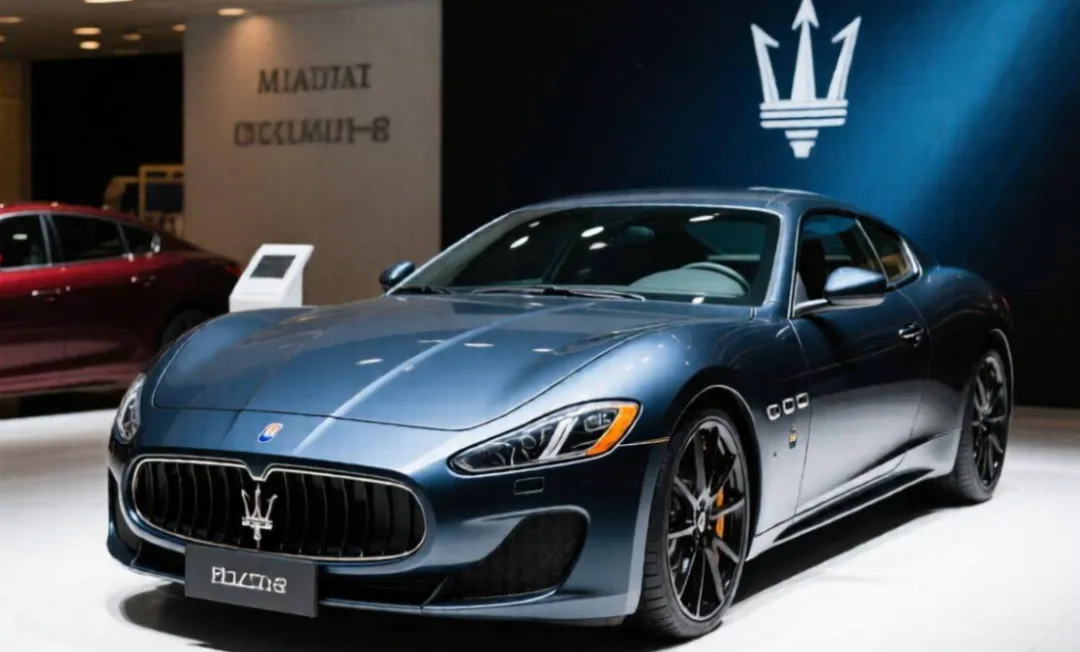 Image source: Weibo
Previously, overseas premium brands exported technology and design, and found domestic factories for OEM production and badging. This time it's directly reversed: a century-old luxury brand comes to borrow Chinese production lines and Huawei's intelligent technology to make electric cars, with the brand badge only functioning in overseas markets. That's where the online saying "Maserati only has one badge left" comes from.
Stellantis's Dilemma: Nearly 20 Brands in Hand, Asset-Light "Badge Licensing + Channels" Solely to Cut Losses
Many people only see that Maserati needs to save itself, but this collaboration is essentially part of a bigger game for the Stellantis Group.
Stellantis holds nearly 20 automotive brands, ranging from affordable commuter cars to luxury performance brands. Many brands mean heavy burdens. Spending money on electrification transformation is the norm; if every brand separately develops platforms, self-develops intelligent driving, and builds new production lines, the financial pressure would be simply unbearable. For the group, the most headache-inducing issue right now is how to lose less money and make more, turning a pile of brands from money-draining burdens into monetizable assets.
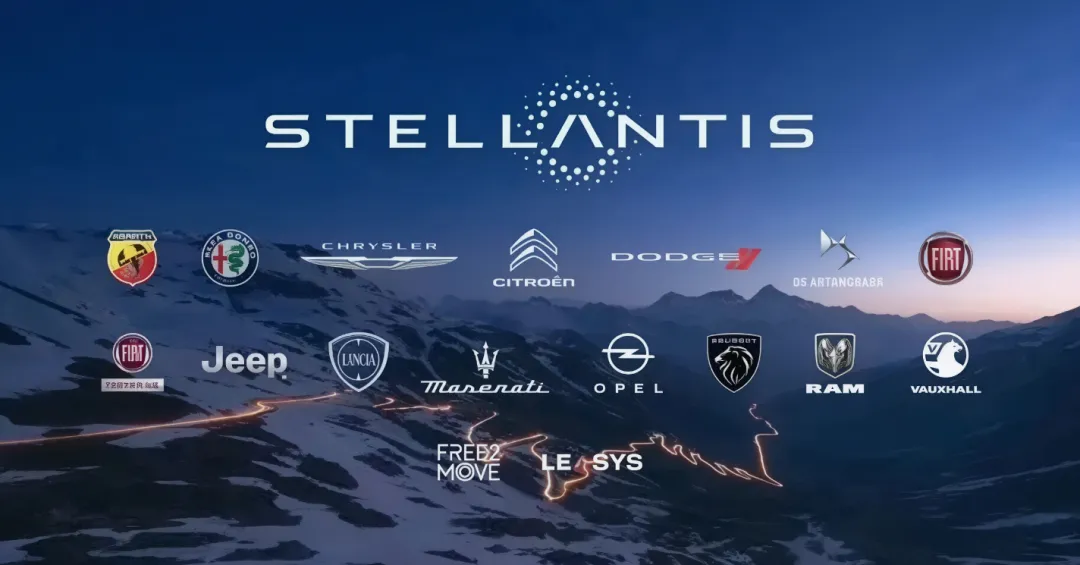
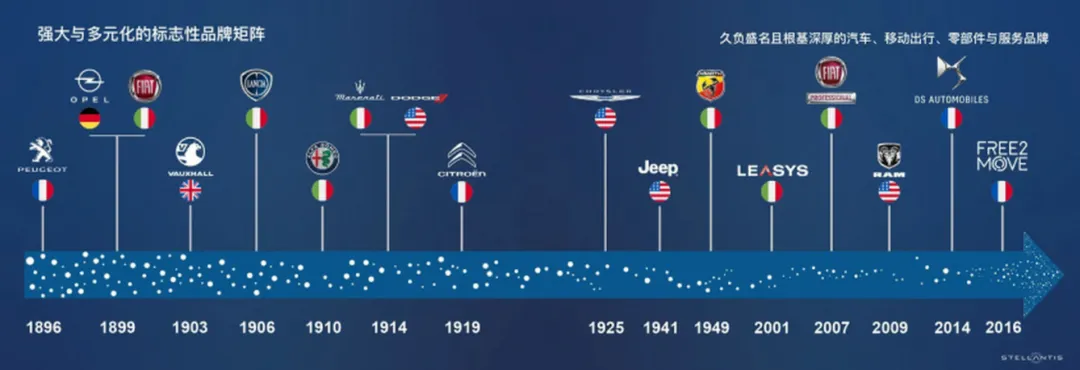 Stellantis Group's automotive brands. Image source: Zhichejie
In Stellantis's eyes, what's most valuable about Maserati now is no longer self-developed engines or vehicle manufacturing capabilities. What's truly valuable is the Trident logo, the century-long luxury sportscar story, and the overseas luxury dealer channels accumulated over years. Since spending money on electrification itself involves large investment and low odds of success, the group simply changes its approach and plays the asset-light model of badge licensing + channels.
The specific approach is: platforms, electric powertrains, intelligent driving, cockpits, and domestic production are all handed to Huawei and JAC, while Stellantis only outputs brand identity, design language, and overseas channels, transforming from heavy-asset vehicle manufacturing to a light business of selling brand licensing and doing channel distribution.
The benefits are tangible: no more massive R&D spending, avoiding sunk costs on platforms and production lines; vehicles are sold through overseas channels, earning brand revenue, first stopping the bleeding, and turning a continuously hemorrhaging luxury brand into an asset that steadily generates cash flow.
Maserati sold only 7,900 units globally last year, down 30% year-on-year. At its peak, annual sales approached 50,000 units; now it's only one-sixth of that, and it lost nearly 200 million euros. Forcing itself to go it alone on electrification would only make the hole bigger. This asset-light plan is Stellantis's way of preserving this luxury IP.
Self-Saving on One Side, Filling Capacity on the Other—Each with Its Own Calculation
For Maserati itself, this is a self-rescue. Unable to keep up with the pace of electric and intelligent transformation, it simply buys a complete set of technology from China's strongest players and reuses existing production lines.
Meanwhile, Zunjie and JAC are calculating capacity. Idle factories and low utilization rates have always been an unavoidable pain point. After the two Maserati Design models are introduced to the production line, a steady stream of orders will fill in, diluting fixed costs such as depreciation, supply chain, and R&D. Even if per-vehicle profit isn't particularly high, the profitability pressure of the entire project will be considerably eased.
Here, let me also touch on a hot industry topic: does Maserati Design count as the sixth "Jie" of HarmonyOS Intelligent Mobility?
From the domestic sales rules perspective, the car bears the Zunjie badge and goes through Zunjie channels, so it doesn't count as a completely new independent "Jie"; but the entire underlying system is Huawei's intelligent technology, so many industry insiders regard it as a special new project within the HarmonyOS Intelligent Mobility system.
Three Lines Clearly Laid Out—Don't Mix Up the Two Projects Again
After sorting through the news, Zunjie's layout is already very clear:
1. Zunjie parent brand: starting at 648,000 yuan, focused on ultra-luxury sedans and MPVs, guarding the domestic top-tier luxury badge;
2. New yet-to-be-named sub-brand: 400,000–500,000 yuan SUVs, focused on domestic volume, independent from the Maserati project;
3. Maserati Design collaboration models: two finalized—a mid-to-large pure electric SUV and a large GT shooting brake, with Zunjie badge domestically and Maserati badge overseas, mainly targeting high-end electric vehicle exports.
Let me reiterate the easily confused point: the 400,000-plus new SUV sub-brand is not Maserati Design. The sub-brand is Huawei and JAC proactively going downstream for the domestic market; Maserati Design is a tripartite collaboration covering both domestic sales and overseas brand export. The two paths offer completely different experiences: one leans toward a premium family SUV, the other carries Maserati's sporty design, focusing on luxury pure electric.
Of course, currently the sub-brand name, detailed specifications, and the formal Maserati Design collaboration agreement have all not been officially announced. JAC has also said that the three parties are still at the intention communication stage, the formal contract hasn't been signed, and variables still exist.
But the trend can no longer be hidden: the game logic of luxury cars has long quietly changed.
Previously, overseas luxury brands held the technology and defined luxury; now, China's mature intelligent electric vehicle supply chain, factories, and intelligent foundations have become, in a reversal, the very resources that overseas premium brands are scrambling for.
The Maserati Trident will still be affixed to the rear of overseas cars; but the core driving this new car is already a solution from China. Stellantis stanches the bleeding and reduces losses by exporting brand badges and channels, while Huawei and JAC use this collaboration to revitalize idle capacity, self-developed technology, and export channels all at once.
Interactive topic: Do you think Maserati's approach of selling domestically under the Zunjie badge is a brand downgrade, or a smart move by Stellantis to reduce losses through asset-light strategies? Chat in the comments.
Disclaimer: This article is solely a financial commentary on major companies and does not constitute any investment advice. The corporate data and regulatory events mentioned in this article are all from public information and are for reference only; please refer to official announcements for specifics. Image sources are from the internet; if there are copyright issues, please contact us for removal.
-
Apple, Huawei, and Xiaomi Sales Over the Past 8 Years: Who Really Took Away Huawei's Users?
-
![]()
Huawei Starlight Phone Faces Uncertainty Even Before Launch: Stores Say No Notice Yet, and It Won't Come Cheap
-
Why Is Anyone Waiting for AI Movies When Even "Niu Lai" Is Better?
-
![]()
Where Does Ant Group's "Lingguang" Really Stand?
-
![]()
Dong Mingzhu Blames Gree's Profit Decline on Copper Prices: A Fact, But Not the Whole Story
-
Tesla Refutes 'Vehicle Recall and 2,800 Yuan Compensation' Rumor: It's a Scam, Do Not Click the Link
-
The Death of Digital Humans
-
![]()
In an Overlooked Corner of China's Auto Market, Japanese Cars Are Almost Rotting Away | Juchao