Will the Third-Generation Tang, Launching Tomorrow, Sell Well with a Predicted Price Range of 210,000 to 260,000 Yuan?
 11/23 2026
 561
The third-generation Tang will officially launch on November 24. Its presale price ranged from 225,000 to 260,000 yuan, across three versions: the 850km rear-wheel-drive Laser Premium at 225,000 yuan, the 850km rear-wheel-drive Laser Flagship at 240,000 yuan, and the 770km four-wheel-drive at 260,000 yuan.
The official price range is expected to land between 210,000 and 260,000 yuan.
Judging by BYD's launch conventions and competitive pressure, Chegulu predicts the official guide price will fall between 219,800 and 259,800 yuan, with the entry version about 5,000 to 10,000 yuan below the presale price, while mid- and high-trim models will remain basically flat or offer small discounts. After stacking limited-time incentives, the actual purchase price may be even lower.
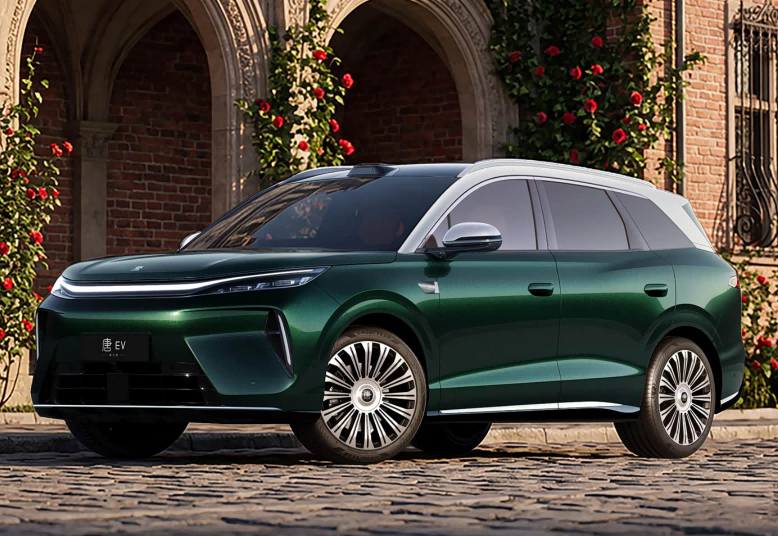
The Dynasty Network flagship "Grand Tang EV" starts at 239,900 yuan. The third-generation Tang is a size smaller, lacks a third row, and sits lower on the configuration ladder, so a price gap of more than 20,000 yuan should be established. At the same time, terminal prices for the Li Auto L6 have already shown signs of loosening. If the Tang launches at the original 225,000 yuan price, its value-for-money story will not be sharp enough. The price cut will not be too large, because LiDAR and Yunian-A as standard across the lineup have already raised the cost baseline.
Compared with the Tang currently on sale, this is a complete reinvention from an "all-rounder" to a "pure electric large five-seat" model
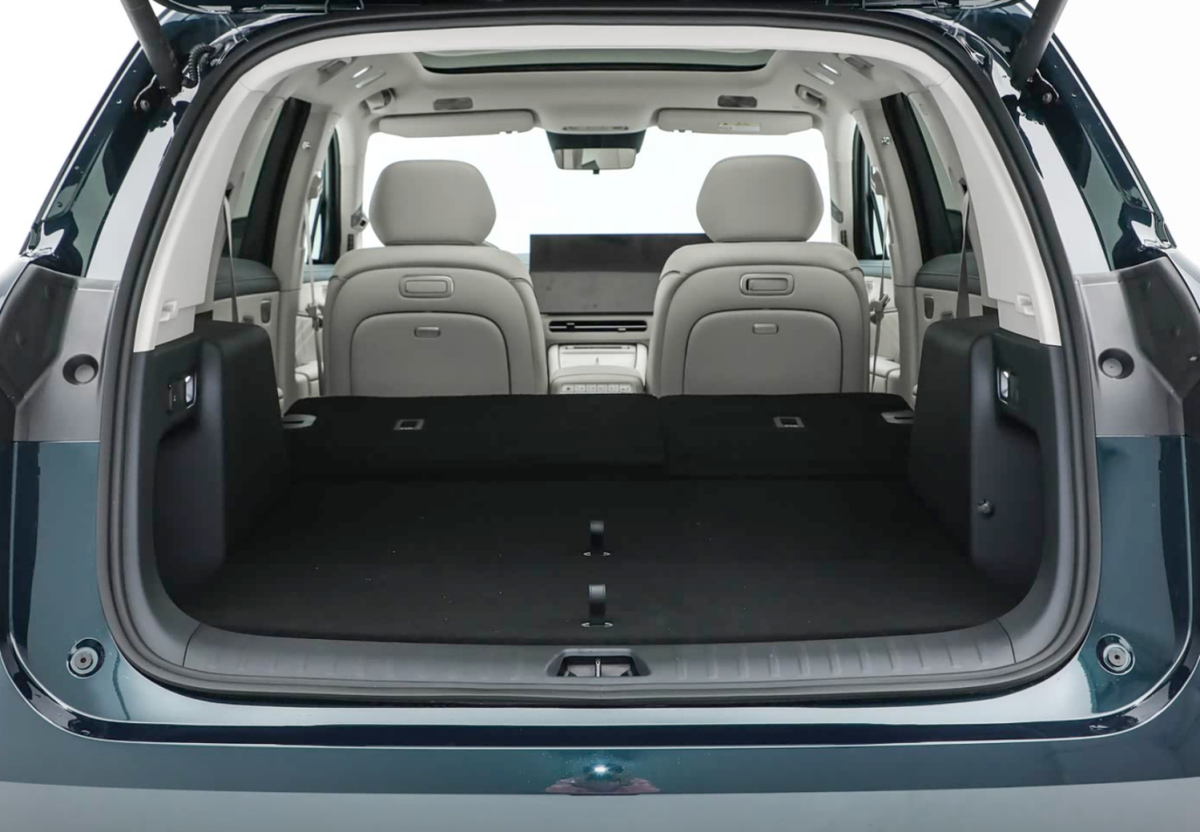
The most fundamental change is the cancellation of the plug-in hybrid and seven-seat versions. The DM-i base that the current Tang relies on for volume sales has been proactively cut off, and the third-generation Tang EV is offered only as a pure electric five-seat model. Dimensions have expanded from 4900/1950/1725mm to 5045/1980/1740mm, and the wheelbase has been stretched from 2820mm to 2950mm. Rear legroom exceeds 1 meter, and the basic trunk capacity is 910L.
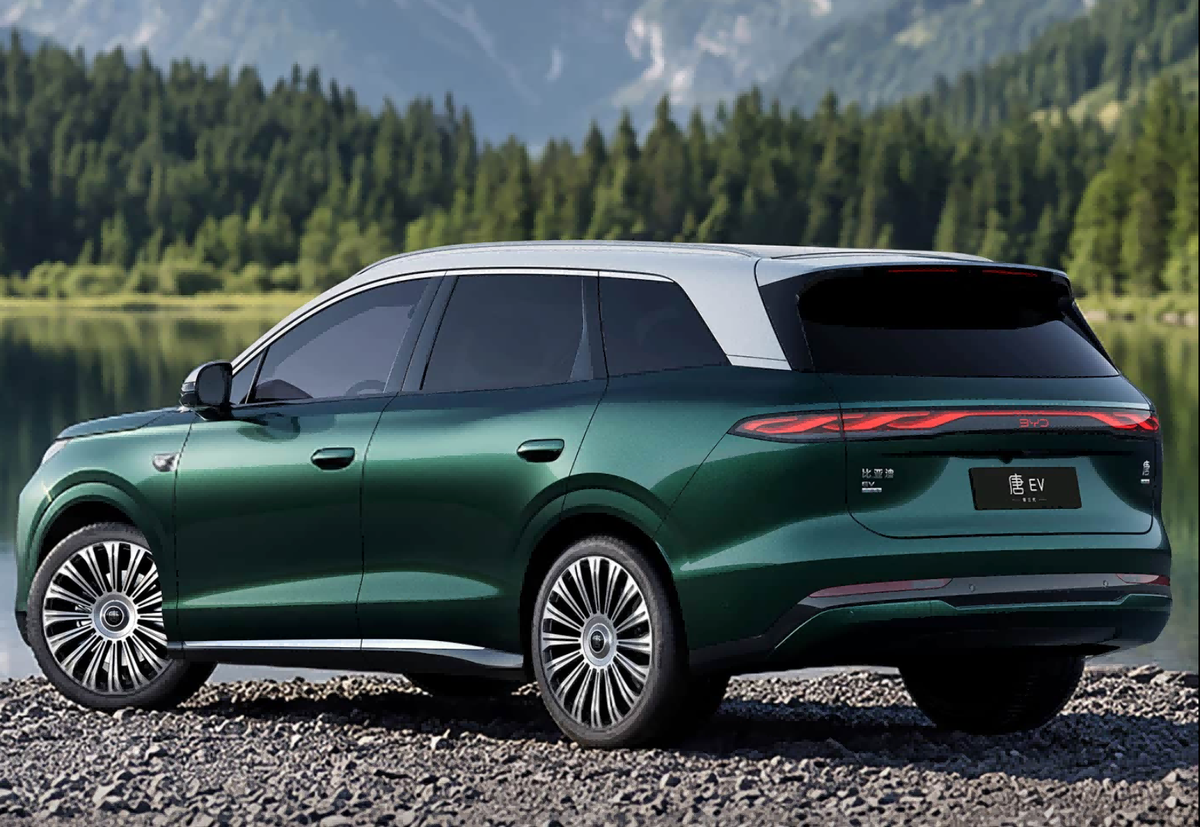
The chassis is a leap forward: the front suspension has changed from MacPherson to an aluminum alloy double wishbone, the rear suspension is a five-link setup, and high-end trims feature the Yunian-A dual-chamber air suspension with road preview.
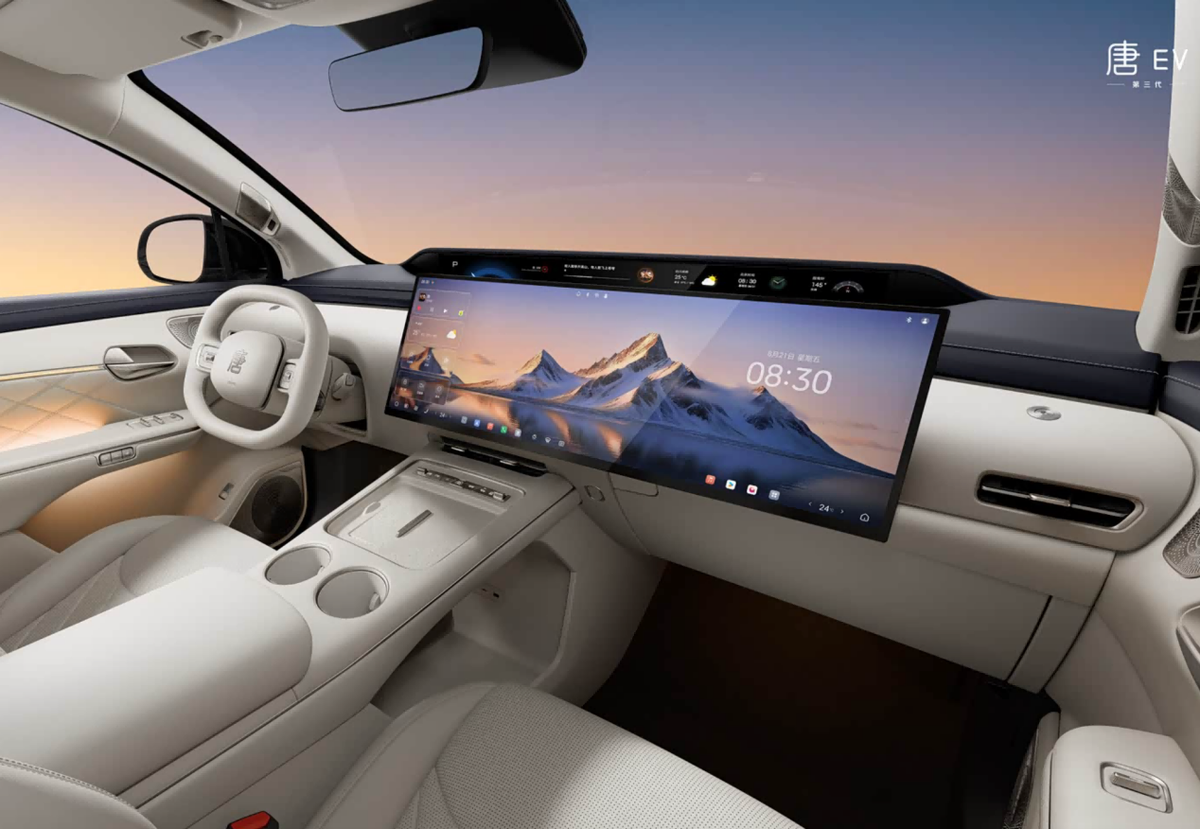
On the electric powertrain front, the rear-wheel-drive single-motor version produces 300kW, the four-wheel-drive version has a combined 515kW and accelerates from 0 to 100 km/h in 4.3 seconds, and the rear-wheel-drive range is 850km. With second-generation Blade Battery fast charging, charging from 10% to 97% at room temperature takes about 9 minutes. For intelligence, the God's Eye B + LiDAR is standard across the lineup, and urban navigation assistance no longer requires an optional package.
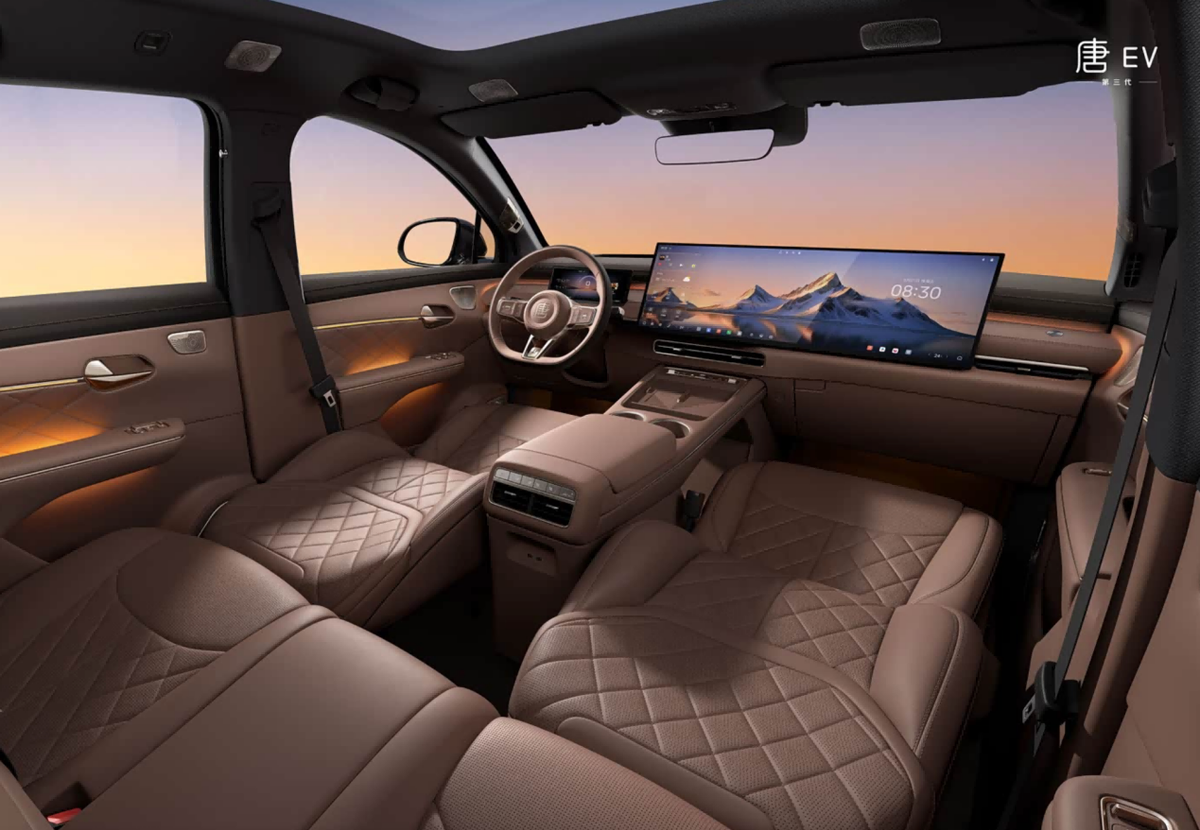
What are the advantages and disadvantages of the third-generation Tang compared with the Li Auto L6 and AITO M7?
The direct competitors of the third-generation Tang are the Li Auto L6 (starting at 249,800 yuan) and the AITO M7 range-extender version (long-range starting at 299,800 yuan). The Tang EV's price advantage is obvious: the entry version is nearly 30,000 yuan lower than the L6 and 80,000 yuan lower than the M7. Its hardware supply is also a class above: air suspension + LiDAR as standard across the lineup at the 220,000 yuan level, which the L6 and M7 cannot offer at this price.
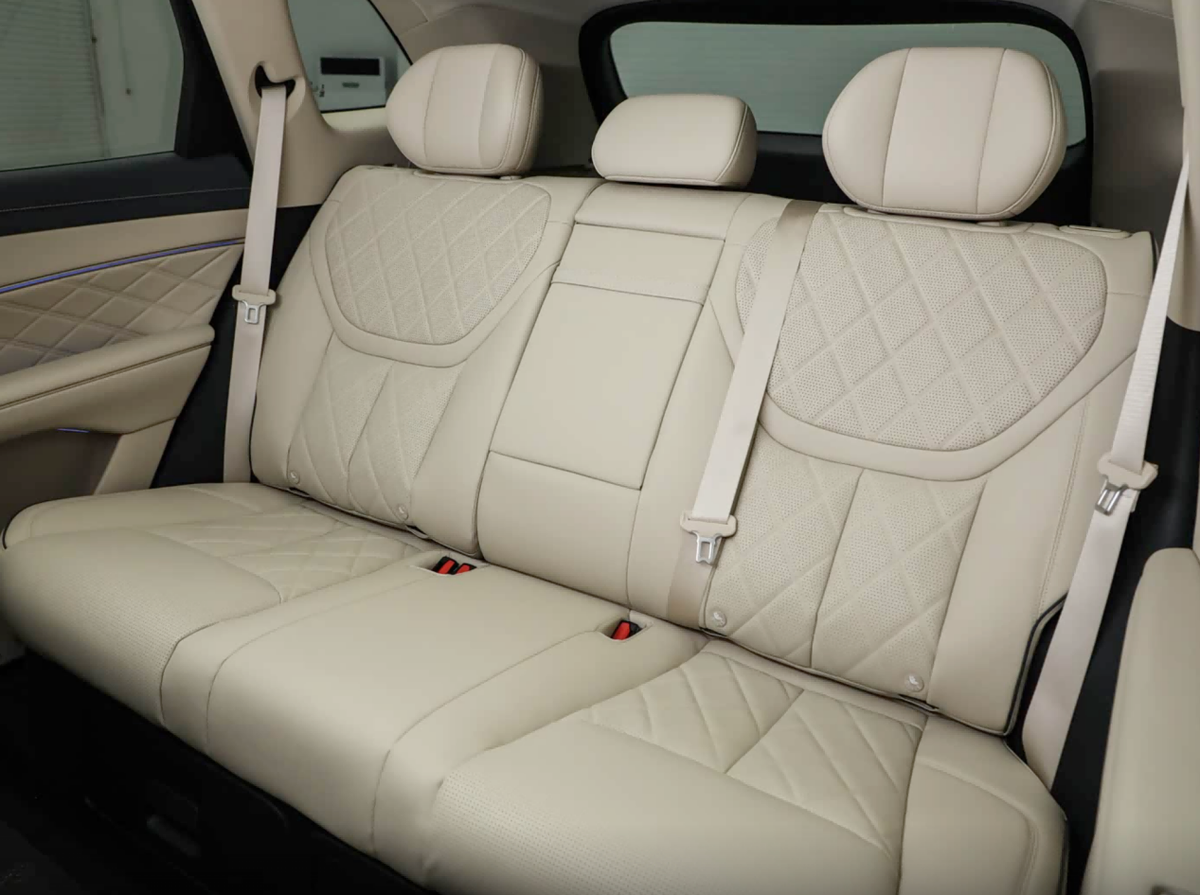
However, the Li Auto L6 and AITO M7 have range extenders as a "gas and electric backup," while the Tang EV directly excludes users who lack home charging conditions or have concerns about long-distance recharging. These people were precisely the core base of the Tang DM-i in the past. Still, with the Blade Battery fully charged in 9 minutes and free charging in the first year, the third-generation Tang also makes long-distance travel much more convenient.
Final thoughts
The Tang family's volume sales task is almost entirely borne by the DM-i. With a starting price of 219,900 yuan and product strength featuring standard air suspension and LiDAR across the lineup, the third-generation Tang EV will be an order-of-magnitude leap over the current Tang EV. But replicating the Tang DM-i's former peak of nearly 20,000 monthly sales will be extremely difficult. Still, with the Tang DM-i's best-selling genes and reputation, the third-generation Tang EV is still expected to sell well.
-
![]()
BMW i3 and Lexus TZ Step Up: Joint Venture Brands Are Not Backing Down at the Guangzhou Auto Show
-
Understand This AI Evolution Diagram and You Understand the Essence of AI: 'Intelligence Moves Up, Users Stay Down'
-
![]()
NetEase's Latest Financial Report: High Gross Margin, Low Debt
-
![]()
AI Unemployment Buffer Period
-
![]()
"It's a Bit Late Now," Ma Huateng Said Point-Blank: Tencent Has Reached a Life-or-Death Moment
-
![]()
AI Short Dramas Begin to Impact the Gaming Industry?
-
![]()
Fangchengbao's October Domestic Sales Hit 34,761 Units, Titan 7 Duo Accounts for 68%
-
![]()
GM China October Retail: How Are Buick, Cadillac, and Zhijing Performing?