BMW i3 and Lexus TZ Step Up: Joint Venture Brands Are Not Backing Down at the Guangzhou Auto Show
 11/23 2026
 560
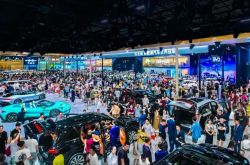
On November 27, the 24th Guangzhou International Automobile Exhibition will hold its media day. As China's last major auto show before the year-end, it also marks a critical sprint for automakers racing toward full-year sales targets. According to information released by the organizers, this year's theme is "New Technology, New Life," with a total of 1,106 vehicles on display, including 707 new energy vehicles and 115 debuting models.
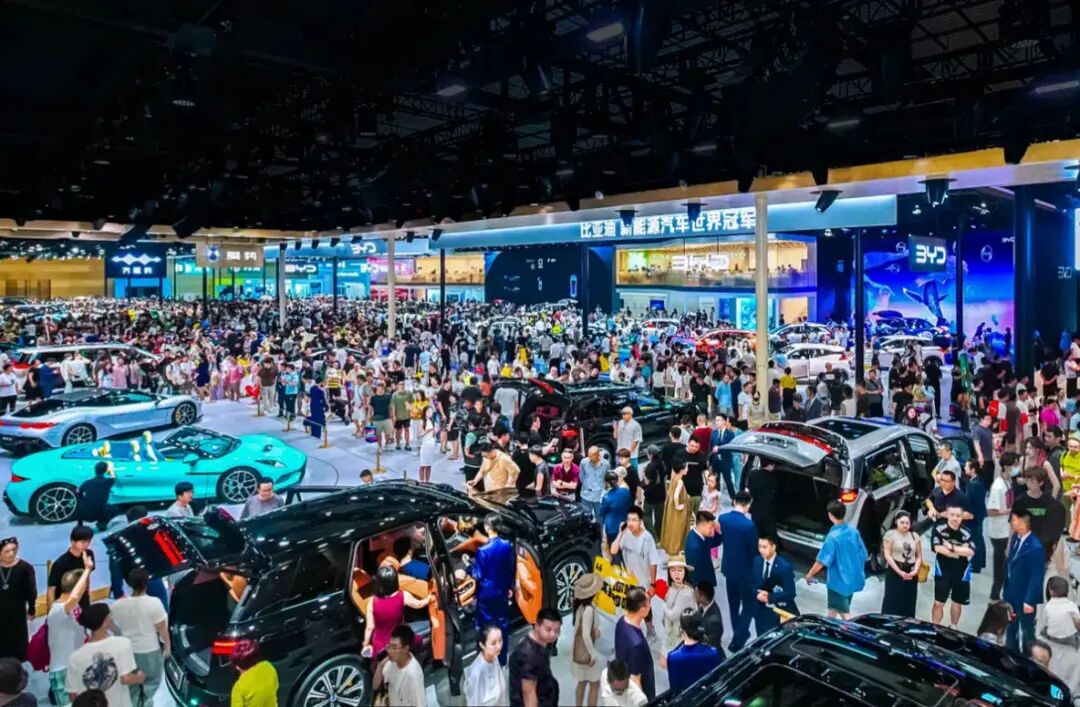
Interestingly, the highlight of this edition may extend well beyond Chinese brands. BMW has chosen the show to launch the new-generation i3 long-wheelbase version, Lexus TZ makes its domestic debut, Mercedes-Benz brings two new versions of the all-electric GLC, and with additional moves from Audi, Lincoln, and Nissan, joint venture and luxury brands are clearly not here to make up the numbers.
Joint Venture and Luxury Brands Put Their Electric Cards on the Table
BMW leads the charge. The new-generation i3 long-wheelbase version is built on an all-new dedicated pure electric platform and an 800V high-voltage architecture, with body dimensions of 4864/1865/1490 mm and a wheelbase of 3005 mm. Its single motor delivers a maximum output of 235 kW, accelerates from 0 to 100 km/h in 4.7 seconds, and draws power from a 108 kWh CATL ternary lithium battery. The first-edition model offers a CLTC range of 906 km, while the regular version reaches up to 912 km. According to MIIT filing information, domestic production will not begin until January 2027. The car will be unveiled at the show first, but actual deliveries will take some time yet.
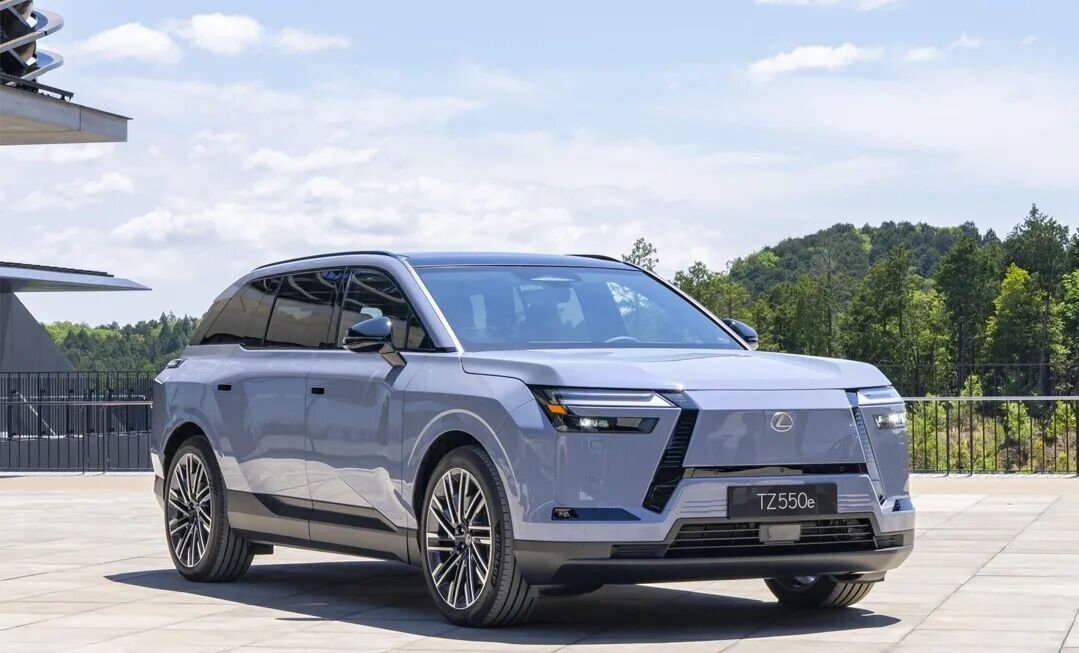
On the Lexus side, the TZ is the flagship SUV of the brand's pure electric lineup, featuring a three-row layout. It made its global debut in May this year, and this marks its domestic appearance. Its length, width, and height measure 5100/1990/1705 mm, with a wheelbase of 3050 mm. Front and rear dual motors each produce 167 kW, for a combined system output of 300 kW, enabling a 0–100 km/h sprint in 5.4 seconds. A 95.82 kWh battery delivers a CLTC range of 640 km, and fast charging from 10% to 80% takes about 35 minutes. Rear-wheel steering, external discharge, and a 1,500 kg towing capacity are all part of the package.
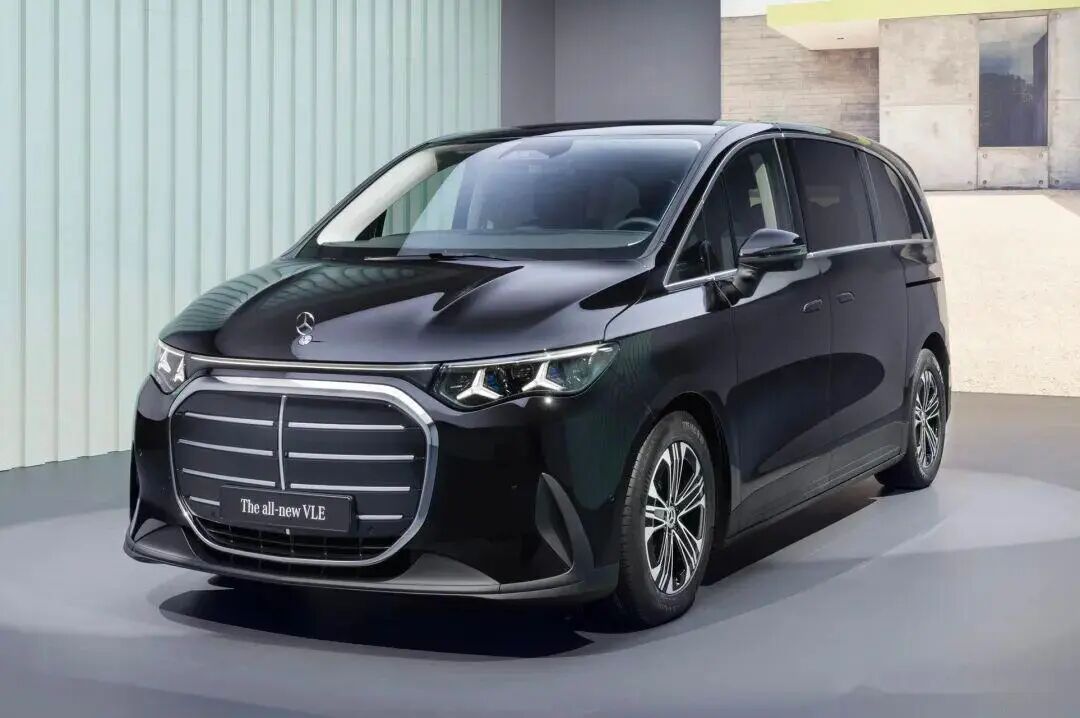
Mercedes-Benz's approach is more systematic, with 26 models on display in Hall 5.1. The all-electric GLC SUV Huiyin Edition and Xingbo Edition, developed on the MB.EA pure electric architecture, are launched simultaneously. The VLE MPV makes its China debut, while the intelligent hybrid CLA pairs the M252 engine with a 48V lithium battery.
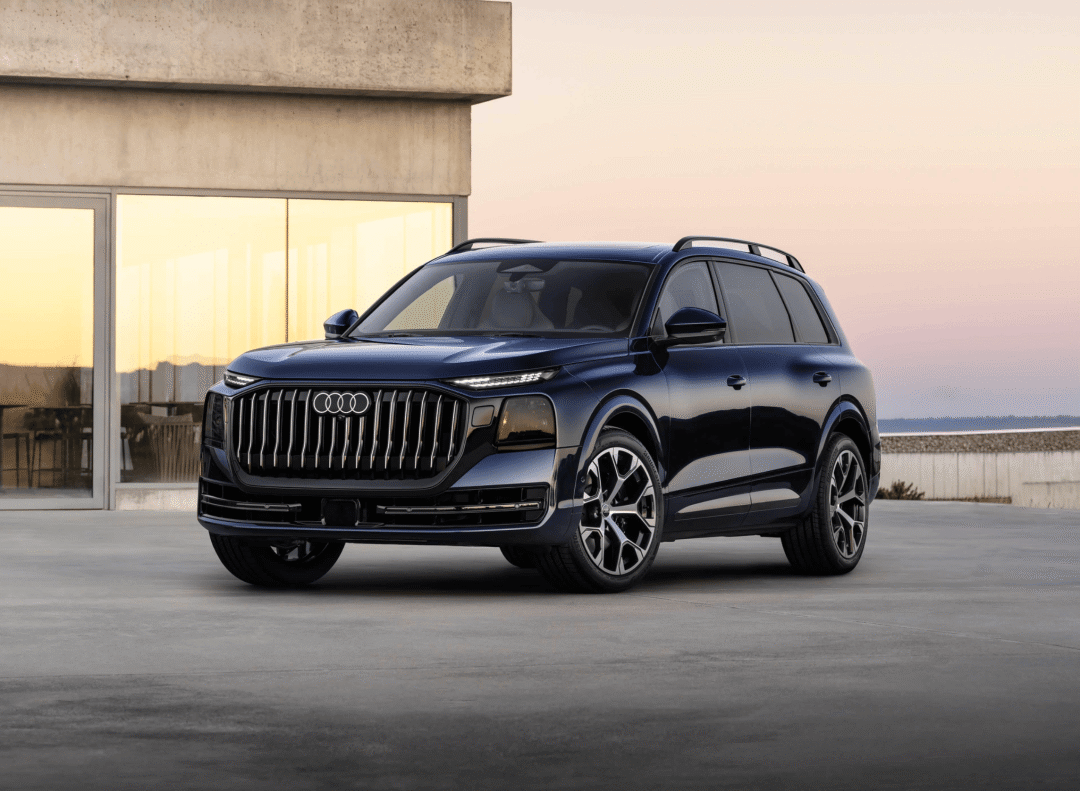
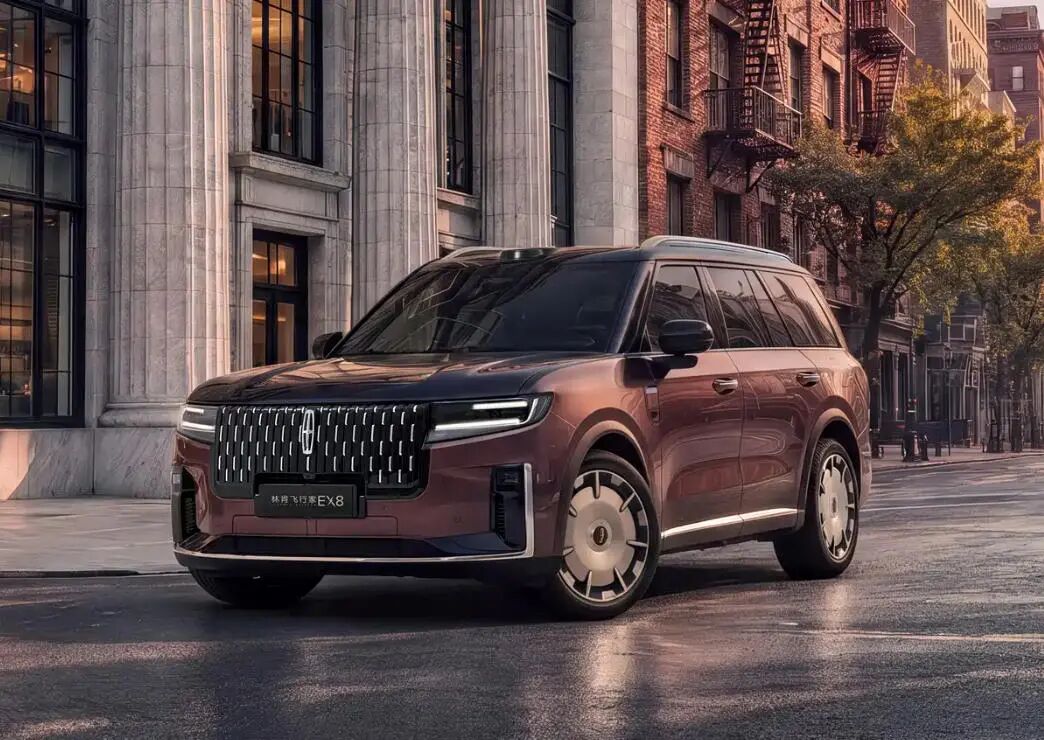
The Audi Q9 will also make its debut. This vehicle measures 5.31 meters long with a wheelbase of 3.14 meters and offers six- and seven-seat layouts. However, the powertrain for the version introduced into China has not yet been officially announced, and the rumored 3.0T mild hybrid can only be treated as a reference for now. The Lincoln Aviator EX8, the new Nautilus, and the Dongfeng Nissan NX7 are also on the list. Among them, the NX7 carries a presale price of 129,900 to 149,900 yuan. With its plug-in hybrid identity plus Momenta urban NOA, its approach is already very close to that of Chinese domestic brands. BMW's booth also features the new-generation iX3 and the all-new MINI COUNTRYMAN making its China debut. The latter's length has grown to 4429 mm, its 2.0T engine produces a maximum output of 244 horsepower, and it offers All4 all-wheel drive.
Platforms, Batteries, and Intelligent Driving All Rely on Chinese Solutions
Two or three years ago, most electric vehicles from joint venture brands could not escape the label of "oil-to-electric conversion." Platforms were carried over from fuel vehicles, batteries were crammed in, and intelligence lagged behind, so poor sales came as no surprise. This round of new cars has clearly changed course.
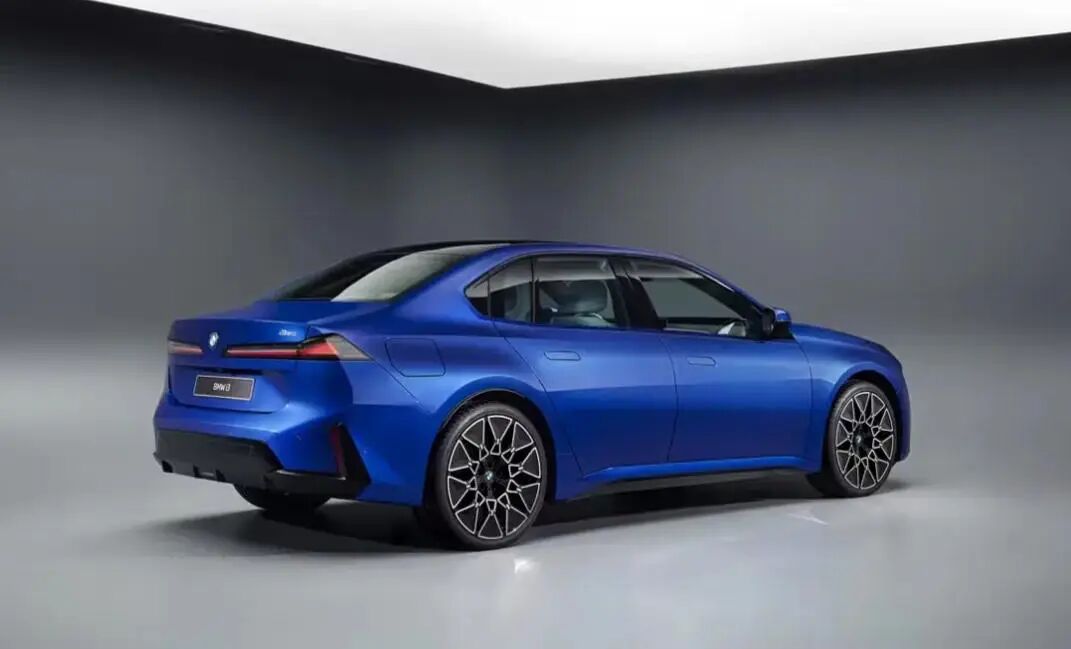
The BMW i3 uses the new-generation dedicated pure electric platform, with an 800V architecture and a peak charging power of 400 kW. The company claims it can add more than 400 km of range in 10 minutes. The Mercedes-Benz all-electric GLC is developed directly from the MB.EA architecture. Volkswagen announced in March this year that it would launch 13 new energy models in China in 2026 and more than 30 by 2029. Qi Zekai, CEO of the Volkswagen Passenger Cars brand in China, publicly stated that by 2027, new energy models will account for more than half of its product matrix.
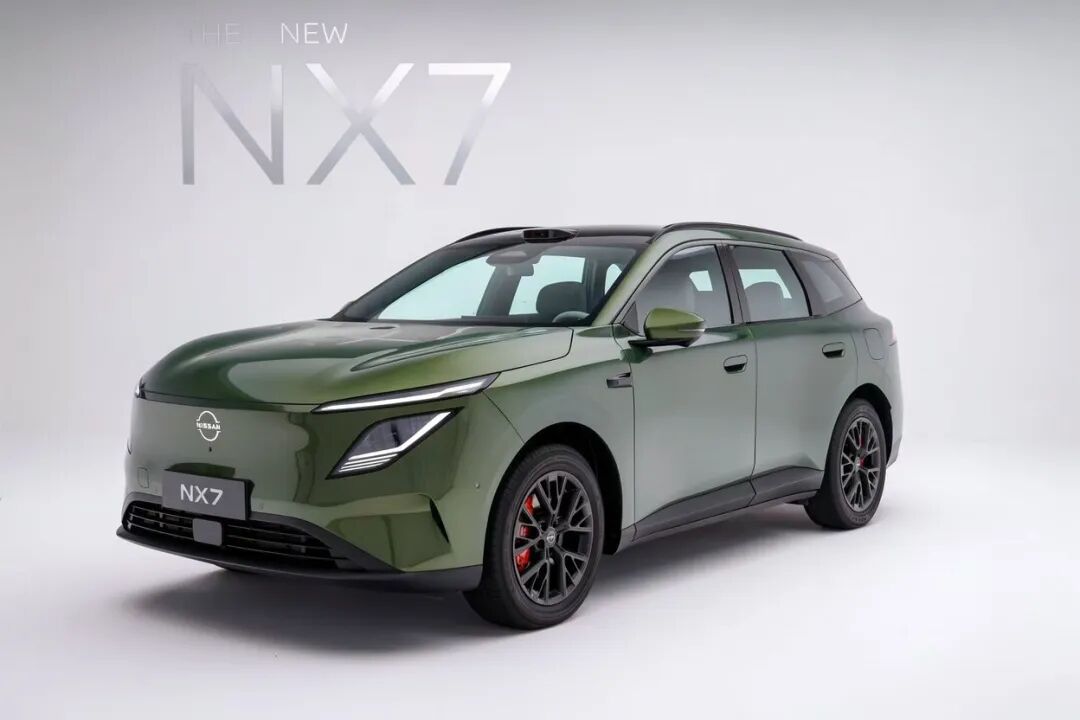
Another change lies in the supply chain. The BMW i3's battery comes from CATL, and the Nissan NX7 also uses a CATL battery. For intelligent driving, brands commonly turn to Momenta, and many also use Qualcomm Snapdragon 8295 chips for their infotainment systems. In the past, joint venture brands were accustomed to bringing global models to China for adaptation. Now the reverse is more often true: first looking at what Chinese users want, then integrating local supply chains into their own systems. This shift is more noteworthy than simply launching a few new cars.
With Dense Product Launches, Market Share Still Needs Watching
The posture is there, and the products are mostly in place, but whether market share will return still depends on the data. Data from the China Passenger Car Association shows that in the first 10 months of this year, cumulative retail sales of passenger vehicles reached 14.978 million units, down 22.3% year on year. Among them, retail sales of mainstream joint venture brands in October were 320,000 units, down 38% year on year. The retail share of German brands was 12.6%, Japanese brands 10.2%, and American brands 2.7%, all declining. During the same period, the retail share of domestic brands was 73.8%, up 4.8 percentage points year on year, while the share of luxury brands was only 7%, down 1.4 percentage points year on year.
What is more worth pondering is penetration rate. In October, the penetration rate of new energy vehicles among domestic brands was 84.8%, while that of mainstream joint venture brands was only 19.7%, and that of luxury brands was 19.4%. Single-month data is inevitably distorted by policy, with high oil prices and the reduction of subsidies both having an impact, but this trend has lasted for more than a month or two. Interestingly, in October, retail sales of joint venture new energy vehicles increased by 69% year on year, but the base was too low, and their share of the entire new energy market was only 5.9%.
There is also a time lag here. Domestic production of the BMW i3 is scheduled for January 2027, and the Lincoln Aviator EX8 is planned for launch in the first half of 2027. Many new cars can be seen at the auto show, but customers still have to wait before they can actually drive them home. The iteration pace of Chinese brands is measured in months. By the time joint venture models on new platforms arrive in showrooms on a large scale, competitors will likely have moved another step ahead. Expecting one auto show to reverse market share is unrealistic.
Overall, the 2026 Guangzhou Auto Show is more like a collective statement by joint venture brands: they still do not want to leave the electrification table. Dedicated platforms, local supply chains, and localized intelligent solutions—shortcomings that have been repeatedly criticized in the past—are indeed being addressed one by one. But from "having products" to "having sales," there are pricing, channels, brand trust, and time in between. Joint venture brands will most likely be able to slow the pace of decline first. As for whether they can recover lost ground, it may be better to wait until these cars are actually delivered in 2027 and then let sales data speak.
-
![]()
BMW i3 and Lexus TZ Step Up: Joint Venture Brands Are Not Backing Down at the Guangzhou Auto Show
-
Understand This AI Evolution Diagram and You Understand the Essence of AI: 'Intelligence Moves Up, Users Stay Down'
-
![]()
NetEase's Latest Financial Report: High Gross Margin, Low Debt
-
![]()
AI Unemployment Buffer Period
-
![]()
"It's a Bit Late Now," Ma Huateng Said Point-Blank: Tencent Has Reached a Life-or-Death Moment
-
![]()
AI Short Dramas Begin to Impact the Gaming Industry?
-
![]()
Fangchengbao's October Domestic Sales Hit 34,761 Units, Titan 7 Duo Accounts for 68%
-
![]()
GM China October Retail: How Are Buick, Cadillac, and Zhijing Performing?