14 Markets Overtaken: Chinese Automakers Are Rewriting the Rules of Competition
 11/27 2026
 488
What rewrites markets has always been the product itself.
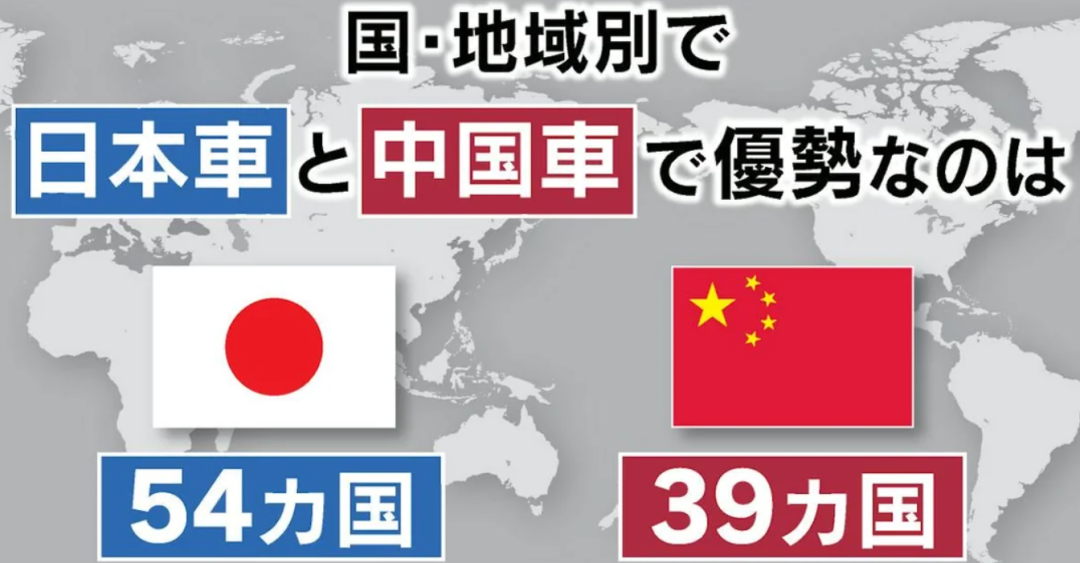
The global expansion of Chinese domestic automakers is still accelerating—and Japanese media next door were the first to sound the alarm. Recently, Nikkei reported that, based on an analysis of global new car sales from January to September 2026, Chinese auto brands had already overtaken Japan in market share in 39 markets.
What Japanese media found even harder to swallow was that, among the 14 markets where they were overtaken this year, 8 are in Europe. The European auto market, which Japanese brands had long failed to crack, is being taken apart by Chinese manufacturing.
Global auto industry competition has already reached Europe's traditional automotive heartland. Southeast Asian markets and emerging auto markets such as Brazil—where Japanese automakers have long held the upper hand—are also becoming new strongholds for Chinese domestic cars. The underlying logic of competition in the global auto market is being rewritten.
39 and 14
The survey data cited by Japanese media comes from the U.S. research firm Mobility Global, covering 150 countries and regions worldwide, of which 93 have comparable auto brand sales data.
The specific conclusion: Chinese brands surpassed Japan in share in 39 countries, including 14 where they overtook for the first time this year—8 of them in Europe.
At the same time, Chinese brands have already claimed the top spot in market share in 19 markets, and the number of markets where Japanese brands hold an advantage has shrunk to 54.
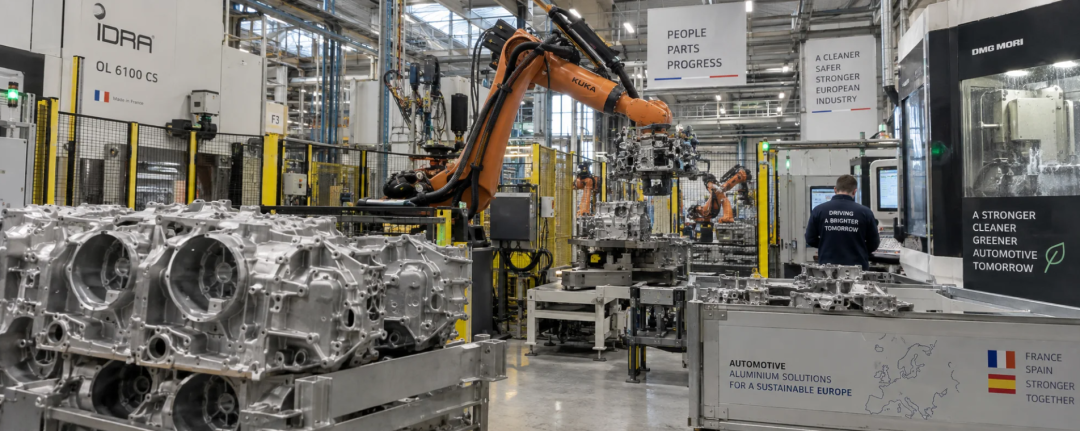
Most noteworthy is that 8 of these 14 markets are in Europe. This means Chinese automakers are no longer growing solely on the back of low-price markets in developing countries; they have already entered traditional automotive industrial powers such as Germany and Italy, competing head-on with mature auto groups such as Volkswagen, Toyota, Renault, and Stellantis.
Three markets are especially representative.
The first is Germany, the birthplace of the automobile industry. In the first nine months of 2026, the market share of Chinese auto brands in Germany reached 6%, up 2 percentage points year on year; Japanese brands fell 1 percentage point to 5%.
Although a 6% share is not yet enough to shake local brands such as Volkswagen, BMW, and Mercedes-Benz, Chinese brands have already surpassed Japanese brands in Germany, Europe's largest auto market.
The significance of the German market lies not only in sales volume, but also in the auto industry's technical evaluation system. Consumers there have high expectations for vehicle quality, engineering capability, brand heritage, and safety performance. That Chinese brands can achieve a share breakthrough in Germany means their competitiveness is extending from pure price advantages to comprehensive product capability.
Another market is also in Europe: Italy, the birthplace of countless supercars. In the first nine months of this year, the share of Chinese brands in Italy rose 6 percentage points to 12%.
One important driving force is Leapmotor. In the first nine months of 2026, Leapmotor's electric vehicle sales in Italy reached roughly 11 times the same period last year. Behind this is not simply reliance on Chinese exports, but sales carried out using Stellantis' channel resources.
This is a model very much worth watching: Chinese automakers provide new energy technology, products, and cost-control capabilities, while mature European automakers provide brand resources, dealer networks, and localized operation support.
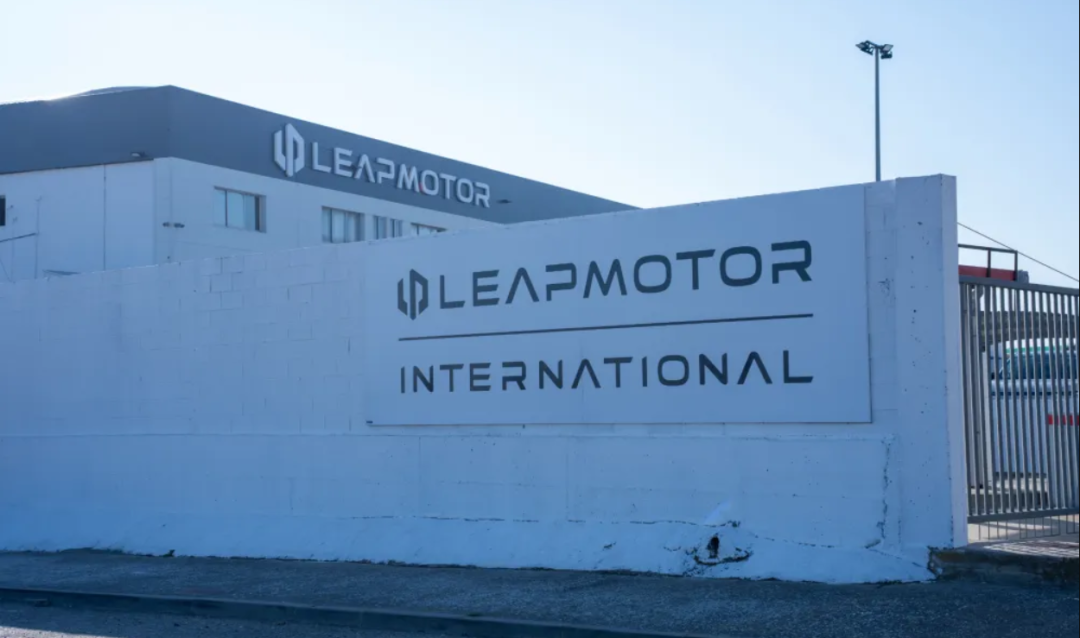
After the suspension of the Mitsubishi-Renault cooperation, Japanese brands no longer have an ally-level partner like Stellantis in Europe to leverage. Toyota in Europe is fighting alone, with extremely high channel costs, making it difficult to effectively defend against shocks from other brands.
The third is the Brazilian market in South America. In the past, the South American market was successively dominated by Volkswagen and Japanese brands. Countries in the Global South such as Brazil did not have their own auto industries, and automobile manufacturing across the Americas was concentrated in the United States and Mexico.
However, Chinese brands chose a different path: building factories locally. BYD's Camaçari plant officially began production in October 2025 and continues to expand the local supply chain.
In addition to BYD, Great Wall, Changan, Chery, and Geely all have factories in Brazil. This is why the market share of Chinese brands in Brazil was able to rise rapidly by 10 percentage points to 19%.
This change in the global market reveals an even more important shift. The global auto consumption structure is changing.
Structural change
On the surface, the result is that Chinese automakers have surpassed Japanese automakers, but at a deeper level, why is this replacement appearing simultaneously in Germany, Italy, Brazil, and Southeast Asia, where the levels of economic development, auto consumption culture, energy structures, and industrial foundations differ greatly?
Behind this change is proof that the global automobile structure is shifting. It is not a change in a single market, but a change in the entire consumption trend.
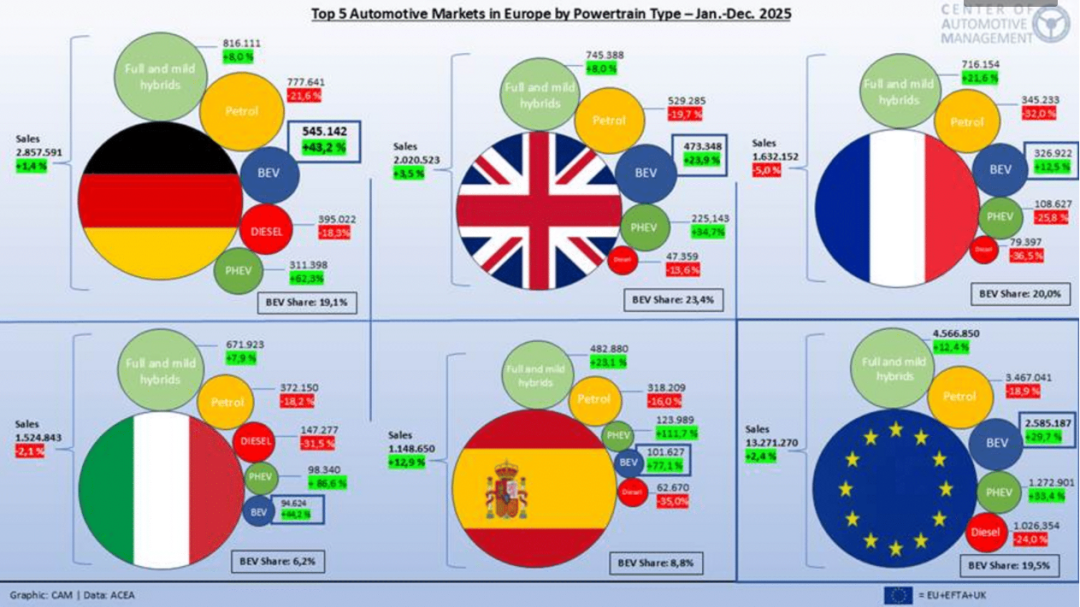
This change is most obvious in established auto markets such as Europe. According to data from the European Automobile Manufacturers' Association (ACEA), in October 2026, new car registrations in the EU, UK, and EFTA markets reached about 1.13 million units, up 3.4% year on year.
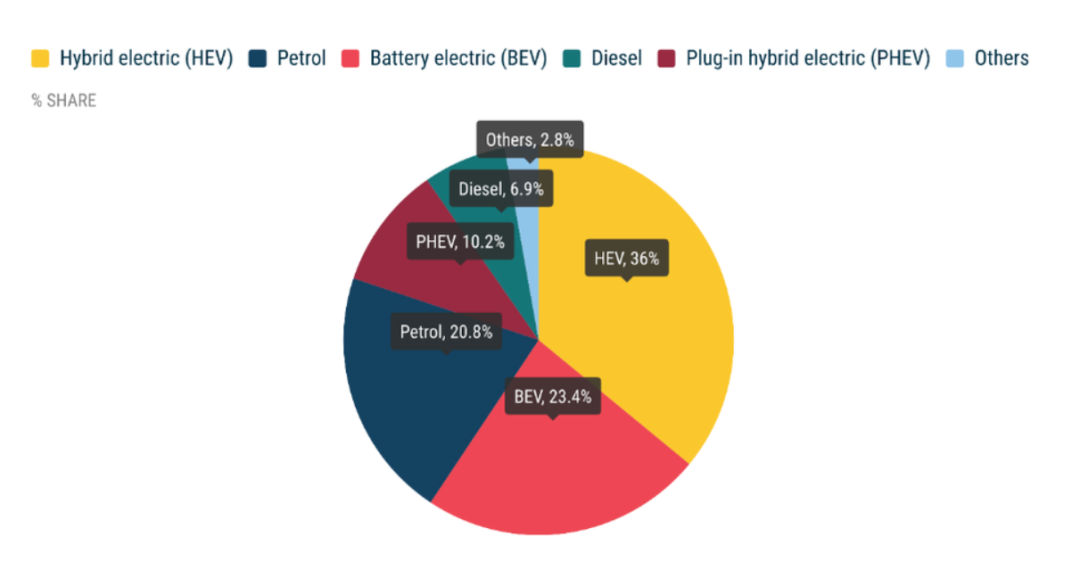
But behind the growth, the combined market share of the three European auto groups Volkswagen, Renault, and Stellantis fell from 53.2% to 47.2%. The decline in share does not mean European consumers do not support local companies; rather, under new consumption concepts, these local automakers can no longer provide suitable products.
Looking specifically at October new car registration data in Europe, electrified models already account for 75.5% at the macro level, with pure electric models growing by more than 50%, while fuel vehicles are in a 28.3% decline.
The reason European local companies have lost ground is also simple: long-term policy vacillation has prevented companies from making a real commitment. The "ban on combustion engines" timetable has been repeatedly adjusted, and subsidy policies have been tightened and loosened repeatedly, causing automakers to invest simultaneously in pure electric, hybrid, and fuel vehicles, ultimately ending up with layouts in multiple directions but losses on multiple fronts.

The result is that Stellantis posted a huge loss of 22.3 billion euros in 2025, its first annual loss since establishment; Volkswagen's operating margin fell to 2.8%, forcing it to consider laying off 100,000 people and shutting down four factories.
At a time when European automakers are wavering, Chinese automakers have continued to accelerate investment in electric vehicles. Power batteries, motors, electronic controls, smart cockpits, intelligent driving, and vehicle electronic and electrical architectures are becoming new competition priorities.
The engine and transmission technologies that traditional automakers have accumulated over decades cannot be directly converted into competitive advantages in batteries, electric drives, and intelligentization.
Conversely, the gaps Chinese automakers once had in traditional automotive mechanical technology can also be offset to a certain extent through changes in the new energy technology route.
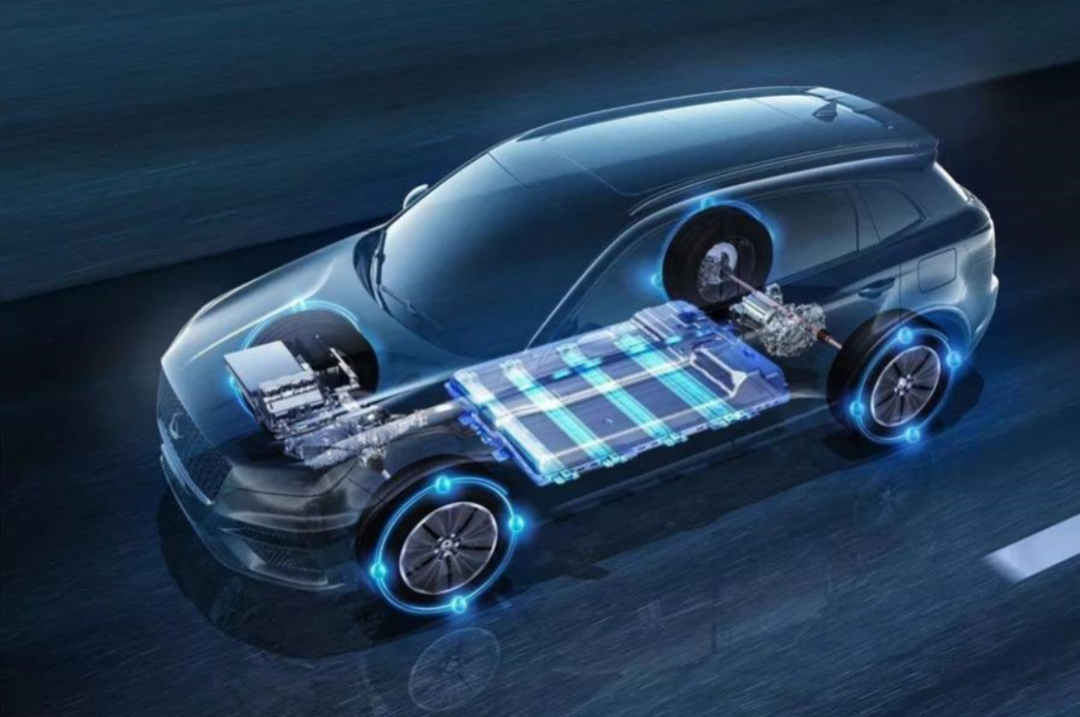
This means the technological accumulation of the original auto industry will not become completely invalid, but its value weight is changing, and structural change is being transmitted from products to the technology side.
More importantly, the competitive barriers formed by the old industrial chain have become obstacles to transformation, while also providing opportunities for latecomers. The core advantage of China's new energy vehicle industry is not that a particular automaker possesses leading battery technology, but that it has formed a complete industrial cluster from raw materials, power batteries, and components to complete vehicle manufacturing, creating new industrial chain barriers.
The real competitive advantage of traditional international auto groups is often not a particular product, but the production, supply chain, sales, and service networks they have established globally. Now Chinese automakers have begun to replicate this route.
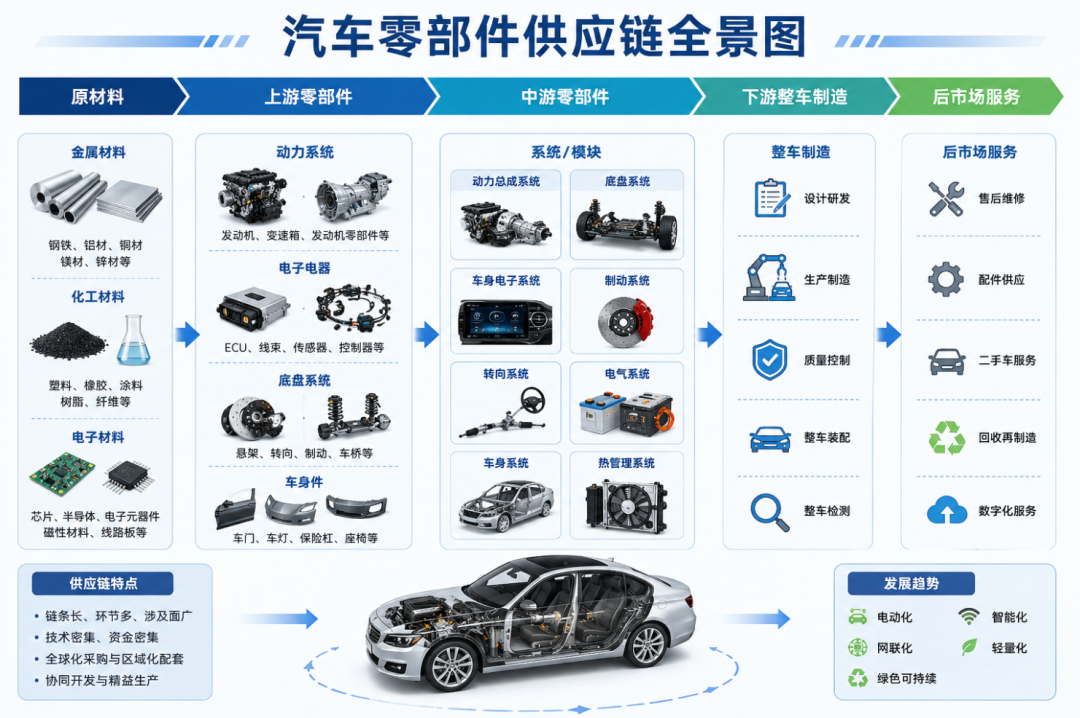
Chinese automakers have begun to enter markets through complete vehicle exports, local factories, price advantages, and new energy technologies together. Auto industry competition has never been single-product competition, but full-chain competition encompassing manufacturing, sales, and after-sales service.
The competition system once dominated by Japanese, European, and American automakers is being reshaped by China's new energy vehicle industrial chain and product innovation capabilities.
Through the new energy technology transition, China's auto industry has gained an opportunity to re-enter global competition and has already proven its competitiveness in some markets.
But it must be emphasized that surpassing in market share is only the beginning of competition, not the endpoint of successful globalization. Chinese domestic auto brands still need to prove with actions their determination to move toward the full market.
Note: Some images are from the internet. If there is any infringement, please contact us for deletion.
-END-
-
![]()
Why Is There No "Pinduoduo Narrative" in the AI Era?
-
![]()
Wall Street's "Big Short" Investor Suddenly Boosts Chinese Holdings -
![]()
Memory Price Hikes, Spec Cuts, and Incremental Upgrades: The Smartphone Spec War Hits a Memory Wall
-
AI Is Rewriting the Pricing Logic of Office Software — Kingsoft Software's Bid for the Enterprise Productivity Entry Point
-
![]()
Priced from Over 300,000 Yuan with L3 Architecture: Is the Xiangjie V8 Gunning for the Tengshi D9's Lunch?
-
![]()
How Will Automakers Fight the Final Battle in a Tough 2026?
-
![]()
Automakers Burdened by Collective Debt Double Down on AI Investment
-
![]()
Li Auto to Launch Only 1–2 New Models in 2027