How Will Automakers Fight the Final Battle in a Tough 2026?
 11/27 2026
 536
Introduction | Lead
In 2026, competition in China's auto market continues to intensify, with problems such as price wars, overcapacity, inventory pressure, and shrinking profits becoming increasingly prominent. Automakers' progress toward their annual sales targets has also diverged sharply. New energy transformation and overseas markets have become new growth drivers, but the traditional scale-expansion model is facing growing challenges.
Produced by | Heyan Yueche Studio
Written by | Zhang Dachuan
Edited by | He Zi
Full text: 3,504 words
Reading time: 5 minutes
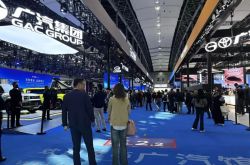
The annual Guangzhou Auto Show opens today, and major automakers have reached the final critical moment in their sprint toward full-year sales targets.
The 2026 Guangzhou Auto Show (the 24th edition), themed "New Technology · New Life," runs from November 27 to December 6 at the Canton Fair Complex. A total of 1,106 vehicles are on display, including 115 world premieres (93 global premieres) and 707 new energy vehicles accounting for 63.9%, with a total exhibition area of 220,000 square meters.
In 2026, after years of rapid growth and fierce competition, China's auto industry is entering a new adjustment phase. Although the market is still expanding, problems such as price wars, overcapacity, inventory pressure, and shrinking profits are becoming increasingly prominent, and some automakers are also facing greater pressure on their annual sales targets. The traditional model of simply relying on price cuts to trade for sales and expanding capacity to seize market share is becoming increasingly unsustainable.
At this Guangzhou Auto Show, how will major automakers deliver their results?
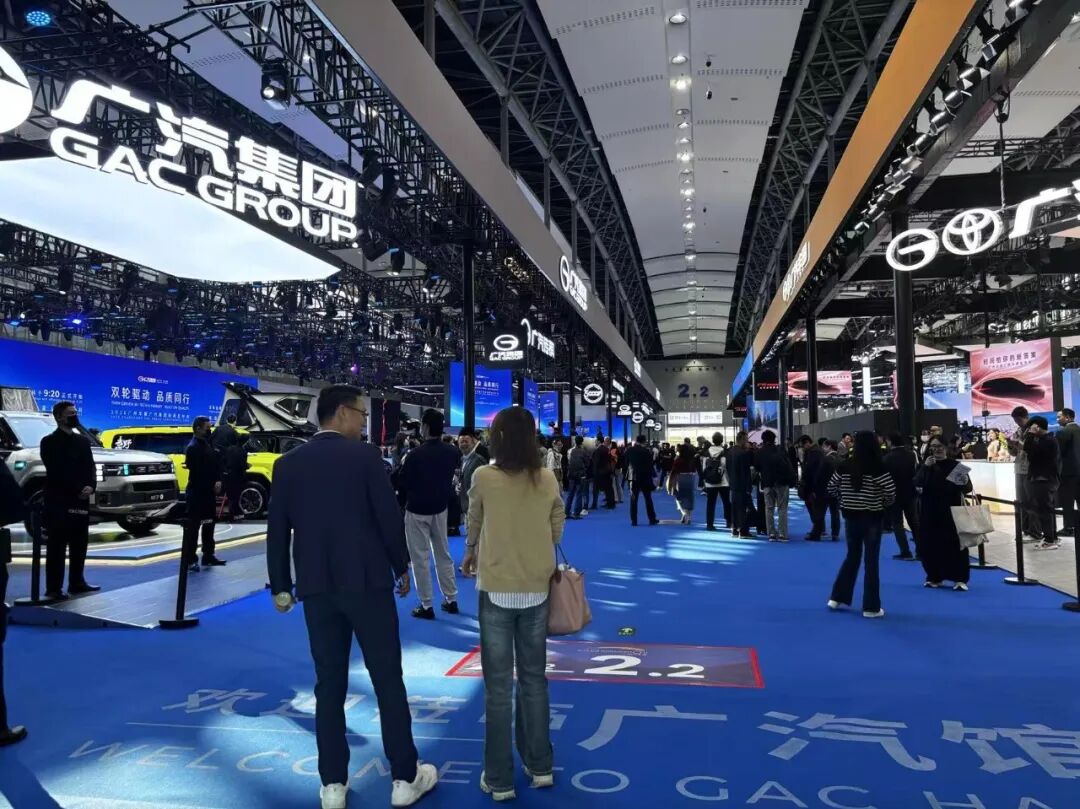
△The Guangzhou Auto Show held at the end of each year is a critical moment for major automakers to sprint toward sales targets
How Are Automakers' Target Completion Rates?
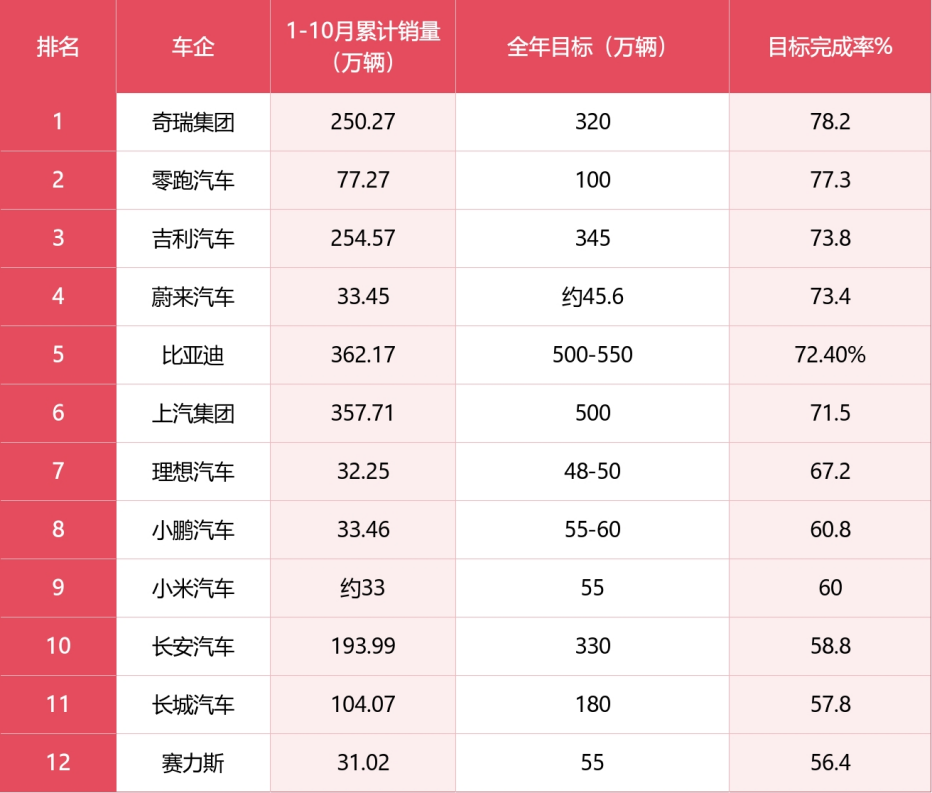
Judging from the completion of sales targets in the first ten months of 2026, clear divergence has already appeared among mainstream domestic automakers.
Chery Group, Leapmotor, Geely Auto, and NIO performed relatively prominently, with annual target completion rates reaching 78.2%, 77.3%, 73.8%, and 73.4%, respectively; BYD and SAIC Motor also exceeded 70%. In contrast, Li Auto, GAC, XPeng, and Xiaomi were in the 60%-70% range, while Changan, Great Wall, and Seres stood at only 58.8%, 57.8%, and 56.4%, respectively, facing relatively greater pressure to complete their full-year targets.
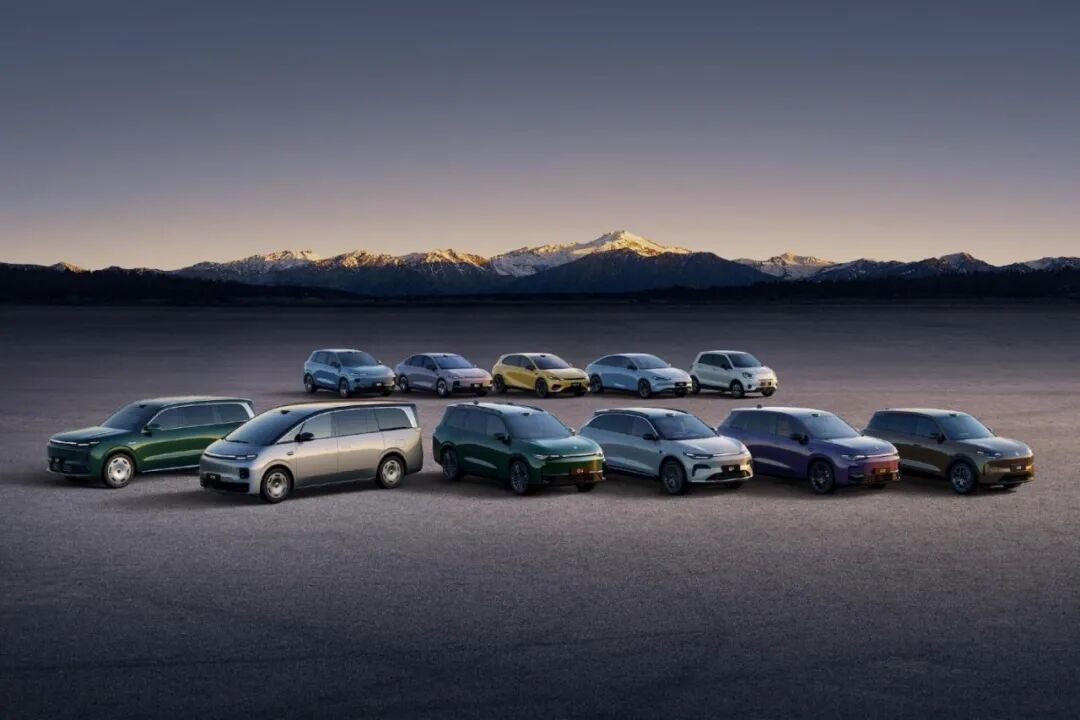
△Leapmotor is a "dark horse" in the 2026 auto market
From the perspective of enterprise types, the divergence within traditional independent brands is particularly evident. Chery and Geely performed relatively well, while Changan and Great Wall lagged relatively behind, reflecting differences among enterprises in new energy transformation, product competitiveness, and overseas market expansion. Among the new forces, Leapmotor and NIO are ahead in progress, while XPeng, Li Auto, and Xiaomi still need to accelerate their sprint. Overall, based on the progress in the first ten months, some leading automakers are highly likely to complete their full-year targets, but for enterprises with completion rates below 60%, the last two months will face greater sales pressure.
It is worth noting that sales target completion rates do not fully represent the quality of a company's operations. In the current context of relatively ample capacity in the auto industry, fierce market competition, and price wars continuing to affect profitability, even if some automakers can complete sales targets through year-end promotions, channel sales, or export business, it does not mean profits will improve simultaneously. Compared with simply pursuing sales scale, how to improve profit margins, control inventory, and enhance per-vehicle profitability while maintaining reasonable growth is a greater test for automakers.
Year-End Promotions, Price Cuts Proceed Cautiously
For domestic automakers currently lagging in target completion rates, the core task in the last two months of 2026 is to narrow the sales gap as much as possible within limited time, while avoiding excessive price cuts and channel stuffing in exchange for short-term sales. In the current context of fierce competition in the auto market, relatively excessive capacity, and consumers becoming more rational in car-buying decisions, relying solely on price wars is already difficult to sustain. Automakers need to make simultaneous efforts in four aspects: products, channels, marketing, and exports.
First, optimize product and pricing strategies, and concentrate resources on driving sales of main models. Enterprises should reduce resource input into low-sales models and concentrate marketing budgets, production resources, and sales policies on models with higher market acceptance and competitive advantages. For models with high inventory, inventory clearance can be accelerated through limited-time discounts, financial interest subsidies, trade-in subsidies, and car-purchase benefits, but large-scale, indiscriminate price cuts should be avoided to prevent damage to brand value and the interests of existing owners. In particular, for enterprises with relatively low target completion rates such as Changan, Great Wall, and Seres, more precise promotion plans should be formulated for different market segments rather than simply cutting prices across the board.
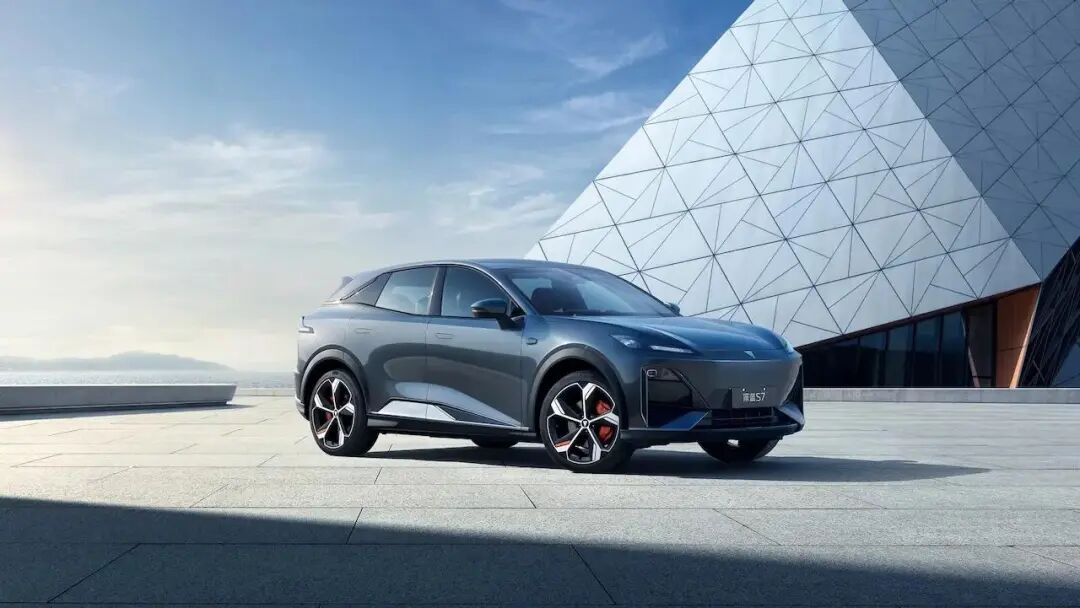
△Automakers should formulate more precise promotion plans for different market segments rather than simply cutting prices
Second, strengthen terminal sales and dealer coordination, and truly convert wholesale sales into consumer orders. Automakers should shift the focus of year-end assessment from channel stuffing to actual terminal deliveries, and expand real demand through regional auto shows, trade-in subsidies, financial installments, old-customer referrals, and corporate group purchases. At the same time, dealer inventory should be reasonably controlled, dealer profitability should be improved, and operating pressure should be avoided being passed on to dealers in order to complete manufacturers' annual targets. It is worth noting that in October 2026, the domestic auto dealer inventory coefficient was 1.38, up 17.9% year-on-year; in the first half of November, passenger car retail sales fell 25%, indicating that simply increasing channel wholesale volume cannot solve the problem of insufficient terminal demand.
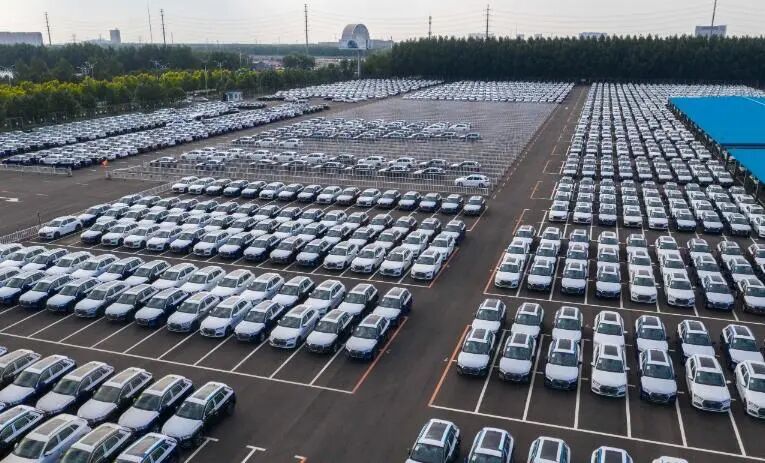
△OEMs should avoid simply stuffing inventory into dealers to boost wholesale data
Third, accelerate export layout and seek growth space outside the domestic market. For automakers with an overseas business foundation such as Changan, Great Wall, SAIC, and Chery, they can further use overseas dealer networks to accelerate exports of mature models, focusing on expanding in the Middle East, Southeast Asia, Europe, and Latin America, using overseas sales to make up for insufficient domestic market growth. However, exports should not merely pursue volume; local certification, tariffs, after-sales service, channel building, and actual profitability also need to be considered. Chery's exports in the first ten months of 2026 reached 1.752 million vehicles, up 64.8% year-on-year, fully demonstrating the supporting role of overseas markets in enterprise sales growth.
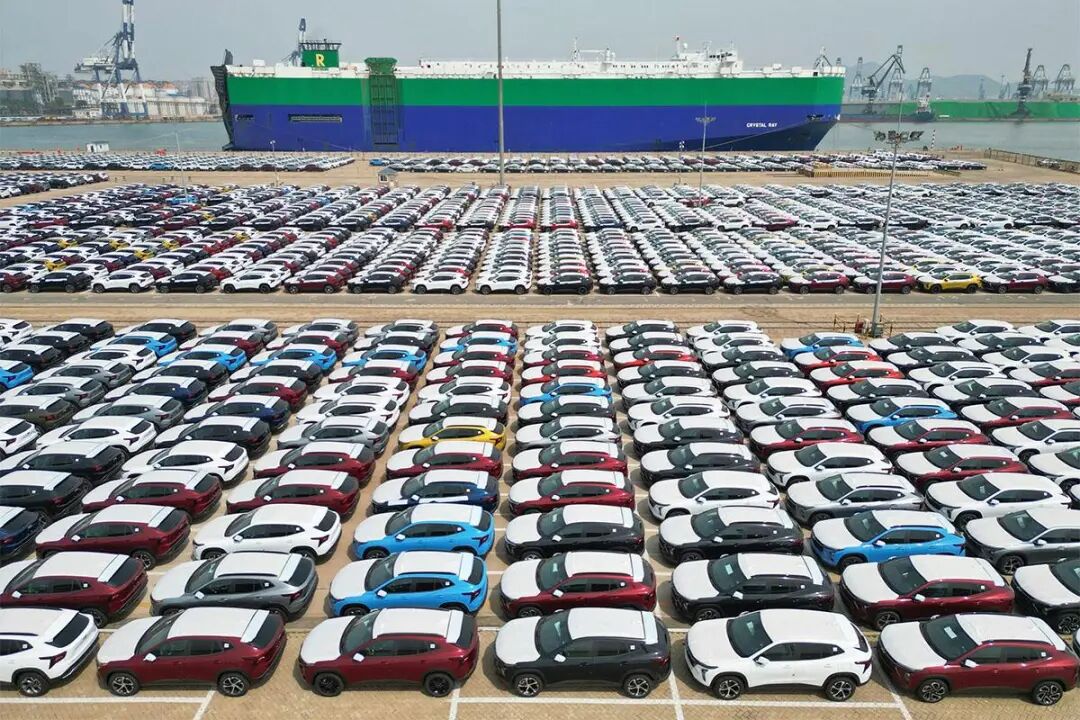
△Continuing to increase overseas market layout is a shortcut for automakers to complete sales targets
Overall, automakers' year-end sprint should no longer simply rely on price cuts and channel stuffing, but should adopt more refined operating strategies: attract consumers with competitive products, promote transactions with financial and trade-in policies, ensure delivery with a healthy dealer system, and expand incremental markets through exports. For enterprises with higher target completion rates, priority should be given to safeguarding profits and cash flow; for enterprises with completion rates below 60%, they need to more pragmatically assess the target gap and concentrate resources on achievable sales rather than sacrificing the price system, dealer interests, and corporate profitability to complete annual numbers.
Expectations for 2027
At this Guangzhou Auto Show, independent brands and new energy vehicles remain the protagonists, while luxury brands and joint ventures have also showcased "Chinese-style" new energy products.
As the two major local automakers in Guangdong, BYD and GAC Group have respectively booked Hall 2.1 and Hall 2.2. In addition to displaying models from its major brands, BYD also set up dedicated exhibition areas for God's Eye, chips, and flash charging, fully demonstrating its supply chain and ecosystem strength. Chery Group will present its brands together, driving a new future with new technologies and interpreting new experiences with new products. XPeng brought its "Physical AI Technology Museum" to the Guangzhou Auto Show. XPeng's IRON, the world's first high-order general-purpose humanoid robot, made its first collective public appearance and "started work" on site. At the same time, XPeng presented seven models including the XPeng GX, XPeng G9L, and MONA L05 at the Guangzhou Auto Show. Beyond technology and product display, the XPeng booth will also become a global exchange stage.
Joint venture and luxury automakers also brought out their trump cards. Dongfeng Nissan's blockbuster new energy model NX7 chose the 2026 Guangzhou Auto Show for its launch. At this auto show, Lexus's all-electric three-row SUV built for the global market, the all-new TZ, made its China premiere, and the recently launched all-new generation Lexus ES pure electric version also appeared at the Guangzhou Auto Show. FAW Audi, with the theme "Great Realm Comes from Composure, Life Is Composed," presented multiple blockbuster models at the Guangzhou Auto Show. Audi's first full-size SUV, the Audi Q9, made its China debut, and together with Audi Yingjiehui sports ambassador Ma Long, opened a new realm of luxury mobility; the Audi F1 show car R26, Audi SQ8, and all-new Audi S5 Avant gathered on the same stage, igniting the venue with pure track genes and extreme performance. At the same time, the FAW Audi A5L, all-new Audi A6L, all-new Audi Q5L, Audi A6L e-tron, and the Audi Q6L e-tron family will also be exhibited together, comprehensively showcasing the results of intelligent renewal. Mercedes-Benz showcased two new energy products at the Guangzhou Auto Show: the all-new Mercedes-Benz VLE MPV and the all-new pure electric GLC SUV in Huibai Silver Edition and Xingbo Edition. Among them, the all-new Mercedes-Benz VLE MPV will complete its China premiere. BMW launched the new generation BMW i3 at the Guangzhou Auto Show, and both the new generation BMW iX3 and the new generation BMW i3 incorporate China-exclusive innovative design and experience. In terms of intelligent driving, the new generation BMW i3 will be equipped with Momenta R7 reinforcement learning and world model technology architecture. At the same time, BMW has jointly developed a dedicated AI engine in deep collaboration with Alibaba and integrated DeepSeek's deep thinking capabilities.
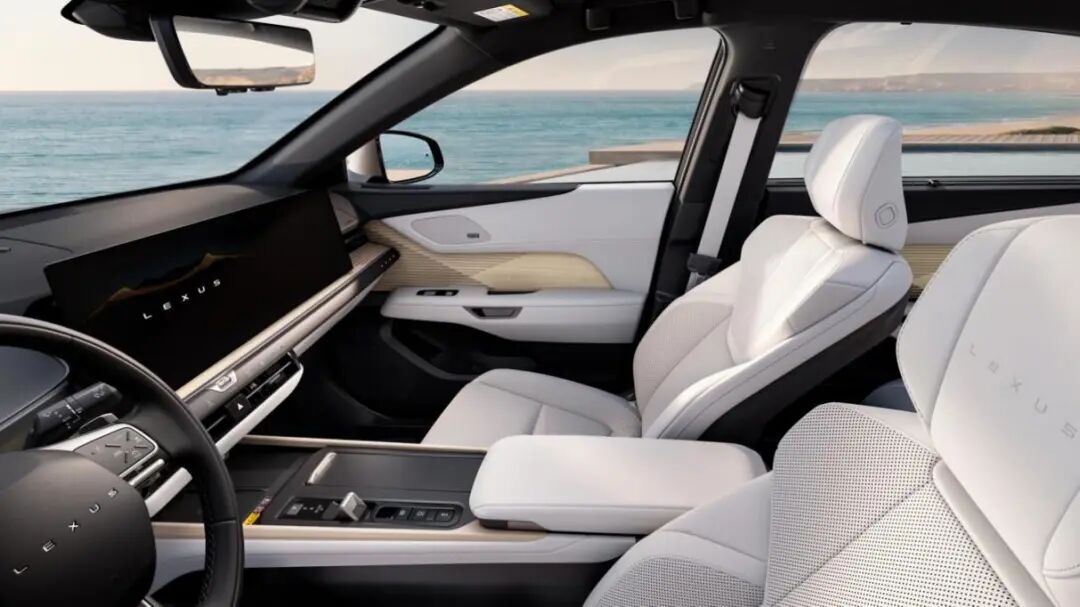
△Luxury cars have brought out their trump cards one after another
Looking ahead to 2027, China's auto industry will gradually bid farewell to the growth model driven by scale expansion, capacity investment, and price competition. As market competition intensifies, profit margins narrow, and consumer demand becomes increasingly rational, automakers will define their positioning more clearly and focus on core businesses and competitive advantages, rather than blindly expanding capacity and increasing the number of brands and models.
At the same time, automakers are re-examining the layout of the industrial chain and sales channels. Some automakers are accelerating their layout in batteries, chips, intelligent driving, and other fields, but not all enterprises need to establish a complete independent R&D and production system. Strategic cooperation, supply chain collaboration, and technology procurement can also provide competitive advantages. On the sales side, there is no need to blindly pursue the direct sales model; direct sales are not inherently superior to the traditional dealer model. Enterprises should flexibly choose direct sales, dealer, or hybrid models according to their own brand positioning and market characteristics. Rather than investing heavily in rebuilding sales networks, it is better to improve the efficiency of existing channels and dealer profitability.
More importantly, in 2027 automakers need to shift from pursuing sales scale to paying more attention to profitability and return on capital. In the face of overcapacity, product homogenization, and inventory pressure, enterprises should prudently formulate sales targets and investment plans, and achieve high-quality growth by optimizing product structure, controlling costs, improving per-vehicle profitability, and expanding profitable overseas markets. Future competition in the auto industry will no longer be about who has the largest scale and the most complete business, but about who can continuously create profits and value with fewer resources and higher efficiency.
Commentary
Looking ahead to 2027, automakers must move away from trying to do everything in-house and return to business fundamentals. Whether in technology R&D, industrial chain deployment, or sales channels, there is no need to pursue full control; instead, companies should choose between independent development and external partnerships based on their own strengths—and direct sales are not the only viable option. In the years ahead, enterprises will need to shift their focus from scale and sales volume to profitability, operational efficiency, and return on capital. The key to industry competition will no longer be who does more, but who can create greater value with fewer resources.
(This article is original content by "Heyan Yueche" and may not be reproduced without authorization.)
-
![]()
Why Is There No "Pinduoduo Narrative" in the AI Era?
-
![]()
Wall Street's "Big Short" Investor Suddenly Boosts Chinese Holdings -
![]()
Memory Price Hikes, Spec Cuts, and Incremental Upgrades: The Smartphone Spec War Hits a Memory Wall
-
AI Is Rewriting the Pricing Logic of Office Software — Kingsoft Software's Bid for the Enterprise Productivity Entry Point
-
![]()
Priced from Over 300,000 Yuan with L3 Architecture: Is the Xiangjie V8 Gunning for the Tengshi D9's Lunch?
-
![]()
How Will Automakers Fight the Final Battle in a Tough 2026?
-
![]()
Automakers Burdened by Collective Debt Double Down on AI Investment
-
![]()
Li Auto to Launch Only 1–2 New Models in 2027