Huawei Steps into External Optics! Mate 90 Unveiled with Modular Camera, Is It Geared for AI Imaging?
 09/30 2026
 458
458
Huawei has once again taken a bold step by separating imaging capabilities that are too advanced to be contained within a traditional smartphone.
The market for external optics in mobile imaging is truly heating up.
On September 29, 2026, Huawei officially announced that the new Mate 90 series will be launched on October 1, accompanied by a teaser video. As Huawei's flagship offering, the Mate 90 series undoubtedly commands our attention. However, keen-eyed fans may have noticed a surprise in the teaser video: Huawei unveiled the Huawei Vision Z10 modular camera as an additional highlight for the Mate 90.
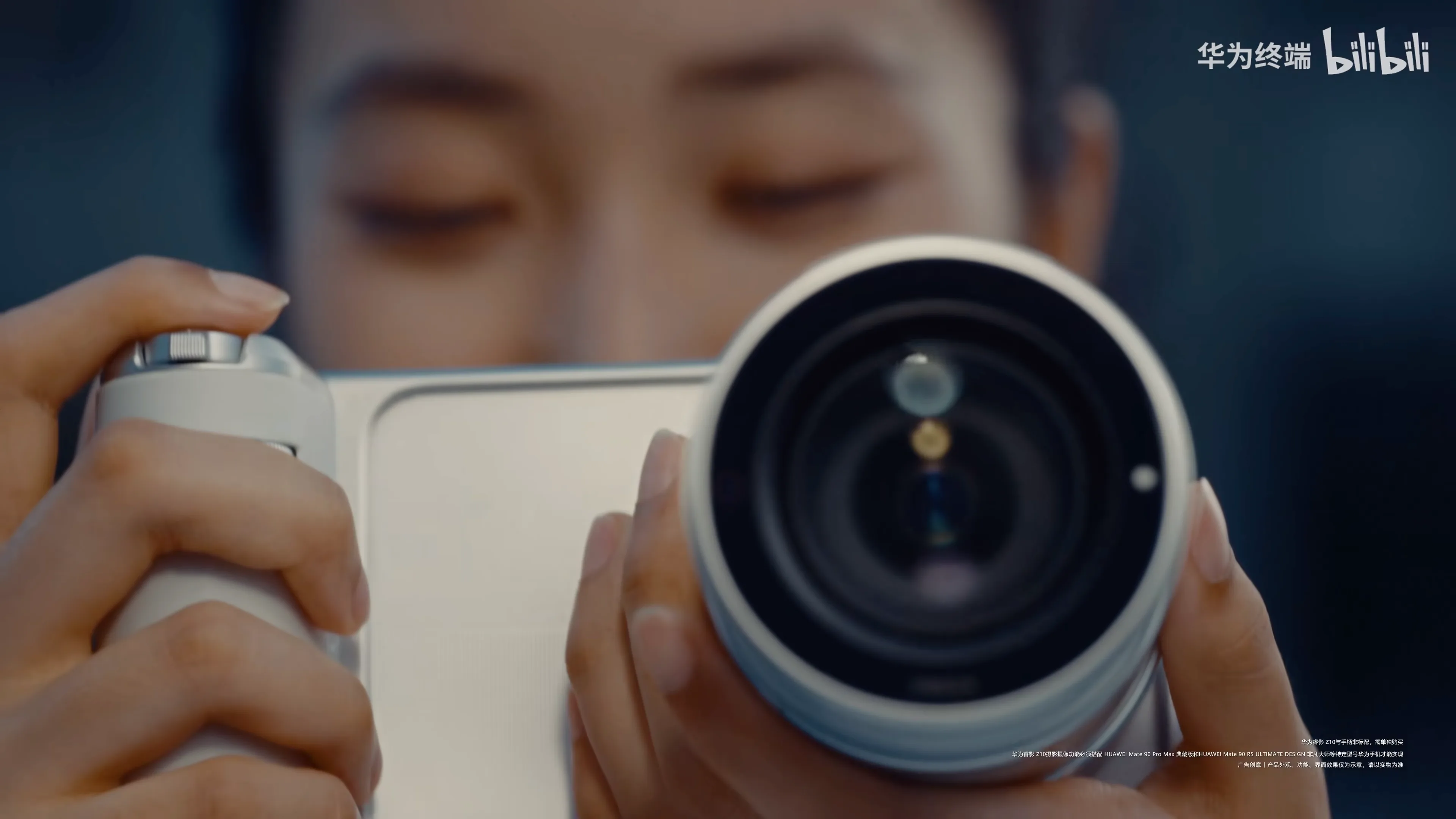
Image Source: Huawei
Although the product has yet to be officially released, its appearance has sparked discussions. 'External lenses have been around for years,' some say, noting that Sony, Lenovo (Moto), OPPO, and Xiaomi have already ventured into this territory. Setting aside external optics solutions that incorporate sensors, many smartphone brands are now equipping their flagship models with factory-installed teleconverters to enhance ultra-long-range photography performance.
So, why did Huawei opt for a relatively traditional 'sensor-equipped' external optics solution in 2026?
Teleconverters are affordable but fall short of Huawei's image quality standards
Compared to modular optics with sensors, teleconverters offer clear advantages: their lens structure is straightforward, costs are manageable, and there's no need to worry about compensating for focusing, color, stabilization, and distortion control after attachment—it's akin to adding a small telescope to the phone's rear.
Certainly, some high-end teleconverters on the market now provide a comprehensive imaging solution, utilizing their own camera apps for software-based EIS cropping for stabilization and incorporating premium optical glass lenses. However, since teleconverters still rely on the phone's original sensor, Leitech believes that the upper limit of teleconverter products remains relatively low.
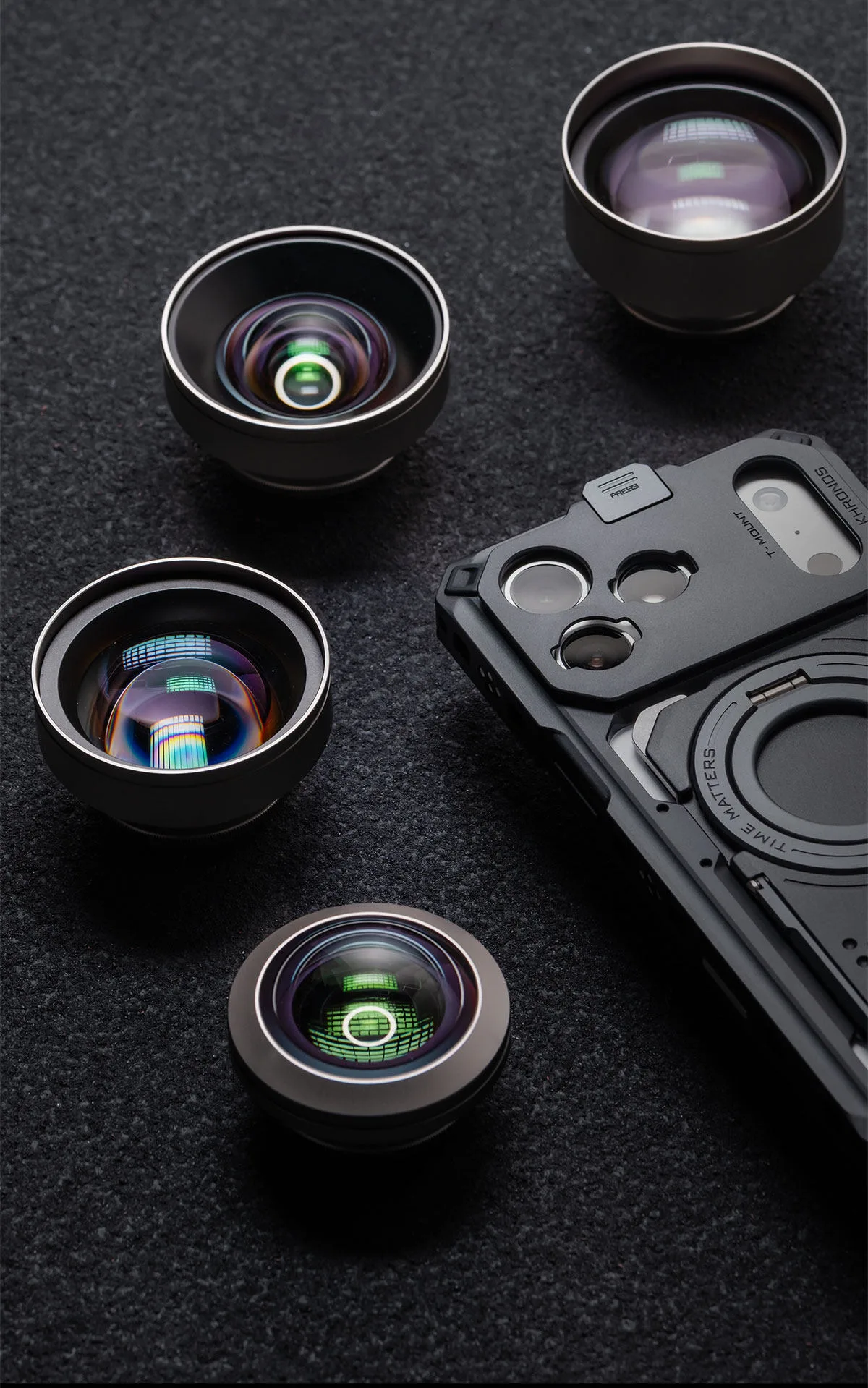
Image Source: Tilta
In contrast, a modular optics solution with a built-in sensor essentially transforms the phone into a screenless digital camera, offering a high optical ceiling and image quality that can generally rival that of M43-era digital cameras. The challenge lies in the higher technical threshold and hardware costs, as well as issues like heat buildup during extended camera use and wireless image transmission delays, which significantly impact the user experience.
Moreover, in the era of AI photography, the optical quality of a camera is no longer the sole determinant of photo quality—the phone's AI processing capabilities also play a crucial role. However, the hardware performance and update cycles of modular optics solutions cannot keep pace with those of flagship smartphones.
Consequently, faced with more cost-effective solutions like teleconverters, the 'less efficient' technological path of modular optics has naturally been sidelined by manufacturers.
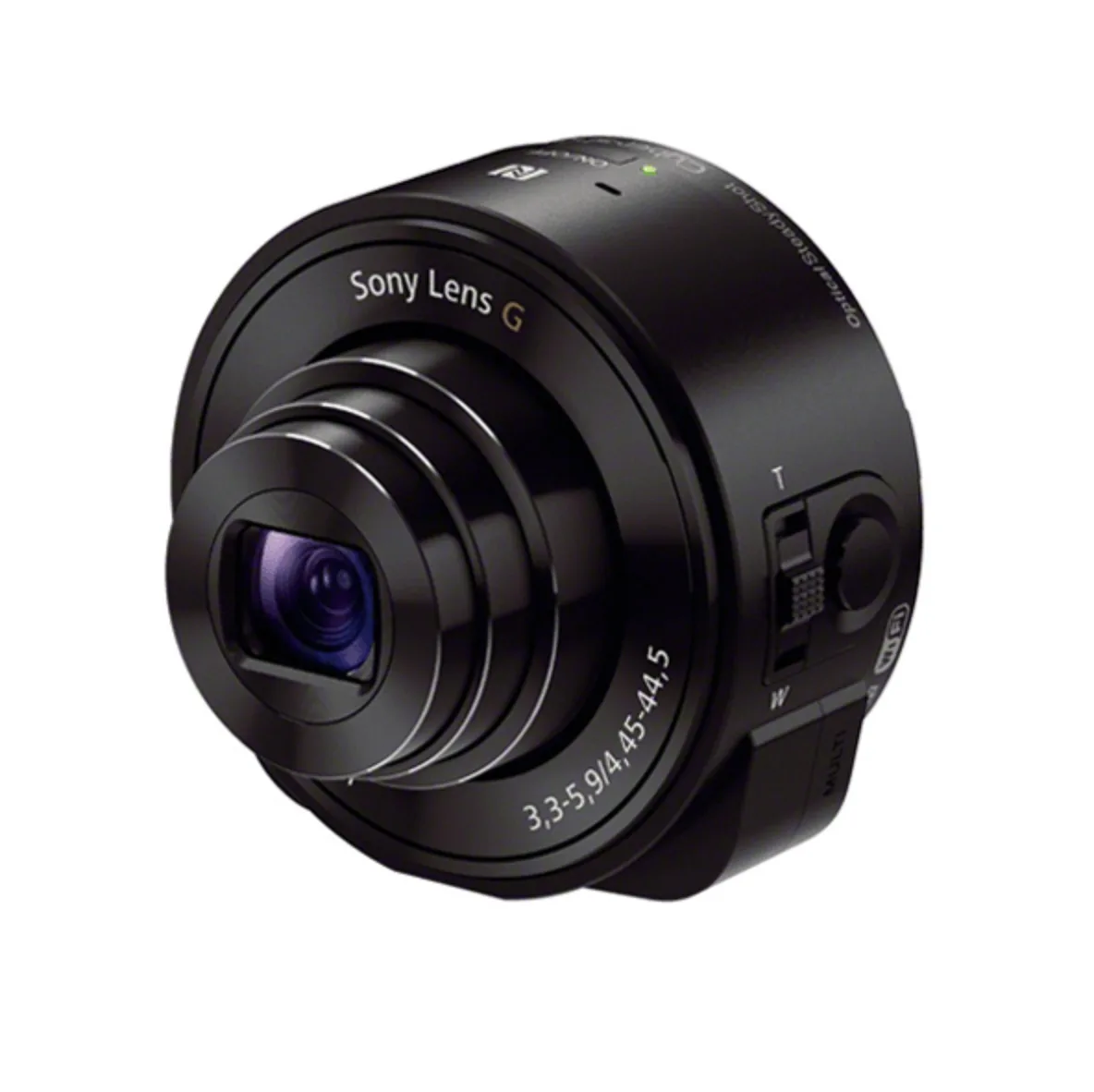
Image Source: Sony
However, when considering the advancements in wireless communication technologies in smartphones over the past decade, it's clear that WiFi-based image transmission technology is now highly mature, not to mention Huawei's own high-bandwidth, low-latency wireless transmission technologies like NearLink.
Therefore, in Leitech's view, at least for Huawei, the experience of a wireless transmission-based modular optics solution may not necessarily follow the same trajectory as the first generation of screenless cameras.
Modular optics are a natural fit for the AI imaging era
The question arises: if AI technology can compensate for optical physical limitations, as has become a consensus among smartphone brands in mobile imaging, why does Huawei still invest in modular optics?
In Leitech's opinion, modular optics are actually a natural fit for the AI imaging era.
Reflecting on the evolution of smartphone imaging technology, it's evident that the true drivers of leapfrogging imaging experiences have never been isolated hardware improvements but rather the increasing role of computational power and algorithms. From multi-frame HDR and night photography algorithms to the now ubiquitous AI noise reduction, semantic segmentation, and real-time video processing, smartphone imaging has transitioned from a 'shoot-then-edit' process to a 'shoot-while-computing' system.
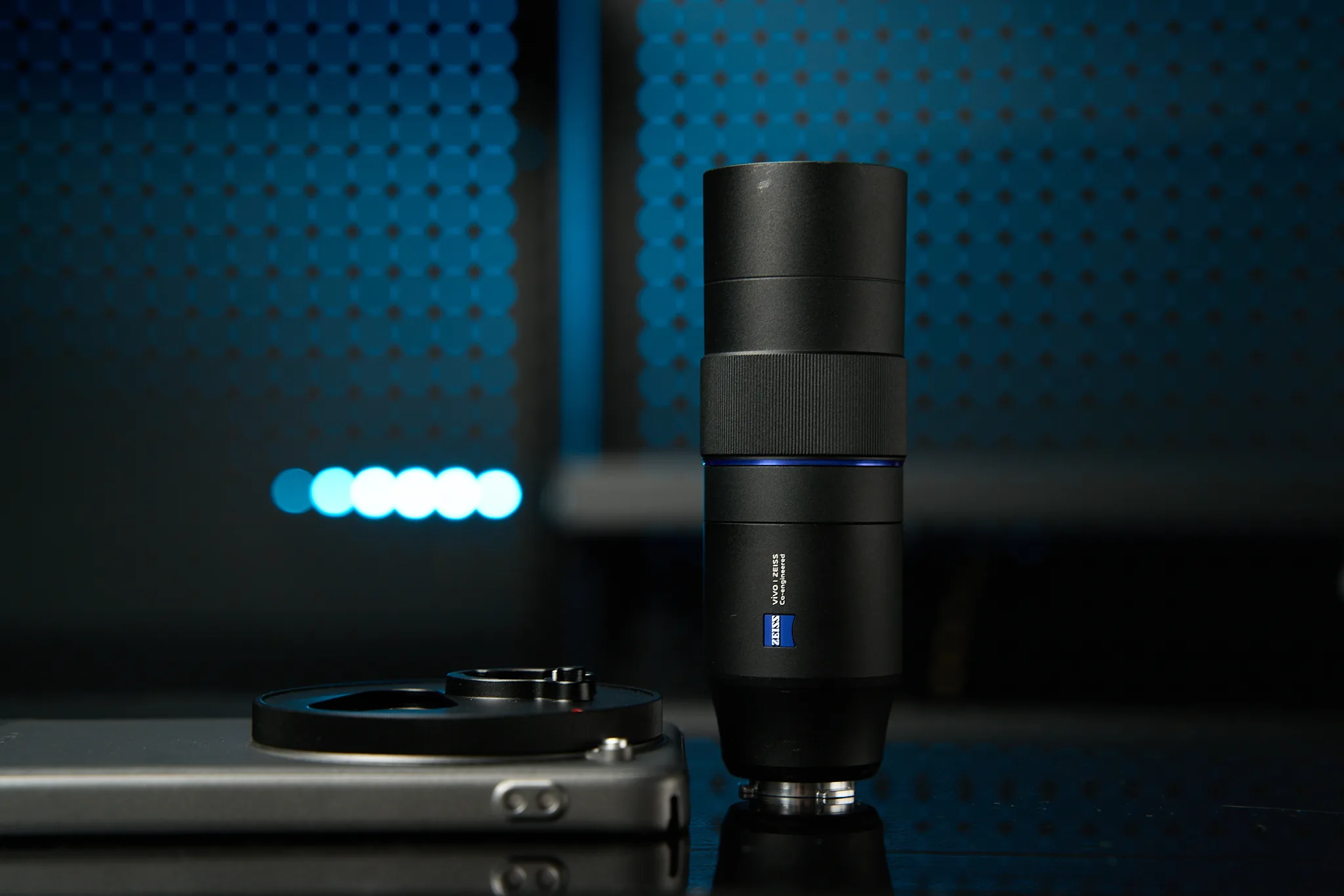
Image Source: Leitech
However, the iteration cycle of optical hardware lags far behind the update speed of chips and algorithms. A high-spec lens or large sensor can often be used for several years, while ISP and AI algorithms in smartphones undergo significant changes with each generation. As imaging becomes increasingly reliant on computational power, permanently integrating all optical capabilities into the phone's body actually rigidifies the imaging system's upgrade path.
The concept of modular optics introduced by smartphone brands perfectly addresses this issue by isolating high-spec sensors and optical systems. Manufacturers are essentially splitting the imaging system into two layers with distinct update rhythms: a relatively stable, long-term optical layer and a rapidly iterating computational layer that heavily relies on chip upgrades. As long as the phone continues to receive updates, algorithms and computational power can evolve; meanwhile, the lens itself remains relevant despite changes in software and algorithms.
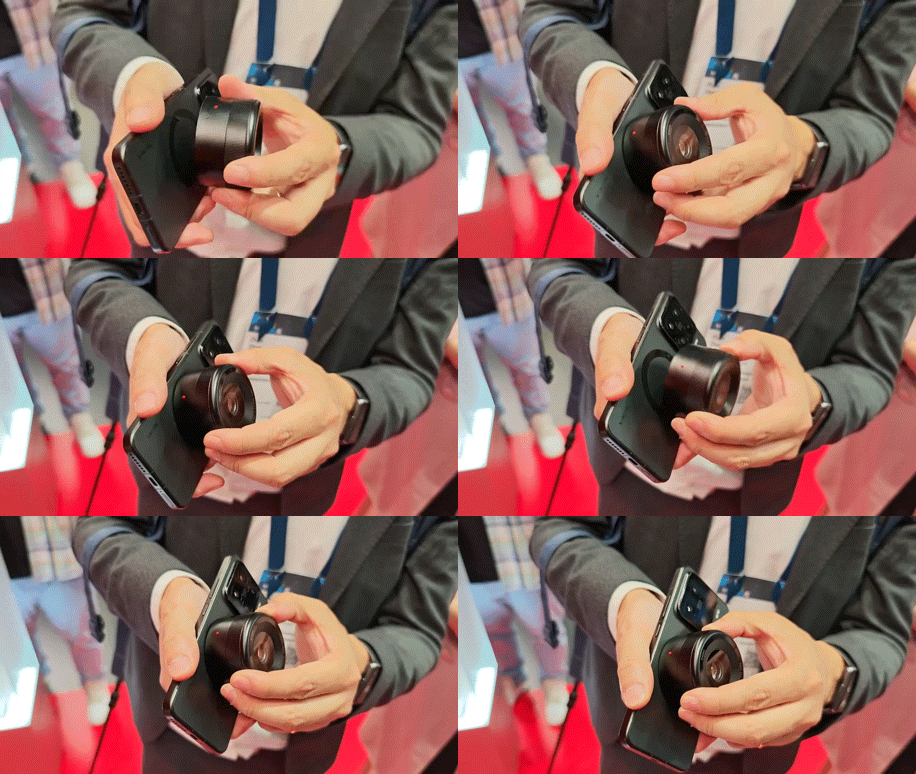
Image Source: Leitech
Looking ahead, the true value of this system lies in its ecosystem. After users invest in dedicated phone cases, lenses, and grips, as long as the lenses remain functional for many years, like camera mounts, external optics will transition from a novelty to a long-term, usable creative tool.
Of course, for this to happen, Huawei must be willing to provide ongoing software updates and hardware support. Given the current market landscape, we have yet to witness a truly sustainably developed modular optics product.
Can a new photography mode spark a new accessory market?
In Leitech's view, Huawei's modular camera has the potential to revitalize this category, which was once abandoned by the industry. Firstly, over the past two years, external optics have emerged as a development direction for smartphone imaging, with other brands having already created demand and educated users—Huawei simply needs to position its product within this 'new folder.'
Secondly, in the AI era, a modular camera must possess AI photography capabilities to be considered a qualified product. Within the HarmonyOS ecosystem, Huawei enjoys a unique advantage in terms of hardware-software synergy. If Huawei is willing, it can ensure that this modular camera, like Huawei phones, remains 'fresh and new' within the HarmonyOS ecosystem.

Image Source: Huawei
Moreover, Huawei has recently emerged as a trendsetter for product forms in the domestic smartphone market. Huawei's foray into the modular camera category could very well inspire other manufacturers to follow suit, transforming it into a complete imaging ecosystem akin to action cameras and gimbal cameras.
However, according to leaked information, Huawei's modular camera is currently only compatible with two models: the Mate 90 Collector's Edition and the Master Edition, and the reported module price range of 5,000 to 6,000 yuan is not inexpensive. The accessory market's profitability hinges on sales volume—if not enough modules are sold, third-party optical manufacturers will lack incentive to develop lenses, making it impossible to achieve a comprehensive range of focal lengths and a thriving ecosystem.
Returning to the initial point, Leitech has always believed that in today's competitive landscape for smartphone imaging, forging a new path outside the phone's body is far more important than the performance of a single module.
The Huawei Vision Z10 modular camera takes the imaging capabilities that cannot fit into the phone's body and transforms them into a separately priced, separately iterated module, initially validating this path among the most willing-to-pay users. It doesn't need to be an instant bestseller—as long as it can convince users that this lens can be used across generations, there's potential for this business to flourish.
Of course, these are merely analyses based on existing leaks by Leitech. When the price is revealed on the October 1 launch day, the viability of the modular camera path will naturally become clear.
Source: Leitech
Images in this article are from the 123RF royalty-free image library. Source: Leitech
-
![]()
Huawei Steps into External Optics! Mate 90 Unveiled with Modular Camera, Is It Geared for AI Imaging?
-
![]()
Collaborating with NIO to Propel Battery Swap Technology, Exploring Geely Auto's Dual Strategy
-
![]()
iQOO Pad Ultra Review: A Perfect Blend of Portability and Performance, Ideal for Productivity
-
Ten Years of Magic: HONOR Splits the 'All-Rounder Flagship' into Three Answers
-
![]()
Office Agent Showdown: Kingsoft, SenseTime, iFLYTEK, Youdao - Who Makes the Cut, Who's Just Along for the Ride?
-
![]()
Starting at 118,800 yuan with standard LiDAR, the new Lynk & Co 20 is all business this time around.
-
COSTAR Auto Optoelectronic Display Branch Passes Supplier Admittance Review by a Leading Headlamp Enterprise!
-
![]()
Domestic Memory Behemoth Unveils Plan to Invest 34.9 Billion Yuan in Production Scale-Up