An Idealistic Migration Without Losers
 04/30 2026
 523
523
Editor: Lv Xinyi
In the 2025 landscape of China's tech and venture capital sectors, a subtle yet persistent theme emerges: a significant migration of talent from the smart vehicle industry to the burgeoning field of embodied intelligence. Among the most closely observed and frequently misunderstood cases of this trend is Li Auto.
Beginning in the latter half of 2025, it seemed that each month brought news of another Li Auto vice president or higher-ranking executive, or business unit leader, announcing their departure. These announcements reverberated through both the automotive and venture capital communities. By year-end, the list of departures had swelled to over a dozen, with nearly all these individuals opting to enter the thriving sector of embodied intelligence, launching their own startups.
During this same period, Li Auto's sales performance in 2025 experienced fluctuations amid quarters where several leading automakers reported profitable results. This led to a wave of regret and skepticism in public opinion: "Li Auto missed the golden opportunity in robotics and lost key executives who had been instrumental in its journey."
However, when we look beyond the superficial noise of public opinion and delve into the underlying logic of technological change and the inevitable cycles of industry evolution, it becomes evident that this executive exodus—often interpreted as a 'brain drain' at Li Auto—is neither a clear-cut loss nor a 'missed opportunity.' Instead, it represents a natural talent reallocation driven by the maturation and convergence of intelligent driving technologies and the impending boom in embodied intelligence. Caught in this wave, Li Auto has made a conscious choice that aligns perfectly with its current goals and long-term vision.
Moreover, the startups founded by former Li Auto executives often bear the imprint of Li Auto's ethos, representing, in a way, an extension of its will.
In fact, the talent flow from intelligent driving to embodied intelligence has become an industry-wide phenomenon. High Jiyang, who left Waymo, and Zhao Tongyang, Sun Zhaozhi, and Li Liyun, who embarked on entrepreneurial ventures after leaving XPeng Motors, all followed this path of technological convergence in their career transitions.
This talent migration adheres to a fundamental principle akin to the law of conservation of energy in the business world: the highest concentration of top talent gathers where the most industrial capital and the clearest future prospects converge.
After nearly a decade of rapid iteration, intelligent driving technologies are gradually converging. Coupled with regulatory adjustments in industry policies, the growth trajectory of this sector has begun to plateau. Meanwhile, embodied intelligence has emerged as a core focus of global capital in recent years, attracting a surge of investment and opportunities. Critically, intelligent driving and embodied intelligence share underlying technological similarities. The perception, decision-making, planning, and control capabilities developed in intelligent driving can be directly applied to product development in embodied intelligence. This has created an irresistible siphon effect, drawing talent from intelligent driving to embodied intelligence.
The reason Li Auto's talent outflow has drawn particular attention lies in its leading position in the smart vehicle sector in recent years and the steep growth trajectory of its business. Executives who have left Li Auto have mostly experienced the full lifecycle of a startup-like project from scratch, acquiring both deep technical expertise across the entire value chain and proven commercialization capabilities. This makes them highly sought-after targets for venture capital.
For Li Auto, its core business in smart vehicles remains its unshakable foundation. While the departure of key veterans is regrettable, this talent flow aligns perfectly with the company's current strategy of focusing on AI and prioritizing AI-native talent. It has also created ample space for organizational renewal and youthful transformation.
At the same time, Li Auto can leverage its traditional industrial strategic positioning by investing in the embodied intelligence startups founded by its former executives. This allows for low-cost, low-risk exploration of the new sector. More importantly, the fact that these 'Li Auto-affiliated' entrepreneurs are heavily backed by capital serves as a strong market endorsement of Li Auto's systemic capabilities and talent development prowess.
In the realm of intelligent driving, Li Auto has proven itself a sprinter.
NIO and XPeng Motors launched products with their self-developed intelligent driving systems in 2018 and 2019, respectively. At that time, Li Auto still relied on suppliers, leading to criticism that it lacked technical sophistication and a 'soul.' More insidiously, suppliers held key data, core algorithms, and bargaining power. With its lifeline in others' hands, self-development became a matter of survival.
In early 2021, Lang Xianpeng received a call from Li Xiang. Without preamble, Li Xiang got straight to the point: "The 2021 Li ONE must feature our self-developed intelligent driving system. Do you have confidence?" At that point, only three months remained before the new model's launch. This meant a team with no mass-production experience had to accomplish in less than 100 days what typically took one to two years—an almost impossible task.
The development process of the Li L9 was marked by constant debate between Li Xiang and his team. Intense discussions were the norm as the team raced against the clock without compromising on quality. There were even moments when Li Xiang, known for his high standards, considered compromising.
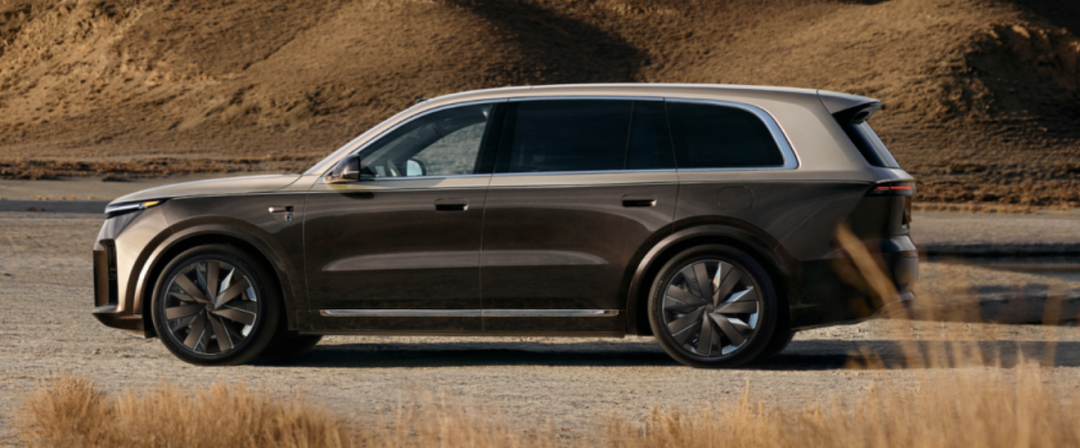
But the story that followed is now etched in the history of China's intelligent driving development. On the launch day, May 25th, the final bug was fixed just in time for delivery. Li Auto officially joined the ranks of domestic automakers with full-stack self-developed intelligent driving capabilities.
Internally, this battle was dubbed the "Acropolis Battle," named after an ancient Greek myth to symbolize building barriers and defending the citadel. As Lang Xianpeng later said, those who participated in the Acropolis project carried its mark for life. This 100-day sprint not only addressed Li Auto's most significant product weakness but also forged the core identity of its intelligent driving team.
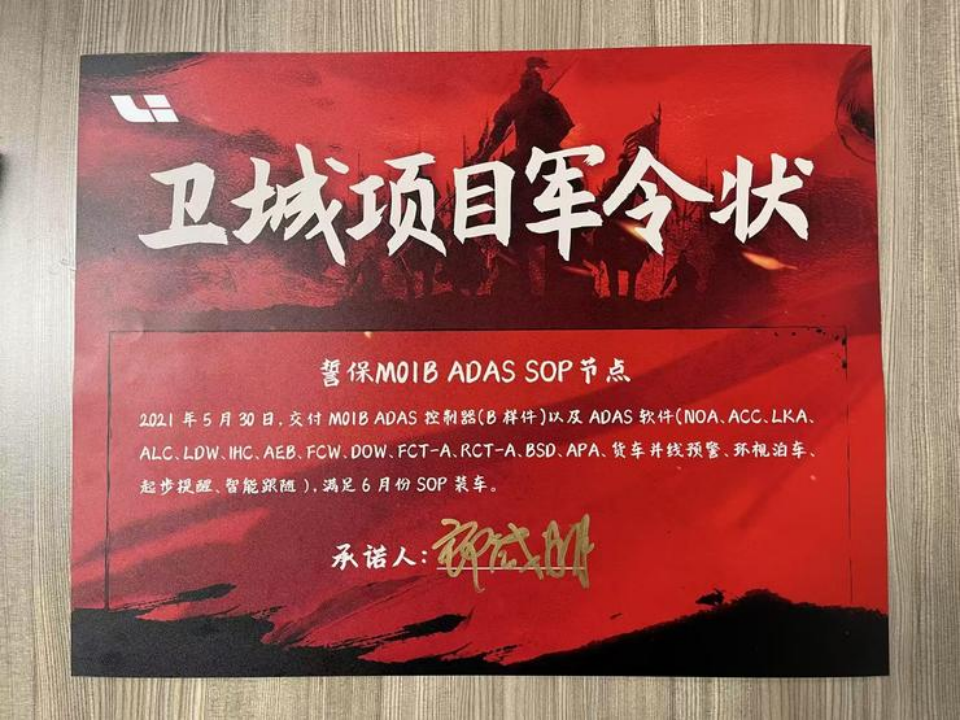
Believe in yourself, challenge limits, persevere, and never admit defeat. The key architects of this battle—Lang Xianpeng, Jia Peng, Guan Shuwei, and Wang Yilun—were the starting point of Li Auto's self-developed intelligent driving journey and later became central figures in the wave of 'Li Auto-affiliated' embodied intelligence startups.
Subsequently, the company continued the tradition of naming projects after myths, including "Project Titan" for urban navigation autonomous driving system development and the "Damocles Project" for end-to-end initiatives, adding an epic sense of destiny.
Later entrepreneurs such as Lang Xianpeng, Jia Peng, and Wang Jiajia were leaders in multiple battles. Xia Zhongpu once wielded the "Sword of Damocles," transitioning traditional autonomous driving systems to an end-to-end approach.
At that time, Li Auto embodied the spirit of a startup. Jia Peng recalled that Li Auto's autonomous driving team typically operated on a project basis. Each project would select members from across the department and conduct closed-door development in a hotel. Without legacy burdens, Li Auto advanced through a series of battles, producing individuals who had experienced intense problem-solving and the fulfillment of victory—akin to undergoing the trials of entrepreneurship. This is the deep-seated ethos that Li Auto instilled in its executives.
As Li Auto ascended to a leading position in intelligent driving, the technical capabilities, product development, and mass-production experience honed through its victories formed an irreplaceable competitive edge for its talent in the industry, empowering them to pursue entrepreneurial ambitions with practical confidence.
Regarding the successive departures of core team members, Li Xiang's response during an earnings call was candid and clear-minded: These individuals had accompanied Li Auto through its startup phase from scratch and possessed rich experience. Their entrepreneurship represented a win-win situation, externally fostering entrepreneurial forces while internally building a robust pipeline of young talent.
In contrast to the market's frenzy over embodied intelligence, Li Auto has maintained a restrained and deliberate approach.
When Jia Peng decided to leave Li Auto to venture into embodied intelligence entrepreneurship, Li Xiang had a deep conversation with him. His judgment was clear: The first to rush in would likely fail, but among the early entrants, some would succeed. In other words, the current period remains the first window of opportunity for embodied intelligence entrepreneurship, and Li Auto has chosen not to rush in prematurely.
This is not disregard for the trend but a conscious choice based on its strategy. The frenzy continues to heat up. Amid market clamor and an uncertain future filled with possibilities and pitfalls, an era of opportunity and uncertainty awaits.
In contrast, the intelligent driving sector, after nearly a decade of rapid iteration, has seen its technological paths gradually converge, with the endgame taking shape. Jia Peng once admitted that after Tesla's FSD V14 release, he felt both excitement and disappointment. Excitement because the industry leader's technological path aligned perfectly with Li Auto's judgment—the world model and VLA integrated architecture had long been their focus. Disappointment because it seemed to reveal the technological endgame of intelligent driving. In Xia Zhongpu's view, while the intelligent driving industry is far from reaching its conclusion, the closed loop of technology, product, and commerce has formed. It is now more suited for managers focused on commercialization and refined operations, whereas embodied intelligence represents a new peak worthy of technical exploration.
This explains why so many core Li Auto veterans have collectively chosen to dive into the embodied intelligence sector. When individuals with entrepreneurial DNA and a track record of breakthroughs encounter a golden window for new technological explosions, having completed the journey from follower to peer in intelligent driving, they naturally seek a second growth curve in life.
As former comrades-in-arms depart for new battlefields, those remaining cannot help but feel awe for the tides of the era and may be swept up in market fervor. Like ripples spreading from a pebble tossed into a still lake, this has culminated in the industry-wide talent migration.
For these Li Auto alumni, entrepreneurship is not a negation of the past but an extension of Li Auto's spirit. For Li Auto, this talent flow is not a hemorrhaging defeat but an inevitable and mutually beneficial industrial relay in the technological transition cycle.
So why has Li Auto chosen not to enter the robotics field at this juncture?
The answer lies in Li Auto's DNA. Currently, it is fully committed to AI. After completing its end-to-end transformation in 2023, Li Auto began upgrading its technological approach to VLA in 2024, enabling vehicles to model 3D spaces, understand semantics, and make reasonable decisions—aiming to create truly intelligent entities. Additionally, it will launch the "Li Auto Assistant Agent," extending the in-car system to personal assistants on mobile devices.
Li Xiang has even declared that Li Auto is not an automotive company but an AI company: "AI represents our entire future." This VLA "Long March" has consumed more than half of Li Auto's R&D resources. In 2025, Li Auto's annual R&D expenditure reached RMB 11.3 billion, with approximately 50% allocated to AI-related projects, including self-developed chips, computing infrastructure, autonomous driving systems, and large model development.
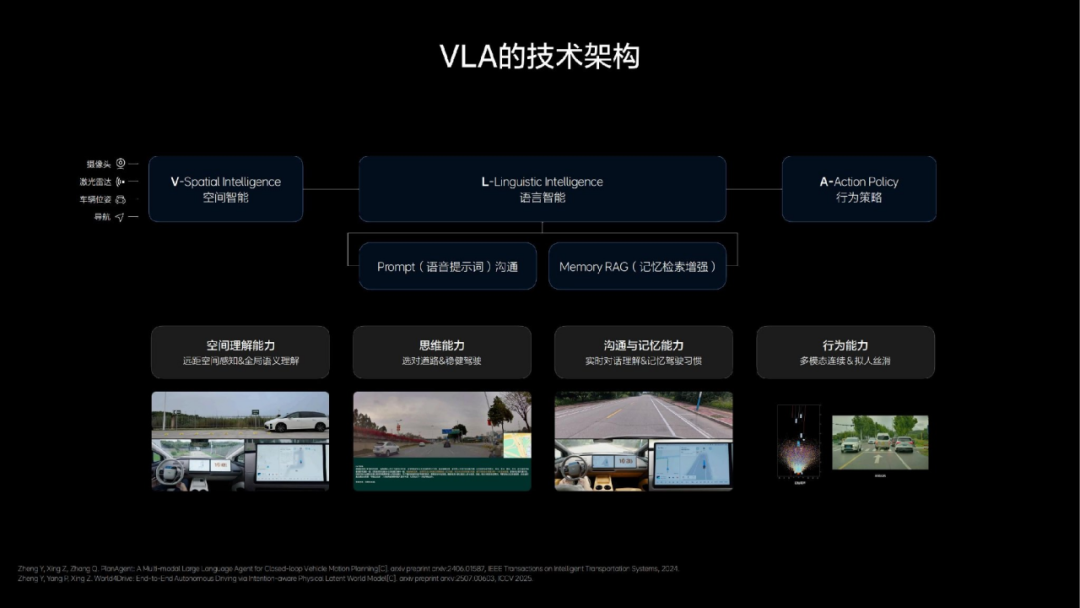
The high costs of AI development make it difficult for Li Auto to venture into a second domain. For emerging sectors like robotics, it prefers a "startup model"—rapid iteration and validation—rather than heavy bets.
Rather than diverting attention and engaging in blind trial-and-error in robotics during its nascent stage, Li Auto believes in first deepening its AI moat in its core sector—the ultimate expression of long-termism.
This does not mean Li Auto has no strategic positioning in robotics. It has chosen the most cost-effective and rhythmically appropriate approach.
According to Yijian Auto, Li Auto began exploring wheeled robots in early 2025 with a team of around 30. Li Xiang stated that they would focus on hardware first, forgoing self-developed "brains" and "cerebellums" for now, as open-source technologies might emerge later, making self-development costly. The spatial robots under development refer to L4 autonomous vehicles.
Li Auto's investments in robotics startups founded by its former executives also represent low-cost experiments. It has invested in Xieyue Intelligence, co-founded by Chen Wei, former chief AI scientist for automotive applications, and Zhang Xiao, former head of the second product line, as well as Engro Robotics (formerly Heyu Robotics), founded by former co-founder Shen Yanan. Both focus on household robots. Li Auto has always centered its services on families, with Li Xiang frequently emphasizing family values in interviews. These startups can be seen as extensions of Li Auto's will.
Considering the prevailing challenges in its core business, opting for this betting strategy is a judicious move. The field of embodied intelligence is currently experiencing a period of excessive enthusiasm; a phase of cooling down could prove advantageous. This approach is in line with Li Auto's historical pattern of leveraging late-mover advantages and its confidence in catching up after industry pioneers have completed market education and technological experimentation.
In the face of emerging technological trends, "timely intervention" has emerged as a shared mantra. Drawing from historical precedents, no entity wishes to be left behind in the wake of the old era. Yet, lingering questions persist: When is the optimal time to enter, and through what strategy? These are inquiries that warrant thorough deliberation.
At present, while numerous companies are plunging headfirst into the realm of embodied intelligence, others, such as Li Auto, are adopting a cautious, wait-and-see stance. The former seeks to capitalize on early market entry, whereas the latter awaits technological inflection points to exploit late-mover advantages. The latter's potential was somewhat affirmed when Glory Robotics triumphed in a recent robotics marathon.
Today, embodied intelligence is poised for its "Transformer moment." Major players have the chance to swiftly close the gap through technological transfer and capital accumulation. Nevertheless, the data and algorithmic barriers erected by pioneers may not be easily overcome, posing a challenge to teams' precision in selecting technologies and scenarios.
For Li Auto, the pursuit of robotics is unequivocal. The wheeled robot is slated for launch mid-year, but this is not the paramount objective. Furthermore, isn't the current fusion of AI and automobiles also a specialized branch of robotics? Li Auto is resolutely advancing along its chosen path. The departure of executives has, in fact, provided an opportunity to shed excess baggage and proceed with a lighter burden.
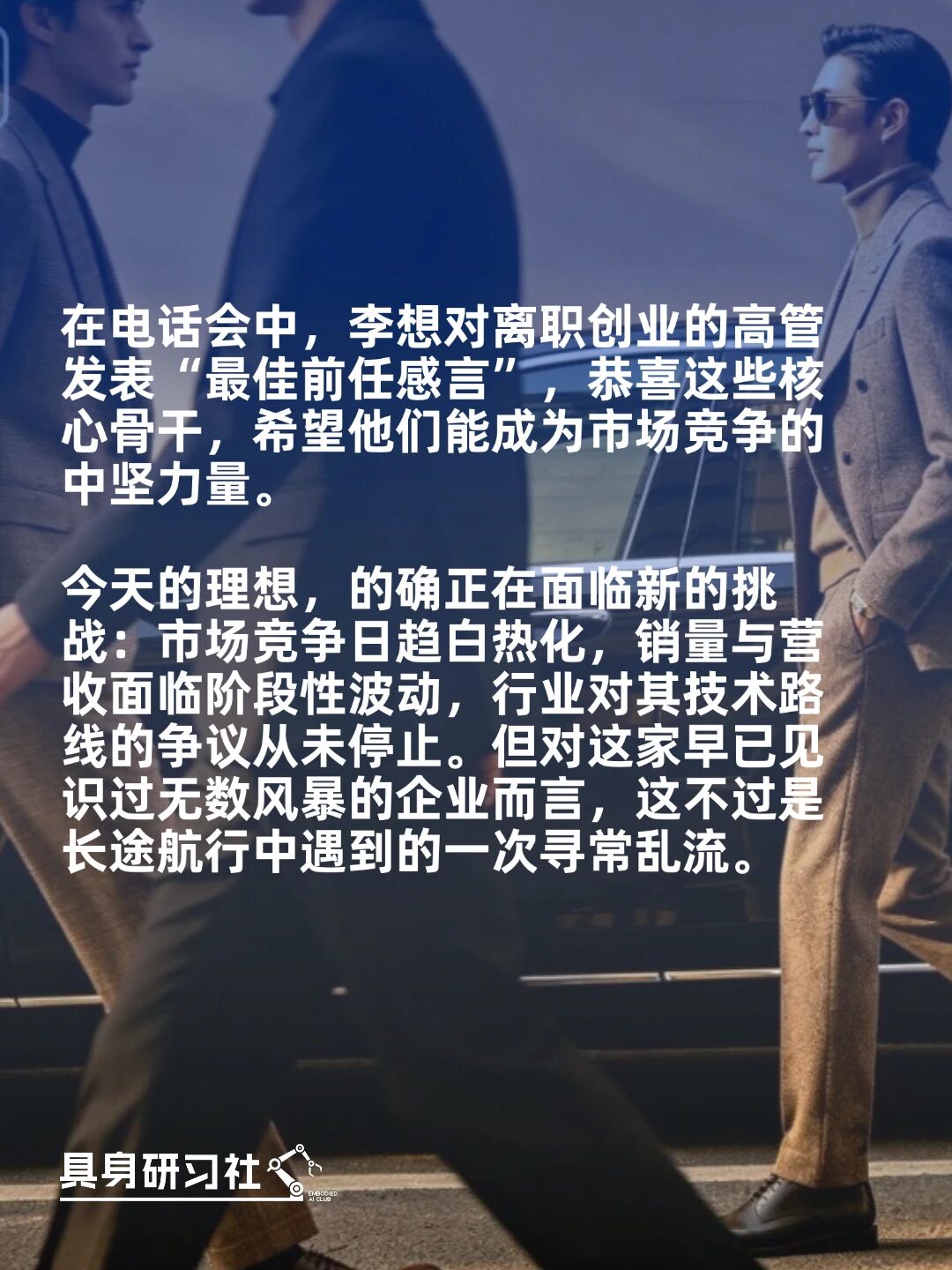
During the conference call, Li Xiang delivered a heartfelt 'farewell to best ex-colleagues' speech concerning the executives who departed to launch their own ventures. He extended congratulations to these core members, expressing hope that they would become pillars of market competition. He also recognized that the new generation of managers would build upon the foundation established by their predecessors to confront even greater challenges, voicing complete confidence in the next decade.
These remarks were never mere polite gestures but emanated from an unwavering belief in the company's strategy and an unshakable confidence in its innovative prowess.
Today, Li Auto is indeed confronting new hurdles: market competition is intensifying, sales and revenue are undergoing periodic fluctuations, and industry debates over its technological approach have persisted unabated. However, for a company that has already weathered innumerable challenges, these are merely routine obstacles encountered during a protracted journey.
-
![]()
Tesla Restructures Its Balance Sheet
-
![]()
Accelerating the High-Speed Interconnection Upgrade of AI Computing Clusters! JONHON Releases ELSFP External Light Source Optical Connectors
-
![]()
Breaking the overseas blockade of volumetric holographic materials, this optical enterprise secures nearly 100 million yuan in financing!
-
![]()
Why Does Jensen Huang So Openly Praise China’s AI?
-
![]()
"Wudang" Unveiled: Arm China's Next-Gen AI VPU Redefines Video Encoding
-
![]()
From Energy Conservation and Carbon Reduction to AI Decision-Making: GECON East Intelligence and Chery Group Explore a New Green and Smart Paradigm for Automobile Manufacturing
-
![]()
WAIC 2026 Observation | AI Accelerates Towards the Core of Industries, Industrial AI Enters a Critical Phase
-
![]()
Volkswagen China Fires the First Shot in Foreign-Funded 'White Box Delivery'!