SpaceX Acquires Cursor: Musk's Deep Dive into Coding Marks a New Phase in the AI Race
 06/18 2026
 427
427
The Rising Significance of AI Coding
To be candid, Leitech (ID: leitech) truly didn't anticipate that SpaceX's first major acquisition post-IPO would be Cursor.
Although Musk hinted at this deal as early as April, the staggering $60 billion price tag still leaves many scratching their heads. Of course, a closer look reveals that a substantial portion of this sum involves highly valued SpaceX shares, with Musk's actual cash outlay being far less dramatic.
Yet, this doesn't detract from Cursor's status as a 'miracle' in the business world.
After all, Cursor's valuation has skyrocketed faster than even Google and Facebook did during the dot-com boom. How can an AI Coding company, established just a few years ago, command such an astronomical price? Lei's answer: AI Coding. More precisely, it's the pivotal role of AI Coding in the future AI ecosystem.
Image Source: Cursor
Today, 'Coding' is no longer confined to programmers typing away at computers; it's evolving into the fundamental capability for AI to comprehend the world, modify systems, invoke tools, and complete tasks. In essence, for future AI Agents to truly accomplish tasks, they cannot bypass Coding.
In this light, SpaceX's acquisition of Cursor isn't merely about acquiring a developer tool; it's about securing an entry point into the future AI execution layer.
SpaceX Acquires Cursor: Musk's 'Crash Course' in Coding
What sets Cursor apart? From an industry perspective, Cursor is the first code editor to truly embrace 'AI-Native' status, rather than simply tacking on an 'AI plugin' to an existing code editor.
Leveraging this feature, Cursor enables developers to understand, create, and batch-modify complex codebases across multiple files through pure natural language interactions. Lei once came across an online comparison that aptly describes the difference between Cursor and ordinary AI programming tools: it's like comparing Tesla's latest self-driving system to the adaptive cruise control of an old gasoline-powered vehicle.
This is why Cursor has emerged as one of the fastest-growing SaaS companies in history, soaring from $100 million in revenue in early 2025 to an annualized income in the billions within just a year and a half. Behind this growth are tens of thousands of corporate engineering teams and over 60% of the Global 500 companies.
Thus, what truly makes Cursor valuable isn't the number of individual developer users or the monthly subscription fees it collects; it's becoming the 'software productivity' tool of choice for many enterprises.
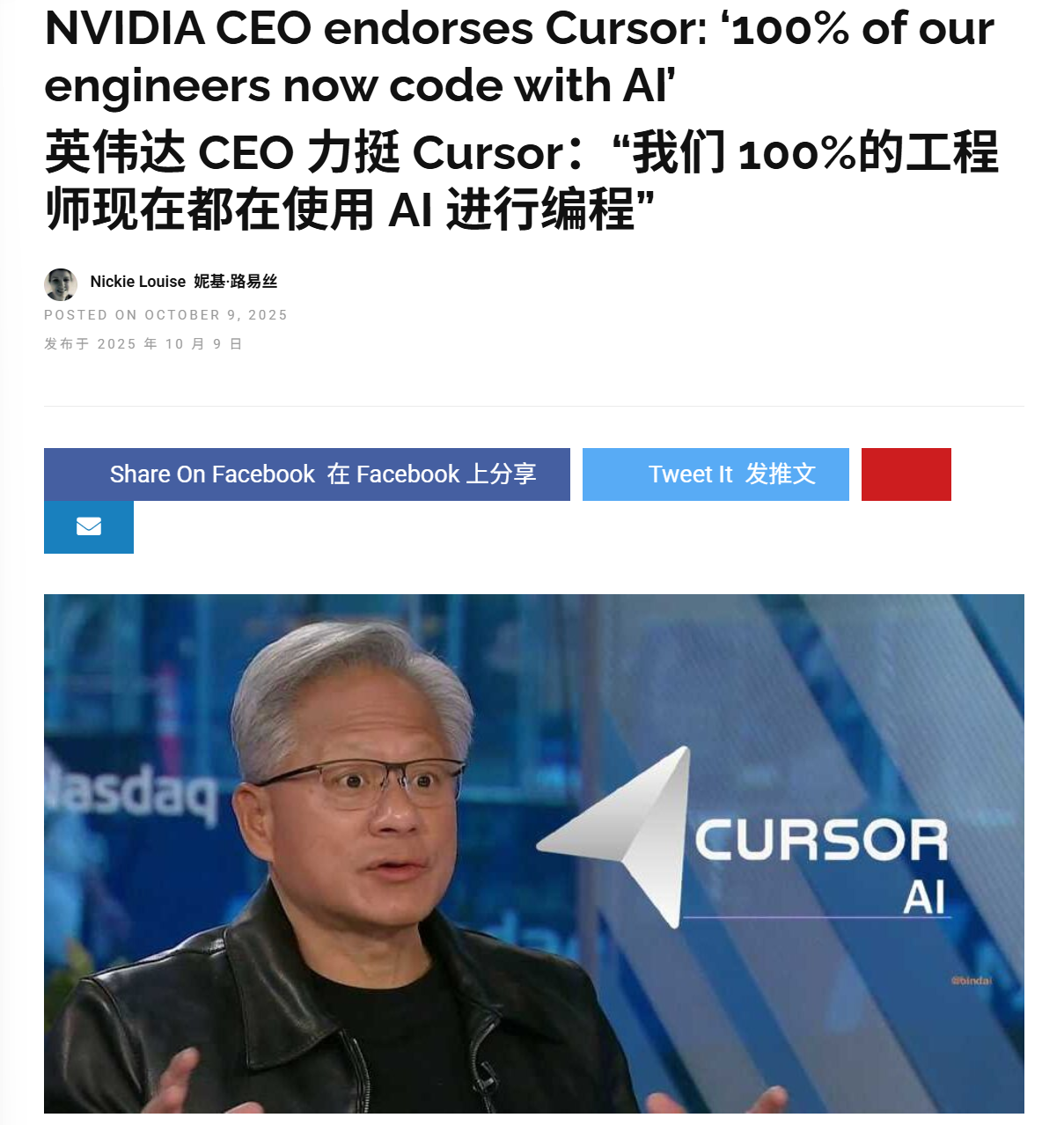
Image Source: techstartups
While NVIDIA has become one of the world's most valuable companies with its hardware, there's an undeniable fact: software is the cornerstone of the digital world. From enterprise management to manufacturing, nearly everything relies on software. And as individuals, we're increasingly dependent on software in our daily lives, from clothing to food, housing, and transportation.
This means that for AI to penetrate real-world scenarios, it must be able to understand, generate, and modify software systems.
And this is the significance of Cursor to SpaceX. Although SpaceX is ostensibly an aerospace company, it represents Musk's AI empire. SpaceX boasts engineering systems and computing infrastructure, xAI has models, X has data and distribution channels, Tesla has self-driving and robotics, and Starlink has a communication network.
Then you'll realize that Musk has nearly everything except a true foothold in the software production arena. Thus, this deal is actually Musk filling in the last crucial piece of his AI ecosystem puzzle.
Cursor Isn't the Core; Coding Is the Focus
AI Coding: Beyond Software, It's About Computing Power
While Cursor is important, is its $60 billion valuation excessive? From the perspective of a developer tool alone, the expected future revenue is indeed hard to justify this price (even considering Musk's strategic needs).
But the real focus is that AI Coding, represented by Cursor, isn't just a 'software business'; it's the nexus of future AI computing power, model capabilities, and software infrastructure.
Over the past year, when discussing AI, the term 'entrance' has been frequently mentioned. You'll notice that many software UI interfaces now feature an 'AI' button, all vying to be the first point of interaction for users with AI. However, these entrances are mostly aimed at ordinary users and solve relatively mundane problems.
AI Coding is different; it deals with the software system itself. Code is both the underlying language of the digital world and the key for AI to transition from 'talking' to 'acting'.
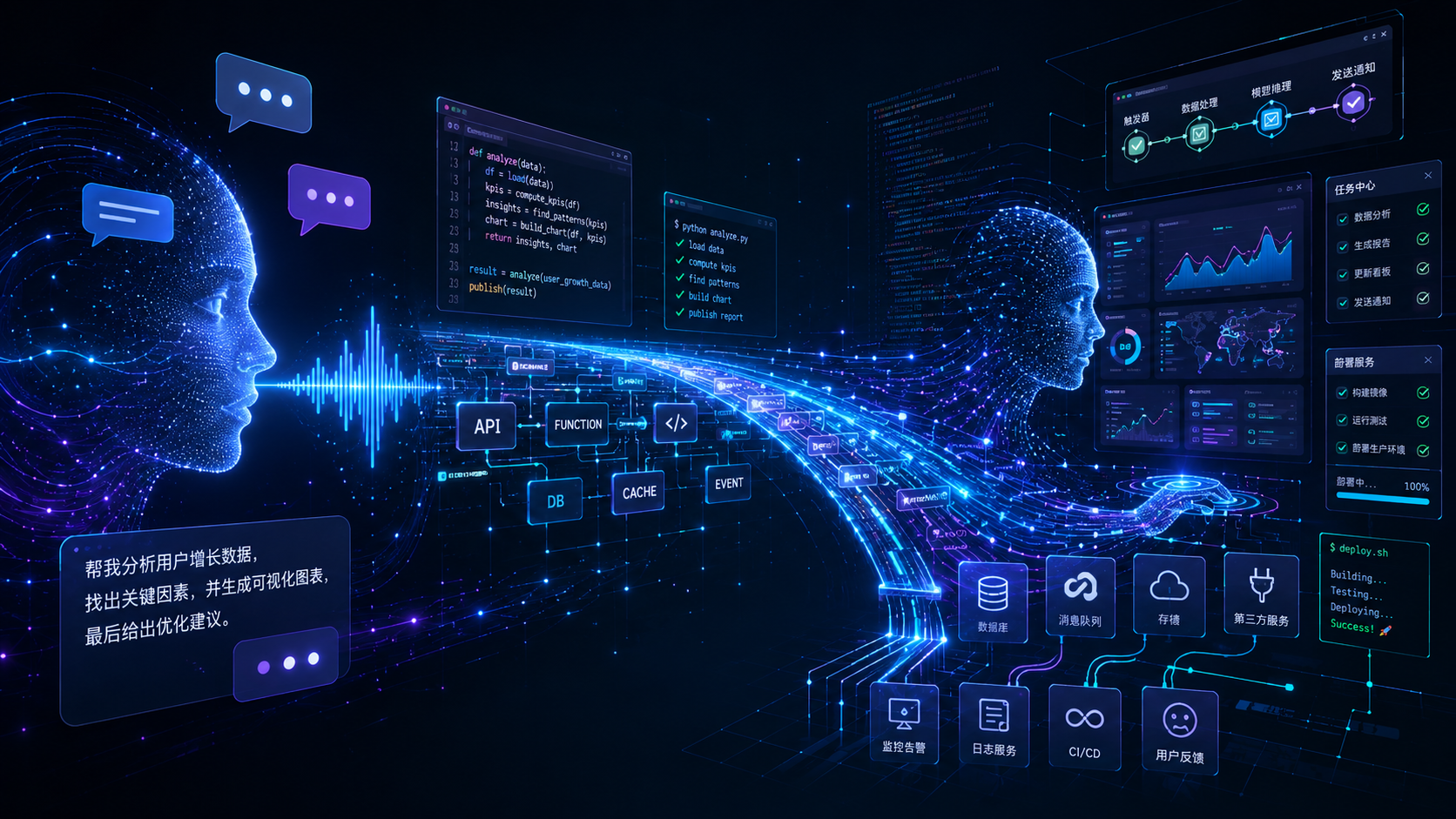
Image Source: Leitech
This is why Lei believes that Coding isn't just for developers; future Coding will be the foundation of all AI. For example, when you ask AI to book a flight, create a spreadsheet, or make a plan, it may seem like you're conversing with a chatbot, but what it's really doing in the background is translating your intentions into a series of executable logic, tool calls, and system operations.
This process is essentially generalized 'Coding,' except that it used to be coding for code, and now it's coding for your needs. In other words, future Cursor could also evolve into an 'AI operating system' in a sense. After all, there isn't much fundamental difference between programming across file environments and operating across applications.
Similar developments are underway at OpenAI as well. ChatGPT's Codex capability, although initially more developer-oriented, has gradually become a fusion of Coding capabilities and ChatGPT. ChatGPT can run code, process files, generate spreadsheets, analyze data, and Codex can execute tasks in codebases, with workspace agents further embedding these capabilities into workflows.
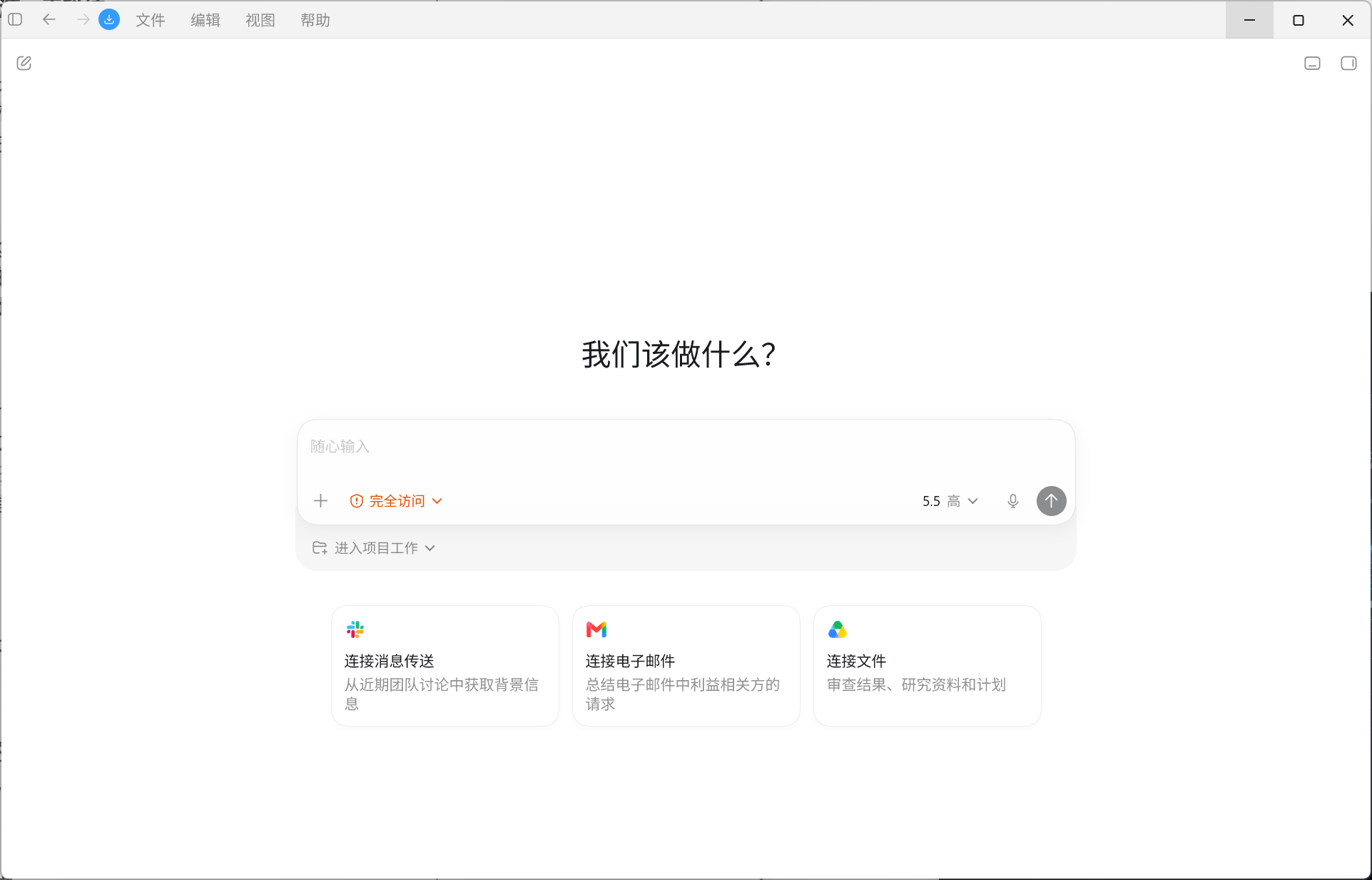
Image Source: codex
From this perspective, AI Coding can no longer be considered just a branch of AI applications; it may become the foundation for all future complex AI applications.
This is also why computing power giants must vie for AI Coding: the deeper AI Coding penetrates, the more computing power it consumes. Whoever controls the AI Coding entrance will control the model calling scenarios for enterprises and users, thereby generating more demand for computing power.
Buying and selling to oneself is indeed the most profitable business in the world.
The Future of Cursor: No Longer 'Independent'
After being acquired by SpaceX, the biggest concern for developers is whether Cursor will remain as open as it was in the past.
One of Cursor's greatest strengths has been its neutrality. It's not the official client of any single model company but a relatively open AI Coding workbench. Developers can connect to different models based on their needs and build workflows around their project habits.
This openness is crucial because developers dislike being locked into a fixed ecosystem. Especially AI developers, who are accustomed to switching between the strongest models available—using Claude today, GPT tomorrow, and trying Gemini or GLM the next day. This is a stark contrast to the past, when developers were reluctant to switch programming languages.
Moreover, there's a very sensitive issue: how will it handle the data and code encountered during work? Previously, as an independent company, it reassured large enterprises, but now the acquirer is SpaceX, a company with a wide range of business interests. Companies in conflict with SpaceX may need to reconsider their usage status.
And everyone is also curious whether Cursor will become more deeply integrated with Grok after being absorbed into SpaceX's ecosystem. Will the third-party access policy change? Similar concerns aren't unfounded. The recent example is OpenClaw; after its founder joined OpenAI, Anthropic announced restrictions on OpenClaw users freely calling Claude's API, and Google also once restricted some OpenClaw users' access.
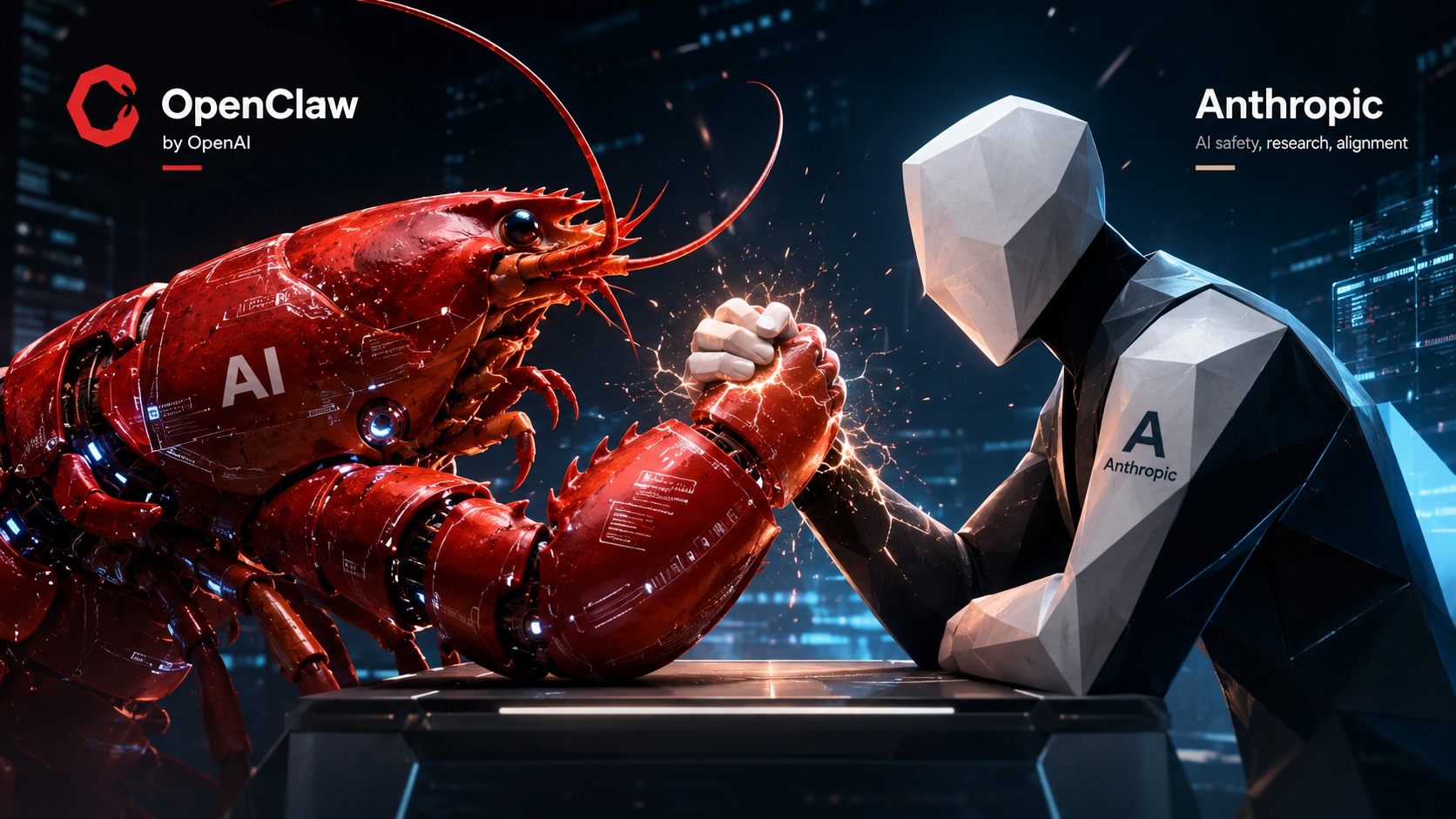
Image Source: OpenClaw
So, enterprises worry about compliance, while individual developers worry about whether Cursor will still be as user-friendly. Each has its own set of concerns.
Additionally, from the perspective of domestic companies, Cursor's acquisition by SpaceX is also a wake-up call: AI Coding isn't a lightweight capability that can be easily outsourced to overseas tools. As software that can access codebases, R&D processes, and core enterprise assets, once it's controlled by an overseas giant, companies must consider security risks more carefully.
This also presents a new opportunity for domestic AI companies like Zhipu. From CodeGeeX to the GLM series of models, Zhipu has been continuously investing in code generation, multi-language programming, intelligent agents, and developer tools. The latest GLM-5.2 already possesses capabilities such as 'end-to-end full-link development' and 'deep system debugging'.
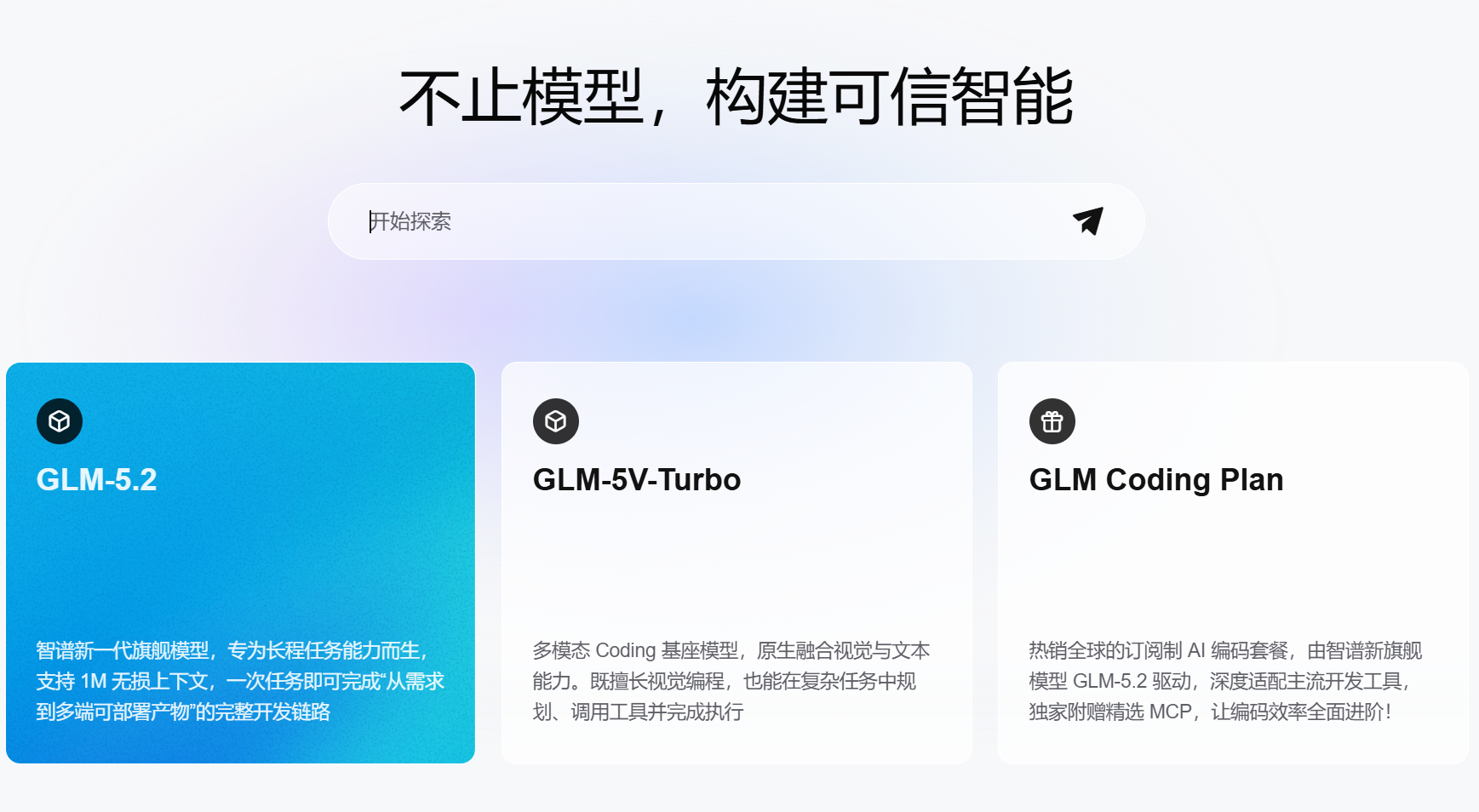
Image Source: Zhipu
However, Lei believes that for Zhipu, it's not necessary to create a 'Chinese version of Cursor' but rather to build an AI Coding system more tailored to the local market based on the real needs of Chinese enterprises.
For example, government and enterprise clients prioritize privatization and permission management, financial clients care about auditing and compliance, and manufacturing clients often have a large number of legacy systems, industry-specific code, and internal processes that need integration. From the perspectives of localization, stability, and security, these needs aren't easily met by overseas general-purpose tools.
So, the opportunity for domestic AI Coding companies lies not in simply replicating Cursor's interface or capabilities but in integrating models, tools, security, and other needs to create a complete AI Coding ecosystem.
Coding: The Core Battleground for AI
With Cursor's acquisition by SpaceX, the battleground for AI may shift to a more fundamental level.
For AI to transition from 'chatting' to 'acting,' it must penetrate real-world scenarios, transforming a user's words into a series of executable actions. Coding is the bridge connecting natural language and digital actions. Coding is no longer just a skill for developers; it's becoming the foundational capability for AI to understand and transform the digital world.
For Chinese AI companies, the most crucial realization is not to treat AI Coding as a niche or just a 'programming plugin.' Instead, it should be seen as the hub connecting AI Agents, enterprise intelligent agents, the deployment of domestic models, privatization, and the commercialization of computing power.
Today, Cursor looks like a code editor; tomorrow, AI Coding could be the control panel for AI systems.
We used to say that software is eating the world.
Now, it might be time to say something else: AI is rewriting the world through Coding.
Musk, cursor, AI, SpaceX, coding
Source: Leitech
Images in this article come from: 123RF Royalty-Free Image Library. Source: Leitech
-
![]()
Which Company Leads in Ultra-Fast Charging Technology? Geely’s MW Ultra-Fast Charger Warns Against Use in Temperatures Above 65℃
-
![]()
Survey | Are Fuel-Powered Cars Now 'Cabbage-Priced'? Why Can't I Find Them at Those Prices?
-
![]()
150,000 Orders: Is Production Capacity the Sole Challenge for BYD’s Tang? BYD Adjusts Strategy to Surpass Profit Limits
-
![]()
Tesla Optimus: Not the Best Choice for Full-Sized Humanoid Robots
-
![]()
Robot Sales Skyrocket, But Restricted to Adults: Is Romance the Answer in the Modern Age?
-
Eight Long-Standing Automakers Officially Delisted: The Closure of an Era Filled with Generational Memories
-
What signal does the expansion of the fifth listing criteria on the STAR Market send?
-
![]()
Policy Support & Tech Leap: MiniMax at a Pivotal Moment for Revaluation