Keysight Technologies Releases Three Innovative Solutions for Design Engineering Software, Advancing Engineering Design into a New Era of Intelligence with Engineering Intelligence
 08/18 2026
 543
543
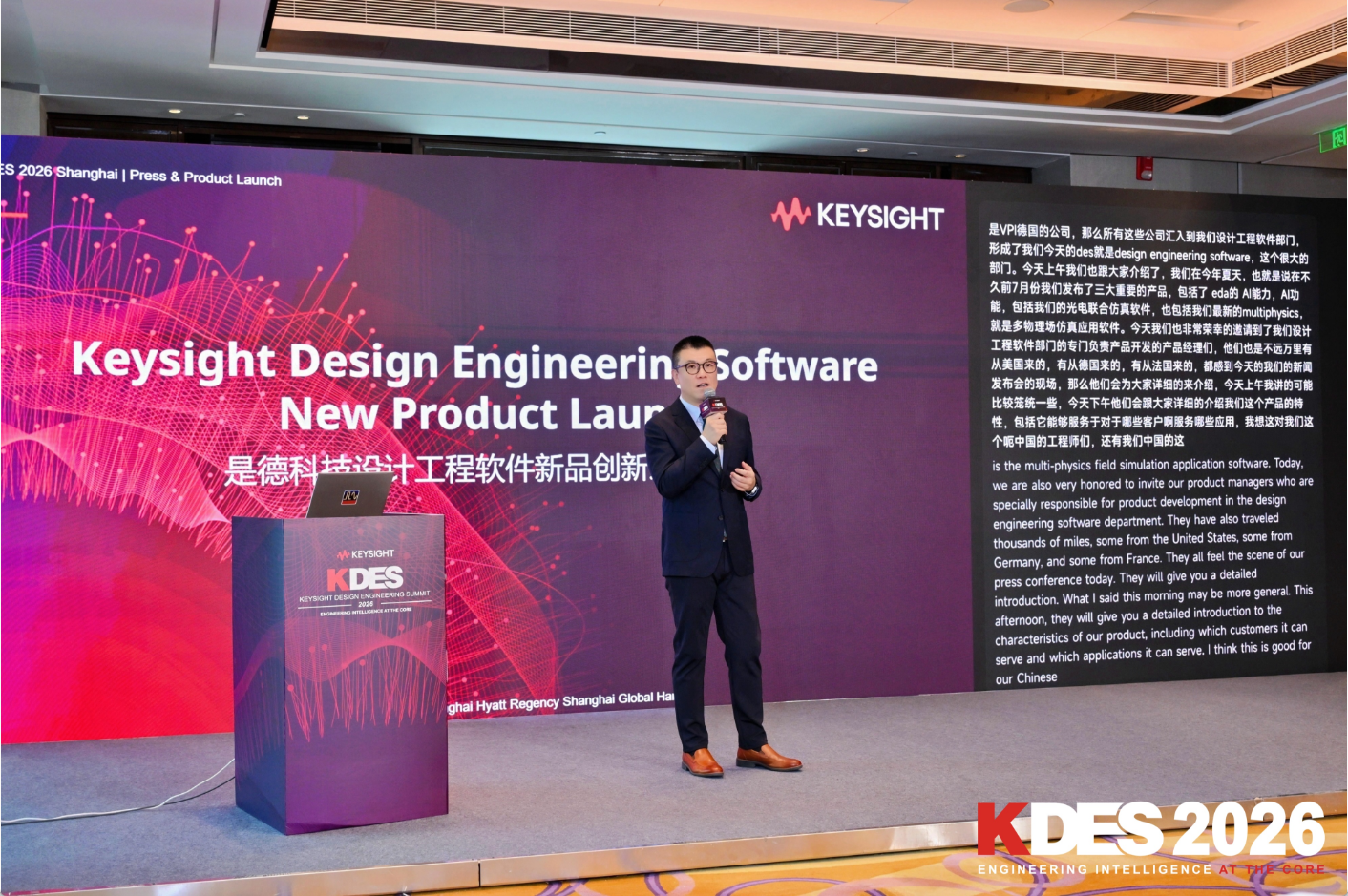
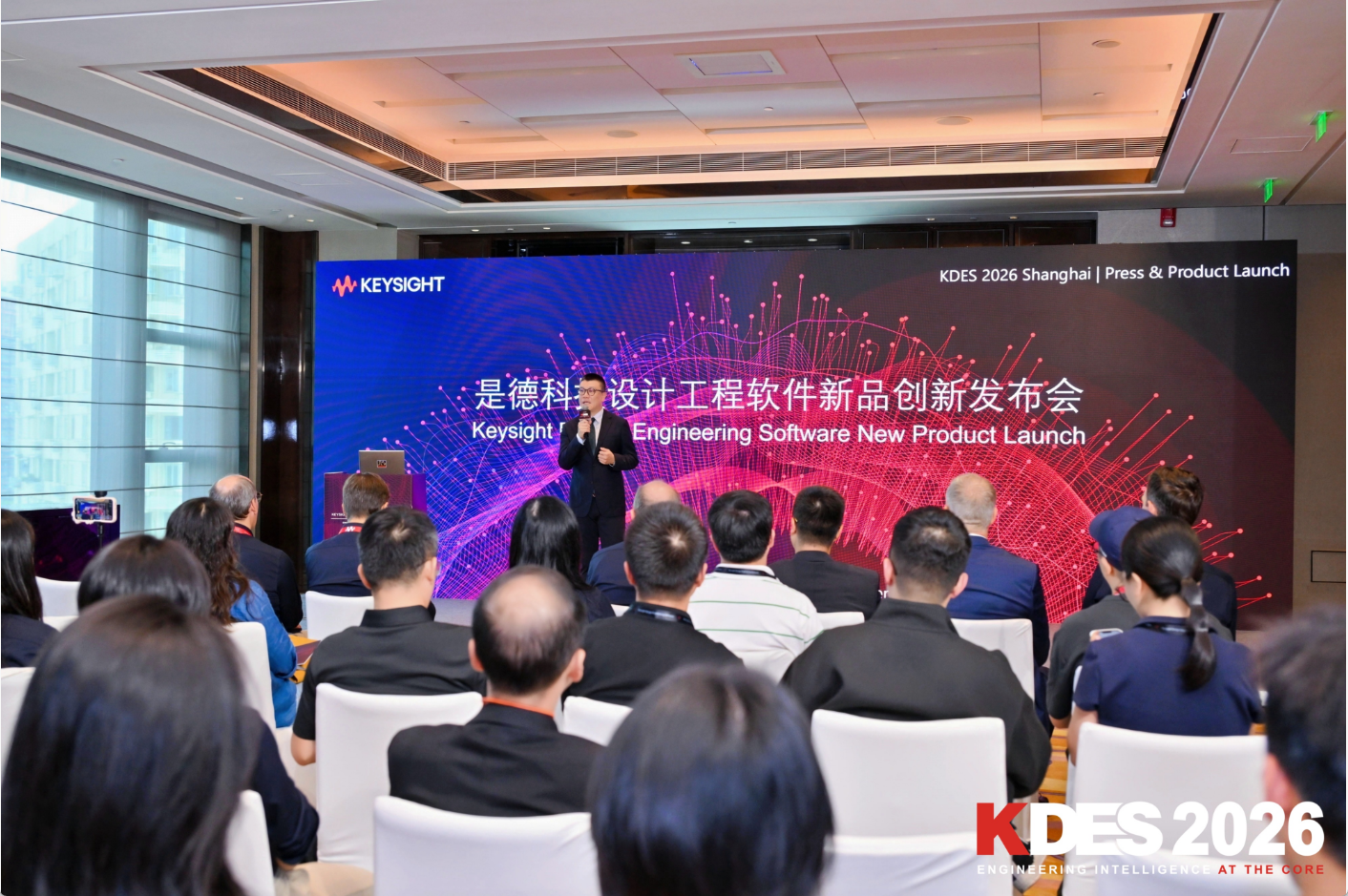
On August 18, 2026, Keysight Technologies hosted the 'Engineering Intelligence at the Core' new product launch event, sharing its technological layout (Note: ' layout ' is translated as 'strategy' in context for clarity) for next-generation engineering innovation and unveiling three innovative achievements in design engineering software. These cover key directions such as engineering intelligence, digital twins, and multi-physics collaborative simulation, aiming to assist engineering teams in addressing the escalating challenges of system complexity.
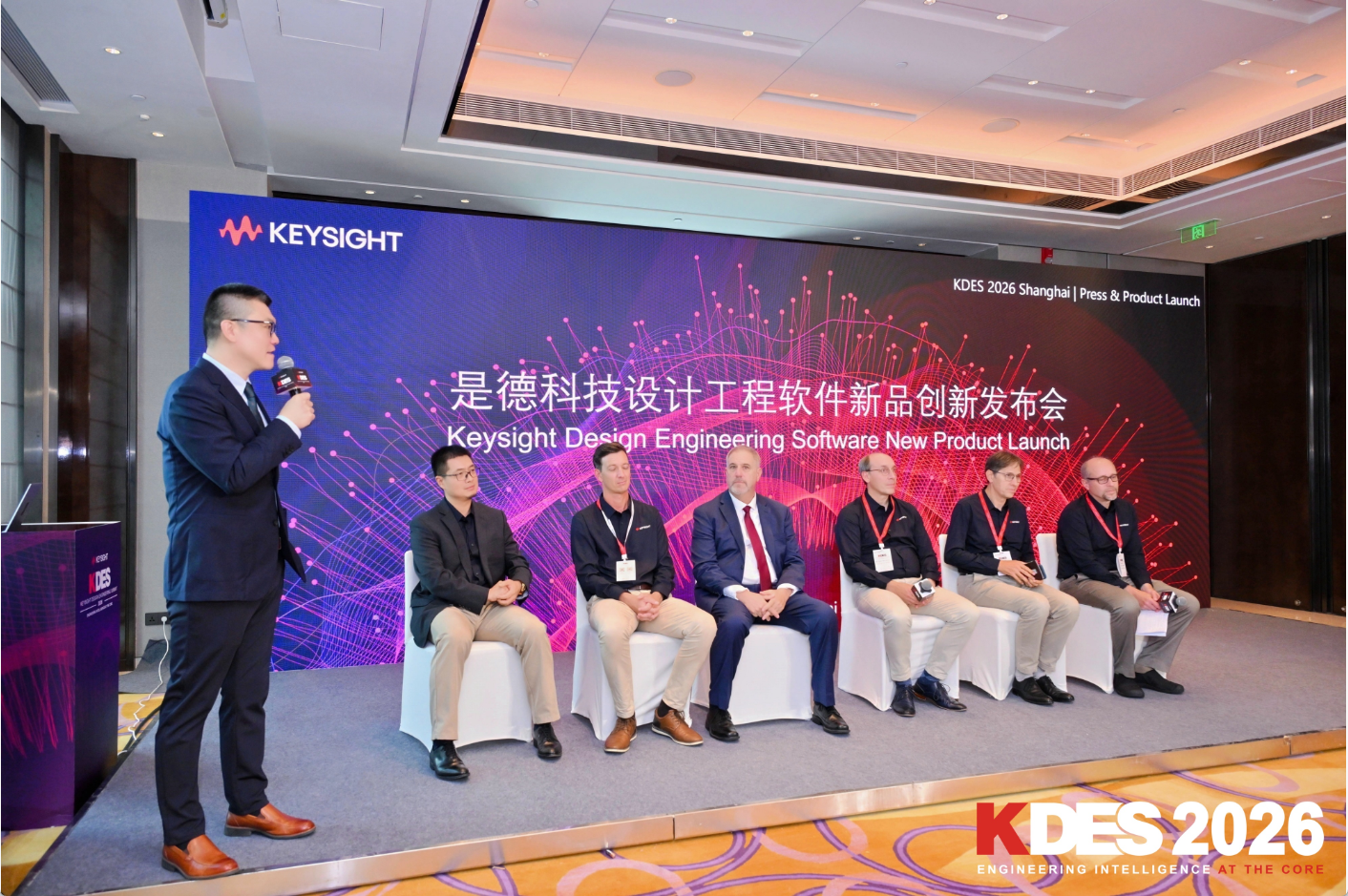
AI for EDA: From Faster Design to Trusted Engineering Intelligence
In the field of EDA, Keysight Technologies has released AI innovation capabilities tailored for next-generation engineering workflows.
This solution focuses not merely on enhancing simulation speed but on aiding engineers in making higher-quality design decisions. By integrating AI with simulation models, engineering data, and measurement validation, engineering teams can more efficiently explore design spaces, optimize parameter settings, and shorten design iteration cycles.
Keysight Technologies believes that the future direction of EDA is not just about automating design processes but about enabling engineers to make more efficient and reliable decisions in complex system environments through trusted engineering intelligence.
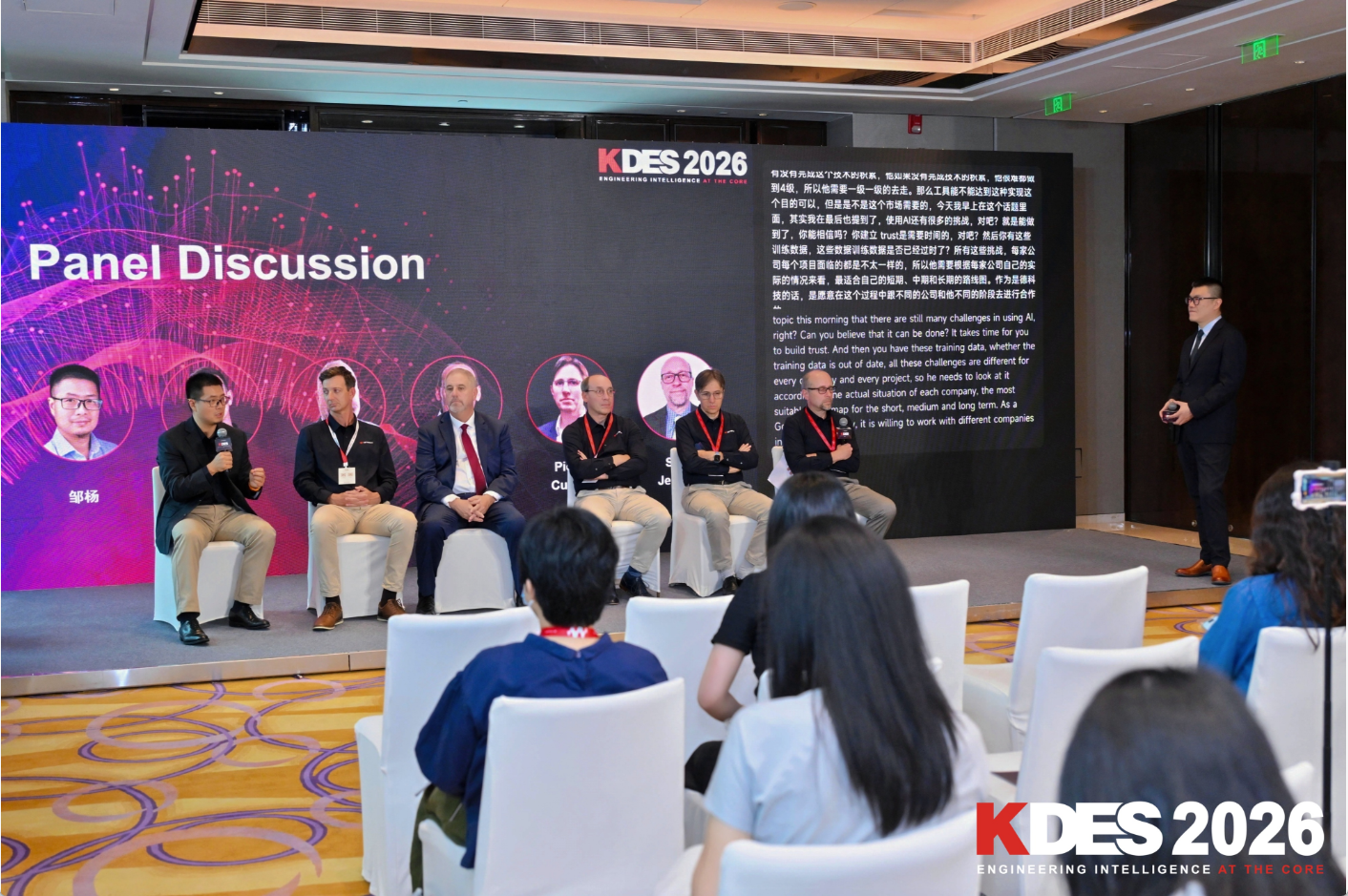
Electro-Optical Co-Simulation: Building More Predictive Digital Twins
As AI clusters and data centers continue to expand in scale, high-speed interconnects are accelerating into an 'Electrical-Optical-Electrical (E-O-E)' convergence era.
Keysight Technologies showcased at this event an end-to-end electro-optical co-simulation workflow constructed with ADS, RSoft, and VPI, achieving a unified collaborative simulation environment from system architecture exploration and link design to device validation.
Unlike traditional tool integrations, Keysight Technologies emphasizes that its core value lies not in simply connecting multiple tools but in building more predictive digital twin models.
By supporting collaboration among experts from different domains across behavioral, system, and circuit-level models, and by transferring and optimizing models across different design levels, this workflow enhances the accuracy and predictive capabilities of system-level digital twins, achieving a complete closed loop from top-level architecture exploration to bottom-level device validation.
This earlier system-level insight capability helps engineering teams identify issues before late-stage integration, reducing iteration counts, mitigating development risks, and further shortening time-to-market.
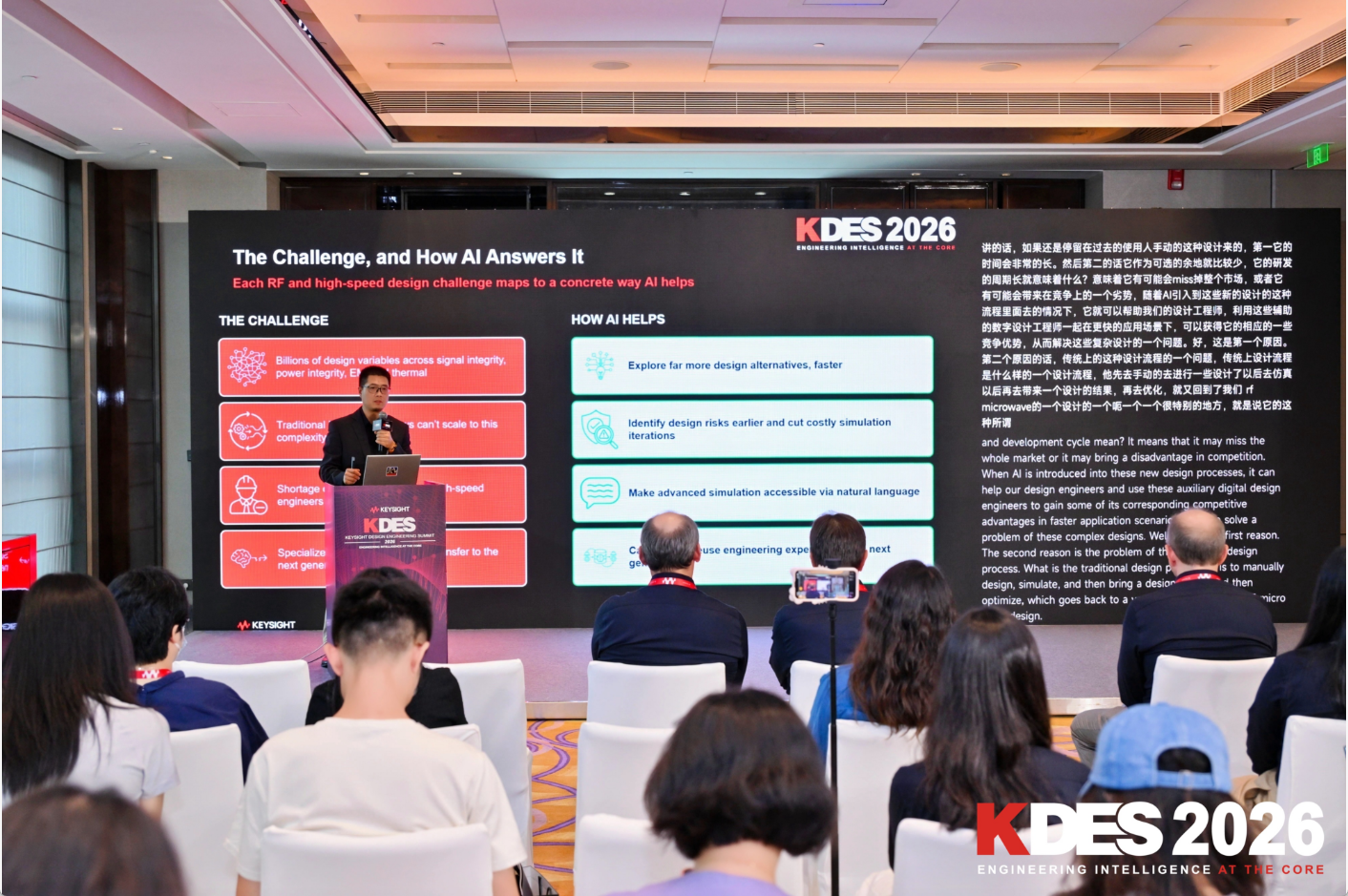
Keysight Multiphysics: Integrating Multi-Physics Simulation into Real Engineering Workflows
In the field of complex electronic system design, single-physics domain analysis is increasingly inadequate to meet demands.
Applications such as advanced packaging, data centers, automotive electronics, and high-performance computing are simultaneously involving multiple physical domains, including electromagnetics, circuits, thermal, structural, fluid, and optics.
The newly released Keysight Multiphysics further expands Keysight Technologies' strategy in the field of electronics-driven multi-physics simulation. This solution integrates multi-physics capabilities more deeply into electronic design workflows, enabling engineering teams to conduct cross-physics domain collaborative analysis and virtual validation early in product development.
Keysight Technologies states that its multi-physics capabilities are built upon long-term hardware R&D and engineering practical experience, helping customers more accurately predict system behavior in real physical environments, thereby reducing late-stage rework, improving R&D efficiency, and accelerating innovation implementation.
###
Breaking Down Tool Silos, Building a Unified Engineering Data Flow
The three innovative achievements unveiled at this event collectively revolve around 'Engineering Intelligence at the Core'.
Keysight Technologies states that with the continuous integration of capabilities from the former ESI Group, the former Synopsys Optical team, and VPIphotonics technology, the company is constructing a unified design engineering software platform covering AI-driven EDA, multi-physics CAE, and end-to-end electro-optical co-simulation. By connecting design, simulation, and validation through a unified engineering data flow, cross-disciplinary team collaboration and innovation are facilitated. Meanwhile, relevant simulation results can also form a closed-loop verification with Keysight Technologies' test and measurement capabilities, enhancing the credibility of system-level design.
In the future, Keysight Technologies will continue to innovate in directions such as engineering intelligence, digital twins, multi-physics convergence, and open engineering ecosystems, helping engineering teams more efficiently tackle next-generation complex system design challenges.
Keysight Technologies will persist in innovating in areas like engineering intelligence, digital twins, multi-physics convergence, and open engineering ecosystems to assist engineering teams in more efficiently addressing next-generation complex system design challenges.
-
Can the Elephant Turn Around? Volkswagen Takes Only Three Years to Reshape Its 'Soul'
-
![]()
DeepSeek Hikes Prices as 'Price Butcher' Liang Wenfeng 'Retreats'
-
![]()
Starting at 1799 yuan! Dimensity 7500 with 10,000mAh battery, who is the iQOO Z11S for?
-
![]()
BMW 5 Series Price Plummets to 280,000 Yuan: Early BMW Owners Lament 'Significant Losses'; BMW Dealers Offer 285,000 Yuan for Base Model, Financing Deals More Affordable Than Full Payment
-
![]()
Geely's Strategic Shift: Unpacking a Key Question and a Major Anticipation Post Li Shufu's Departure
-
![]()
Starting at 3399 Yuan! iQOO Neo11 Supreme Edition Launched: Featuring the Dimensity 9500M and Exceptional Battery Life
-
![]()
Live Streaming Reservation丨Avnet Ecosystem Technology Forum: Jointly Exploring New Frontiers in the AI Industry
-
![]()
FAW, in Its Third Year with a New Chairman, Anticipates Returns on Multi-Billion Yuan Investments