Starting at 1799 yuan! Dimensity 7500 with 10,000mAh battery, who is the iQOO Z11S for?
 08/19 2026
 431
431
Every year when the new school year begins, manufacturers love to give college students choices to make.
For example, with a budget of around 2,000 yuan, should I buy a phone with stronger performance or one with longer battery life? I've never used the Apple ecosystem before—is it worth spending extra for an iPhone? Nowadays, thin-and-light laptops and gaming laptops are almost priced the same—how do I choose?
For freshmen who just finished their college entrance exams, these questions can be tough to answer because you haven't even experienced a day of college life yet. How can you know what you'll need in university?
So all manufacturers can do is try to meet different needs with a diverse product lineup.
On the evening of August 18, iQOO held a product launch event, officially introducing two new models: the iQOO Neo11 Supreme Edition and the iQOO Z11S. The latter debuts iQOO's first 10,000mAh ultra-thin Blue Ocean battery, potentially becoming the iQOO phone with the longest battery life in history.
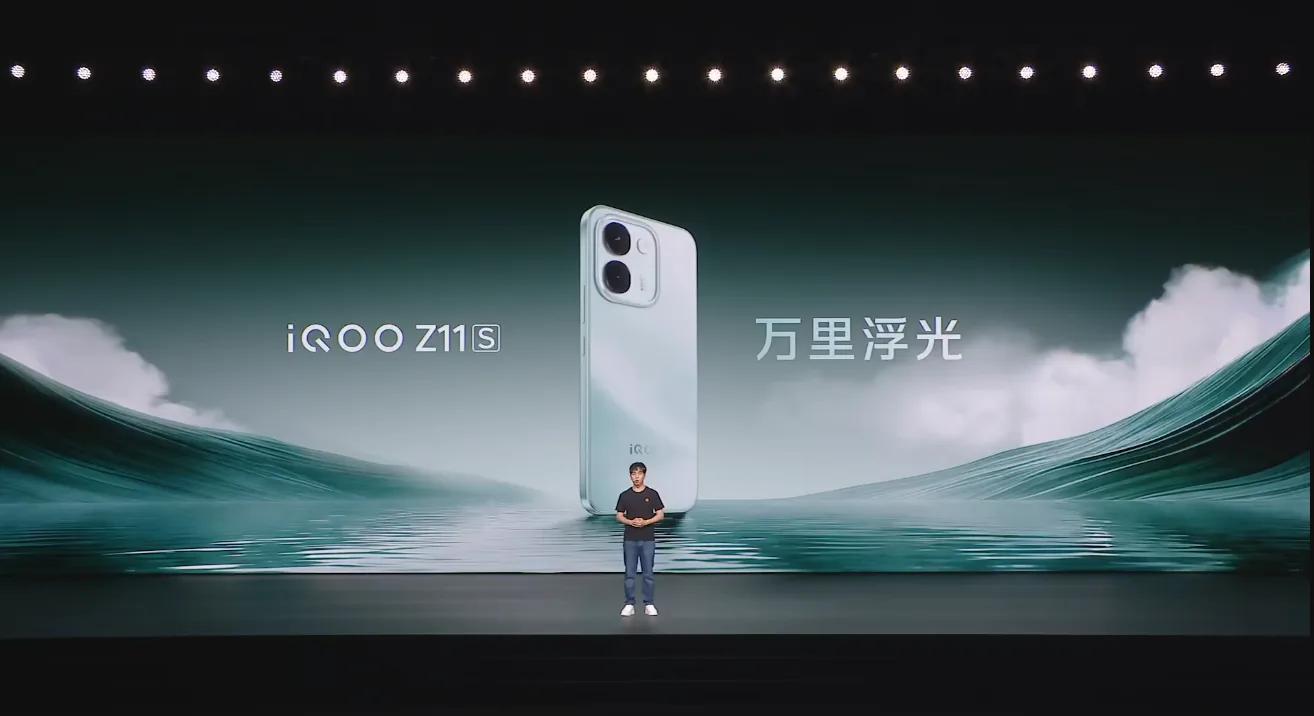
(Image source: Leikeji)
Coincidentally, we received this phone in advance. Let's take a look together—do college students really need such a large battery? Is sacrificing some performance for better battery life worth it?
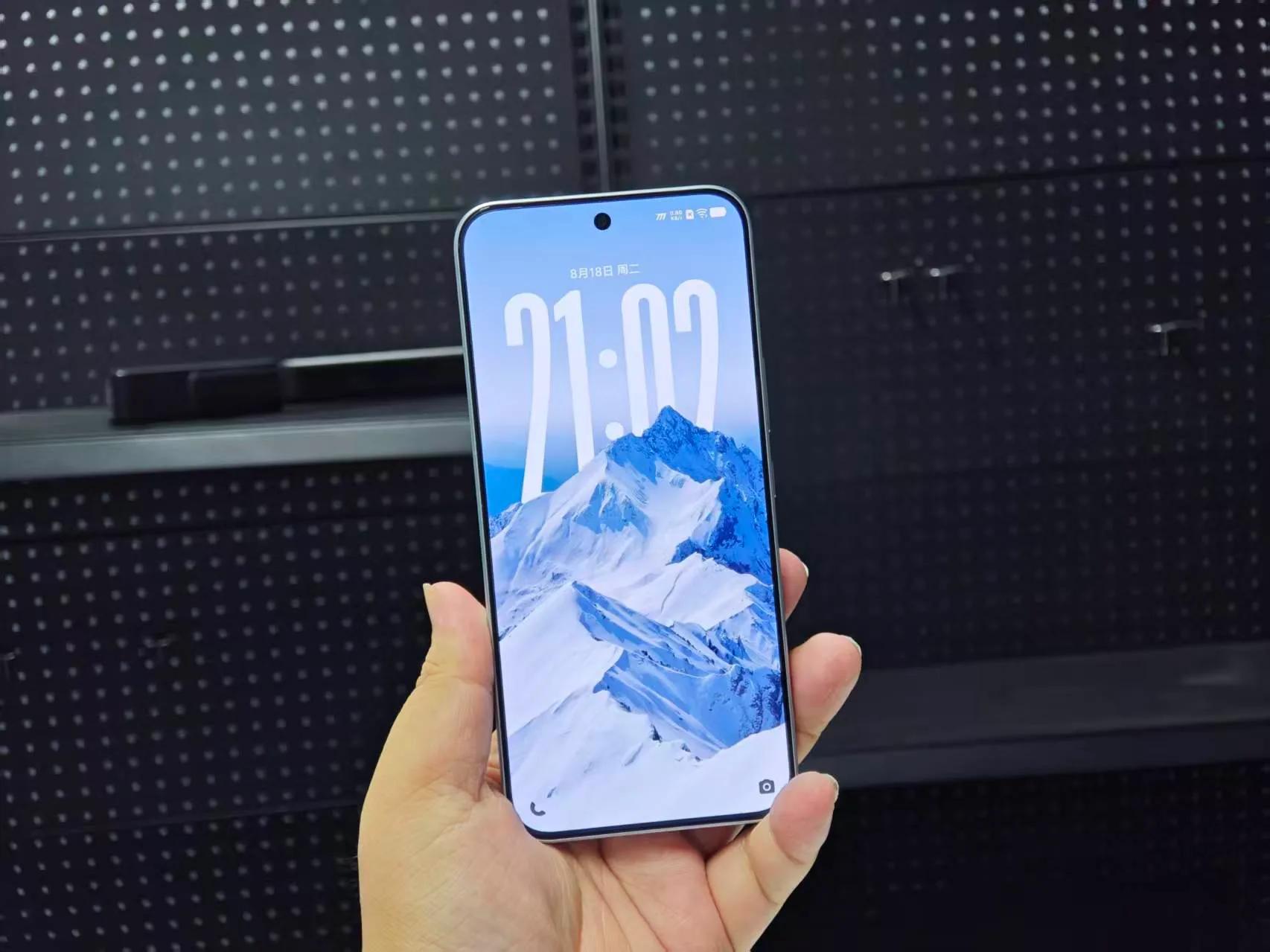
First impressions: while 10,000mAh sounds intimidating, the iQOO Z11S doesn't feel exaggeratedly bulky like a power bank when held.
Perhaps because my hands are large, or maybe because the manufacturer put thought into the design, I find the iQOO Z11S quite comfortable to hold. The right-angled frame has a certain thickness, giving a solid feel during grip, allowing me to cover most of the screen even when using it one-handed.
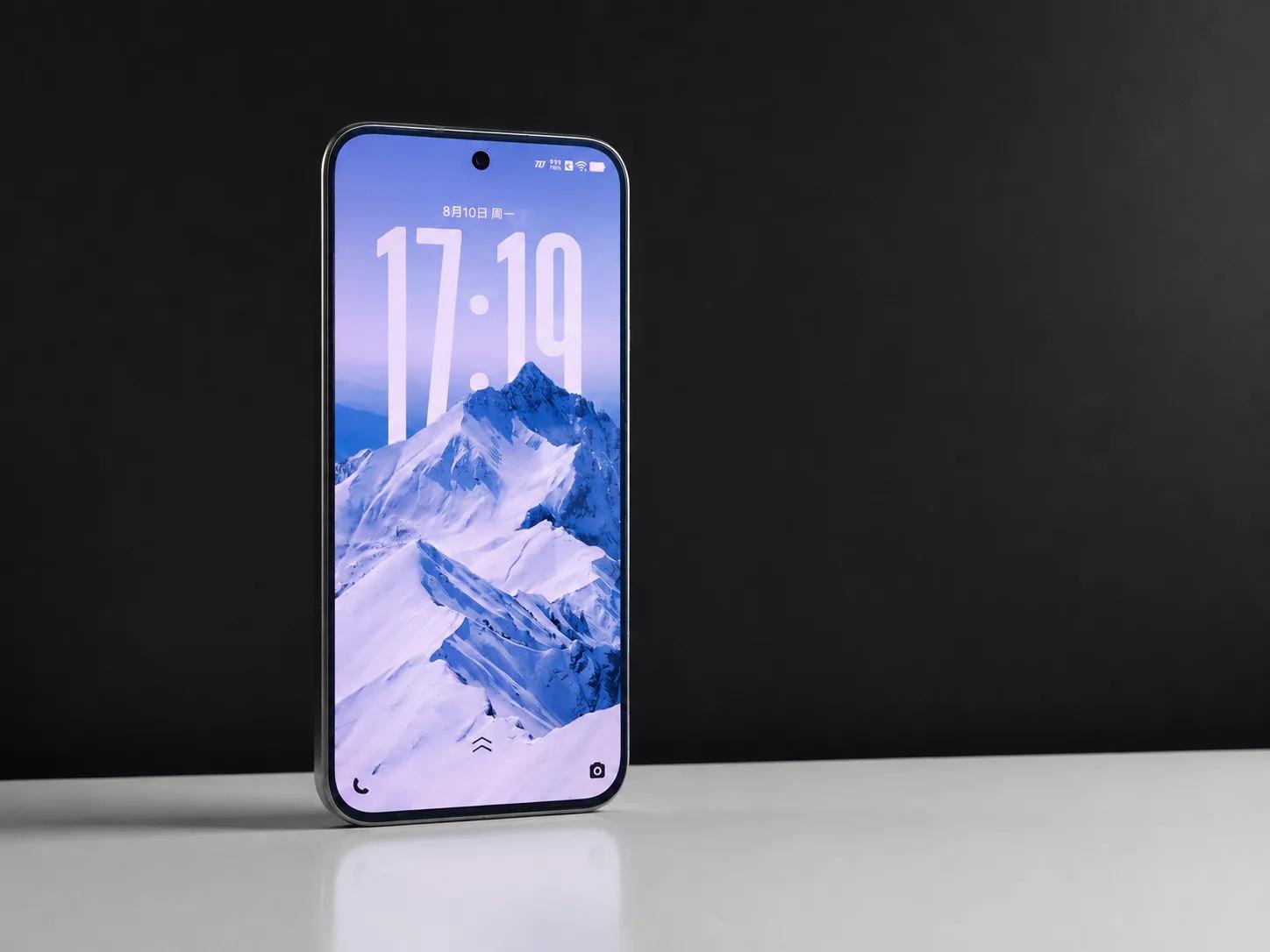
(Image source: Leikeji)
In comparison, some manufacturers that secretly changed their screen ratios this year have created phones that are nearly impossible to use one-handed.
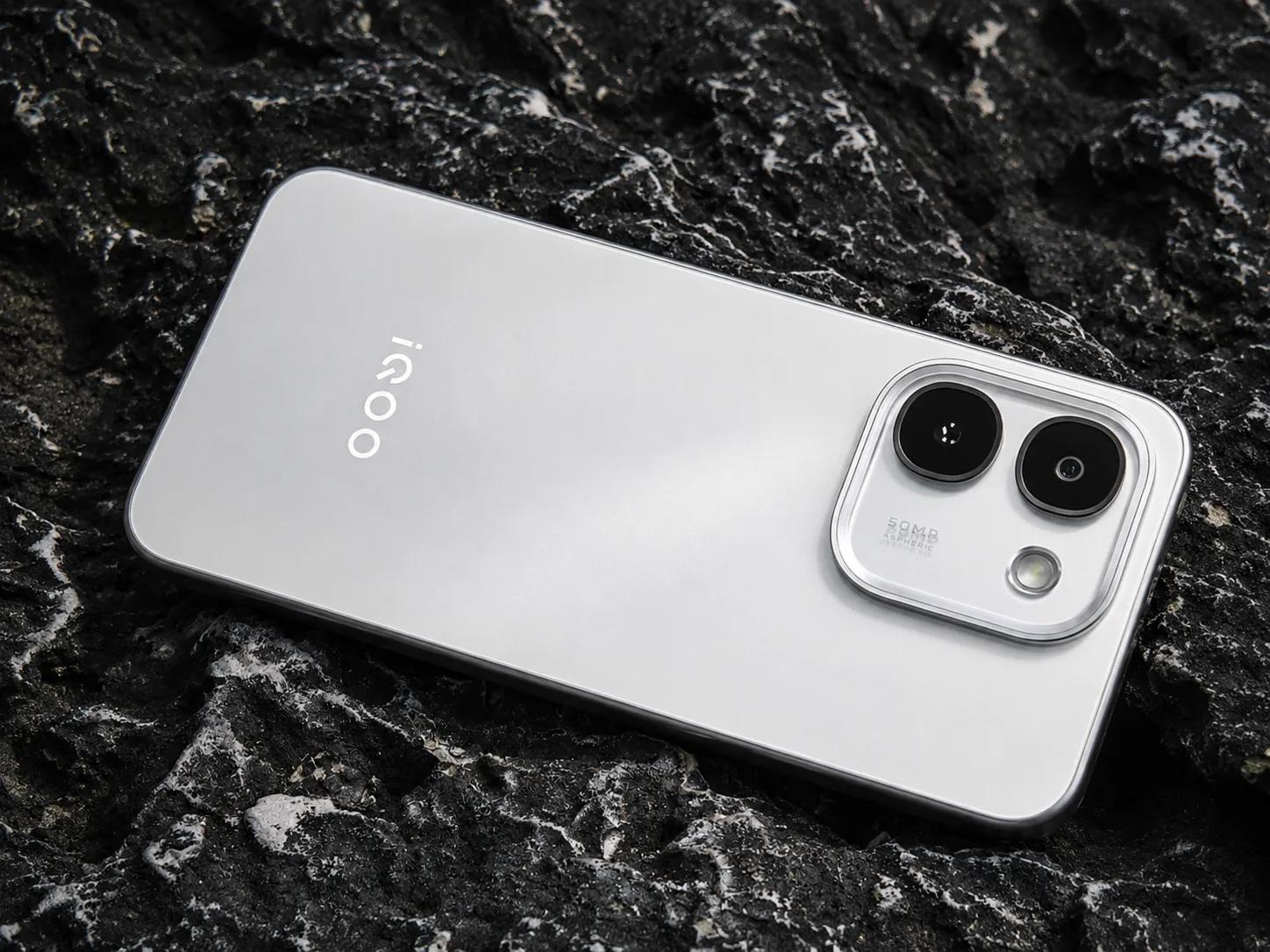
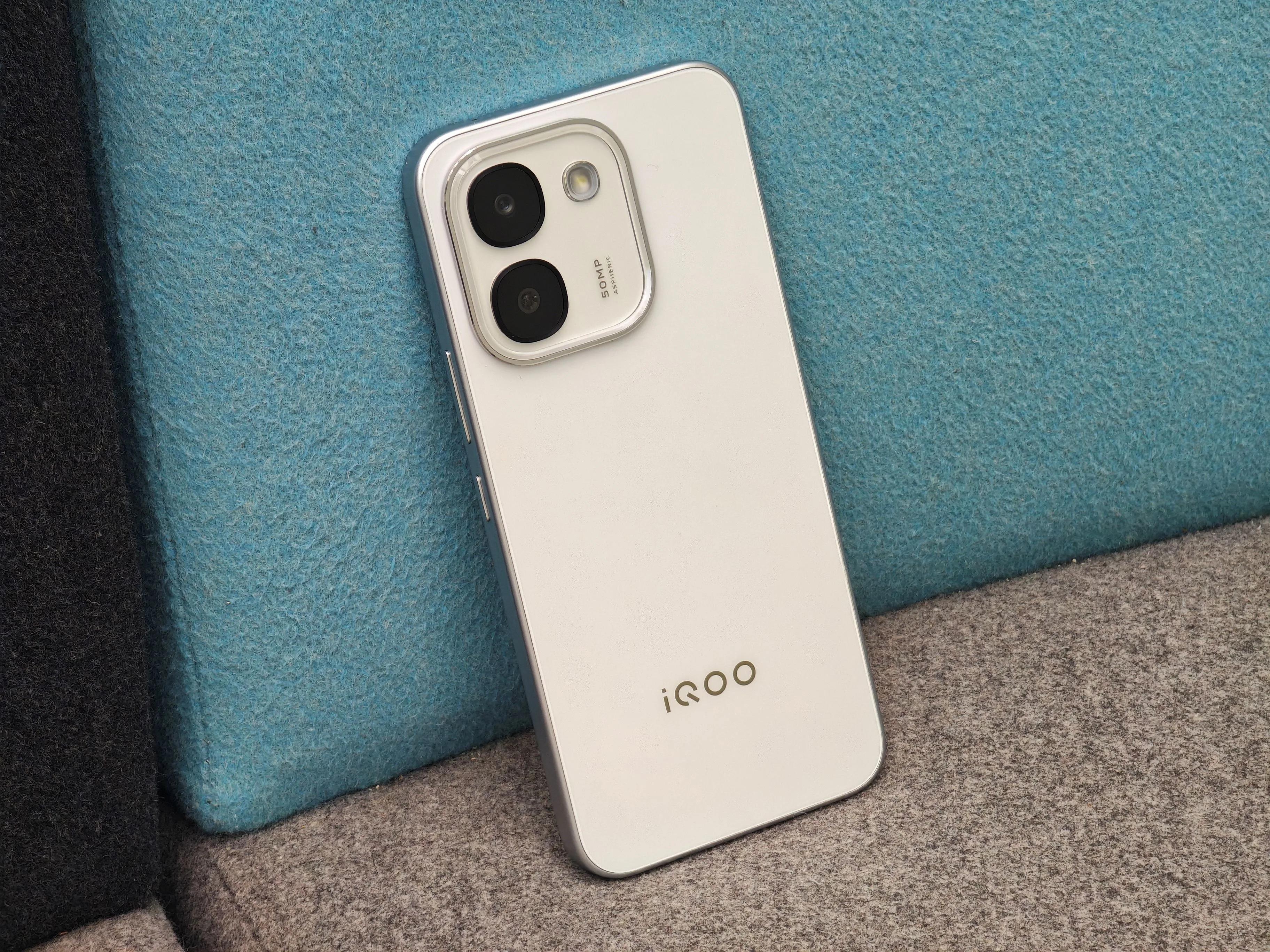
The reason isn't complicated—this phone doesn't pursue metal frames or glass backs. The extensive use of plastic material in the body significantly reduces weight.
Even so, the actual measured weight of this device is 227g, and it's 8.4mm thick. With a 6.83-inch large screen, its presence is quite noticeable, but it's still acceptable for daily use in pockets or bags.
(Image source: Leikeji)
You must know that times have changed—nowadays, male college students might not even survive a single class without their phones. Compared to saving a few dozen grams, I bet they care more about being able to use their phones freely or not needing to carry a power bank.
Of course, saying that 10,000mAh is impressive is meaningless—ultimately, it's about practical use.
I left home with a full charge in the morning, watched videos for about an hour on the way, used WeChat, browsed the web, and used social apps normally after arriving at the office, continued watching videos at noon, shared my phone's hotspot with my laptop for a while in the afternoon, took quite a few photos during this time, and played Honor of Kings for an hour in the evening. The battery still wasn't depleted before bedtime.
Honestly, after using this phone for a while, I'm worried I might forget about charging altogether.
(Image source: Leikeji)
With normal phones, I have to charge them wherever I go—I place them on a wireless charging pad at work, plug them in when I get home at noon, and usually charge them before showering in the evening, just to ensure the battery is full when I suddenly need to go out.
Hilariously, after using the Z11S for a few days, I often realize only the next morning that I didn't charge it the previous day—and the remaining battery is still enough for most of another day.
This kind of experience feels much more meaningful in a university setting than just looking at battery life test results.
There is one downside: the iQOO Z11S supports up to 44W fast charging. While most high-speed fast charging stabilizes around 40W, pairing such a large battery with this charging power feels somewhat abstract—it takes about an hour and a half to fully charge in real-world testing.
Of course, in this era of industry-wide price hikes, iQOO had to cut corners elsewhere to keep both the product positioning and the 10,000mAh battery affordable.
The most noticeable change here is the processor.
I previously tested the iQOO Z11, which used the full-spec Dimensity 8500—a near-flagship chip comparable to the Snapdragon 8 Gen3. The Z11S switches to the full-spec Dimensity 7500, with performance roughly on par with the Snapdragon 778G. There's a clear positioning difference, and there's no point avoiding this fact.
If you're used to checking AnTuTu rankings before buying a phone and always choose the highest-scoring model in your price range, the iQOO Z11S probably won't be your first choice.
(Image source: Leikeji)
But after using it for a few days, I personally don't think this issue is that serious for the average college student.
Daily apps like WeChat, QQ, Bilibili, and Taobao run smoothly without frequent lag during multitasking. Combined with a 144Hz screen and customizable high refresh rate settings, the overall high refresh rate experience is still guaranteed, so I don't feel significant performance anxiety.
Actually, mid-range phones have entered an interesting phase now—chips like the Snapdragon 6-series and 7-series, or the Dimensity 7-series and 8-series, all occupy similar positioning. While benchmark scores may differ by hundreds of thousands, the actual day-to-day experience—like opening WeChat or scanning QR codes for meals—doesn't feel as drastically different as the numbers suggest.
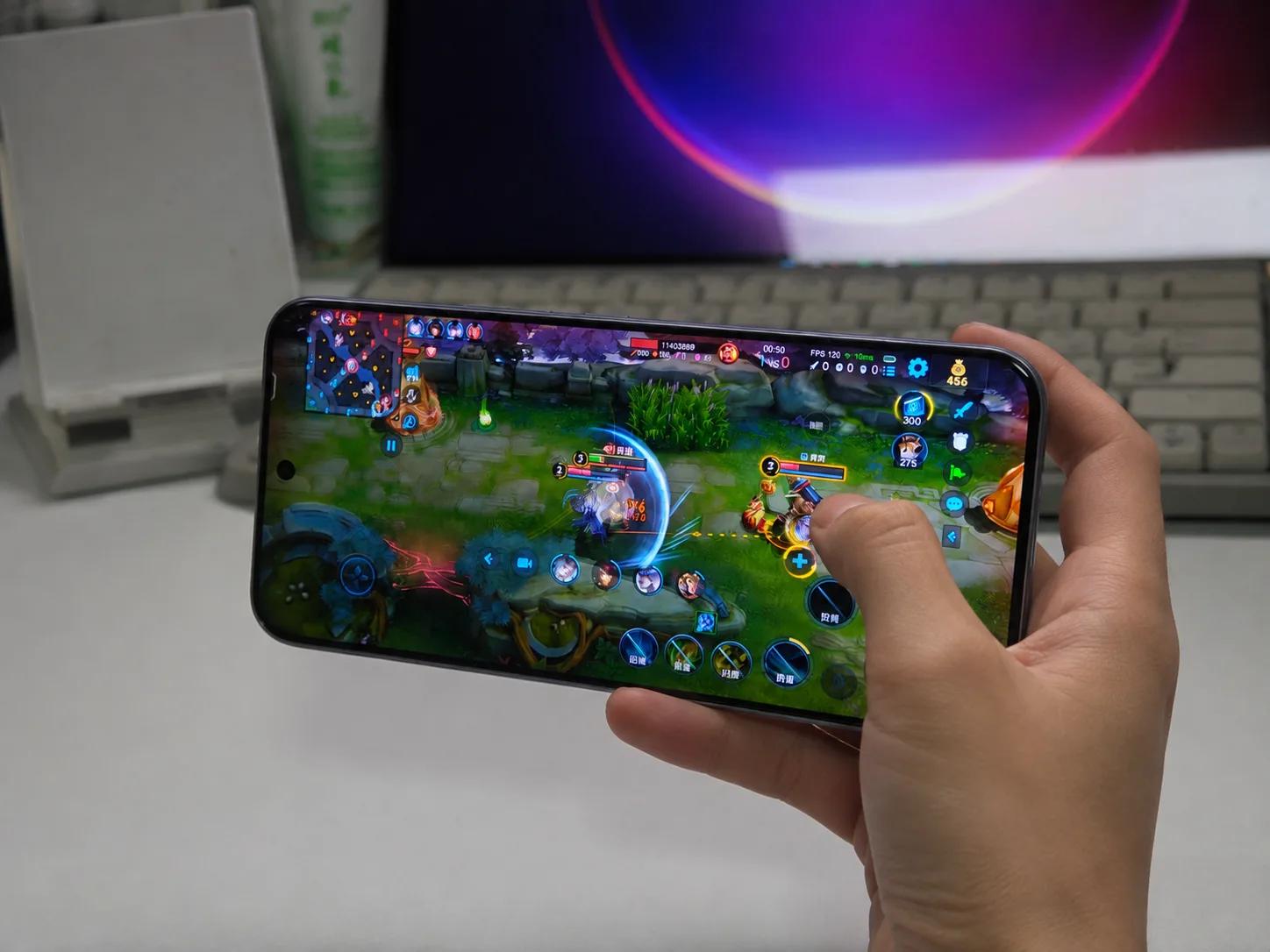
For college students, gaming performance is where the Dimensity 7500 truly needs concern.
I roughly tested it, and mainstream mobile games like Honor of Kings and Peacekeeper Elite run smoothly on the Z11S, even supporting 120Hz extreme frame rates. If these are the games you play most in college, hanging out with roommates for a few rounds at night, this phone is more than sufficient.
(Image source: Leikeji)
Oh, and games like Genshin Impact or Wuthering Waves definitely won't work well.
A quick test shows that with medium settings and 30fps, gameplay is manageable, but both visual quality and frame rate suffer greatly. You'd be better off tinkering with the PC version or simply choosing... cloud gaming!
No joke—an unexpectedly large number of my friends play Genshin Impact via cloud gaming...
As for imaging, the Z11S keeps things simple with just a single 50MP main camera and a decorative secondary lens (yes, you read that right—a decorative lens...). Even the 2MP macro camera often seen on budget phones is gone.
I don't mind this at all.
Frankly, adding more cameras to a phone at this price point won't improve imaging performance. Instead of placing useless non-autofocus lenses on the back, it's better to allocate cost and internal space to other configurations.
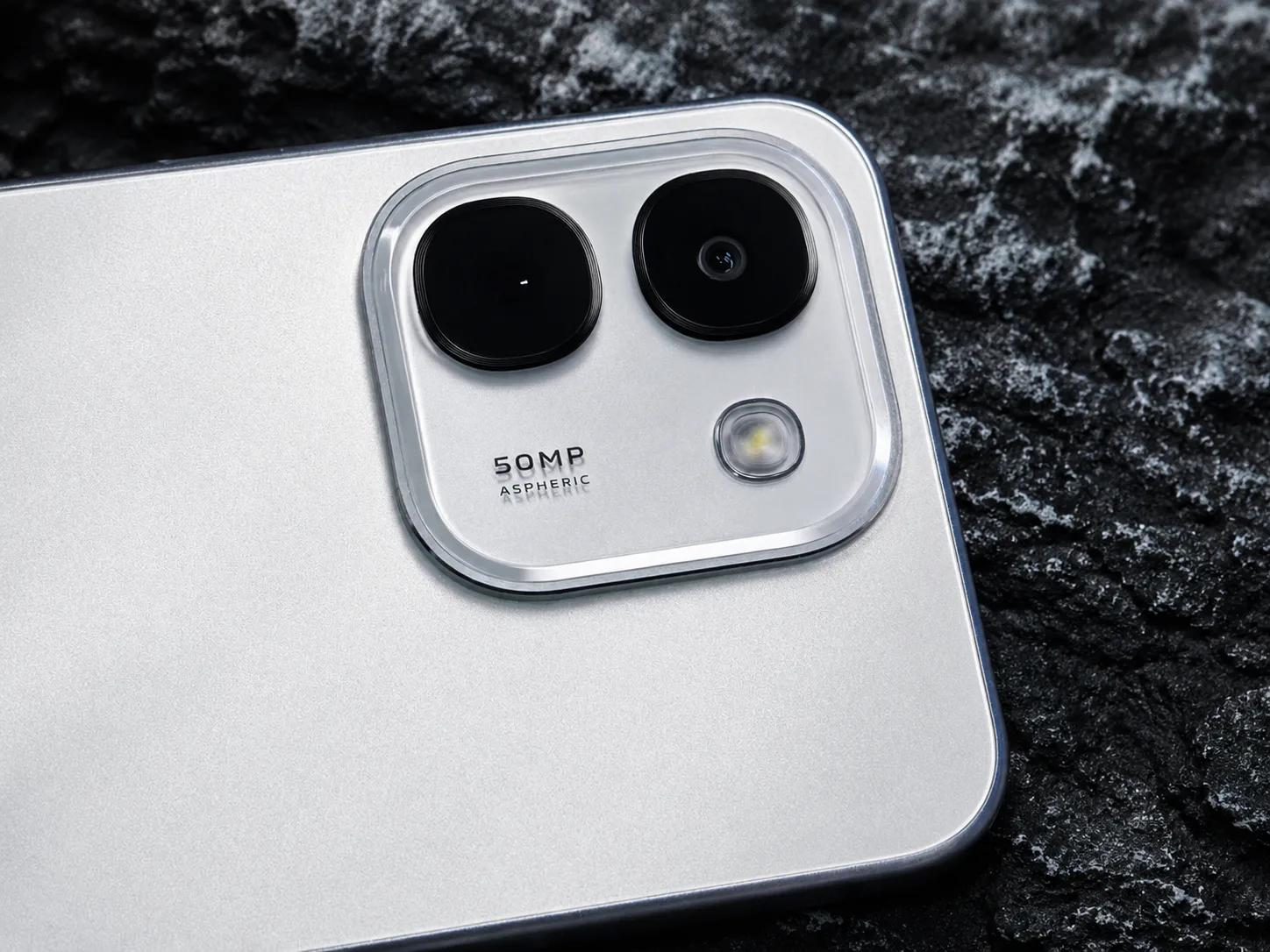
(Image source: Leikeji)
Based on previous product promotions, iQOO usually specifies when using Sony sensors, so the Z11S likely uses a Samsung JN5 sensor—1/2.76-inch, no optical stabilization, typically used as a front/secondary camera.
In bright daylight, photos have decent clarity and color accuracy, without overexposure under clear skies. Sharing on social media or recording daily life is perfectly fine.
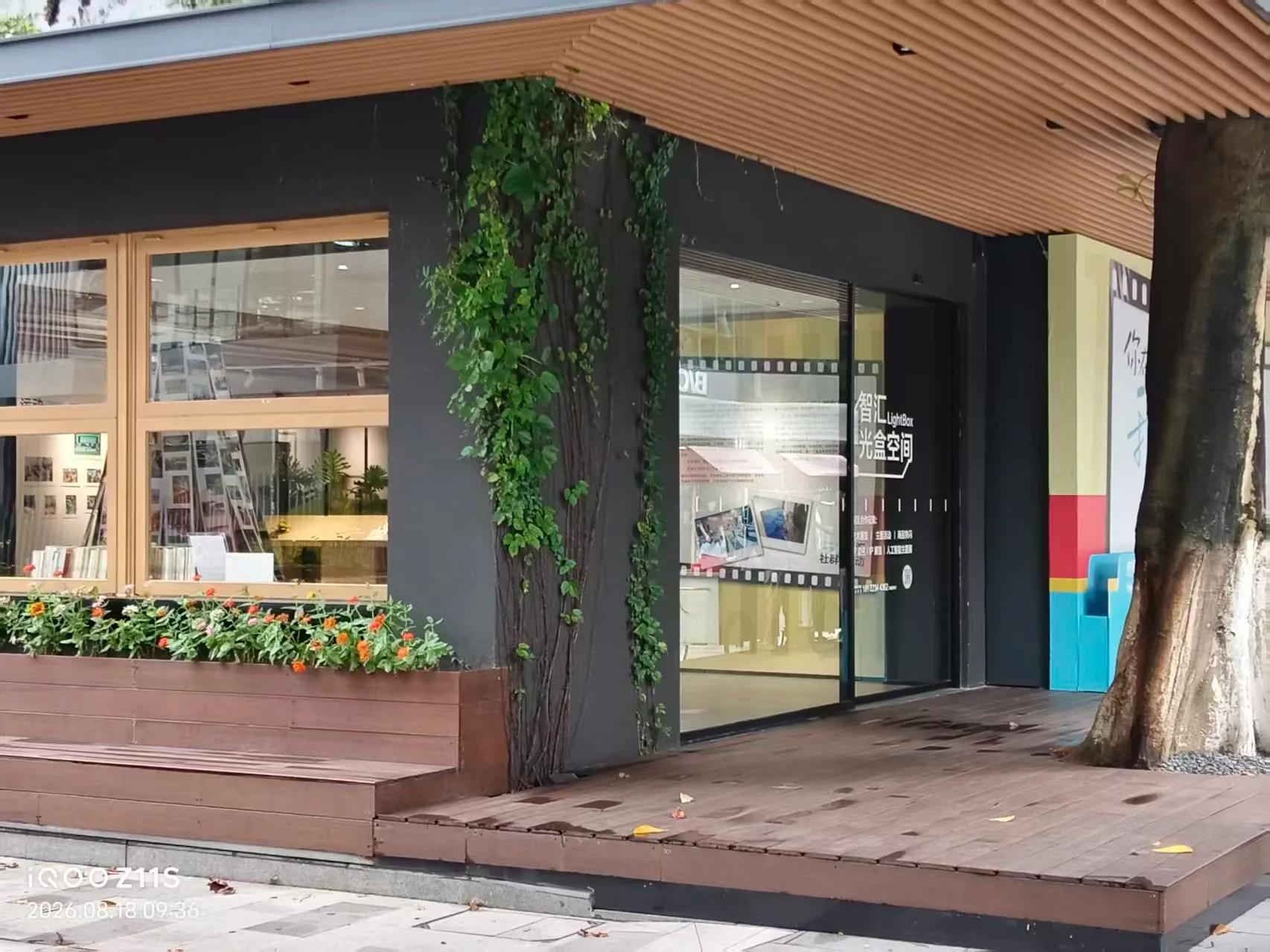

(Image source: Leikeji)
It also works well for capturing documents—still quite clear, even with automatic layout and analysis.
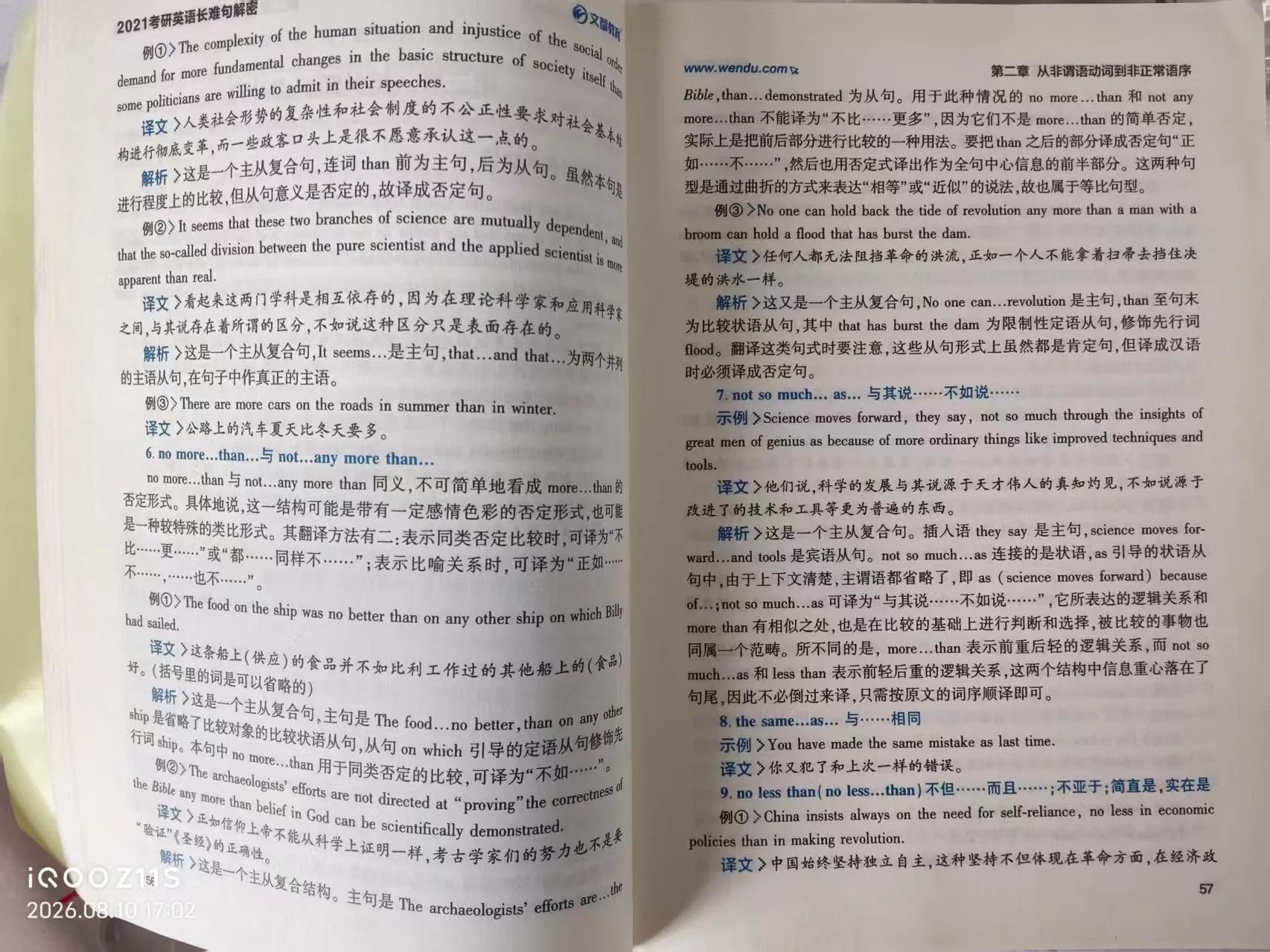
(Image source: Leikeji)
However, without telephoto capabilities, distant text or whiteboard writing becomes hard to capture clearly, especially text, which blurs into a mess with hybrid zoom.
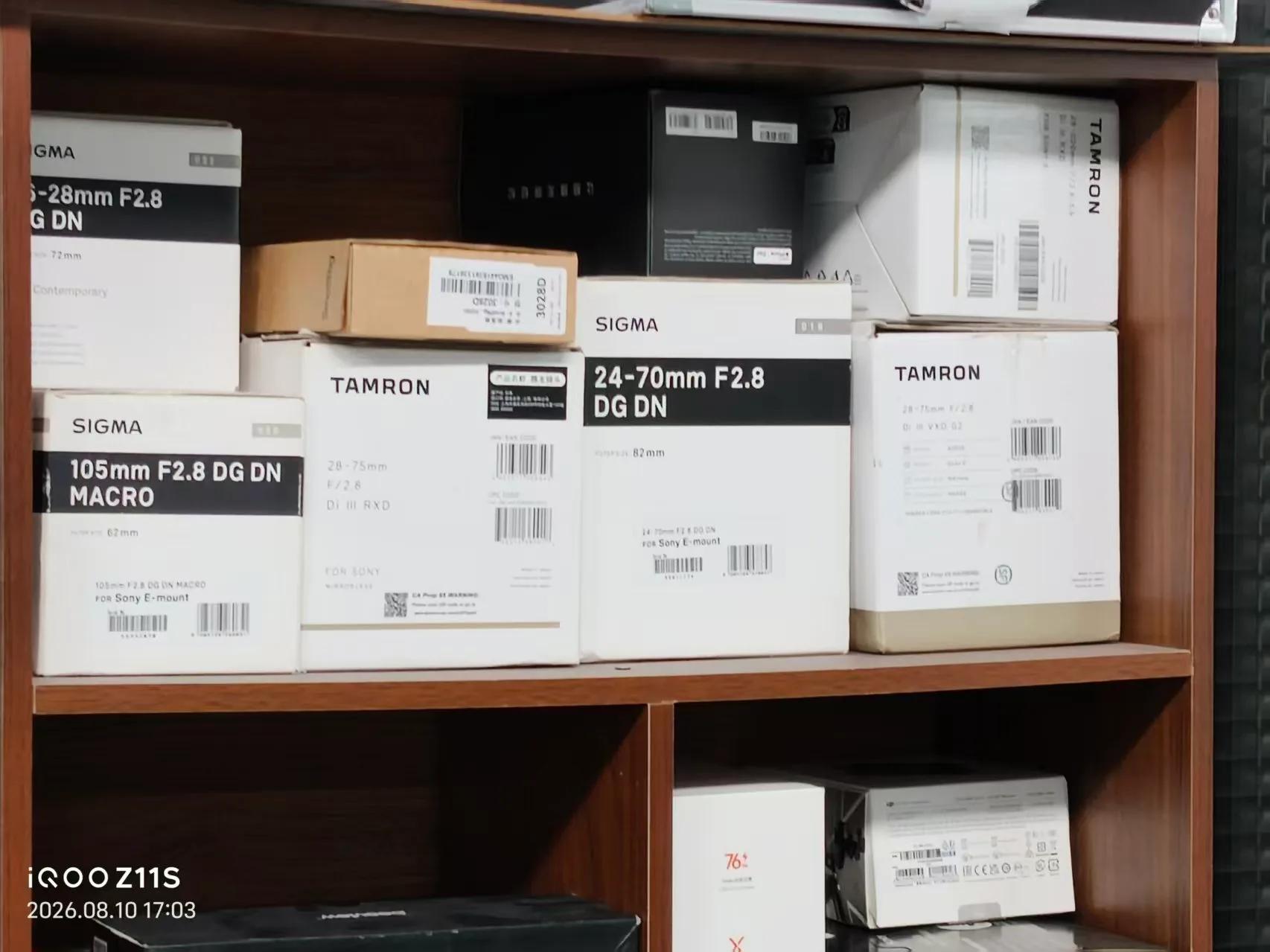
(Image source: Leikeji)
Don't expect too much from concerts, distant stages, or nighttime portraits with the Z11S.
In summary, without telephoto and with a main camera that's basically just for scanning QR codes, there are definitely better options on the market if photography is a priority.
Following Leikeji's tradition, let's summarize the pros and cons of the iQOO Z11S.
Pros:
1. Excellent battery life—basically charges once every two days.
2. 144Hz 1.5K screen with decent display quality.
Cons:
1. Dimensity 7500—a very entry-level mid-range chip.
2. Only a single camera, meeting only basic needs.
Pricing: The iQOO Z11S starts at 1799 yuan for 8GB+128GB, 1999 yuan for 8GB+256GB, 2299 yuan for 12GB+256GB, and 2699 yuan for 12GB+512GB. National subsidies are available, and it's officially on sale starting today.
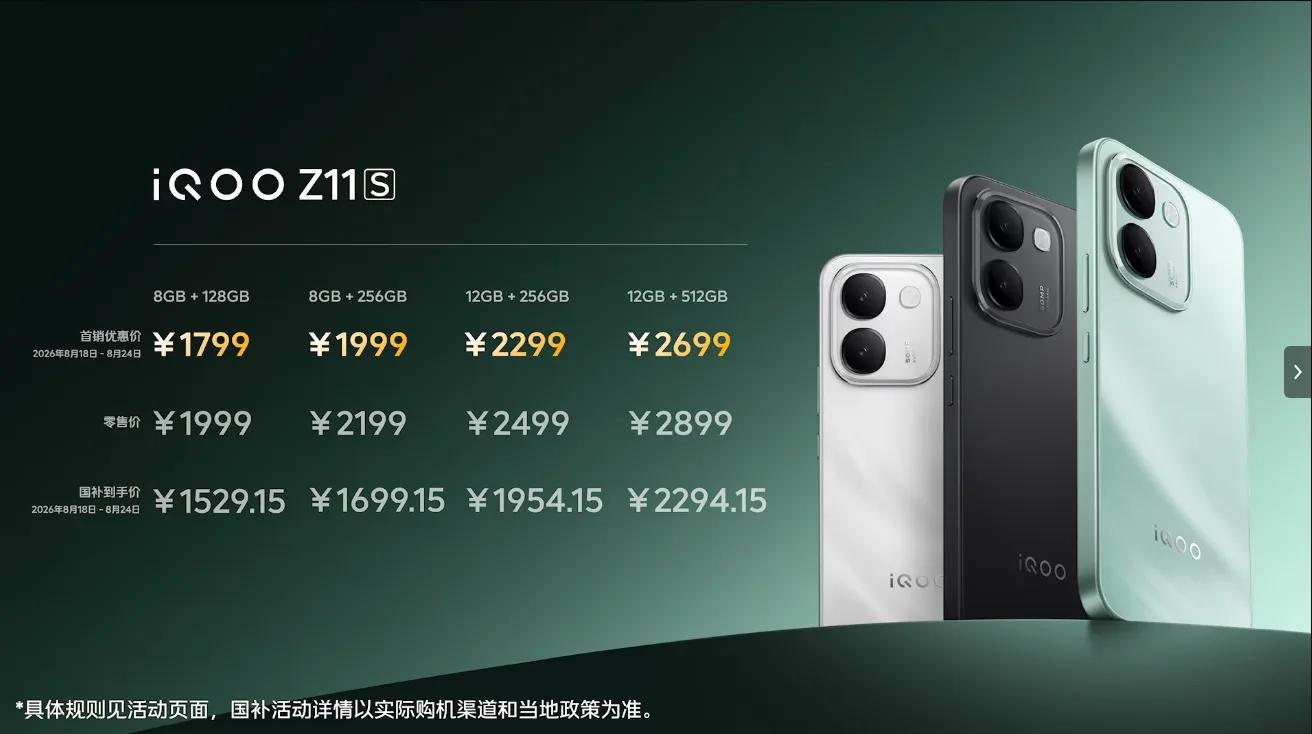
(Image source: Leikeji)
After using it for these few days, I consider the iQOO Z11S a mid-range phone without extremely distinct characteristics.
Compared to the performance-focused iQOO Z11, the Z11S switches to the Dimensity 7500 processor and retains only a single 50MP main camera, but gains an exaggerated 10,000mAh battery.
While cost considerations play a role here, the Dimensity 7500 can handle chatting, video watching, and mainstream mobile games. Its low power consumption further enhances the longevity of the 10,000mAh battery. The plastic body isn't premium, but it prevents this extra large (extra-large) battery phone from becoming excessively heavy.
As for imaging—QR code scanning is sufficient.
If you're a newly enrolled college student on a budget who mainly chats, watches videos, and plays games like Honor of Kings, and wants a phone that lasts from early morning classes until returning to the dormitory at night—or even two days without charging—the sense of security this product provides is worth considering.",
-
![]()
BYD Addresses Acquisition Rumors of SAIC Motor, Netizens Propose Acquiring Xiaomi Auto Instead
-
![]()
岚图 Chairman: A Car with 'Two Degrees More' Than Maybach, Netizens: 'Implications' for Xiaomi?"],"abstract":["VOYAH Zhiguang S, New Energy, Extreme Stunts, Huawei ADS 5.0, Cost-Effectiveness
-
![]()
Yu Chengdong’s AITO M9 Dominates Sales Charts, Netizens Weigh In: ‘Pricing Too Low for Luxury Buyers’
-
![]()
Final Verdict: Li Shufu Maintains Control; Stays at the Helm of Geely
-
![]()
Xiaomi’s Auto Sector Revenue Hits 23.9 Billion Yuan! Q2 Financial Results Unveiled
-
![]()
Exclusive! Dongfeng Peugeot Citroen Automobile (DPCA) Embarks on a Fresh Start: A New Joint Venture Entity Emerges, with the Original DPCA Focusing Exclusively on Manufacturing
-
![]()
63-Year-Old Li Shufu Paves the Way for Leadership Transition: Geely Shifts from Family Control, What Will Great Wall and BYD Do?
-
Can the Elephant Turn Around? Volkswagen Takes Only Three Years to Reshape Its 'Soul'