Spring in the Rack: UCloud Rides High, Yet Fundamentals Impose Limits
 08/25 2026
 536
536
This article is the 1071st original work by DeepDive Atom.
"
Performance Rebounds Amidst Computing Power Boom, But Growth Faces Bottlenecks
Meng Fanle | Author
DeepDive Atom Studio | Editor
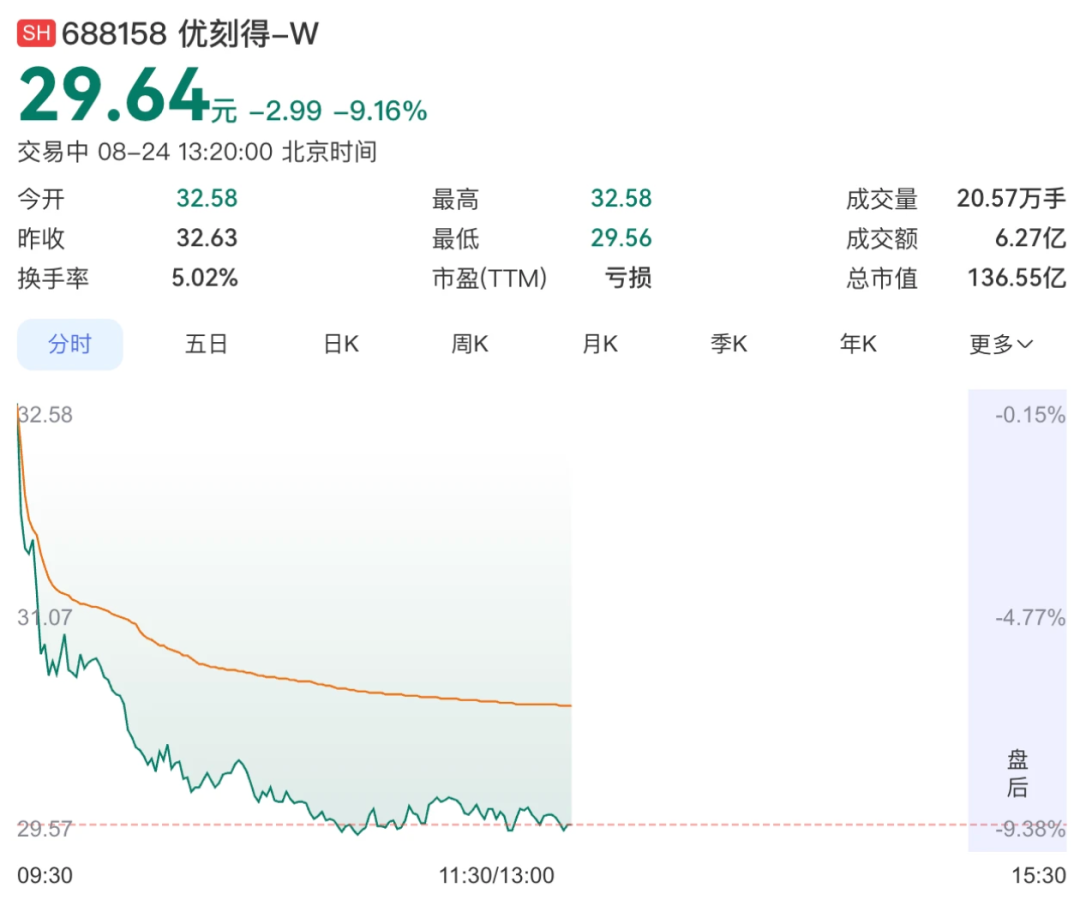
On the evening of August 21, 2026, UCloud released its most impressive semi-annual report since going public in 2020. However, when the market opened on August 24, the stock price fell instead of rising, at one point dropping by more than 9% intraday. On one hand, headlines hailed the "first cloud computing stock" to turn a profit in a semi-annual report; on the other, market enthusiasm cooled.
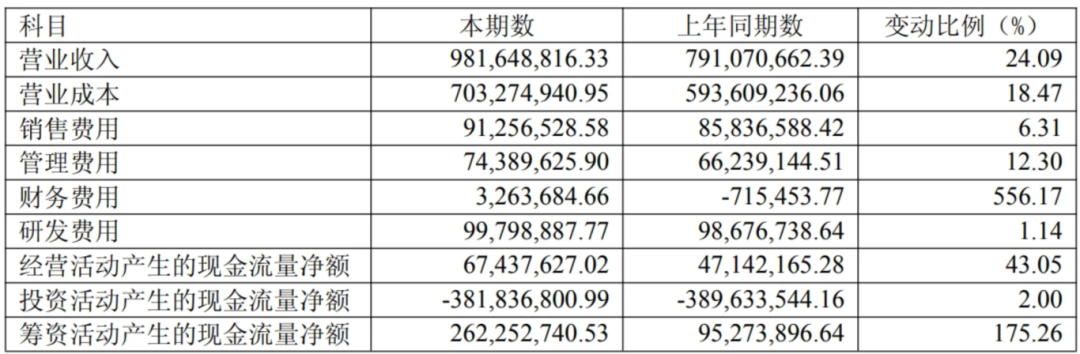
UCloud's financial results are indeed striking: revenue reached RMB 982 million, up 24.09% year-on-year; net profit attributable to shareholders was RMB 8.0772 million, marking the first positive semi-annual result since listing; the comprehensive gross margin hit a record high of 28.36%; net cash from operating activities was RMB 67.4376 million, up 43.05% year-on-year.
Amidst the AI computing power wave, the market had anticipated a clear turnaround, but the stock's subdued reaction prompts three critical questions: Where does the growth come from? What is the cost? And can it be sustained?
The Source of Recovery: A Phased Rebound Driven by AI Computing Power Dividends
From DeepDive Atom's perspective, UCloud's profit recovery this time is not due to an explosion in new markets but rather an increase in the utilization rate of existing capacity. UCloud's two self-built smart computing centers in Ulanqab, Inner Mongolia, and Qingpu, Shanghai, have gradually come online. According to media reports, Chairman Ji Xinhua stated that the operational buildings in Ulanqab are in a "highly loaded state," with demand outstripping supply.
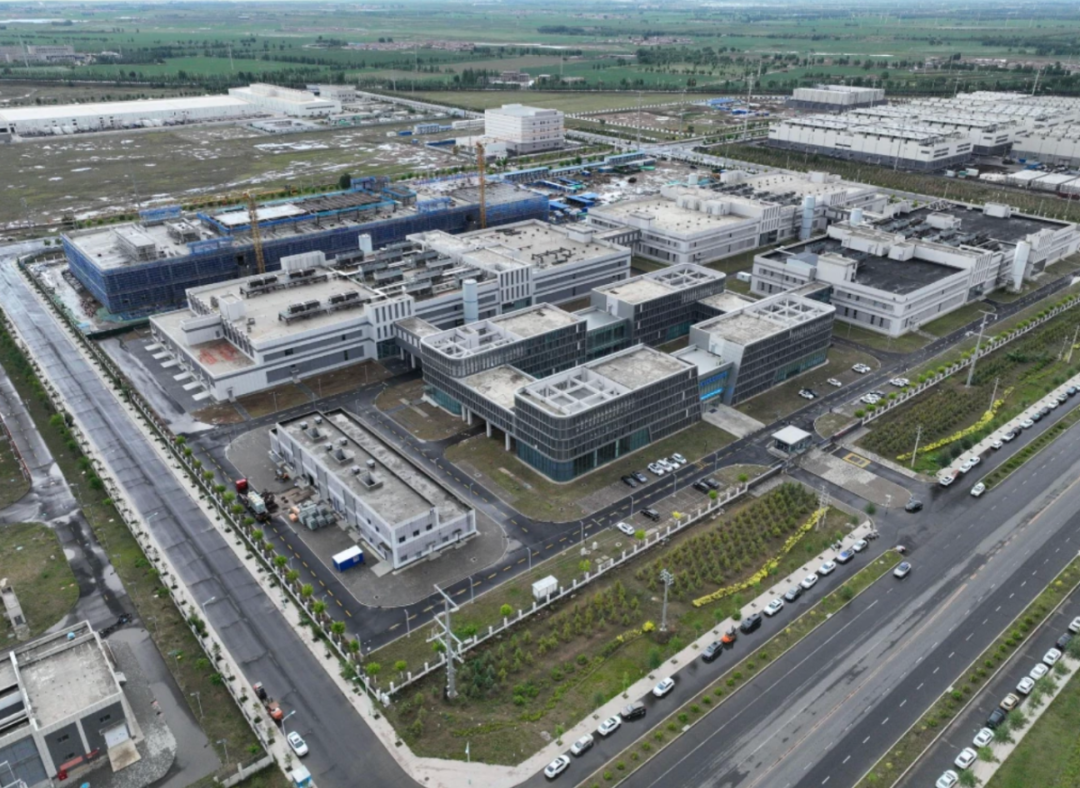
In the first half of 2026, UCloud's IDC and AIDC segments generated RMB 284 million in revenue. However, this growth is essentially a repair of utilization rates for existing assets: sunk costs such as racks, electricity, and networks were already present in depreciation tables; the demand surge simply shifted them from idle to fully loaded. This is a classic example of prosperity-driven gains rather than the realization of new growth capabilities.
The profit elasticity of capital-intensive businesses is largely determined by depreciation schedules. In 2025, UCloud extended the depreciation period for GPU servers from four to five years. As such, one must scrutinize the quality of the profit turnaround. In the first half of 2026, UCloud's non-recurring gains and losses totaled RMB 24.9344 million, including RMB 7.3198 million from asset disposals, RMB 8.486 million from reversals of receivable impairments, and RMB 4.9887 million in government subsidies. Net profit excluding these items remained negative at RMB -16.8571 million, with the core business still below the breakeven line.
UCloud's financial expenses were RMB 3.2637 million, up 556.17% year-on-year, but still manageable. However, most interest during the construction phase has been capitalized. Once assets are transferred to fixed assets, the combination of interest expense and new depreciation will put significant pressure on the income statement over the next two years.
Amidst the AI computing power boom, UCloud's cloud computing business generated RMB 584 million in revenue, accounting for 59.47% of the total, remaining the foundational revenue stream. As a third-party neutral cloud provider not tied to any internet giant, UCloud has unique appeal to customers such as overseas enterprises, state-owned clouds, and foreign operators who "prefer not to take sides." The core business did not bleed during the AI cycle, buying time for the transition.
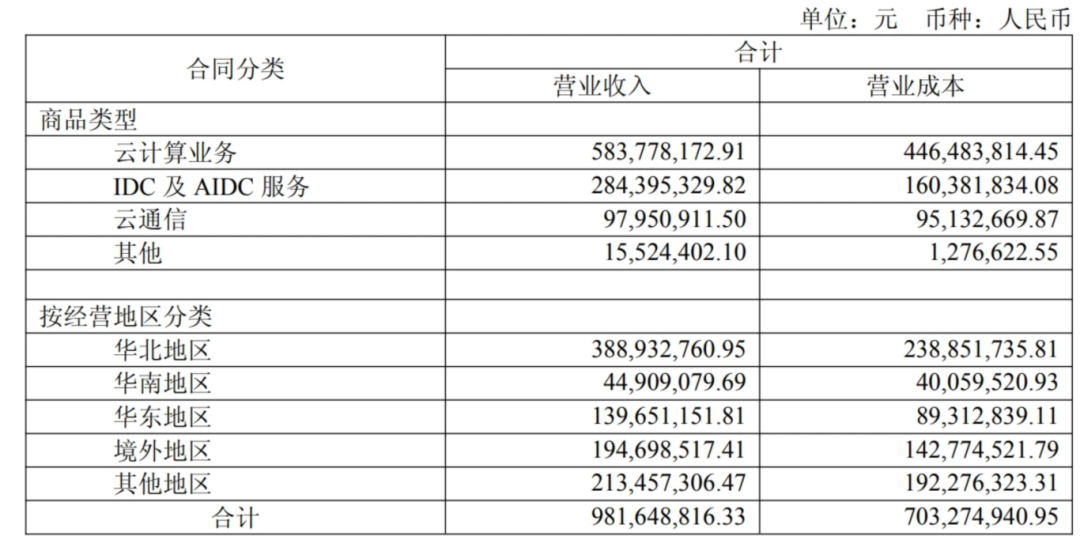
Financial reports show that as of the end of June 2026, UCloud had deployed 36 availability zones across 28 regions globally, adding new nodes in Ho Chi Minh City, Vietnam; São Paulo, Brazil; and Denver, USA, in the first half. The essence of cross-timezone deployment is utilization arbitrage: domestic computing power sits idle at night while overseas facilities operate at full capacity during the day. Using global customers to flatten load curves directly boosts gross margins. This logic, the most internally driven of the four factors, explains why UCloud's overseas revenue reached RMB 195 million, accounting for 19.8%.
The Flip Side of Prosperity: Three Hidden Concerns—Debt, Investments, and Cash Flow
Undoubtedly, UCloud's 2026 performance shows clear recovery, built on the dividends of existing capacity and accounting treatments. However, leverage expansion on the liability side, cost restraint on the investment side, and cash flow generation capabilities remain areas for vigilance.
Compared to performance improvements, UCloud's liabilities in the semi-annual report also warrant attention. As of the end of June, total liabilities reached RMB 1.37 billion, up 17.42% from the start of the period. Short-term borrowings stood at RMB 99.5015 million, a substantial increase from RMB 304,400 at the beginning of the year; non-current liabilities due within one year were RMB 124 million, up 55%; and long-term borrowings were RMB 299 million, up 48.86%.
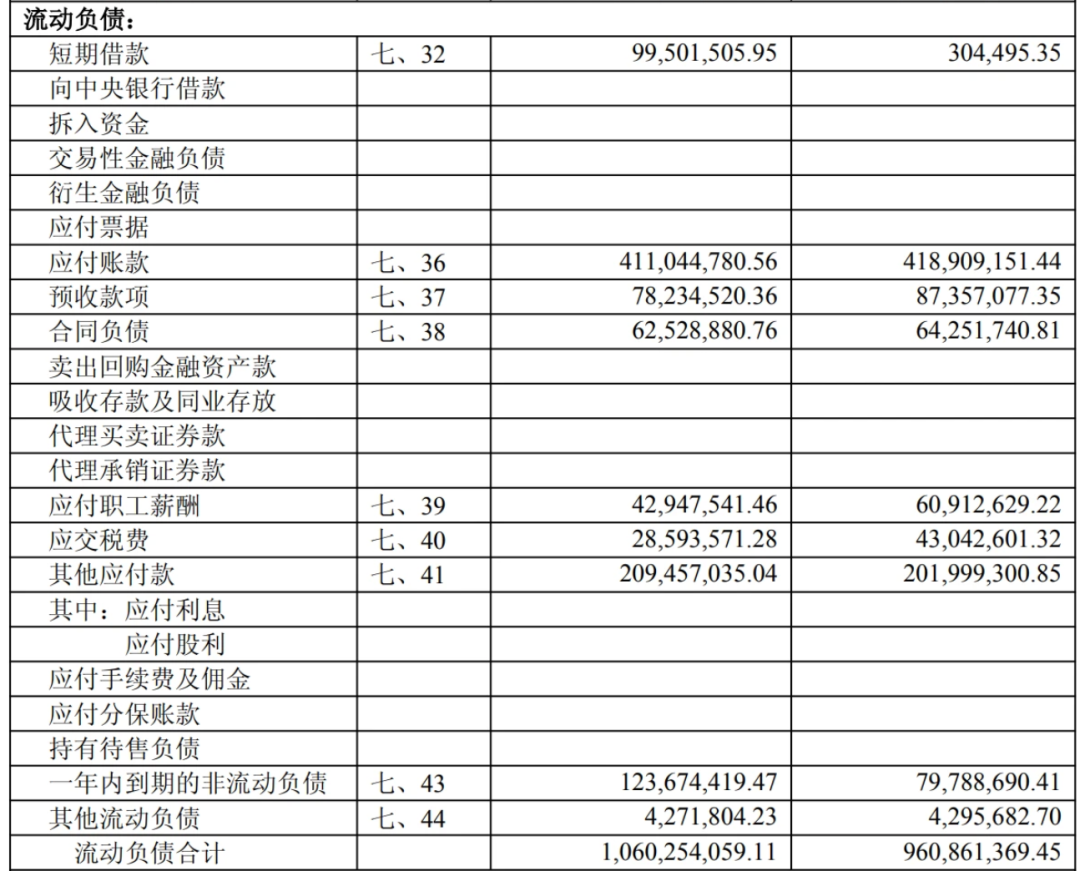
Cash paid for the acquisition of fixed assets, intangible assets, and other long-term assets reached RMB 391 million in the first half, with construction in progress up 34.25% from the end of the previous year, driven by the start of construction on Building D of the Ulanqab smart computing center. UCloud seems to have entered a typical capital-intensive cycle: borrowing to expand computing power → racks coming online → rental receipts → repaying loans. Whether this cycle can continue depends on every link holding firm.
The biggest risk exposure in UCloud's capital-intensive transformation lies in the pace of rack deployment. After Building D's main structure was successfully capped, Vice President Liu Jie stated that over half of the planned 3,000+ racks had been pre-leased by customers. The pre-leasing of over half of Building D's racks is both a footnote to current performance and the biggest variable for the future: if demand recedes and supply is released en masse, the double blow of vacant racks and depreciation interest could be devastating.
Currently, UCloud holds RMB 577 million in cash, comfortably covering its approximately RMB 224 million in short-term rigid debt, with no immediate concerns. However, cash has decreased by 7.64% from the end of the previous year, and according to responses to regulatory inquiries, the estimated funding gap over the next three years is approximately RMB 2.628 billion, far beyond what operational accumulation can cover.
If leverage expansion is the visible lever, restraint on the investment side is a more subtle hidden risk. Compared to the 24.09% revenue growth, R&D expenses increased by just 1.14% to RMB 99.7989 million, sales expenses rose 6.31% to RMB 91.26 million, and administrative expenses grew 12.3% to RMB 74.39 million. Together, these three expenses accounted for 17.21% of revenue, down about 10% year-on-year.
In the short term, this restraint makes sense: smart computing leasing is in high demand, with customers coming to UCloud, naturally saving on acquisition costs; UCloud has accumulated losses exceeding RMB 2 billion since listing, making cost control a prerequisite for survival; moreover, under the capital-intensive model, profits are thin, and every percentage point reduction in expense ratios translates to profit. However, zooming out reveals hidden risks.
The most direct risk is that the business could slide into being a "high-end sublessor." IDC and AIDC remain essentially resource leasing for racks and electricity, with barriers concentrated in capital and location rather than technology. The true high-value-added areas lie in computing power scheduling, model services, and MaaS platforms. While UCloud has self-developed products like the "Kongming" smart computing platform and AstraFlow, the 1.14% growth in R&D expenses lags far behind the needs of its revenue structure transformation. Whether productization can outpace "leasing-ization" will determine whether UCloud is priced as a cloud provider or a real estate developer.
A more subtle risk is that the boom period masks acquisition shortcomings: once supply exceeds demand and the industry returns to a buyer's market, acquisition capabilities and solution offerings will be critical. Addressing these gaps later will come at a higher cost. The most fundamental risk is that the R&D gap with leading players has become an order of magnitude. Leading cloud providers invest billions or even tens of billions annually in R&D, with network effects in ecosystems and toolchains that cannot be easily offset by a "neutral positioning."
Curiously, secondary market holdings have begun to diverge. Shareholder lists at the end of the second quarter show that Ge Weidong and Wang Ping exited the top ten largest circulating shareholders, with the combined shareholding ratio of the top ten institutions dropping by 1.75 percentage points, indicating a divergence between industry narratives and market signals.
Beyond debt and investments, cash flow quality is another easily overlooked aspect. Net cash from operating activities in the first half was RMB 67.4376 million, up 43.05% year-on-year, marking a significant improvement from prolonged periods of negative cash flow. However, this improvement warrants calm scrutiny.
First, the absolute amount is small. RMB 67.44 million in operating cash flow against RMB 982 million in revenue means the operating cash flow-to-revenue ratio is only about 6.9%, merely escaping the danger zone among capital-intensive peers, not yet healthy. Second, net cash from investing activities remained high at RMB -382 million, with RMB 391 million in cash paid for the acquisition of fixed assets, intangible assets, and other long-term assets in the first half—nearly six times the operating cash flow. The gap was filled by RMB 262 million in net cash inflows from financing. UCloud remains in a financing-driven expansion phase rather than an operationally self-sustaining one.
Performance improvement and cash flow improvement are two different things. The current operating cash flow is significantly better than net profit attributable to shareholders primarily because most depreciation for existing racks has already been accounted for, coupled with accelerated sales receipts, jointly creating the apparent improvement. However, once new projects are transferred to fixed assets, the double impact of depreciation and interest will dilute existing dividends. New capacity is unlikely to contribute significantly to cash flow until around 2027, leaving a vulnerable window where cash flow is at its weakest.
A Scenic Rebound or a Complete Turnaround?
UCloud's growth dividends are real but primarily driven by the repair of existing capacity utilization and one-time gains. Debt expansion is real, with interest-bearing liabilities nearly doubling in six months and a RMB 2.628 billion funding gap looming. Cost restraint is real, reasonable in the short term but eroding competitiveness in the long term. Cash flow improvement is real, but free cash flow remains heavily negative, and cash generation cannot support expansion ambitions.
As such, UCloud's coexistence of positive net profit attributable to shareholders and negative net profit excluding non-recurring items, as well as its mix of prosperity-driven gains and capability shortcomings, explains why the stock price plummeted on the first trading day after the earnings release—the market voted with its feet on the quality of the "turnaround."
The true determinants of UCloud's fate lie in the next four challenges:
Can computing power utilization rates be maintained? The high utilization of the first three buildings in Ulanqab and the over-50% pre-leasing of Building D form the foundation of current performance. Whether the first batch of racks can be deployed and absorbed as scheduled is the hardest validation metric for the next four quarters.
Will computing power prices return to cutthroat competition? The current price increases are built on supply constraints. Once industry capacity is released en masse and supply-demand dynamics reverse, the history of price wars in cloud services may repeat, casting doubt on the sustainability of current gross margin highs.
Debt maturities and financing progress: Whether the RMB 1.5 billion private placement can smoothly pass regulatory review and registration, at what price it will be issued, combined with the maturity structure of borrowings and the pace of interest expense, will jointly determine financial flexibility over the next two years.
R&D productization and commercialization: Whether the leap from "selling racks" to "selling platforms" can be achieved will determine the company's long-term valuation.
UCloud has proven it can make money while riding the wave, but it has yet to prove it can thrive after the wind dies down. The former relies on racks; the latter depends on products, sales, and balance sheet discipline—precisely the areas most in question in this impressive semi-annual report.
-
How AI Changes the Flow of Money: Budget, Self-Development, and the Last Mile
-
![]()
SAIC Volkswagen’s Bold “Self-Revolution”: ID.ERA 5S Targets the Heart of the Fuel-Powered Family Sedan Market
-
![]()
Beyond APIs: Future-Oriented Strategies for AI Global Expansion
-
![]()
Behind the Daily Average of 140 Trillion Token Calls: Who Will Become China's Future New Three Major Operators?
-
![]()
How Many Zhipu Members Were Wrongly Banned?
-
![]()
Leapmotor Revises Profit Goal to 3 Billion Yuan: Targets 400,000 Overseas Sales in the Coming Year, Forges Symbiotic Alliance with FAW | MINGJINGpro
-
![]()
Behind the 140 Trillion Token Calls Per Day: Who Will Become China's New Big Three Operators in the Future?
-
![]()
DPCA Technology Launched, Pioneering a New Era for Joint Ventures: Taking 'Chinese Heritage' Global