DPCA Technology Launched, Pioneering a New Era for Joint Ventures: Taking 'Chinese Heritage' Global
 08/25 2026
 485
485
Introduction
The current era has bestowed a new mission upon joint venture automotive brands.
Let's delve into some data first. According to the China Association of Automobile Manufacturers (CAAM), in the first half of 2026, sales of Chinese-brand passenger vehicles soared to 9.138 million units, capturing a 71.8% market share, while joint venture and foreign brands collectively held only 28.2%.
Meanwhile, the new energy vehicle (NEV) sector is experiencing rapid growth.
In the first half of 2026, the penetration rate of new energy passenger vehicles in China reached 49.6%, spiking to 62.8% in June alone. In this key market, independent brands achieved an 81.8% penetration rate in new energy, whereas mainstream joint ventures only reached 11.9%.
Data from the General Administration of Customs reveals that in June 2026, China exported 1.069 million complete vehicles, marking an 8.2% month-on-month and 72.7% year-on-year increase. From January to June 2026, exports of complete vehicles reached 5.307 million units, a 52.8% year-on-year surge, with export value hitting USD 91.8 billion, up 53.9% year-on-year.
Combining these figures, a clear trend emerges: Independent brands have secured a dominant position in the new energy market. Leveraging this advantage, they are accelerating their dominance in the Chinese market and rapidly expanding into the global arena.
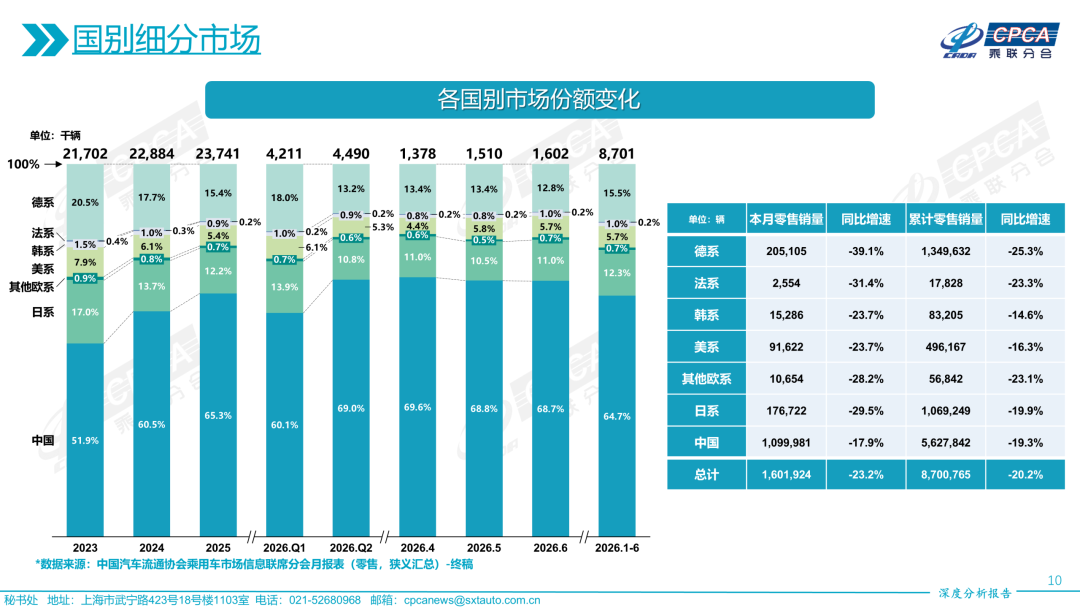
If intelligent electrification is indeed the future trajectory of the automotive industry (though Akio Toyoda might have reservations!), independent brands have already established a significant lead.
This signifies that during the industry's seismic shift from fuel-powered to intelligent electric vehicles, independent brands are the undeniable leaders and are poised to dominate the global market.
This is the reality!
Foreign brands are gradually acknowledging this reality. At the recently concluded Chengdu Auto Show, the BMW iX3 commenced pre-sales at RMB 269,900, indicating that the BMW i3's pricing will be driven even lower. BMW has realized it no longer holds brand pricing power in the new energy market, leading to the current scenario where its fuel-powered models are priced lower than their electric counterparts.
Besides BMW, which has recognized and aligned with industry trends, many foreign brands have embarked on self-rescue efforts in the new energy era. Land Rover has ceased production of domestically produced models to make way for the newly formed Freelander; Volkswagen and Nissan have adopted 'Chinese technology' to counter the new energy impact from independent brands.
However, most of these brands' actions are confined to the Chinese market. From a global perspective, leveraging 'Chinese strength' to expand globally will be a pivotal trend in the automotive industry's future development. In this regard, the Stellantis Group is undoubtedly the fastest and most thorough actor!
01 From 'Bringing In' to 'Going Global'
On August 20, Dongfeng Peugeot Citroën Automobile Technology (Wuhan) Co., Ltd. (hereinafter referred to as 'DPCA Technology') was officially established in Wuhan, with a registered capital of approximately RMB 8.2 billion. Among the shareholders, DPCA holds about 24.1%, Dongfeng Motor about 13.5%, Stellantis Group about 13.5%, Changjiang Industry Group about 9.8%, Wuhan Finance Holdings Group about 19.5%, and Economic Development Venture Capital Group about 19.5%.
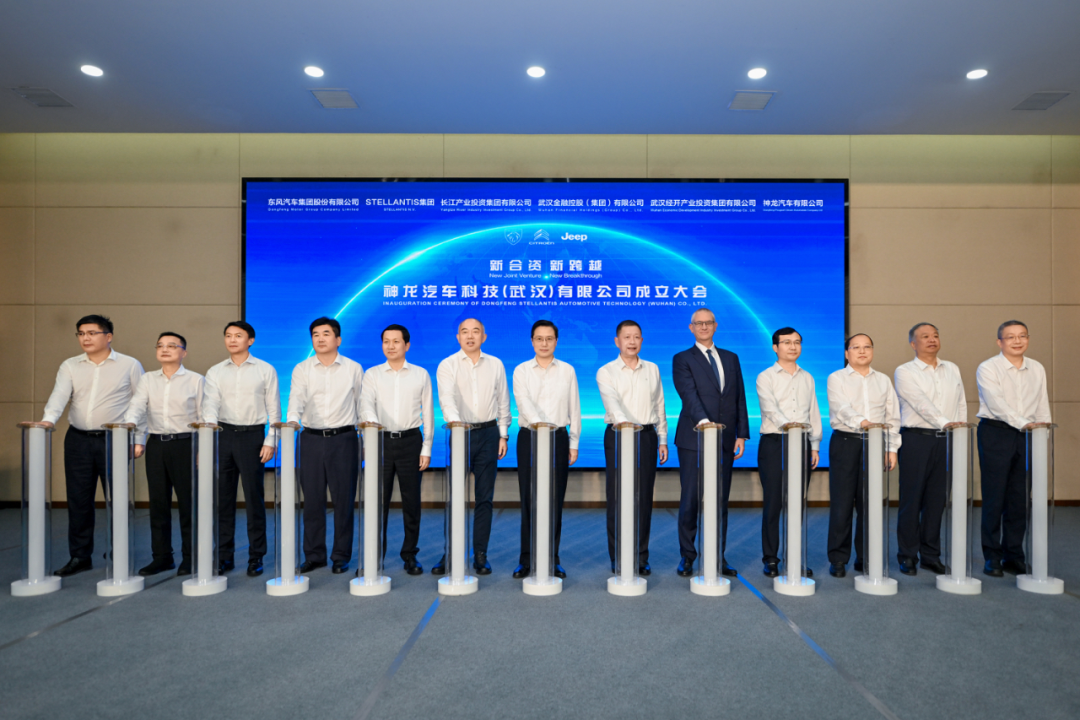
This marks a pivotal step in DPCA Technology's global expansion.
On May 15, the six major shareholders of DPCA Technology signed a strategic cooperation agreement, establishing a 'China for the World' orientation, actively fostering a 'dual circulation' pattern between domestic and international markets, and implementing development strategies of technology localization, market globalization, and mechanism flexibility.
Public information reveals that DPCA Technology's business scope encompasses vehicle R&D, industrial investment, NEV sales, and other diversified fields. The company plans to launch four new NEV models in its initial phase, starting from 2027, covering pure electric and plug-in hybrid technologies, and catering to diverse scenarios such as off-roading, urban commuting, and family travel.
Compared to its clear development plan, DPCA Technology's new cooperation model also provides a fresh blueprint for joint venture brand development.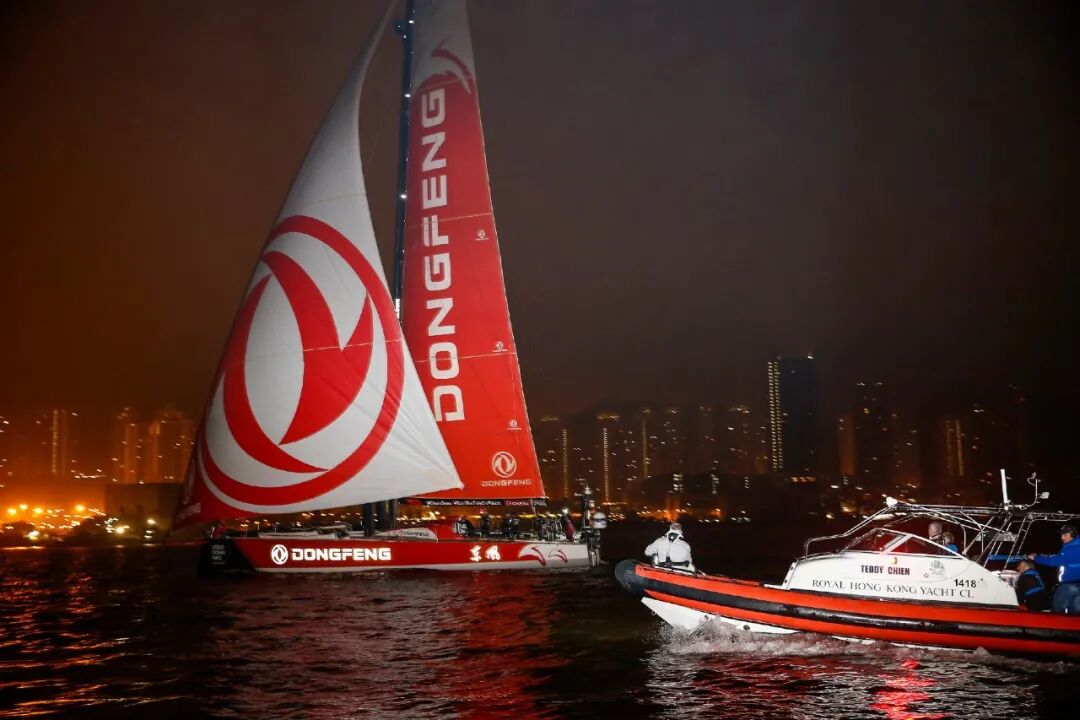
Among the six shareholders, Dongfeng Motor leads in R&D of new energy and intelligent connected vehicle core technologies, grasping the initiative in electrification and intelligent transformation; Stellantis Group contributes its century-old brand heritage, classic design philosophies, and global marketing network; Changjiang Industry Group, Wuhan Finance Holdings Group, and Economic Development Venture Capital Group fully leverage their industrial capital aggregation capabilities, combining with Hubei's complete automotive industry chain advantages, to promote collaboration from individual enterprises to a deep integration of industrial ecosystems and global markets.
History continually evolves through cycles, with the same partners now enacting a reversed story!
As early as April 4, 1993, approved by the State Council, the Wuhan Economic and Technological Development Zone was officially established. Located southwest of Wuhan, in the Zhuankou and Guoxuling areas along the north bank of the Yangtze River, approximately 15 kilometers from the city center, it covers a planned area of 31 square kilometers, focusing on developing the automotive industry and related sectors. It is Wuhan's key automotive city and a window for opening up and a testing ground for reform and opening up.
Two months before the official establishment of the Wuhan Economic and Technological Development Zone, the sedan project of Dongfeng Peugeot Citroën Automobile Company Ltd. broke ground in Zhuankou. Due to DPCA's settlement, numerous supporting suppliers followed suit.
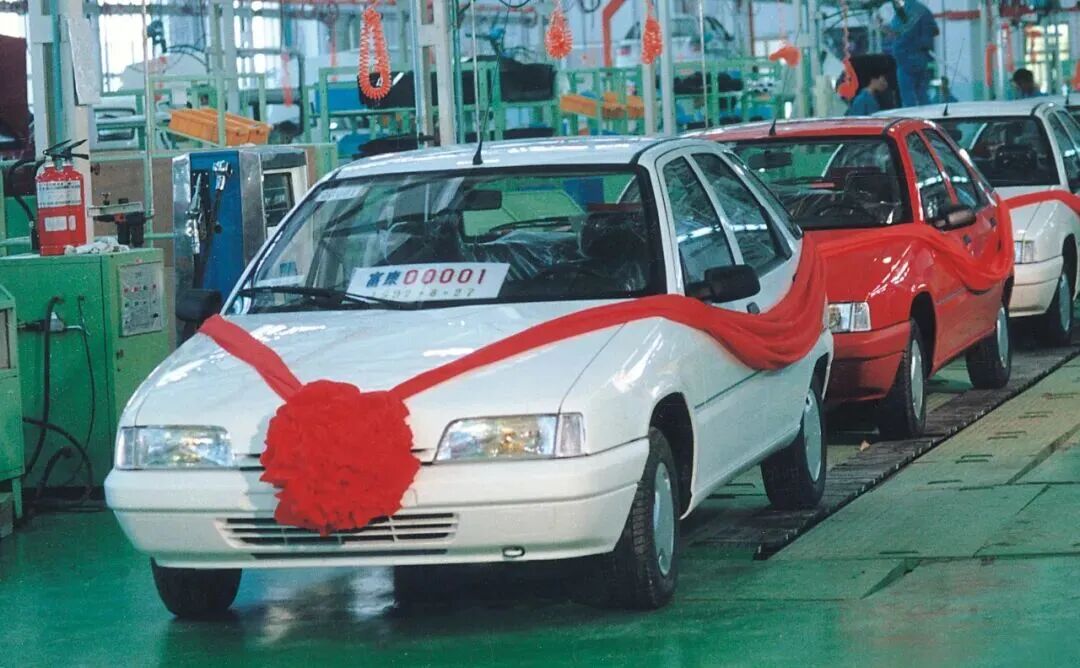
'The excellent investment environment and unique location advantages have attracted a large number of automotive and auto parts industry and high-tech industry projects from home and abroad to the zone. As of now, over 10 countries and regions have invested in the development zone, with 12 major projects investing over RMB 100 million each.' Dry text seems inadequate to express the excitement of those involved. More surprisingly, a bustling automotive city is rising.
Perhaps no one anticipated that the industrial chain brought by DPCA would, over 30 years later, become a significant force driving DPCA Technology's global development.
The story of the 'Chinese Motor Valley' (an alias for the Wuhan Economic and Technological Development Zone) transitioning from 'bringing in' to 'going global' has become the best testament to China's automotive industry overtaking competitors on curves.
Over time, with DPCA's rise, Wuhan's automotive industry has developed rapidly. To date, Wuhan has gathered 11 complete vehicle enterprises and over 1,000 auto parts companies, achieving comprehensive coverage of the upstream and downstream industrial chains.
This formidable industrial capability lays the foundation for DPCA Technology to integrate intelligent and electric advantages and build circulation between domestic and international markets.
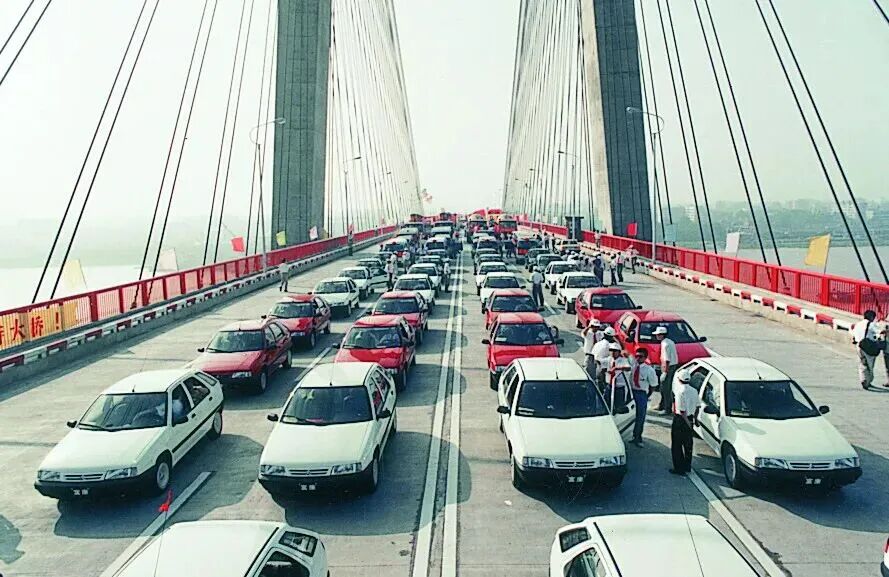
Over 30 years ago, DPCA's mission was to introduce advanced manufacturing capabilities, cultivate a complete industrial chain, and nurture China's own automotive talent. Over 30 years later, DPCA Technology embarks on a new mission of 'Chinese Innovation, Global Sharing,' stunning the world with advanced intelligent technologies.
Moreover, DPCA Technology's birth will swiftly address Stellantis Group's shortcomings in intelligent and electrification fields, granting it greater initiative amidst the accelerated global expansion of independent brands.
02 Does China Need Another New Automaker?
Whenever a new automaker emerges, the industry inevitably asks, 'Does China need another new automaker/brand?'
For DPCA Technology, the answer is a resounding yes!
First, let's examine why this new company was established.
'DPCA will focus on production, while DPCA Technology will handle investment, planning, and brand operations, jointly supporting the intelligent and electrified transformation of the DPCA brand.' To summarize DPCA Technology's future positioning in one sentence: 'integrated operations, division of labor, and collaboration.'
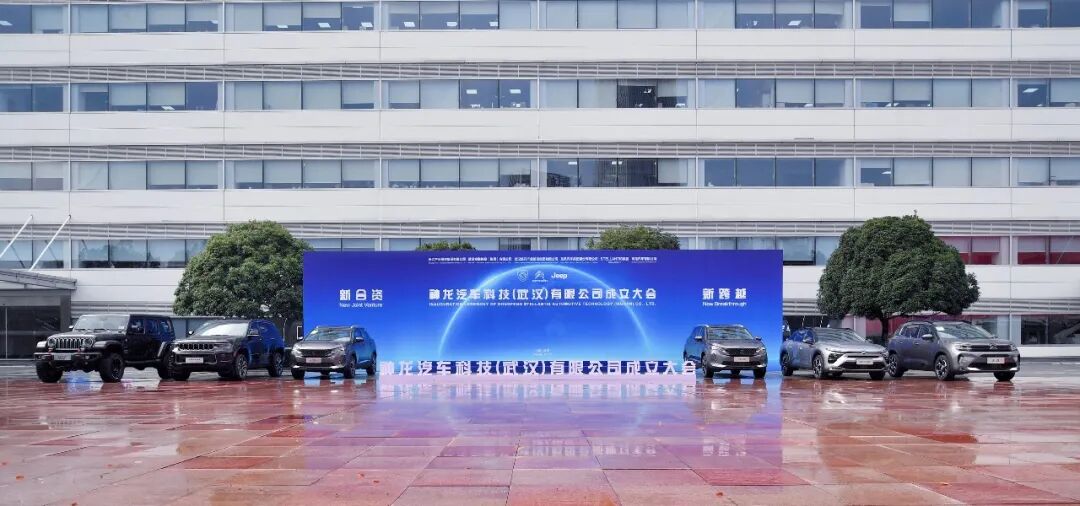
Second, from the perspective of China's automotive industry going global, 'technology exports' represented by DPCA Technology will also be a primary method for China's automotive industry to participate in global competition.
DPCA Technology is set to mass-produce new models for the Peugeot and Jeep brands, integrating Chinese technology with foreign brand assets and targeting global sales.
Besides DPCA Technology, General Motors also plans to export Chinese-made joint venture models overseas, while Dongfeng Nissan has defined a new path of 'defined in China, sold worldwide'...
Amidst a turbulent global environment, DPCA Technology's 'technology exports' under the brand auras of Peugeot, Citroën, and Jeep serve as a powerful complement to China's automotive brands going global. When certain overseas regions have low recognition of Chinese brands, China's automotive industry can still gradually penetrate through 'technology exports,' further promoting the globalization of China's automotive industry.
Third, from Stellantis Group's perspective, DPCA Technology will also become a crucial pillar for implementing the 'FaST Lane 2030' strategy.
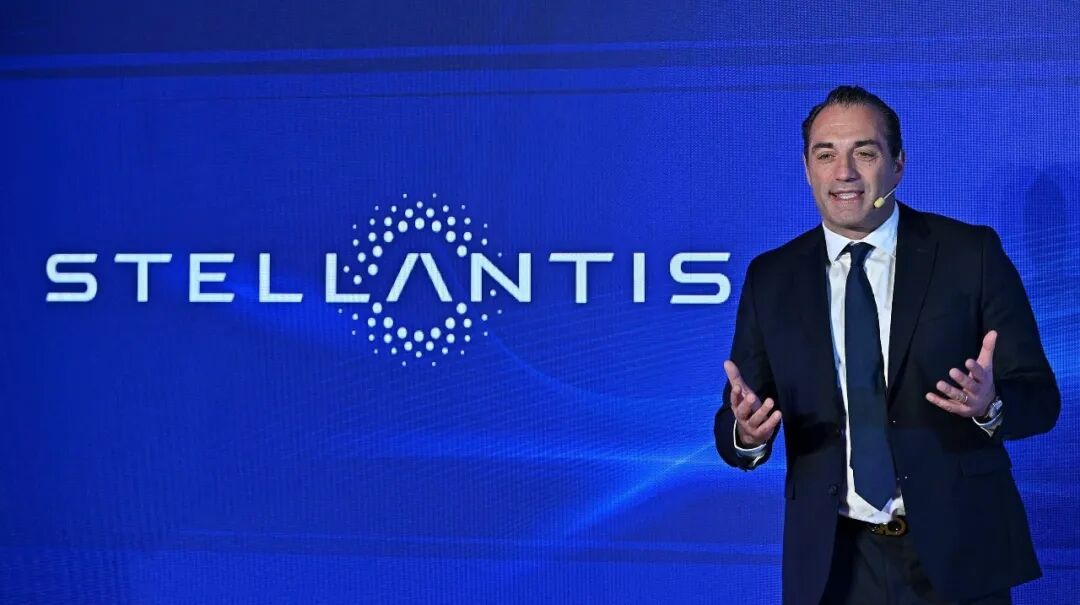
According to the plan, by 2030, Stellantis Group will launch over 60 new models across all brands and powertrain types, with significant redesigns for 50 models. This includes 29 battery electric vehicles (BEVs), 15 plug-in hybrid or extended-range electric vehicles, 24 hybrid models, and 39 internal combustion engine or mild hybrid models.
To achieve this goal, Stellantis Group has further upgraded its cooperation with Leapmotor, applying Leapmotor's technology architecture for the first time to Opel's new all-electric SUV, with joint production at Figueruelas Factory in Zaragoza, Spain. Meanwhile, the Leapmotor B10 will also be produced at this factory.
Clearly, for Stellantis Group, both the newly established DPCA Technology and the upgraded cooperation with Leapmotor are vital means to arm itself with 'Chinese technology.' Stellantis Group is accelerating efforts to address the impending global wave of intelligence and electrification.
The birth of DPCA Technology is an inevitable outcome of the globalization of China's automotive industry. It will serve as a bridge for Sino-foreign interchange, writing a new chapter in the development of joint venture brands.
Going forward, leveraging joint venture brands for China's automotive industry to go global will undoubtedly become a major trend.
Note: Please indicate the source for reprints!
THE END
-
How AI Changes the Flow of Money: Budget, Self-Development, and the Last Mile
-
![]()
SAIC Volkswagen’s Bold “Self-Revolution”: ID.ERA 5S Targets the Heart of the Fuel-Powered Family Sedan Market
-
![]()
Beyond APIs: Future-Oriented Strategies for AI Global Expansion
-
![]()
Behind the Daily Average of 140 Trillion Token Calls: Who Will Become China's Future New Three Major Operators?
-
![]()
How Many Zhipu Members Were Wrongly Banned?
-
![]()
Leapmotor Revises Profit Goal to 3 Billion Yuan: Targets 400,000 Overseas Sales in the Coming Year, Forges Symbiotic Alliance with FAW | MINGJINGpro
-
![]()
Behind the 140 Trillion Token Calls Per Day: Who Will Become China's New Big Three Operators in the Future?
-
![]()
DPCA Technology Launched, Pioneering a New Era for Joint Ventures: Taking 'Chinese Heritage' Global