Reject AI Voice Cloning! British Artists Initiate Petition to Safeguard Voice Ownership
 08/31 2026
 498
498
A Crusade to Protect Voices
A rights protection movement, centered on the issue of AI voice cloning, is currently gaining momentum in the UK's entertainment sector.
A group of actors and performers have collectively petitioned the UK government, urging it to swiftly enact new legislation aimed at preventing the indiscriminate misuse of people's voices by AI technologies.
In a direct appeal to the British Prime Minister, they seek to establish, through legal means, that every individual in the UK possesses the rightful ownership of their own voice.
Many may be unaware of the alarmingly low threshold for AI voice cloning.
In essence, AI can replicate a human voice using recordings of real people. With just a few seconds of audio samples, a rudimentary voice imitation can be generated within minutes.
For a more lifelike and natural-sounding replication, a few hours of training material are necessary.
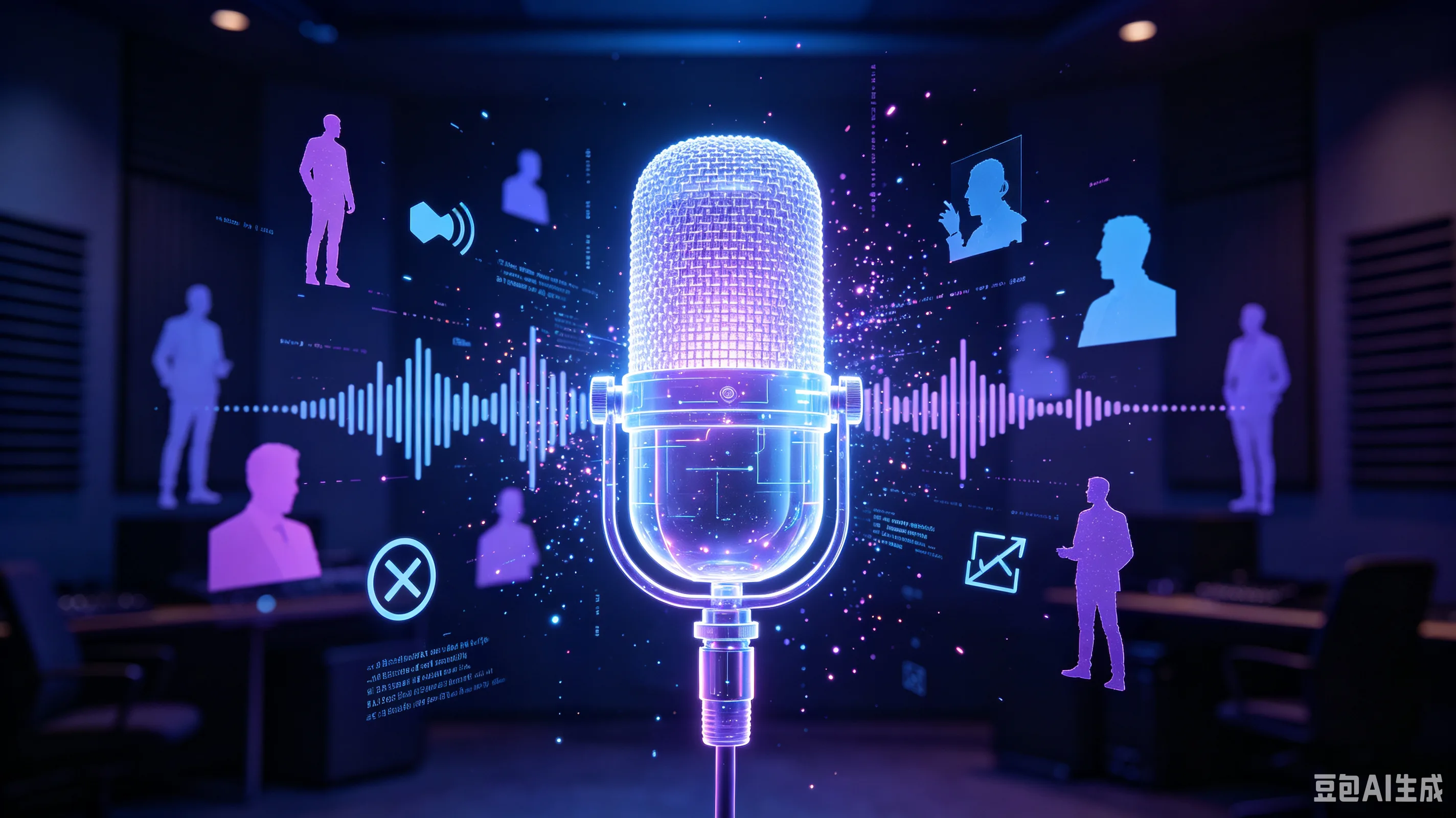
Image source: Generated by Doubao AI
This rights protection campaign was co-founded by audiobook narrator Alice Sorkett.
She candidly stated that AI voice cloning technology poses a direct threat to the livelihood of the entire entertainment industry.
Alice noted that the voices of numerous artists frequently grace various works and public platforms, appearing ubiquitous yet devoid of any legal safeguards.
Currently, the misuse of human voices by AI is on the rise, with new cases emerging nearly every week, exacerbating the situation.
In response to the collective plea from artists, the UK government has also taken action.
Officials recognize the potential benefits of AI digital replication technology, particularly in fostering the growth of the creative industry. However, they also acknowledge the significant risks and harms associated with it.
The government has stated its commitment to safeguarding creators' rights and will initiate a public consultation.
On one hand, they aim to avert the chaos and harm caused by AI voice cloning; on the other hand, they will refrain from adopting a one-size-fits-all approach and will preserve reasonable space for technological innovation.
Siobhan McSweeney, an actress from "Derry Girls," also joined the joint letter and expressed considerable concern.
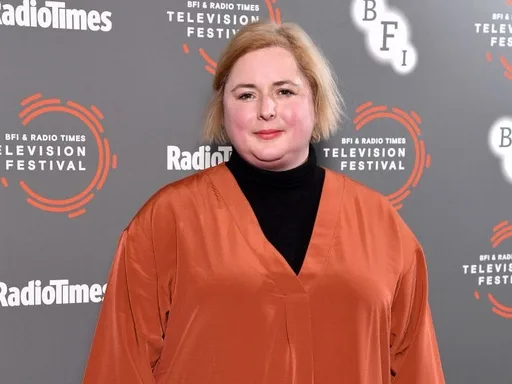
Image source: Getty
In her opinion, the government's regulatory pace is too sluggish to keep pace with the rapid advancements in AI technology.
She believes that AI should not serve as a tool to supplant industry professionals. Instead, artists can coexist with AI, utilizing the technology to bolster industry development and empower practitioners, rather than allowing a large number of actors and narrators to be ousted by the industry.
What audiences truly cherish is the emotion and warmth that real humans impart, not the cold, synthesized voices of AI.
In addition to actors, other entertainment professionals, such as singers, have also voiced their concerns.
Scottish singer Sandy Somm is among them. Her steadfast participation in the appeal stems from her conviction that everyone's voice is unique and innate.
A person's voice embodies their life experiences, emotions, and joys and sorrows, serving as a distinctive marker exclusive to themselves. Losing this original creativity would strip the entertainment industry of its essence.
In fact, prior to this joint letter initiative, lawyers had already cautioned the public that existing UK laws are lagging behind the rapid pace of AI development.
While current legal provisions may appear to offer some protection, they fail to comprehensively safeguard people's voices, faces, and personal identity information, leaving glaring loopholes.
Nevertheless, AI voice cloning is not entirely devoid of merits; it has brought significant comfort and convenience to certain special groups.
Yvonne Johnson, a woman who completely lost her ability to speak due to motor neuron disease, tried using AI to replicate her original voice earlier this year. After experiencing it, she was pleasantly surprised. The technology not only helped her regain her familiar voice but also allowed her family, who hadn't heard her speak in a long time, to once again feel the intimate atmosphere of being together.
Some have taken this technology to extremes, not only replicating voices but also creating complete holographic images of individuals.
An American woman, Pam Cronrath, utilized this technology to recreate a digital image of her husband at his funeral. The replicated image delivered a speech to the mourning friends and relatives, leaving everyone profoundly shocked.
Pam admitted that this scene left an indelible impression on her and served as a unique form of comfort in bidding farewell.
In conclusion, AI voice cloning is a double-edged sword.
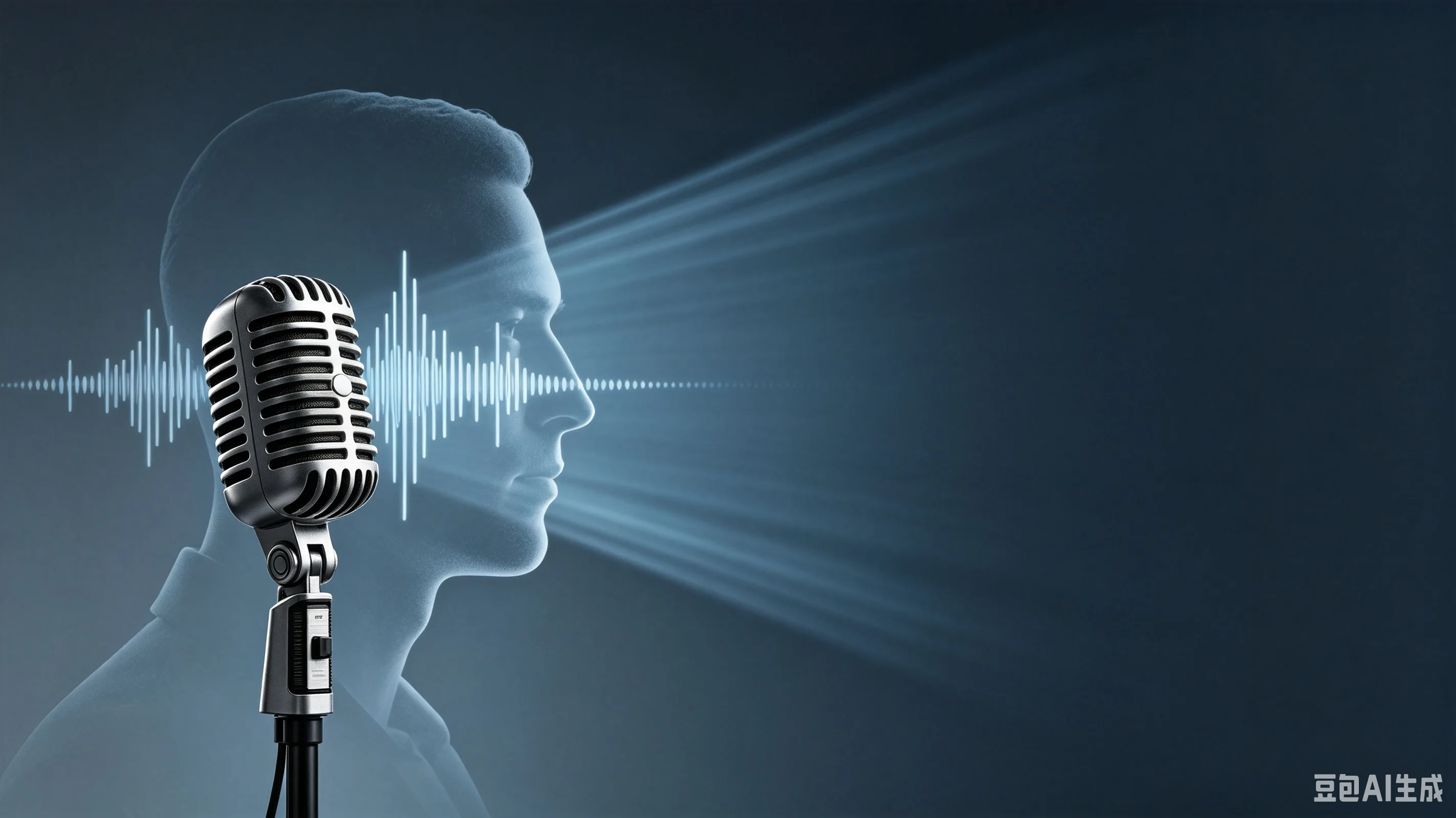
Image source: Generated by Doubao AI
While it can benefit special groups and bring warmth, it also readily fosters infringement issues.
This is precisely why artists are urgently advocating for legislation to establish boundaries for this technology and protect creators' legitimate rights and interests.
This article is compiled by Leikeji from BBC NEWS
Original link: Actors such as Matt Lucas and Hugh Bonneville call for laws related to AI voice cloning
Source: Leikeji
Images in this article are from the 123RF licensed image library. Source: Leikeji
-
![]()
Q2 Revenue Growth and Improved Profitability: Haier Smart Home's Interim Results Demonstrate Business Resilience
-
In-depth | ByteDance Binds with Microsoft, IBM Introduces DeepSeek: A New Narrative in China-U.S. AI Relations
-
90% of Revenue Stems from Overseas Markets, Products Linked to Fuel Vehicles! How Will Huaneng Turbine Navigate the New Energy Vehicle Surge?
-
![]()
Reject AI Voice Cloning! British Artists Initiate Petition to Safeguard Voice Ownership
-
![]()
Declining Performance and Booming Enrollment: What Is Dong Mingzhu Planning?
-
![]()
Has the "Efficiency-Centric Approach" of Large Models Triumphed?
-
At a Crossroads: From Profit to Loss, Will Investors Remain Patient with Insta360?
-
![]()
Silicon Flow IPO: The 'Token Factory' Experiencing 653% Growth—Why Are Sales Increasing While Losses Mount?