Apple Joins the 'File Transfer Alliance'? Android to Seamlessly Integrate with AirDrop, Enabling Effortless 'Airdrop' Functionality Without Additional Apps
 02/10 2026
 518
518
Ultimately, the most direct beneficiaries of this development are the everyday users.
In November of the previous year, Google made a move that stunned the tech world: it enabled Pixel phones to be directly visible in the AirDrop lists of iPhones, iPads, and Macs, facilitating native-level file transfers without the need for third-party apps on Apple devices.
Unlike the 'forced compatibility' solutions adopted by many manufacturers, Google chose to 'align with the AirDrop protocol,' offering significant advantages in terms of user experience. The highest praise I've encountered is that it makes Pixel feel like a natural extension of the iPhone ecosystem when transferring files.
Three months later, Google publicly announced its intention to extend this compatibility with Apple devices to the entire Android ecosystem.
According to Android Authority, Eric Kay, the vice president of platform engineering at Android, confirmed during a visit to Pixel Labs that AirDrop compatibility will be expanded to more Android devices by 2026. He stated:
"We've invested considerable time and effort to ensure that our product is not only compatible with the iPhone but also with the iPad and MacBook. Now that we've validated this, we're collaborating with partners to extend it to other parts of the ecosystem, and you'll soon witness some exciting announcements."
What may initially seem like merely 'unlocking' a file transfer feature has resonated deeply with three key stakeholders: the Android community now has a system-level entry point for cross-Apple interoperability, Apple's ecosystem has experienced its first noticeable loosening of boundaries, and Chinese smartphone manufacturers, who have been developing their own cross-device interconnection systems, will need to reassess the significance and strategy of 'strong compatibility with Apple'.
When AirDrop is no longer exclusive to Apple, this change signifies much more than just sharing a photo or video. In fact, this is what holds the most significance for us, the ordinary users.
A New Era of Apple Compatibility, A Revolutionary File Transfer Experience
The ability for Android phones to transfer files with iPhones is not a novel concept. Over the past few years, OPPO, Vivo, Xiaomi, Honor, and even Huawei have all introduced solutions to varying degrees for file transfers with Apple devices:
By installing a dedicated app on Apple devices and logging into the same account, users can transfer photos or files from an Android phone to an iPhone or Mac.
However, Google's approach fundamentally differs from these 'Apple-compatible' solutions. Instead of creating a new file transfer tool, it directly aligns with the AirDrop protocol itself.
In simpler terms, when Pixel or future Android phones enable Quick Share, they won't just be 'capable of sending files to an iPhone'—they'll appear directly in the AirDrop sharing list on iPhones, iPads, or Macs, just like another Apple device, ready to be discovered and selected.
This entire process requires no third-party apps on Apple devices, no account logins, and no prior pairing or connection setup. In essence, Google isn't 'bypassing AirDrop'—it's allowing Android devices to join AirDrop's communication system directly. That's why many who have experienced it have given it such high praise.
The most significant change this brings is not about speed or features—it's about the 'native feel.' Users can simply open the sharing panel as they usually do with AirDrop to see nearby Android devices; Android users need no extra preparation—just enable Quick Share to discover surrounding iPhones, iPads, and Macs. No extra steps, no new learning curve.
This difference is highly noticeable in daily use. Previously, cross-device file transfer solutions from domestic manufacturers were essentially self-contained transmission systems: they required additional app installations, and transfer interfaces were completed within the manufacturer's own ecosystem, more akin to a 'cross-platform tool.'
Admittedly, their strengths lie in rich functionality, often supporting extended capabilities like screen mirroring, clipboard synchronization, or remote control. However, for basic file transfers, they've never been able to integrate into Apple's native sharing logic, and the 'account login' requirement makes them unsuitable for sharing photos, videos, and files with iPhone-using friends and family.
Don't claim you have no friends or family using iPhones.
On the contrary, a significant number of users simultaneously use Android phones + Mac computers—otherwise, domestic smartphone manufacturers wouldn't repeatedly emphasize mandatory Mac compatibility. Here at Leikeji Editorial, for instance, a large proportion of colleagues use an Android + Mac setup.
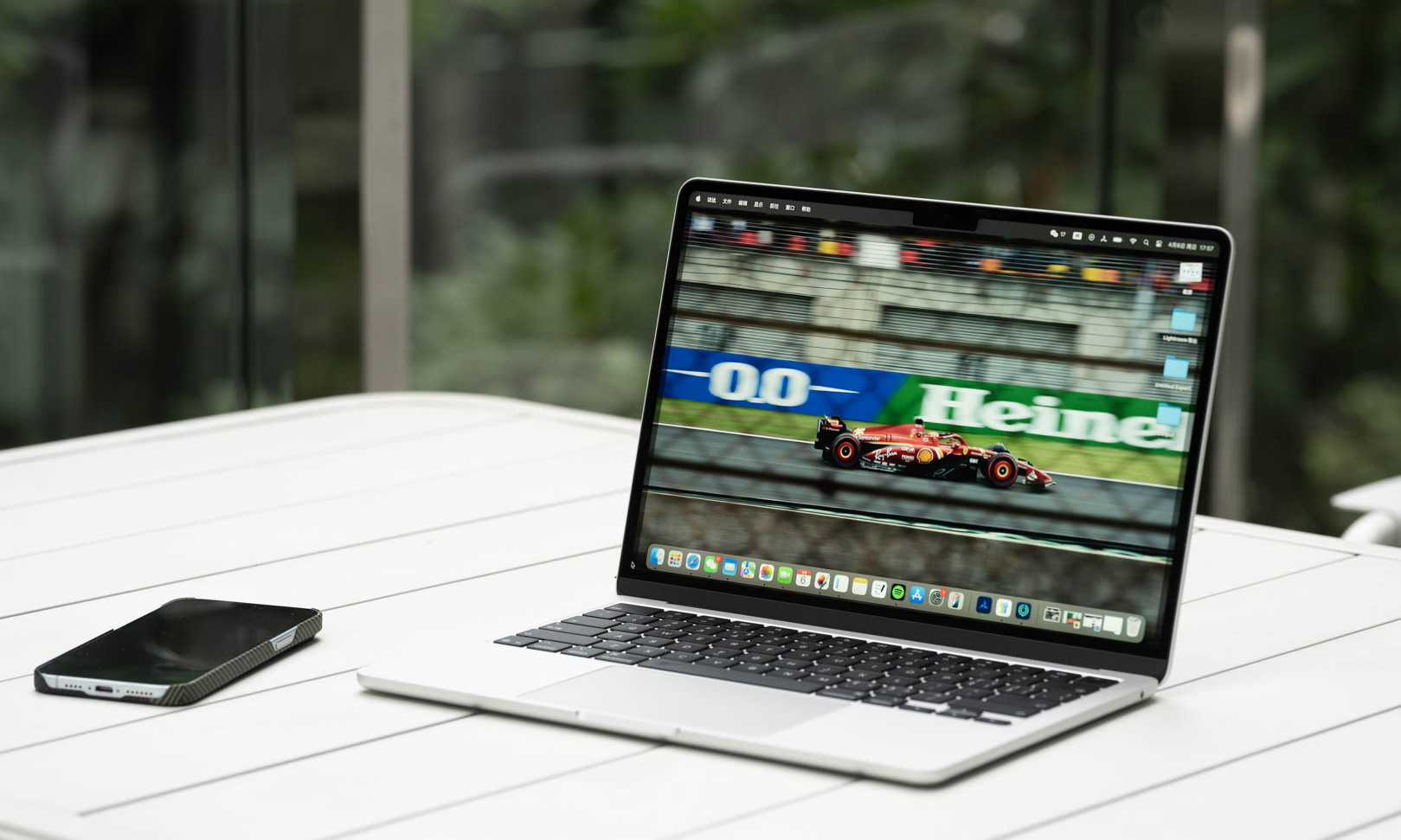
Image Source: Leikeji
This difference in experience fundamentally stems from the completely different positioning of the two types of solutions. Domestic manufacturers' cross-platform interconnection tools are primarily designed from their own perspective, centered around their smartphones to create cross-platform experiences. Google, however, approaches this from the standpoint of the Android ecosystem experience. In fact, Google never intended to limit this feature to its own 'Pixel' phones—last November's official announcement already stated:
"We look forward to enhancing the experience and extending it to more Android devices."
More importantly, once Google opens this compatibility to more manufacturers and gradually integrates it into the system layer, seamless file transfers between Android and Apple devices will no longer be a unique selling point for a single brand but could become the default experience for all Android phones. This could have implications for Apple, Android manufacturers with 'strong compatibility' solutions, other Android manufacturers, and both domestic and international smartphone users.
After all, AirDrop is fundamentally a near-field communication protocol that doesn't require special network conditions.
When AirDrop is no longer exclusive to Apple, other Android manufacturers are also impacted
If this feature was merely a 'trial balloon' for Pixel last November, its nature changed when Google decided to extend AirDrop compatibility to the entire Android ecosystem.
The first to be affected is actually Apple.
AirDrop's significance isn't just about its fast file transfer capabilities—it's about naturally keeping file flow within Apple devices. You can send photos from an iPhone to a Mac or videos to an iPad, but when the recipient becomes an Android phone, the experience abruptly breaks—either through WeChat, cloud storage, or simply giving up.
These daily 'minor inconveniences' have accumulated over more than a decade, ultimately forming an invisible ecological barrier.
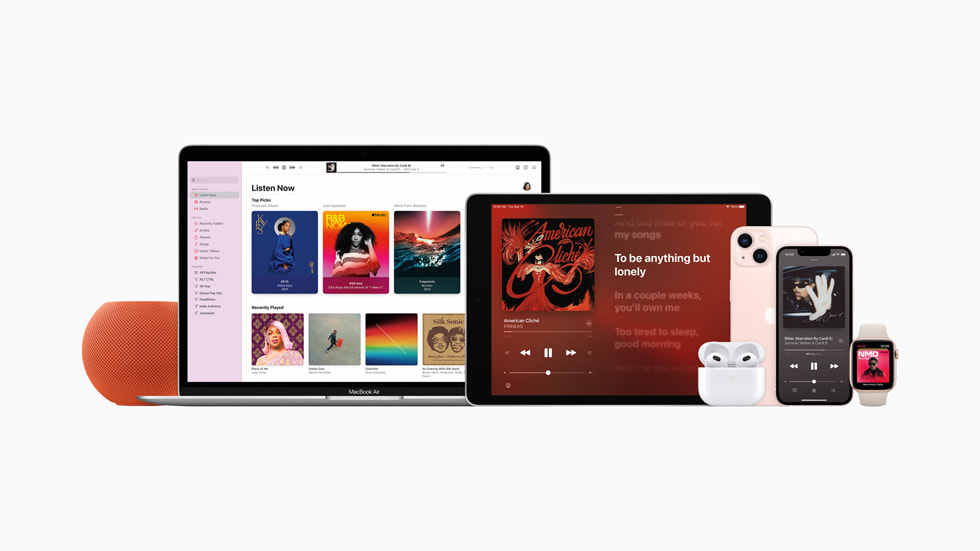
Image Source: Apple
When Android phones can appear directly in the AirDrop list, this boundary becomes less absolute for the first time. Apple still holds the initiative—for example, whether AirDrop is open or how visibility ranges are set remains controlled by Apple devices—but for ordinary users, cross-ecosystem transfers start feeling natural. Between iPhones and Android devices, no extra intermediary tools are needed, nor must files detour through the cloud.
This change may not immediately shake Apple's ecosystem but will continuously reduce 'cross-platform friction' in daily use. When files can flow freely, psychological boundaries between devices will loosen accordingly.
In comparison, those most directly impacted are Android manufacturers that have emphasized 'strong compatibility with Apple' in recent years.
Whether Xiaomi, OPPO, Vivo, Honor, or Huawei, they've all positioned 'file transfers with iPhone/Mac' as an important selling point for cross-ecosystem experiences, building their cross-device interconnection systems around this capability. These solutions aren't inferior—their features are often richer, even surpassing basic transfers in screen mirroring, clipboard synchronization, and remote control.
But for core file sharing, they've always required additional apps and account systems, making them more like manufacturers' self-built 'dedicated channels.' Once Google makes AirDrop-level compatibility a foundational Android platform capability, this difference will rapidly amplify. For users, if cross-iPhone and Android transfers become a system default, 'supports file transfers with Apple' will no longer be a selling point worth highlighting separately.
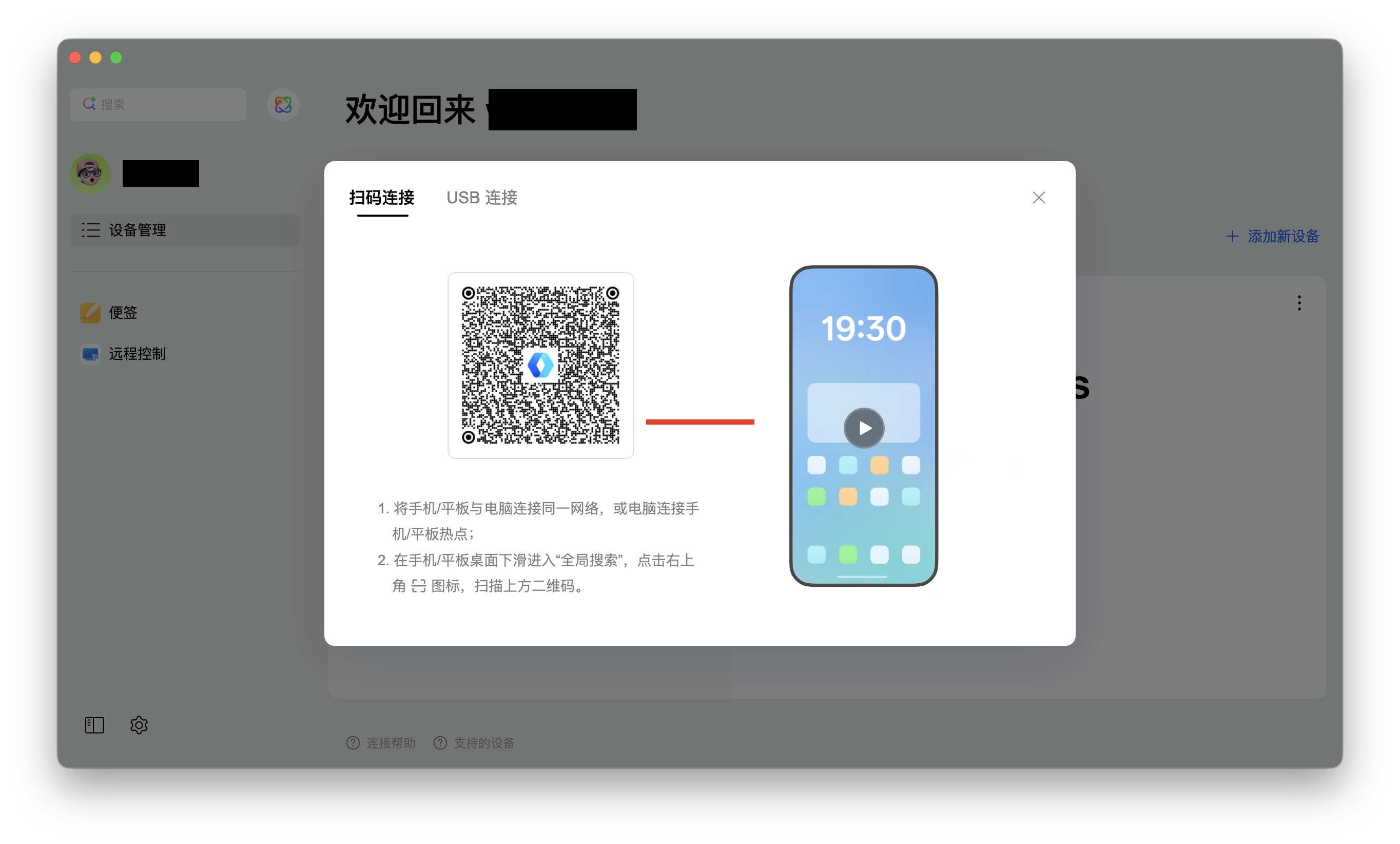
OPPO Interconnect, Image Source: Leikeji
For manufacturers, however, the cross-device interconnection portals they've invested heavily in may face partial coverage by platform capabilities.
This doesn't mean manufacturers' cross-device systems will lose their significance. Deeper device collaboration experiences—like multi-screen collaboration, app continuity, or remote control—still require manufacturers' self-built capabilities. But for the most fundamental and frequently used local file transfers, Google is attempting to make this a unified foundation for the Android camp rather than an exclusive advantage for a single brand.
At the same time, this change could reshape relationships within the Android camp.
Previously, cross-device transfer experiences were highly fragmented, with interoperability difficult between different brands, often forcing users to stay within the same brand for complete experiences. If Google opens and promotes AirDrop compatibility alongside Quick Share, the Android camp could finally have a unified local transfer standard that works across Apple ecosystems.
For manufacturers without self-built cross-device systems, this means directly gaining a mature, verified cross-ecosystem capability. For the Android platform as a whole, it means 'cross-device interoperability' will shift from a manufacturer differentiation point to infrastructure.
Ultimately, the most direct beneficiaries are still the ordinary users.
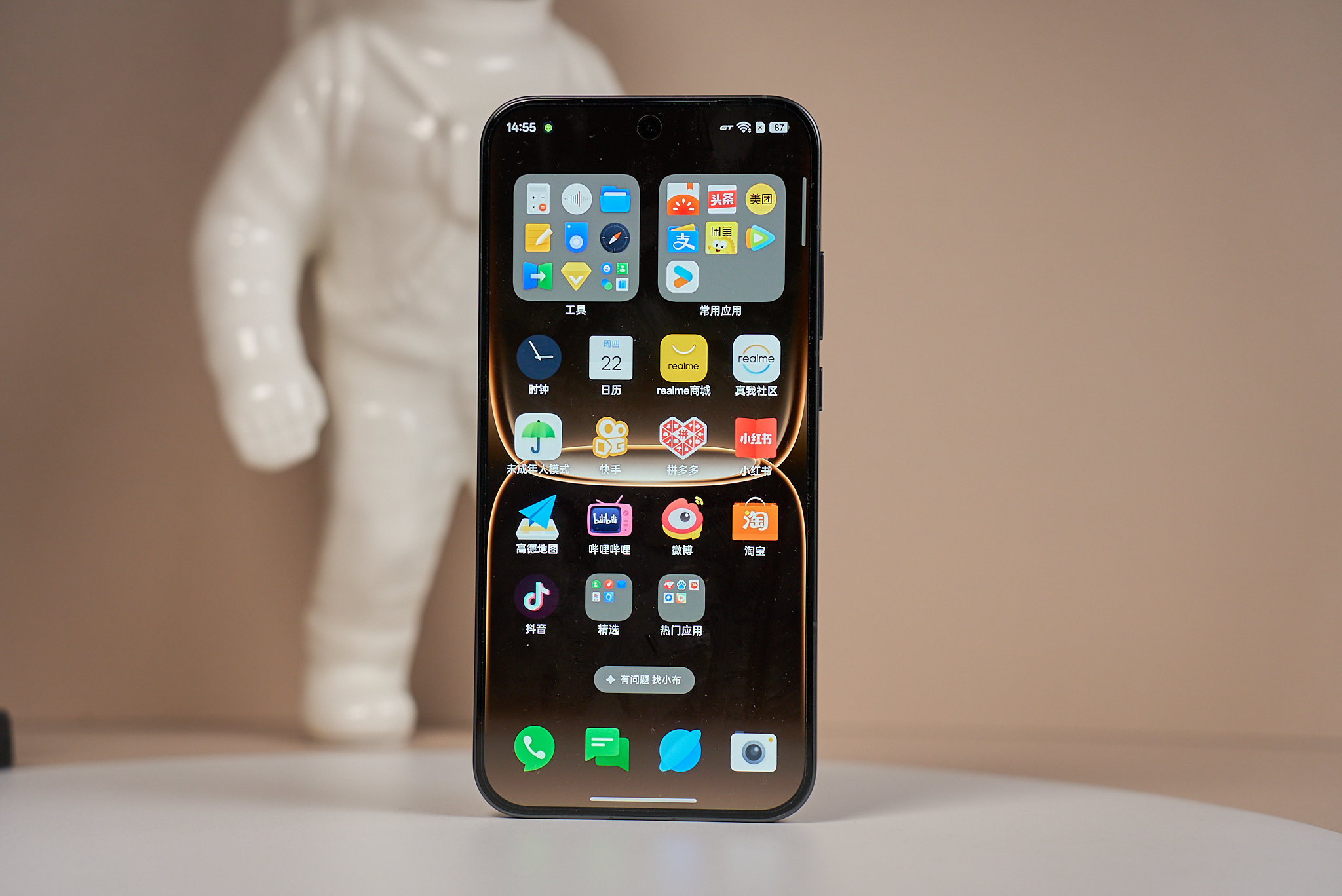
Image Source: Leikeji
Real-world device combinations are no longer singular: some use iPhone as their primary device with Android as backup; some pair Android phones with Mac computers; others frequently switch between platforms for work and life devices. Previously, these combinations often incurred extra costs for file transfers, but when Android and Apple devices can transfer files directly like same-ecosystem devices, device choices become freer.
When AirDrop is no longer exclusive to Apple, file flow is no longer restricted by ecosystem. For users, this may be the truly significant aspect of this change.
Final Thoughts
Smartphone manufacturers constantly discuss ecosystems, but for ordinary users, ecosystems simply mean: can devices connect smoothly? Maybe iOS and Android will remain two distinct camps with two systems for a long time, but when files, photos, and videos can flow freely as if within the same ecosystem, many boundaries become less significant.
If performance and imaging determine how good a smartphone is, then how devices connect may determine how naturally they coexist. This time, what Google did seems small but makes us realize for the first time: smartphones should always be able to interconnect seamlessly like this.

Apple Google OPPO Xiaomi
Source: Leikeji
All images in this article come from: 123RF Royalty-Free Image Library
-
![]()
Hardware is the skeleton, AI is the soul, and data integrates the two
-
![]()
China’s AI Industry: A Unified Pivot Towards Monetization?
-
![]()
New Progress! Infineon Completes Acquisition of ams OSRAM's Non-Optical Sensor Business
-
![]()
35 Million Bet on an Optical Future! Tengjing Technology Makes a Move in AR
-
![]()
Why World Models Get Stuck on Construction Roads in Autonomous Driving Applications
-
Alibaba Initiates Cultural Transformation: Is Jack Ma Making a Strategic Comeback?
-
Tianfeng Heads to Hong Kong for IPO with RMB 3.8 Billion in Funds: Xingyu's Cross-Border Foray into Embodied AI Faces Uncertain Future
-
![]()
Mengshi Auto’s High-End Aspirations Dashed: Huawei Partnership Fails to Revive Sales, New Model’s Entry Price Dips Below 300,000 Yuan