AI Smartphones Dominate MWC 2026: Honor and Nubia Showcase Cutting-Edge Innovations, While Tecno Stays Grounded
 03/05 2026
 621
621
Smartphones Transform into All-Around Assistants.

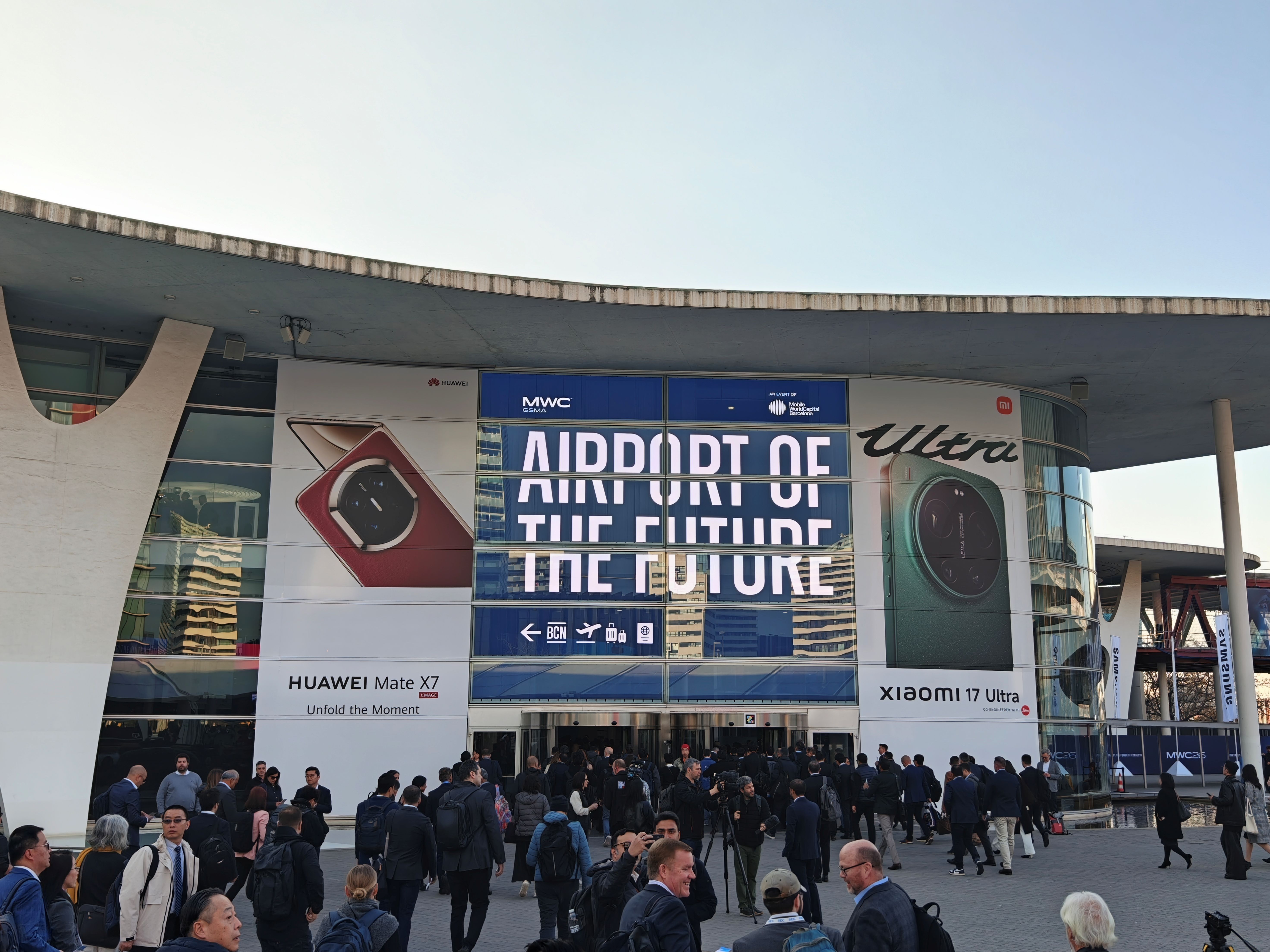
In sunny Barcelona, MWC 2026 has been in full swing for two days.
As one of the most anticipated electronics expos for consumer electronics enthusiasts and the world's largest and most influential annual mobile communications technology exhibition, MWC brings together products, technologies, and concepts from around the globe, showcasing the possibilities and directions of smartphones and consumer brands in the coming years.
After venturing to CES 2026 earlier this year, Leitech dispatched a reporting team led by senior editor Ding Xi and streamer Alei to Barcelona, Spain. They traversed an exhibition hall spanning over 240,000 square meters, observing, experiencing, and documenting these innovations.
(Image Source: Leitech)
If you thought AI from the past couple of years was limited to writing poems, drawing pictures, or summarizing long articles, then MWC 2026 will undoubtedly shatter your perceptions. Major smartphone manufacturers are no longer satisfied with keeping AI in the background; instead, they are enabling it to observe, operate, and interact with the world proactively.
Let Xiaolei take you through some of the eye-catching AI smartphones at MWC 2026.
Nubia M153: Understands Your Screen, Understands You
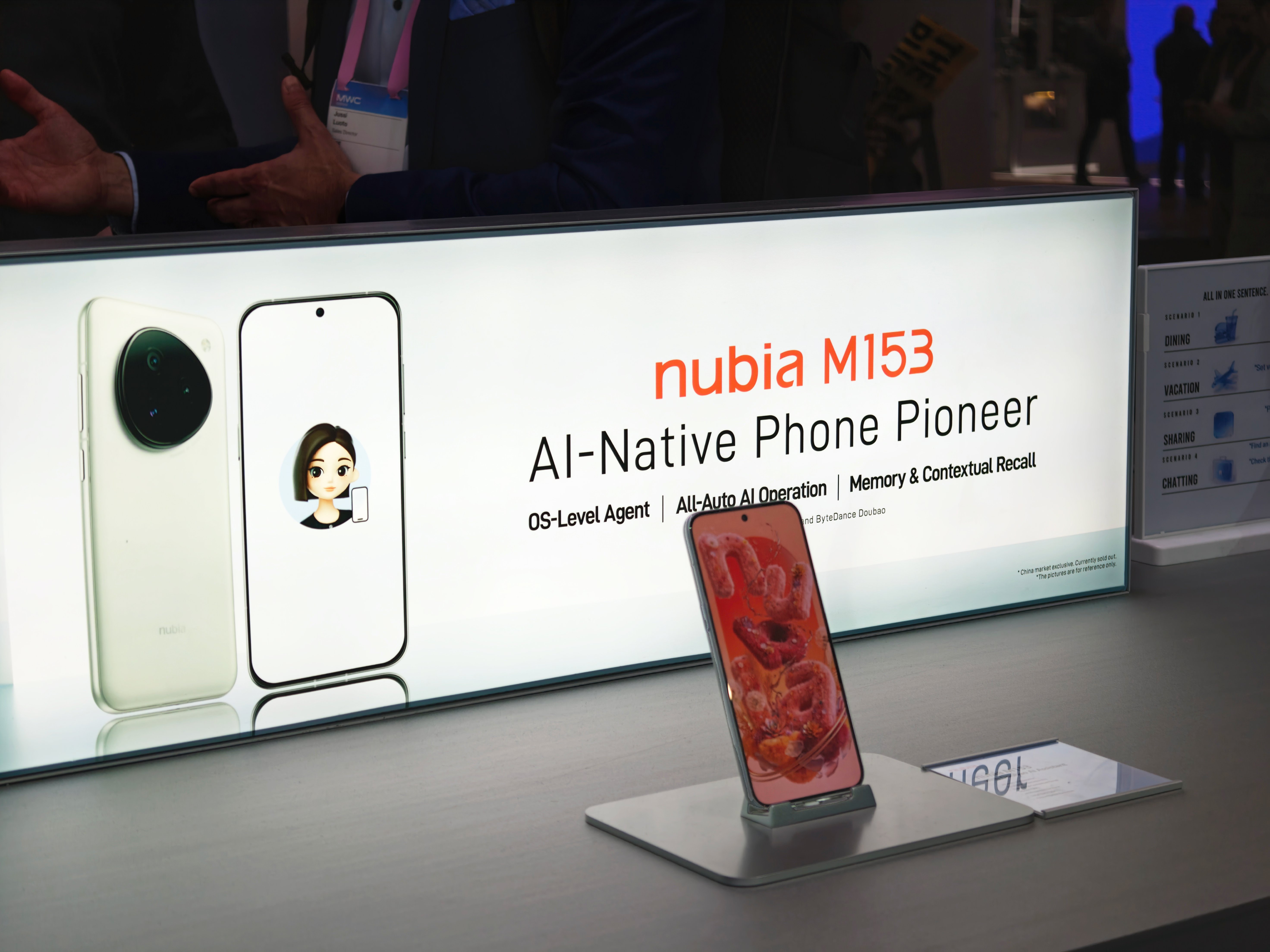
Upon entering the core exhibition area of Hall 3, Xiaolei was jostled by the crowds at the ZTE joint booth. Everyone was gathered around Nubia's first AI-native smartphone, co-developed with Doubao—the Nubia M153.
(Image Source: Leitech)
In the past, when we used voice assistants to send a WeChat message, they would at most open the chat window, leaving the rest to us.
But this phone is different.
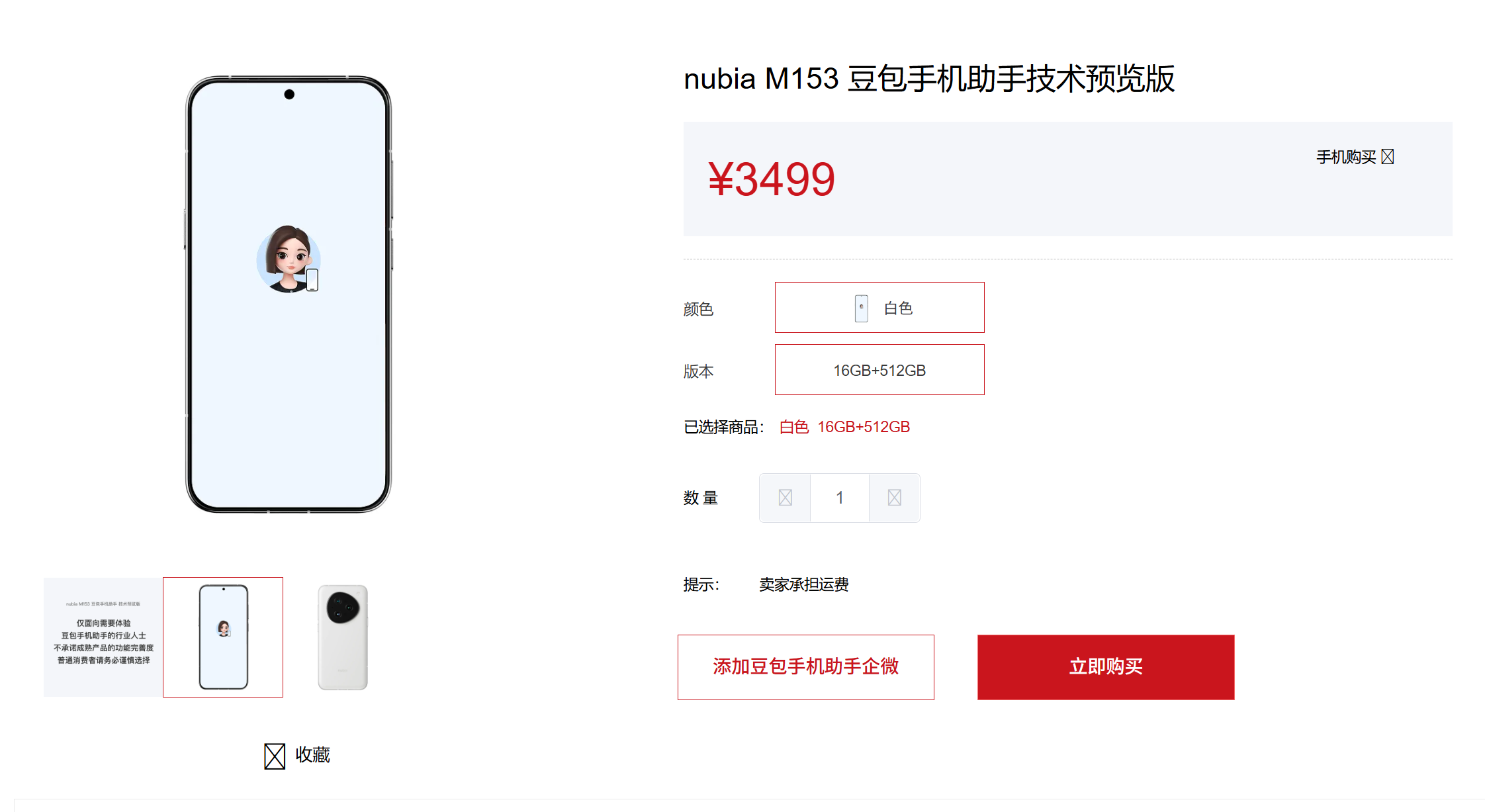
The Nubia M153 introduces graphical user interface agent technology. Without requiring any API access from third-party apps, it relies entirely on the Doubao large model for thinking and the end-side Nebula-GUI for execution. It can not only see what is displayed on the phone but also operate the device by simulating clicks through a background virtual machine, understanding and executing complex user commands in natural language, and performing cross-app tasks.
In simple terms, AI is embedded at the system's core, giving the phone eyes and hands.
From the demonstration, the Nubia M153 provides a highly natural and intuitive interactive experience by seamlessly executing multi-step workflows. Whether booking a restaurant or comparing prices across platforms, it can be done with a single voice command. The phone automatically launches the necessary apps, directly simulating human finger gestures like tapping, swiping, and typing, completing the entire process from searching, comparing, and booking to route planning.
(Image Source: Leitech)
The advantage of this approach lies in its versatility, allowing full phone functionality without requiring individual adaptations from each manufacturer.
The downside? Well... Due to this agent mechanism encroaching on certain app ecosystem barriers, the product has faced numerous obstacles in the domestic market, as I'm sure you've heard.
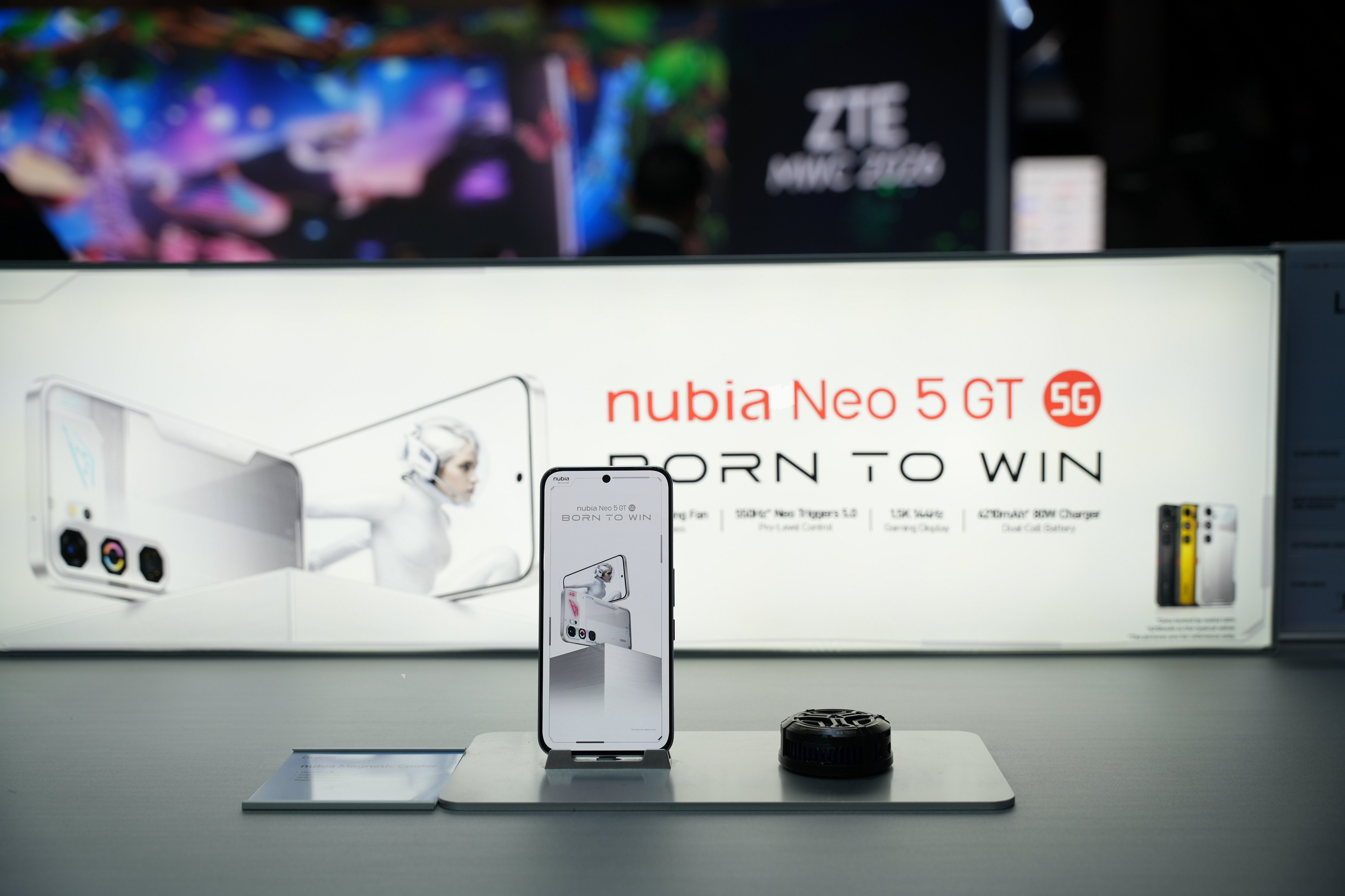
Besides this clever custom phone, the Nubia Neo 5 GT showcased at the same booth is also quite interesting.
(Image Source: Leitech)
This gaming phone targeted at overseas markets might be the first and only device in its class to feature a genuine active cooling fan. Powered by the Dimensity 7400 processor and paired with LPDDR Max 6400Mbps memory, it can adequately meet the gaming needs of overseas users.
It remains to be seen whether this mid-range gaming phone will enter the domestic market.
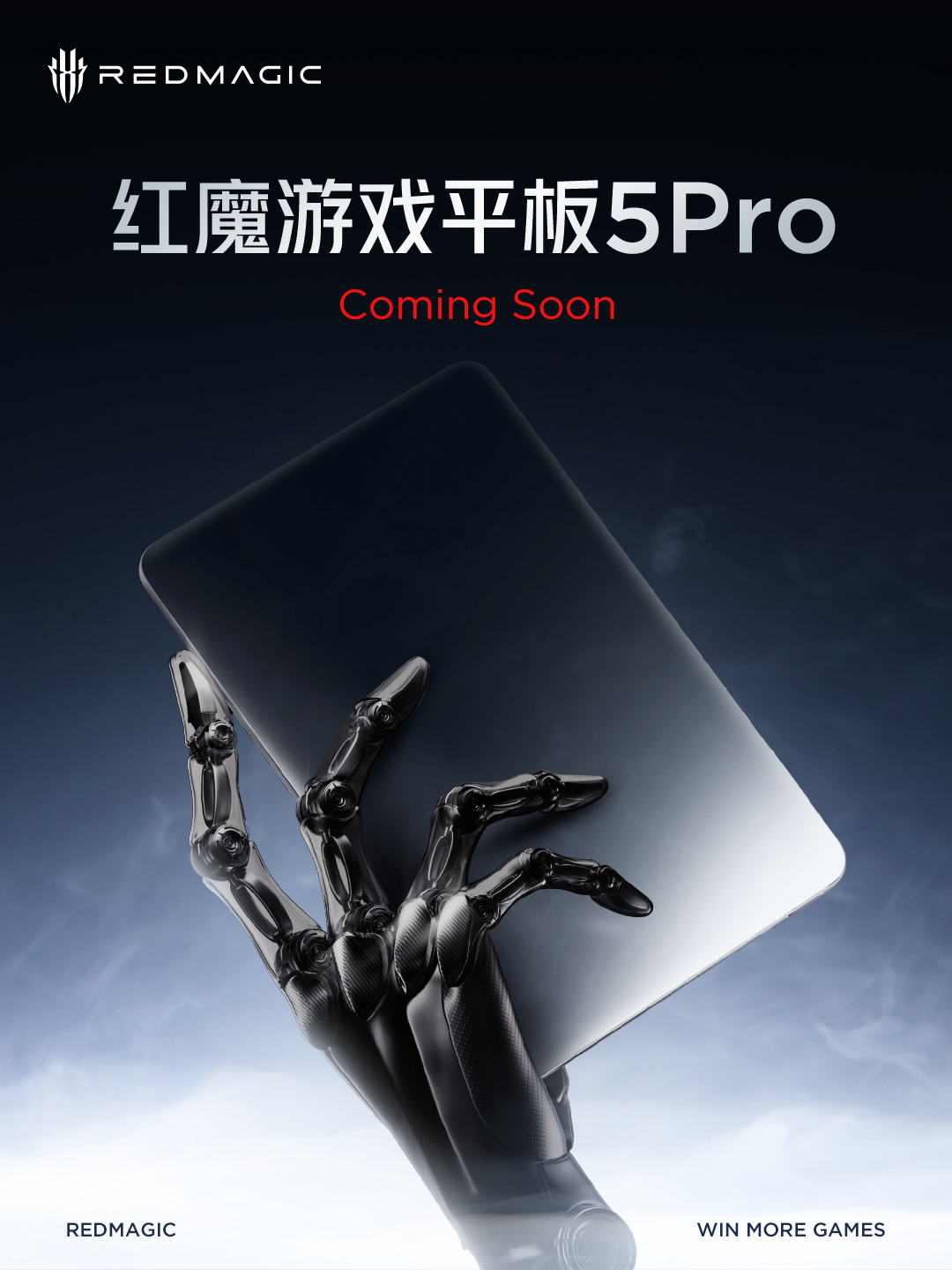
By the way, at today's MWC event, Jiang Chao, the product manager of RedMagic Gaming Phones, announced that the RedMagic Gaming Tablet 5 Pro is set to make its official debut.
(Image Source: ZTE)
No parameters have been leaked for this product yet, but Leitech will continue to follow up with specific information.
Honor Robot Phone: A Smartphone with a Mechanical Arm
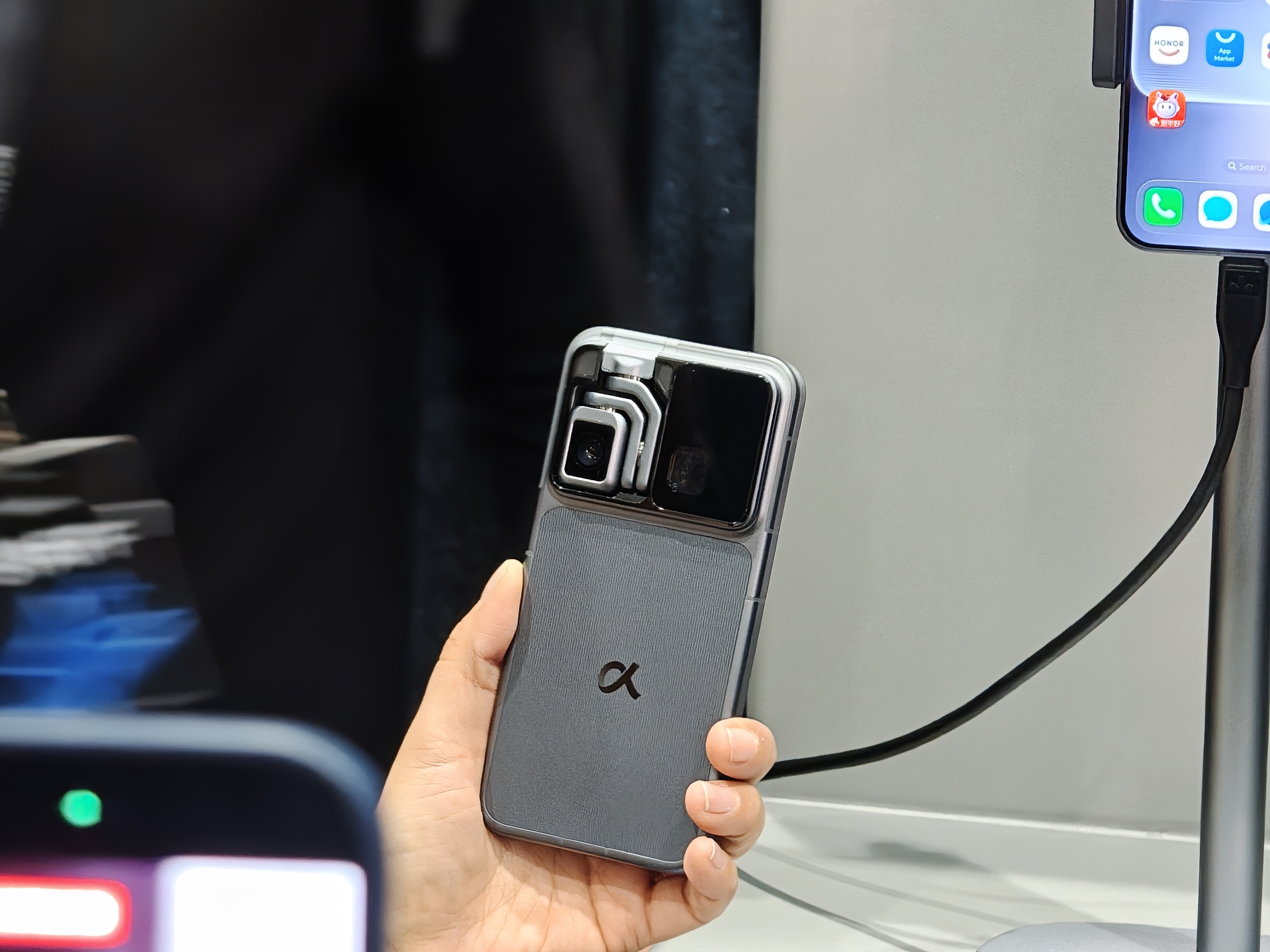
Continuing through the main exhibition hall, Honor's booth was equally packed. The center of attention wasn't a conventional foldable screen but a dancing machine—the Honor Robot Phone.
(Image Source: Leitech)
In terms of design, this product could be considered the most eye-catching oddity at the event.
Instead of a traditional fixed camera module, its back features a miniature three-axis mechanical stabilization gimbal and motor system, paired with a 200-megapixel primary sensor.
During the staff demonstration, even when faced with constantly moving dancers, the Honor Robot Phone could automatically track the subject and keep it centered in the frame. Vigorous hand movements and the dancers' unrestrained performances did not affect its tracking performance.
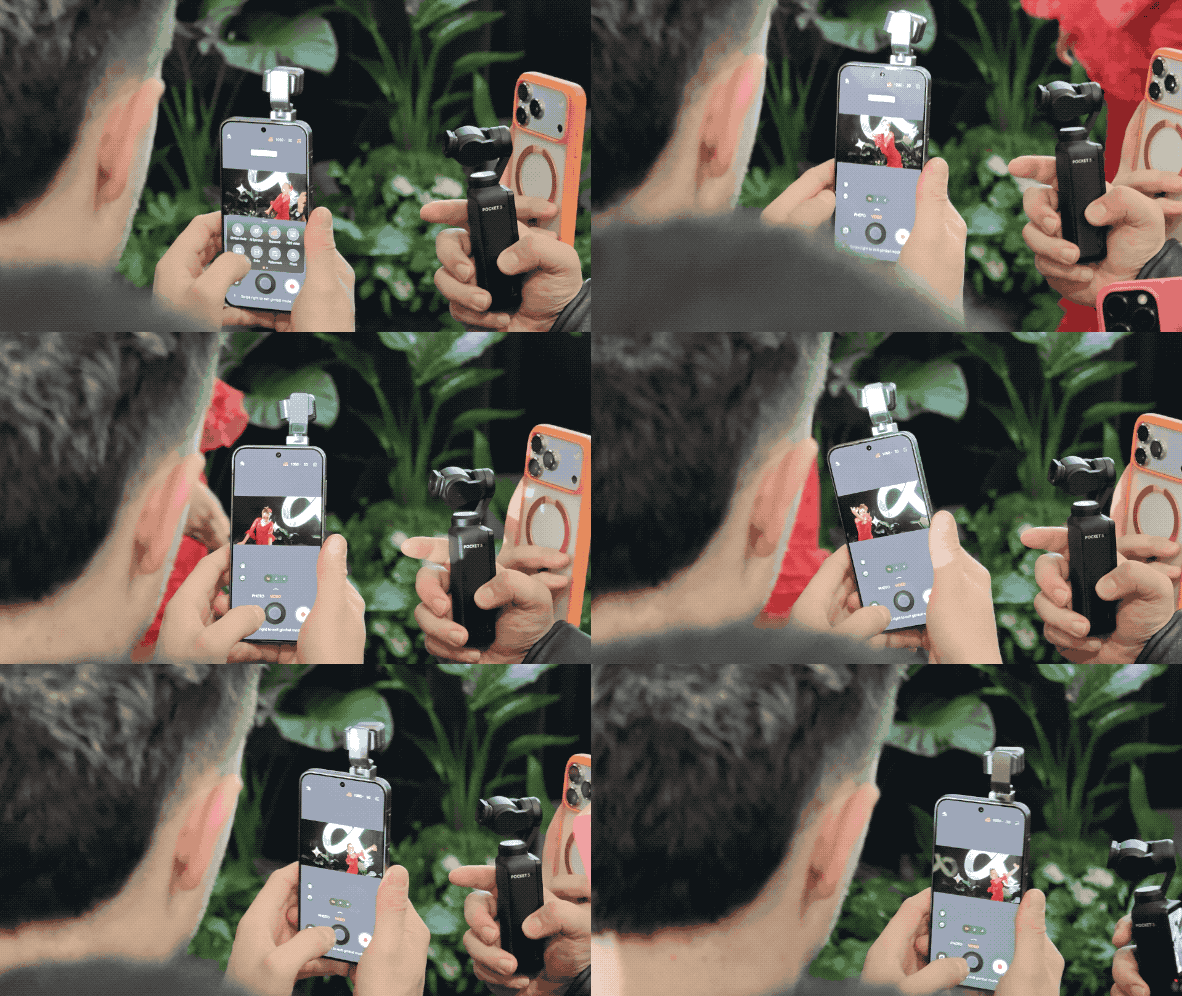
(Image Source: Leitech)
When you're on a video call with friends or recording a video while walking around the kitchen, this camera module automatically rotates like a human neck. Wherever you go, the lens follows, looking up or turning to keep you centered in the frame.
Combined with local AI visual tracking algorithms, when lively music plays, the lens even subtly sways to the rhythm, giving the otherwise cold electronic device a wonderful (qímiào, wonderful/magical) sense of life.
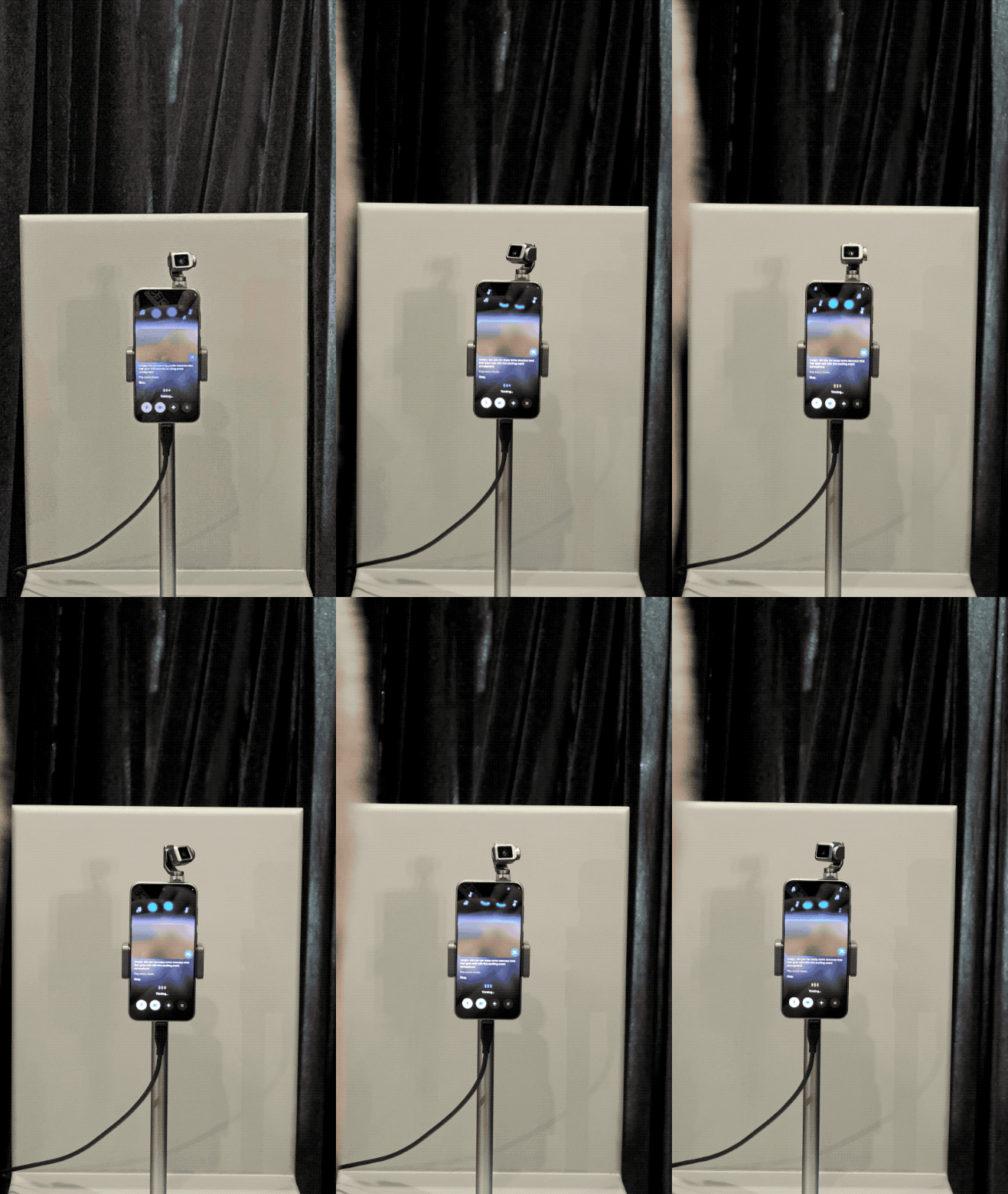
(Image Source: Leitech)
In today's smartphone market, everyone claims to offer AI phones, but truly eye-catching products are rare. At least in terms of form factor, the Robot Phone is bold enough.
From Honor's perspective, the Robot Phone's value lies not in its coolness but in how it pushes imaging competition beyond mere specifications. It introduces a new selling point by combining stable gimbals, automatic subject tracking, camera rotation, and AI scene understanding.
Such bold innovation offers a fresh approach to breaking through the current homogenization of imaging flagships.
Samsung Galaxy S26 Series: The Gemini Phone
As a regular at tech expos, Samsung focused on truly capable agent-based artificial intelligence this year, showcasing its prowess with the new Galaxy S26 series.
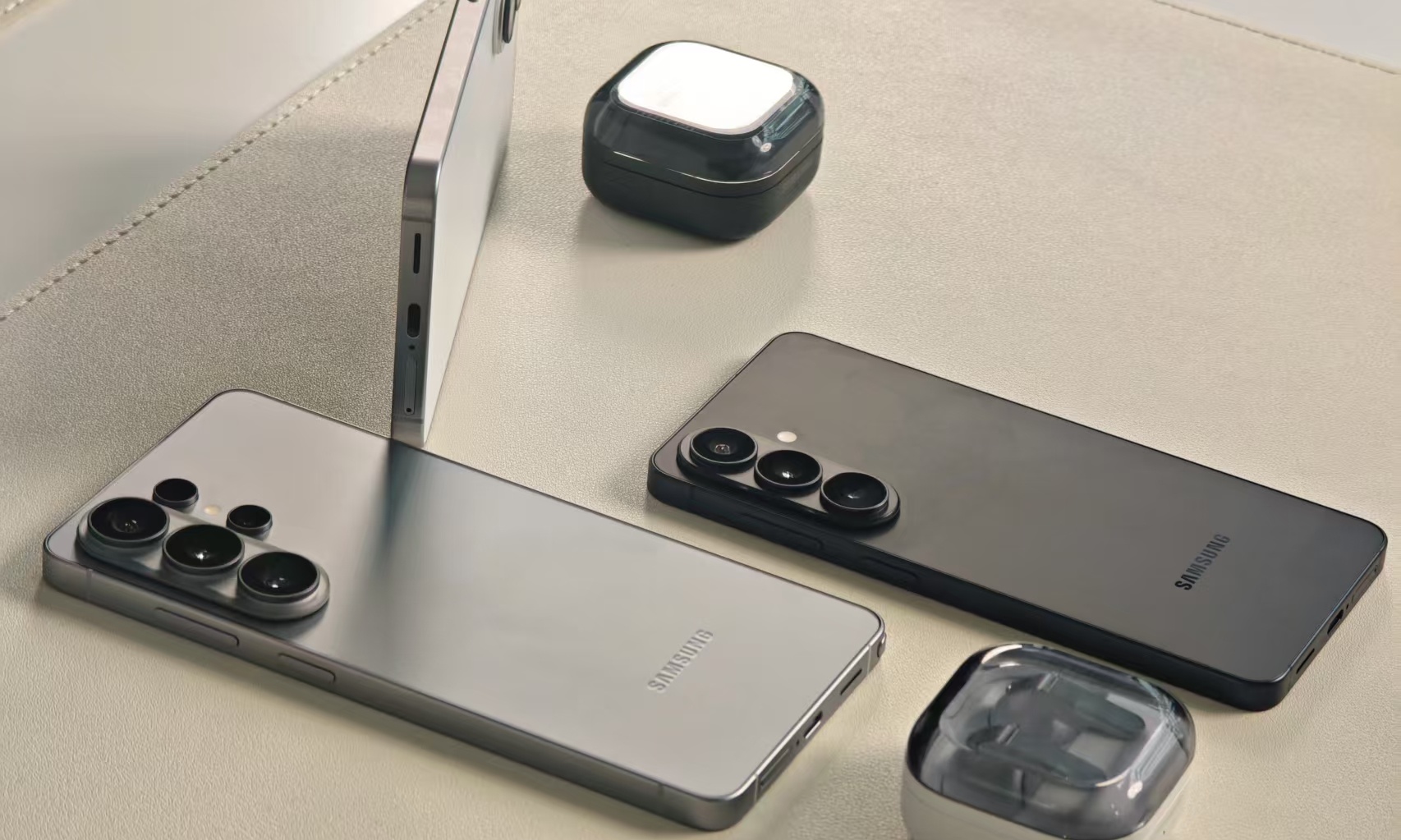
(Image Source: Leitech)
The specific manifestation of this agent capability is smarter, proactive intervention in your actions—
According to PYMNTS, Google Gemini now supports task automation, even opening and using apps in background windows while users are on another screen.
During an MWC live demonstration, Gemini scanned a busy family group chat, detected members discussing a pizza order, and then launched DoorDash (a food delivery platform) in the background, added the corresponding items to the cart, and paused before checkout for manual user confirmation.
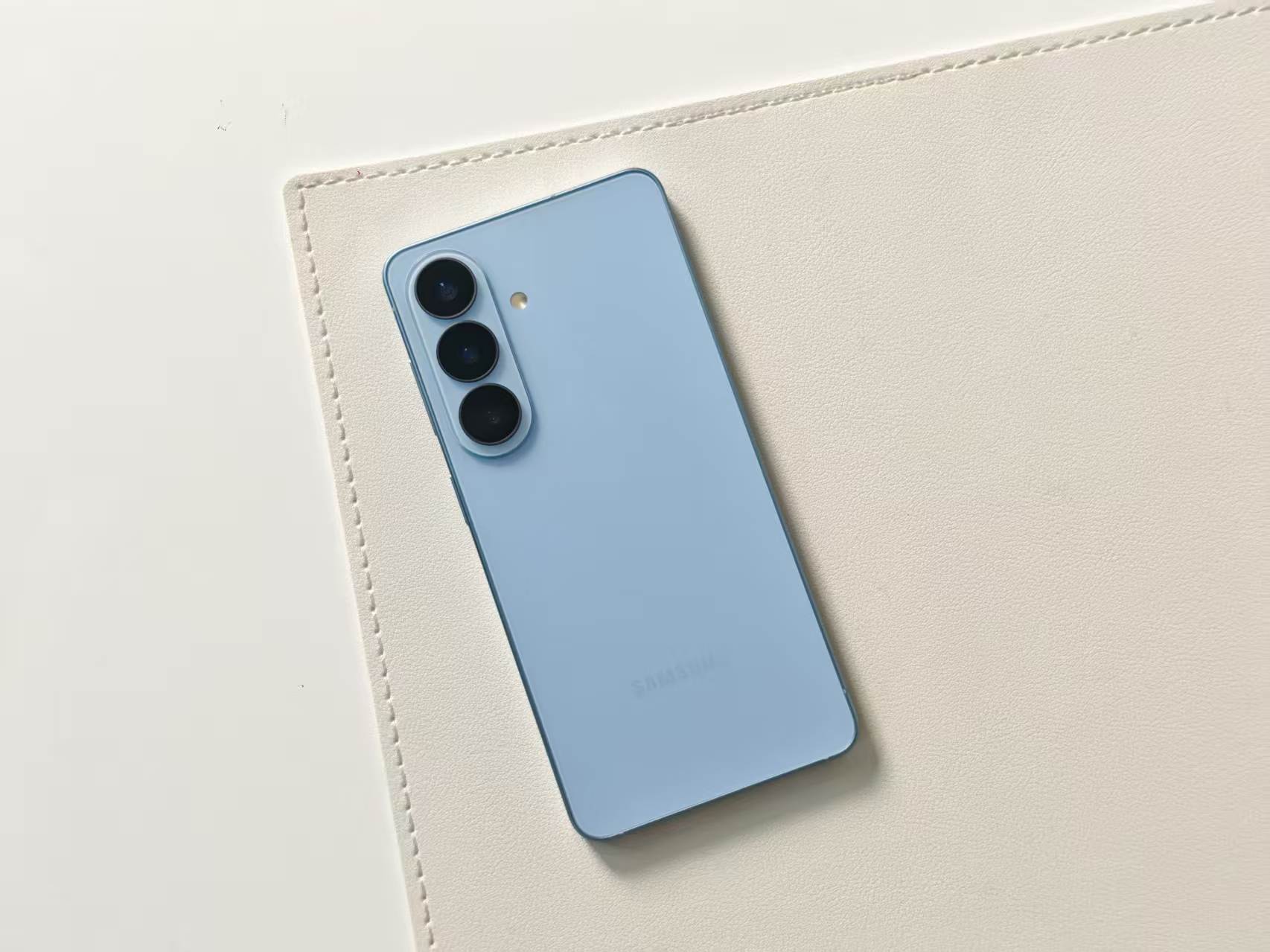
(Image Source: Leitech)
If it encounters options during execution, it stops and lets the user take over, providing an overall operational experience similar to the Nubia M153.
Unlike the Nubia M153, task automation on the Galaxy S26 series is currently limited to a few apps, including Uber, DoorDash, and Grubhub. It will be available as an early preview in the US and South Korea for the S26 series, as well as the Pixel 10, Pixel 10 Pro, and Pixel 10 Pro XL.
For the domestic market, while Gemini isn't available, the Chinese version of the Samsung S26 series can still use the Bixby assistant for tasks like ordering food and hailing rides. Based on newly added multimodal questioning and AI podcast features, it seems Samsung China has increased collaboration with Doubao.
In a way, could this be considered a new generation of Doubao phones?
Tecno CAMON 50 Series: Pragmatic Innovation for Minority Languages
After seeing enough cutting-edge concepts, Xiaolei headed to Tecno's booth in Hall 7.
If you find the features from major brands a bit too lofty, Tecno will undoubtedly make you feel the warmth of grounded technology.
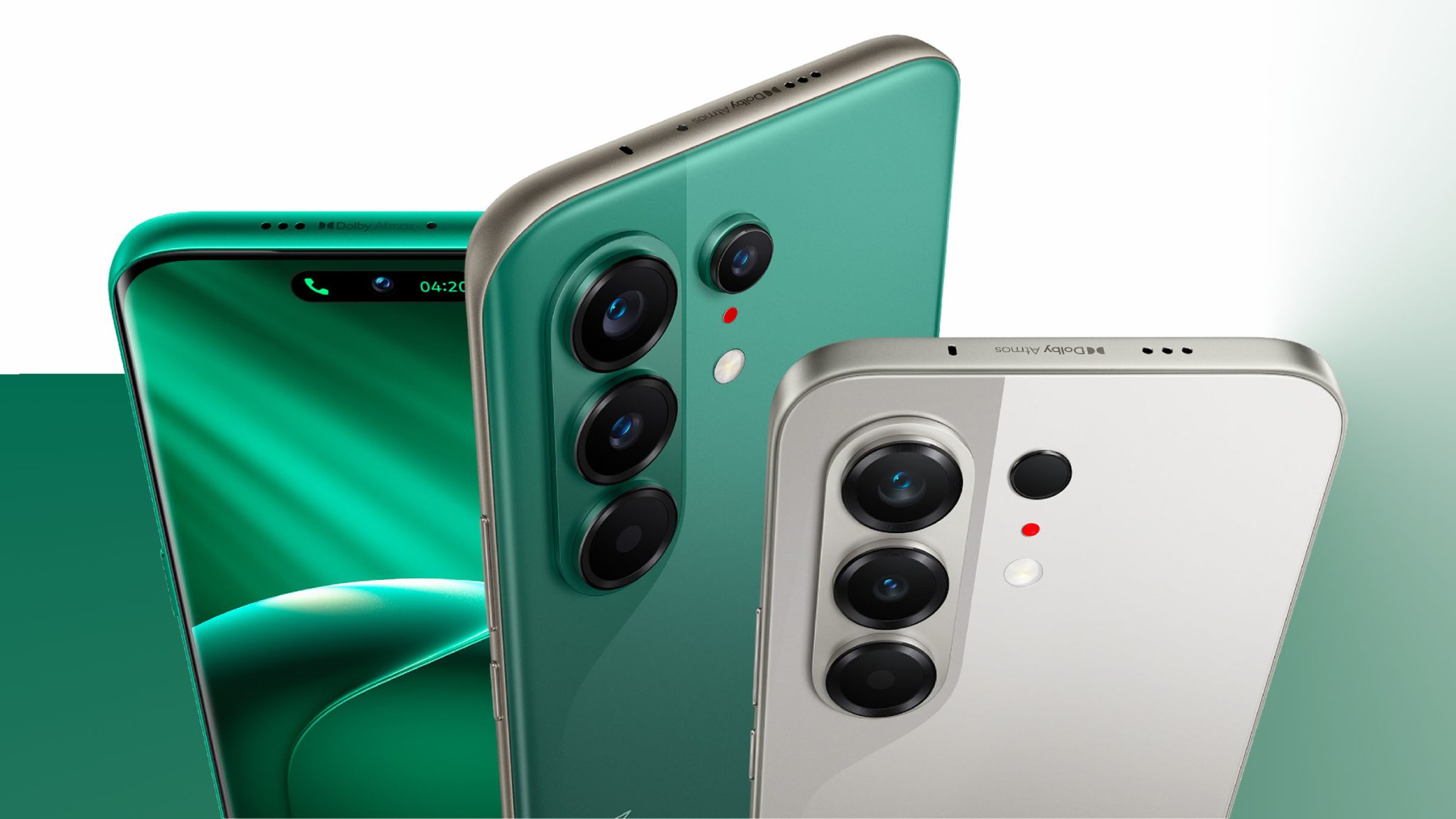
(Image Source: Leitech)
Their CAMON 50 series phones didn't focus on benchmark scores that only geeks care about; instead, they emphasized practical imaging and localized voice interaction.
With a 50-megapixel 1/1.56" Sony sensor and a deeply optimized shutter algorithm, this phone can pre-shoot before the shutter button is pressed, excelling in capturing moving objects with clarity.
Here's a photo of Barcelona seagulls taken by foreign media outlet GadgetMatch—the capture quality is indeed impressive.

(Image Source: GadgetMatch)
But what touched Xiaolei the most was Tecno's diligent work on localized end-side large models. According to Tecno's official introduction, targeting African and Middle Eastern markets, the CAMON 50 series is the first to support offline voice recognition and real-time translation for Hausa and various complex Middle Eastern dialects.
Keep in mind that in areas with poor network conditions like Africa, relying on cloud servers for translation is impractical.
Through collaboration with Google, Tecno directly compressed the model onto the phone itself, eliminating communication barriers for users of minority languages overlooked by mainstream tech circles. This pragmatic innovation dedicated to bridging the digital divide deserves immense respect.
However, based on foreign media reviews... these features are only available on the CAMON 50 Ultra/Pro+, which is somewhat puzzling.
Motorola: Lenovo Qira Arrives
Finally, let's visit Lenovo and Motorola's booth.
In this era of ubiquitous foldable screens, Motorola has finally broken away from its tradition of only making small foldables, introducing its first horizontally folding large-screen phone—the Lenovo Moto Razr Fold.
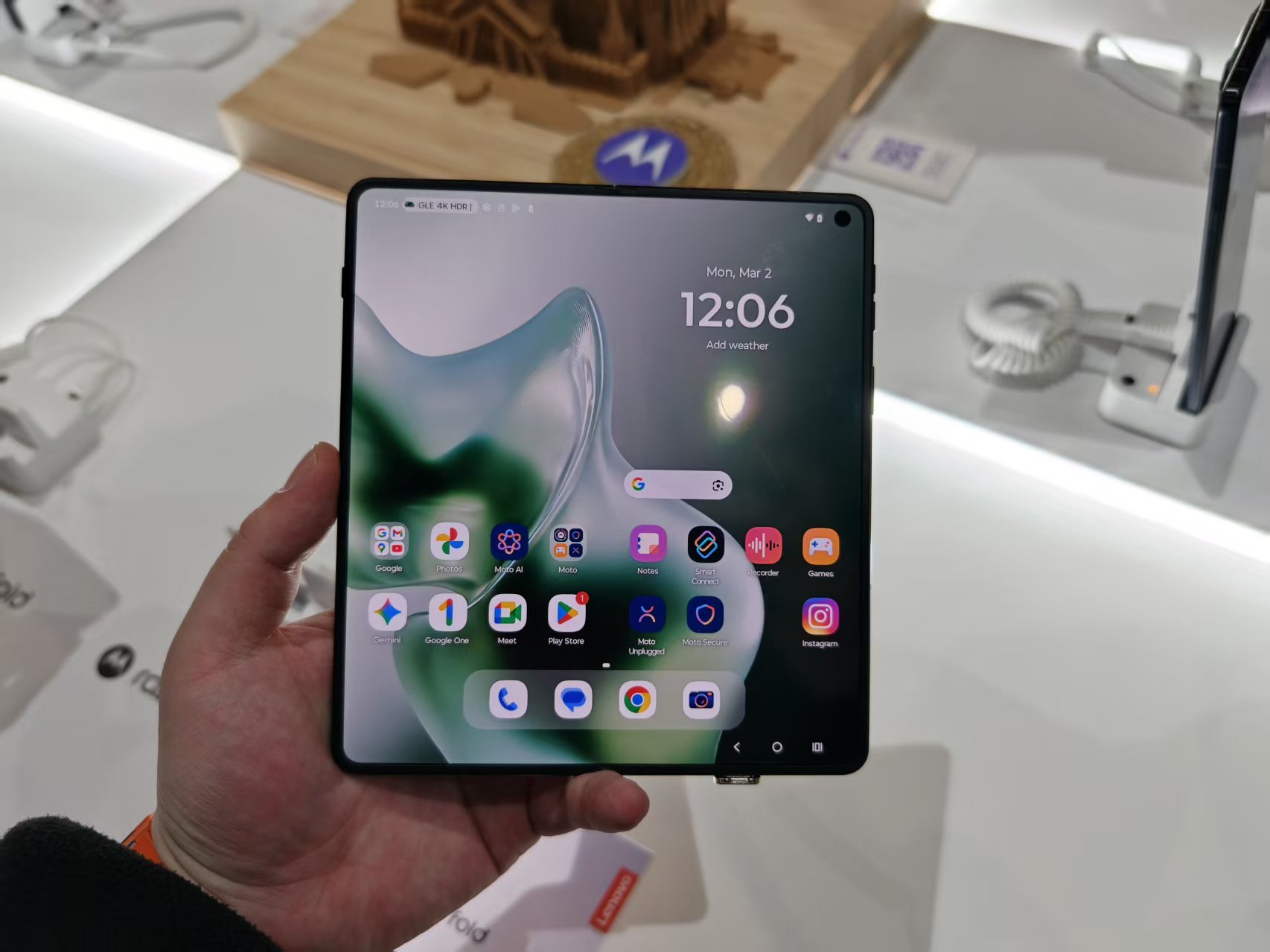
(Image Source: Leitech)
This phone features an 8.1-inch inner screen and a 6.6-inch outer screen, powered by the Snapdragon 8 Gen5 processor. Most impressively, it crams a massive 6000mAh battery into its compact folding body, along with stylus support—essentially positioning it as a flagship model for business professionals.
On this new device, Moto has integrated Lenovo Qira, their core AI selling point for the year.
According to Lenovo's official introduction, Lenovo Qira is an intelligent agent built directly into the operating system's core. With user authorization, this agent can "see what you see and hear what you hear," continuously collecting full-scenario data during your usage.
Armed with this information, Lenovo Qira can proactively suggest your next action based on your recent operations and on-screen content (i.e., predictive AI), saving you time on multiple clicks and jumps. Moreover, this AI experience seamlessly flows between Moto phones, Lenovo tablets, and AI PCs, fully leveraging Lenovo's ecosystem advantages.
For high-end government and enterprise users, Lenovo Moto also announced a long-term strategic collaboration with the privacy-focused GrapheneOS.
The brand-new Moto Analytics device health monitoring platform will automatically and intelligently strip away all sensitive metadata (such as location, device information, etc.) when you share various files, preventing privacy leaks and proving to be extremely friendly to business professionals.
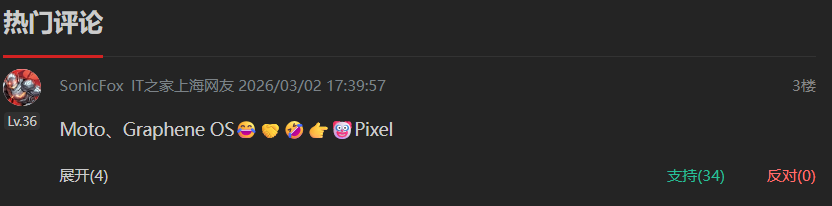
(Image source: IT Home)
No wonder some domestic readers say that Pixel is going to be a joke now.
Summary: The era of intelligent agents has arrived.
Okay, these are the AI smartphones that left a deep impression on Xiaolei at MWC 2026.
Today's AI smartphones have shed the veneer of conceptual talks and demonstrations from the past two years and are moving towards a practical stage of competing in underlying systems and physical form innovation.
The Nubia M153 and Samsung Galaxy S26 series showcase aggressive graphical interface agency capabilities, forcing them to compete with traditional software ecosystems; the Honor Robot Phone is exploring breakthroughs in hardware physical form, Lenovo moto hopes that intelligent agents can provide next-step suggestions, while Tecno is quietly changing ordinary people's lives with the most practical language models in the African, Asian, and Latin American markets.
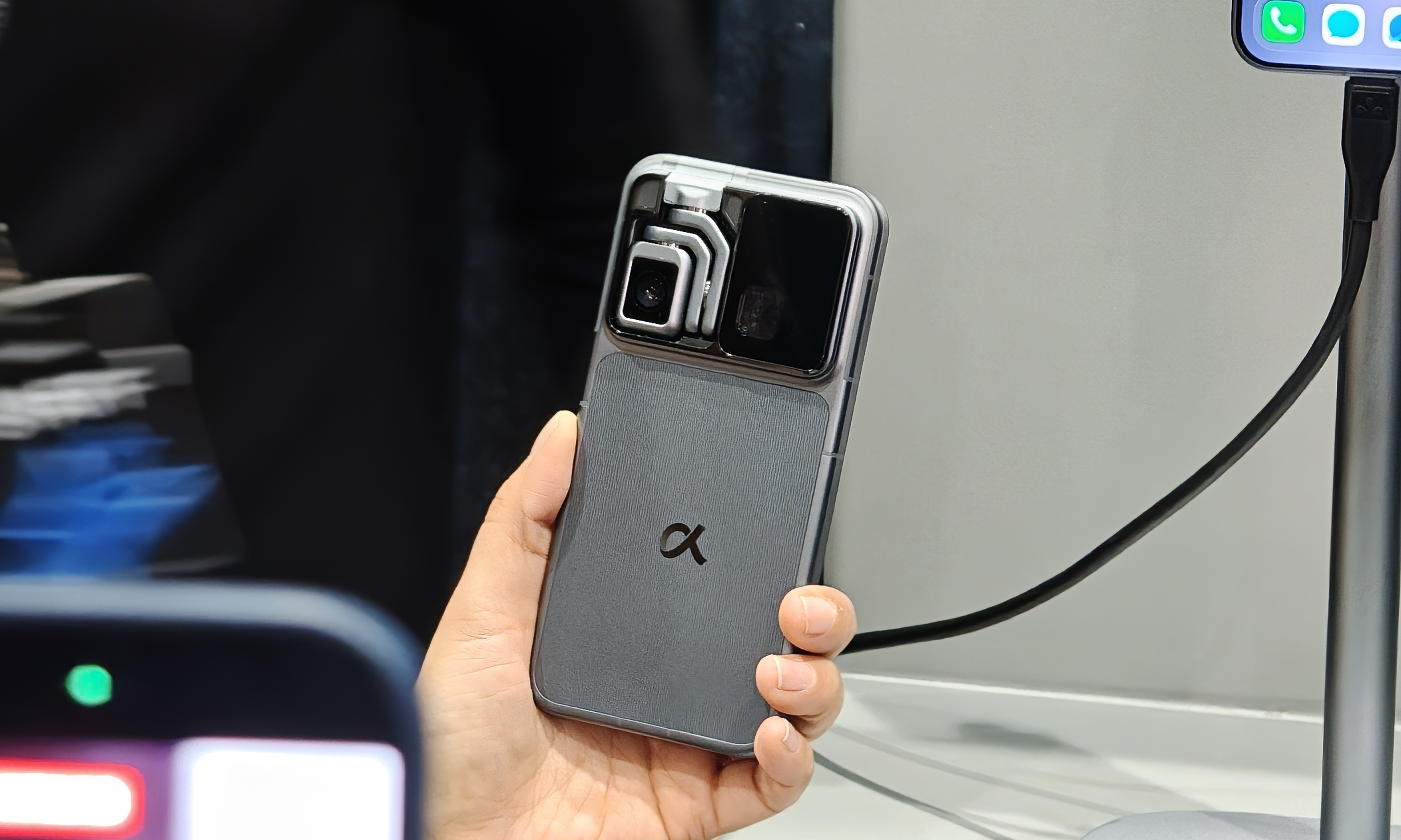
(Image source: Honor)
It is foreseeable that in the near future, smartphones will no longer be just tools lying in your pocket, waiting for your interaction to respond. They must learn to autonomously understand on-screen software, proactively analyze your needs, and even change their own form through mechanical structures to adapt to the environment, in order to free people from tedious operations.
However, this technological trend of proactive agency also to some extent collides with compliance boundaries. It's important to note that for intelligent agents to operate smartphones, they must utilize highly sensitive permissions for screen reading and automatic operations, which may raise concerns about permission abuse, personal privacy, and commercial disputes.
When smartphones grow hands and eyes and can even proactively make decisions for you, are we becoming freer, or are we being bound more deeply by algorithms?
Smartphone AI MWC
Source: Leikeji
Images in this article are from: 123RF Royalty-Free Image Library
-
![]()
Hardware is the skeleton, AI is the soul, and data integrates the two
-
![]()
China’s AI Industry: A Unified Pivot Towards Monetization?
-
![]()
New Progress! Infineon Completes Acquisition of ams OSRAM's Non-Optical Sensor Business
-
![]()
35 Million Bet on an Optical Future! Tengjing Technology Makes a Move in AR
-
![]()
Why World Models Get Stuck on Construction Roads in Autonomous Driving Applications
-
Alibaba Initiates Cultural Transformation: Is Jack Ma Making a Strategic Comeback?
-
Tianfeng Heads to Hong Kong for IPO with RMB 3.8 Billion in Funds: Xingyu's Cross-Border Foray into Embodied AI Faces Uncertain Future
-
![]()
Mengshi Auto’s High-End Aspirations Dashed: Huawei Partnership Fails to Revive Sales, New Model’s Entry Price Dips Below 300,000 Yuan